Exceptional Versatility and Cost Efficiency
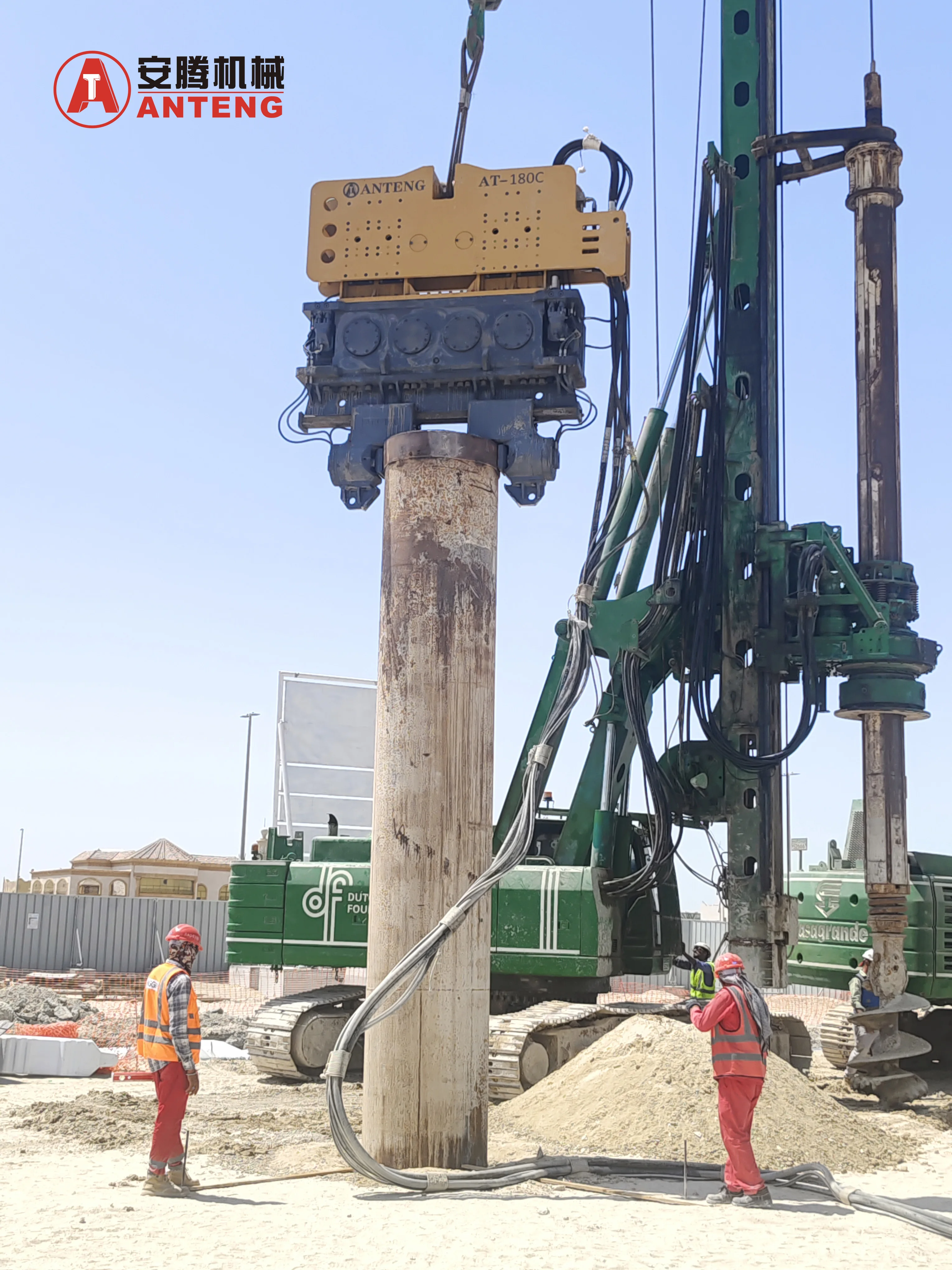
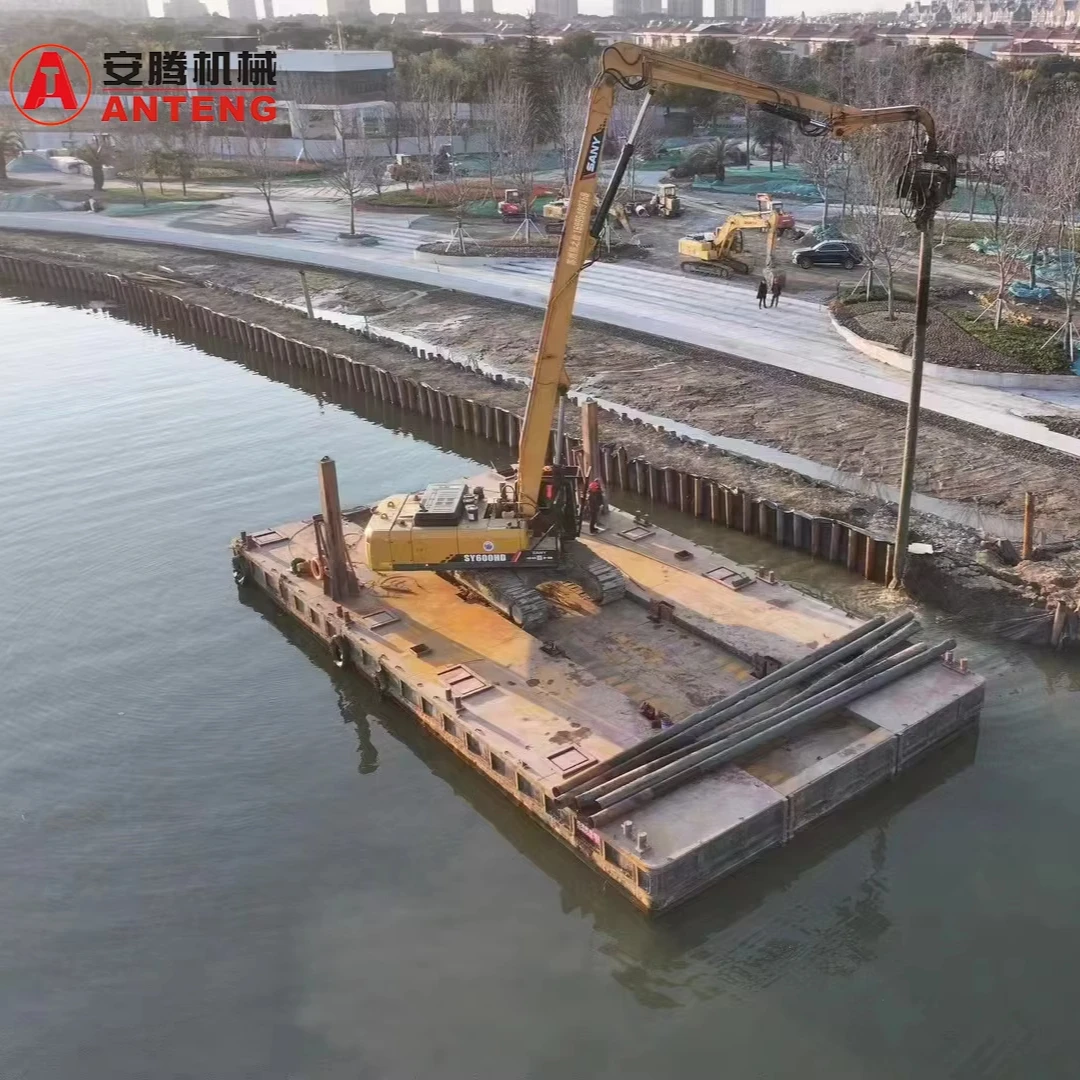
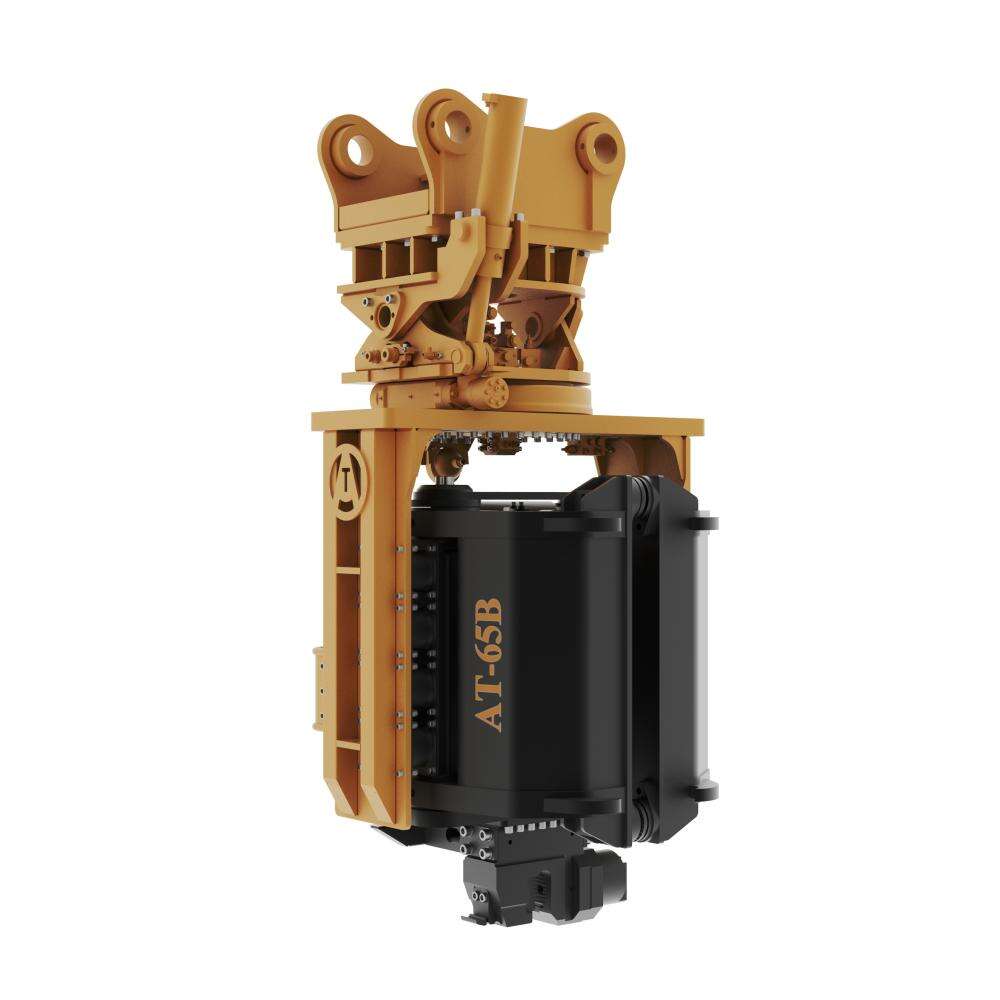
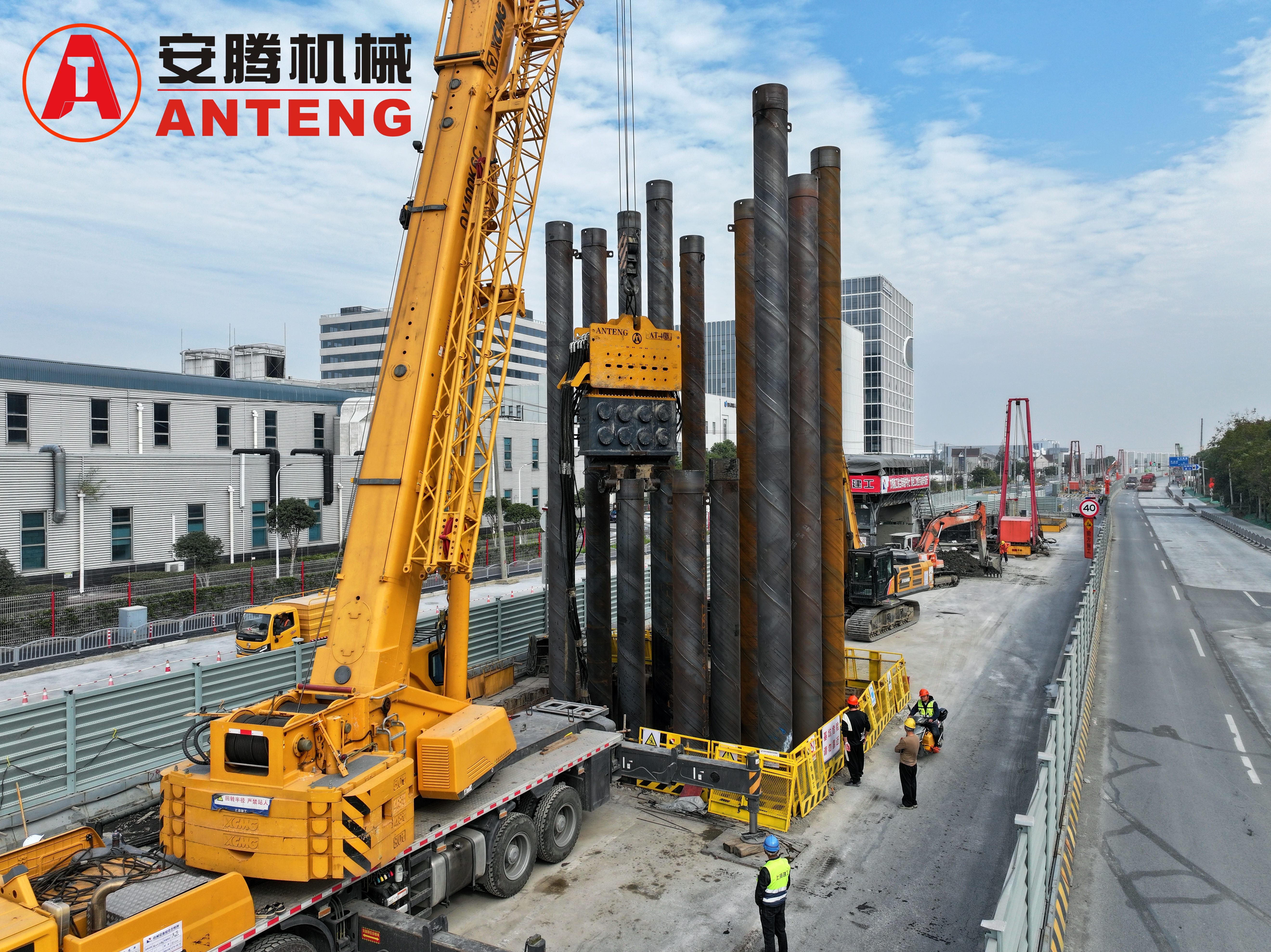
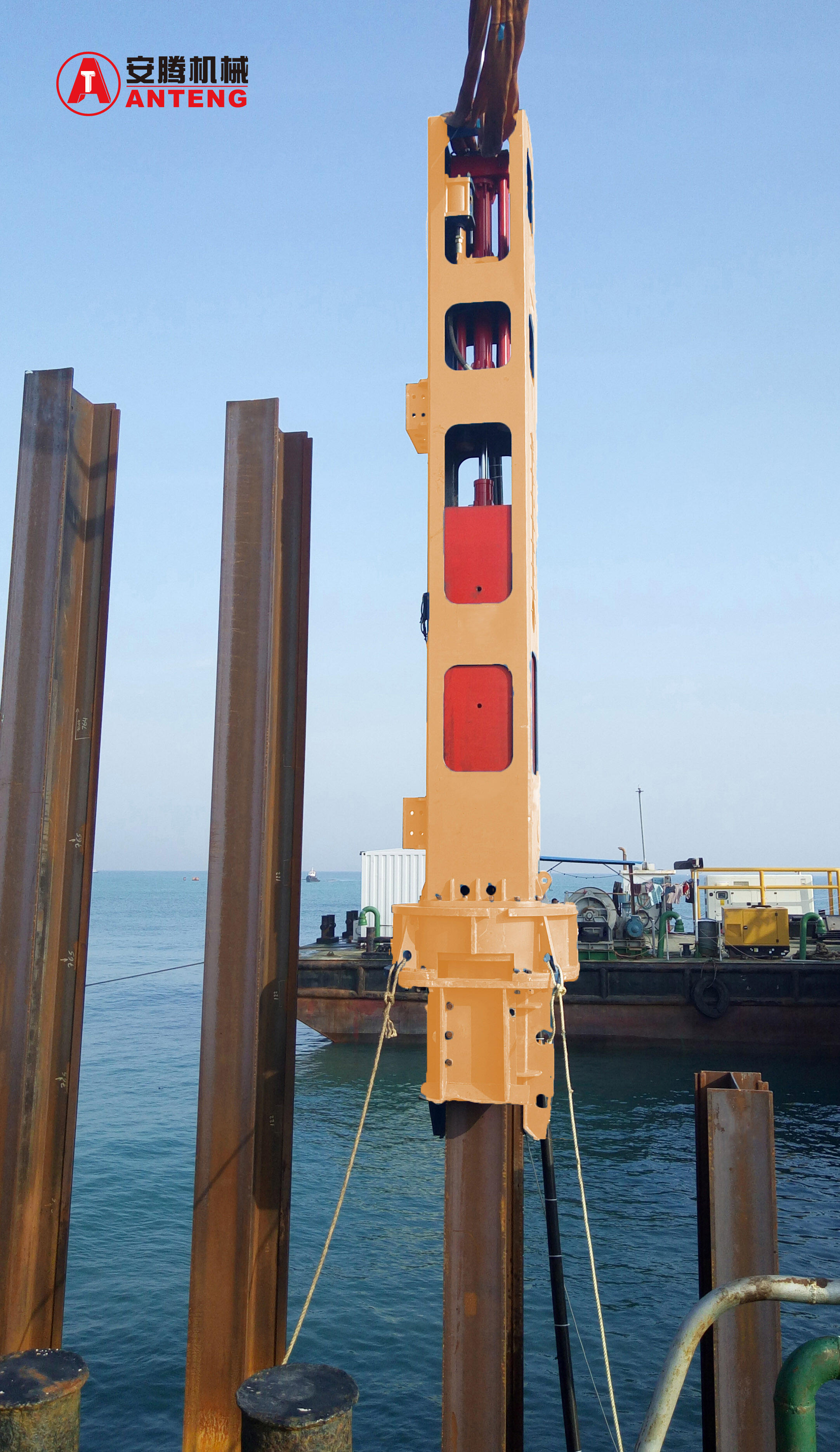
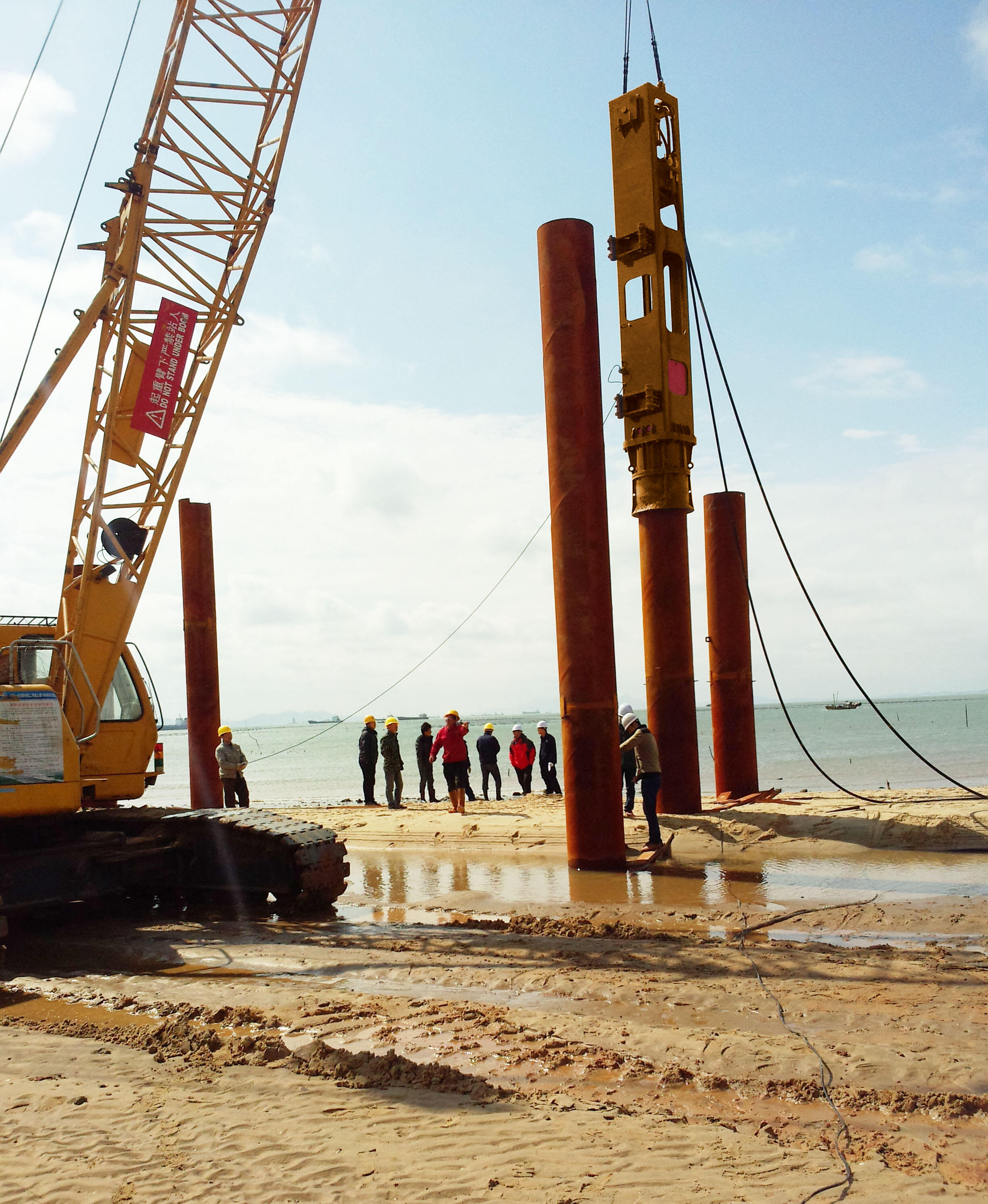
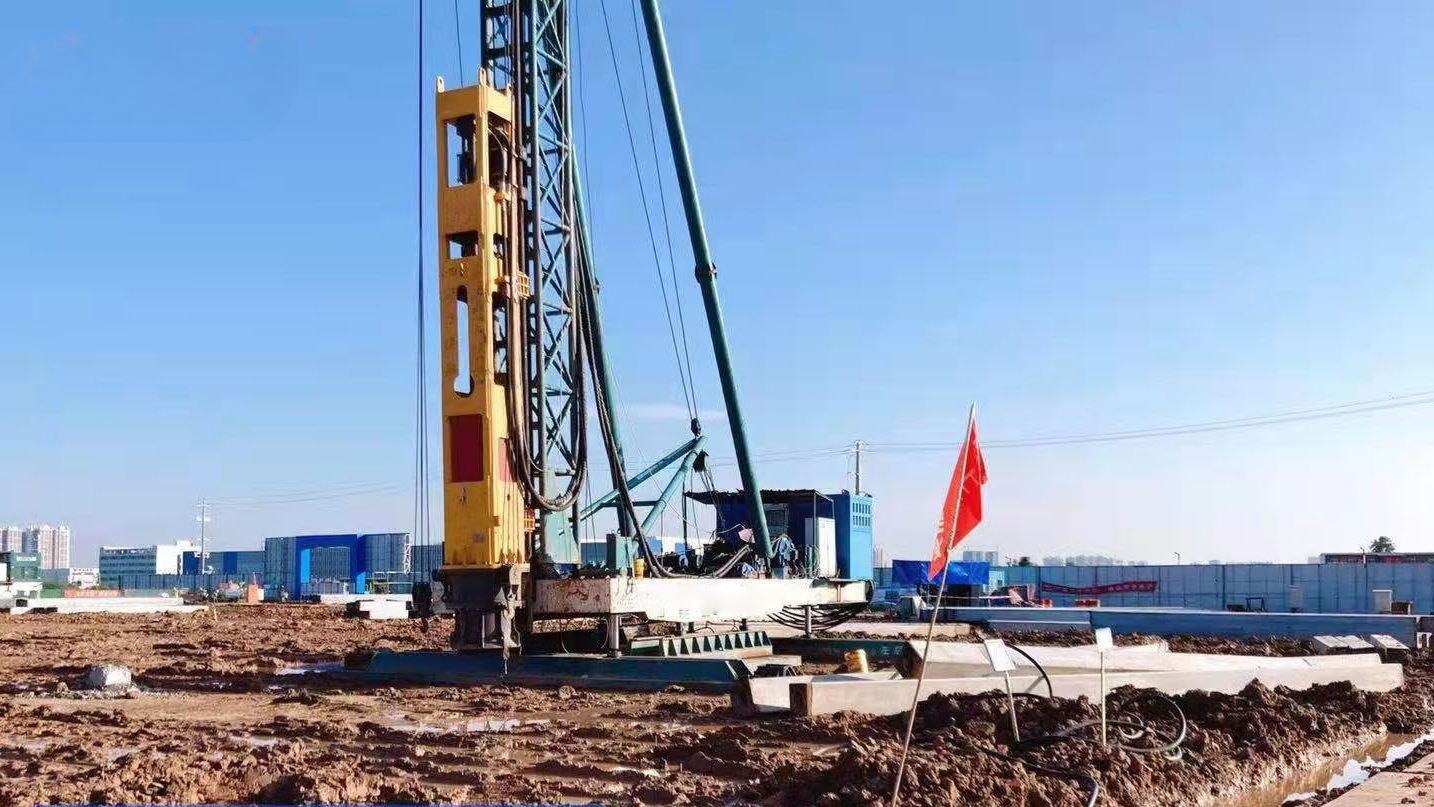
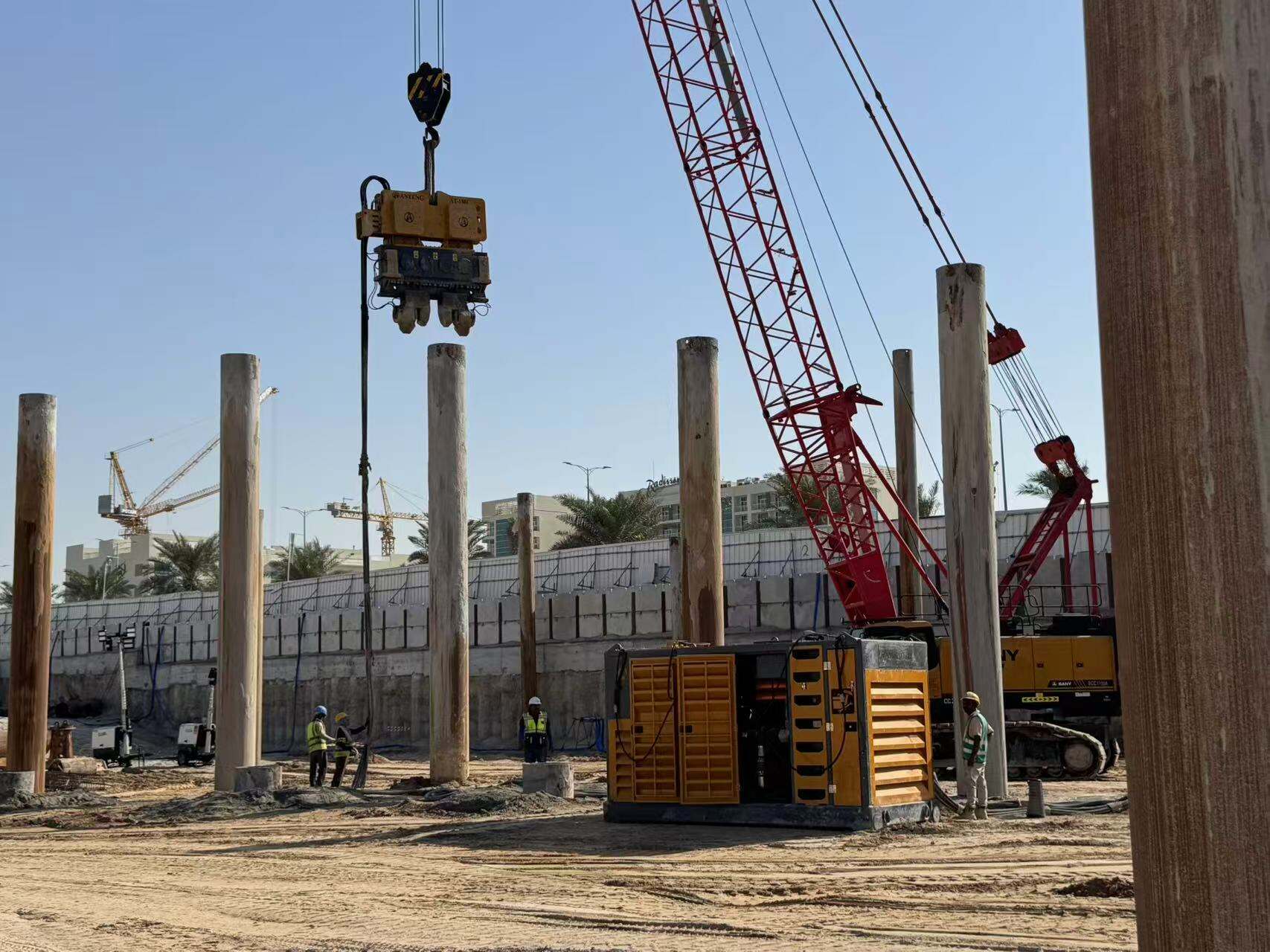
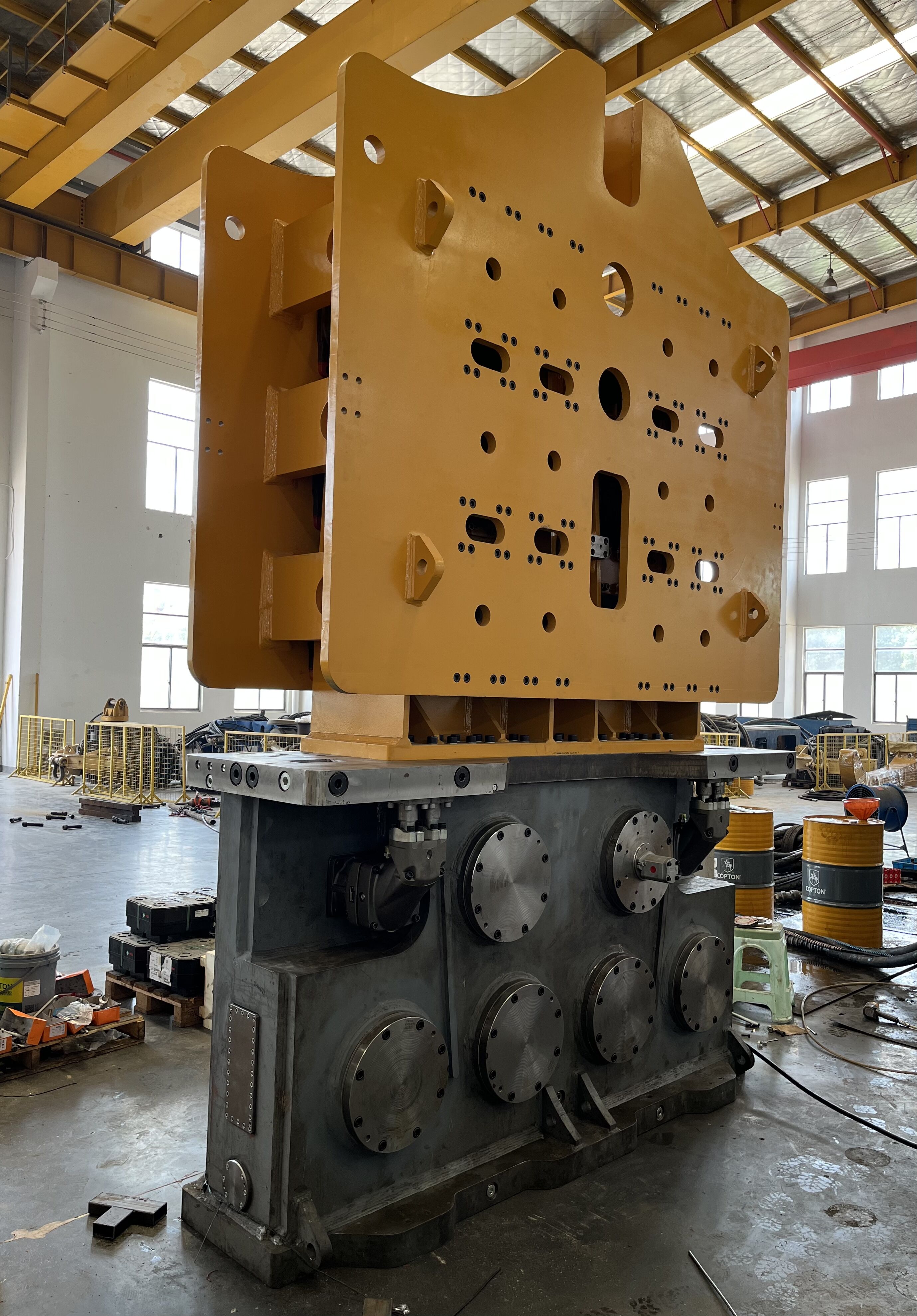
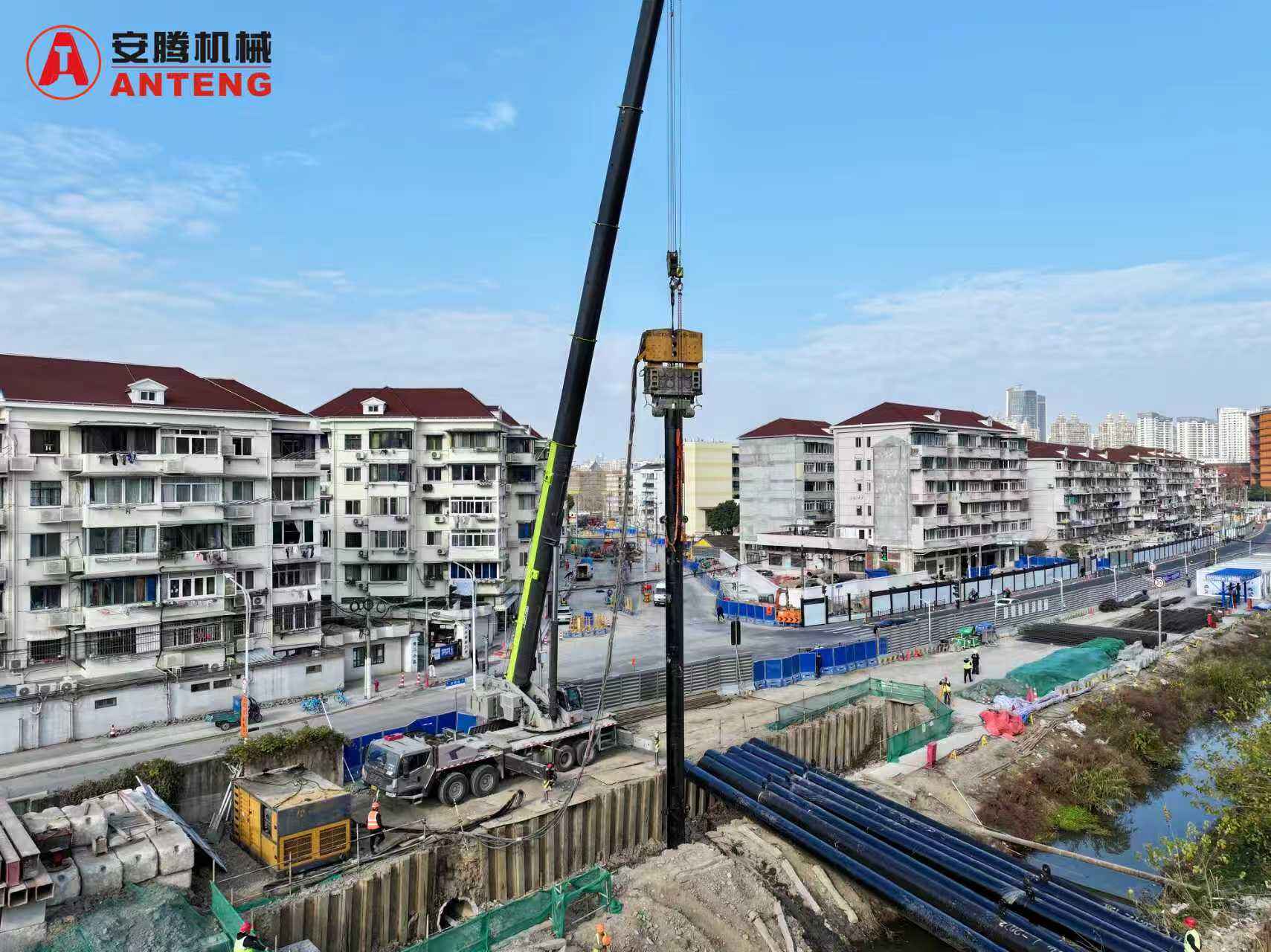
The vibrating pile driver demonstrates remarkable versatility that makes it an invaluable investment for construction companies handling diverse foundation projects across multiple industries and applications. This equipment efficiently installs various pile types including steel sheet piles, H-beams, concrete precast piles, timber foundations, and composite materials with equal effectiveness and precision. The machine's adaptability extends to different pile sizes and configurations, accommodating everything from small residential foundation elements to massive commercial and industrial foundation systems. This versatility eliminates the need for multiple specialized machines, reducing equipment costs and simplifying fleet management for contractors. The vibrating pile driver excels in confined spaces where traditional equipment cannot operate effectively, making it ideal for urban construction projects with limited access or restrictive site conditions. Its compact design and maneuverability enable installation work in tight quarters while maintaining full operational capability and safety standards. Marine applications represent a particularly strong suit for this equipment, as the vibrating pile driver performs exceptionally well in waterfront construction, dock installations, seawall projects, and offshore platform foundations. The technology's effectiveness in saturated soils and underwater conditions makes it the preferred choice for marine contractors and coastal construction specialists. Cost efficiency emerges through multiple operational advantages including reduced installation time, lower labor requirements, decreased fuel consumption, and minimal maintenance needs. The equipment typically reduces pile installation time by 40-50 percent compared to traditional methods, translating directly into labor cost savings and accelerated project completion. The vibrating pile driver's ability to handle pile extraction with equal efficiency as installation provides additional revenue opportunities for temporary construction applications, equipment rental services, and site remediation projects. Long-term ownership costs remain low due to the equipment's robust construction, simplified mechanical systems, and reduced wear on components compared to impact-driven alternatives. The technology's reliability and consistent performance minimize downtime and service interruptions, ensuring maximum productivity throughout ownership periods. Training requirements for operators remain straightforward due to intuitive controls and automated systems that simplify operation while maintaining safety and performance standards, reducing training costs and enabling faster crew deployment across multiple project sites.
 EN
EN