 EN
EN
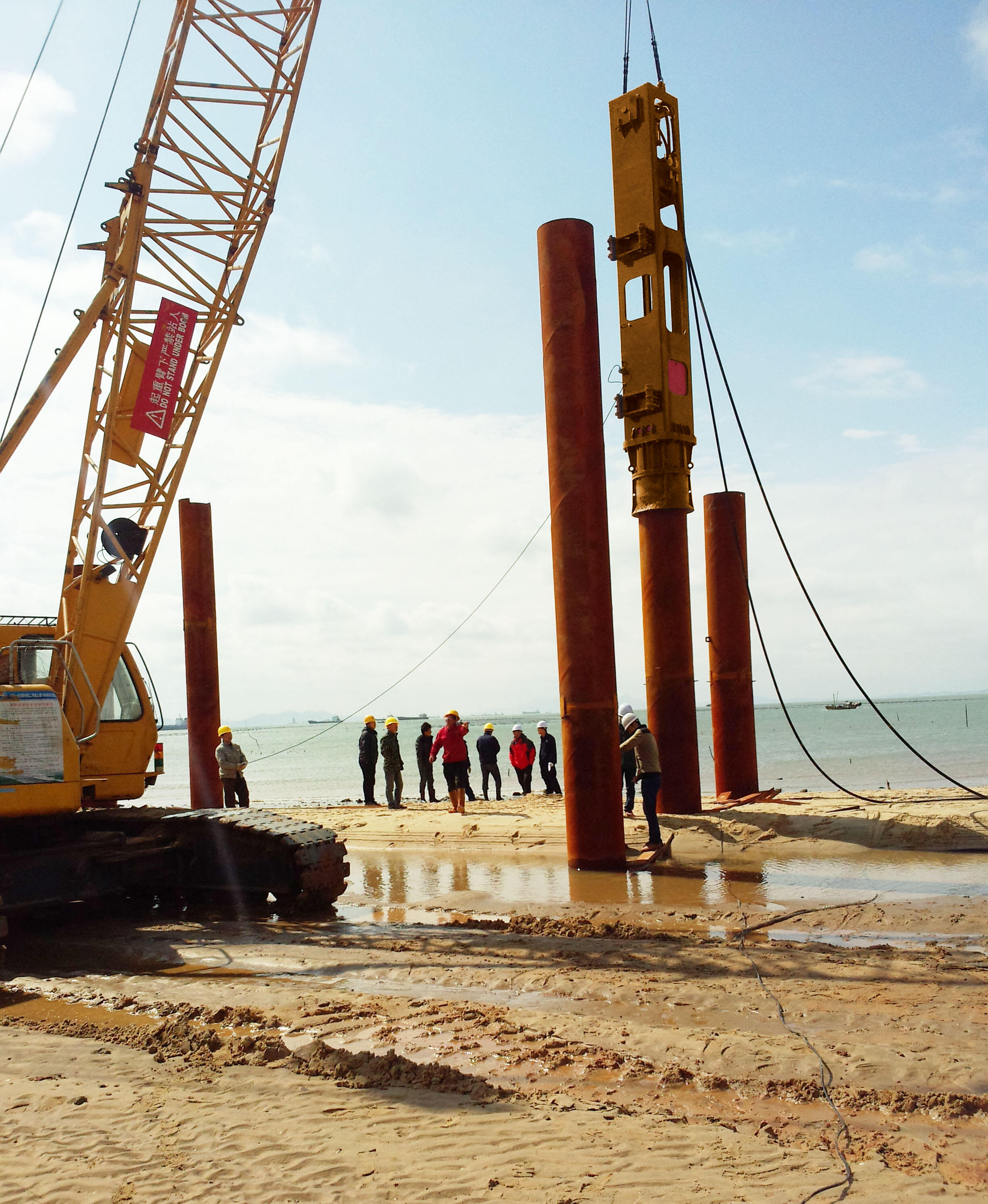
The integration of an impact hammer into piling operations represents a critical engineering process that requires precise coordination between equipment, structural requirements, and site conditions. Understanding how an impact hammer functions within the broader piling workflow is essential for construction professionals who need to ensure both structural integrity and operational efficiency. The successful integration process involves multiple technical considerations, from initial site assessment through final installation verification.
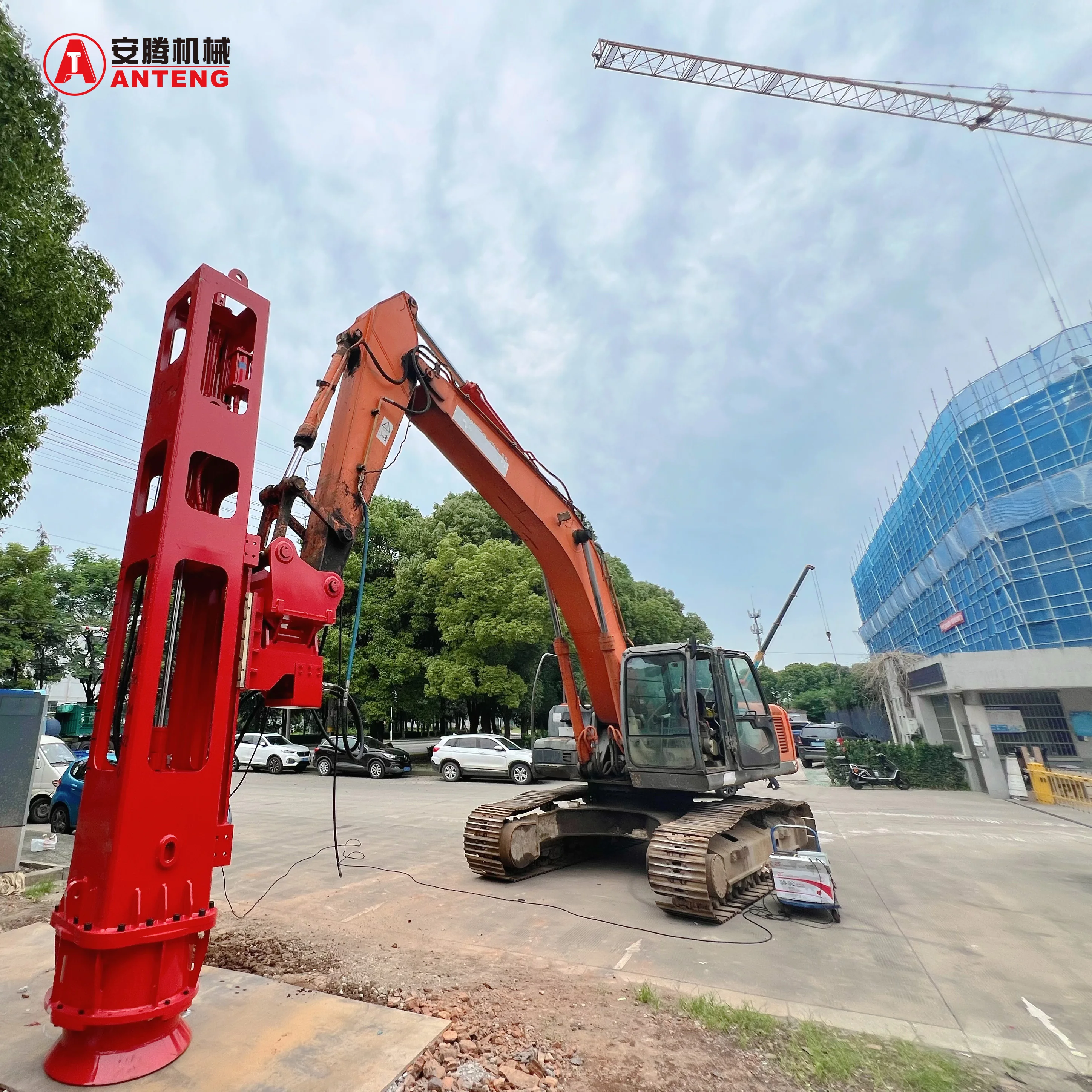
Modern piling operations depend on the seamless integration of specialized equipment that can deliver precise force application while maintaining strict safety and quality standards. The impact hammer serves as the primary driving mechanism in this process, requiring careful calibration and positioning to achieve optimal results. This integration process extends beyond simple equipment mounting, encompassing comprehensive planning phases that consider soil conditions, pile specifications, and project timeline requirements.
Preliminary Assessment and Planning Phase
Site Condition Evaluation for Impact Hammer Selection
The integration process begins with comprehensive site evaluation to determine the appropriate impact hammer specifications for the specific piling project. Geotechnical analysis reveals soil density, bearing capacity, and subsurface obstacles that directly influence how the impact hammer will perform during installation. Engineers must assess groundwater levels, soil composition layers, and potential interference from existing structures that could affect the impact hammer's effectiveness.
Site accessibility considerations play a crucial role in determining how the impact hammer will be positioned and operated throughout the piling sequence. Access routes, overhead clearances, and adjacent structure limitations all influence the integration approach. The evaluation phase also includes noise and vibration impact assessments, as the impact hammer generates significant force that must be managed within acceptable limits for surrounding properties and structures.
Equipment Compatibility Assessment
Successful integration requires careful matching between the impact hammer specifications and the crane or excavator that will support its operation. Load capacity calculations ensure the supporting equipment can safely handle the impact hammer's weight while maintaining operational stability during the driving process. Hydraulic system compatibility becomes critical, as the impact hammer requires specific flow rates and pressure levels to function at optimal performance.
The assessment phase includes verification of attachment mechanisms, ensuring secure mounting points that can withstand the repetitive forces generated during pile driving. Safety system integration is evaluated, including emergency stop mechanisms, pressure relief systems, and operator communication protocols. These compatibility checks prevent equipment failure and ensure seamless operation throughout the piling project.
Physical Integration and Setup Process
Mounting and Hydraulic Connection Procedures
The physical integration of an impact hammer begins with precise mounting to the supporting crane or excavator boom. Specialized brackets and pin connections secure the impact hammer in position while allowing necessary articulation for accurate pile alignment. Hydraulic connections must be completed according to manufacturer specifications, with proper hose routing that prevents interference with equipment movement and protects against damage during operation.
Safety lockout procedures are implemented during the connection process to prevent accidental activation while technicians complete the integration work. Hydraulic fluid compatibility is verified, and system pressure testing ensures all connections meet operational requirements. The setup process includes calibration of control systems that govern impact frequency, force application, and automatic shut-off functions based on pile penetration resistance.
Alignment and Positioning Systems
Precise positioning systems enable the impact hammer to maintain accurate alignment throughout the pile driving process. Laser guidance systems or mechanical alignment tools ensure the impact hammer delivers force along the intended pile axis, preventing deflection that could compromise structural integrity. Positioning tolerances are typically maintained within millimeter precision to meet engineering specifications for pile placement.
The integration includes setup of monitoring systems that track pile penetration depth, driving resistance, and impact hammer performance parameters. These systems provide real-time feedback that enables operators to adjust force application and maintain optimal driving conditions. Backup positioning methods are established to maintain operation continuity if primary guidance systems experience technical issues.
Operational Integration and Control Systems
Automated Control Interface Integration
Modern impact hammer integration involves sophisticated control systems that coordinate equipment operation with project specifications and safety requirements. Programmable logic controllers manage impact frequency, force modulation, and automatic stopping sequences based on predetermined penetration criteria. These control systems integrate with crane or excavator hydraulics to ensure smooth operation without overloading supporting equipment.
The control interface provides operators with comprehensive monitoring capabilities, displaying impact hammer performance metrics, pile penetration progress, and system health indicators. Integration with project management systems enables real-time data collection for quality control documentation and progress reporting. Emergency stop systems are integrated at multiple points to ensure immediate response capability in case of equipment malfunction or safety concerns.
Performance Monitoring and Feedback Systems
Real-time monitoring systems track impact hammer performance throughout the piling operation, measuring parameters such as impact energy, blow count, and pile set measurements. This data integration enables immediate adjustments to maintain optimal driving conditions and ensure pile installation meets engineering specifications. Vibration monitoring systems assess impact on surrounding structures and provide early warning of potentially damaging conditions.
Data logging capabilities capture detailed performance records that support quality assurance documentation and future project planning. The monitoring integration includes communication systems that alert supervisors to significant changes in driving conditions or equipment performance. These feedback systems enable proactive maintenance scheduling and prevent costly equipment failures during critical project phases.
Quality Control and Safety Integration
Safety System Coordination
The integration process includes comprehensive safety system coordination that protects personnel and equipment throughout piling operations. Impact hammer safety systems integrate with crane load moment indicators to prevent overloading conditions that could cause equipment failure. Personnel protection systems include exclusion zone monitoring and automatic shutdown capabilities when unauthorized personnel enter hazardous areas.
Communication system integration ensures clear coordination between impact hammer operators, crane operators, and ground personnel throughout the driving process. Standardized signal protocols prevent miscommunication that could lead to safety incidents or equipment damage. Safety system testing is conducted regularly to verify proper integration and response capabilities under various operational scenarios.
Quality Assurance Protocol Integration
Quality control systems integrate with impact hammer operation to ensure consistent pile installation that meets engineering specifications. Automated measurement systems track pile penetration depth, driving resistance, and impact hammer performance parameters to verify compliance with project requirements. Documentation systems capture detailed records of each pile installation for quality assurance verification and regulatory compliance.
Integration with testing equipment enables real-time verification of pile capacity and structural integrity during the driving process. Quality control protocols include regular calibration verification of monitoring systems and impact hammer performance parameters. These integrated systems provide comprehensive documentation that supports project acceptance and long-term structural performance verification.
Maintenance and Operational Optimization
Preventive Maintenance Integration
Successful impact hammer integration includes comprehensive maintenance protocols that ensure reliable operation throughout extended piling campaigns. Maintenance scheduling systems coordinate impact hammer service requirements with crane or excavator maintenance cycles to minimize operational downtime. Diagnostic systems monitor impact hammer component wear and performance degradation to enable proactive maintenance interventions.
Parts inventory management is integrated with maintenance scheduling to ensure critical components are available when needed for service operations. Maintenance documentation systems track service history, component replacement cycles, and performance trends to optimize maintenance intervals and prevent unexpected failures. Training programs ensure maintenance personnel understand proper integration procedures and safety protocols for impact hammer service operations.
Performance Optimization Strategies
Operational optimization involves continuous adjustment of impact hammer parameters to maintain peak performance throughout varying site conditions. Performance data analysis identifies trends that enable operators to anticipate changes in driving conditions and adjust impact hammer settings accordingly. Energy efficiency optimization reduces fuel consumption while maintaining required pile installation performance.
Integration with weather monitoring systems enables proactive adjustments for environmental conditions that affect impact hammer performance. Operator training programs focus on optimization techniques that maximize productivity while maintaining safety and quality standards. Performance benchmarking systems compare current operation against historical data to identify improvement opportunities and maintain consistent results across multiple projects.
FAQ
What are the primary factors that determine impact hammer integration requirements?
Impact hammer integration requirements depend on several key factors including pile specifications, soil conditions, supporting equipment capacity, and site accessibility constraints. The specific impact energy requirements, pile material properties, and driving depth specifications directly influence the integration approach. Environmental considerations such as noise limitations, vibration restrictions, and proximity to sensitive structures also affect integration planning and equipment selection.
How long does the typical impact hammer integration process take?
The integration timeline varies based on project complexity and equipment specifications, but typically ranges from 4 to 8 hours for initial setup and testing. This includes mounting procedures, hydraulic connections, system calibration, and safety verification testing. More complex integrations involving specialized monitoring systems or custom mounting configurations may require additional time for proper setup and verification. Regular integration procedures for ongoing projects typically require 2 to 3 hours for equipment changeover and verification.
What safety considerations are most critical during impact hammer integration?
Critical safety considerations include proper lockout/tagout procedures during hydraulic connections, verification of emergency stop systems, and establishment of exclusion zones around the equipment. Hydraulic system pressure testing and connection verification prevent dangerous failures during operation. Communication protocol establishment ensures clear coordination between all personnel involved in the integration and subsequent operation. Regular safety system testing and operator training are essential to maintain safe operation throughout the project duration.
How does weather affect impact hammer integration and operation?
Weather conditions significantly impact both integration procedures and operational performance of impact hammer systems. Cold temperatures affect hydraulic fluid viscosity and impact hammer cycling performance, requiring system warm-up procedures and potential fluid specification changes. High winds can interfere with pile alignment and create safety hazards during integration and operation. Wet conditions affect site accessibility, soil conditions, and equipment stability, requiring additional safety measures and potentially modified operational procedures to maintain performance and safety standards.