
 EN
EN
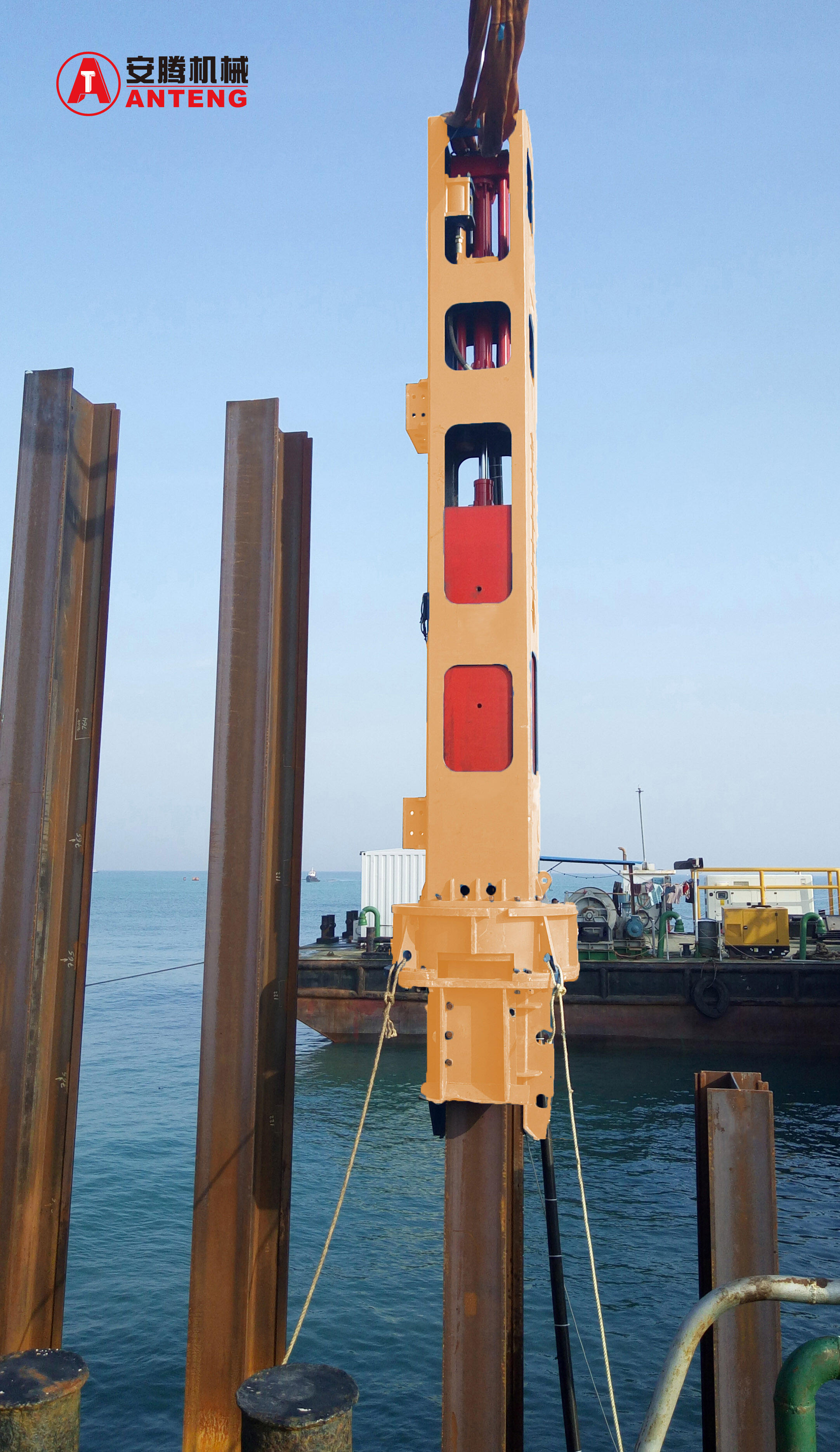
An impact hammer operates on fundamental mechanical and engineering principles that convert stored energy into controlled, high-force impacts for construction and industrial applications. Understanding these core working principles is essential for engineers, contractors, and equipment operators who rely on impact hammer technology for pile driving, foundation work, demolition, and material testing applications across various industries.
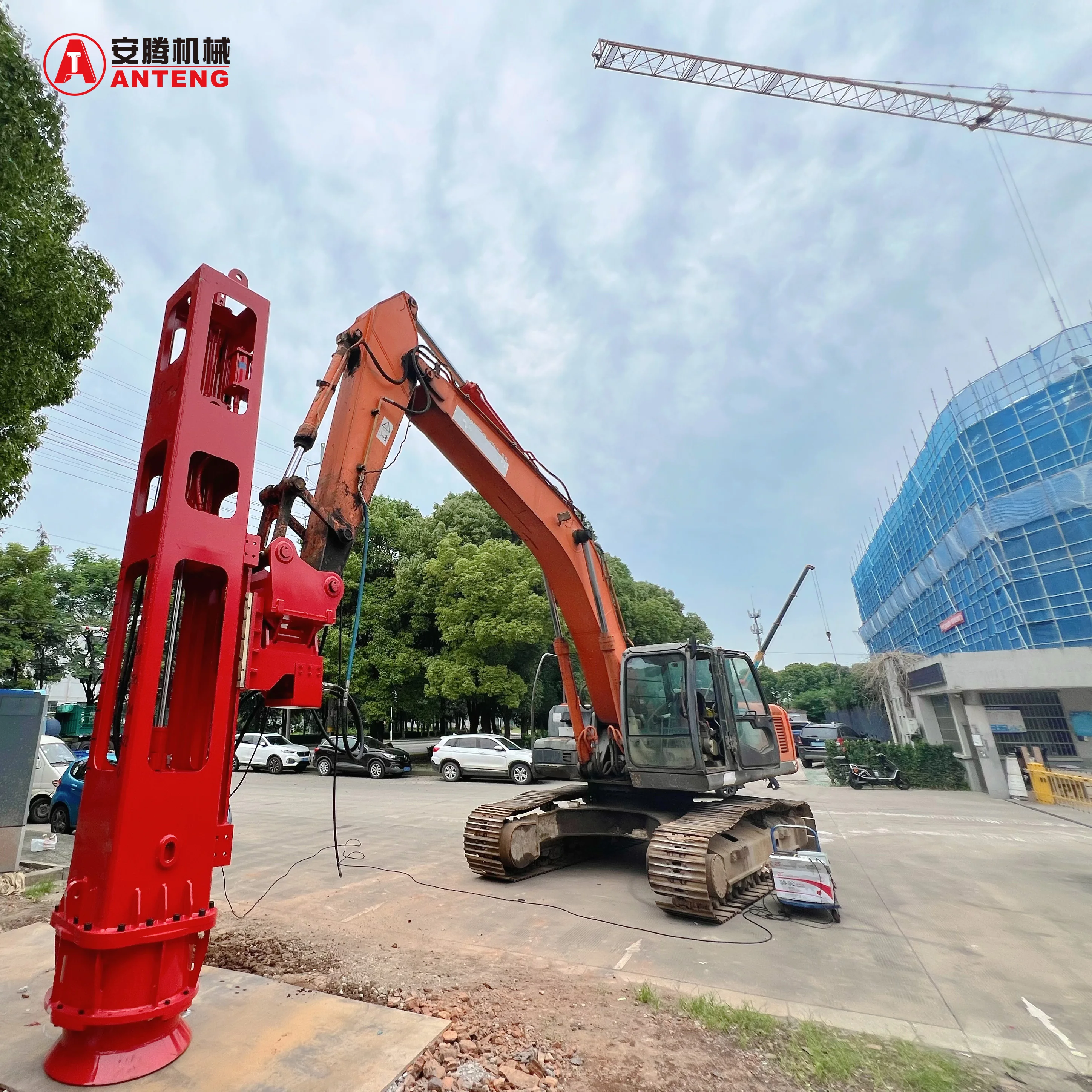
The working principles of an impact hammer encompass energy conversion mechanisms, force multiplication systems, and precise timing controls that enable these machines to deliver consistent, measurable impacts. These principles govern everything from the initial energy input through the final force delivery, making impact hammer performance predictable and reliable for critical construction and testing operations where precision and power are paramount.
Energy Conversion and Storage Mechanisms
Gravitational Potential Energy Systems
The most fundamental principle underlying impact hammer operation involves the conversion of gravitational potential energy into kinetic energy. In traditional drop hammer systems, a heavy mass is elevated to a predetermined height, accumulating potential energy proportional to both its weight and elevation distance. When released, this stored energy converts to kinetic energy as the mass accelerates downward under gravitational force.
The energy conversion follows the basic physics equation E = mgh, where mass, gravitational acceleration, and height determine the total energy available for impact. This principle enables precise energy control by adjusting either the drop mass or release height, allowing operators to tailor impact force to specific application requirements. The simplicity and reliability of gravitational systems make them foundational to impact hammer design across multiple industrial applications.
Modern impact hammer designs optimize this gravitational principle through advanced lifting mechanisms, precision release systems, and enhanced mass distribution patterns. These improvements maximize energy transfer efficiency while maintaining the fundamental reliability that makes gravitational impact systems the preferred choice for many construction and testing applications requiring consistent, measurable force delivery.
Hydraulic Energy Accumulation
Hydraulic impact hammer systems utilize fluid pressure accumulation principles to store and release energy in controlled bursts. These systems pressurize hydraulic fluid within specialized chambers, creating stored energy that can be released instantaneously to drive the impact mechanism. The hydraulic principle allows for rapid energy cycling and precise force modulation that exceeds traditional gravitational systems in speed and control accuracy.
The hydraulic energy storage principle operates through Pascal's law, where pressure applied to confined fluid transmits equally throughout the system. This enables impact hammer designs to multiply force through differential piston areas while maintaining precise control over timing and intensity. Hydraulic systems can achieve impact frequencies and force variations impossible with purely mechanical approaches, making them essential for applications requiring rapid, repetitive impacts.
Advanced hydraulic impact hammer designs integrate pressure feedback systems and electronic controls to optimize energy accumulation and release timing. These enhancements ensure consistent impact characteristics while enabling real-time adjustments based on material response and operational requirements. The hydraulic principle's inherent responsiveness makes it particularly valuable for applications requiring adaptive force delivery and precise impact control.
Compressed Air Energy Storage
Pneumatic impact hammer systems harness compressed air energy storage principles to generate controlled impact forces through rapid gas expansion. These systems compress air within specialized chambers, storing energy that releases explosively to drive impact mechanisms with exceptional speed and precision. The pneumatic principle enables lightweight, portable impact hammer designs while maintaining substantial force generation capabilities.
The compressed air principle operates through gas expansion laws, where pressurized air releases energy proportional to pressure differential and chamber volume. This allows impact hammer systems to achieve extremely high impact velocities while maintaining precise timing control through valve systems and pressure regulation. Pneumatic systems excel in applications requiring rapid impact cycling and consistent force delivery across extended operational periods.
Modern pneumatic impact hammer designs incorporate electronic pressure monitoring and automated cycling controls to optimize energy utilization and impact consistency. These advances ensure reliable performance while reducing air consumption and operational costs, making pneumatic principles increasingly attractive for portable and mobile impact hammer applications where power efficiency and weight considerations are critical factors.
Force Multiplication and Transfer Systems
Mechanical Leverage Principles
Impact hammer systems utilize mechanical leverage principles to multiply input forces and achieve impact intensities far exceeding the original energy input. These leverage mechanisms employ fulcrum points, lever arms, and mechanical advantage calculations to transform relatively modest input energy into concentrated, high-intensity impacts. The leverage principle enables compact impact hammer designs to generate substantial forces while maintaining operational precision and control.
The mechanical advantage principle follows fundamental physics laws where force multiplication equals the ratio of input lever arm to output lever arm lengths. This relationship allows impact hammer designers to optimize force characteristics for specific applications by adjusting lever geometry and pivot placement. Mechanical leverage systems provide reliable, predictable force multiplication without requiring external power sources or complex control systems.
Advanced impact hammer designs integrate multiple leverage stages and variable geometry mechanisms to achieve optimal force multiplication across different operational conditions. These sophisticated mechanical systems maintain the reliability advantages of simple leverage while providing enhanced performance flexibility and improved force delivery characteristics for demanding industrial applications.
Kinetic Energy Transfer Mechanisms
The kinetic energy transfer principle governs how impact hammer systems convert moving mass energy into effective work at the impact point. This principle involves momentum conservation laws and energy transfer efficiency calculations that determine how effectively the impact hammer delivers its stored energy to the target material. Optimal kinetic energy transfer requires careful attention to mass ratios, impact geometry, and contact duration parameters.
Efficient kinetic energy transfer depends on momentum matching between the impact hammer mass and target material characteristics. When impact hammer momentum closely matches the optimal range for the target application, energy transfer efficiency maximizes, resulting in superior performance and reduced energy waste. This principle guides impact hammer selection and operational parameter optimization for different materials and applications.
Modern impact hammer designs incorporate advanced materials and precision manufacturing to optimize kinetic energy transfer characteristics. These improvements include specialized impact surfaces, vibration dampening systems, and momentum optimization features that enhance energy transfer efficiency while minimizing unwanted vibrations and energy losses that can reduce overall system performance and operational effectiveness.
Wave Propagation and Stress Distribution
Impact hammer operation involves complex wave propagation principles that govern how impact energy transmits through target materials and surrounding structures. These stress wave principles determine the effectiveness of impact hammer applications in pile driving, material testing, and structural modification tasks. Understanding wave propagation enables optimal impact hammer selection and operational parameter adjustment for specific material and structural conditions.
Stress wave propagation follows elastic wave theory, where impact energy travels through materials at velocities determined by material density and elastic properties. The impact hammer generates initial stress waves that propagate through the target material, with wave amplitude and frequency characteristics directly influencing the effectiveness of the impact application. Wave reflection and transmission at material boundaries affect energy distribution and application results.
Advanced impact hammer systems incorporate wave analysis capabilities and feedback systems to optimize stress wave generation and propagation characteristics. These sophisticated approaches enable real-time adjustment of impact parameters based on material response and wave propagation analysis, ensuring optimal energy utilization and improved application effectiveness across diverse material types and structural configurations.
Control Systems and Timing Mechanisms
Impact Frequency Regulation
Impact hammer control systems utilize sophisticated frequency regulation principles to optimize impact timing and ensure consistent performance across different operational conditions. These control mechanisms manage the interval between successive impacts, enabling operators to match impact frequency to specific application requirements and material characteristics. Frequency regulation directly influences impact hammer effectiveness and operational efficiency in construction and testing applications.
The frequency regulation principle operates through precise timing control systems that monitor operational parameters and adjust impact intervals accordingly. Electronic control systems utilize feedback sensors and programmable logic to maintain consistent impact frequencies despite variations in load conditions, power supply fluctuations, and environmental factors. This precision enables impact hammer systems to deliver predictable, repeatable results across extended operational periods.
Modern impact hammer designs integrate adaptive frequency control algorithms that automatically optimize impact timing based on real-time performance feedback and application requirements. These intelligent control systems enhance operational efficiency while reducing operator workload and ensuring consistent results across diverse applications and operating conditions where manual frequency adjustment would be impractical or insufficient.
Force Modulation and Feedback Systems
Advanced impact hammer systems employ force modulation principles to adjust impact intensity dynamically based on application feedback and operational requirements. These modulation systems monitor impact results and material response to optimize force delivery automatically, ensuring consistent performance while preventing over-application that could damage materials or equipment. Force modulation enables precise control over impact characteristics throughout operational cycles.
Force feedback systems utilize sensors and monitoring equipment to measure actual impact forces and material response characteristics in real-time. This feedback enables automatic adjustment of energy input, impact timing, and force delivery to maintain optimal performance parameters. The feedback principle ensures that impact hammer systems adapt to changing conditions while maintaining consistent, effective force delivery across varying material properties and operational demands.
Sophisticated impact hammer control systems integrate machine learning algorithms and predictive analysis capabilities to anticipate optimal force modulation based on historical performance data and current operational conditions. These advanced systems continuously improve force delivery effectiveness while minimizing energy consumption and reducing wear on impact hammer components through intelligent operational parameter optimization.
Safety and Protection Mechanisms
Impact hammer safety systems operate on protection principles designed to prevent equipment damage and ensure operator safety during high-energy impact operations. These safety mechanisms monitor operational parameters continuously and implement protective measures when abnormal conditions are detected. Safety system principles encompass mechanical protection, electronic monitoring, and emergency shutdown capabilities that maintain safe operating conditions.
Overload protection principles govern safety system responses to excessive forces, improper loading conditions, and operational parameter deviations that could damage equipment or create hazardous conditions. These protection systems utilize multiple redundant monitoring approaches to ensure reliable detection of unsafe conditions and implementation of appropriate protective responses. Safety system reliability is critical for impact hammer applications in construction and industrial environments.
Advanced impact hammer safety systems incorporate predictive monitoring capabilities that identify potential problems before they develop into dangerous conditions. These proactive safety approaches utilize vibration analysis, thermal monitoring, and performance trend analysis to maintain safe operating conditions while maximizing equipment availability and operational effectiveness across demanding industrial applications.
Material Interaction and Application Principles
Target Material Response Characteristics
Impact hammer effectiveness depends fundamentally on understanding target material response characteristics and how different materials react to controlled impact forces. These response principles govern the selection of appropriate impact parameters, timing sequences, and force levels for specific materials and applications. Material response characteristics include elastic behavior, plastic deformation, and failure modes that influence impact hammer operational strategies.
Different materials exhibit unique response patterns to impact hammer forces, with some materials responding optimally to high-frequency, low-amplitude impacts while others require high-energy, single-impact applications. Understanding these material-specific response characteristics enables operators to optimize impact hammer settings for maximum effectiveness while minimizing unnecessary energy expenditure and potential material damage from inappropriate impact parameters.
Modern impact hammer applications utilize material testing and analysis principles to characterize target material properties before beginning impact operations. This preliminary analysis enables precise parameter selection and optimization strategies that maximize application effectiveness while ensuring appropriate force levels for specific material types and structural configurations encountered in construction and industrial applications.
Energy Transfer Efficiency Optimization
Energy transfer efficiency principles guide the optimization of impact hammer performance to maximize useful work output while minimizing energy waste and operational costs. These efficiency principles encompass impact timing, force delivery characteristics, and energy recovery systems that enhance overall impact hammer effectiveness. Efficiency optimization directly affects operational economics and environmental impact of impact hammer applications.
Optimal energy transfer efficiency requires precise matching of impact hammer characteristics to specific application requirements and target material properties. This matching process involves analyzing energy absorption characteristics, impact duration requirements, and force distribution patterns to identify optimal operational parameters. Efficiency optimization reduces energy consumption while improving application results and extending equipment service life.
Advanced impact hammer systems incorporate energy recovery and recycling principles that capture and reuse energy from impact operations to improve overall efficiency. These sophisticated systems utilize regenerative mechanisms, energy storage systems, and intelligent control algorithms to minimize energy waste while maintaining superior performance characteristics across diverse applications and operational conditions.
Application-Specific Adaptation Principles
Impact hammer systems utilize adaptation principles to optimize performance for specific applications ranging from pile driving and foundation work to material testing and structural modification tasks. These adaptation principles enable impact hammer systems to adjust operational characteristics automatically based on application requirements and real-time performance feedback. Application-specific optimization ensures optimal results across diverse industrial and construction applications.
Adaptation principles encompass parameter adjustment algorithms, performance monitoring systems, and feedback control mechanisms that enable impact hammer systems to modify operational characteristics based on application demands. These adaptive capabilities ensure consistent performance across varying conditions while optimizing energy utilization and minimizing operational costs associated with impact hammer applications in demanding industrial environments.
Sophisticated impact hammer adaptation systems utilize artificial intelligence and machine learning principles to develop application-specific operational strategies based on performance history and current conditions. These intelligent systems continuously improve adaptation effectiveness while reducing operator intervention requirements and ensuring optimal performance across diverse applications and changing operational demands in construction and industrial environments.
FAQ
What is the fundamental energy conversion principle in impact hammer operation?
The fundamental energy conversion principle involves transforming stored energy (gravitational potential, hydraulic pressure, or compressed air) into kinetic energy, which then converts to impact force upon contact with the target. This conversion follows conservation of energy laws and enables precise force control through energy input adjustment and timing optimization.
How do impact hammer systems achieve consistent force delivery across different applications?
Consistent force delivery is achieved through feedback control systems that monitor impact results and automatically adjust operational parameters including energy input, impact timing, and force modulation. These systems utilize sensors and electronic controls to maintain predetermined force characteristics regardless of variations in target materials or operating conditions.
What role do mechanical leverage principles play in impact hammer design?
Mechanical leverage principles enable impact hammer systems to multiply input forces through strategic fulcrum placement and lever arm geometry. This force multiplication allows compact designs to generate substantial impact forces while maintaining precision control and operational reliability across diverse applications requiring different force levels and impact characteristics.
How do modern impact hammer systems optimize energy transfer efficiency?
Modern systems optimize energy transfer efficiency through precise parameter matching between impact hammer characteristics and target material properties, energy recovery mechanisms that capture and reuse impact energy, and intelligent control algorithms that minimize energy waste while maintaining optimal performance across varying operational conditions and application requirements.
Table of Contents
- Energy Conversion and Storage Mechanisms
- Force Multiplication and Transfer Systems
- Control Systems and Timing Mechanisms
- Material Interaction and Application Principles
-
FAQ
- What is the fundamental energy conversion principle in impact hammer operation?
- How do impact hammer systems achieve consistent force delivery across different applications?
- What role do mechanical leverage principles play in impact hammer design?
- How do modern impact hammer systems optimize energy transfer efficiency?