
 EN
EN
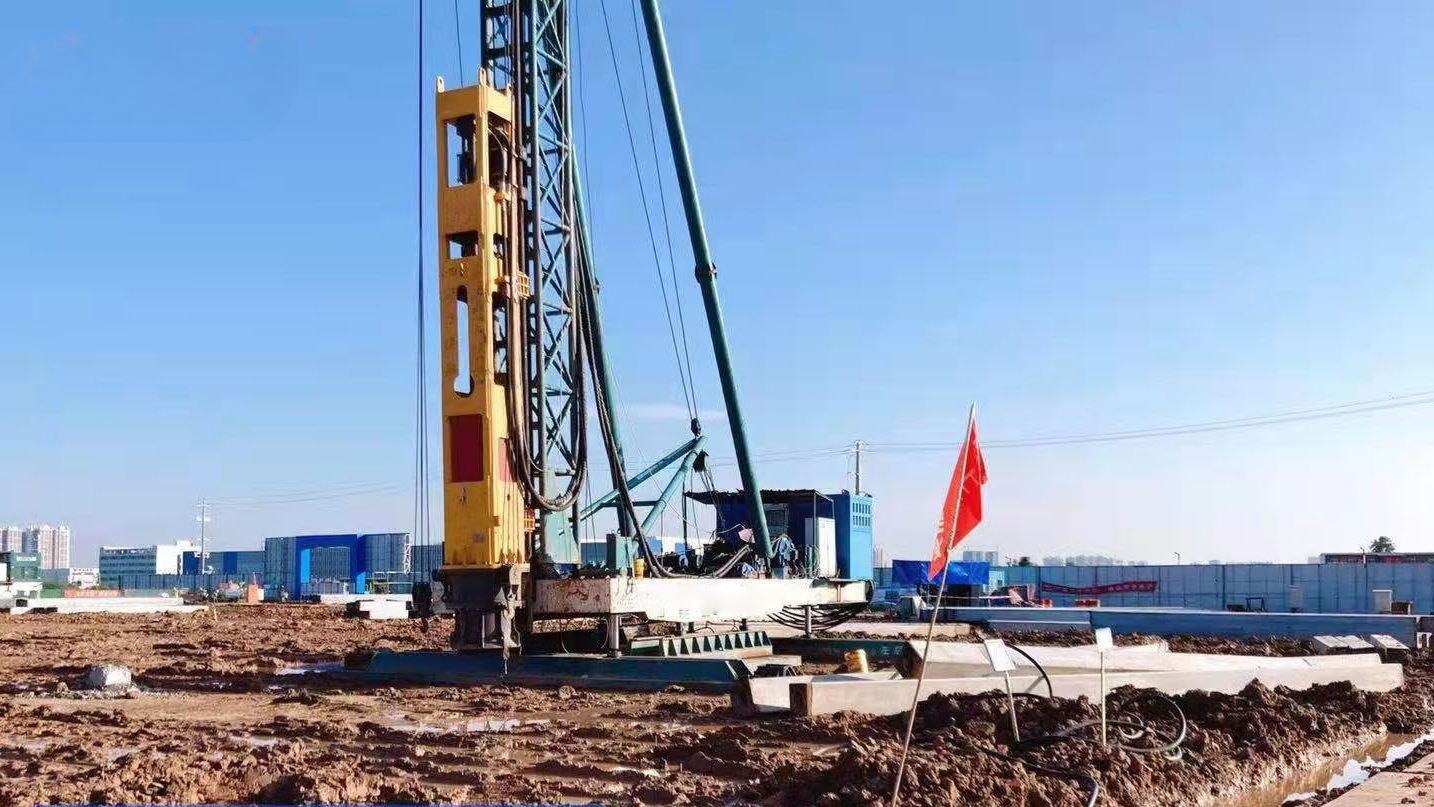
Operating an impact hammer in construction and foundation work involves significant safety risks that demand careful attention from site supervisors, equipment operators, and safety personnel. These powerful hydraulic tools generate tremendous force while driving piles, breaking concrete, or performing demolition tasks, creating multiple hazard categories that can result in serious injuries or fatalities if not properly managed. Understanding the comprehensive safety landscape surrounding impact hammer operations enables construction teams to implement effective protective measures and maintain safe working environments.
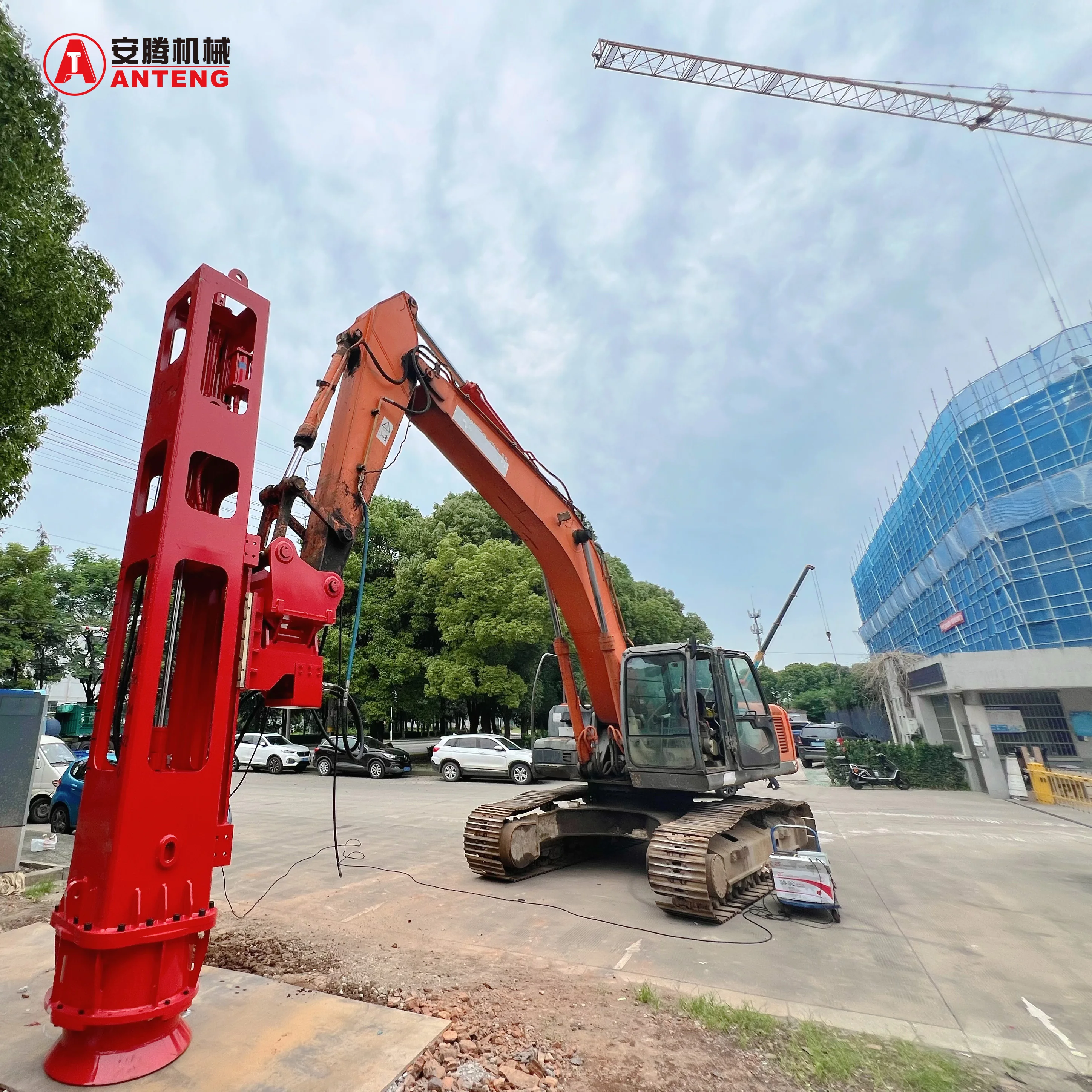
The complexity of impact hammer safety extends far beyond basic equipment operation protocols, encompassing site preparation, environmental assessment, personnel training, protective equipment selection, and emergency response planning. Professional construction operations recognize that impact hammer safety considerations form an interconnected system where each element influences overall site security and operational success. From vibration management to noise control, from hydraulic system maintenance to proper positioning techniques, every aspect of impact hammer deployment requires systematic safety evaluation and continuous monitoring throughout the work cycle.
Primary Physical Hazards and Protection Strategies
Impact Forces and Crushing Risks
Impact hammer operations generate enormous striking forces that can cause catastrophic injuries if personnel are positioned incorrectly during operation. The primary crushing hazard occurs when workers remain too close to the impact zone while the impact hammer is actively driving piles or breaking materials. Establishing clear exclusion zones around the equipment ensures that all personnel maintain safe distances from potential impact trajectories and falling debris fields.
Proper positioning protocols require operators to maintain visual contact with all personnel before initiating impact sequences, while ground crews must understand designated safe zones and communication signals used during impact hammer operations. The crushing risk extends beyond direct contact to include secondary hazards from rebounding materials, fragmented concrete pieces, and displaced soil or rock fragments that can travel significant distances from the primary impact point.
Personal protective equipment becomes critical for all personnel working within the extended impact hammer operational area, including hard hats rated for heavy impact, steel-toed safety boots with metatarsal protection, and high-visibility clothing that ensures operator awareness of personnel locations. Regular safety briefings must emphasize that impact hammer forces can exceed several tons per strike, making even brief exposure to impact zones potentially fatal.
Projectile and Debris Management
Impact hammer operations frequently generate high-velocity projectiles from fragmented materials, requiring comprehensive debris management strategies that protect both site personnel and adjacent properties. Concrete breaking applications produce sharp fragments that can travel unpredictably, while pile driving operations may cause soil, rock, or existing foundation materials to become airborne projectiles with significant kinetic energy.
Effective projectile control involves installing protective barriers, screens, or containment systems that capture or deflect flying debris away from personnel and equipment areas. The impact hammer operator must assess material characteristics before beginning work to predict potential projectile patterns and adjust protective measures accordingly. Different materials respond uniquely to impact forces, with brittle materials like concrete producing sharp fragments while softer materials may generate larger, slower-moving debris chunks.
Site planning must account for projectile trajectories when positioning support equipment, material stockpiles, and temporary facilities relative to impact hammer work zones. Regular inspection and maintenance of protective barriers ensures continued effectiveness throughout extended operations, while debris cleanup procedures must address both visible fragments and smaller particles that may create slip hazards or respiratory concerns for site personnel.
Environmental and Operational Safety Factors
Vibration Impact and Structural Considerations
Impact hammer operations produce significant ground vibrations that can affect nearby structures, underground utilities, and adjacent construction activities, requiring careful monitoring and management throughout the work process. These vibrations transmit through soil and rock formations over considerable distances, potentially causing damage to buildings, bridges, pipelines, and other infrastructure elements that may not be immediately visible from the impact hammer work area.
Pre-operation surveys must identify all structures within the potential vibration influence zone, establishing baseline condition assessments that document existing damage or structural concerns before impact hammer work begins. Vibration monitoring equipment should be deployed at critical locations to provide real-time feedback about ground movement levels, enabling operators to adjust impact hammer settings or work procedures when vibration limits are approached or exceeded.
The relationship between impact hammer energy, soil conditions, and vibration transmission varies significantly based on geological factors, moisture content, and structural characteristics of the surrounding environment. Operators must understand how different impact hammer configurations affect vibration patterns, adjusting strike frequency, impact energy, and positioning to minimize adverse effects while maintaining productivity requirements for the specific application.
Noise Control and Hearing Protection
Impact hammer operations generate intense noise levels that can cause permanent hearing damage to personnel and create significant community disturbance issues that may result in regulatory violations or project delays. Sound levels from impact hammer strikes frequently exceed 100 decibels at the operator position, with noise transmission affecting personnel throughout the construction site and potentially impacting adjacent residential or commercial areas.
Comprehensive hearing protection programs must provide appropriate ear protection equipment for all personnel within the impact hammer noise zone, including both operators and support workers who may experience prolonged exposure during extended operations. The selection of hearing protection equipment should consider the specific frequency characteristics of impact hammer noise, as standard foam earplugs may provide insufficient protection against the low-frequency components of hydraulic impact systems.
Noise management strategies may include scheduling impact hammer operations during acceptable hours, implementing sound barriers or enclosures where feasible, and coordinating with local authorities to ensure compliance with community noise ordinances. Regular noise monitoring helps document compliance with regulatory requirements while identifying opportunities to optimize impact hammer settings for reduced noise generation without compromising operational effectiveness.
Equipment Safety and Maintenance Protocols
Hydraulic System Safety Requirements
Impact hammer hydraulic systems operate under extreme pressures that create significant safety hazards from high-pressure fluid injection, system ruptures, and component failures that can cause serious injuries to operators and maintenance personnel. Hydraulic pressures in impact hammer applications often exceed 2000 PSI, making even small leaks potentially dangerous due to the ability of pressurized fluids to penetrate skin and cause internal injuries.
Daily inspection procedures must verify the integrity of all hydraulic connections, hoses, fittings, and seals before impact hammer operation begins, with particular attention to areas experiencing high vibration loads during equipment operation. Operators should understand proper procedures for shutting down hydraulic systems, relieving pressure, and securing equipment before performing any maintenance or adjustment tasks that require contact with hydraulic components.
Emergency procedures for hydraulic system failures should address immediate response actions for fluid leaks, pressure loss, or component ruptures, including proper first aid procedures for hydraulic fluid injection injuries that require immediate medical attention. Training programs must emphasize that hydraulic fluid injection injuries may appear minor initially but can cause severe internal tissue damage requiring surgical intervention and immediate medical treatment.
Mechanical Component Inspection and Maintenance
Impact hammer mechanical components experience extreme stress cycles that can lead to fatigue failures, crack development, and sudden component separation that poses serious safety risks to operators and nearby personnel. Regular inspection of impact surfaces, mounting hardware, structural connections, and wear components helps identify potential failure modes before they result in dangerous equipment malfunctions during operation.
Preventive maintenance schedules should address lubrication requirements, fastener torque verification, and replacement of wear components based on manufacturer recommendations and actual operating conditions experienced by the specific impact hammer unit. The harsh operating environment of most impact hammer applications accelerates normal wear patterns, requiring more frequent inspection and maintenance cycles compared to standard construction equipment.
Documentation of inspection findings, maintenance activities, and component replacements provides essential safety records that help identify recurring issues, optimize maintenance schedules, and ensure regulatory compliance for equipment safety programs. Operators should be trained to recognize signs of mechanical problems such as unusual vibrations, changed impact patterns, or abnormal operating sounds that may indicate developing safety hazards requiring immediate attention.
Personnel Training and Operational Procedures
Operator Certification and Competency Requirements
Impact hammer operations require specialized operator training that addresses the unique safety challenges and technical requirements of these powerful hydraulic tools, extending far beyond basic equipment operation to encompass comprehensive safety awareness and emergency response capabilities. Qualified operators must demonstrate understanding of impact hammer principles, hydraulic system operation, safety zone management, and coordination procedures with ground crews and other site personnel.
Certification programs should include both theoretical knowledge assessment and practical demonstration of safe operating procedures under various conditions commonly encountered in field applications. Operators must understand how different materials, soil conditions, and environmental factors affect impact hammer performance and safety requirements, enabling appropriate adjustments to operating parameters throughout the work process.
Continuing education requirements ensure that operators maintain current knowledge of evolving safety standards, equipment improvements, and regulatory changes affecting impact hammer operations. Regular recertification processes verify that operators retain essential safety knowledge and operating skills while providing opportunities to address any performance deficiencies identified through workplace observation or incident analysis.
Communication and Coordination Protocols
Effective communication between impact hammer operators and ground personnel is essential for maintaining safety during operations that involve multiple workers in potentially hazardous environments with high noise levels and limited visibility. Standardized hand signals, radio communication procedures, and position coordination methods help ensure that all personnel understand operational status and safety conditions throughout the work cycle.
Pre-operation safety meetings should establish clear communication protocols, assign specific responsibilities to each team member, and review emergency procedures that may be required during impact hammer operations. These briefings provide opportunities to address site-specific hazards, weather conditions, and any changes to standard operating procedures that may be necessary for the particular application or location.
Regular communication checks during operations verify that all personnel maintain awareness of operational status and safety conditions, while post-operation debriefings help identify communication issues or procedural improvements that could enhance safety performance for future impact hammer applications. Documentation of communication procedures and training records supports overall safety program effectiveness and regulatory compliance requirements.
FAQ
What personal protective equipment is required for impact hammer operations?
Personnel working around impact hammer operations require comprehensive PPE including hard hats rated for heavy impact protection, safety glasses or face shields, hearing protection appropriate for high-decibel environments, steel-toed boots with metatarsal guards, high-visibility clothing, and cut-resistant gloves when handling materials. The specific PPE requirements may vary based on the application, environmental conditions, and proximity to the impact hammer during operation.
How far should personnel stay from an operating impact hammer?
Safe distances from operating impact hammers depend on the equipment size, application type, and material characteristics, but generally require minimum exclusion zones of 50-100 feet for most operations. The actual safe distance should be determined through site-specific hazard assessment considering projectile potential, vibration effects, and noise levels. All personnel must remain outside established exclusion zones unless specifically authorized and properly protected.
What should operators do if hydraulic fluid leaks occur during impact hammer operation?
Operators must immediately shut down the impact hammer, secure the hydraulic system by relieving pressure according to manufacturer procedures, and evacuate the immediate area until the leak can be safely addressed. Any personnel exposed to high-pressure hydraulic fluid injection should receive immediate medical attention, as these injuries can cause serious internal damage even when external wounds appear minor. The equipment should not be restarted until repairs are completed and system integrity is verified.
How often should impact hammer equipment undergo safety inspections?
Impact hammers require daily pre-operation safety inspections covering hydraulic systems, mechanical components, and safety devices, with more comprehensive weekly inspections addressing wear components and system performance. Scheduled maintenance inspections should occur according to manufacturer recommendations or every 100-200 operating hours, whichever comes first. Additional inspections may be required after any incident, unusual operating conditions, or when performance changes are observed during normal operation.