
 EN
EN
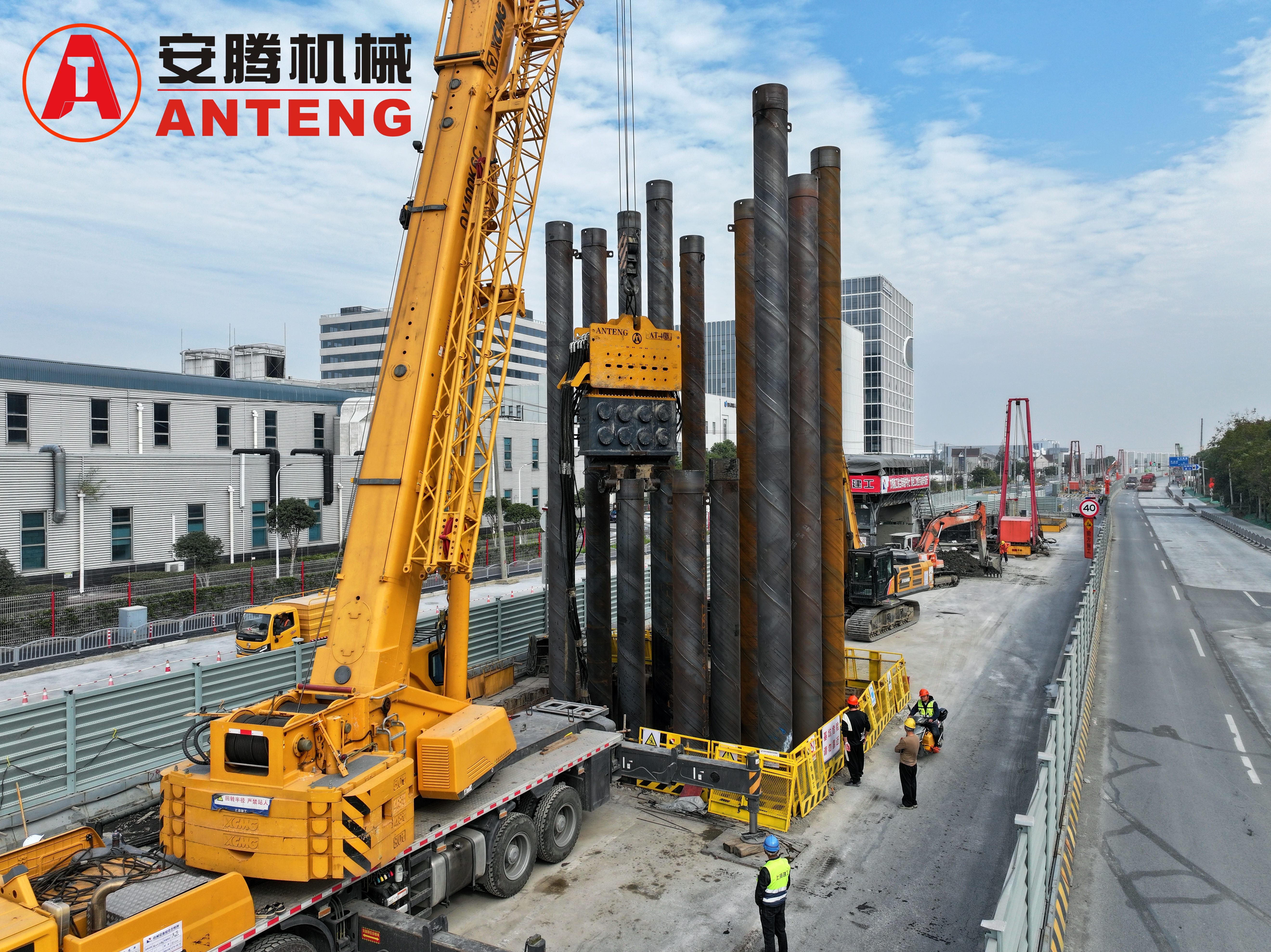
Understanding how a vibro hammer performs across varying soil conditions is crucial for construction professionals who need to make informed equipment decisions for their pile driving projects. The effectiveness of a vibro hammer depends heavily on soil characteristics such as density, composition, moisture content, and grain size distribution, which directly influence the equipment's ability to penetrate and compact materials efficiently.
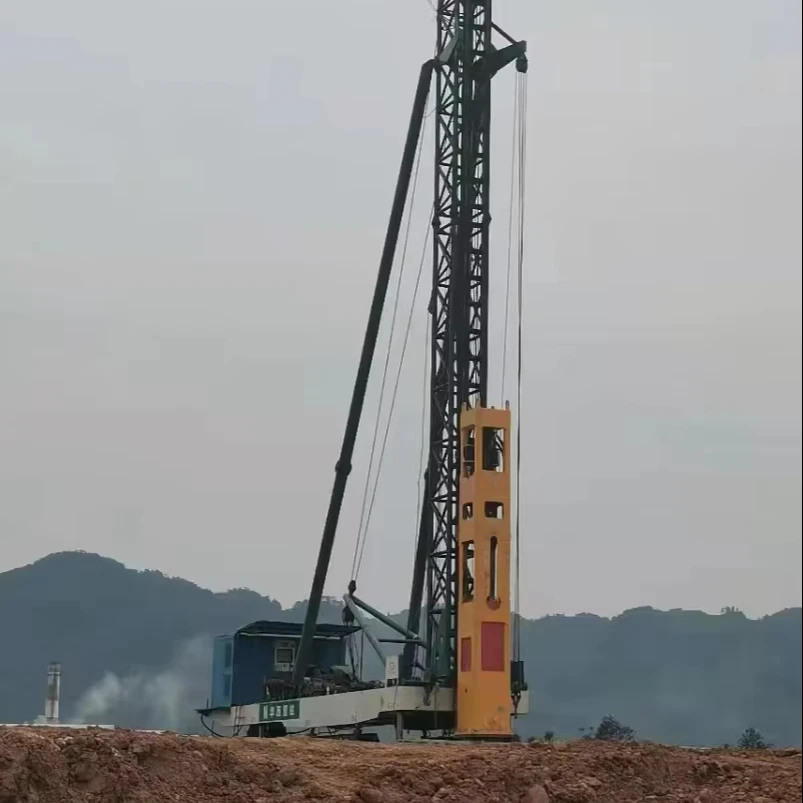
The performance variations of a vibro hammer across different soil types stem from the fundamental physics of vibratory pile driving, where the equipment generates high-frequency vibrations to reduce soil friction and facilitate penetration. Each soil condition presents unique challenges and opportunities that affect the vibro hammer's operational efficiency, penetration rates, and overall project success.
Vibro Hammer Performance in Sandy Soils
Optimal Performance Conditions
Sandy soils represent the ideal operating environment for a vibro hammer due to their granular structure and drainage characteristics. The vibro hammer achieves maximum efficiency in clean, dry to moderately moist sands where the vibratory action can effectively reduce inter-particle friction and create temporary liquefaction around the pile. In these conditions, penetration rates are typically fastest, and the equipment operates with minimal resistance.
The grain size distribution in sandy soils allows the vibro hammer to transmit energy effectively through the soil matrix. Medium to coarse sands provide the best performance balance, as fine sands may compact too readily under vibration, while very coarse materials might not respond optimally to the frequency range of standard vibro hammer equipment.
Moisture Content Impact
Moisture levels significantly influence how a vibro hammer performs in sandy conditions. Saturated sands often provide the best penetration rates because the water acts as a lubricant and facilitates the liquefaction process during vibration. However, completely dry sands can present challenges as the lack of moisture prevents effective energy transmission and may cause excessive wear on the vibro hammer components.
The vibro hammer's performance in sandy soils becomes less predictable when dealing with cemented or aged sand deposits. These materials may initially resist penetration despite their granular nature, requiring the equipment to operate at higher amplitudes or frequencies to break down the inter-particle bonds before normal penetration can proceed.
Clay Soil Challenges and Performance Adaptations
Cohesive Soil Behavior
Clay soils present the most challenging conditions for vibro hammer operation due to their cohesive nature and low permeability characteristics. The vibro hammer must overcome significant soil resistance in clay conditions, often resulting in slower penetration rates and increased energy consumption. The cohesive bonds between clay particles resist the vibratory action that makes the equipment so effective in granular soils.
Soft clays may allow reasonable penetration rates initially, but as the vibro hammer encounters stiffer clay layers, performance typically decreases substantially. The equipment's vibratory energy tends to be absorbed by the plastic deformation of clay rather than facilitating penetration, requiring operators to adjust their approach and possibly consider pre-boring or other soil modification techniques.
Water Content and Plasticity Effects
The water content of clay soils dramatically affects vibro hammer performance, with over-wet conditions leading to pile installation difficulties and potential stability issues. Conversely, stiff, dry clays present extreme resistance that can strain the vibro hammer equipment and significantly reduce productivity. The plasticity index of clay soils serves as a reliable indicator of expected performance challenges.
High-plasticity clays typically require the vibro hammer to operate at modified frequencies and amplitudes to achieve acceptable penetration. The equipment may need to work in combination with water jetting or pre-drilling to create pilot holes that facilitate subsequent pile installation in these difficult conditions.
Mixed Soil Conditions and Variable Performance
Layered Soil Profiles
Real-world construction sites often present layered soil conditions that require the vibro hammer to adapt its performance across multiple soil types within a single pile installation. These variable conditions test the equipment's versatility and the operator's skill in adjusting parameters for optimal performance throughout the penetration depth. Transitioning from sandy surface layers to clay substrates represents a common challenge.
The vibro hammer's performance in layered soils depends on the sequence and thickness of different materials. Alternating layers of sand and clay create particularly complex conditions where the equipment must frequently adjust to maintain effective penetration rates while avoiding damage from sudden resistance changes.
Gravel and Rocky Conditions
Gravelly soils and conditions with embedded rocks or boulders present unique challenges for vibro hammer operation. While the equipment can often work effectively in clean gravel due to good drainage and particle mobility, the presence of large stones or cemented gravel layers can cause significant performance degradation. The vibro hammer may experience excessive wear, reduced efficiency, or potential damage when encountering hard obstructions.
Dense gravel conditions require careful evaluation of vibro hammer specifications to ensure adequate power and frequency range for effective operation. The equipment's performance in these materials often depends on the specific gradation and degree of compaction, with well-graded gravels typically providing better results than uniformly graded or gap-graded materials.
Environmental Factors Affecting Performance
Temperature and Seasonal Variations
Environmental conditions significantly influence how a vibro hammer performs across different soil types. Cold weather can increase soil stiffness and reduce the effectiveness of vibratory energy transmission, particularly in clay soils where freezing temperatures create additional resistance. The vibro hammer may require longer warm-up periods and modified operating parameters to maintain acceptable performance in cold conditions.
Seasonal variations in groundwater levels also affect vibro hammer performance, especially in cohesive soils where changes in moisture content alter the soil's response to vibratory energy. Spring thaw conditions can create particularly challenging operating environments where soil properties change rapidly during the construction period.
Groundwater and Drainage Considerations
The presence and level of groundwater significantly impact vibro hammer performance across all soil types. In sandy soils, high groundwater levels typically enhance performance by maintaining saturation and facilitating liquefaction. However, in clay soils, high groundwater can create unstable conditions that complicate pile installation and affect the long-term performance of the installed elements.
Dewatering operations may be necessary to optimize vibro hammer performance in certain soil conditions, particularly where unstable soils or excessive water flow interferes with the equipment's effectiveness. The drainage characteristics of the soil profile determine whether such measures are beneficial or potentially counterproductive to the installation process.
FAQ
What soil type provides the best performance for a vibro hammer?
Clean, saturated sands provide optimal conditions for vibro hammer performance. These soils allow the equipment to achieve maximum penetration rates with minimal resistance due to the temporary liquefaction effect created by the vibratory action. Medium to coarse-grained sands with adequate moisture content represent the ideal operating environment for most vibro hammer applications.
Can a vibro hammer work effectively in clay soils?
While a vibro hammer can operate in clay soils, performance is significantly reduced compared to sandy conditions. Clay soils' cohesive nature and low permeability create high resistance to penetration, often requiring modified operating parameters, pre-boring, or water jetting to achieve acceptable installation rates. Soft clays perform better than stiff clays, but neither provides optimal conditions for vibro hammer operation.
How does groundwater affect vibro hammer performance?
Groundwater generally improves vibro hammer performance in sandy soils by maintaining saturation and facilitating the liquefaction process that reduces soil resistance. However, in clay soils, high groundwater levels can create stability issues and complicate installation procedures. The overall effect depends on soil type, groundwater level, and specific site conditions.
What happens when a vibro hammer encounters mixed soil conditions?
Mixed soil conditions require the vibro hammer to adapt continuously as it penetrates through different layers. Performance varies significantly with each soil type encountered, often requiring operators to adjust frequency, amplitude, and advancement rates. Transitions from easy-penetrating sands to resistant clays can cause sudden changes in installation rates and may require modified installation procedures to maintain progress and equipment integrity.