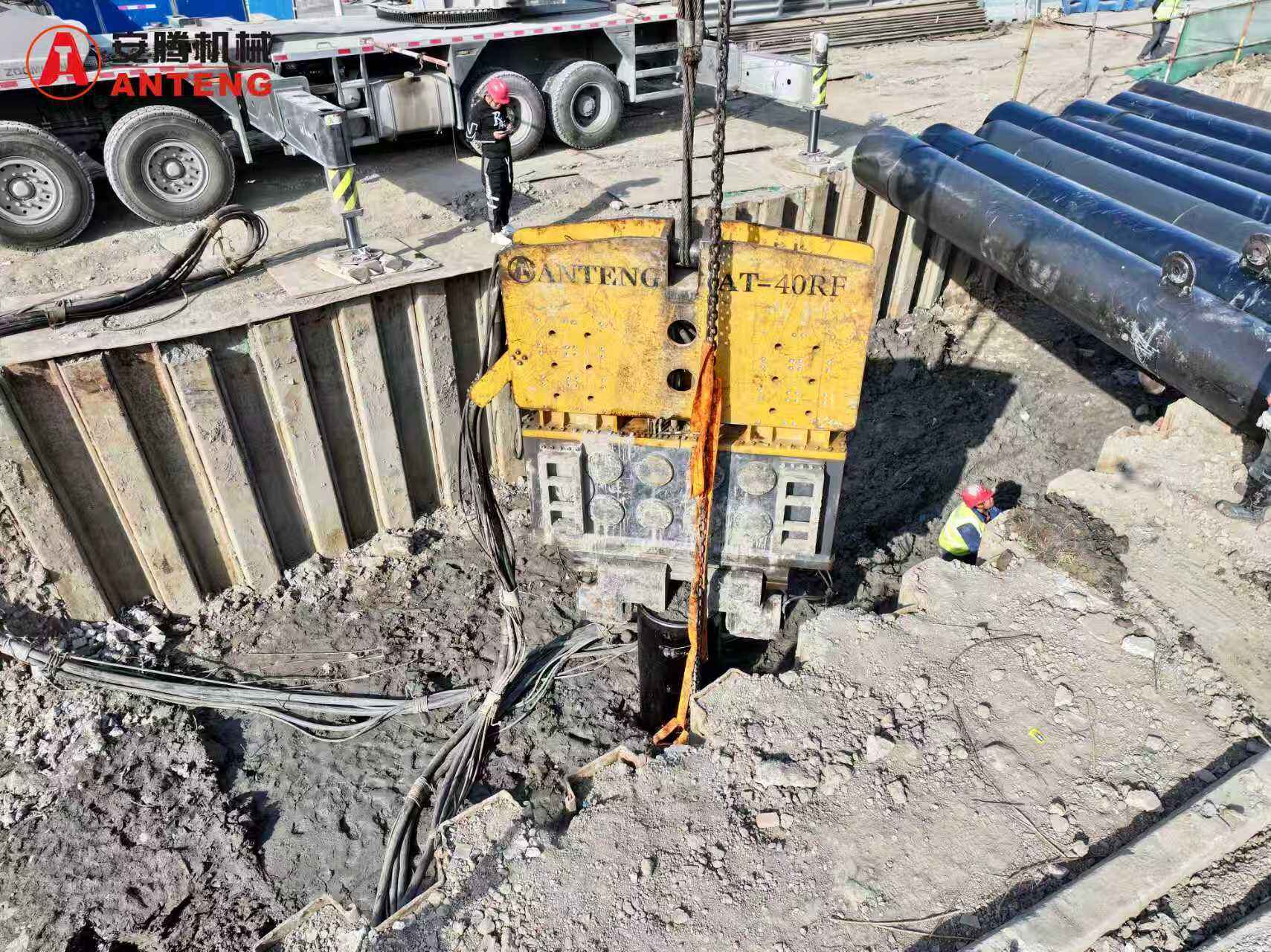
hydraulic static pile driver
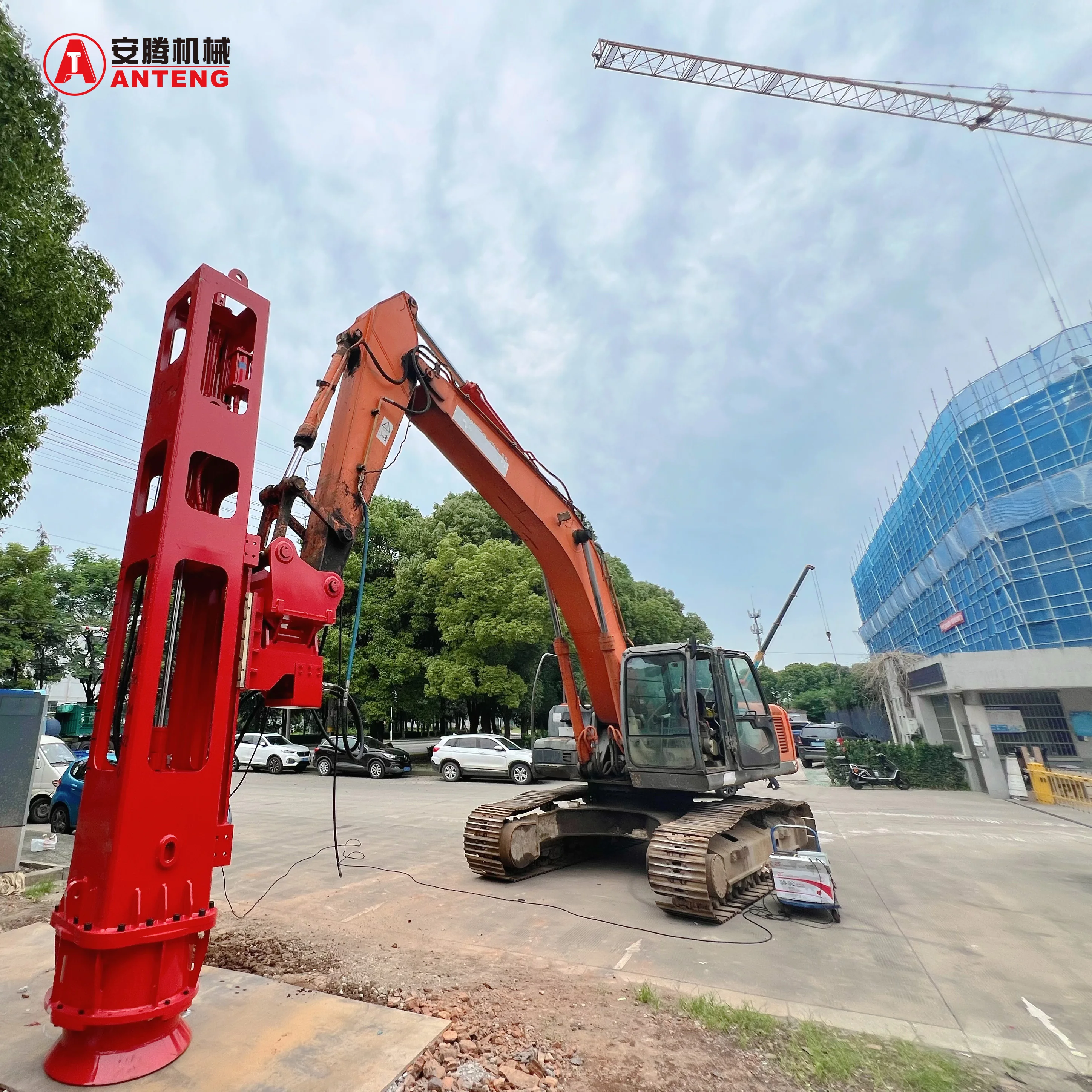
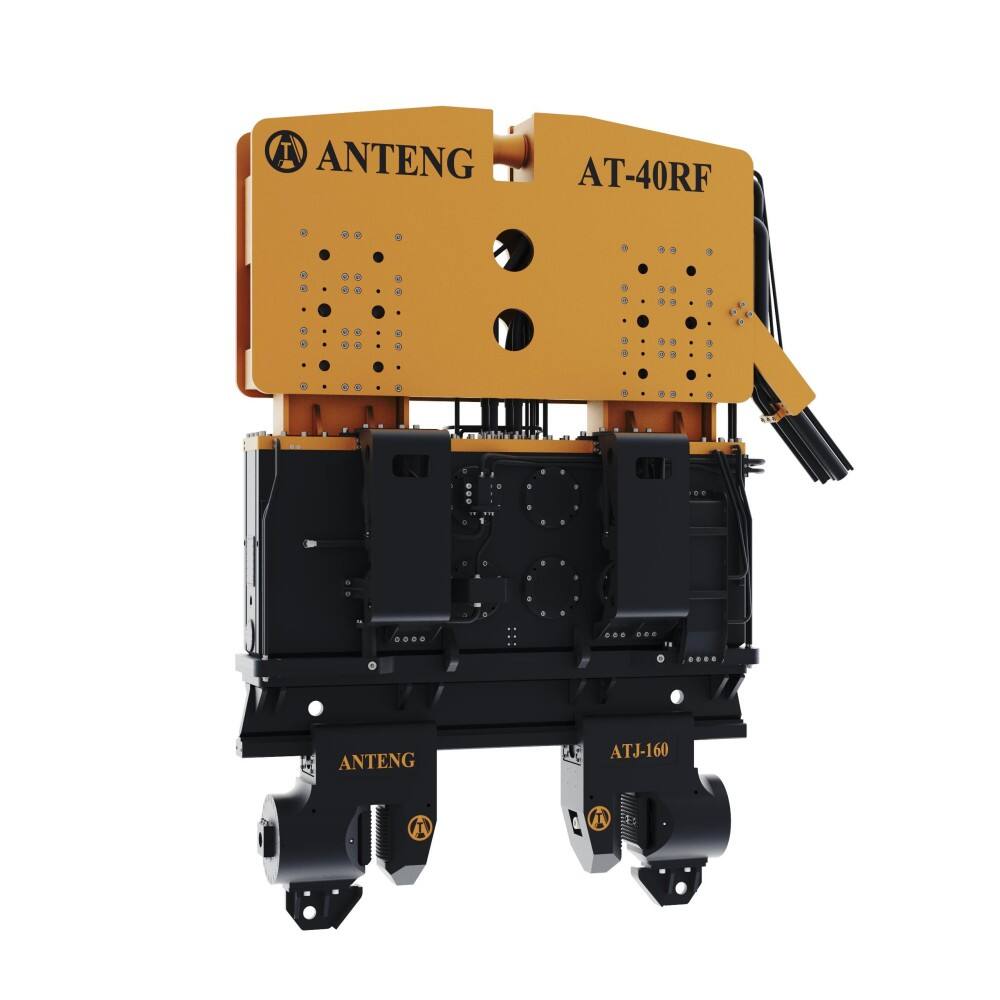
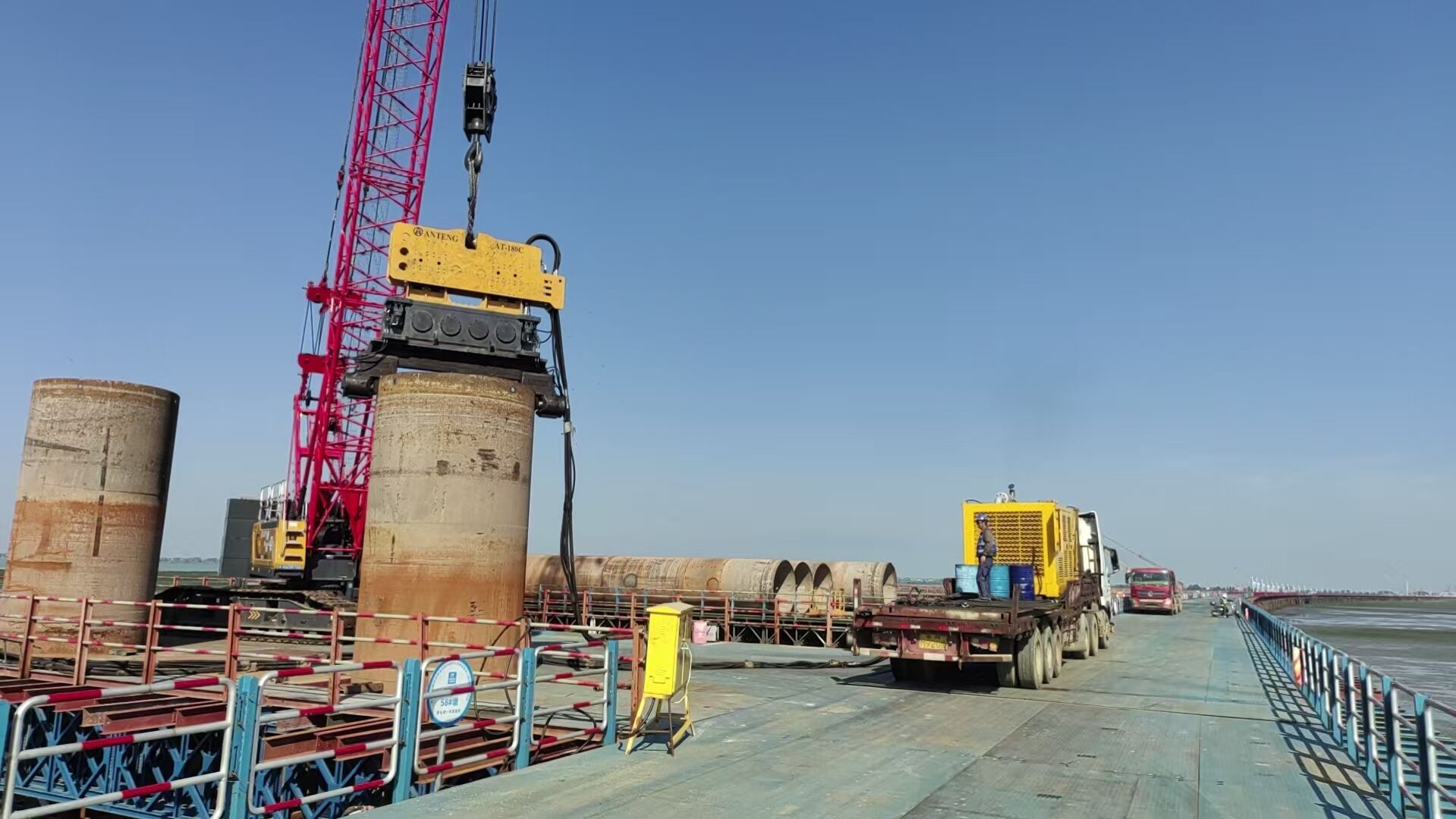
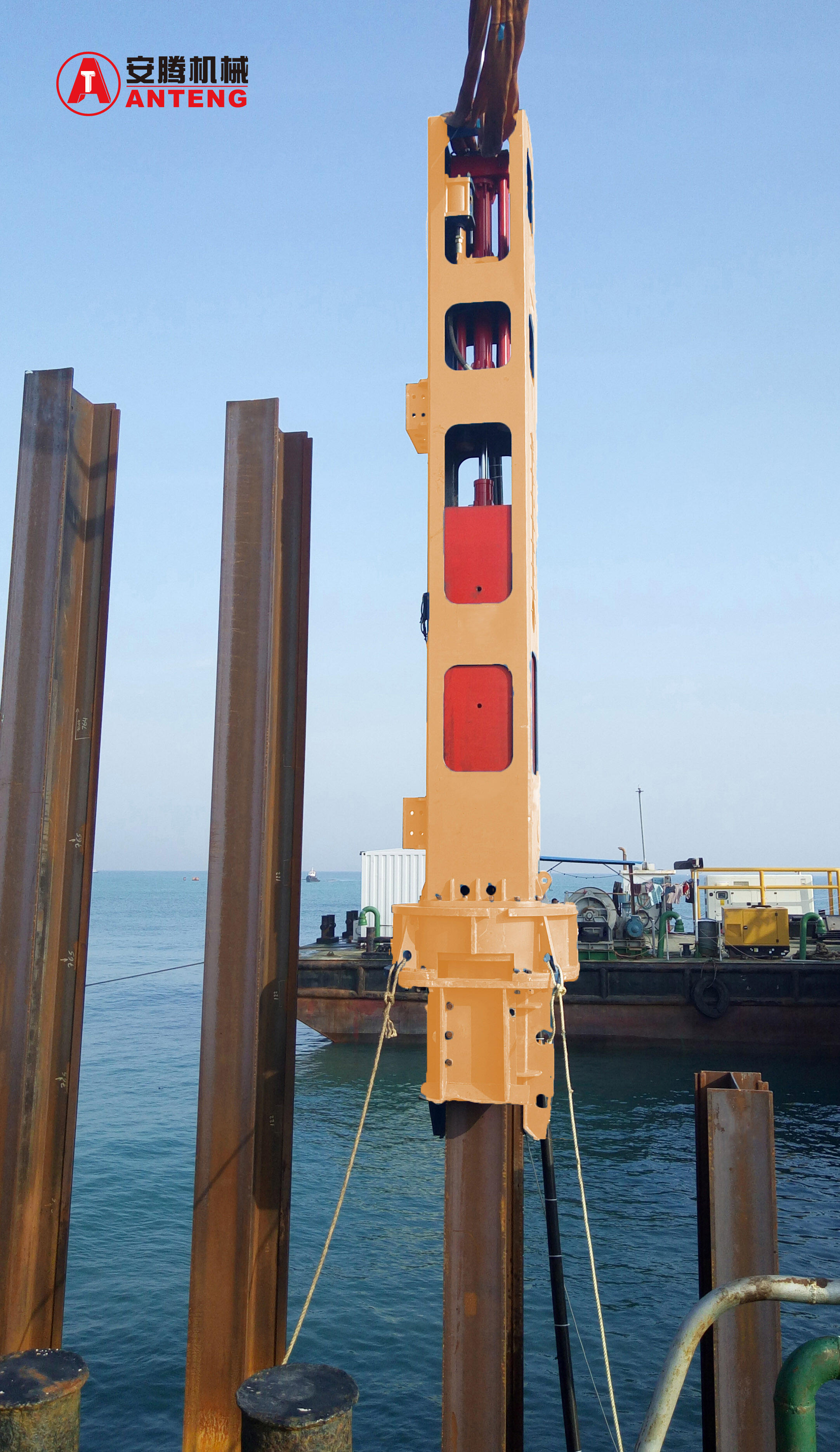
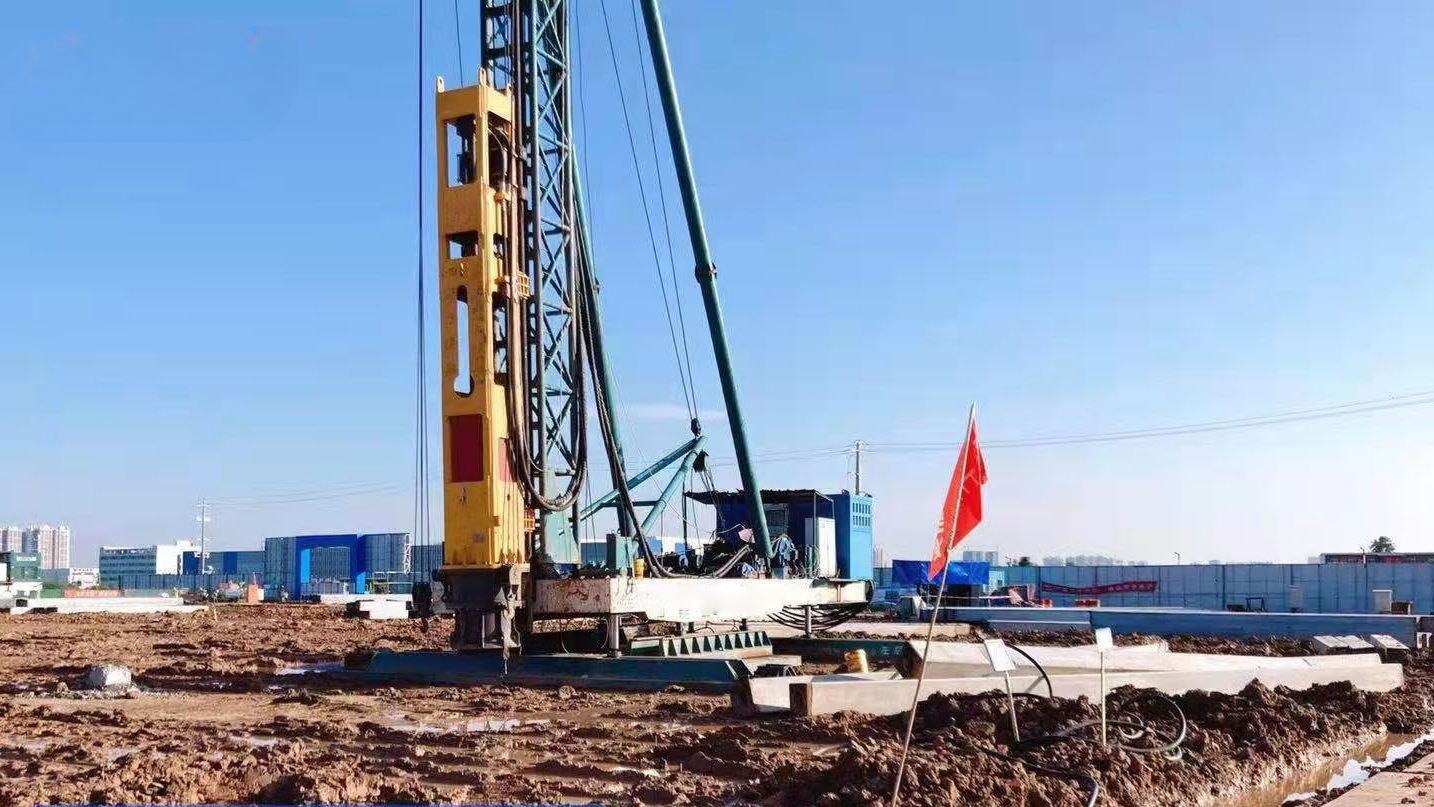
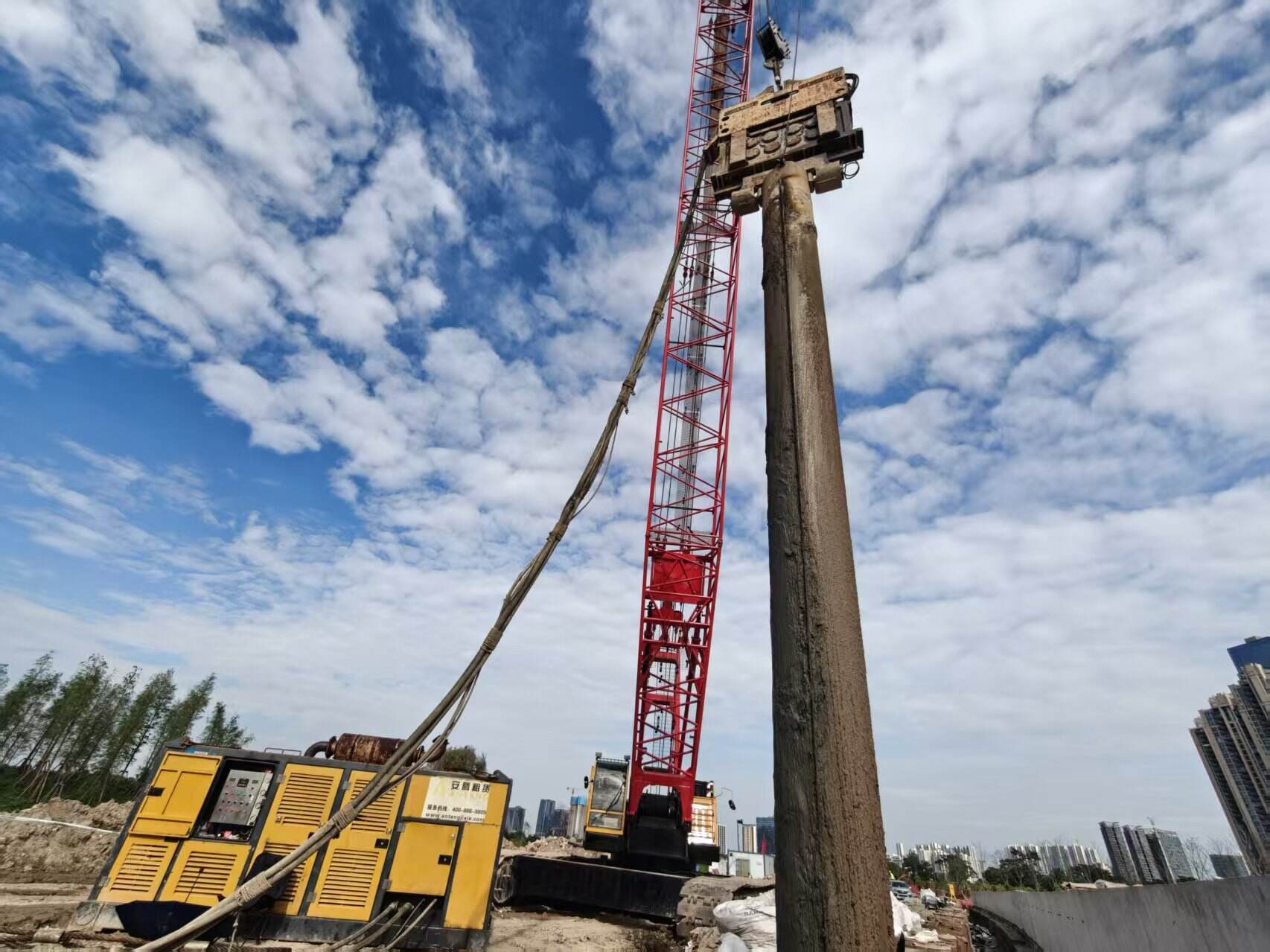
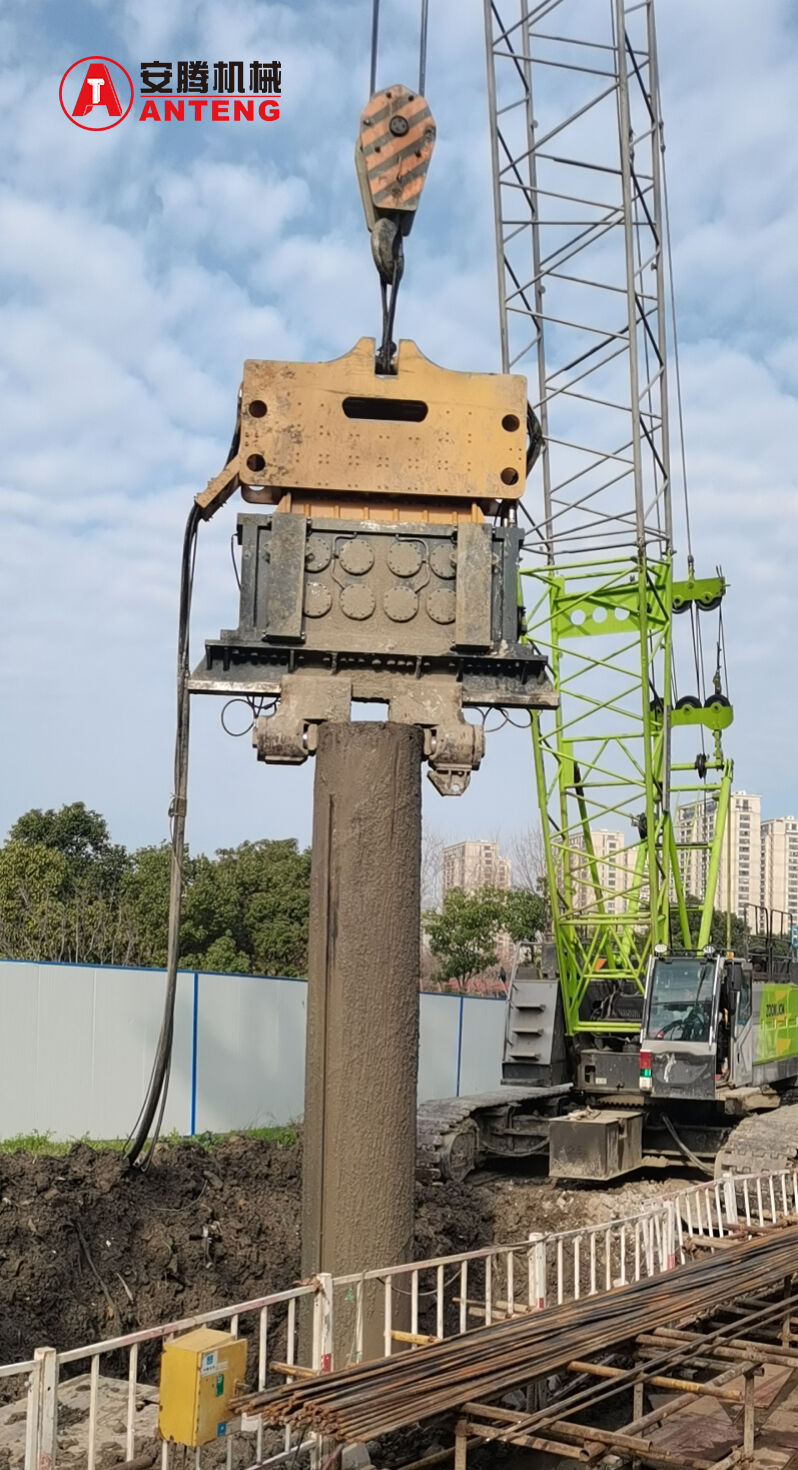
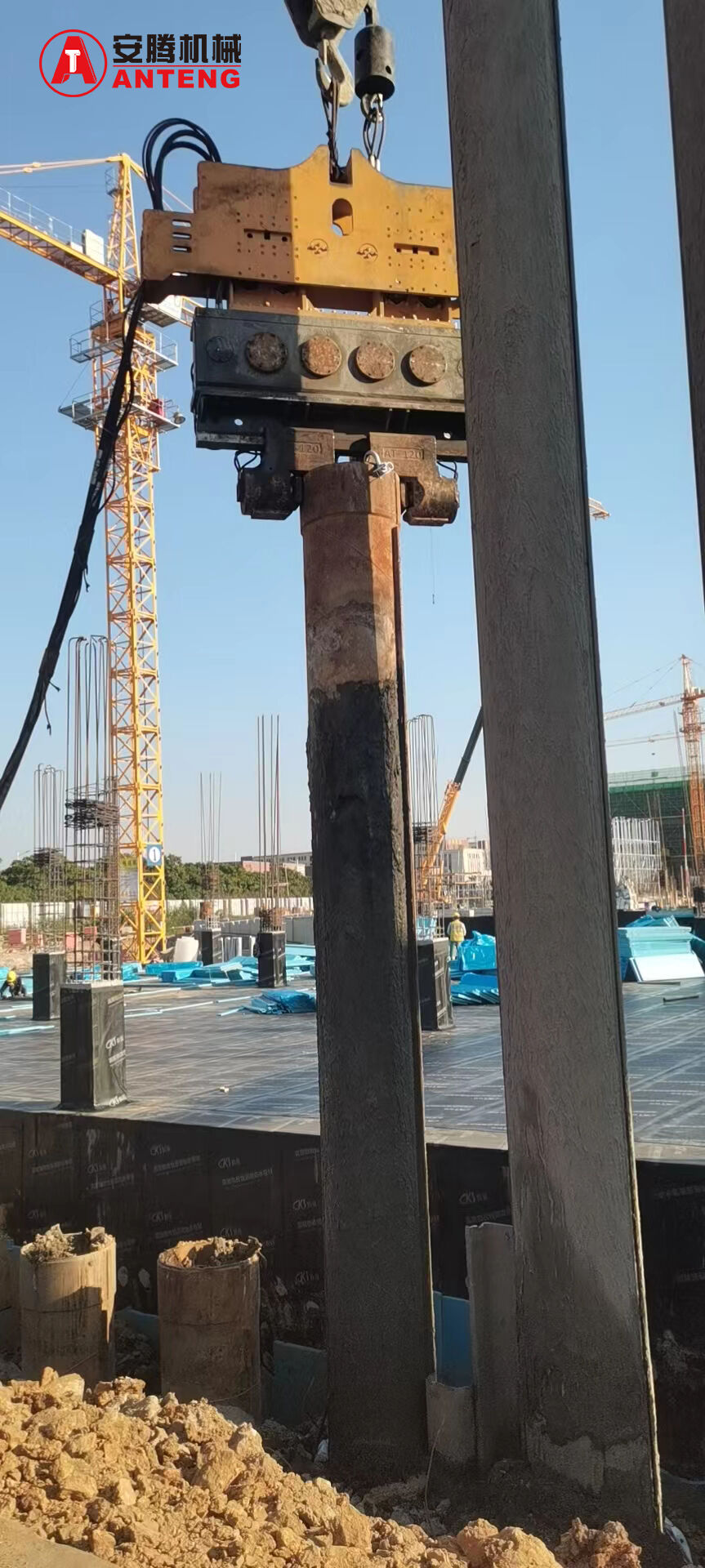
A hydraulic static pile driver represents a sophisticated construction machinery solution designed specifically for installing foundation piles through controlled static force rather than dynamic impact methods. This innovative equipment utilizes hydraulic power systems to generate substantial downward pressure, enabling precise pile installation across various soil conditions and construction environments. The hydraulic static pile driver operates by gripping the pile securely within specialized clamps and applying continuous downward force through hydraulic cylinders, effectively pushing piles into the ground with remarkable accuracy and control. The machine's primary functions encompass pile installation for residential, commercial, and industrial projects, including sheet piling for retaining walls, foundation piles for building structures, and specialized applications in marine construction environments. Technological features of the hydraulic static pile driver include advanced hydraulic control systems that provide operators with precise force regulation, automated pile positioning mechanisms for enhanced accuracy, and integrated monitoring systems that track installation progress in real-time. The equipment typically incorporates variable speed controls, allowing operators to adjust penetration rates according to soil conditions and project specifications. Modern hydraulic static pile drivers feature computerized control panels that display critical operational data, including applied force measurements, penetration depth, and system pressure readings. Applications for this versatile equipment span multiple construction sectors, from residential foundation work to large-scale infrastructure projects. The hydraulic static pile driver proves particularly valuable in urban construction environments where noise restrictions limit the use of traditional impact hammers. Environmental considerations make this equipment ideal for projects near sensitive structures, hospitals, schools, and residential areas where vibration control remains paramount. The technology also excels in marine applications, temporary support structures, and specialized geotechnical projects requiring precise pile placement and controlled installation forces.

 EN
EN