impact hammer pile driving
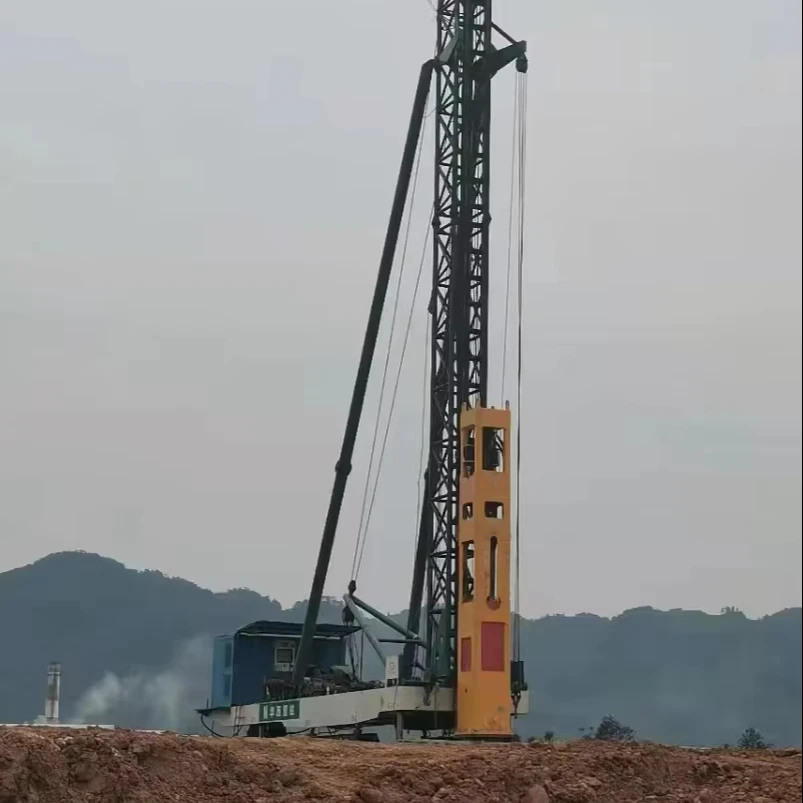
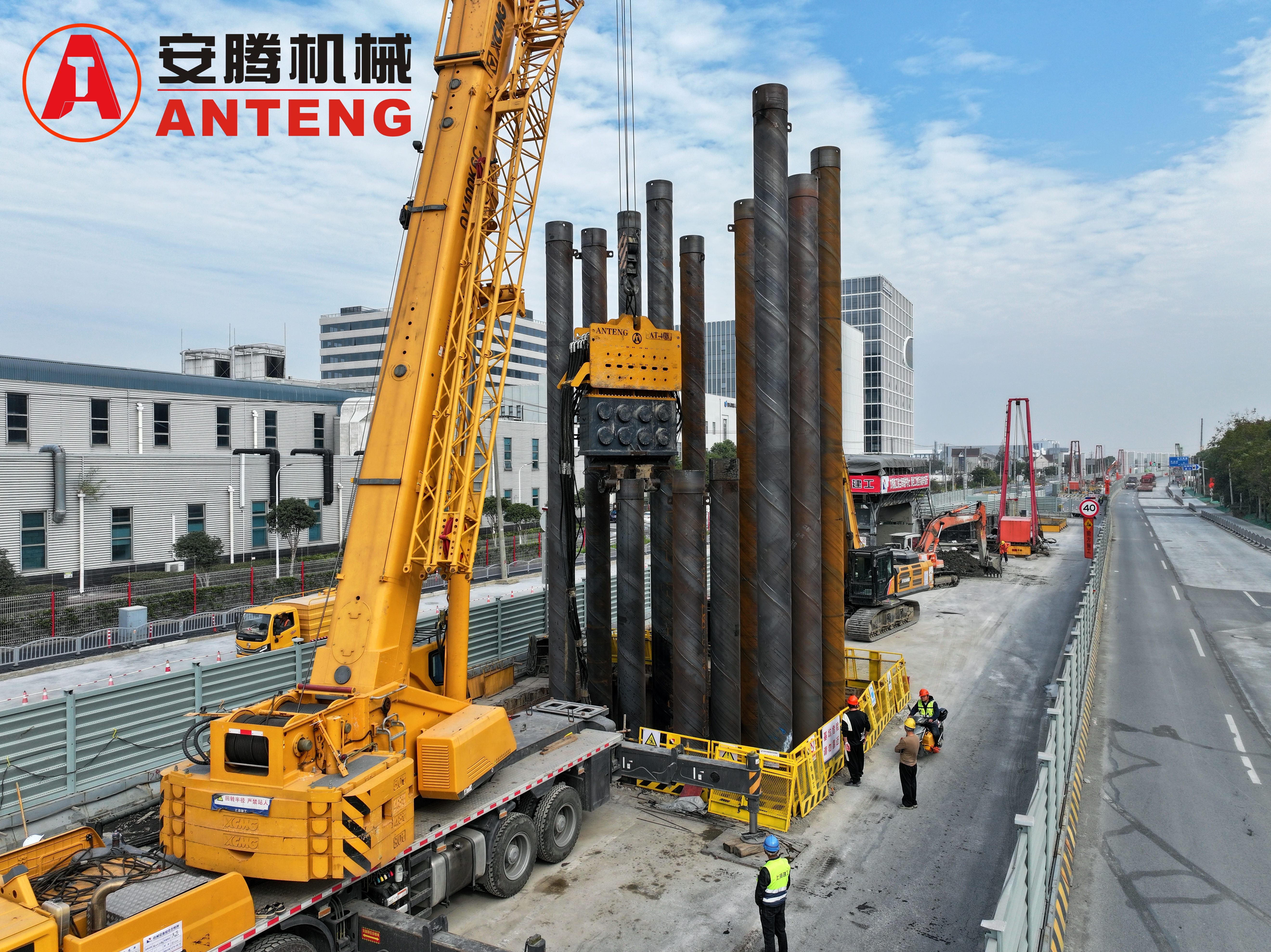
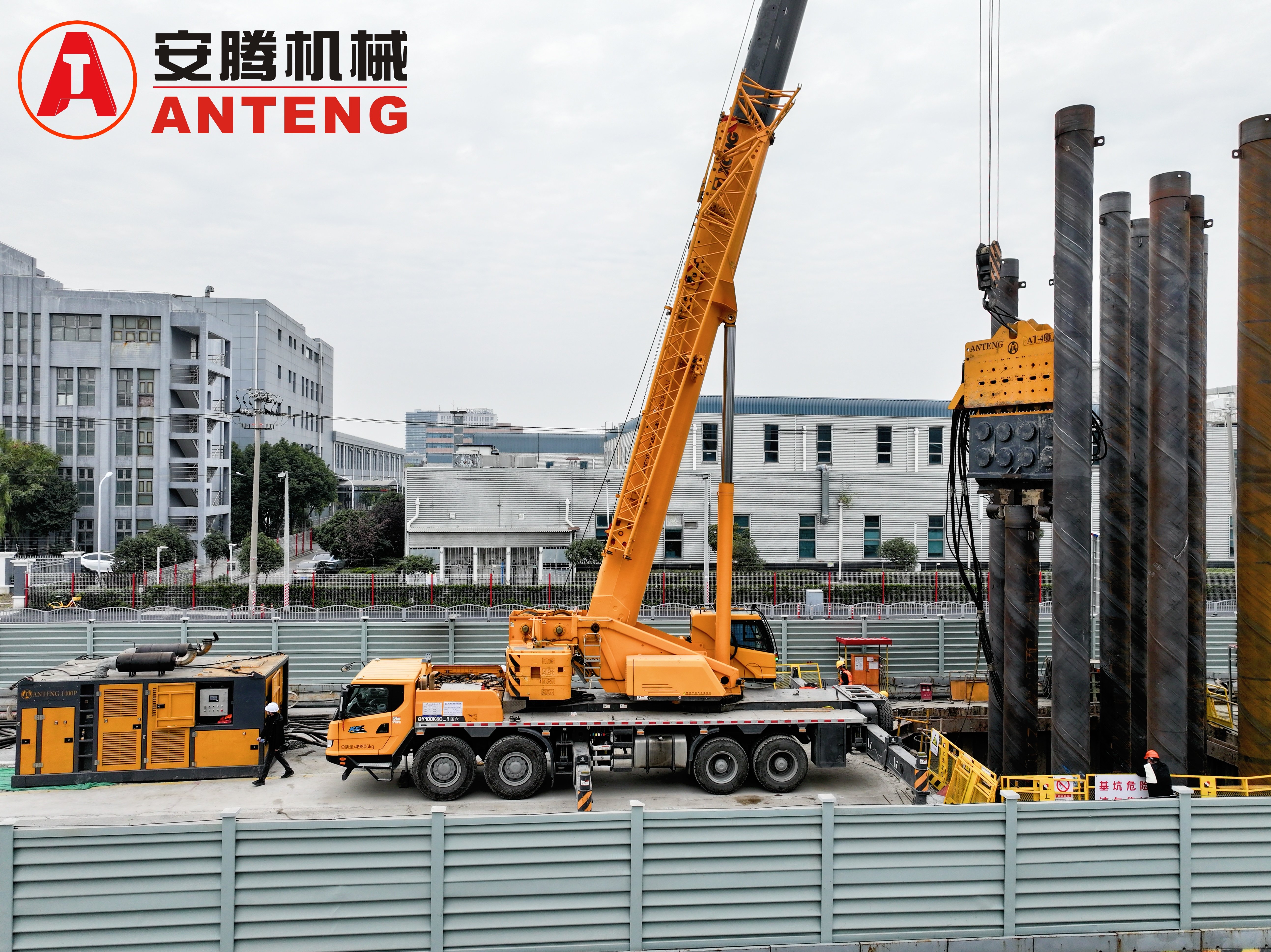
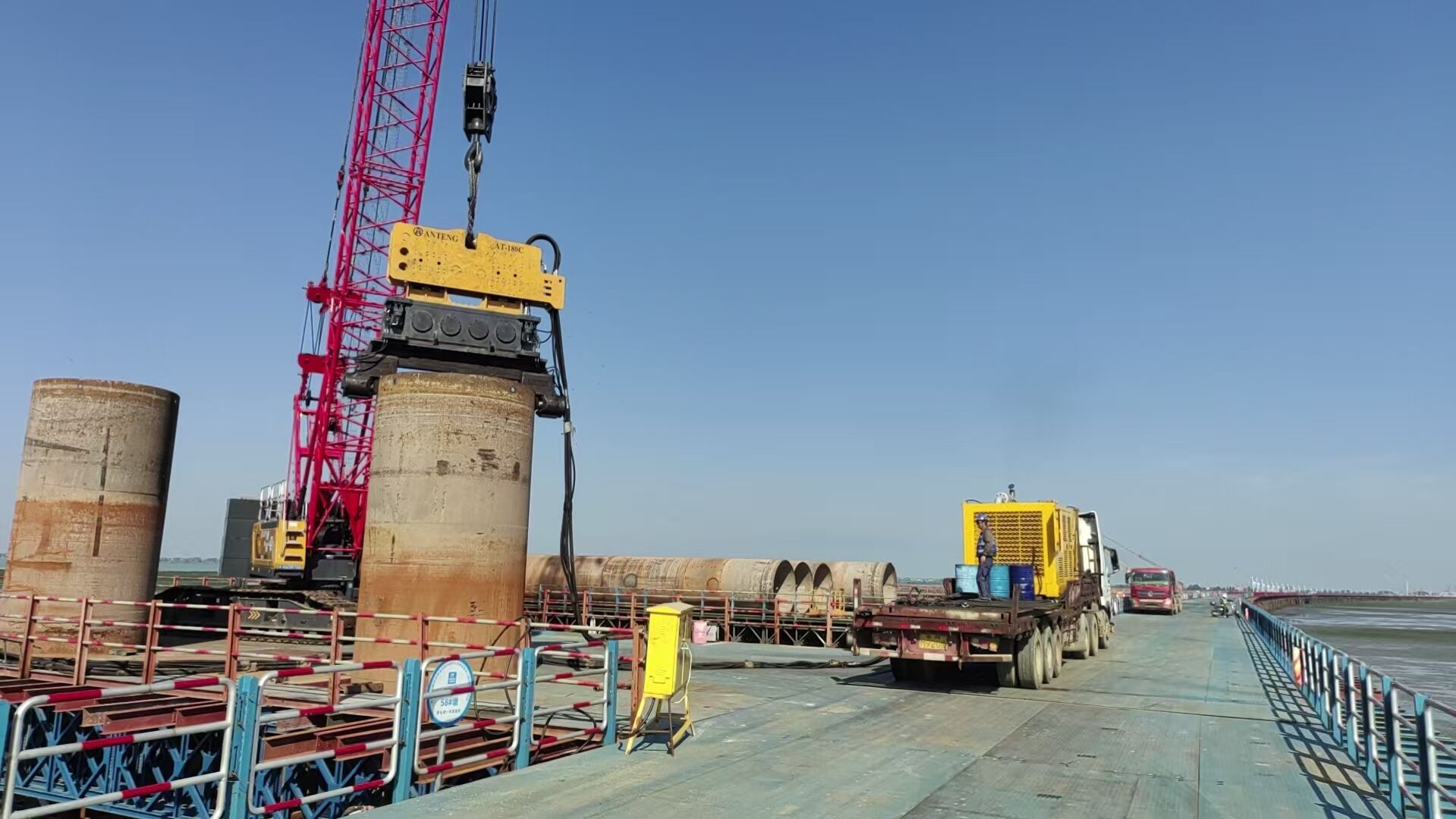
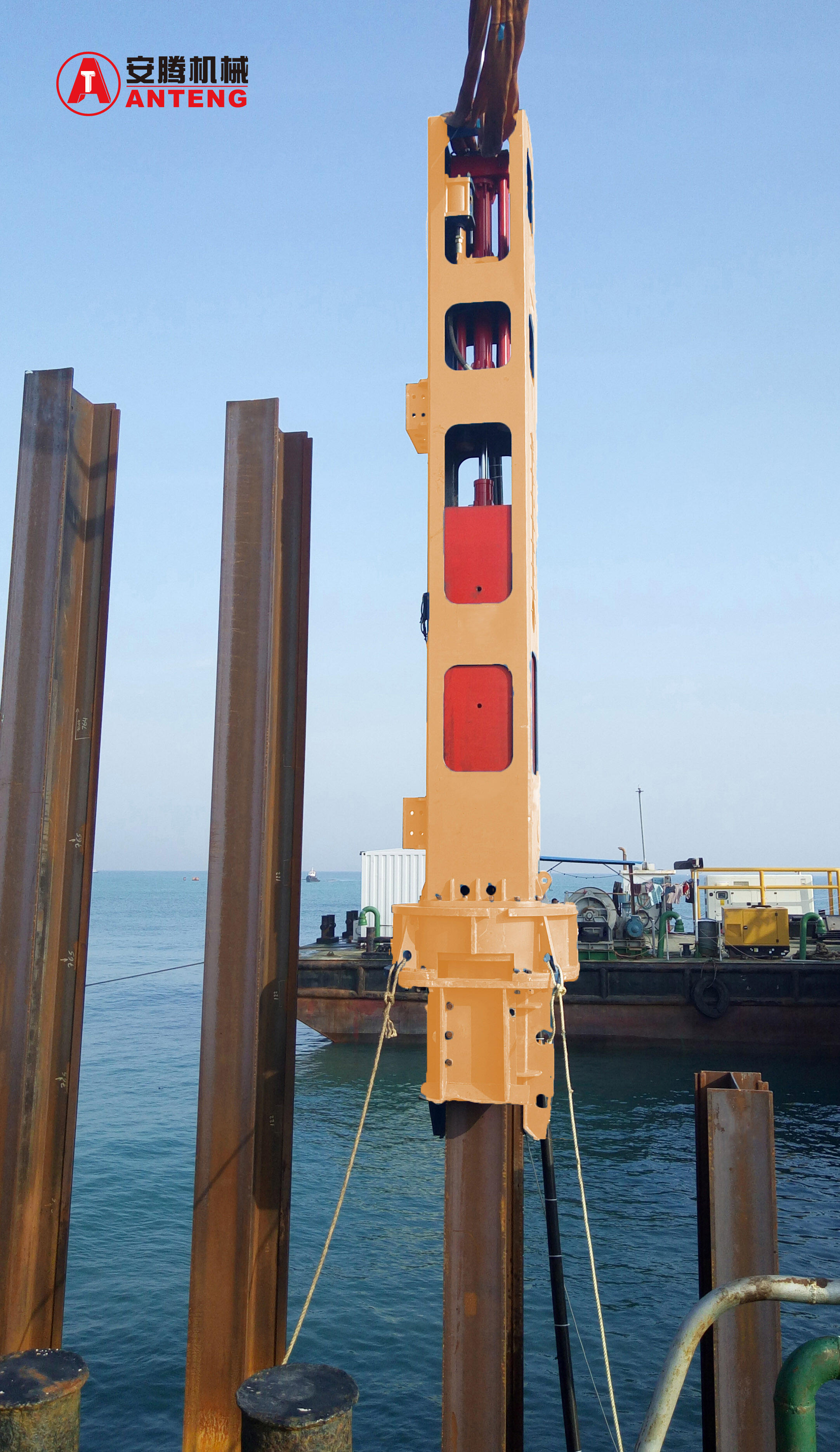
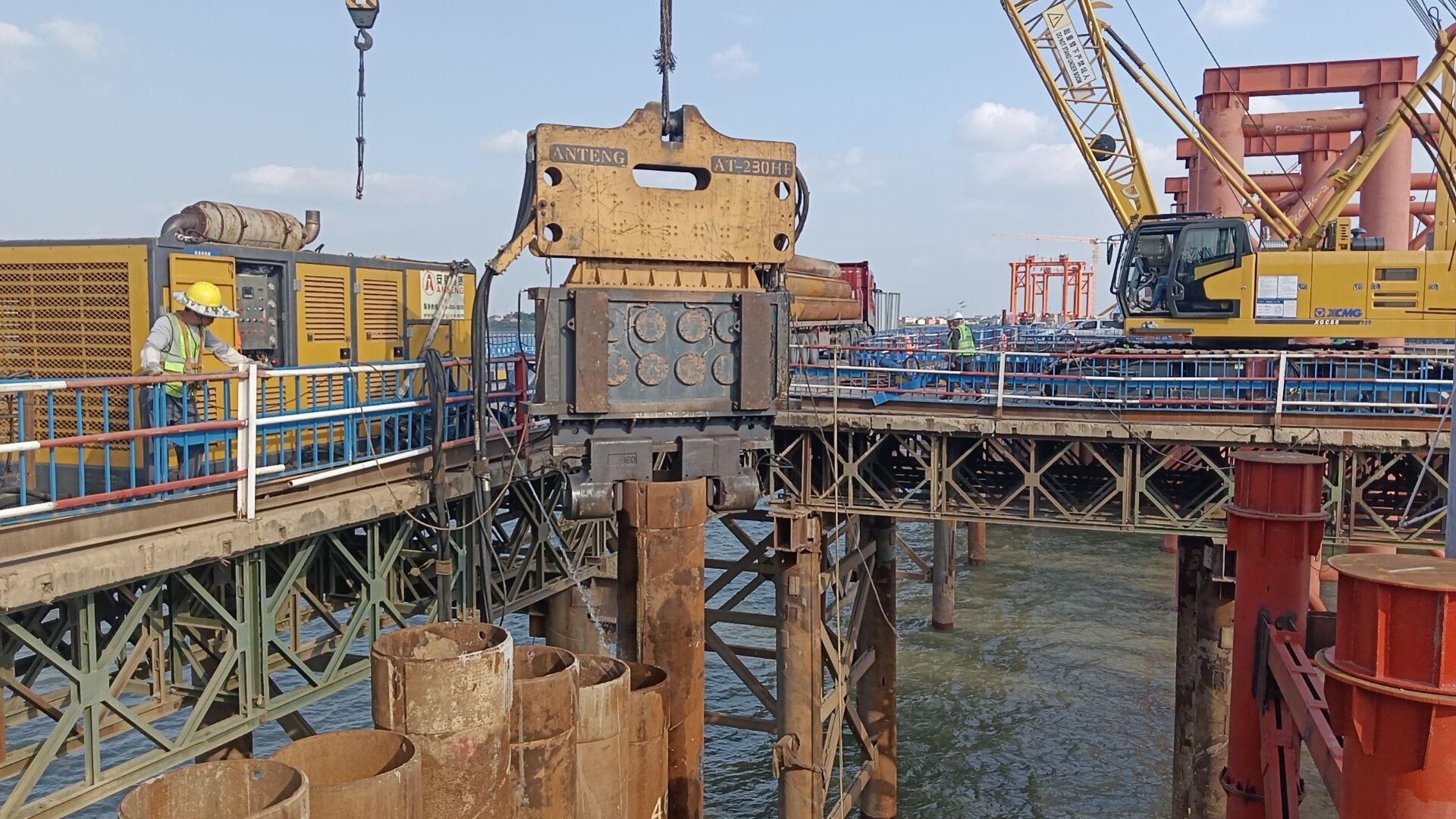
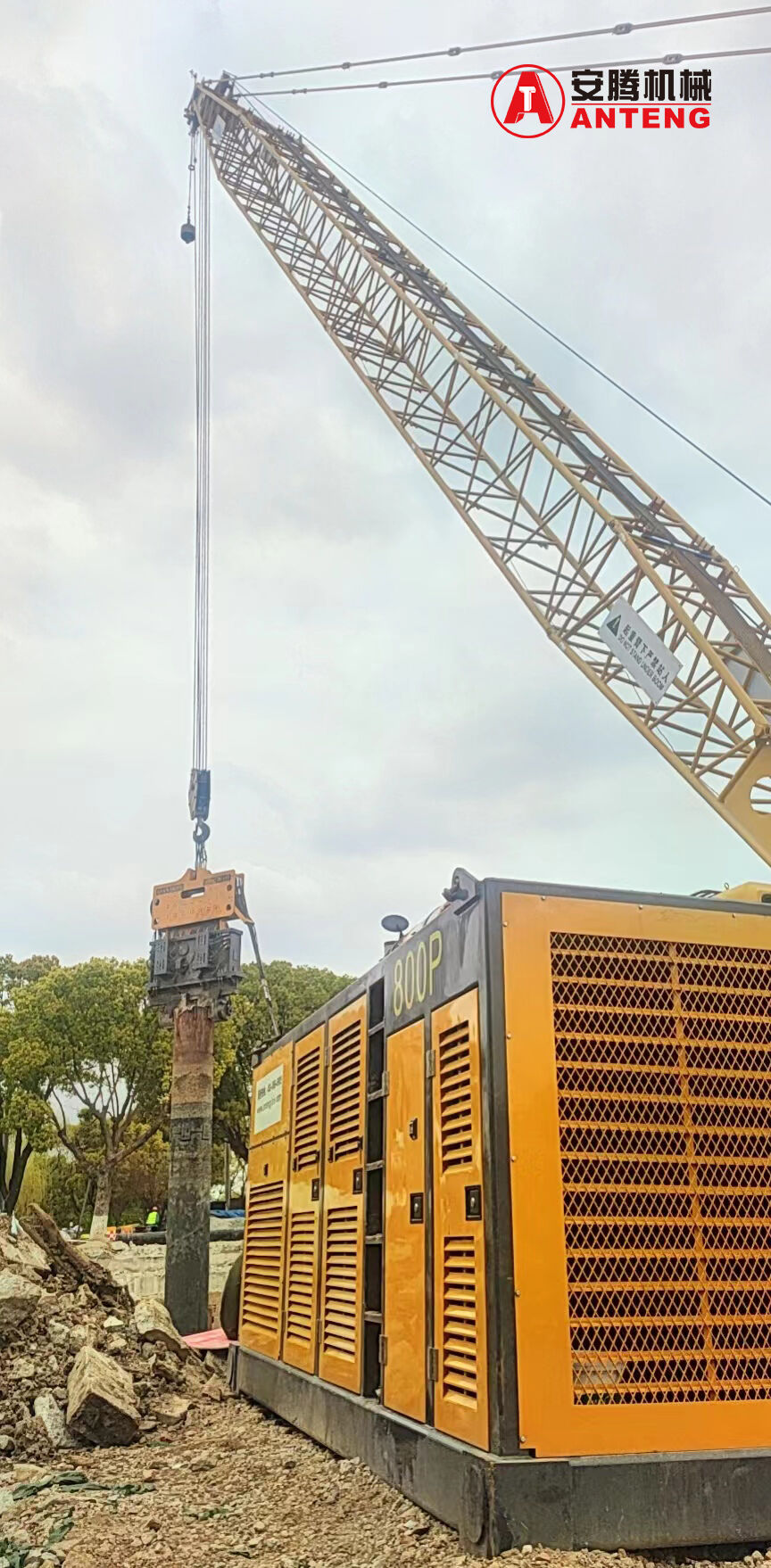
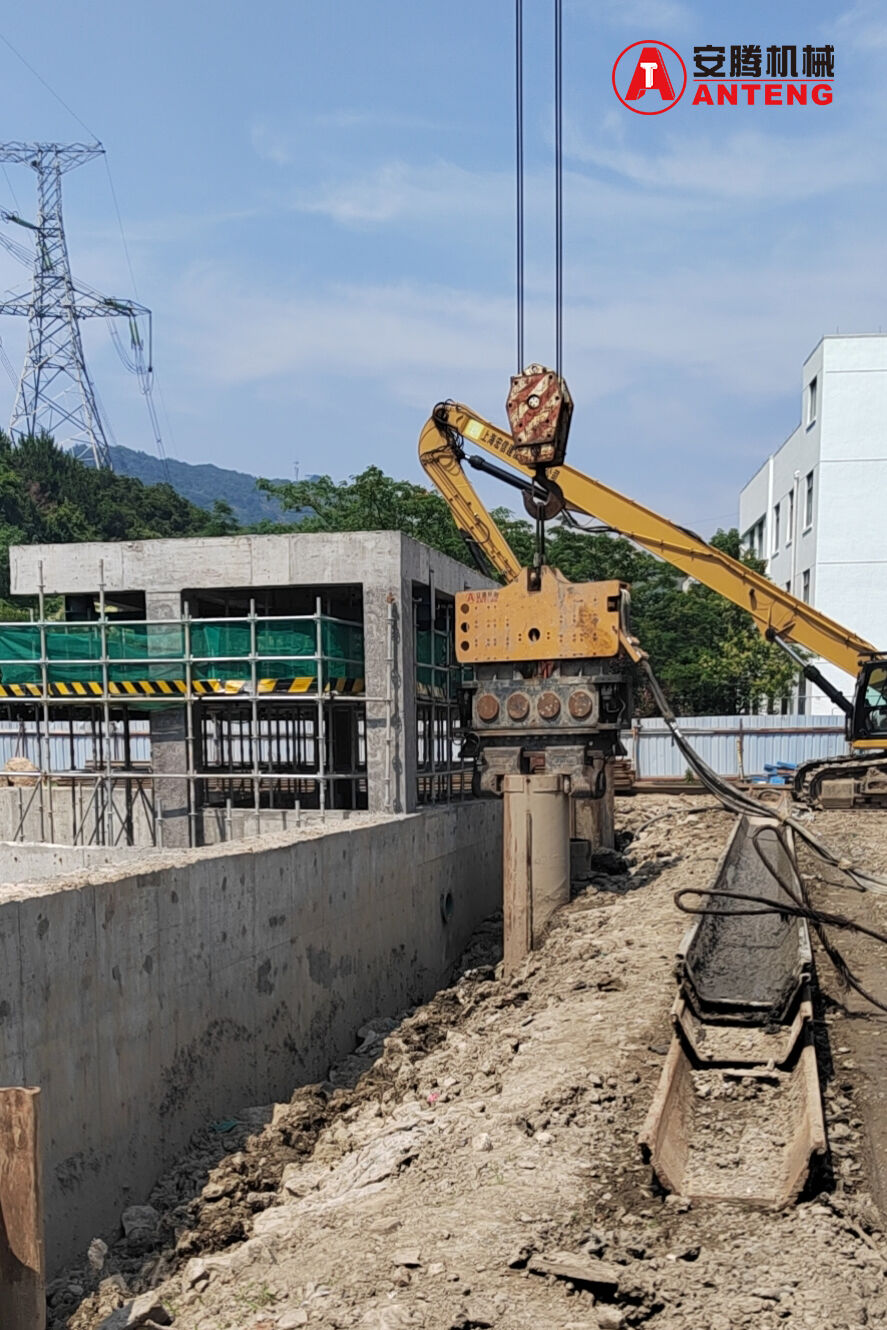
Impact hammer pile driving represents a fundamental construction methodology that utilizes controlled dynamic forces to install foundation piles into various ground conditions. This sophisticated technique employs specialized equipment that delivers precise, repetitive impacts to drive piles deep into soil substrates, creating stable foundations for diverse construction projects. The impact hammer pile driving process operates through a mechanized system where a heavy weight, typically ranging from several hundred to thousands of pounds, is repeatedly lifted and dropped onto the pile head, generating the necessary force to penetrate challenging soil conditions. Modern impact hammer pile driving equipment incorporates advanced hydraulic or diesel-powered mechanisms that ensure consistent energy delivery while maintaining operational efficiency. The technological framework of impact hammer pile driving includes sophisticated monitoring systems that track penetration rates, energy transfer efficiency, and soil resistance parameters throughout the installation process. These systems enable operators to adjust driving parameters in real-time, optimizing performance based on specific ground conditions and project requirements. The versatility of impact hammer pile driving makes it suitable for installing various pile types, including steel H-beams, concrete piles, timber piles, and composite materials. Construction teams utilize impact hammer pile driving across numerous applications, from residential foundations and commercial buildings to massive infrastructure projects like bridges, ports, and industrial facilities. The method proves particularly effective in challenging environments where traditional installation techniques may struggle, such as dense clay soils, rocky substrates, or areas with varying ground conditions. Impact hammer pile driving equipment ranges from compact units suitable for residential projects to massive systems capable of installing piles exceeding 100 feet in length. The process requires careful coordination between equipment operators, structural engineers, and project managers to ensure optimal results while maintaining safety standards and environmental compliance throughout the installation process.

 EN
EN