
 EN
EN
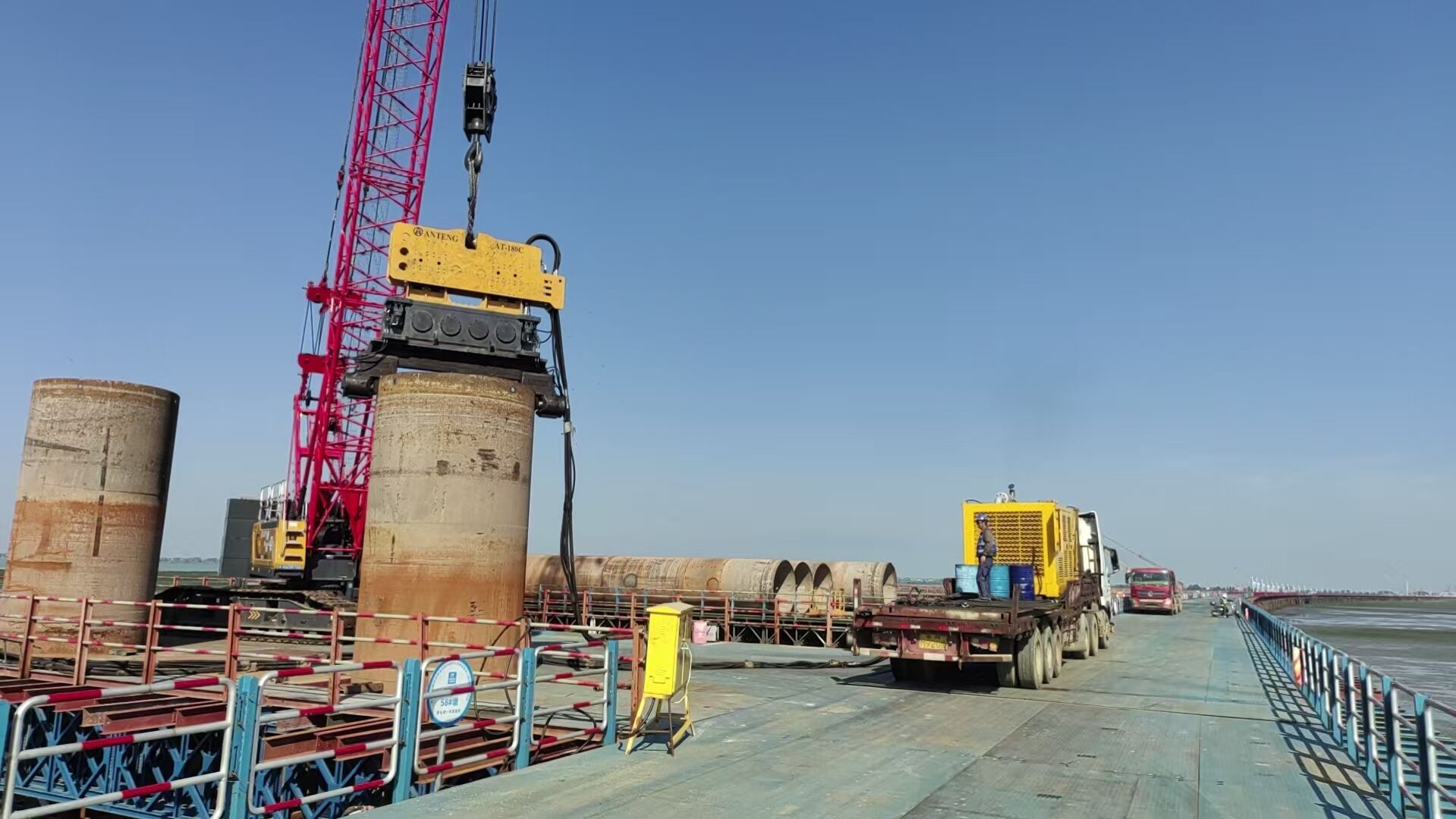
Choosing between a vibro hammer and impact-driven pile installation methods represents one of the most critical decisions in foundation construction projects. The timing of when to deploy vibro hammer technology versus traditional impact methods depends on multiple interconnected factors including soil conditions, environmental constraints, project specifications, and operational efficiency requirements that directly influence both project outcomes and cost-effectiveness.
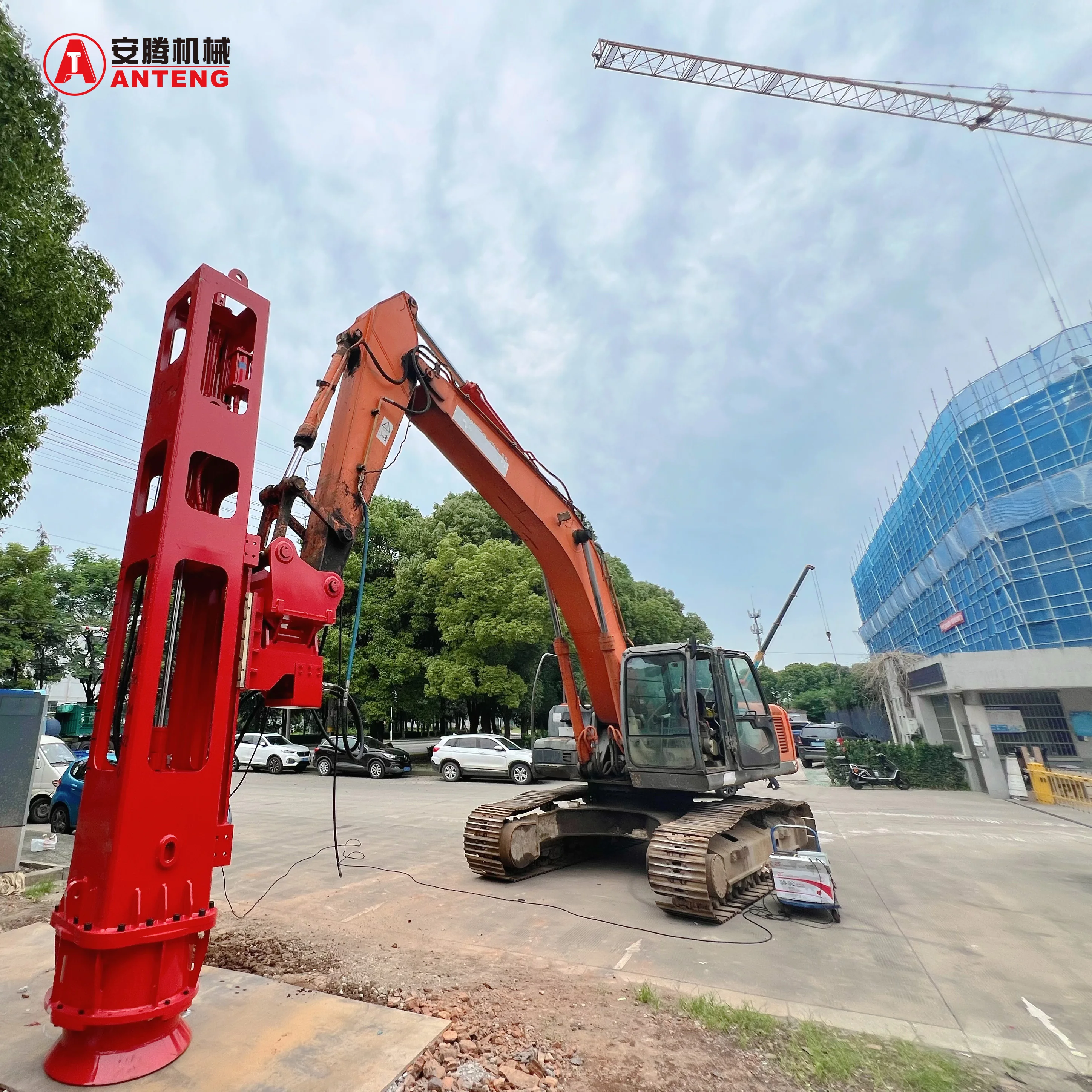
Understanding when vibro hammer technology delivers superior efficiency requires analyzing the fundamental operational differences between vibratory and impact-based pile driving methodologies. While impact hammers rely on repeated high-energy blows to drive piles into the ground, vibro hammer systems utilize continuous vibratory forces combined with static load to achieve pile penetration through soil liquefaction and reduced friction resistance, creating distinctly different performance characteristics under varying field conditions.
Soil Condition Analysis for Vibro Hammer Deployment
Granular Soil Advantages
Vibro hammer efficiency peaks in granular soils where the vibratory action creates temporary liquefaction effects that dramatically reduce soil resistance around the pile perimeter. Sandy soils, gravelly materials, and well-graded granular deposits respond exceptionally well to vibratory installation because the continuous oscillation disrupts particle interlocking and creates a fluid-like state that allows rapid pile penetration with minimal resistance.
The mechanism behind this efficiency involves the vibro hammer generating high-frequency oscillations that break down the friction between soil particles, effectively reducing the bearing capacity temporarily while the pile advances. This process proves particularly advantageous in medium to dense sands where impact methods would require substantial energy input and create significant noise and vibration disturbances in surrounding structures.
Contractors often observe installation rates three to five times faster when deploying vibro hammer technology in appropriate granular conditions compared to conventional impact driving methods. The continuous nature of vibratory installation eliminates the start-stop cycles inherent in impact methods, maintaining momentum and reducing overall project duration significantly.
Cohesive Soil Limitations
Clay-rich and highly cohesive soils present challenging conditions where vibro hammer efficiency diminishes considerably compared to impact methods. The plastic nature of cohesive materials means they do not respond to vibratory forces with the same liquefaction effects observed in granular soils, often requiring supplementary techniques or alternative installation approaches.
In stiff clays and plastic soils, the vibro hammer may struggle to maintain penetration rates, particularly when encountering dense or overconsolidated layers that resist vibratory penetration. These conditions often trigger the need for pre-drilling, jetting assistance, or switching to impact-driven alternatives to maintain project schedules and achieve required pile depths.
Mixed soil profiles containing alternating layers of cohesive and granular materials require careful evaluation to determine optimal installation methods. The vibro hammer may excel in granular layers while encountering significant resistance in cohesive zones, necessitating adaptive installation strategies that consider the predominant soil characteristics throughout the pile depth.
Environmental and Site Constraint Considerations
Noise and Vibration Control
Urban construction environments with strict noise regulations create compelling scenarios where vibro hammer deployment offers substantial advantages over impact methods. The continuous, lower-amplitude vibrations generated by vibratory systems typically produce significantly less audible noise compared to the sharp, high-impact sounds characteristic of conventional pile hammers.
Sensitive structures adjacent to construction sites benefit from the reduced ground-borne vibrations transmitted through vibro hammer operations. While impact hammers generate high-energy shock waves that can potentially damage nearby buildings or sensitive equipment, vibratory installation distributes energy more gradually and consistently, minimizing structural disturbance risks.
Residential areas, hospitals, schools, and research facilities often mandate installation methods that minimize community disruption. The vibro hammer addresses these constraints effectively while maintaining productive installation rates, making it the preferred choice when environmental compliance takes precedence over raw driving capacity.
Access and Mobility Requirements
Confined work spaces and restricted access sites favor vibro hammer systems due to their generally more compact configurations and reduced auxiliary equipment requirements. The absence of heavy drop weights or complex impact mechanisms allows vibratory systems to operate effectively in areas with overhead clearance limitations or restricted lateral space.
Marine and waterfront applications particularly benefit from vibro hammer technology because the reduced shock transmission minimizes disturbance to aquatic ecosystems while maintaining effective pile installation capabilities. The continuous operation characteristics prove advantageous when working from floating platforms or in tidal environments where operational windows may be limited.
Production Rate and Economic Efficiency Factors
Installation Speed Optimization
Project schedules demanding rapid pile installation often favor vibro hammer deployment when soil conditions align with vibratory installation capabilities. The continuous penetration achieved through vibratory methods eliminates the cyclical delays inherent in impact hammer operations, where each blow requires recovery time before the subsequent strike.
Large-scale projects with hundreds or thousands of piles benefit significantly from the accelerated installation rates possible with vibro hammer technology in suitable conditions. The cumulative time savings across extensive pile fields can reduce overall project duration by weeks or months, translating into substantial cost savings through reduced equipment rental, labor costs, and overhead expenses.
Contractor productivity metrics consistently demonstrate superior performance when vibro hammer systems operate within their optimal application parameters. The reduced setup time between pile locations, faster individual pile installation, and minimal equipment maintenance requirements contribute to enhanced daily production targets and improved project profitability.
Equipment and Operational Cost Analysis
Total cost of ownership calculations must account for fuel consumption patterns, maintenance requirements, and equipment utilization rates when comparing vibro hammer efficiency against impact methods. Vibratory systems typically consume less fuel per pile installed in appropriate soil conditions due to the continuous power delivery versus the peak energy demands of impact hammers.
Maintenance intervals and component replacement costs vary significantly between vibratory and impact systems, with vibro hammer technology generally requiring less frequent major overhauls due to the absence of high-impact stress concentrations. The eccentric weights and hydraulic systems in vibratory units experience more predictable wear patterns compared to the extreme loading cycles in impact hammer mechanisms.
Pile Type and Installation Specification Matching
Steel Pile Applications
Steel H-piles and pipe piles demonstrate excellent compatibility with vibro hammer installation methods, particularly when driving through granular materials or when precise placement accuracy is required. The continuous vibratory action provides better control over pile alignment and reduces the likelihood of pile damage that can occur with high-impact installation methods.
Thin-walled steel sections benefit from the gentler installation forces generated by vibro hammer systems, minimizing risks of buckling, crimping, or structural deformation that might compromise pile integrity. The ability to modulate vibratory frequency and amplitude allows operators to optimize installation parameters for specific pile geometries and material properties.
Sheet pile applications particularly favor vibratory installation due to the interlocking requirements and tight tolerance demands typical of cutoff walls and retention structures. The vibro hammer enables precise control during installation while maintaining the structural integrity of adjacent previously installed sheets.
Precast Concrete Considerations
Precast concrete piles present unique challenges that influence the selection between vibro hammer and impact methods. The brittleness of concrete materials makes them susceptible to cracking or spalling under high-impact forces, creating scenarios where vibratory installation offers significant advantages in protecting pile structural integrity.
Prestressed concrete elements require careful handling during installation to prevent damage to the prestressing tendons or concrete matrix. Vibro hammer technology provides more controlled installation forces that reduce risks of internal damage while achieving required penetration depths and bearing capacities.
The gradual force application characteristic of vibratory systems allows better monitoring of pile behavior during installation, enabling early detection of potential problems and adjustment of installation parameters to prevent damage or achieve specification compliance.
FAQ
What soil types make vibro hammer installation most efficient compared to impact methods?
Vibro hammer efficiency peaks in granular soils including sands, gravels, and well-graded materials where vibratory forces create temporary liquefaction effects. These conditions allow installation rates three to five times faster than impact methods while generating less noise and vibration disturbance to surrounding structures.
How do environmental restrictions influence the choice between vibro hammer and impact pile driving?
Urban environments with noise ordinances, proximity to sensitive structures, or wildlife protection requirements often mandate vibro hammer use due to significantly reduced noise levels and gentler ground vibration transmission. Marine environments particularly benefit from reduced ecosystem disturbance while maintaining effective installation capabilities.
What project characteristics favor vibro hammer deployment for maximum efficiency?
Large-scale projects with extensive pile quantities in suitable soil conditions achieve substantial time and cost savings through accelerated installation rates and reduced equipment downtime. Projects requiring precise pile placement, working in confined spaces, or installing thin-walled steel sections benefit from the controlled installation forces and compact equipment configurations.
When should contractors avoid vibro hammer technology in favor of impact methods?
Highly cohesive clay soils, dense hardpan layers, or conditions requiring extreme driving forces typically favor impact methods over vibratory installation. Sites with very hard driving conditions, rock layers, or specifications demanding high-energy installation may require the superior penetration capability of impact hammer systems.
Table of Contents
- Soil Condition Analysis for Vibro Hammer Deployment
- Environmental and Site Constraint Considerations
- Production Rate and Economic Efficiency Factors
- Pile Type and Installation Specification Matching
-
FAQ
- What soil types make vibro hammer installation most efficient compared to impact methods?
- How do environmental restrictions influence the choice between vibro hammer and impact pile driving?
- What project characteristics favor vibro hammer deployment for maximum efficiency?
- When should contractors avoid vibro hammer technology in favor of impact methods?