
 EN
EN
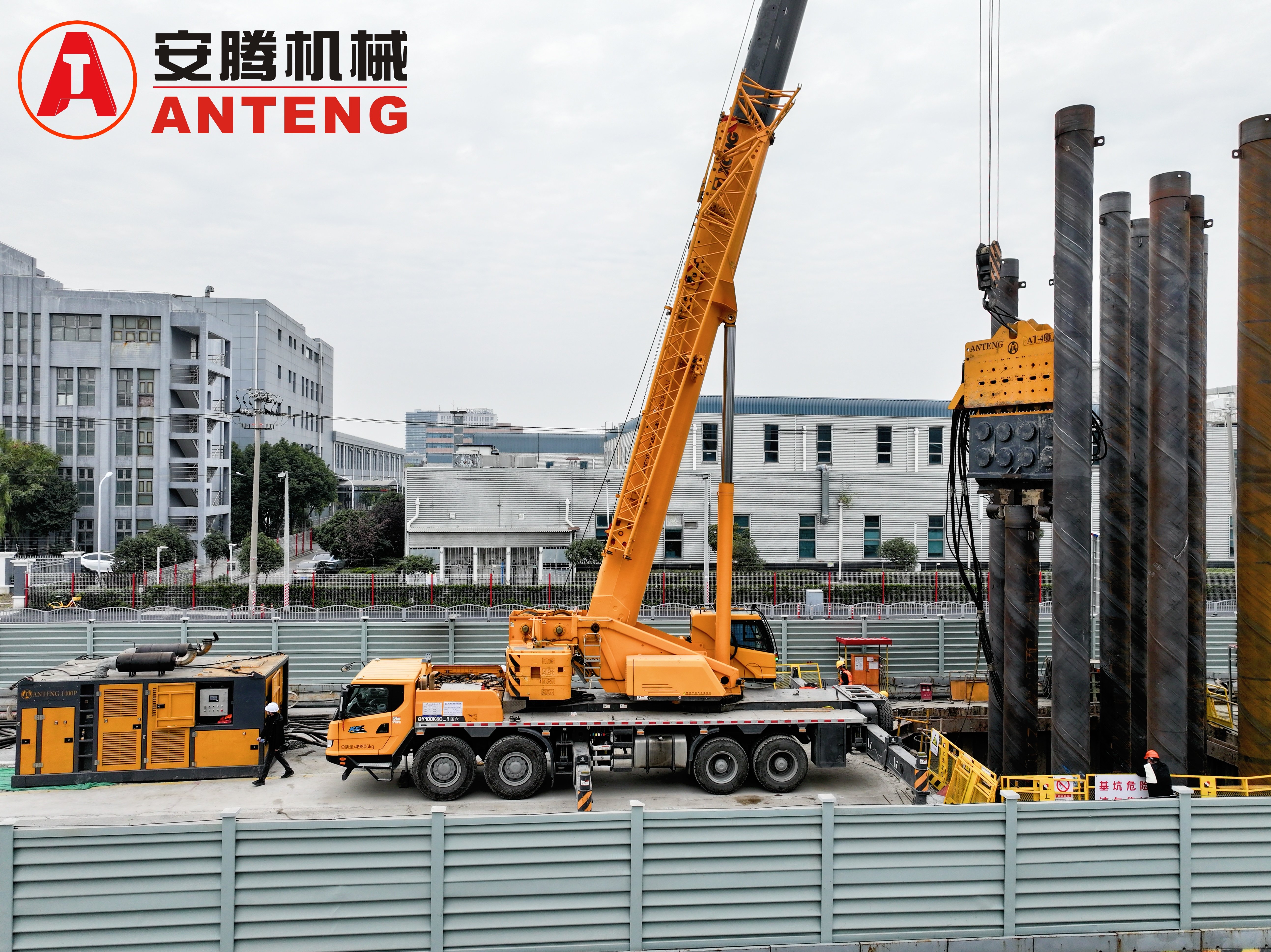
Proper maintenance practices are the cornerstone of extending vibro hammer service life and maximizing your construction equipment investment. A well-maintained vibro hammer can deliver consistent performance for thousands of operating hours while reducing unexpected downtime and costly repairs. Understanding the specific maintenance requirements for these powerful pile driving machines is essential for construction professionals who depend on reliable equipment performance in demanding foundation work applications.
The service life of a vibro hammer depends heavily on implementing systematic maintenance protocols that address both mechanical and hydraulic components. Regular maintenance not only prevents premature wear but also ensures optimal vibration frequency and amplitude throughout the equipment's operational lifespan. This comprehensive approach to vibro hammer care directly impacts productivity, safety, and long-term profitability in pile driving operations across various construction projects.
Hydraulic System Maintenance Fundamentals
Hydraulic Fluid Management
The hydraulic system forms the heart of any vibro hammer operation, making proper fluid management critical for extended service life. High-quality hydraulic fluid must be maintained at optimal viscosity levels to ensure smooth power transmission from the excavator to the vibro hammer mechanism. Regular fluid analysis helps identify contamination, oxidation, and thermal breakdown that can severely impact component longevity and performance efficiency.
Temperature control plays a vital role in hydraulic fluid longevity within vibro hammer systems. Operating temperatures should remain within manufacturer specifications to prevent fluid degradation and seal deterioration. Installing temperature monitoring systems and ensuring adequate cooling capacity helps maintain optimal operating conditions that extend both fluid life and overall vibro hammer durability.
Contamination control through proper filtration systems prevents abrasive particles from entering the hydraulic circuit. Clean hydraulic fluid reduces wear on pumps, valves, and cylinders within the vibro hammer assembly. Regular filter replacement schedules and contamination monitoring ensure that the hydraulic system continues delivering consistent power and precision throughout the equipment's service life.
Pressure System Monitoring
Maintaining proper hydraulic pressure levels ensures that the vibro hammer operates within design parameters while avoiding excessive stress on system components. Pressure relief valves must be regularly tested and calibrated to prevent over-pressurization that can damage seals, hoses, and internal mechanisms. Consistent pressure monitoring allows operators to identify potential issues before they escalate into major failures.
System pressure fluctuations often indicate developing problems within the vibro hammer hydraulic circuit. Regular pressure testing helps identify worn pumps, damaged valves, or internal leakage that reduces efficiency and accelerates component wear. Addressing pressure irregularities promptly prevents cascading failures that can significantly shorten vibro hammer service life.
Hydraulic line inspection and maintenance prevent pressure losses and contamination entry points throughout the vibro hammer system. Damaged hoses, loose connections, and worn fittings compromise system integrity and performance. Regular visual inspections and pressure testing of hydraulic lines ensure reliable power delivery and prevent environmental contamination from hydraulic fluid leaks.
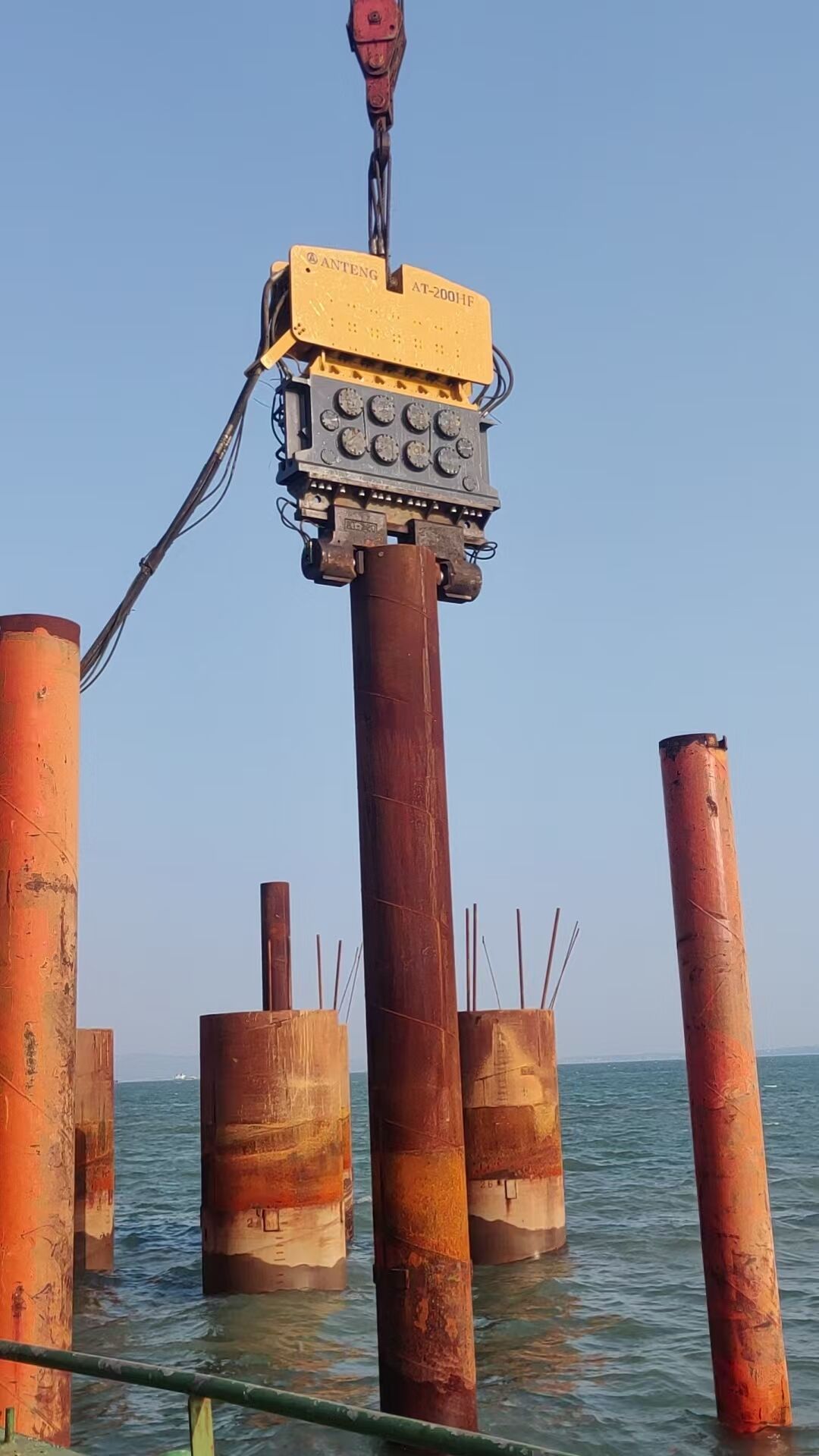
Mechanical Component Care Strategies
Vibration Mechanism Maintenance
The vibration mechanism represents the core operating component of any vibro hammer, requiring specialized maintenance attention to ensure optimal performance and longevity. Regular inspection of eccentric weights, bearings, and rotating assemblies helps identify wear patterns before they result in catastrophic failure. Proper lubrication of these high-speed components prevents premature wear and maintains consistent vibration characteristics throughout the equipment's operational life.
Bearing maintenance within the vibro hammer mechanism demands particular attention due to the extreme operational stresses involved. High-quality lubricants applied at manufacturer-specified intervals prevent bearing failure and maintain smooth rotation under heavy loads. Temperature monitoring of bearing assemblies helps identify developing problems and allows for proactive maintenance interventions.
Eccentric weight balance affects both vibro hammer performance and service life significantly. Regular inspection ensures that weights remain properly secured and balanced, preventing excessive vibration that can damage mounting points and internal components. Any signs of weight wear, cracking, or displacement require immediate attention to maintain optimal operating characteristics and prevent equipment damage.
Housing and Structural Elements
The vibro hammer housing endures extreme mechanical stresses during pile driving operations, making regular structural inspections essential for safety and longevity. Crack detection through visual inspection and non-destructive testing methods helps identify potential failure points before they compromise equipment integrity. Prompt repair of minor structural issues prevents progressive damage that could render the entire vibro hammer unit inoperable.
Mounting point maintenance ensures secure attachment between the vibro hammer and carrier excavator throughout demanding pile driving operations. Regular inspection of mounting brackets, pins, and bushings prevents loosening that can cause dangerous equipment separation or excessive wear. Proper torque specifications and regular tightening schedules maintain safe and efficient vibro hammer operation.
Protective housing elements shield internal components from environmental damage while maintaining structural integrity during operation. Regular cleaning and inspection of housing components prevent debris accumulation that can interfere with cooling and lubrication systems. Maintaining proper sealing prevents contamination entry while preserving the internal environment necessary for optimal component longevity.
Preventive Maintenance Scheduling
Daily Inspection Protocols
Daily pre-operation inspections form the foundation of effective vibro hammer maintenance programs, allowing operators to identify developing issues before they impact productivity or safety. Visual inspection of hydraulic lines, mounting points, and housing components takes minimal time but provides valuable early warning of potential problems. Systematic daily checks create a maintenance culture that extends equipment life and reduces unexpected downtime.
Fluid level monitoring during daily inspections ensures that the vibro hammer maintains adequate hydraulic fluid for optimal performance. Low fluid levels can indicate leakage or consumption issues that require immediate attention. Regular fluid level checks prevent pump cavitation and system damage that can result from insufficient hydraulic fluid supply during operation.
Operational testing during startup procedures verifies that all vibro hammer systems function within normal parameters before beginning pile driving work. Checking vibration characteristics, pressure levels, and response times helps identify performance degradation that might indicate maintenance requirements. Daily operational verification ensures consistent performance and prevents equipment damage from operating with developing problems.
Periodic Service Intervals
Weekly maintenance intervals provide opportunities for more detailed inspection and service procedures that extend vibro hammer service life significantly. Lubrication of grease fittings, detailed visual inspections, and minor adjustments maintain optimal operating conditions between major service events. Regular weekly maintenance prevents minor issues from developing into major failures that require extensive downtime and expensive repairs.
Monthly service procedures include comprehensive system checks that verify all vibro hammer components operate within specification. Hydraulic system testing, vibration analysis, and wear pattern evaluation provide detailed information about equipment condition and remaining service life. Monthly maintenance intervals allow for proactive component replacement before failure occurs during critical operations.
Annual overhaul procedures ensure that the vibro hammer receives comprehensive inspection and refurbishment to maintain peak performance capabilities. Major component replacement, seal renewal, and precision adjustments restore the equipment to near-original condition. Annual maintenance investments prevent catastrophic failures and extend overall service life significantly beyond standard expectations.
Performance Optimization Through Maintenance
Vibration Frequency Calibration
Maintaining optimal vibration frequency requires regular calibration and adjustment of the vibro hammer control systems throughout its service life. Frequency drift occurs naturally as components wear and operating characteristics change over time. Regular calibration ensures that the vibro hammer continues delivering the precise vibration characteristics necessary for efficient pile driving across various soil conditions and project requirements.
Control system maintenance includes regular inspection and calibration of sensors, valves, and electronic components that regulate vibro hammer operation. Clean electrical connections and properly functioning sensors ensure accurate frequency control and prevent erratic operation that can damage both the equipment and driven piles. Regular control system maintenance maintains precision and reliability throughout the equipment's operational life.
Vibration amplitude consistency depends on maintaining proper hydraulic pressure, flow rates, and mechanical component alignment within the vibro hammer assembly. Regular measurement and adjustment of these parameters ensure that the equipment delivers consistent performance across different operating conditions. Amplitude consistency directly affects pile driving efficiency and helps maintain uniform installation quality throughout construction projects.
Efficiency Monitoring Systems
Modern vibro hammer units benefit from integrated monitoring systems that track performance parameters and maintenance requirements throughout their service life. Data logging capabilities provide valuable insights into operating patterns, load cycles, and component wear rates that inform maintenance scheduling decisions. Efficiency monitoring helps optimize maintenance intervals and prevents both over-maintenance and under-maintenance scenarios.
Performance trending analysis reveals gradual changes in vibro hammer operation that indicate developing maintenance needs before they impact productivity. Regular analysis of efficiency data helps identify optimal maintenance intervals and component replacement schedules based on actual operating conditions rather than generic recommendations. This data-driven approach maximizes service life while minimizing maintenance costs and downtime.
Predictive maintenance technologies enable proactive service scheduling based on actual component condition rather than arbitrary time intervals. Vibration analysis, oil analysis, and thermal monitoring provide early warning of developing problems that require attention. Implementing predictive maintenance strategies significantly extends vibro hammer service life while reducing unexpected failures and associated project delays.
FAQ
How often should hydraulic fluid be changed in a vibro hammer?
Hydraulic fluid in a vibro hammer should typically be changed every 1,000 to 2,000 operating hours, depending on operating conditions and fluid quality. Harsh environments with high temperatures or contamination may require more frequent changes, while clean operating conditions may allow longer intervals. Regular fluid analysis helps determine optimal change intervals based on actual fluid condition rather than arbitrary time schedules.
What are the most critical wear points in a vibro hammer?
The most critical wear points in a vibro hammer include the main bearings supporting the eccentric mechanism, hydraulic seals, and mounting point bushings. These components experience the highest stresses during operation and typically require the most frequent inspection and replacement. Regular monitoring of these wear points prevents catastrophic failures and extends overall equipment service life significantly.
Can vibro hammer maintenance be performed in the field?
Many vibro hammer maintenance procedures can be performed in the field, including daily inspections, lubrication, hydraulic fluid changes, and minor adjustments. However, major overhauls, bearing replacement, and precision calibration typically require shop facilities with specialized equipment and trained technicians. Field maintenance capabilities reduce downtime but should complement rather than replace comprehensive shop-based service procedures.
What signs indicate immediate vibro hammer maintenance requirements?
Immediate maintenance attention is required when a vibro hammer exhibits unusual vibrations, excessive noise, hydraulic fluid leaks, reduced pile driving efficiency, or abnormal operating temperatures. These symptoms often indicate developing problems that can cause equipment damage if not addressed promptly. Any deviation from normal operating characteristics warrants immediate inspection to prevent costly repairs and ensure safe operation.