Exceptional Versatility Across Soil Conditions
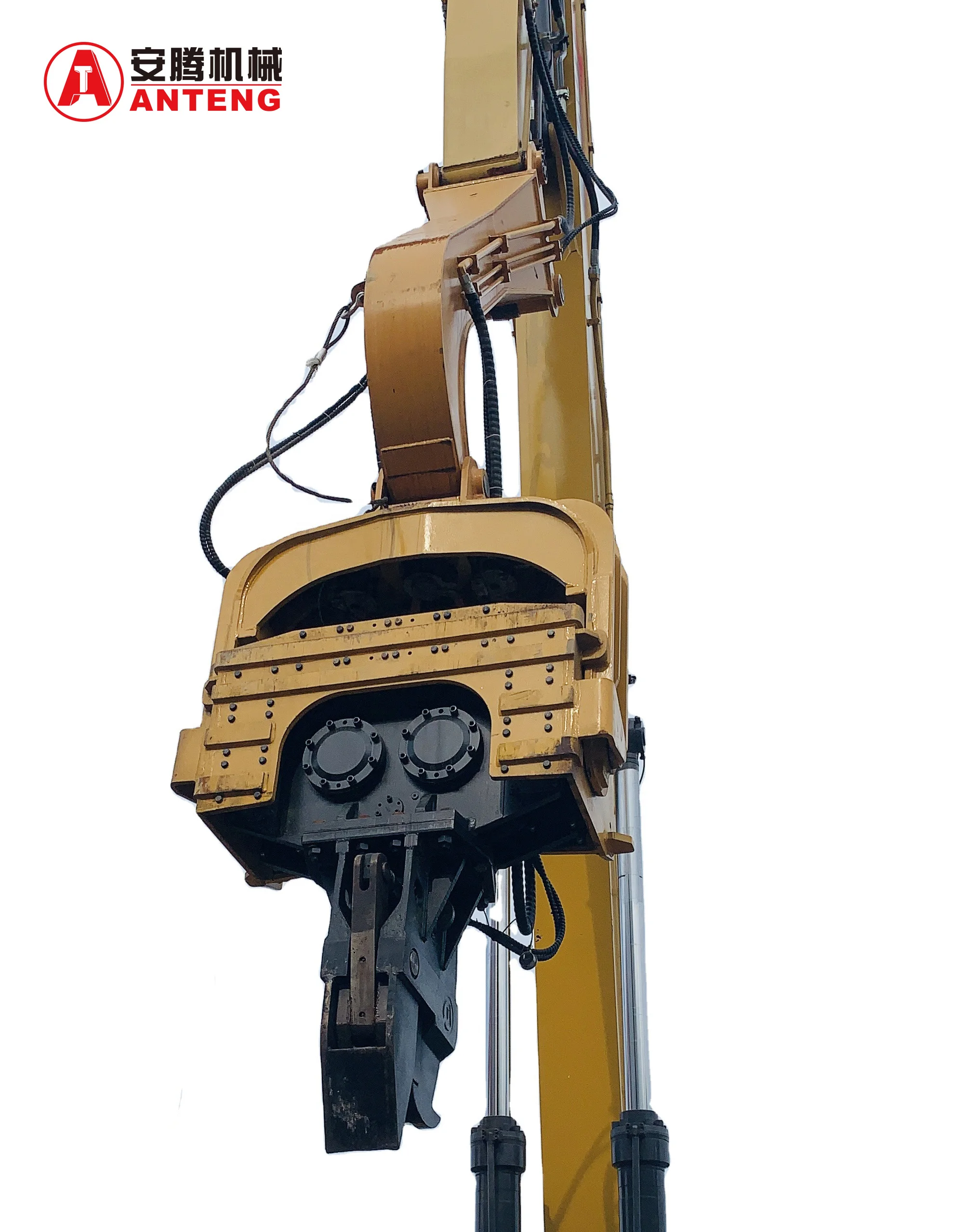
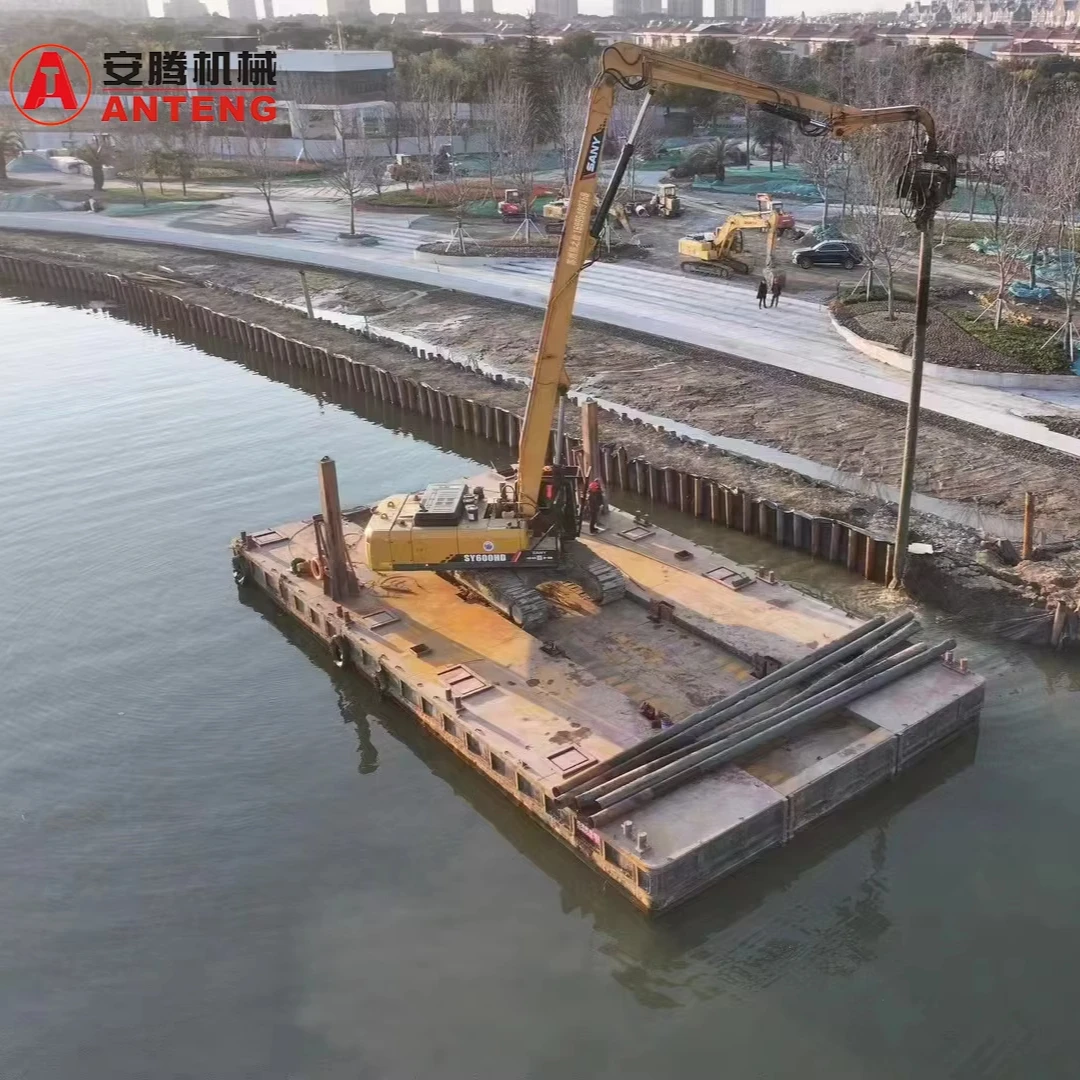
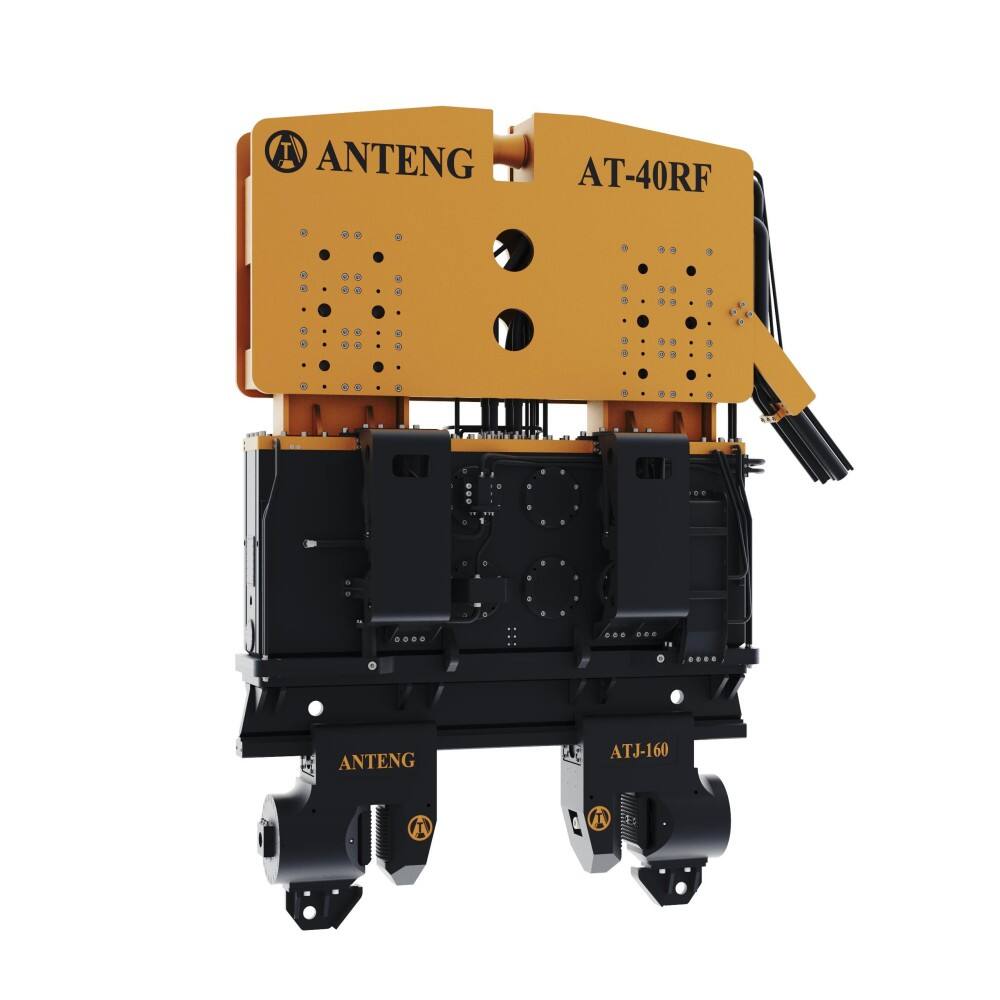
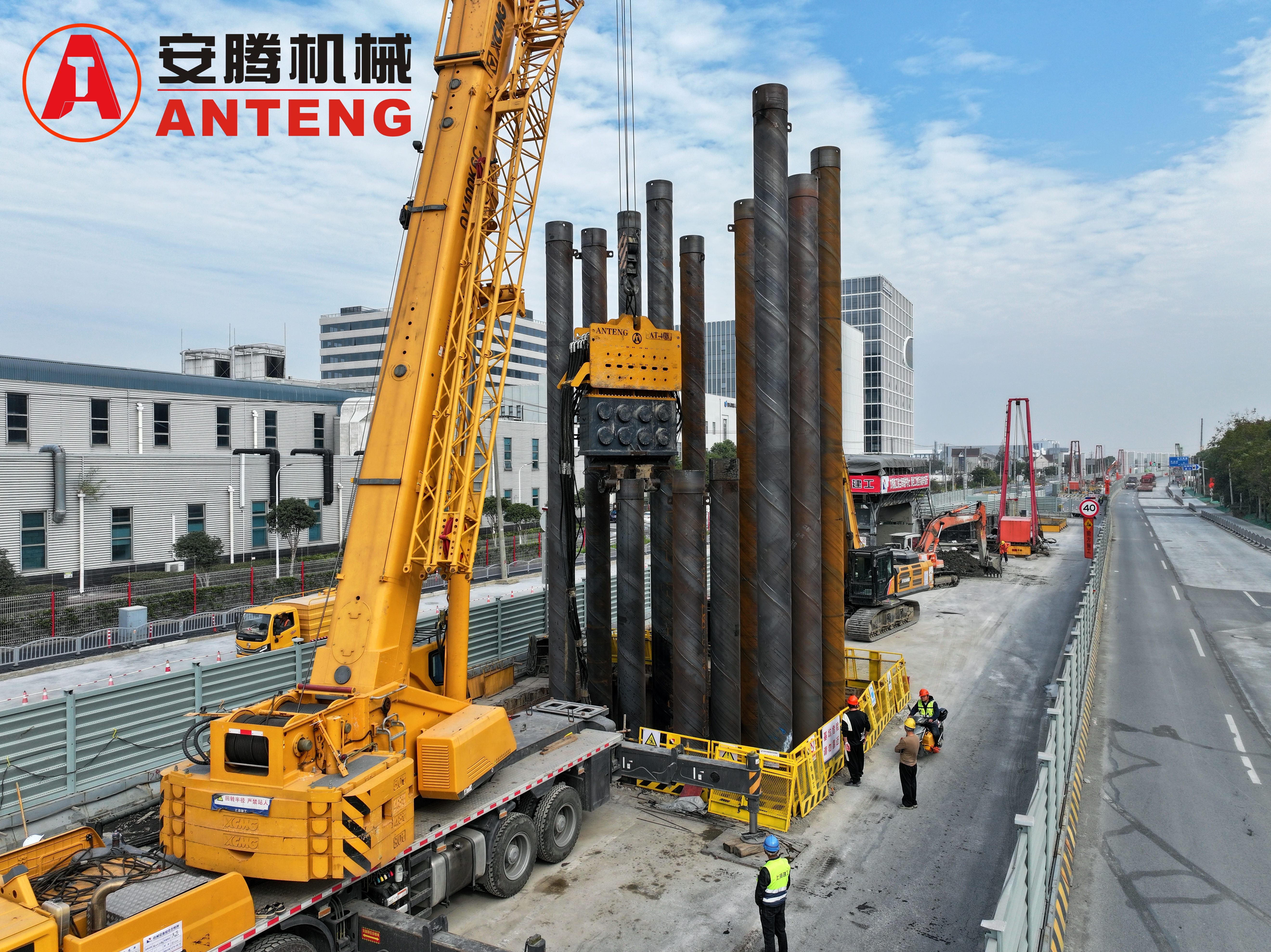
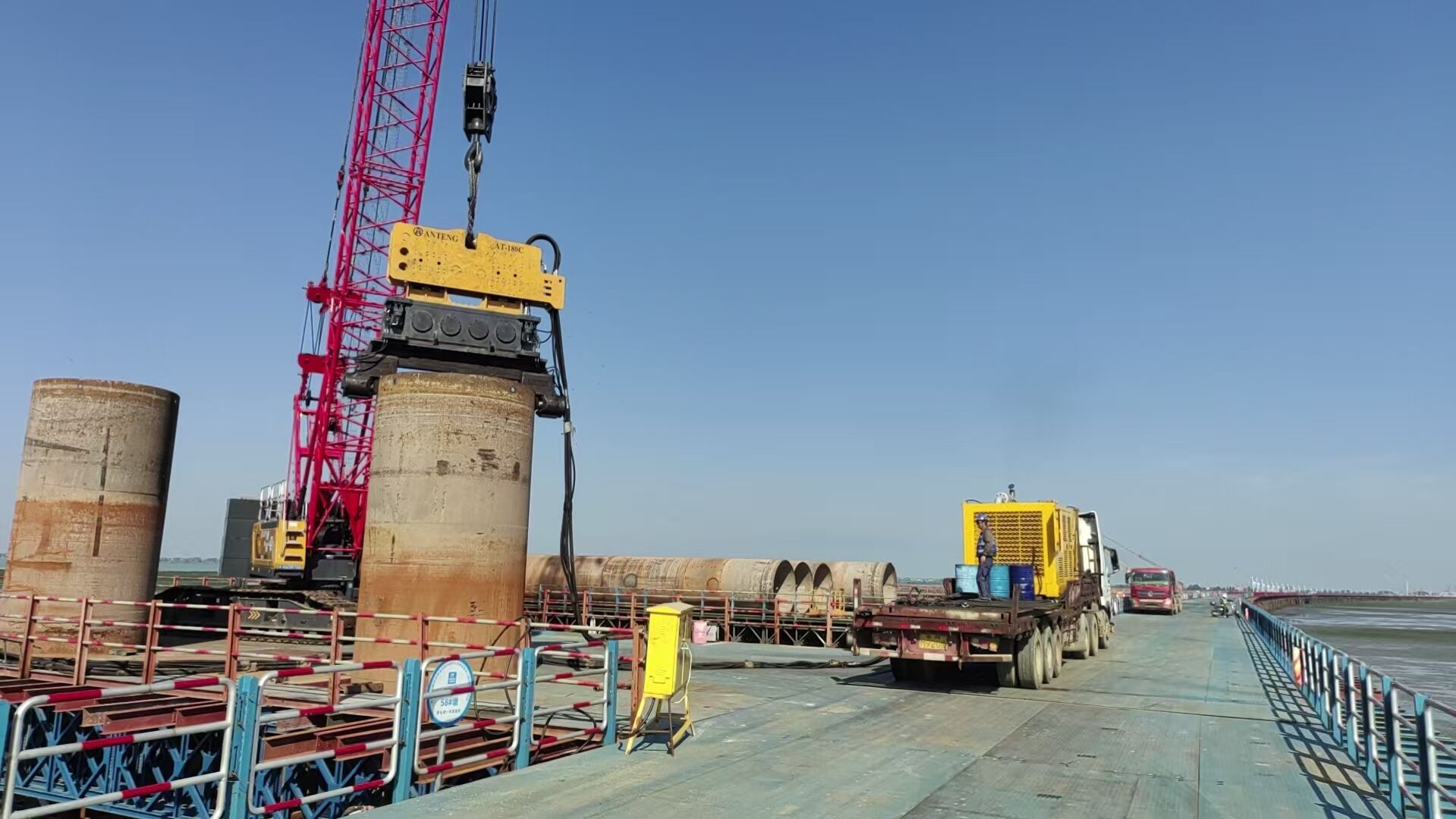
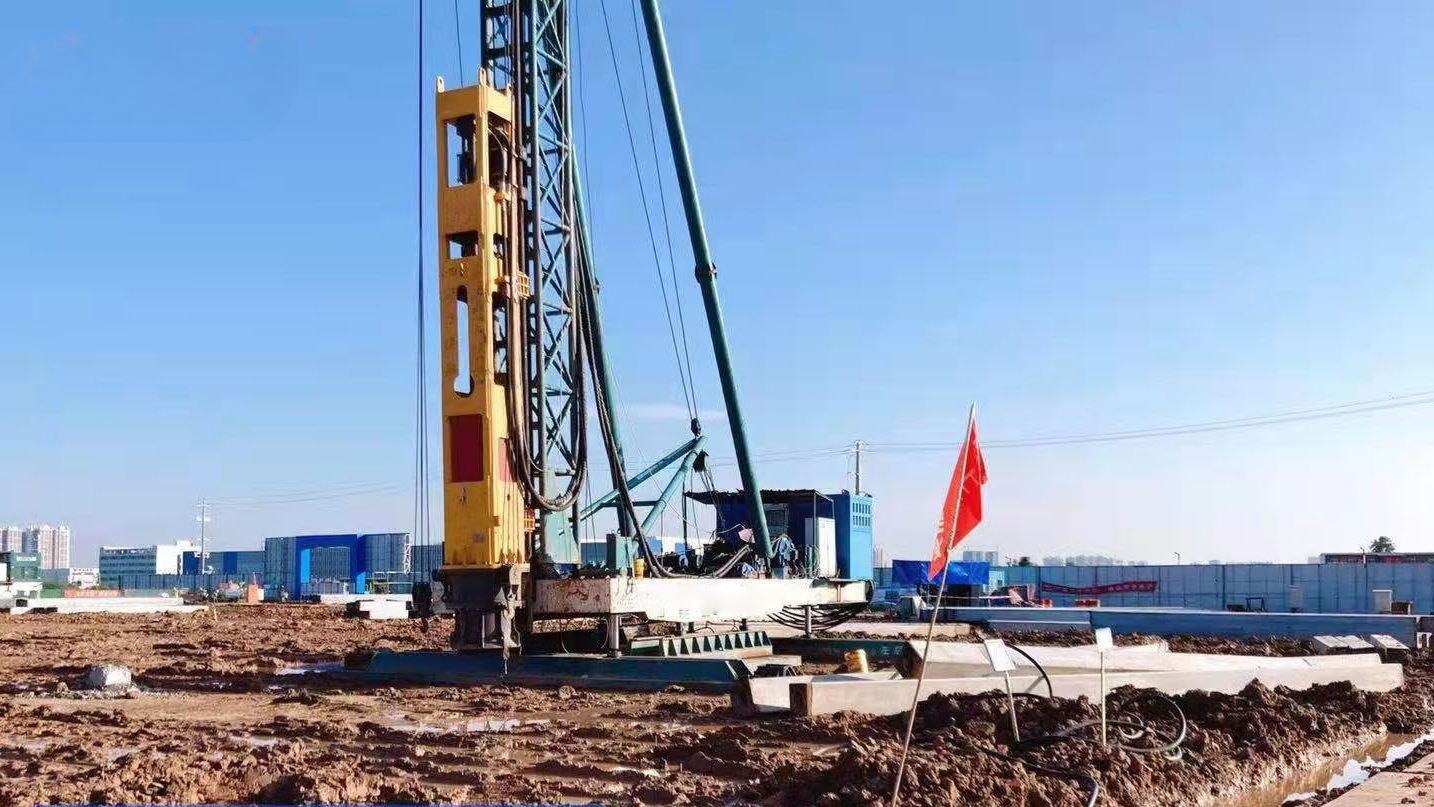
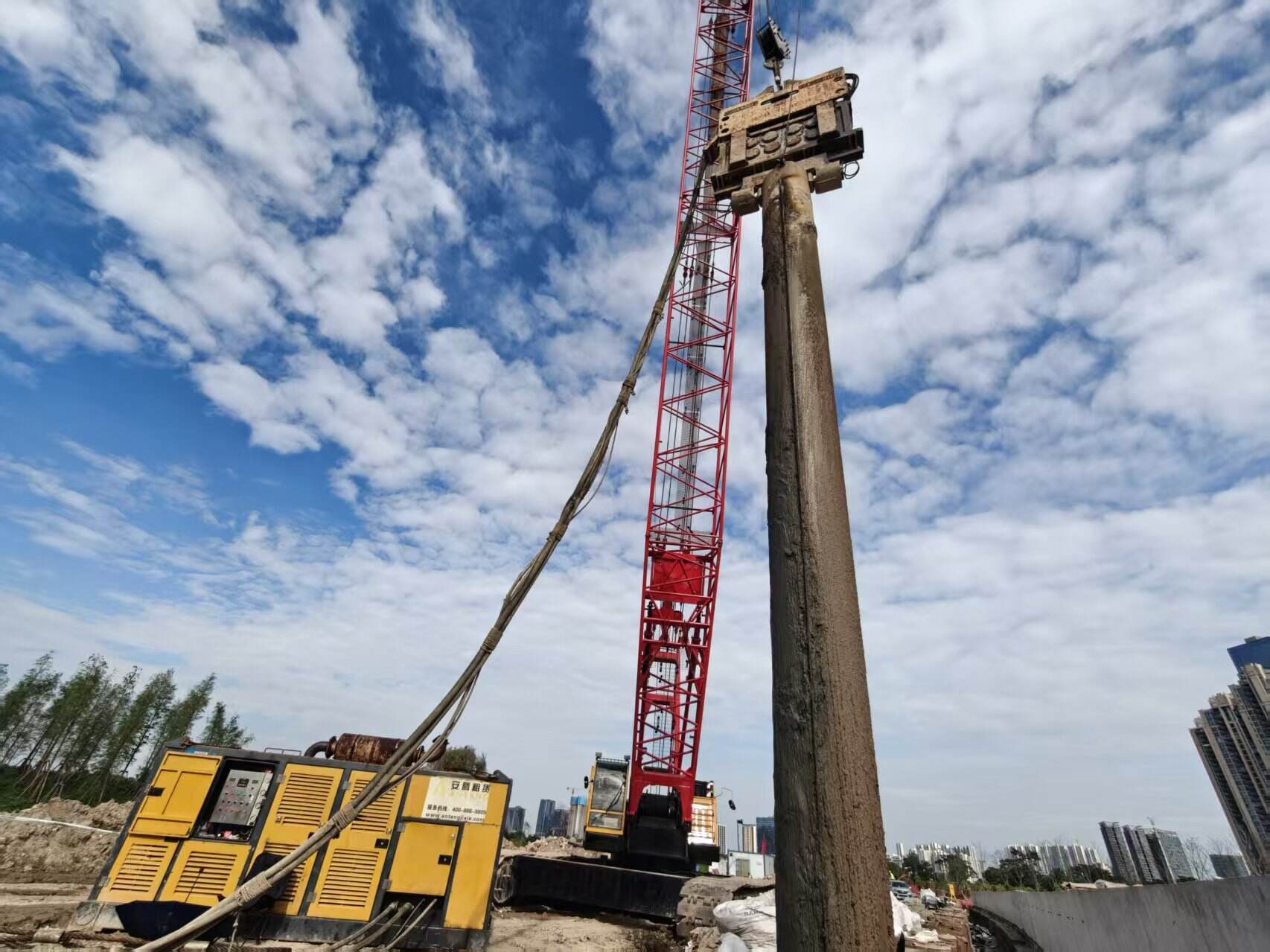
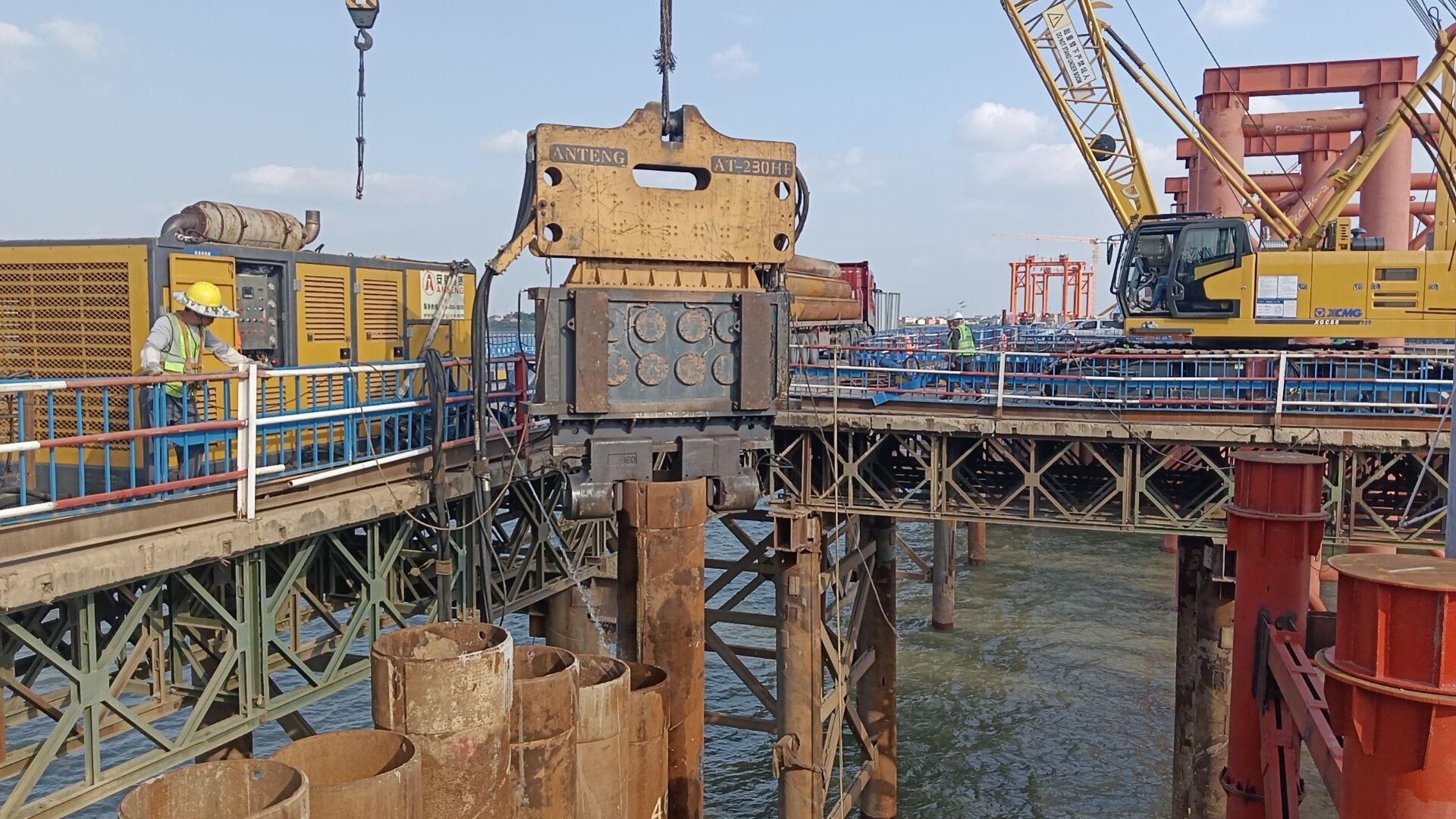
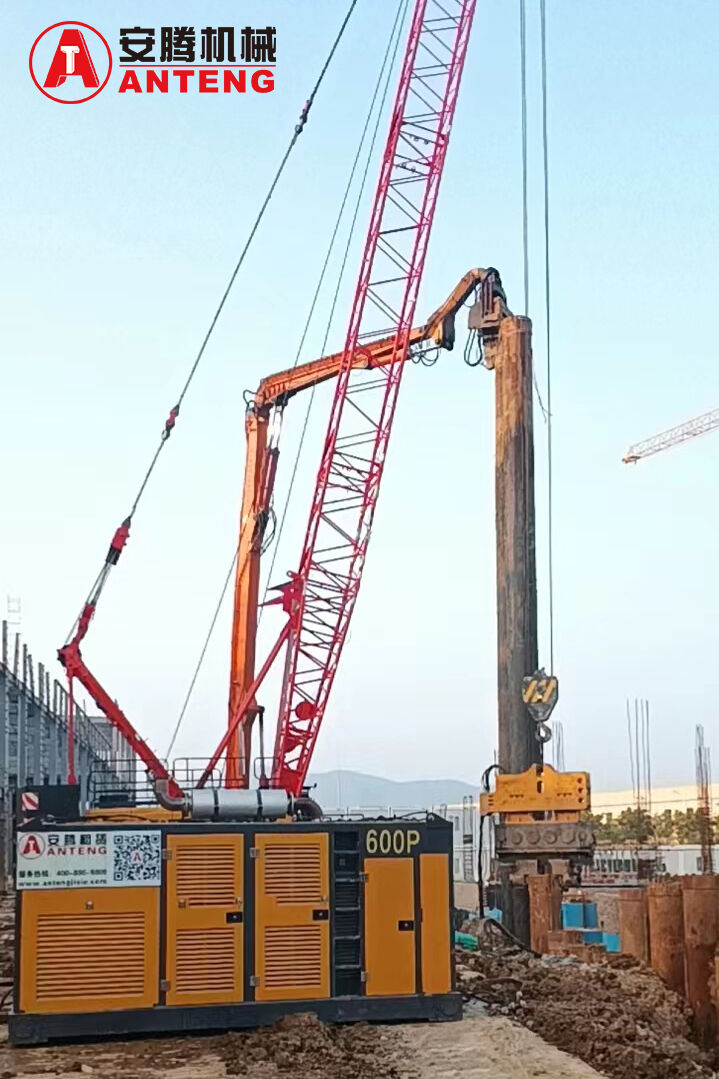
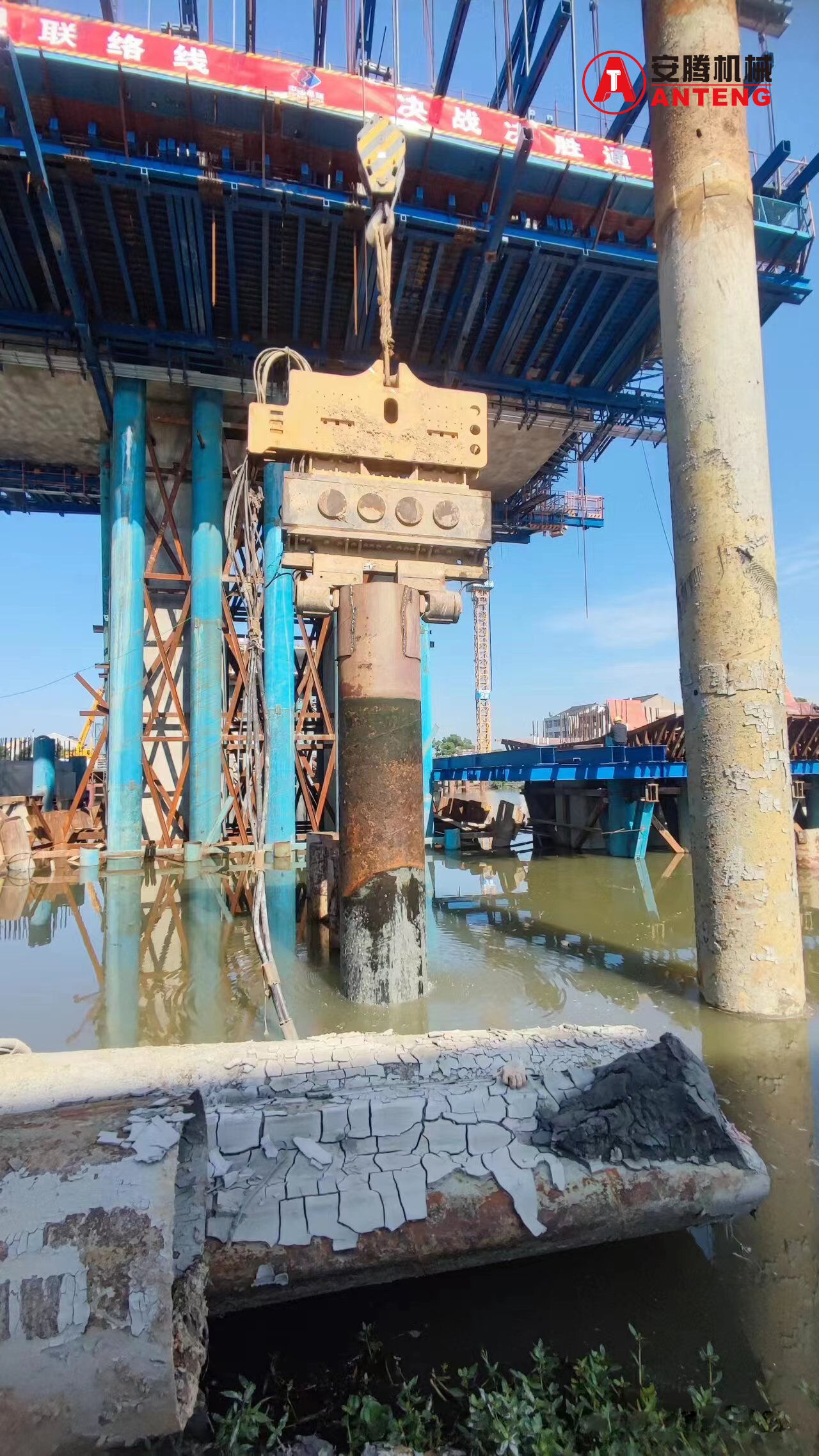
Vibro hammer piling technology demonstrates remarkable versatility by successfully operating across an extensive range of soil conditions that challenge traditional pile installation methods. This adaptability stems from the equipment's ability to generate customized vibration patterns specifically tailored to soil characteristics, enabling effective penetration through loose sand, dense clay, mixed soil formations, and even challenging conditions containing obstacles or debris. The versatile nature of vibro hammer piling eliminates the need for extensive soil modification or pre-treatment procedures that typically increase project costs and timelines. Construction professionals value this flexibility because it allows single equipment deployment across multiple soil zones within the same project site, reducing mobilization costs and logistical complications. The technology's performance remains consistent whether working in saturated soils, dry conditions, or varying moisture content environments, providing reliable installation results regardless of seasonal weather variations. Versatility extends to pile type compatibility, as vibro hammer piling systems accommodate steel H-beams, concrete piles, timber piles, and composite materials without requiring specialized attachments or equipment modifications. This broad compatibility reduces inventory requirements and simplifies project planning for contractors managing diverse foundation specifications. The equipment's adaptability enables successful installation in confined urban spaces, marine environments, industrial facilities, and remote construction sites where access limitations restrict conventional pile driving equipment. Soil condition challenges such as loose fill, organic materials, and varying density layers are effectively managed through the system's adaptive vibrational response capabilities. The versatile operation minimizes site preparation requirements, as vibro hammer piling can work effectively on uneven terrain and in areas with limited working space. This comprehensive adaptability translates to reduced project risks, simplified equipment selection, and enhanced construction scheduling flexibility for project managers overseeing complex foundation installation requirements across varied geological conditions.

 EN
EN