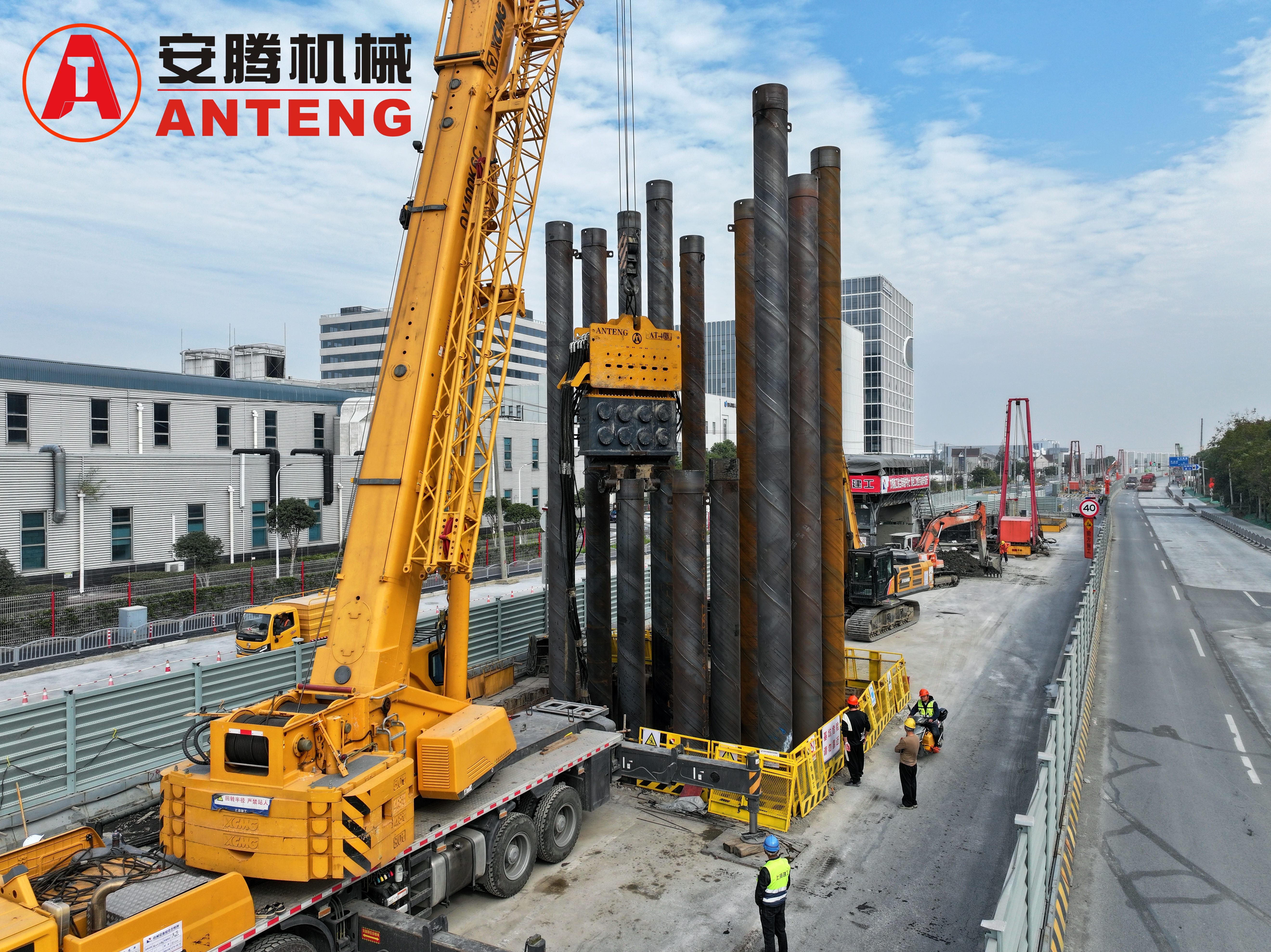
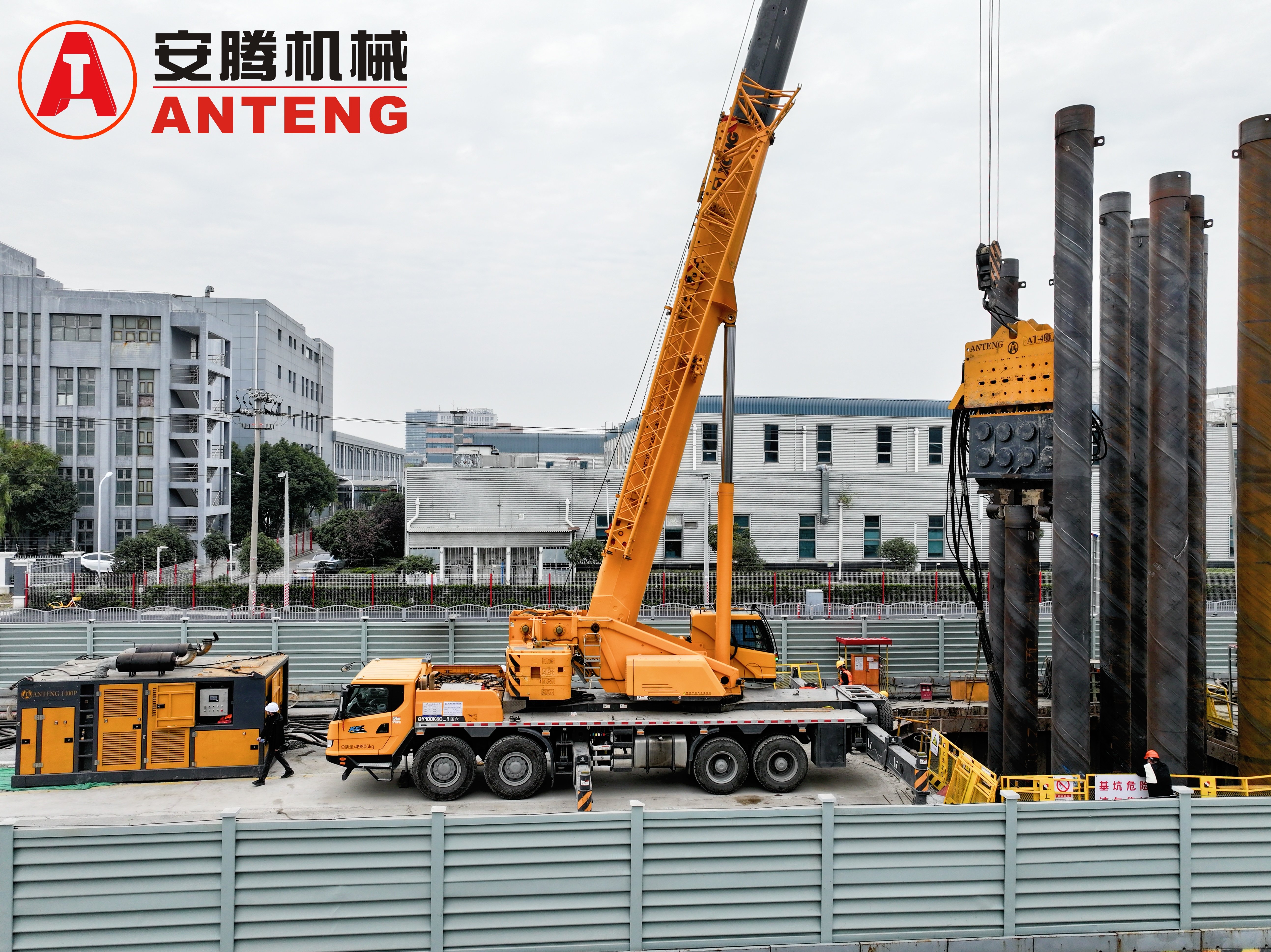
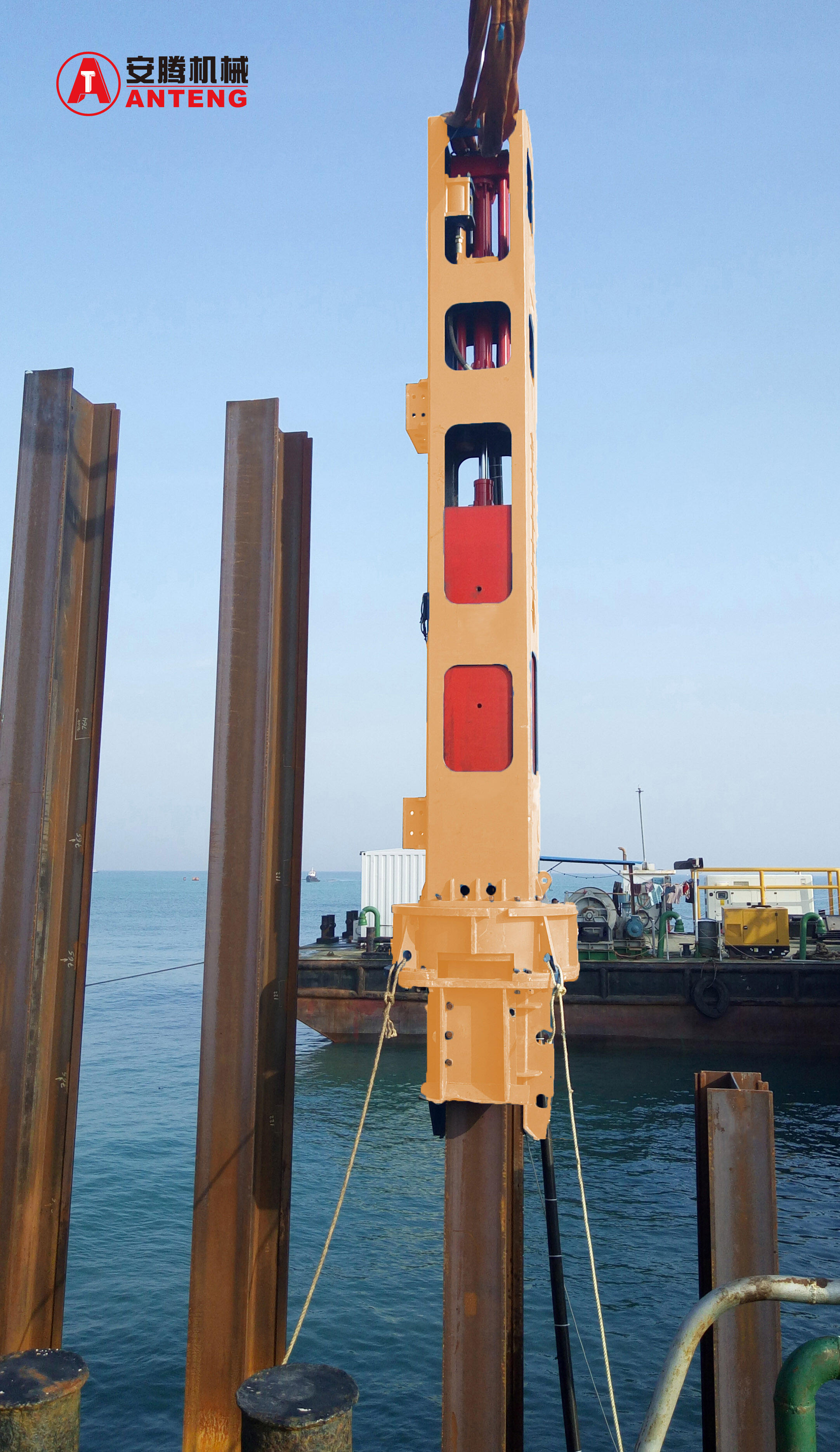
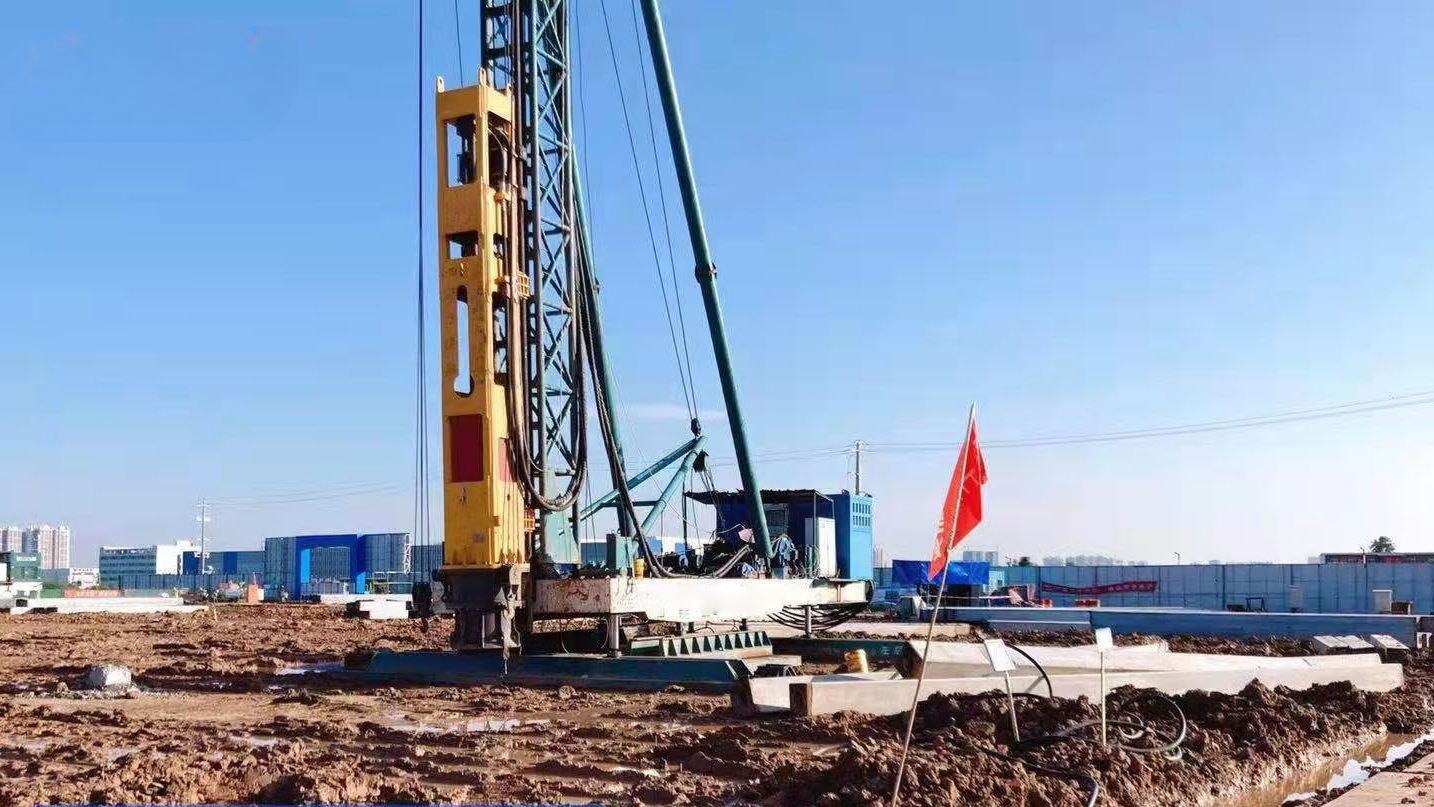
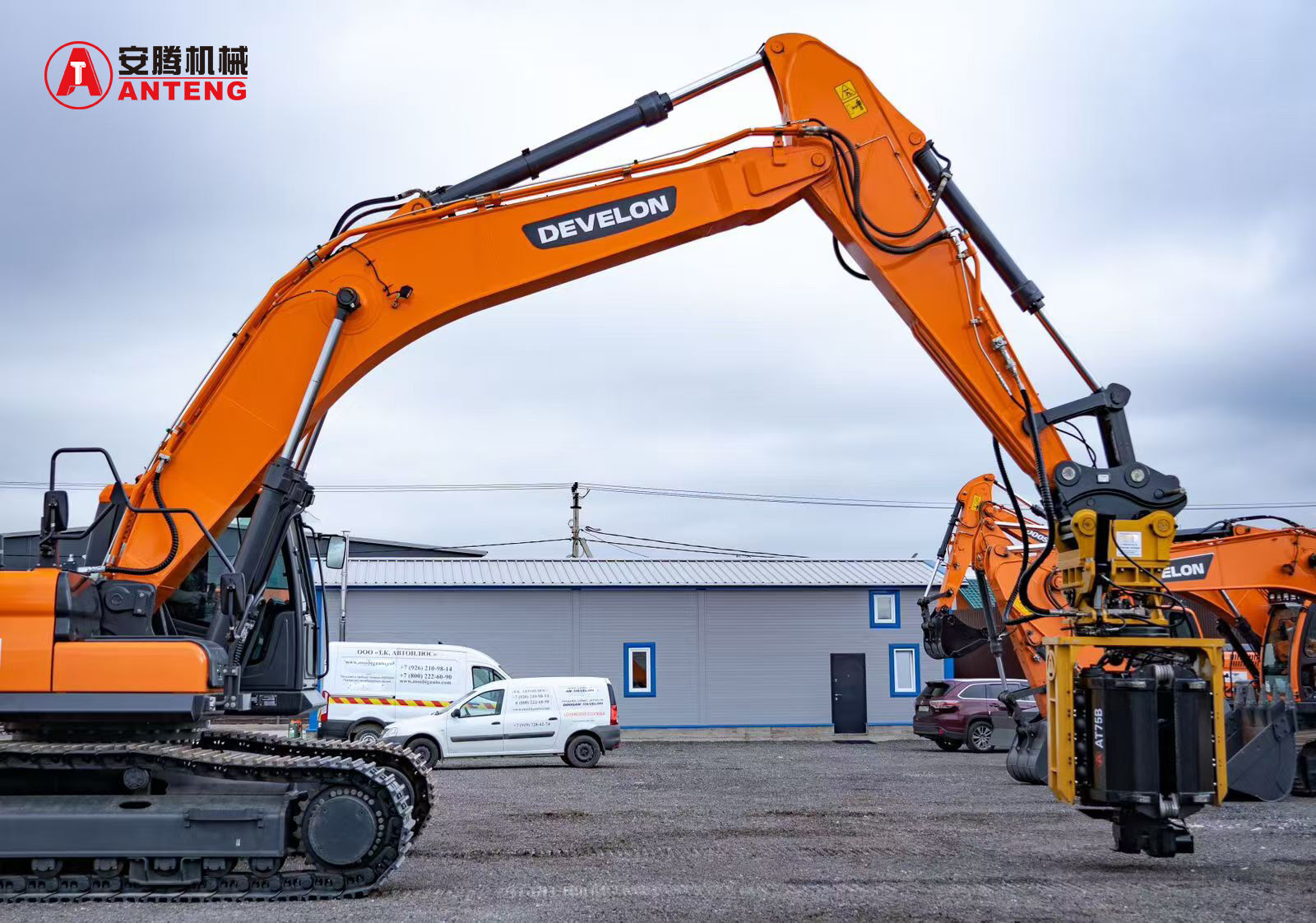
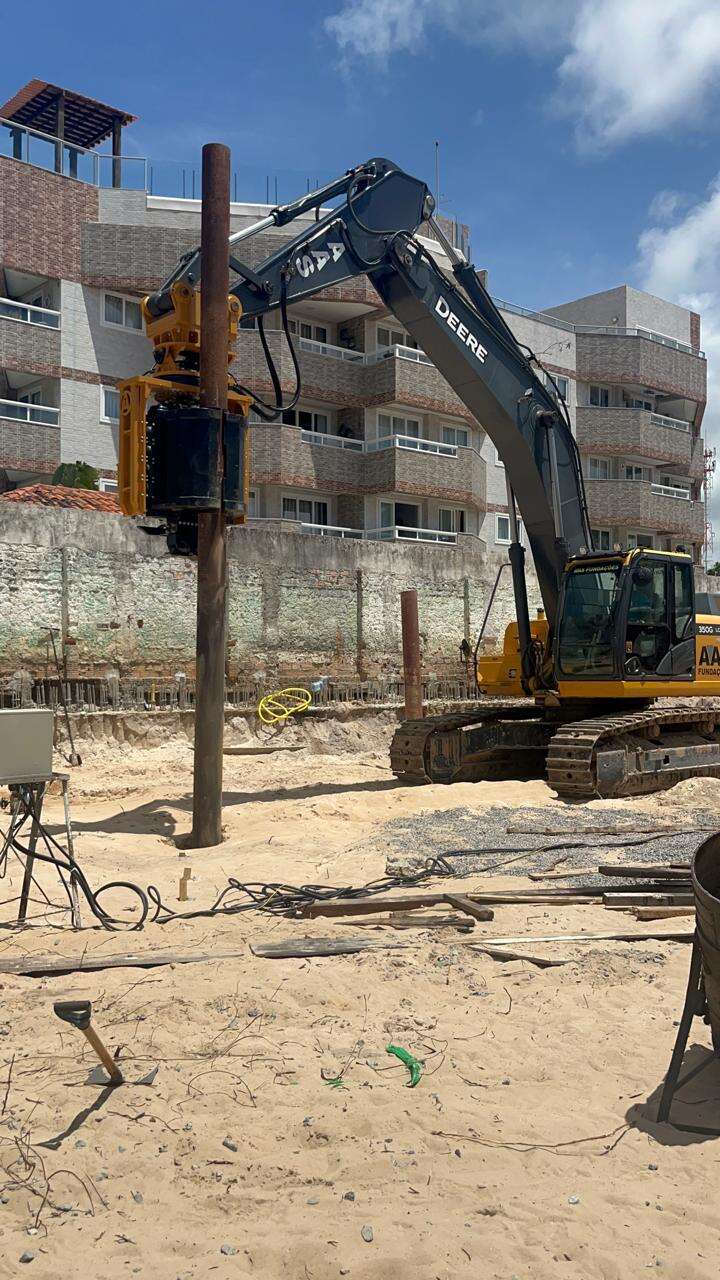
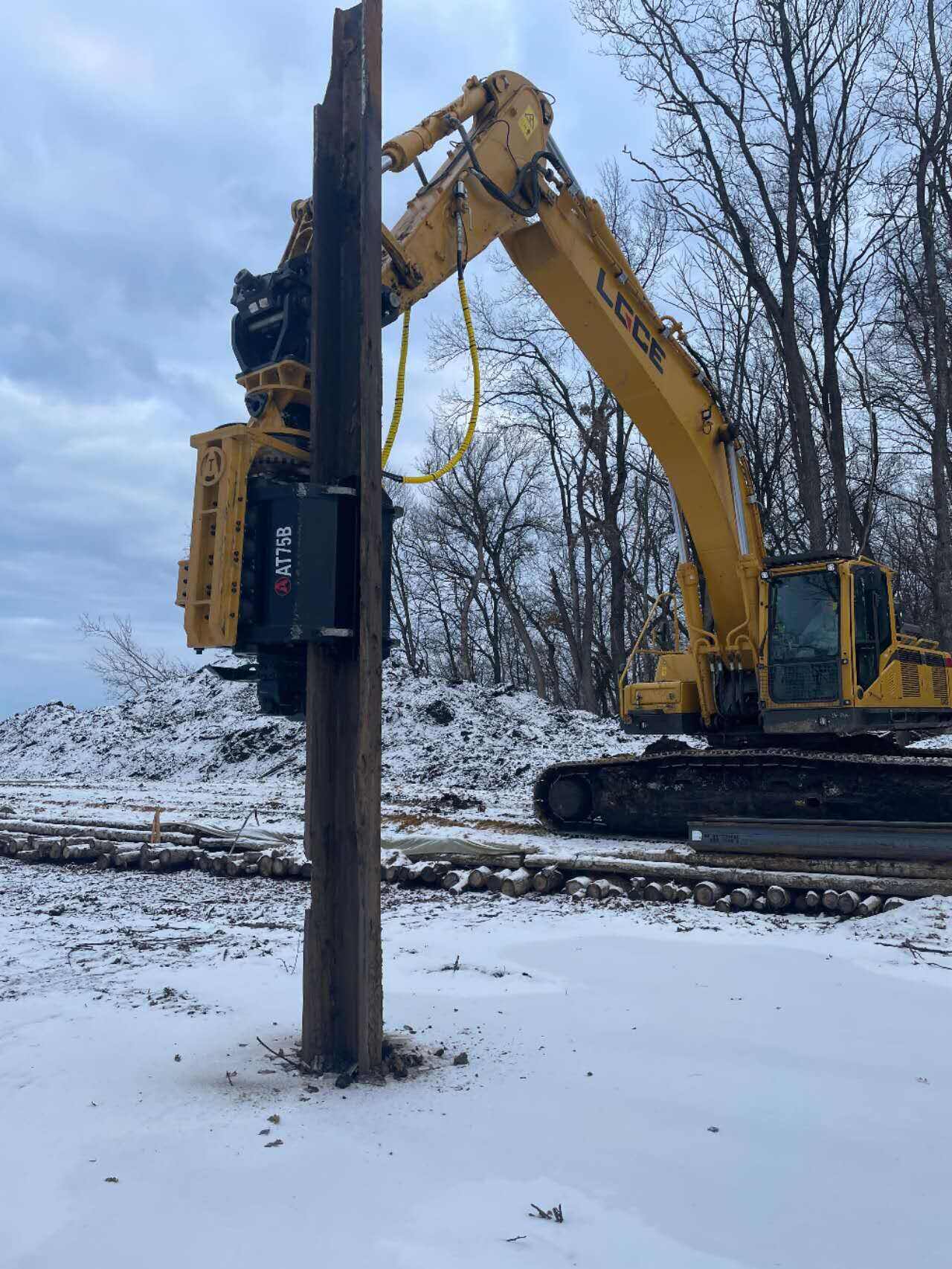
pile hammer equipment
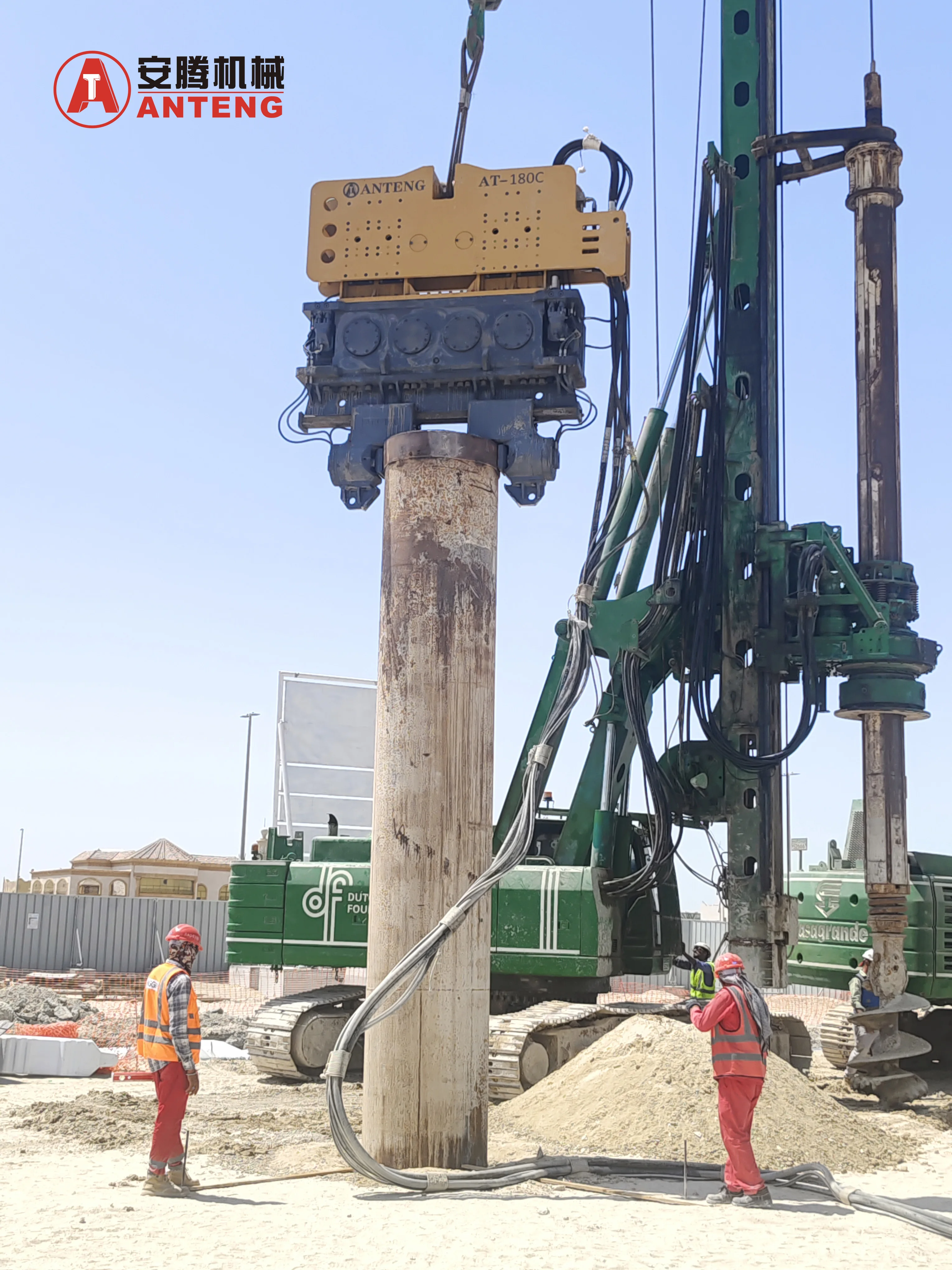
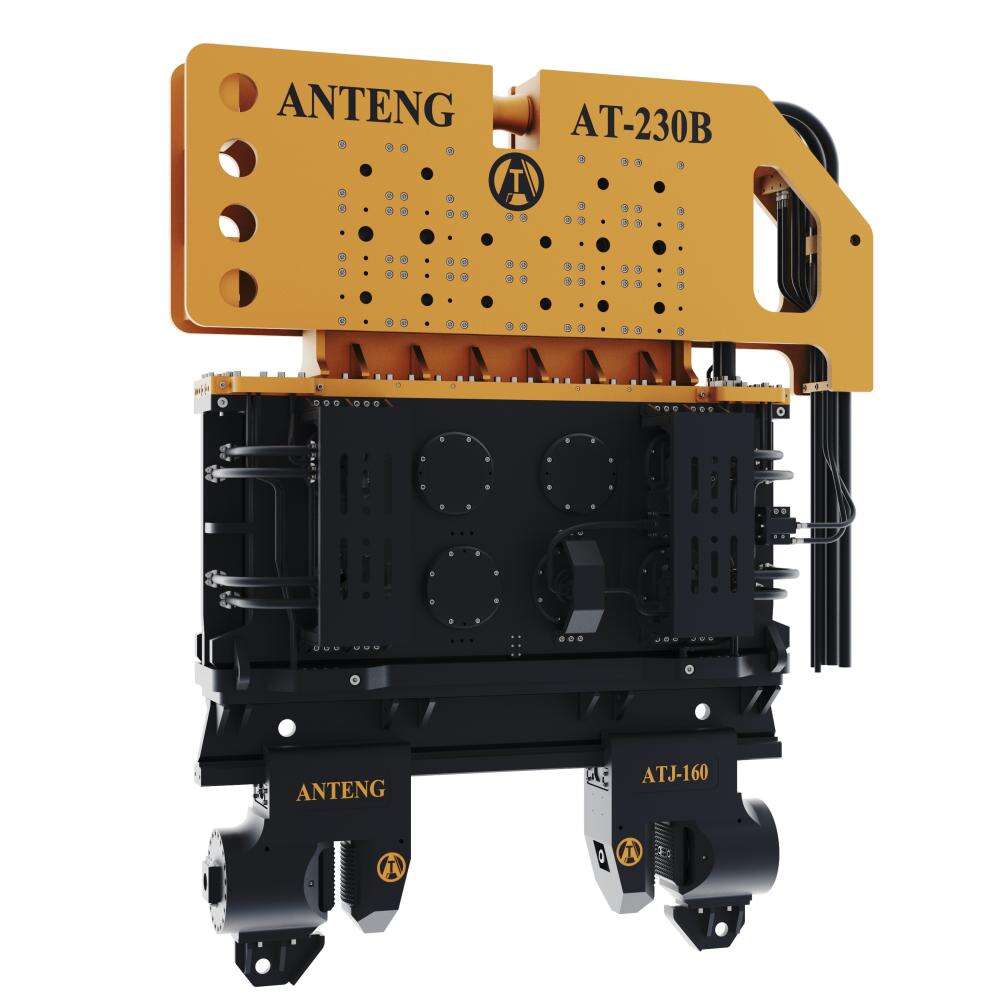
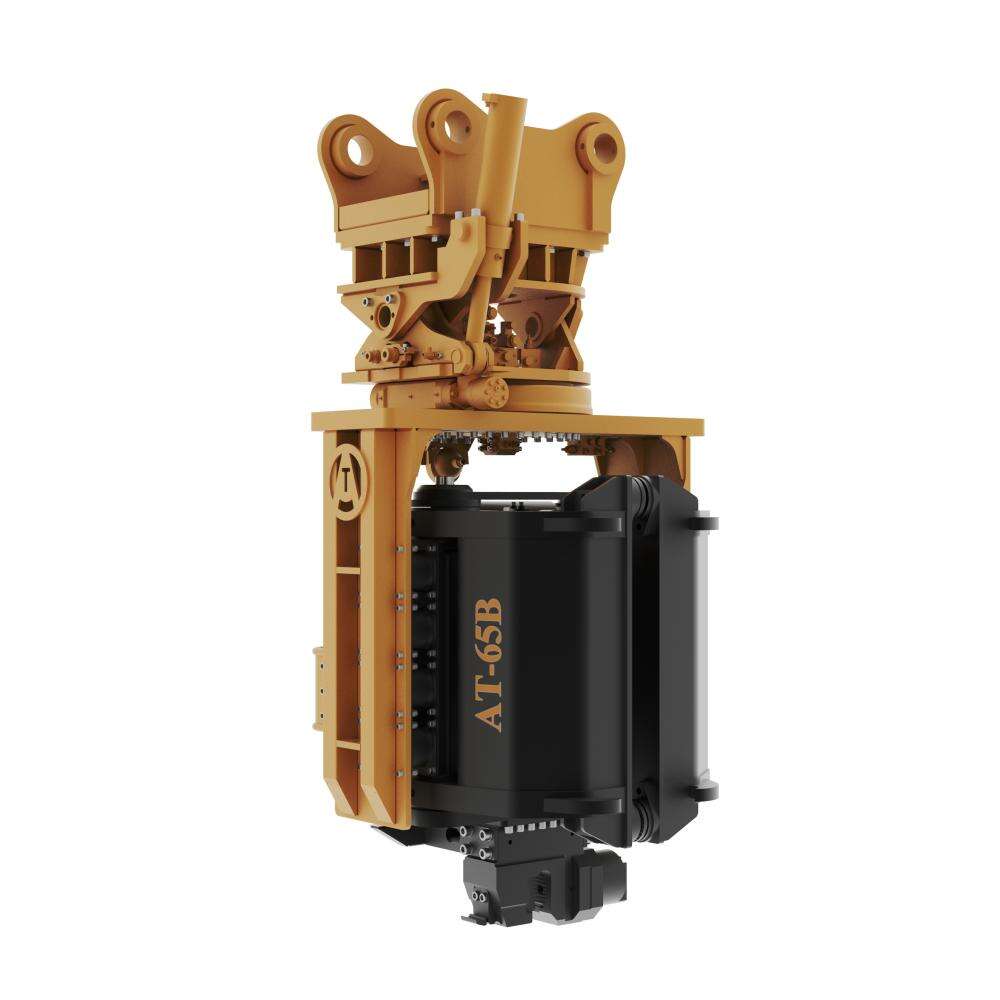
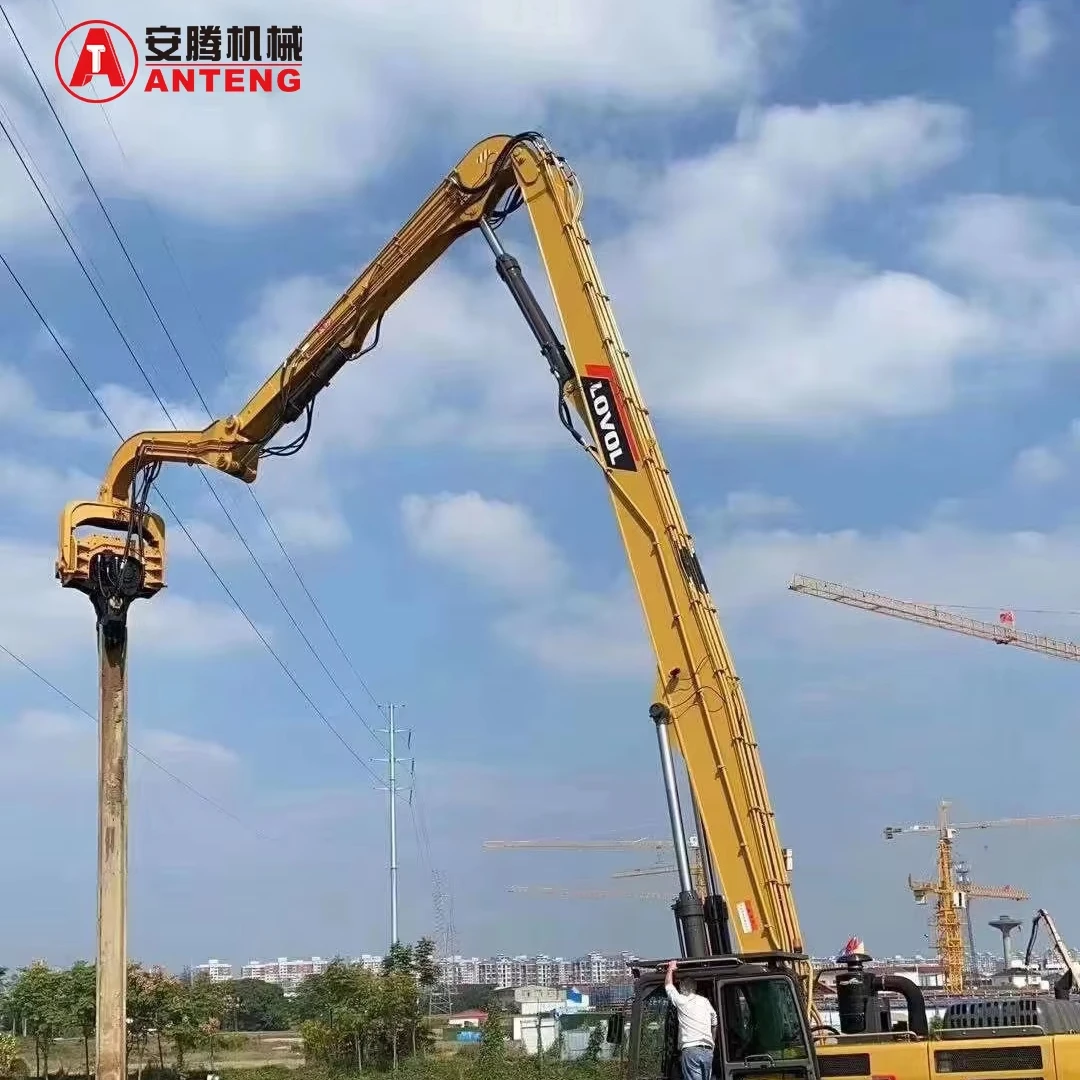
Pile hammer equipment represents a critical component in modern construction and foundation engineering, serving as the primary mechanism for driving piles into various ground conditions. This specialized machinery combines hydraulic, diesel, or vibratory systems to deliver controlled impact forces that penetrate soil layers and establish stable foundation support. The pile hammer equipment operates through sophisticated energy transfer systems that convert mechanical power into precise driving force, ensuring optimal pile placement across diverse construction projects. Modern pile hammer equipment incorporates advanced control systems that monitor driving parameters, including blow count, penetration rate, and energy transfer efficiency. These technological features enable operators to achieve consistent results while maintaining safety standards throughout foundation installation processes. The equipment's versatility extends across multiple pile types, including steel H-beams, concrete piles, timber piles, and sheet piling systems. Construction teams rely on pile hammer equipment to establish foundations for bridges, buildings, marine structures, retaining walls, and infrastructure projects requiring deep foundation support. The machinery's robust construction ensures reliable performance in challenging environments, from urban construction sites to remote industrial locations. Professional contractors utilize pile hammer equipment to meet stringent engineering specifications while maintaining project schedules and budget requirements. The equipment's adaptability allows for customization based on specific soil conditions, pile dimensions, and project requirements, making it an indispensable tool for foundation specialists. Quality pile hammer equipment delivers consistent driving performance, reduces installation time, and minimizes environmental impact through efficient operation protocols. This essential construction machinery continues to evolve with technological advances, incorporating smart monitoring systems, improved fuel efficiency, and enhanced operator safety features that support modern construction industry demands.

 EN
EN