Electric Vibratory Hammer - Advanced Pile Driving Technology for Sustainable Construction

All Categories

electric vibratory hammer

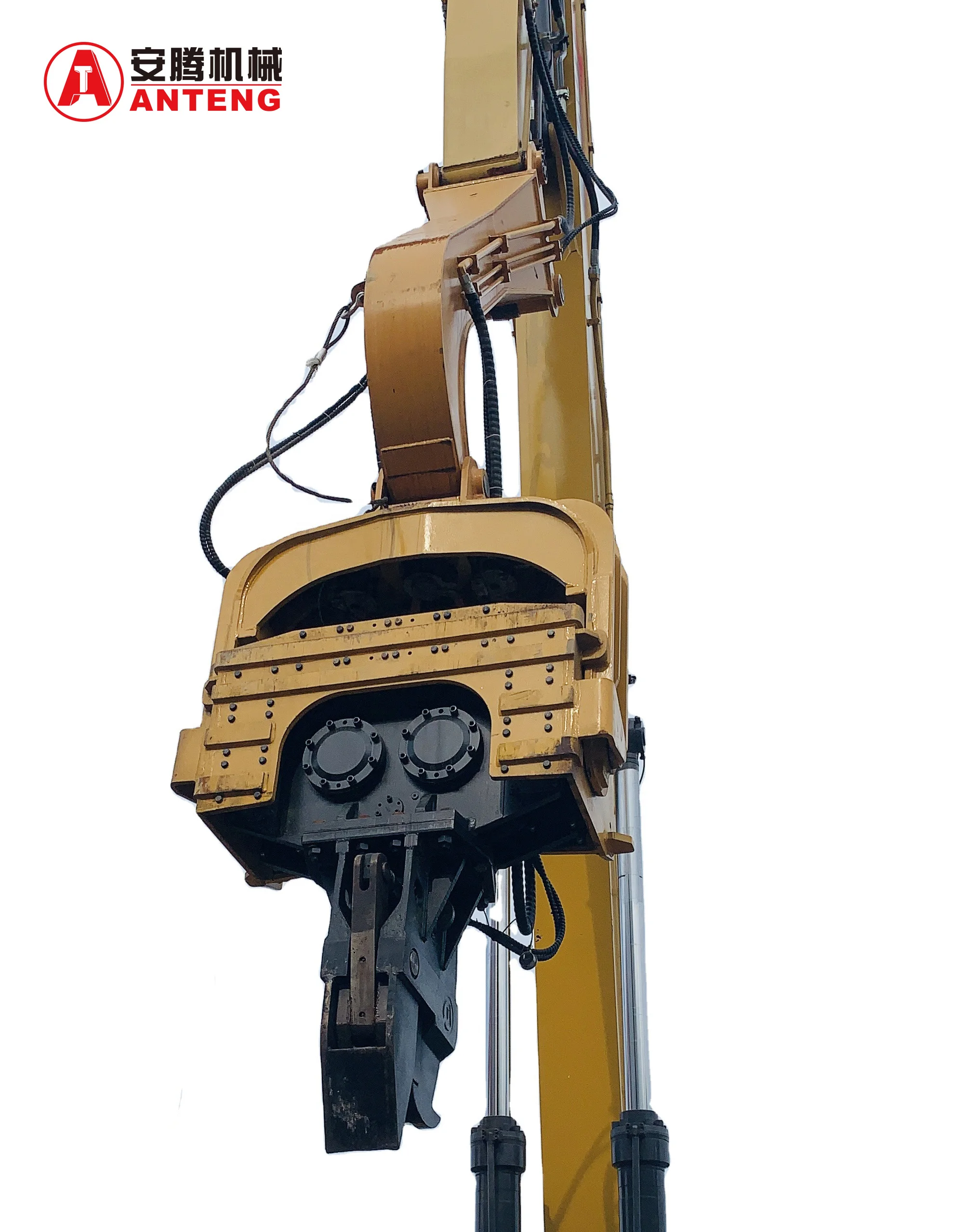
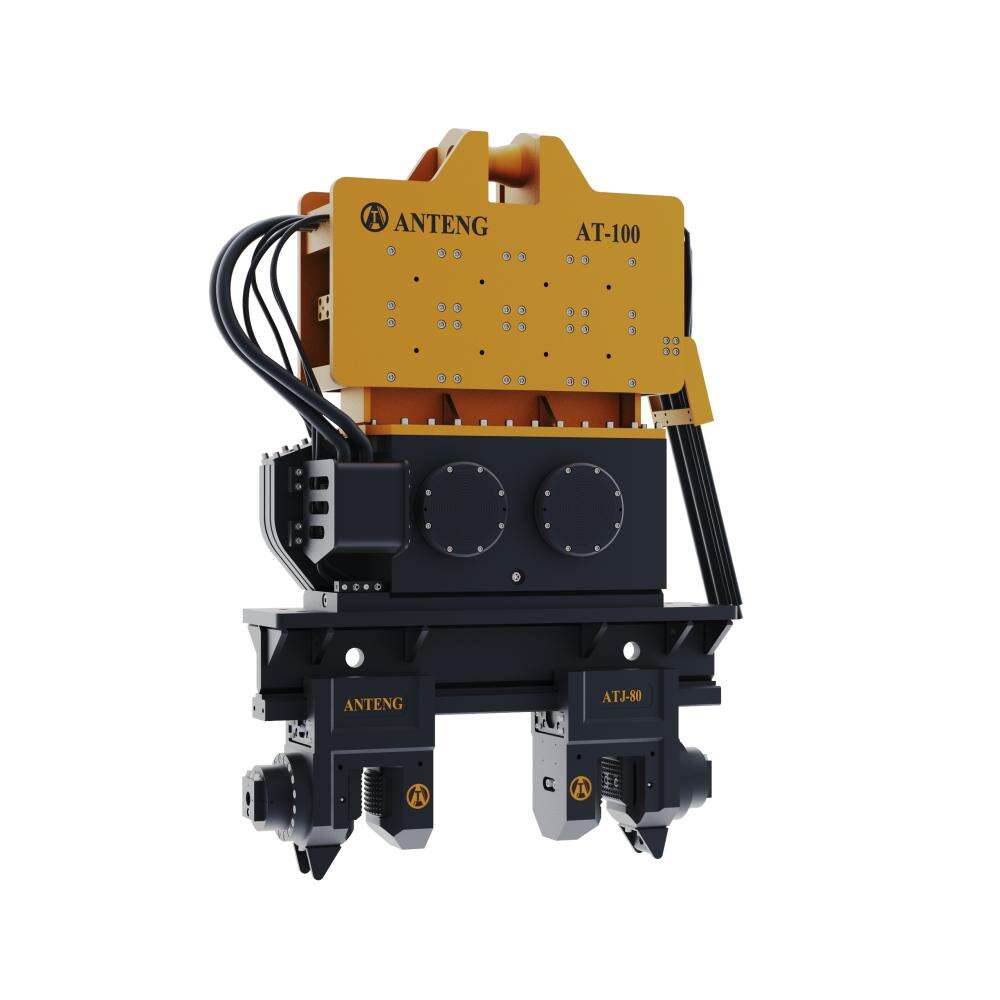
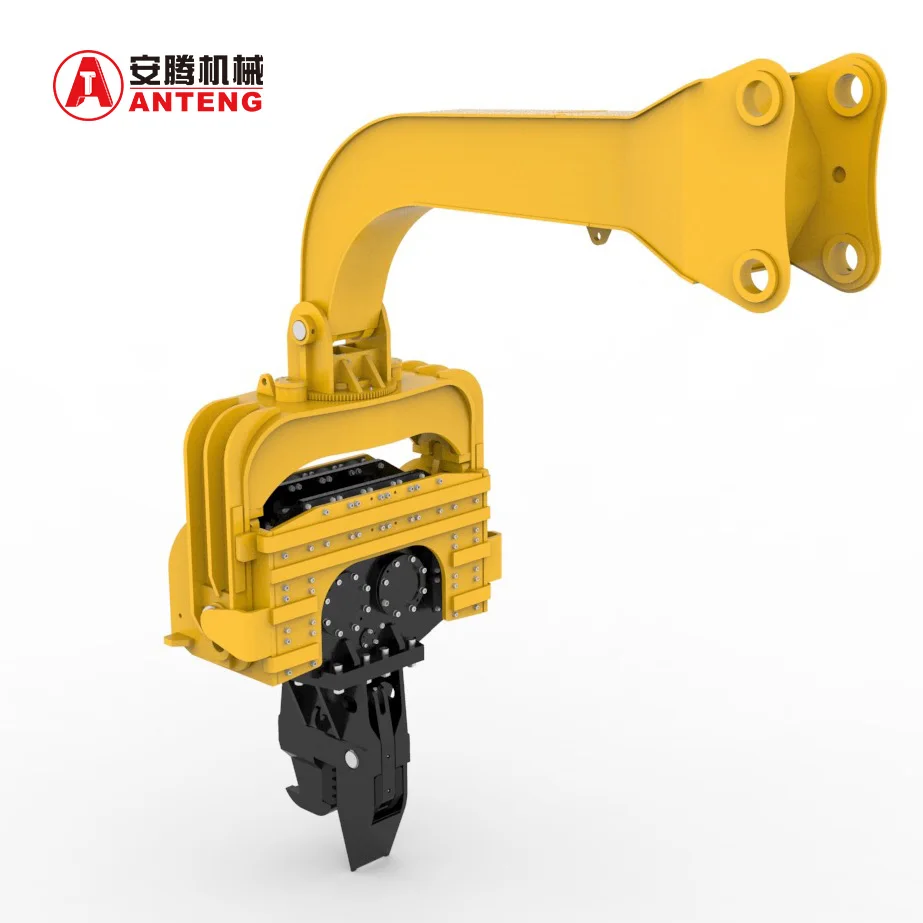
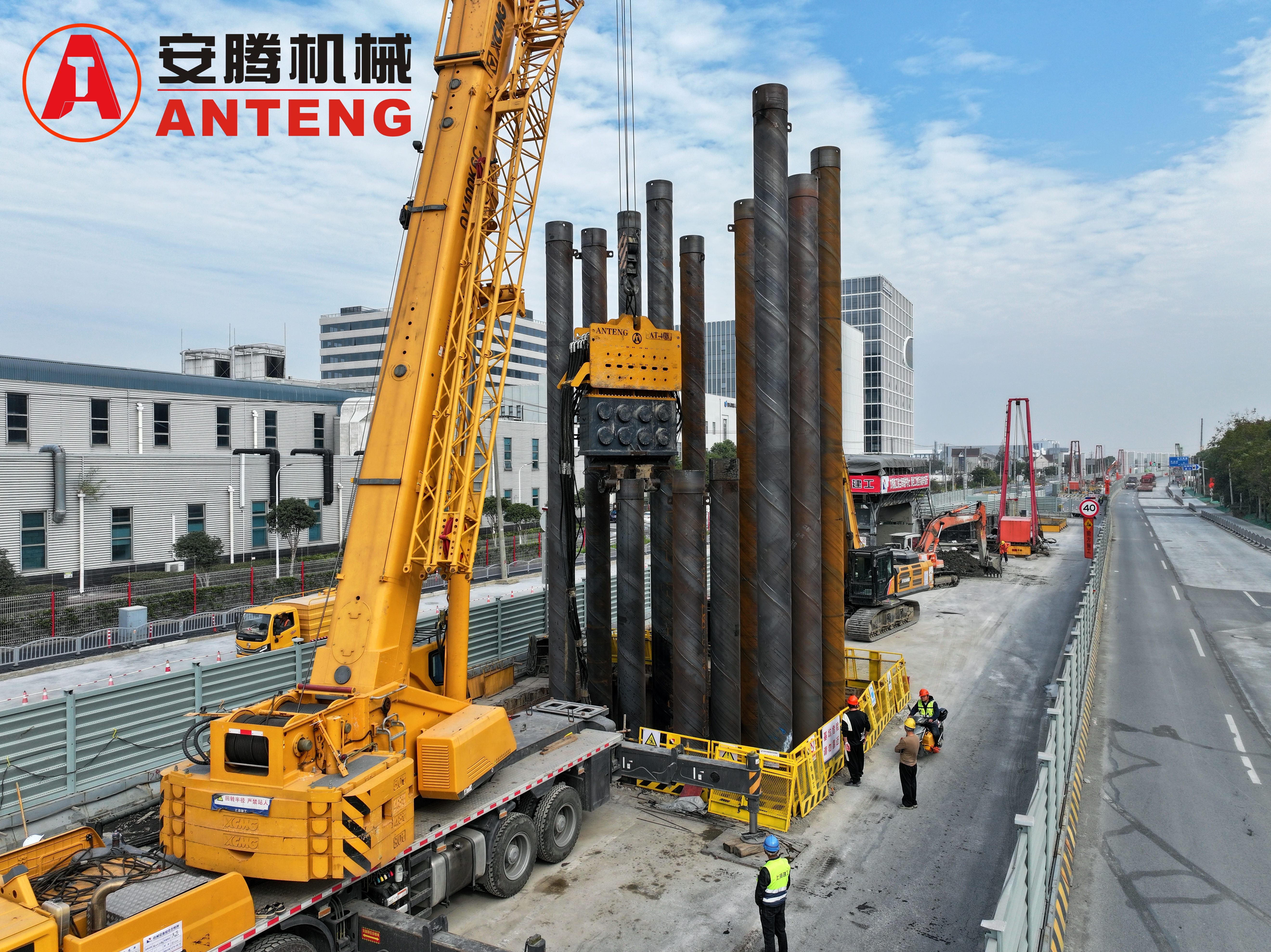
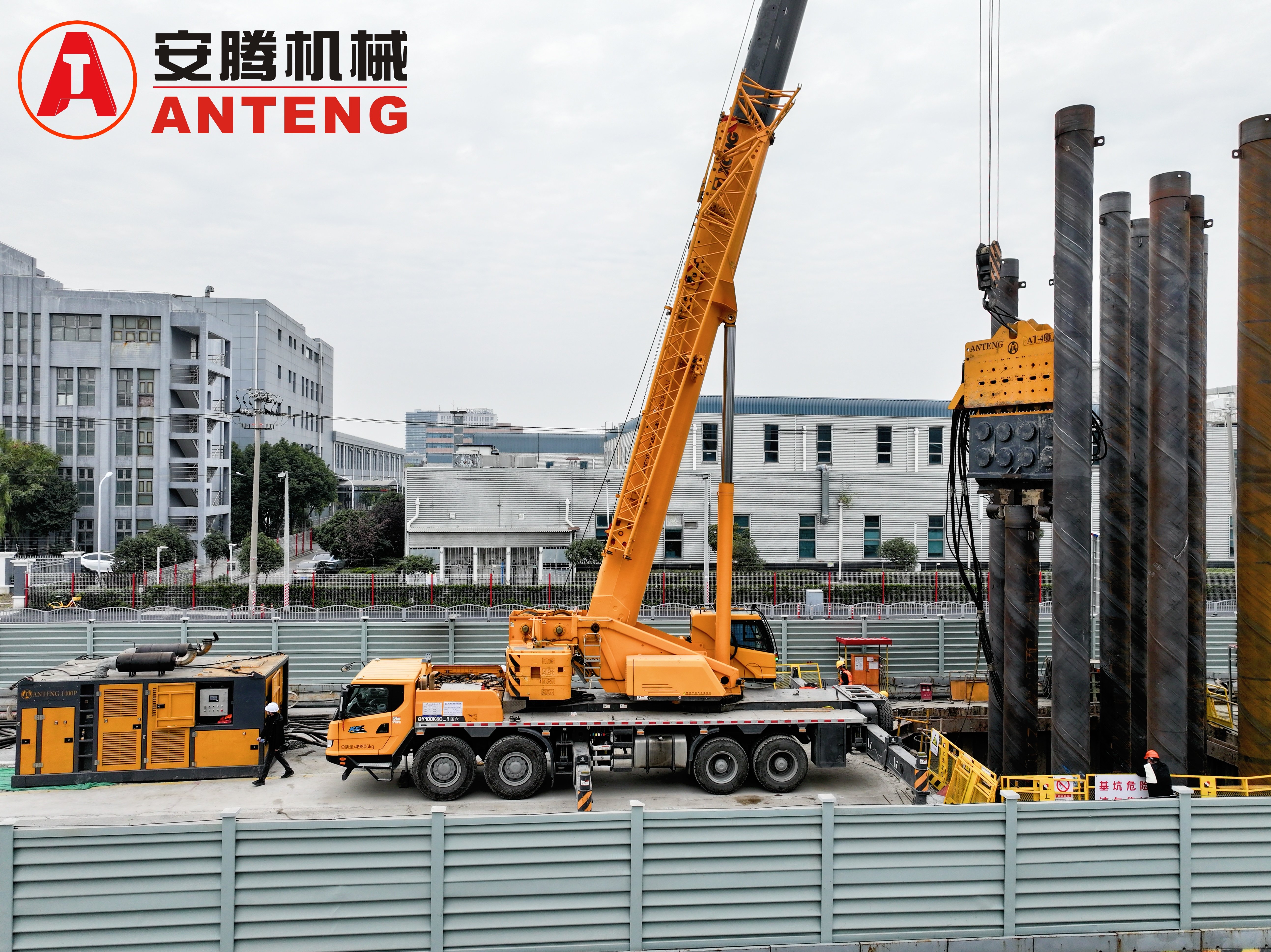
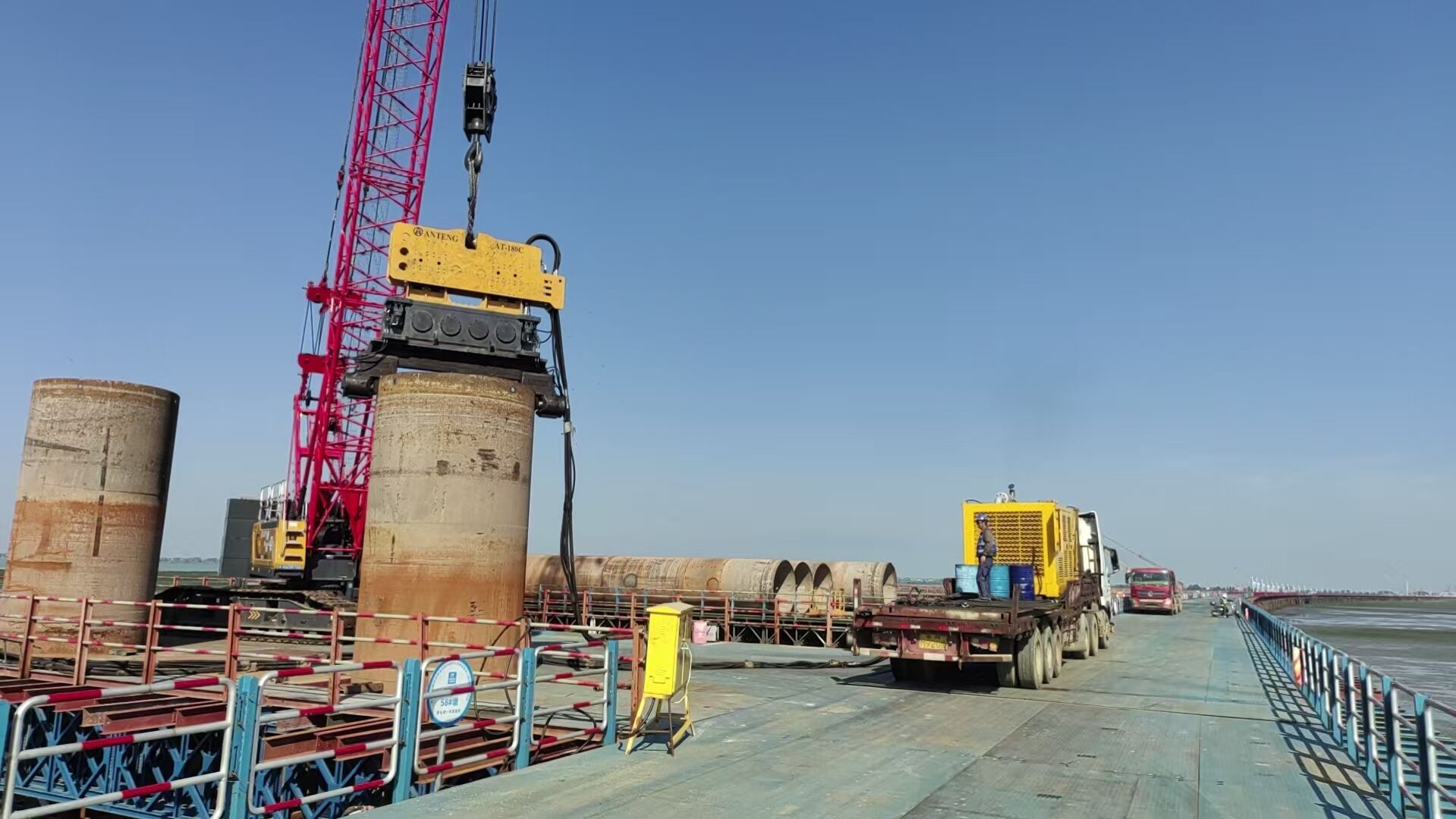
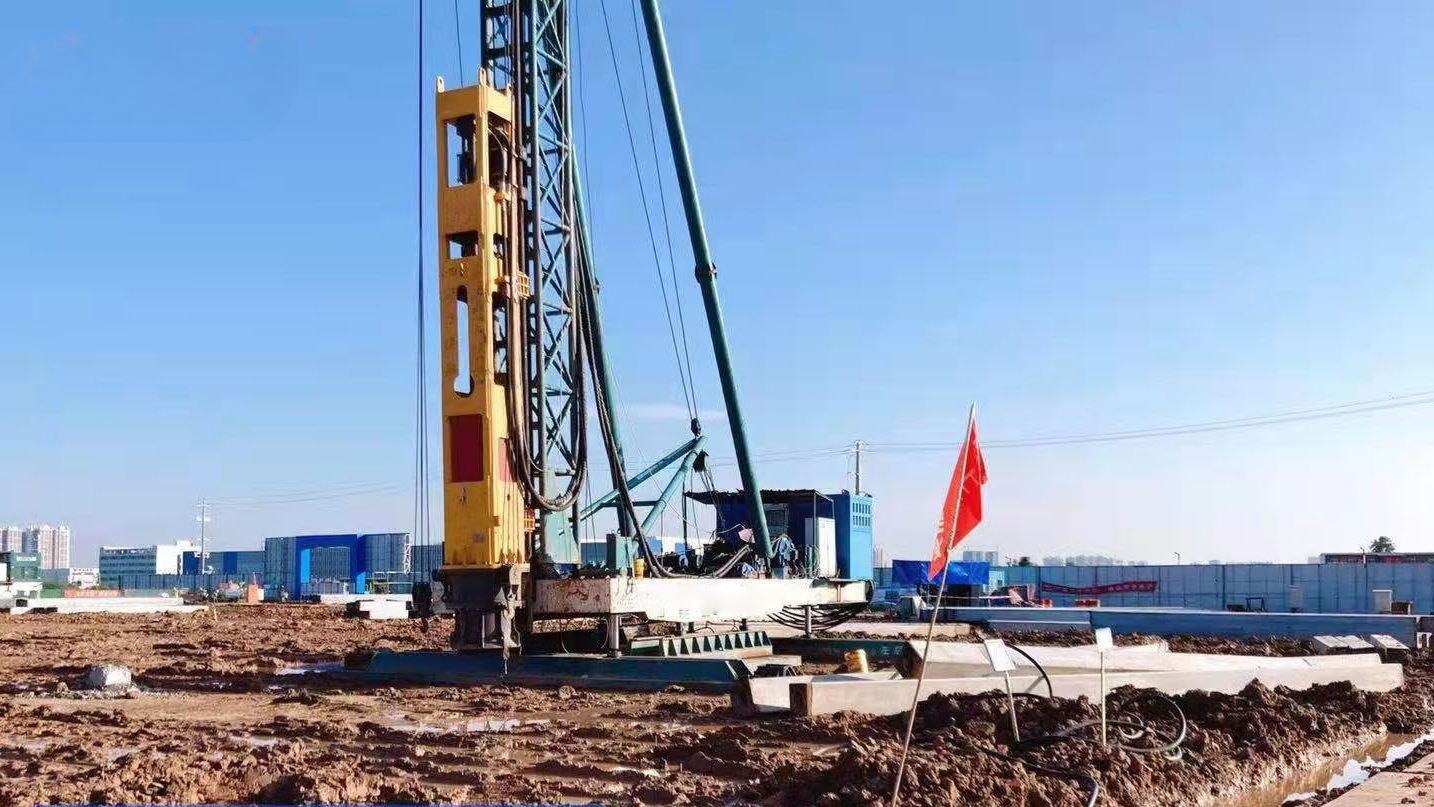
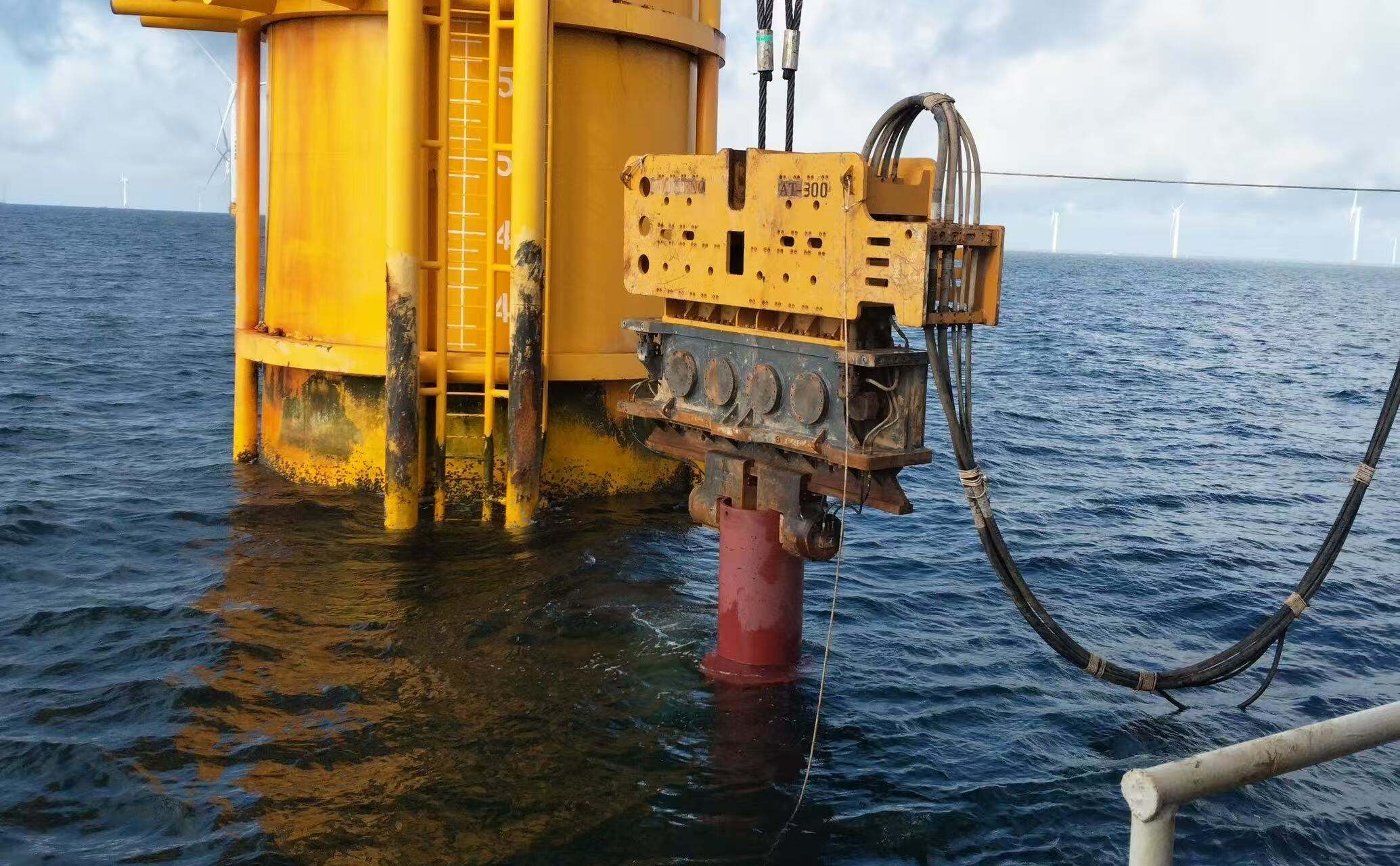
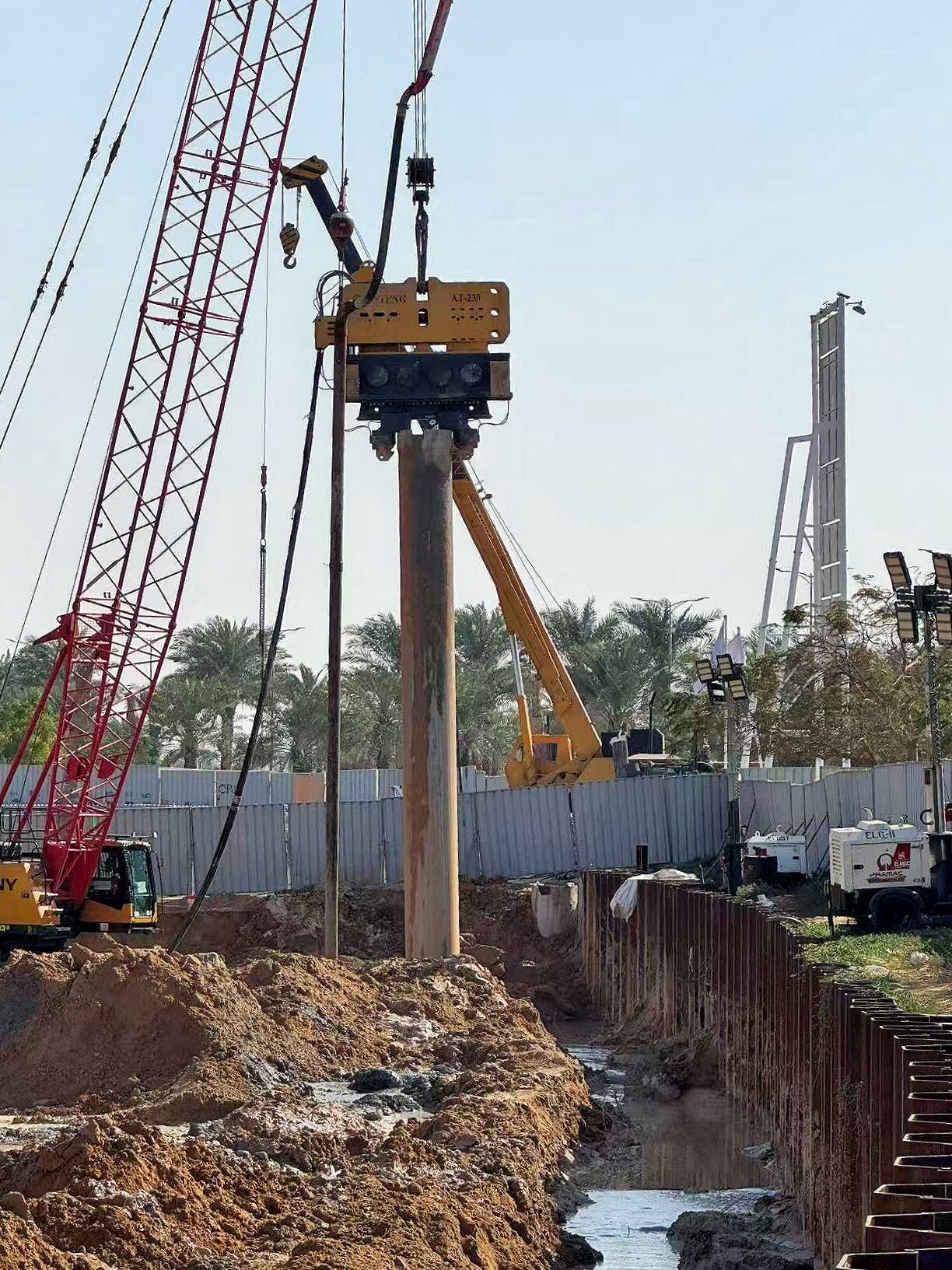
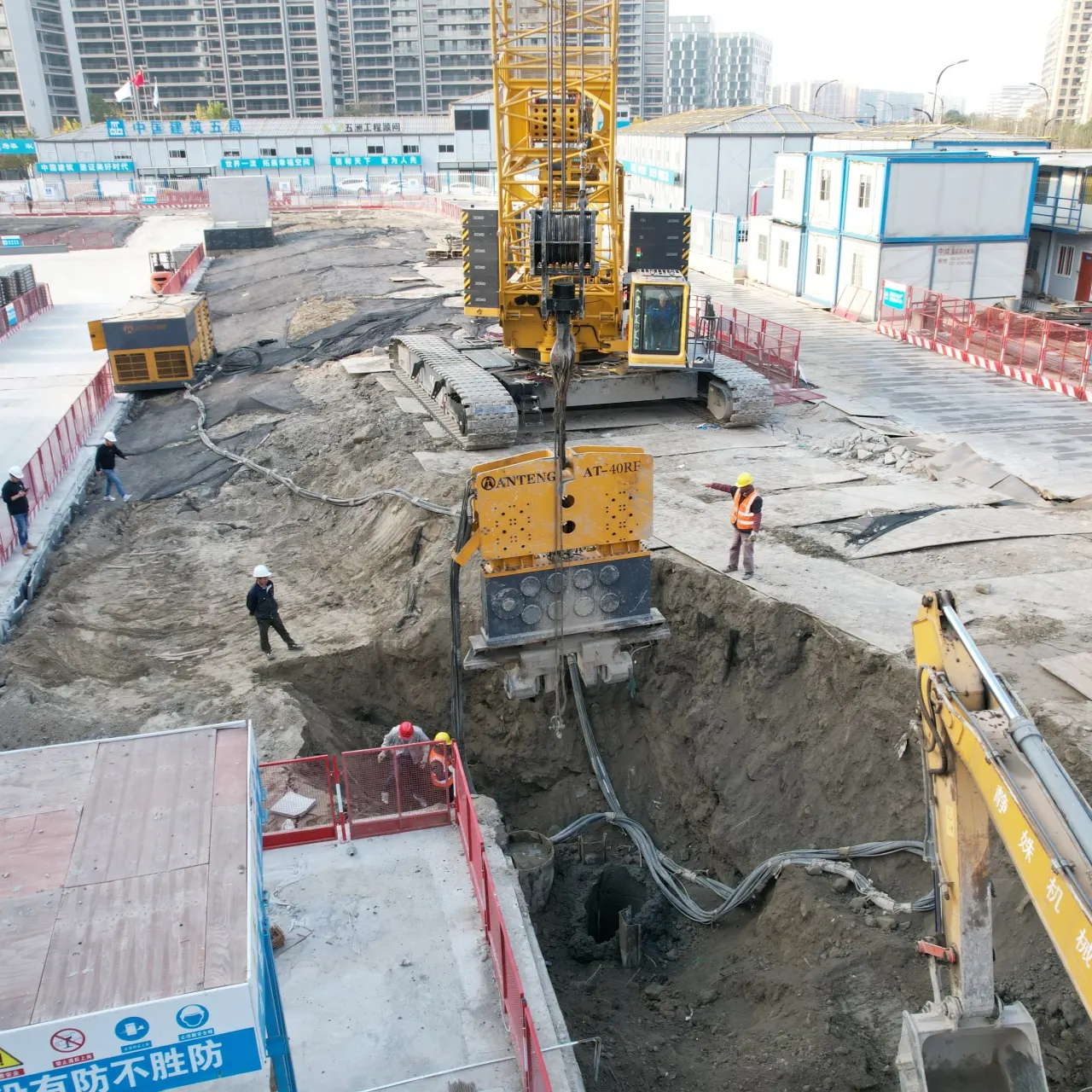
The electric vibratory hammer represents a revolutionary advancement in construction and foundation engineering, combining precision control with powerful performance to deliver exceptional results in pile driving and extraction operations. This sophisticated piece of equipment utilizes electric motor technology to generate controlled vibrations that effectively penetrate various soil conditions while minimizing environmental impact. Unlike traditional diesel-powered alternatives, the electric vibratory hammer operates with remarkable efficiency, producing consistent vibration frequencies that can be precisely adjusted to match specific project requirements and soil characteristics. The core functionality revolves around creating high-frequency oscillations that reduce soil friction around piles, enabling smooth insertion and extraction processes. Modern electric vibratory hammer units incorporate advanced frequency modulation systems, allowing operators to optimize performance across different geological conditions, from soft clay to dense gravel formations. The technological architecture features robust electric motors coupled with sophisticated eccentric weight systems that generate the necessary vibrational force while maintaining operational stability. These machines excel in urban construction environments where noise reduction and emission control are critical concerns, making them ideal for projects in residential areas or environmentally sensitive locations. The electric vibratory hammer serves multiple applications including sheet pile installation, steel beam insertion, foundation work, and temporary structure assembly. Construction professionals rely on these tools for bridge construction, retaining wall installation, and waterfront development projects where precision and environmental compliance are paramount. The equipment's versatility extends to both new construction and demolition activities, with specialized attachments available for various pile types and sizes. Integration with modern crane systems ensures seamless operation and enhanced safety protocols, while digital monitoring capabilities provide real-time performance data for optimal project management and quality assurance throughout the construction process.

New Product Releases

Electric vibratory hammer technology offers substantial benefits that directly translate into improved project outcomes and cost savings for construction professionals. The primary advantage lies in superior environmental compliance, as these units produce zero direct emissions during operation, making them perfect for projects with strict environmental regulations or urban locations where air quality concerns are paramount. This clean operation eliminates the need for expensive emission control measures and reduces project delays related to environmental approvals. Operational efficiency represents another significant benefit, with electric motors providing instant startup capabilities and consistent power delivery throughout extended work periods. Unlike diesel alternatives that require warm-up time and experience power fluctuations, the electric vibratory hammer maintains steady performance from the moment of activation, increasing daily productivity and reducing project timelines. The precise control capabilities enable operators to adjust vibration frequency and amplitude in real-time, optimizing performance for specific soil conditions and pile requirements without interrupting workflow. Maintenance requirements are dramatically reduced compared to combustion engines, with fewer moving parts and no need for regular oil changes, filter replacements, or fuel system maintenance. This translates into lower operational costs and increased equipment uptime, allowing contractors to maximize their return on investment. Noise reduction is a crucial advantage in urban construction environments, where traditional hammers often face restrictions due to sound ordinances. Electric units operate significantly quieter, enabling extended working hours and reducing complaints from nearby residents or businesses. The enhanced operator comfort results from reduced vibration transmission and quieter operation, leading to improved worker satisfaction and productivity. Safety features are inherently superior, with no risk of fuel spills, reduced fire hazards, and better visibility due to elimination of exhaust fumes. Remote monitoring capabilities allow supervisors to track equipment performance and identify maintenance needs before issues become costly problems. Cost predictability improves through stable electricity pricing compared to volatile fuel costs, enabling better project budgeting and financial planning for long-term construction contracts.

Latest News

How Does a Vibro Hammer Perform in Different Soil Conditions?

19

Mar

How Does a Vibro Hammer Perform in Different Soil Conditions?

Understanding how a vibro hammer performs across varying soil conditions is crucial for construction professionals who need to make informed equipment decisions for their pile driving projects. The effectiveness of a vibro hammer depends heavily on s...
View More
What Maintenance Practices Extend Vibro Hammer Service Life?

19

Mar

What Maintenance Practices Extend Vibro Hammer Service Life?

Proper maintenance practices are the cornerstone of extending vibro hammer service life and maximizing your construction equipment investment. A well-maintained vibro hammer can deliver consistent performance for thousands of operating hours while re...
View More
When Does a Vibro Hammer Offer Better Efficiency Than Impact Methods?

19

Mar

When Does a Vibro Hammer Offer Better Efficiency Than Impact Methods?

Choosing between a vibro hammer and impact-driven pile installation methods represents one of the most critical decisions in foundation construction projects. The timing of when to deploy vibro hammer technology versus traditional impact methods depe...
View More
What Safety Considerations Matter When Operating an Impact Hammer?

19

Mar

What Safety Considerations Matter When Operating an Impact Hammer?

Operating an impact hammer in construction and foundation work involves significant safety risks that demand careful attention from site supervisors, equipment operators, and safety personnel. These powerful hydraulic tools generate tremendous force ...
View More

Get a Free Quote

Our representative will contact you soon.
Email
Name
Company Name
Mobile
Message
0/1000

electric vibratory hammer

Advanced Frequency Control Technology

Advanced Frequency Control Technology

The electric vibratory hammer incorporates cutting-edge frequency control technology that revolutionizes pile driving operations by providing unprecedented precision and adaptability across diverse construction scenarios. This sophisticated system allows operators to continuously adjust vibration frequencies ranging from low-frequency applications for sensitive soil conditions to high-frequency operations for challenging penetration tasks. The technology utilizes variable frequency drives that maintain consistent power output while enabling real-time frequency modulation based on soil resistance feedback and pile advancement requirements. This dynamic control capability ensures optimal energy transfer efficiency, reducing the time required for pile installation while minimizing stress on both the equipment and the structural elements being driven. The frequency control system integrates seamlessly with modern construction management software, allowing project supervisors to monitor and document vibration parameters for quality assurance and regulatory compliance purposes. Advanced sensors continuously measure soil resistance and pile advancement rates, automatically adjusting operational parameters to maintain optimal performance throughout the driving process. This intelligent automation reduces operator fatigue and human error while ensuring consistent results across multiple pile installations. The technology proves particularly valuable in mixed soil conditions where traditional fixed-frequency hammers struggle to maintain efficiency. Construction teams benefit from reduced project timelines and improved installation quality, as the system automatically compensates for varying ground conditions without manual intervention. The frequency control technology also enables precise extraction operations, with reverse vibration modes that facilitate pile removal during temporary structure dismantling or construction modifications. Environmental benefits extend beyond emission reduction, as optimized vibration patterns minimize ground disturbance and reduce the risk of damage to adjacent structures. The system's data logging capabilities provide comprehensive documentation of installation parameters, supporting quality control procedures and facilitating post-construction analysis for future project optimization. This technology represents a significant advancement in construction equipment design, offering contractors a competitive advantage through improved efficiency, reduced environmental impact, and enhanced project quality assurance.
Zero-Emission Environmental Performance

Zero-Emission Environmental Performance

Environmental sustainability has become a critical factor in modern construction projects, and the electric vibratory hammer delivers exceptional performance in this area through its zero-emission operation that completely eliminates harmful exhaust gases and particulates. This environmental advantage extends far beyond simple compliance with regulations, creating tangible benefits for construction companies working in environmentally sensitive areas, urban centers, and projects subject to strict air quality standards. The absence of combustion-related emissions means construction teams can operate in confined spaces, underground applications, and near occupied buildings without requiring expensive ventilation systems or emission control measures. This capability opens new market opportunities for contractors, allowing them to bid on projects that would otherwise be inaccessible due to environmental restrictions. The electric operation eliminates the environmental risks associated with fuel storage, handling, and potential spills that can result in costly cleanup operations and regulatory penalties. Construction sites become safer and more environmentally responsible, with no diesel fuel odors, reduced noise pollution, and elimination of fuel-related fire hazards. The technology aligns perfectly with corporate sustainability initiatives and green building certifications, helping construction companies enhance their environmental credentials and appeal to environmentally conscious clients. Reduced environmental impact extends to operational aspects, as electric motors operate more efficiently than combustion engines, converting a higher percentage of input energy into useful work while generating less waste heat. This efficiency translates into lower overall energy consumption and reduced carbon footprint for construction projects. The elimination of regular maintenance items such as oil changes, filter replacements, and fuel system servicing reduces waste generation and disposal requirements. Electric vibratory hammer units contribute to improved air quality in construction zones, creating healthier working conditions for operators and nearby personnel. The environmental benefits compound over time, as widespread adoption of electric construction equipment contributes to regional air quality improvements and reduced urban heat island effects. Project documentation becomes simplified, as environmental compliance reporting no longer requires tracking of fuel consumption, emission levels, or waste oil disposal, reducing administrative overhead and potential compliance risks for construction companies committed to environmental stewardship.

Enhanced Operational Efficiency and Cost Control

Enhanced Operational Efficiency and Cost Control

The electric vibratory hammer delivers superior operational efficiency through intelligent design features that maximize productivity while minimizing operational costs, creating significant value for construction companies focused on improving project profitability and timeline adherence. The instant-start capability eliminates warm-up periods required by diesel engines, allowing operators to begin productive work immediately upon equipment startup, which can save several hours of billable time across typical construction projects. Consistent power delivery ensures uniform performance throughout extended operating periods, preventing the power degradation common in combustion engines as they heat up or when fuel quality varies. This reliability enables accurate project scheduling and reduces the buffer time typically built into construction timelines to account for equipment performance variations. Maintenance intervals are dramatically extended compared to traditional pile hammers, with electric motors requiring minimal routine maintenance beyond periodic lubrication and electrical connection inspections. The elimination of oil changes, air filter replacements, fuel filter maintenance, and spark plug servicing reduces both direct maintenance costs and equipment downtime. Predictive maintenance capabilities, enabled by integrated monitoring systems, allow maintenance teams to schedule service based on actual equipment condition rather than predetermined intervals, further optimizing maintenance costs and equipment availability. Energy costs become more predictable and typically lower than diesel fuel expenses, especially in regions with stable electricity pricing or renewable energy programs. The precise control capabilities reduce material waste by enabling optimal pile installation with minimal over-driving or correction requirements. Operators can achieve consistent results with less experience, as automated control systems compensate for variations in operator skill or technique. Remote monitoring capabilities enable supervisors to track equipment utilization, identify efficiency opportunities, and optimize equipment deployment across multiple project sites. The reduced noise signature enables extended operating hours in urban environments, potentially doubling productive time compared to diesel alternatives restricted by noise ordinances. Quality improvements resulting from precise frequency control reduce the risk of pile damage or installation defects that could require costly corrections or replacements. Insurance costs may be reduced due to improved safety features and elimination of fuel-related fire risks, while equipment resale values typically remain higher due to reduced wear and simplified maintenance history documentation.

Get a Free Quote

Our representative will contact you soon.
Email
Name
Company Name
Mobile
Message
0/1000