Hydraulic Vibratory Hammer: Advanced Pile Driving Solutions for Modern Construction

All Categories

hydraulic vibratory hammer

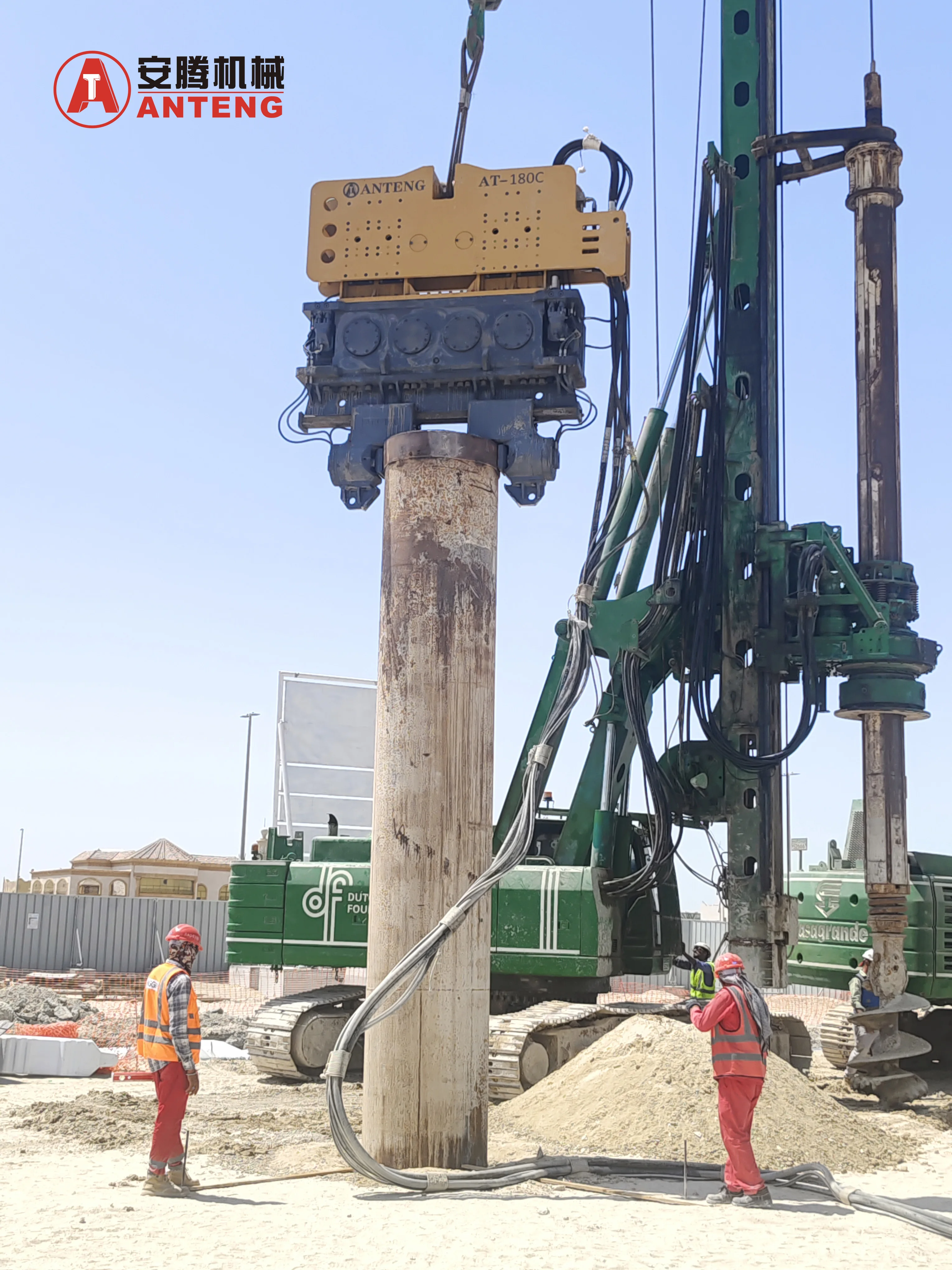
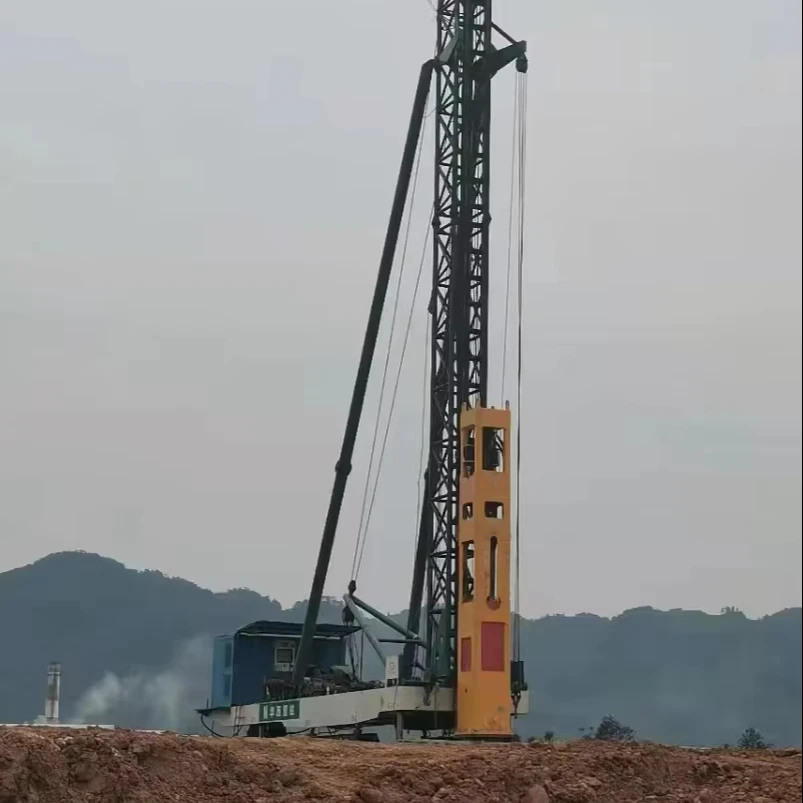
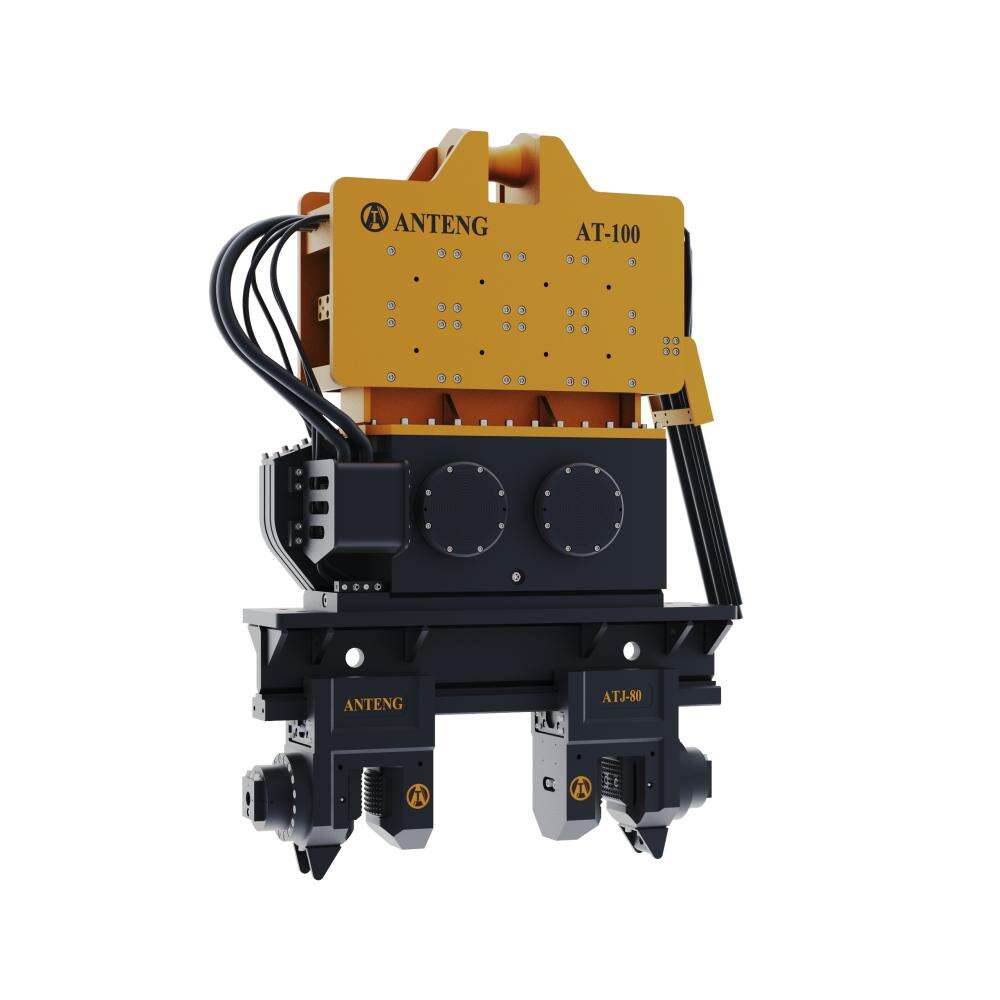
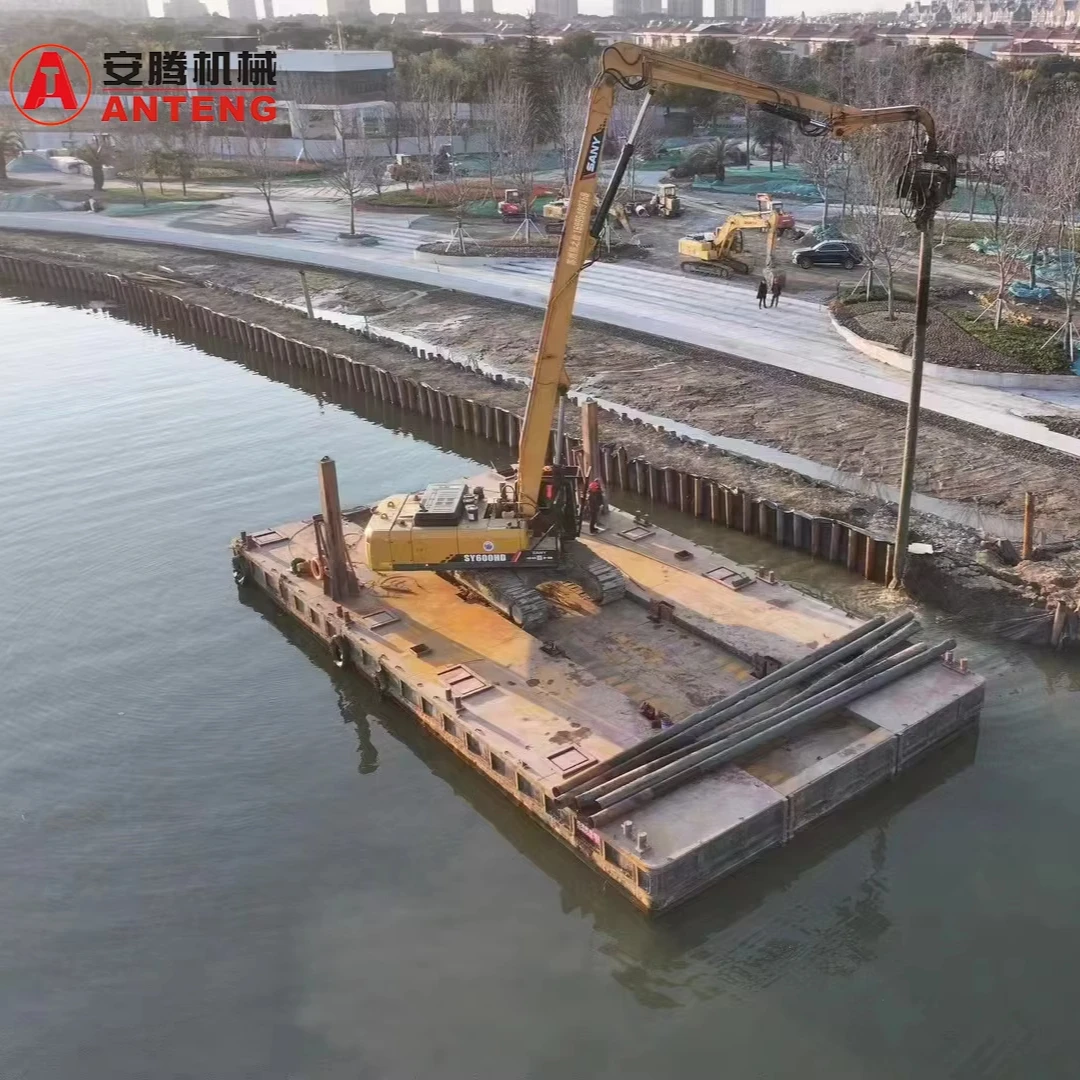
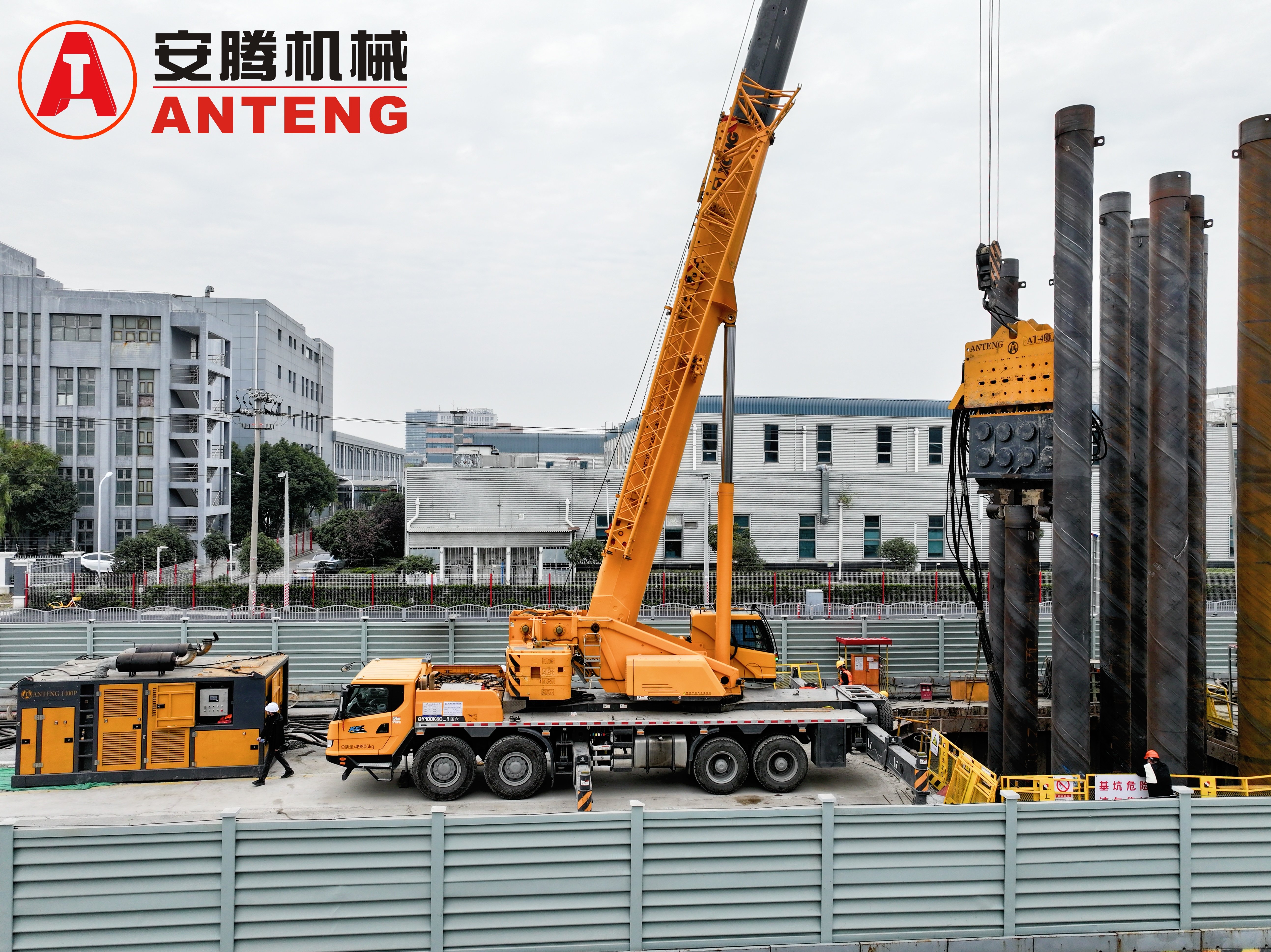
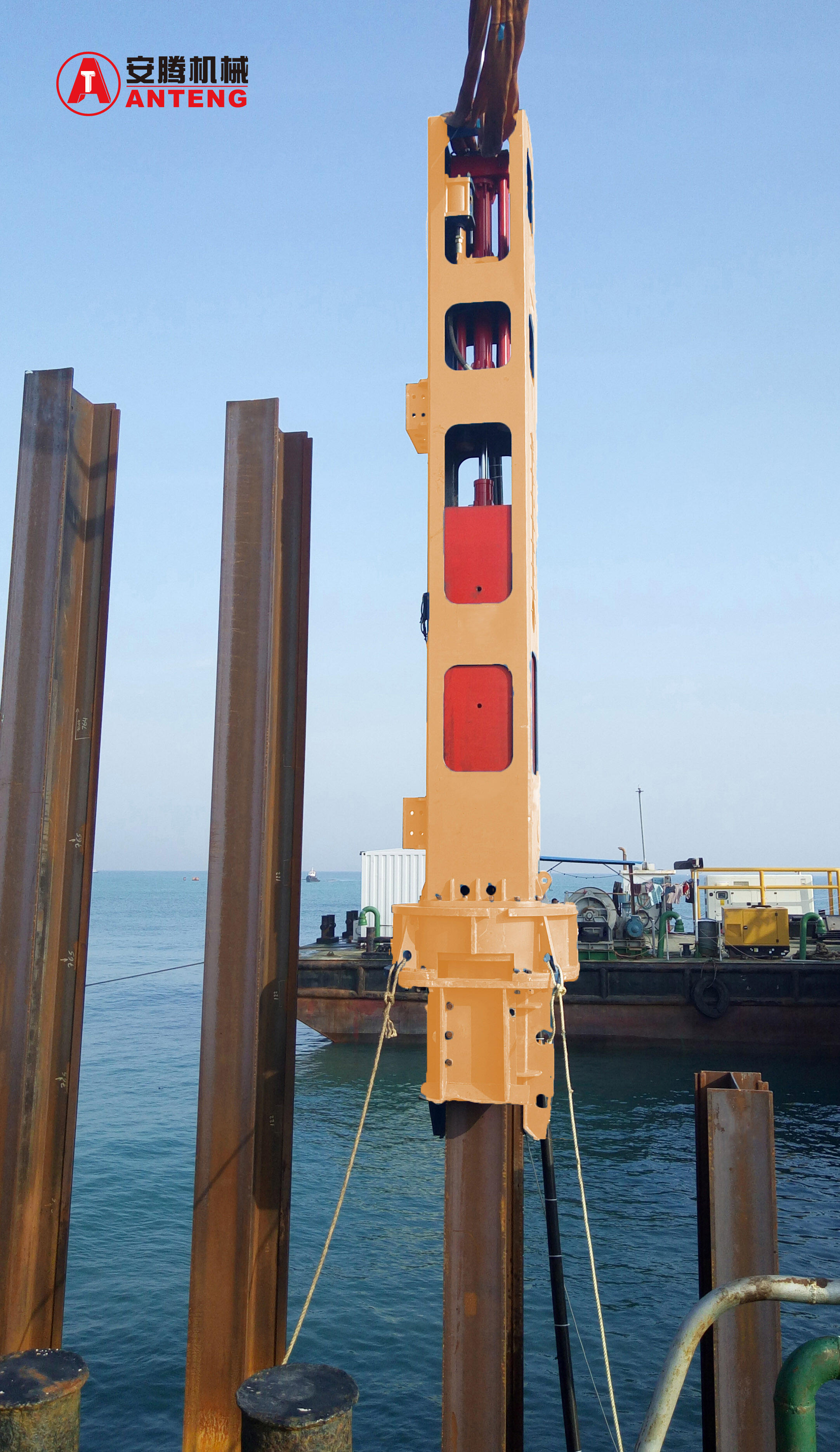
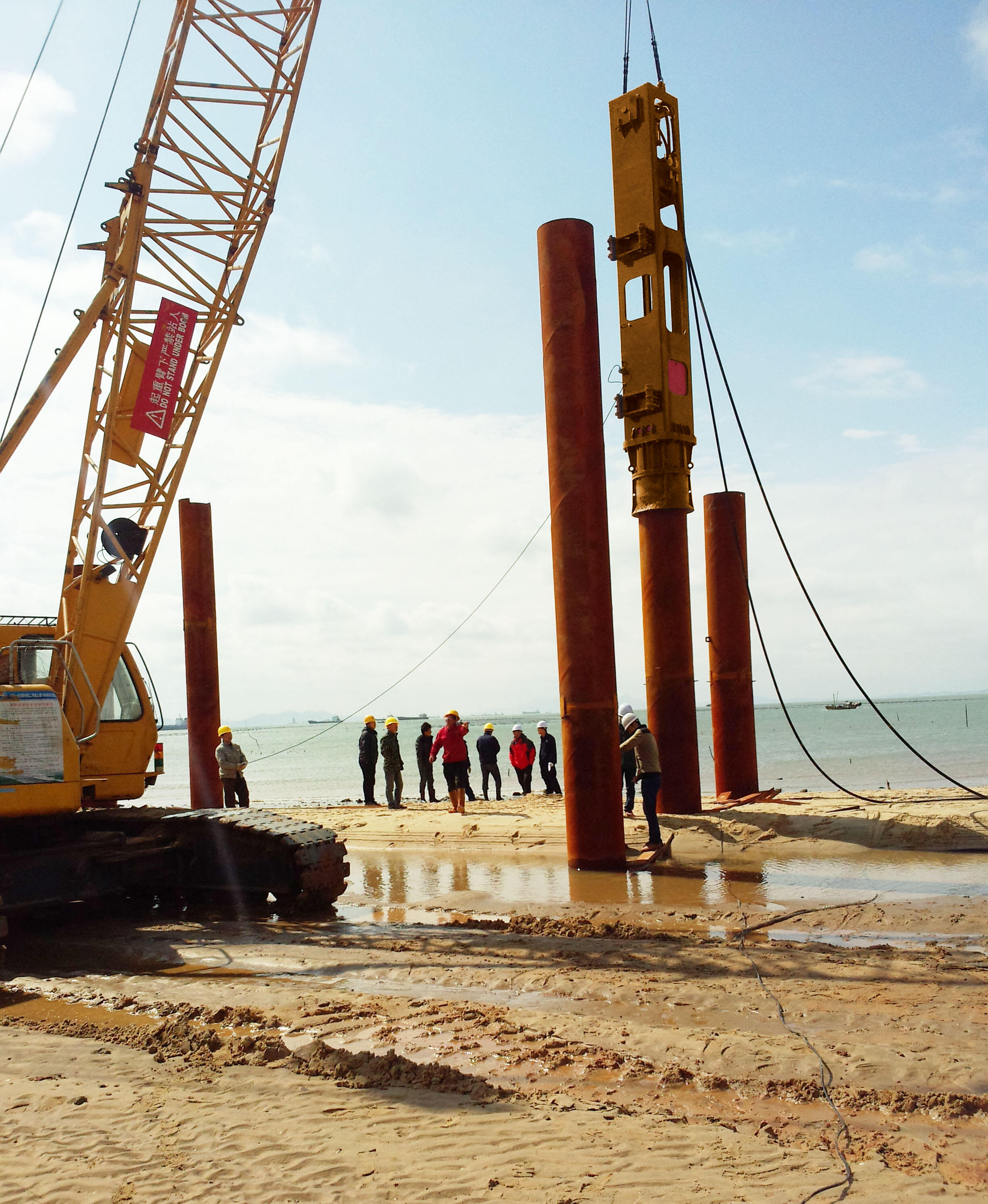
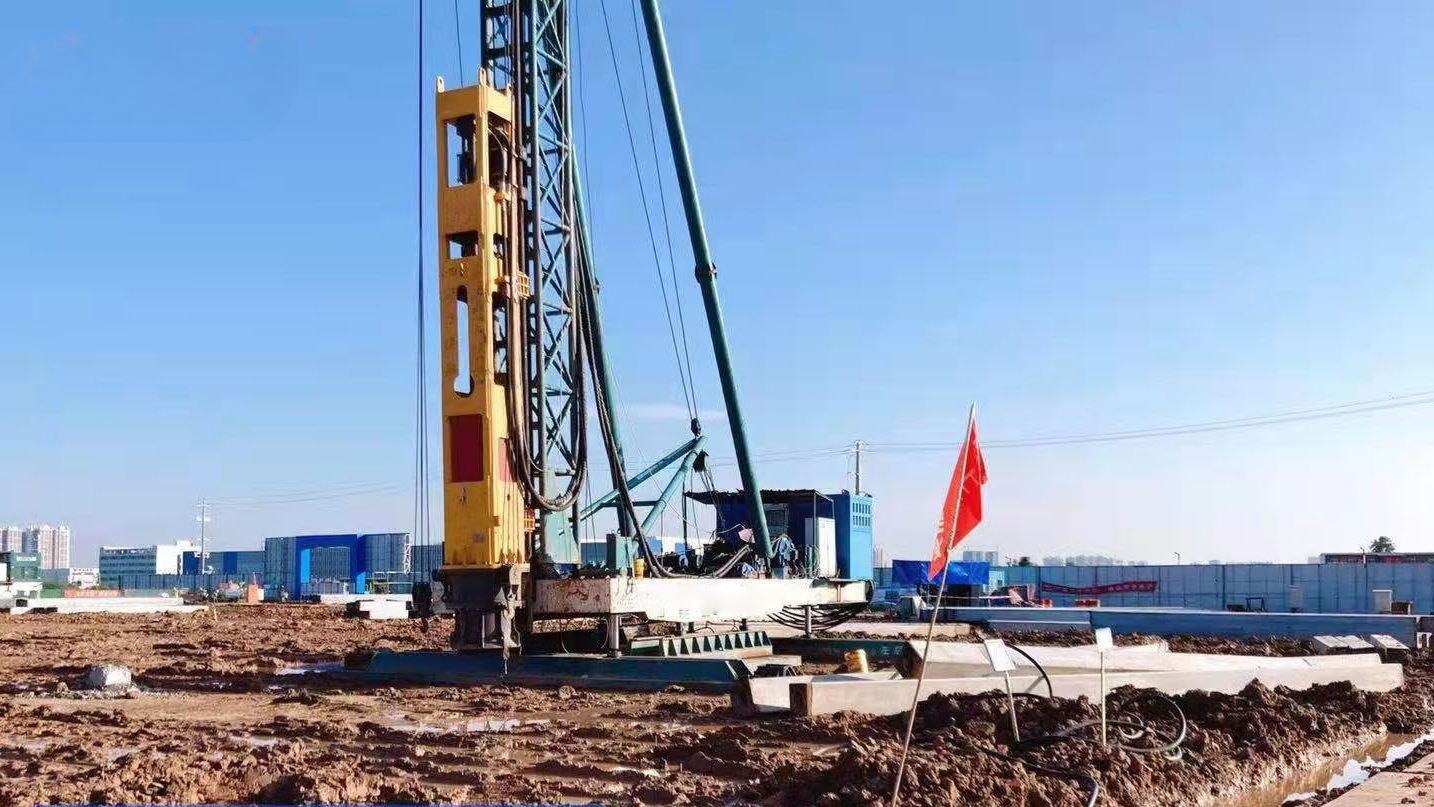
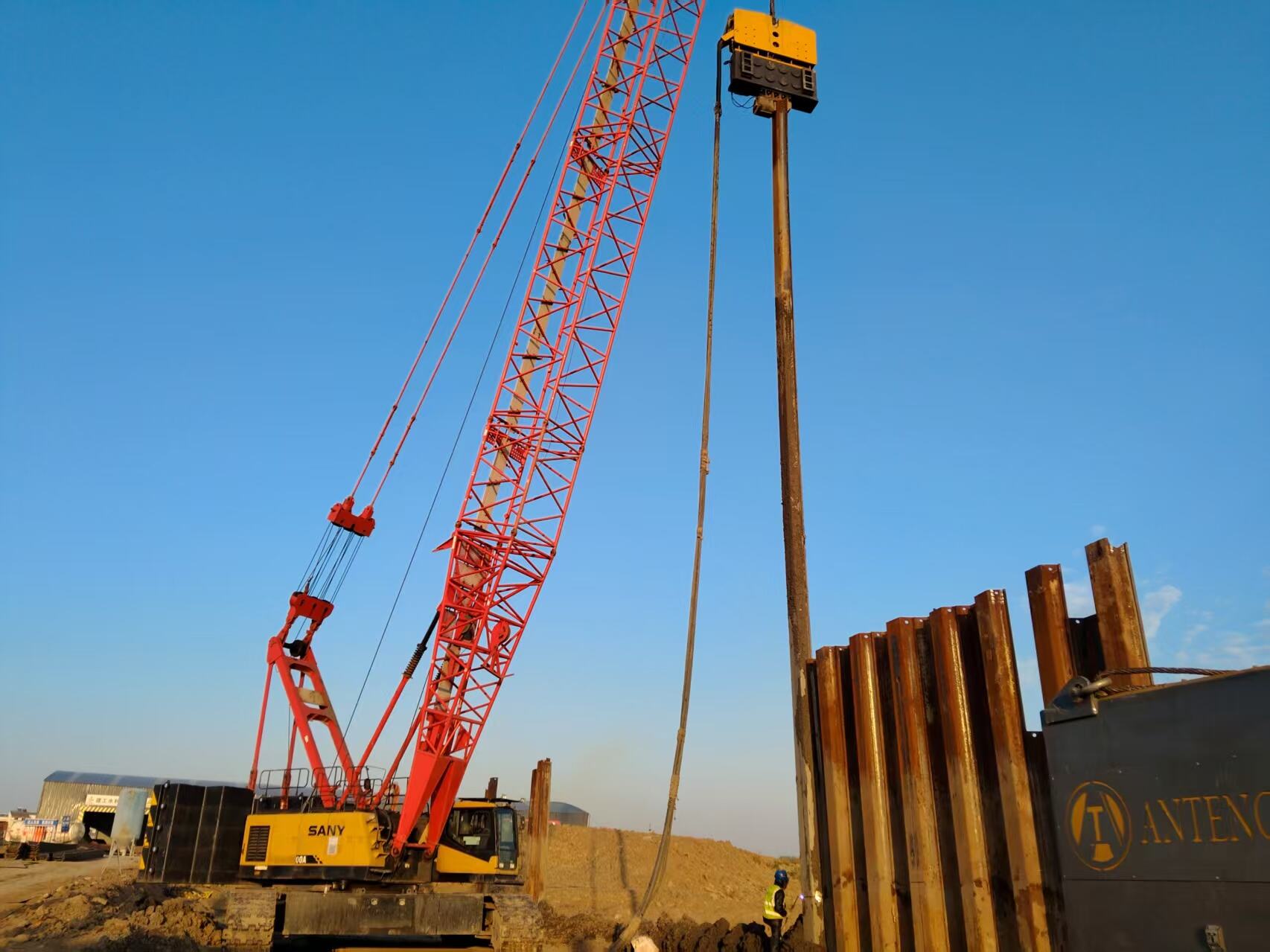
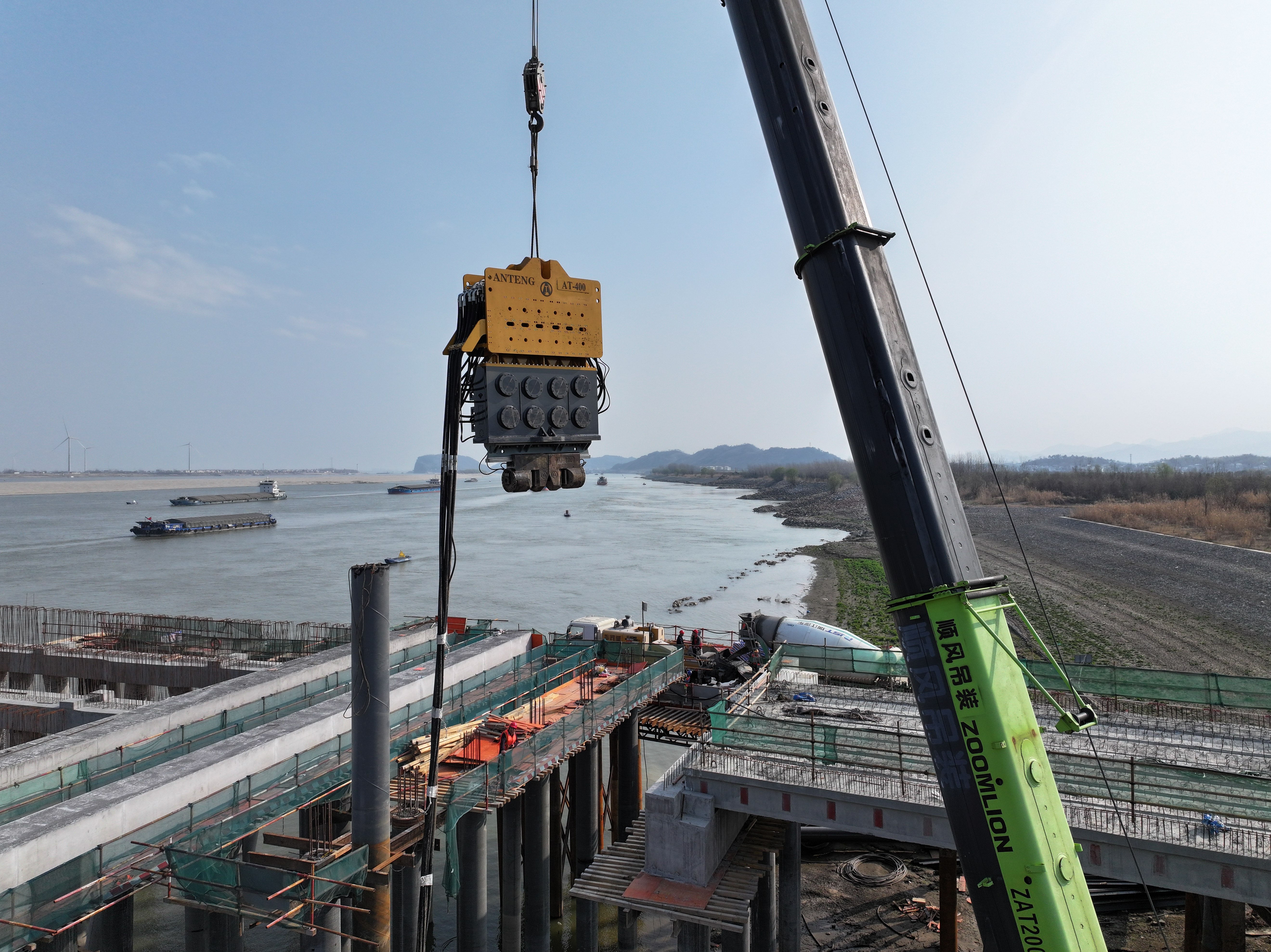
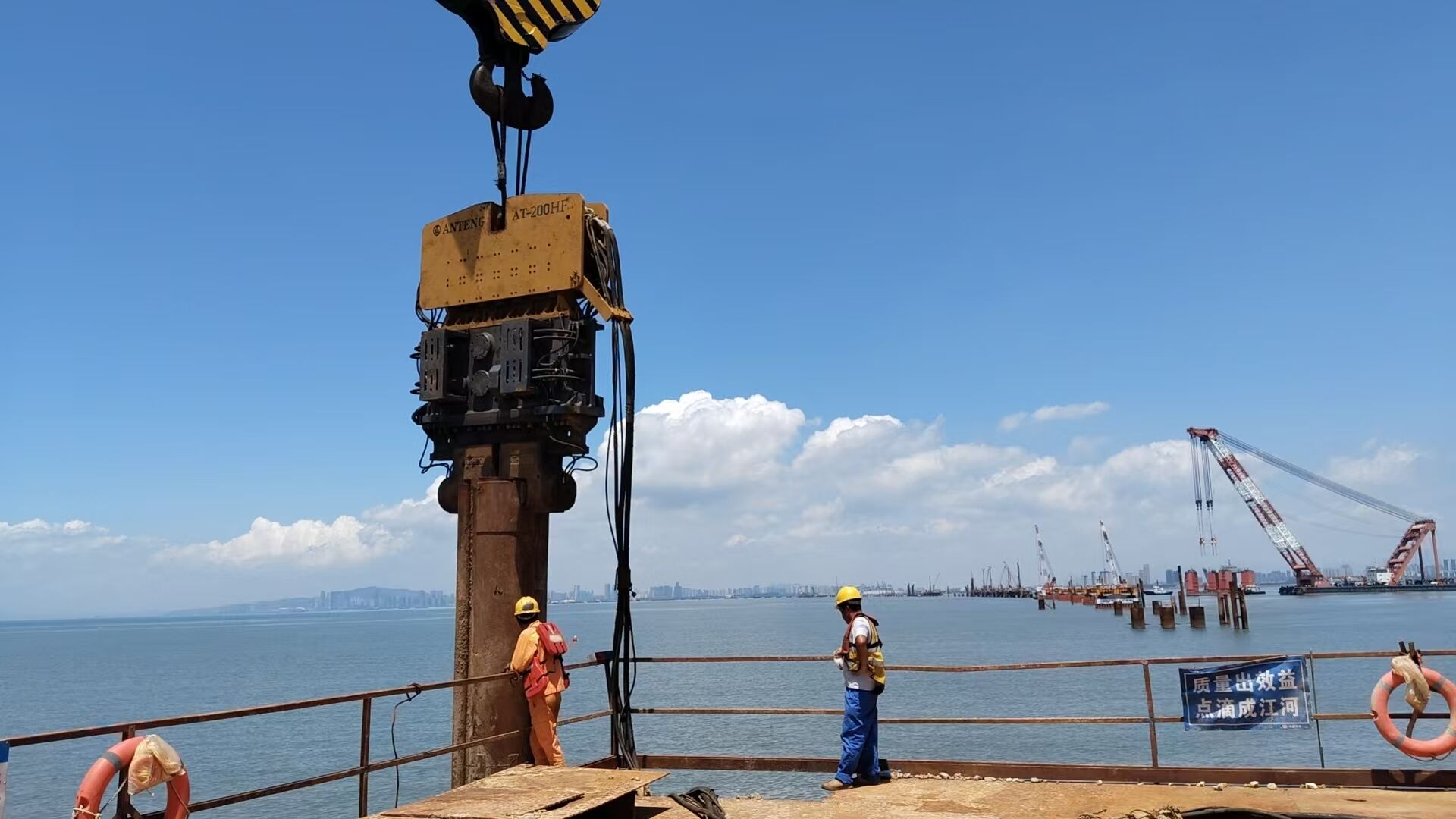
A hydraulic vibratory hammer represents a sophisticated piece of construction machinery designed to drive and extract piles efficiently through the combination of vibratory forces and static weight. This powerful equipment utilizes hydraulic power to generate controlled vibrations that reduce soil friction around piles, making penetration and extraction significantly more effective than traditional impact methods. The hydraulic vibratory hammer operates by converting hydraulic energy into mechanical oscillations, creating high-frequency vibrations that liquefy cohesionless soils and reduce resistance in cohesive materials. The core technology features an eccentric weight system powered by hydraulic motors, which produces consistent vibrational forces while maintaining precise control over frequency and amplitude. Modern hydraulic vibratory hammer units incorporate advanced dampening systems to minimize vibrations transmitted to the carrier equipment, protecting both machinery and operators. The equipment typically includes variable frequency controls, allowing operators to adjust vibration parameters based on soil conditions and pile specifications. Primary applications encompass sheet pile installation for retaining walls, cofferdams, and waterfront structures, along with driving H-beams, pipe piles, and concrete piles in various construction projects. The hydraulic vibratory hammer excels in urban environments where noise restrictions limit conventional pile driving methods, as it produces significantly lower noise levels compared to impact hammers. Marine construction projects frequently utilize this equipment for pier foundations, bulkheads, and offshore structures due to its effectiveness in saturated soils. Infrastructure development projects including bridges, highways, and building foundations benefit from the precision and efficiency of hydraulic vibratory hammer technology. The equipment proves particularly valuable in challenging soil conditions such as dense sands, gravels, and mixed geological formations where traditional methods encounter difficulties.

New Products

The hydraulic vibratory hammer delivers exceptional performance benefits that translate directly into cost savings and project efficiency for contractors and construction companies. Speed represents one of the most significant advantages, as this equipment can install piles up to five times faster than conventional impact methods, dramatically reducing project timelines and labor costs. The reduced installation time means projects complete ahead of schedule, allowing contractors to take on additional work and improve profitability. Noise reduction capabilities make the hydraulic vibratory hammer ideal for urban construction projects where strict noise ordinances apply, eliminating potential fines and work restrictions that plague traditional pile driving operations. Environmental compliance becomes effortless as these machines produce minimal ground vibrations, protecting nearby structures and reducing community complaints that can halt construction progress. Fuel efficiency surpasses impact hammers significantly, with hydraulic systems consuming less energy while delivering superior performance, resulting in lower operational costs throughout the project lifecycle. Maintenance requirements decrease substantially due to fewer moving parts and reduced mechanical stress compared to impact systems, minimizing downtime and repair expenses. Versatility allows operators to handle various pile types and sizes with a single machine, eliminating the need for multiple specialized tools and reducing equipment rental or purchase costs. Precision control enables accurate pile placement and penetration depth management, reducing material waste and ensuring structural integrity meets engineering specifications. The hydraulic vibratory hammer adapts to different soil conditions through adjustable frequency settings, maintaining consistent performance regardless of geological variations encountered on site. Safety improvements include reduced operator fatigue from lower vibration transmission and decreased risk of equipment failure due to the controlled nature of hydraulic operations. Weather resistance allows continued operation in conditions that would halt other pile driving methods, maintaining project schedules and avoiding costly delays. Training requirements remain minimal as the intuitive controls and automated systems reduce the learning curve for operators, ensuring quick deployment and efficient utilization across construction crews.

Latest News

What Maintenance Practices Extend Vibro Hammer Service Life?

19

Mar

What Maintenance Practices Extend Vibro Hammer Service Life?

Proper maintenance practices are the cornerstone of extending vibro hammer service life and maximizing your construction equipment investment. A well-maintained vibro hammer can deliver consistent performance for thousands of operating hours while re...
View More
What Are the Core Working Principles of an Impact Hammer?

19

Mar

What Are the Core Working Principles of an Impact Hammer?

An impact hammer operates on fundamental mechanical and engineering principles that convert stored energy into controlled, high-force impacts for construction and industrial applications. Understanding these core working principles is essential for e...
View More
How Is an Impact Hammer Integrated into Piling Operations?

19

Mar

How Is an Impact Hammer Integrated into Piling Operations?

The integration of an impact hammer into piling operations represents a critical engineering process that requires precise coordination between equipment, structural requirements, and site conditions. Understanding how an impact hammer functions with...
View More
What Safety Considerations Matter When Operating an Impact Hammer?

19

Mar

What Safety Considerations Matter When Operating an Impact Hammer?

Operating an impact hammer in construction and foundation work involves significant safety risks that demand careful attention from site supervisors, equipment operators, and safety personnel. These powerful hydraulic tools generate tremendous force ...
View More

Get a Free Quote

Our representative will contact you soon.
Email
Name
Company Name
Mobile
Message
0/1000

hydraulic vibratory hammer

Advanced Frequency Control Technology

Advanced Frequency Control Technology

The hydraulic vibratory hammer incorporates cutting-edge frequency control technology that revolutionizes pile installation efficiency and precision across diverse construction applications. This sophisticated system allows operators to adjust vibrational frequencies in real-time, typically ranging from 1,200 to 2,400 vibrations per minute, ensuring optimal performance for specific soil conditions and pile requirements. The variable frequency capability enables the equipment to match resonant frequencies of different pile materials, maximizing energy transfer and penetration rates while minimizing resistance. Smart control systems automatically monitor soil feedback and adjust parameters accordingly, preventing over-driving and ensuring consistent installation quality throughout the project. The frequency control technology particularly excels in challenging geological conditions where soil density varies significantly, allowing operators to modify settings on-the-fly without stopping operations. This adaptability translates into substantial time savings and improved project outcomes, as contractors can maintain optimal installation speeds regardless of subsurface variations encountered during construction. The precision offered by advanced frequency control eliminates guesswork from pile driving operations, providing data-driven insights that enhance decision-making and quality assurance processes. Contractors benefit from reduced pile damage rates, as the controlled vibrational forces minimize stress concentrations that typically occur with fixed-frequency systems. The technology also enables gentle extraction procedures for temporary installations, preserving pile integrity for reuse and reducing material costs. Integration with modern telematics systems allows remote monitoring and adjustment capabilities, enabling project managers to optimize performance from off-site locations. The frequency control system includes safety interlocks that prevent operation outside safe parameters, protecting both equipment and personnel from potential hazards. This technological advancement positions the hydraulic vibratory hammer as an indispensable tool for modern construction projects requiring precision, efficiency, and reliability in pile installation operations.
Superior Noise and Vibration Management

Superior Noise and Vibration Management

Environmental considerations have become paramount in modern construction, and the hydraulic vibratory hammer addresses these concerns through exceptional noise and vibration management capabilities that set new industry standards. Unlike traditional impact hammers that generate noise levels exceeding 100 decibels, the hydraulic vibratory hammer operates at significantly reduced sound levels, typically maintaining noise output below 85 decibels at standard operating distances. This dramatic noise reduction enables construction operations in noise-sensitive environments such as hospitals, schools, residential areas, and commercial districts where traditional pile driving methods face restrictions or outright bans. The reduced noise profile eliminates the need for expensive sound barriers and acoustic enclosures, saving contractors thousands of dollars in additional equipment and setup costs while streamlining project logistics. Ground vibration transmission represents another critical advantage, as the hydraulic vibratory hammer produces minimal ground-borne vibrations compared to impact methods, protecting adjacent structures from potential damage. This characteristic proves invaluable when working near historical buildings, sensitive infrastructure, or existing foundations where vibration-induced damage could result in costly liability issues. The sophisticated dampening systems integrated into modern hydraulic vibratory hammer designs isolate operational vibrations from the carrier equipment, extending machine life and reducing maintenance requirements. Operators experience significantly less fatigue and health risks associated with prolonged exposure to vibrations, improving workplace safety and reducing workers' compensation claims. Community relations improve dramatically when using low-noise, low-vibration equipment, as reduced disturbance to nearby residents and businesses maintains positive project perception and prevents costly delays from noise complaints. Environmental impact assessments become simpler to navigate, as the reduced noise and vibration footprint often eliminates the need for extensive mitigation measures required with conventional pile driving methods. The superior noise and vibration management capabilities position contractors to bid on projects with strict environmental requirements, expanding business opportunities and competitive advantages in urban markets where these considerations are increasingly important.
Exceptional Versatility and Multi-Purpose Functionality

Exceptional Versatility and Multi-Purpose Functionality

The hydraulic vibratory hammer demonstrates remarkable versatility that transforms it from a single-purpose tool into a comprehensive pile driving solution capable of handling diverse construction challenges with exceptional efficiency. This multi-functional capability allows contractors to address various pile types including steel sheet piles, H-beams, pipe piles, precast concrete piles, and timber piles using a single piece of equipment, eliminating the need for multiple specialized tools and reducing overall project costs. The adaptable clamping systems accommodate different pile geometries and sizes, from small residential foundation piles to massive commercial and industrial applications, providing flexibility that matches project requirements without equipment changes. Soil compatibility extends across the complete geological spectrum, from soft clays and silts to dense sands, gravels, and mixed soil conditions, ensuring consistent performance regardless of subsurface variations encountered during construction. The hydraulic vibratory hammer excels in both installation and extraction operations, offering contractors the ability to install permanent structures and remove temporary works with equal efficiency, maximizing equipment utilization and return on investment. Carrier compatibility represents another significant advantage, as these units mount easily on various excavators, cranes, and specialized rigs, allowing integration with existing fleet equipment and reducing capital investment requirements. Water-resistant designs enable seamless transition between terrestrial and marine applications, supporting projects ranging from waterfront developments to offshore construction without equipment modifications. The versatility extends to installation angles, as modern hydraulic vibratory hammer systems accommodate vertical, battered, and even horizontal pile installations, supporting complex architectural and engineering requirements. Depth capabilities vary significantly based on soil conditions and pile specifications, with some units capable of driving piles to depths exceeding 100 feet, making them suitable for everything from shallow residential foundations to deep commercial and industrial applications. Quick-change systems allow rapid switching between different pile types during construction, maintaining productivity and minimizing downtime between phases. This exceptional versatility positions the hydraulic vibratory hammer as an essential tool for contractors seeking to maximize equipment efficiency while maintaining capability to handle diverse project requirements across multiple market segments and application types.


Get a Free Quote

Our representative will contact you soon.
Email
Name
Company Name
Mobile
Message
0/1000