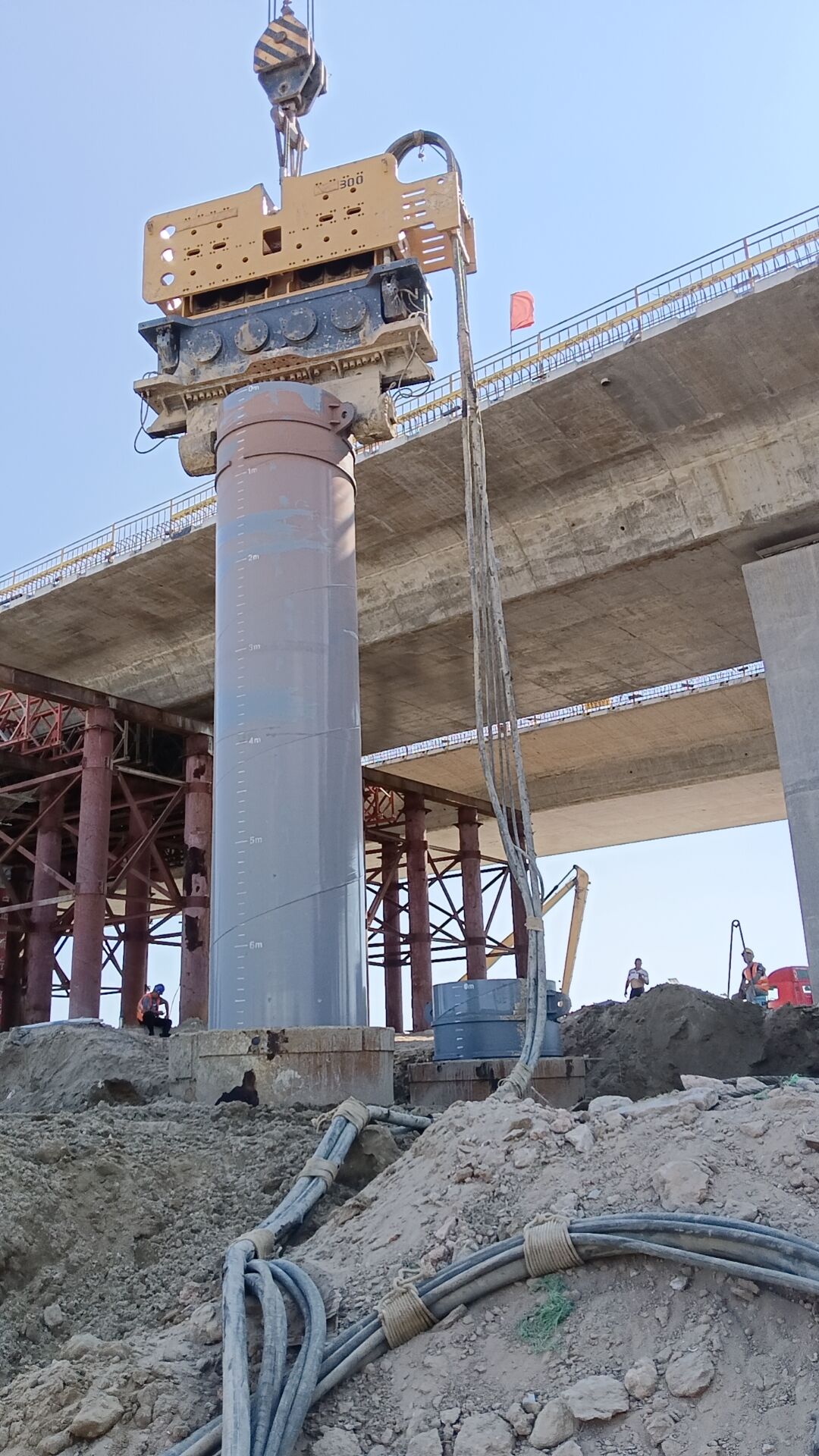
sheet pile driving machine
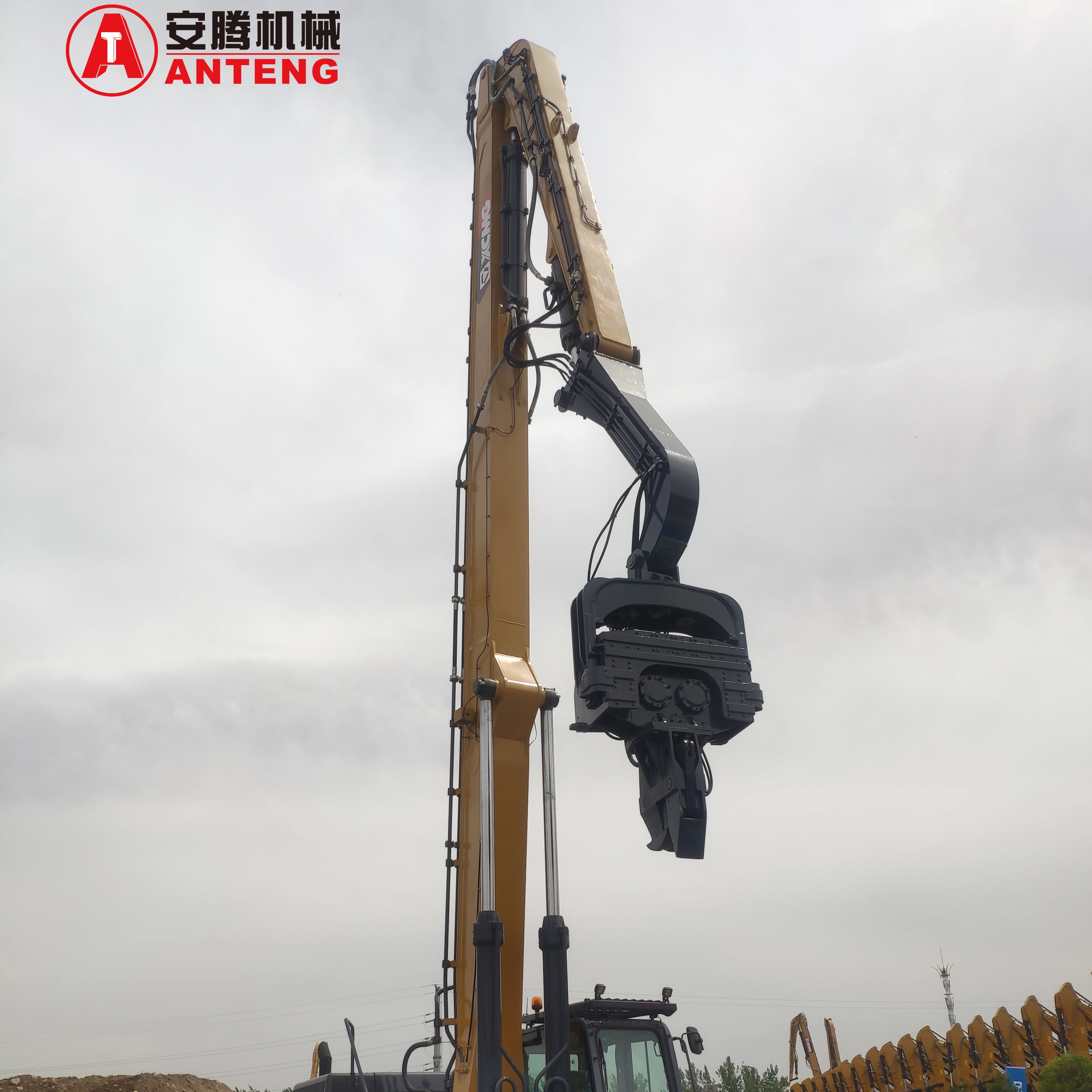
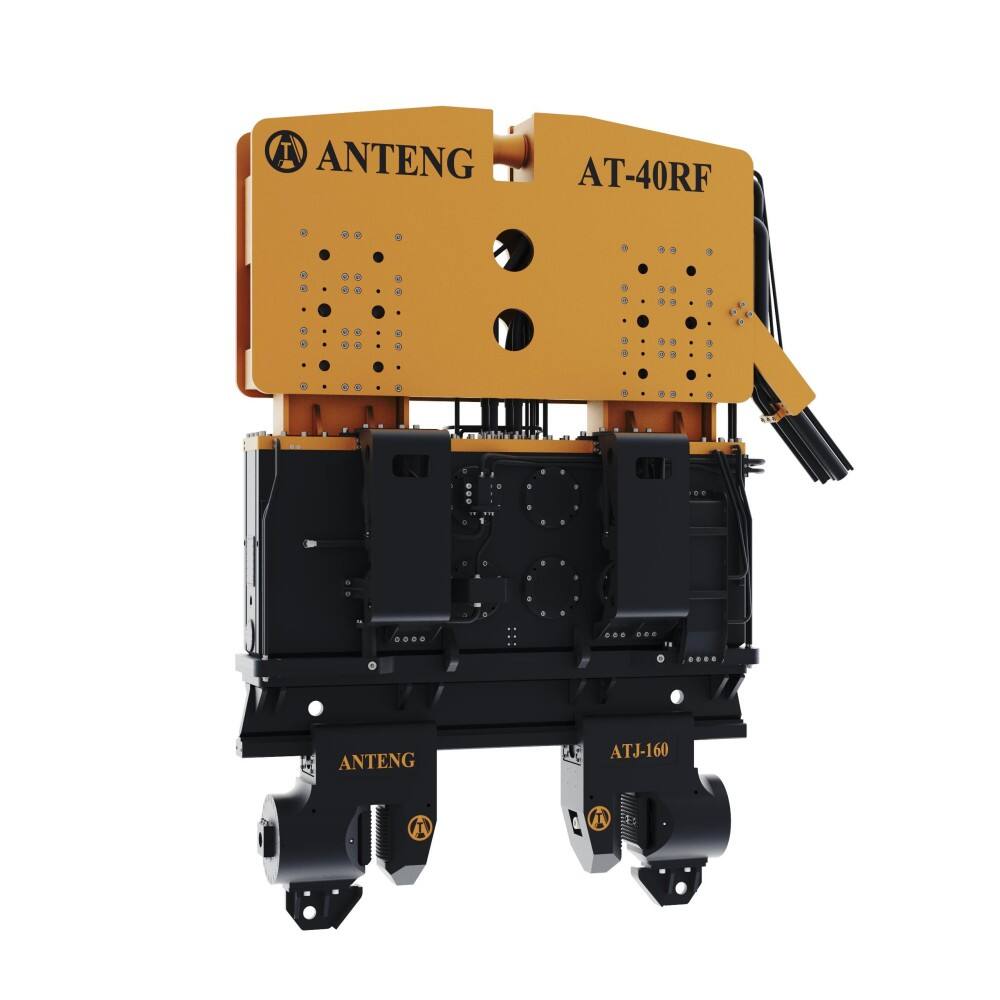
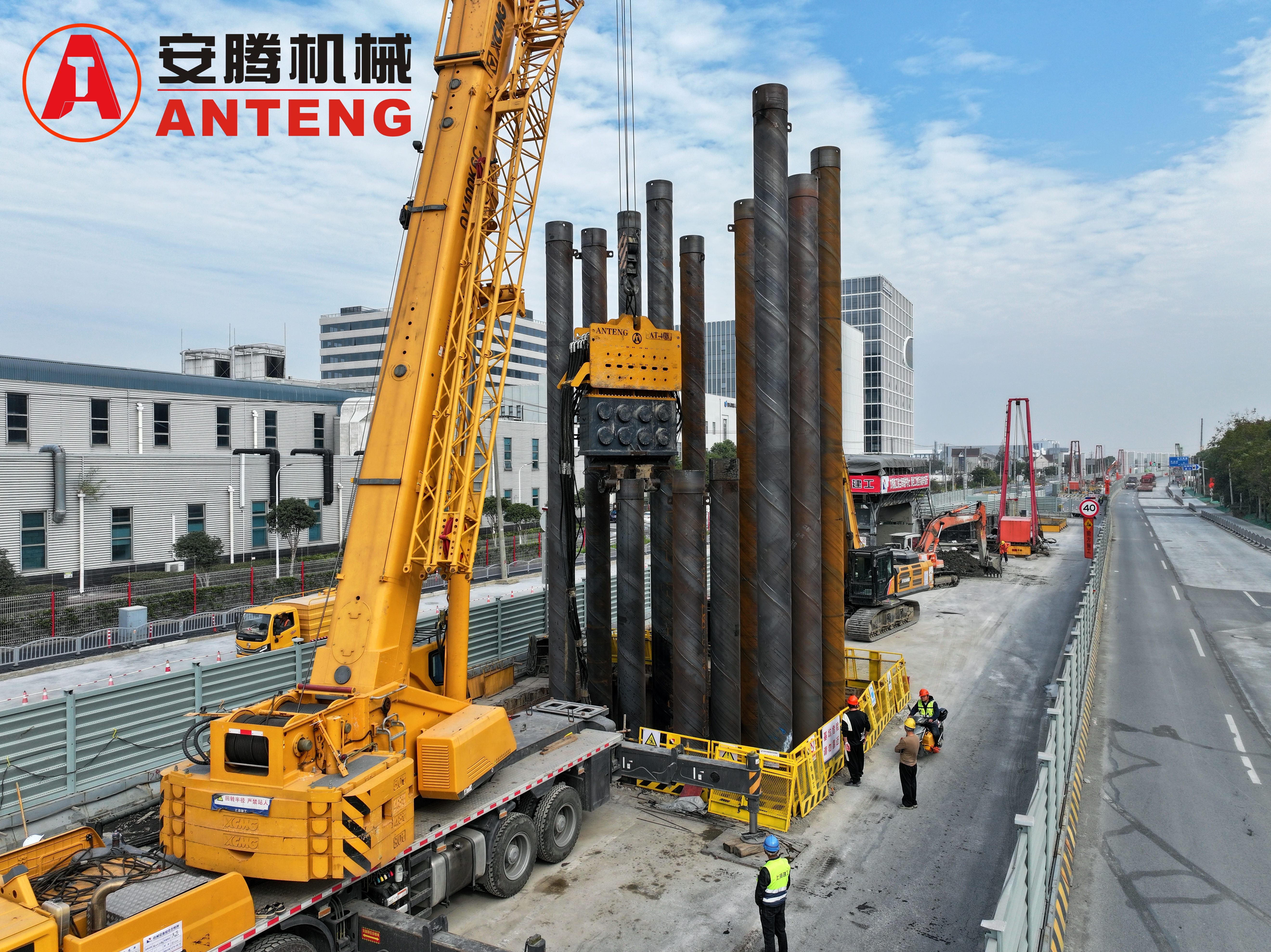
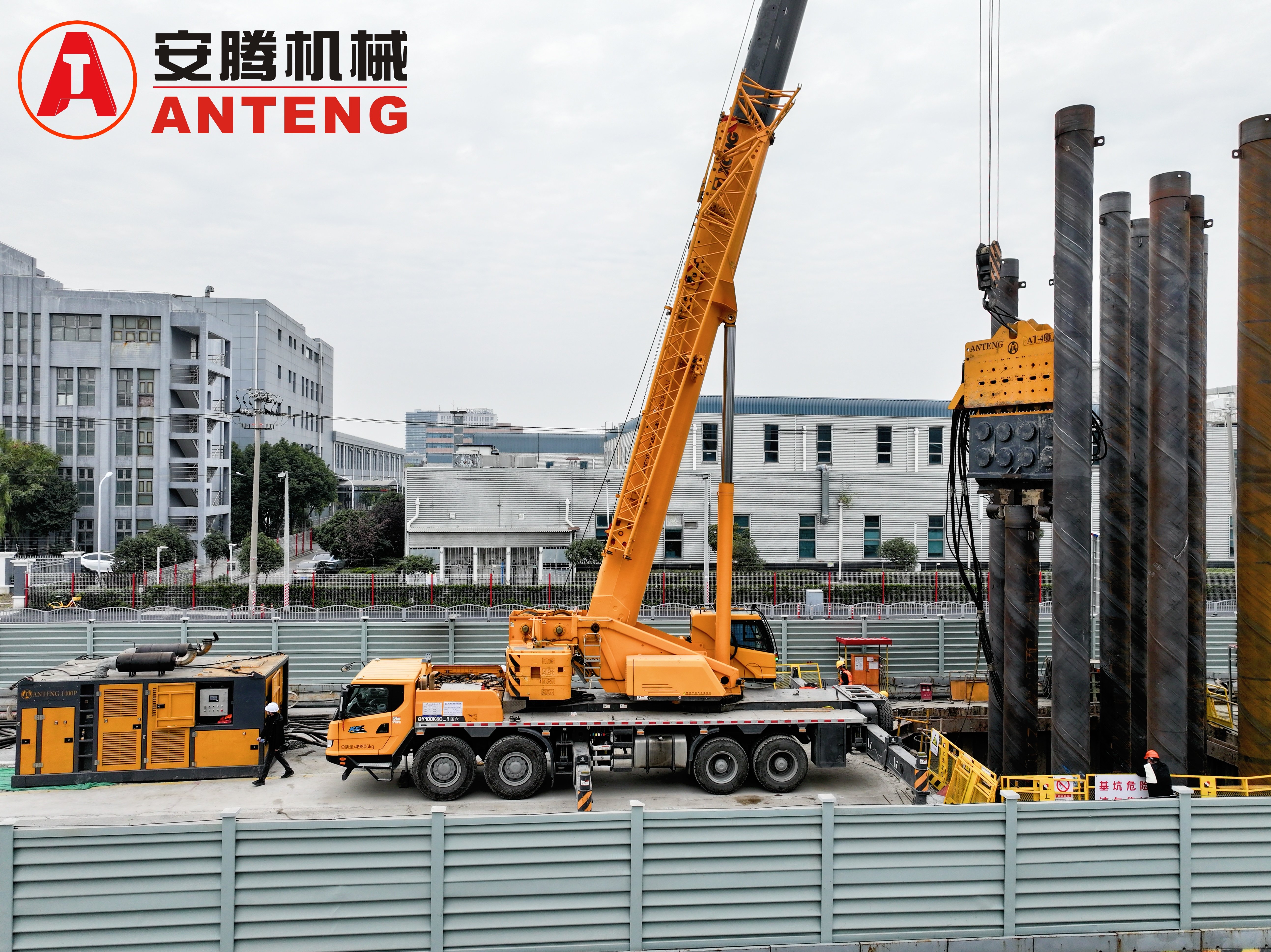
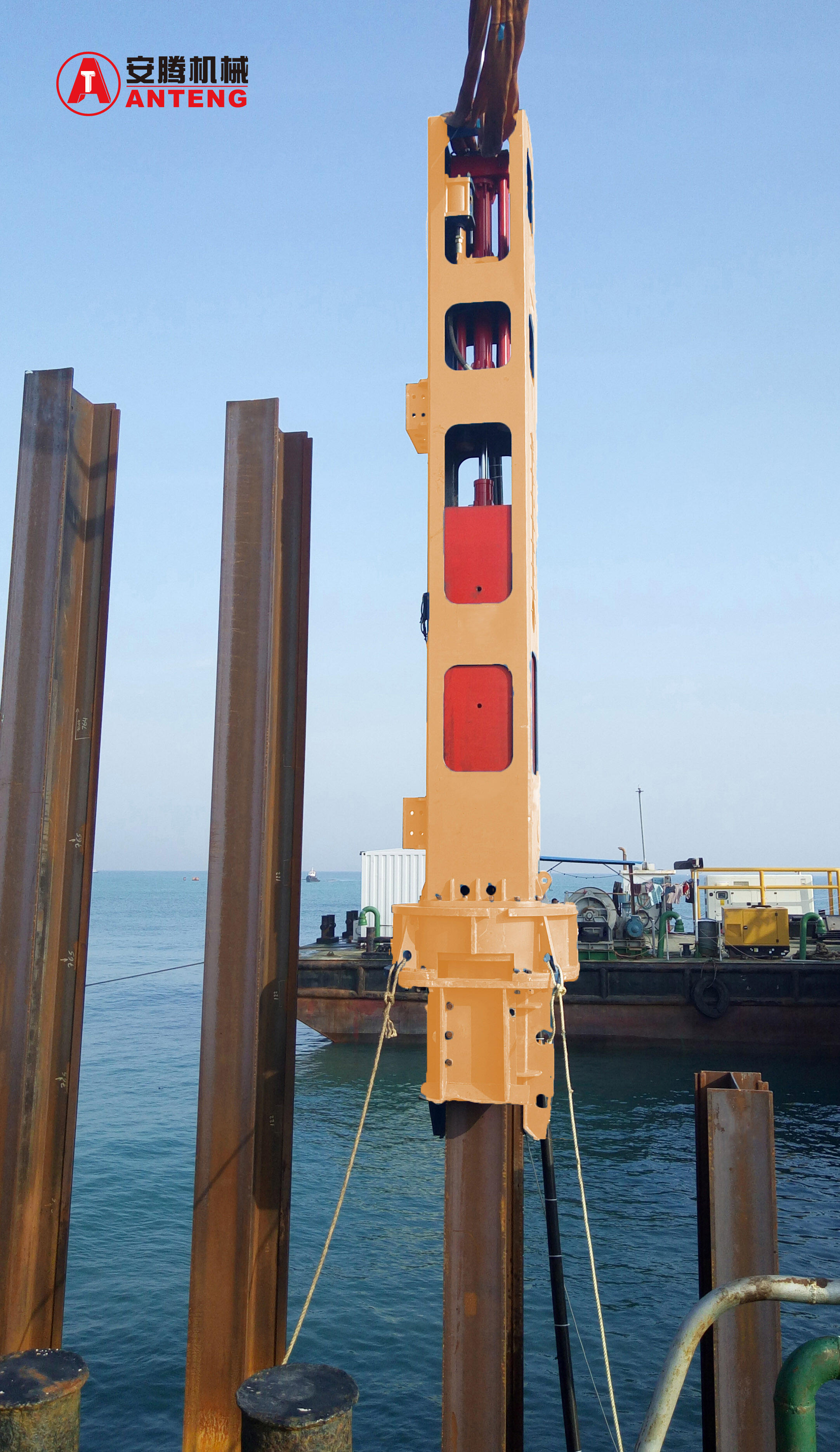
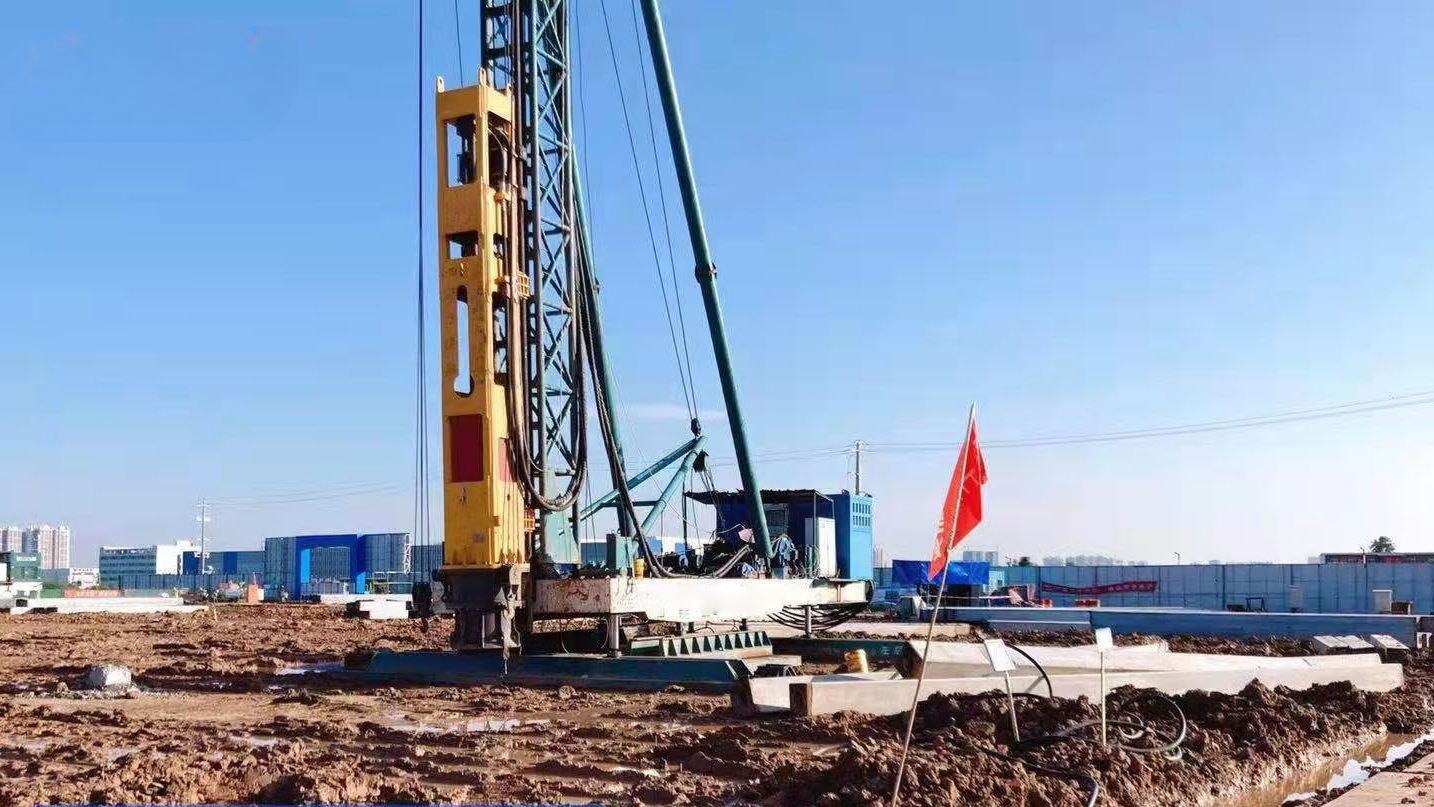
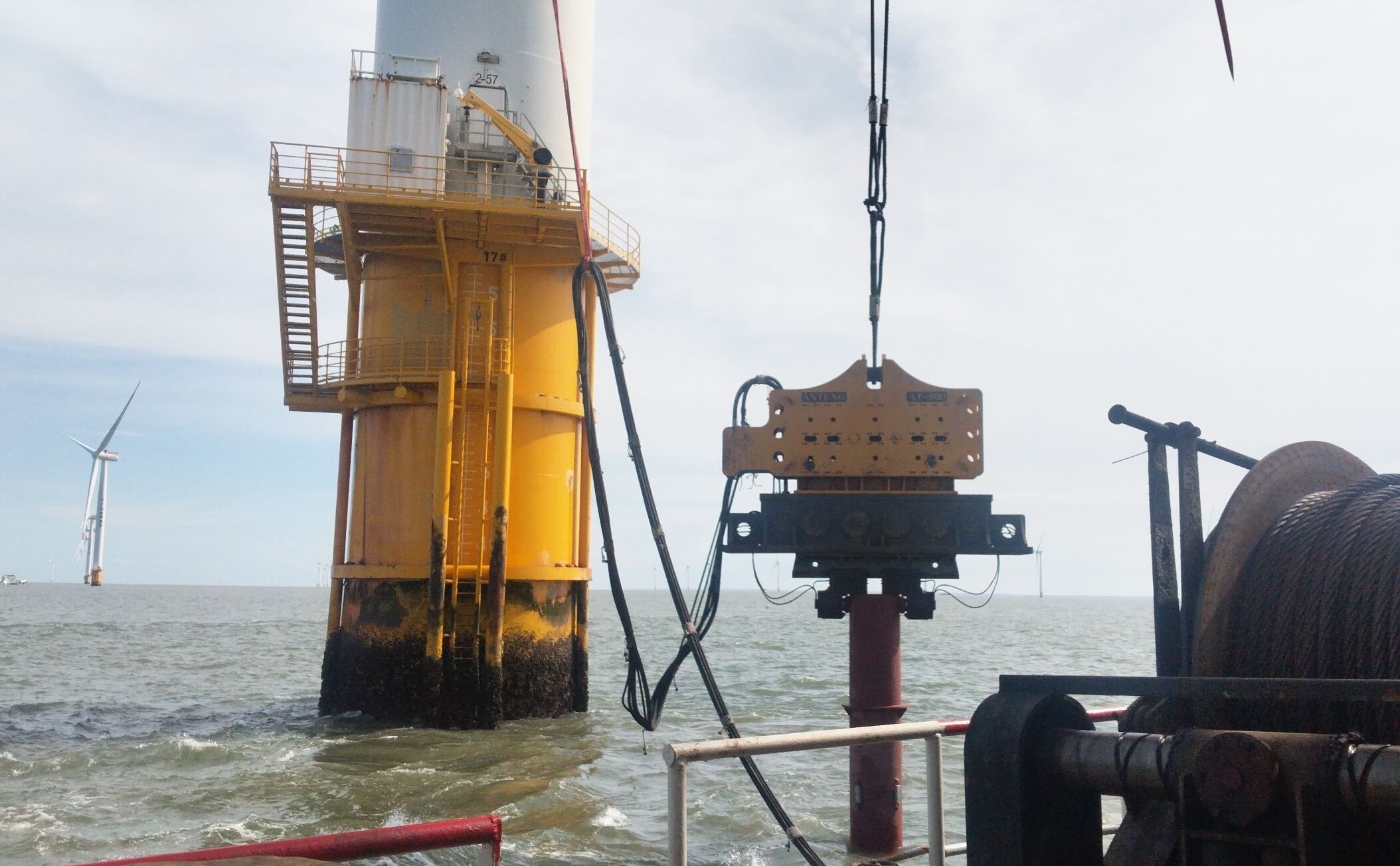
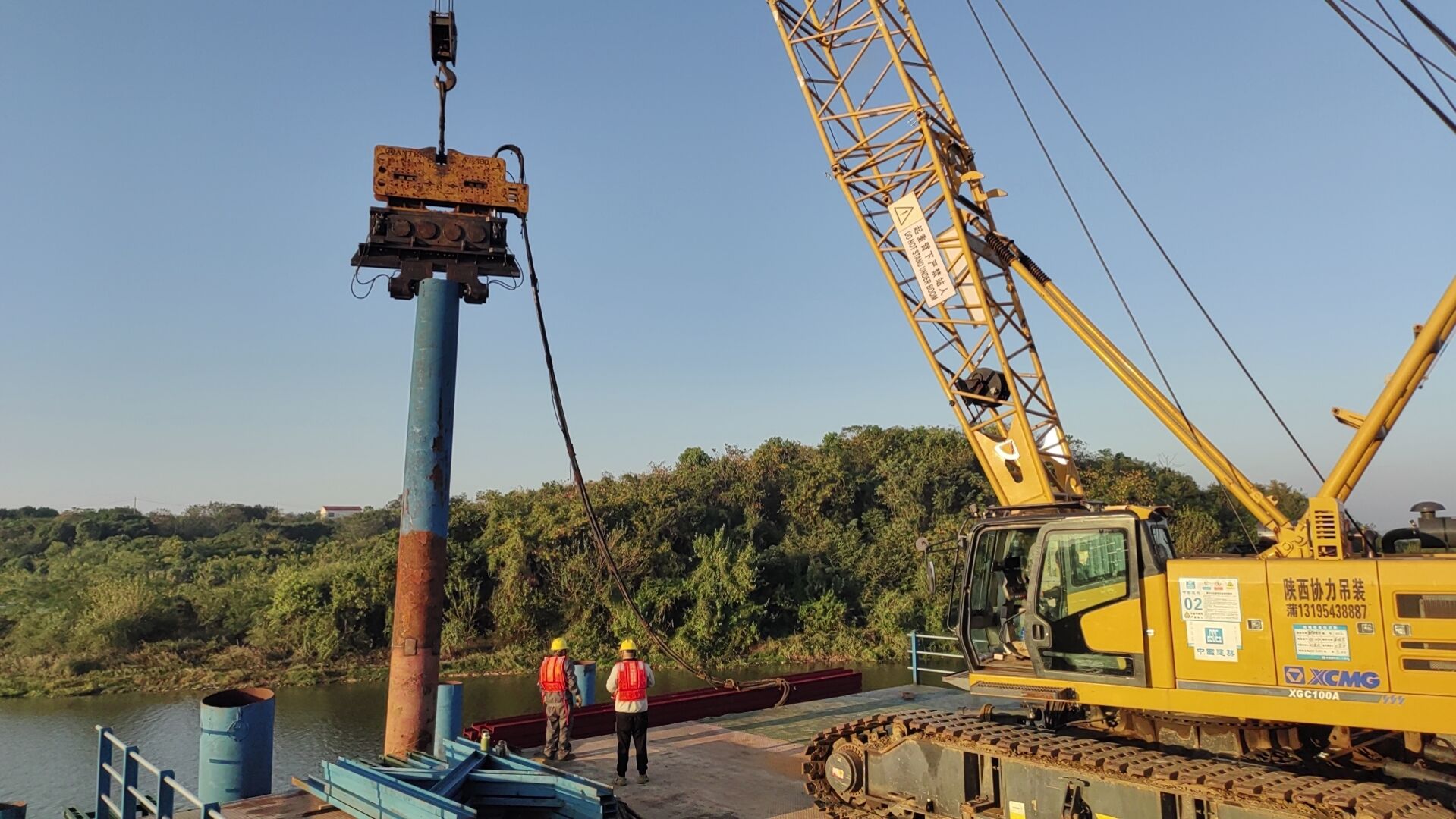
The sheet pile driving machine represents a cornerstone of modern construction equipment, specifically engineered to install sheet piles into various soil conditions with precision and efficiency. These powerful machines serve as essential tools in foundation work, waterfront construction, and excavation support systems. A sheet pile driving machine operates by delivering controlled impact forces that penetrate sheet piles deep into the ground, creating continuous barriers for structural support or water retention. The primary function revolves around driving interlocked steel, vinyl, or composite sheet piles to predetermined depths while maintaining alignment and structural integrity. Modern sheet pile driving machines incorporate advanced hydraulic systems that provide consistent driving force, enabling operators to work across diverse geological conditions from soft clay to dense gravel formations. The technological framework includes sophisticated guidance systems that ensure precise positioning and vertical alignment during installation processes. These machines feature robust chassis designs capable of supporting heavy-duty operations while maintaining stability on various terrain types. The driving mechanism typically employs either impact hammers or vibratory systems, depending on soil conditions and project requirements. Advanced models integrate computer-controlled systems that monitor driving progress, soil resistance, and pile positioning in real-time. Safety features include operator protection cabins, emergency stop mechanisms, and load monitoring systems that prevent equipment overload. The versatility of sheet pile driving machines extends to multiple construction applications including marine structures, bridge foundations, underground parking facilities, and flood protection barriers. Their adaptability allows contractors to handle projects ranging from small residential developments to major infrastructure undertakings. The equipment's mobility enables efficient site-to-site transportation, reducing project timelines and operational costs. Environmental considerations have led to the development of low-noise and reduced-vibration models that minimize disruption in urban construction zones.

 EN
EN