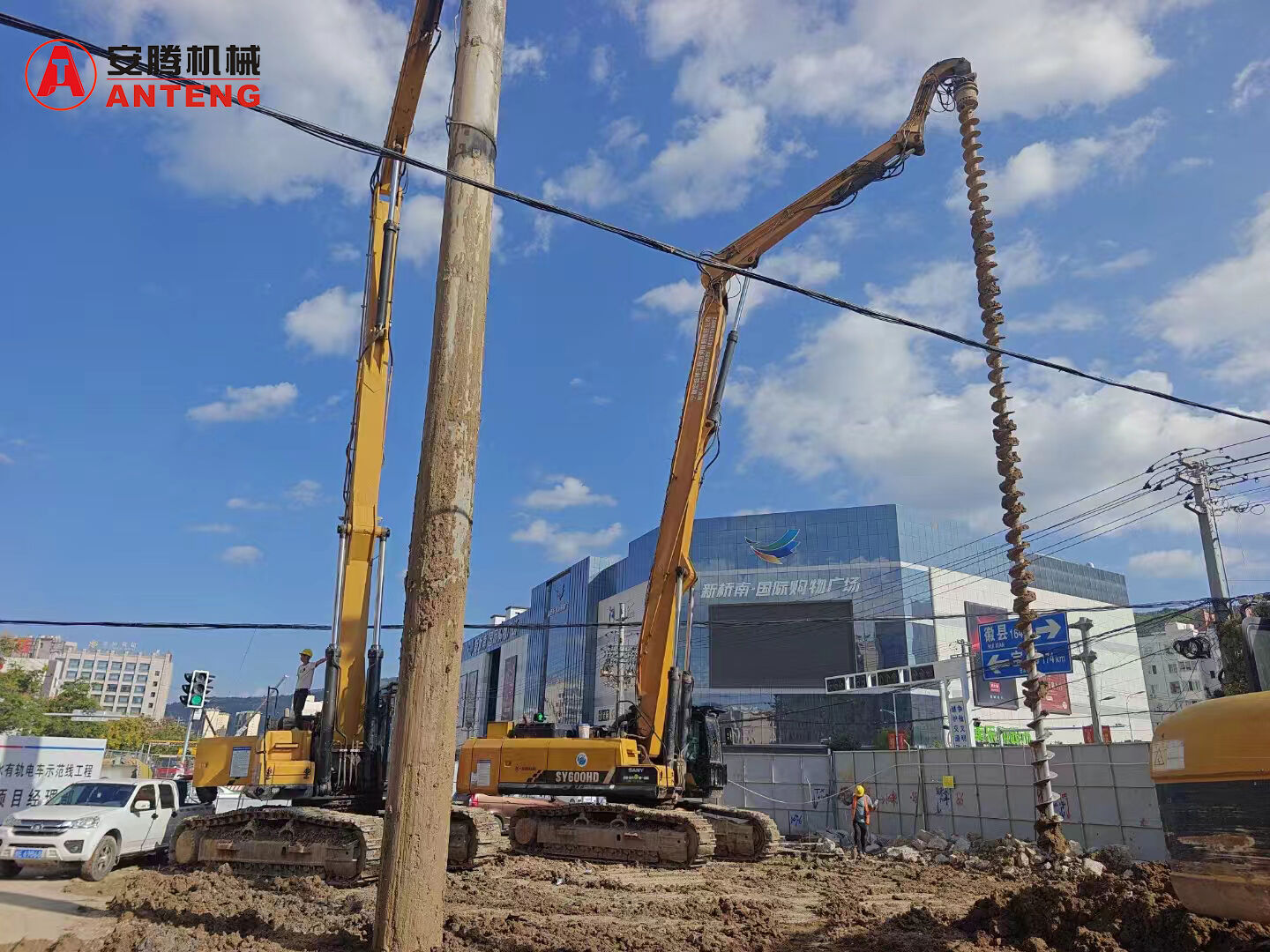
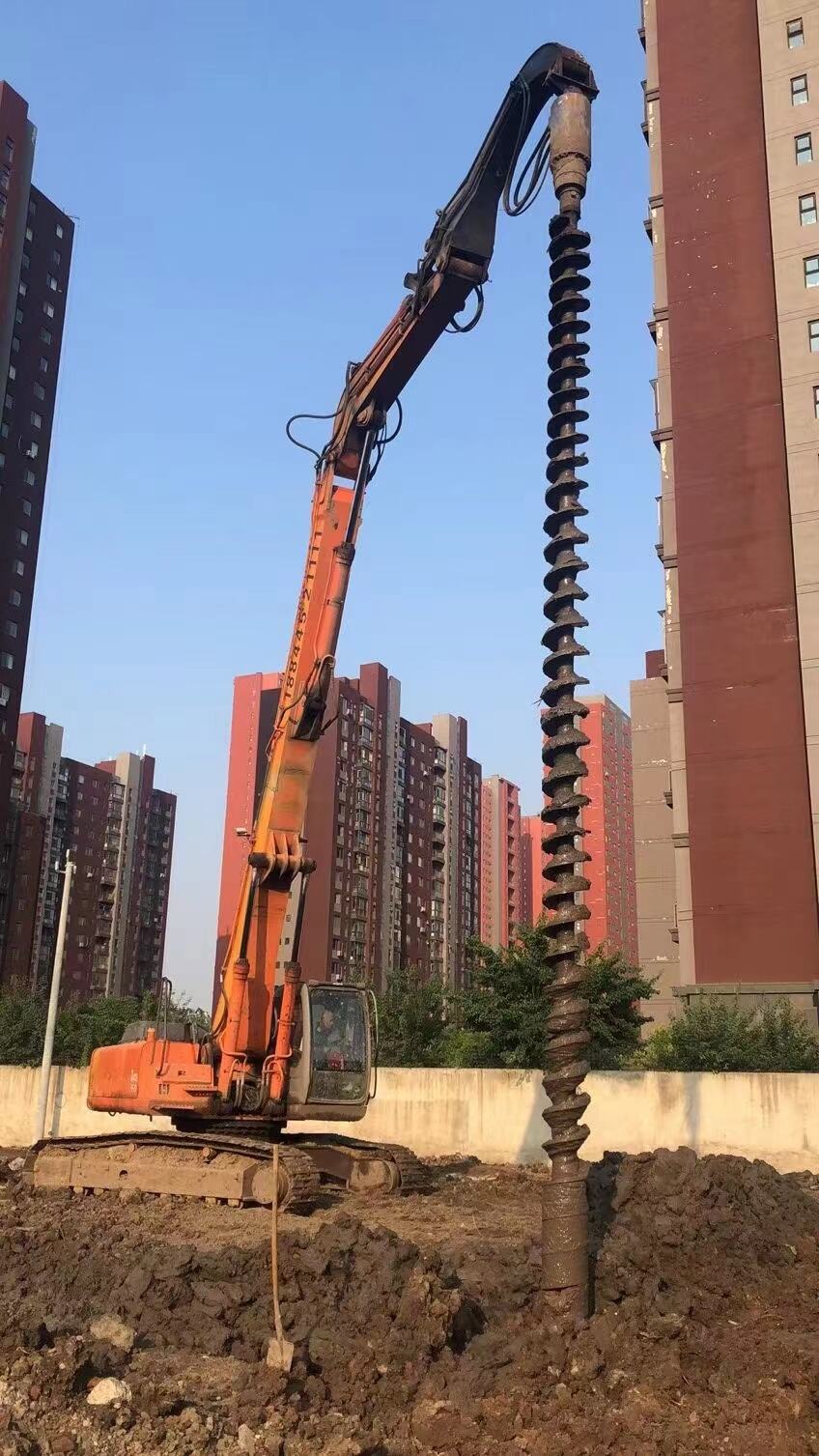
hydraulic piling
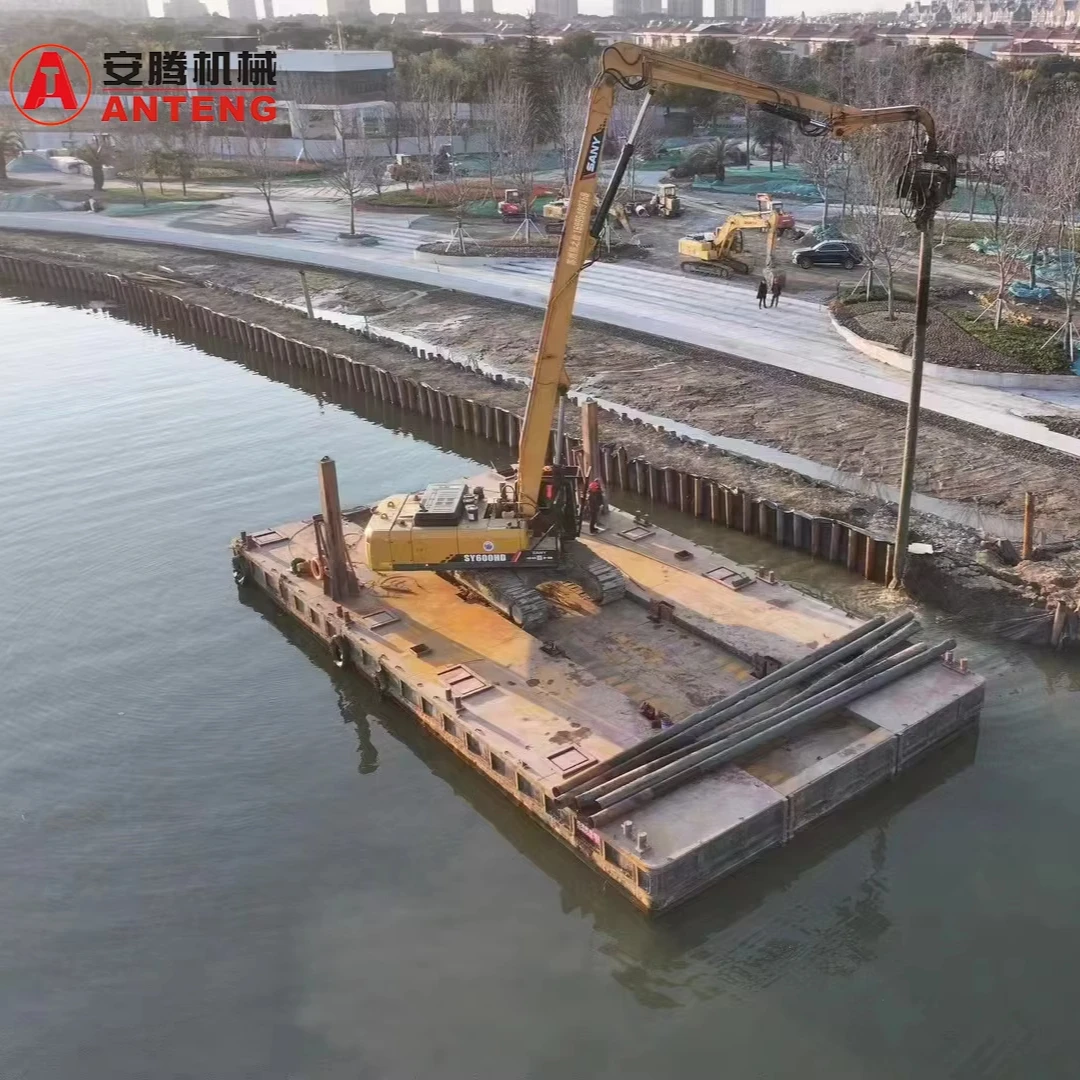
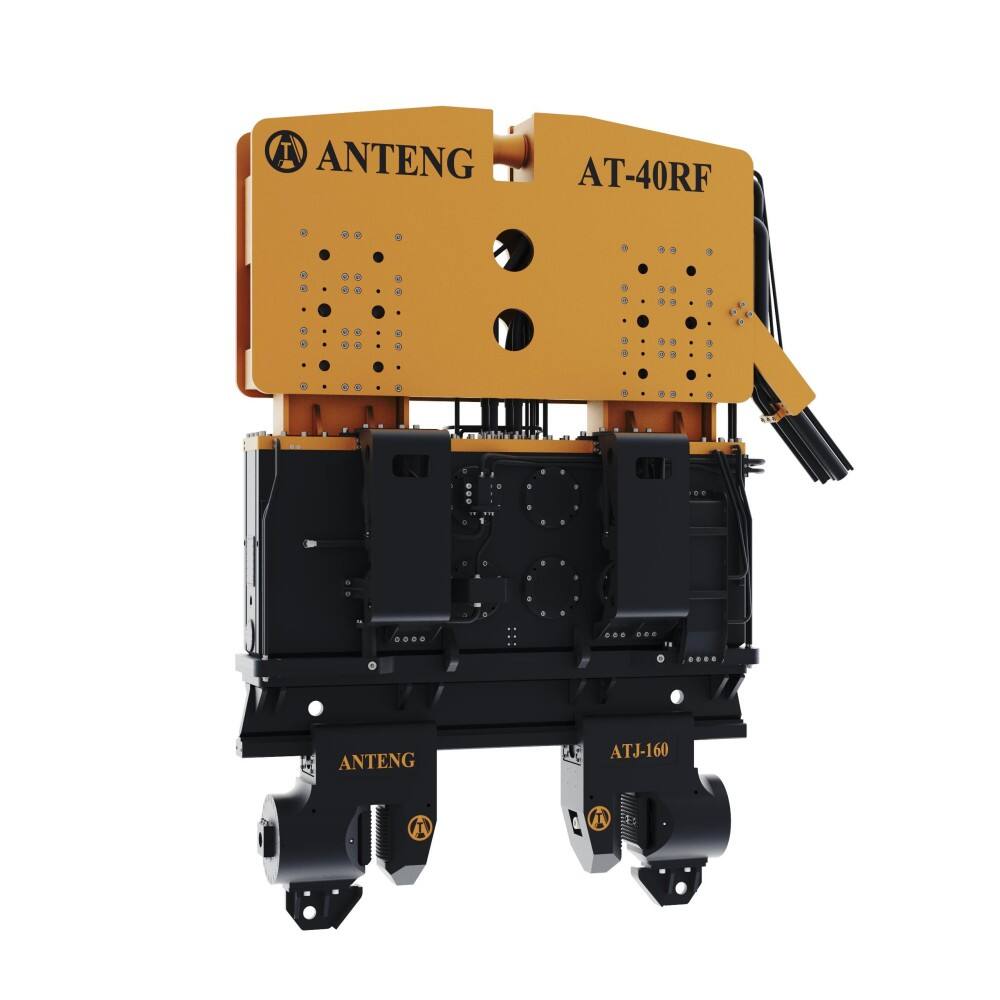
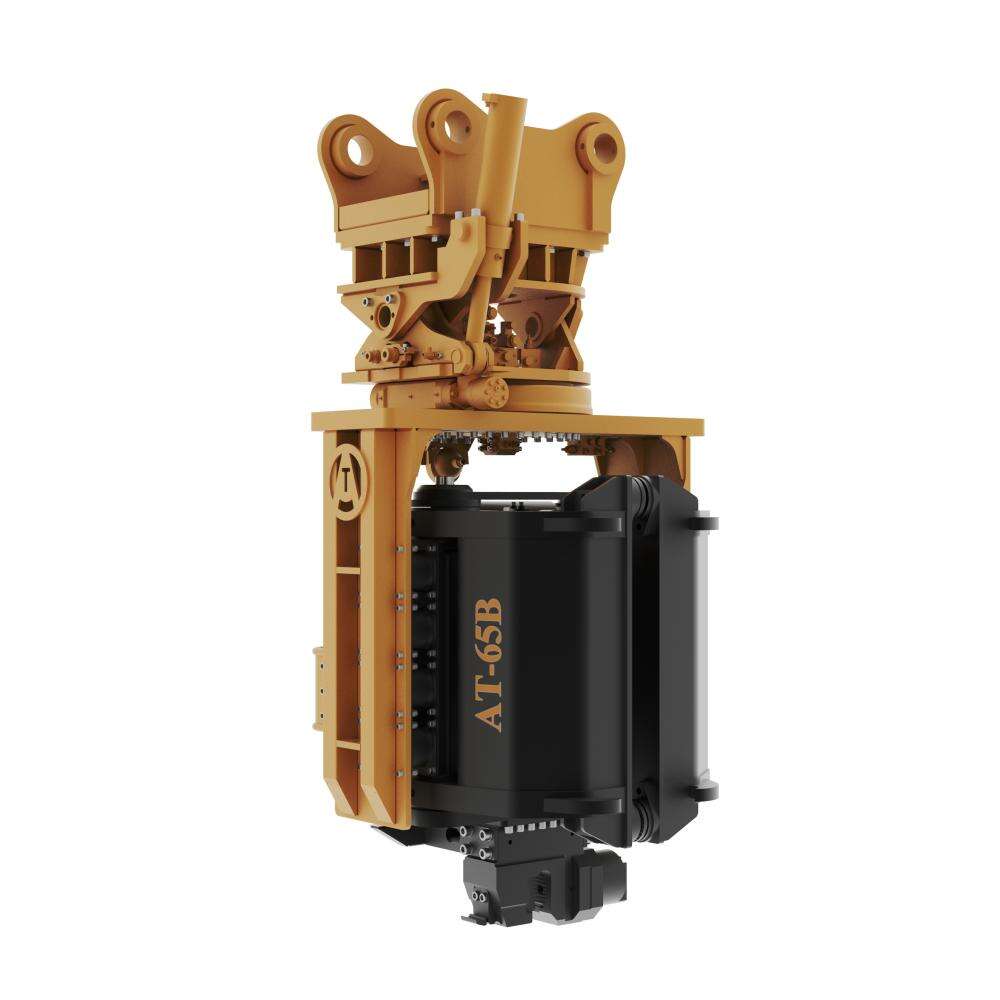
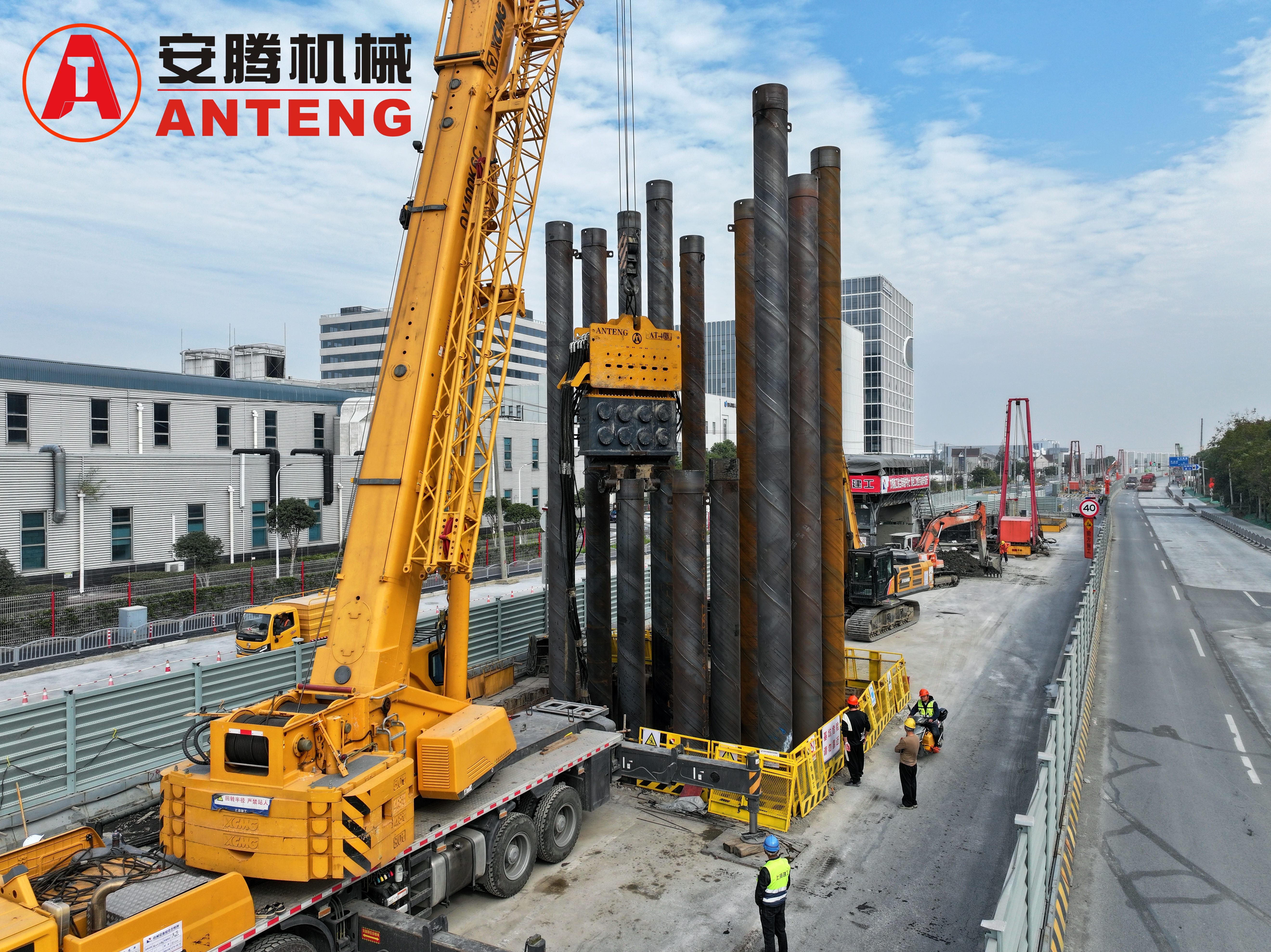
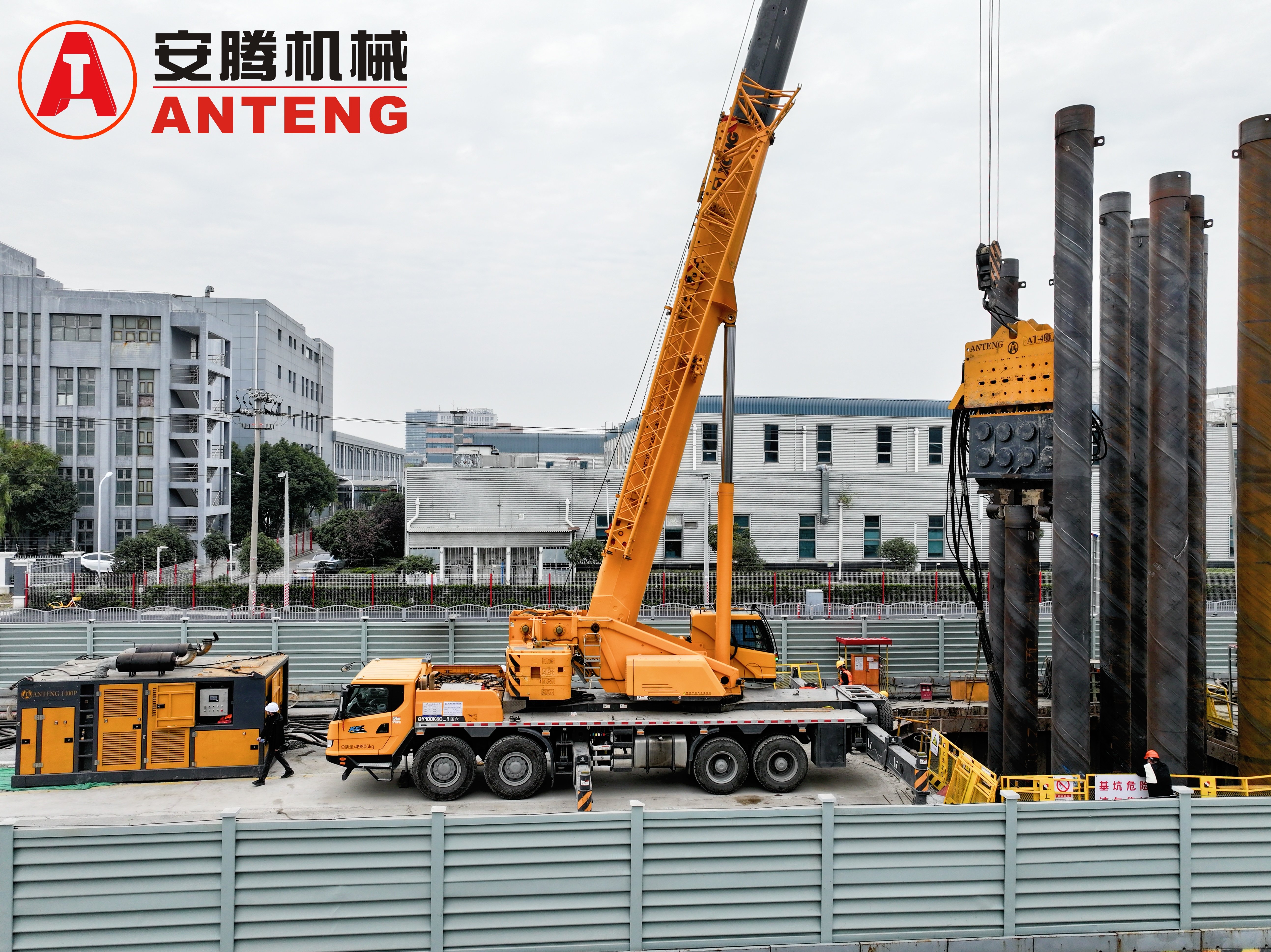
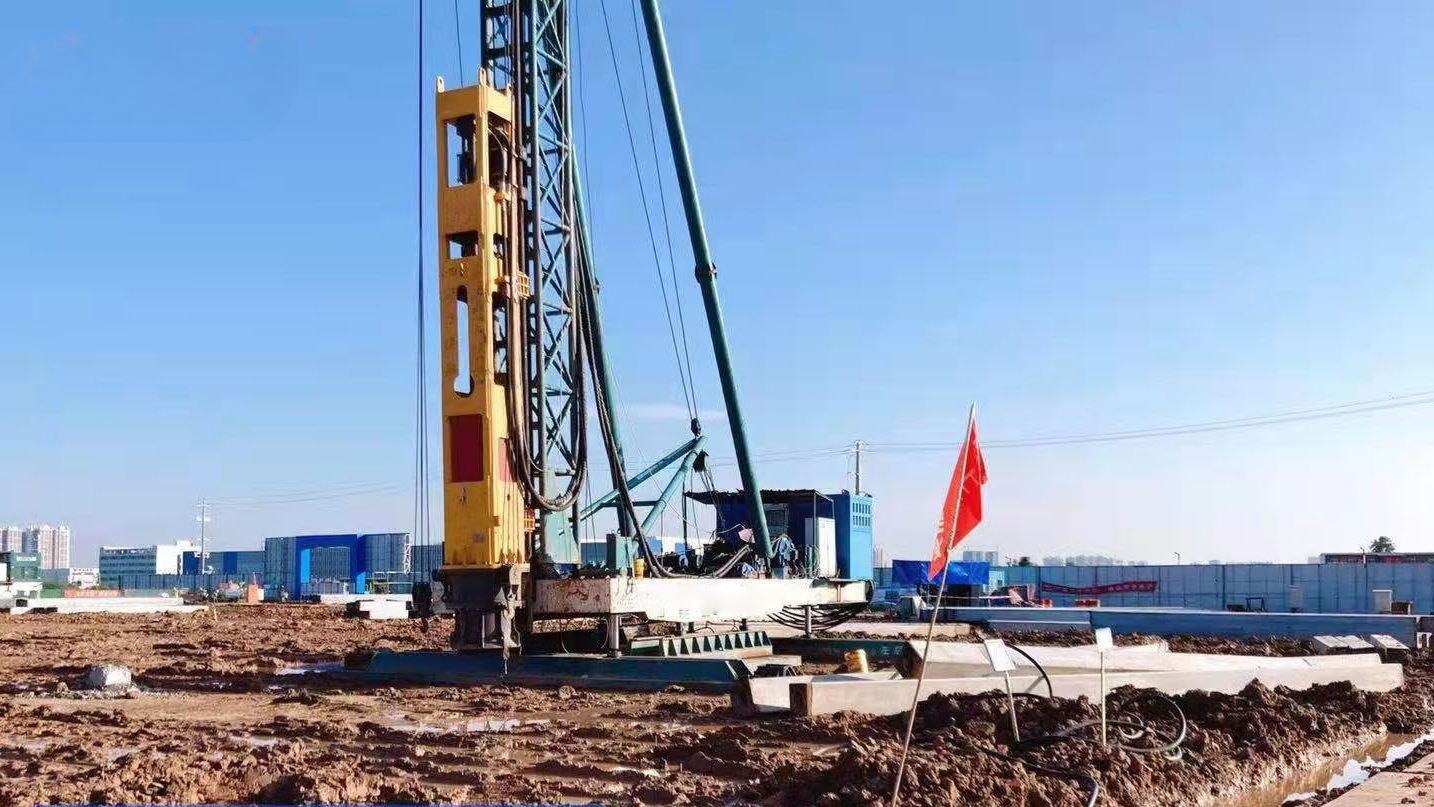
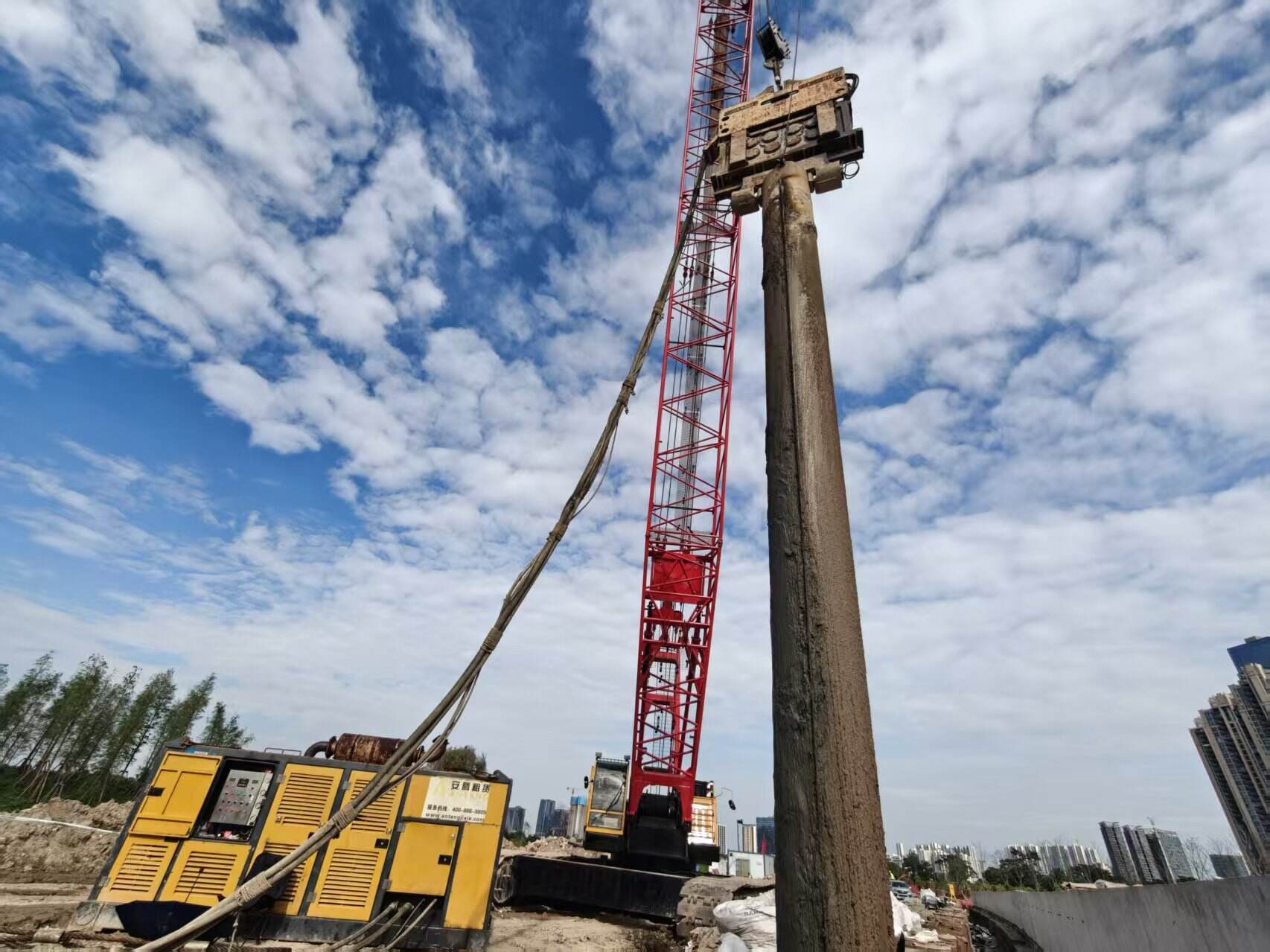
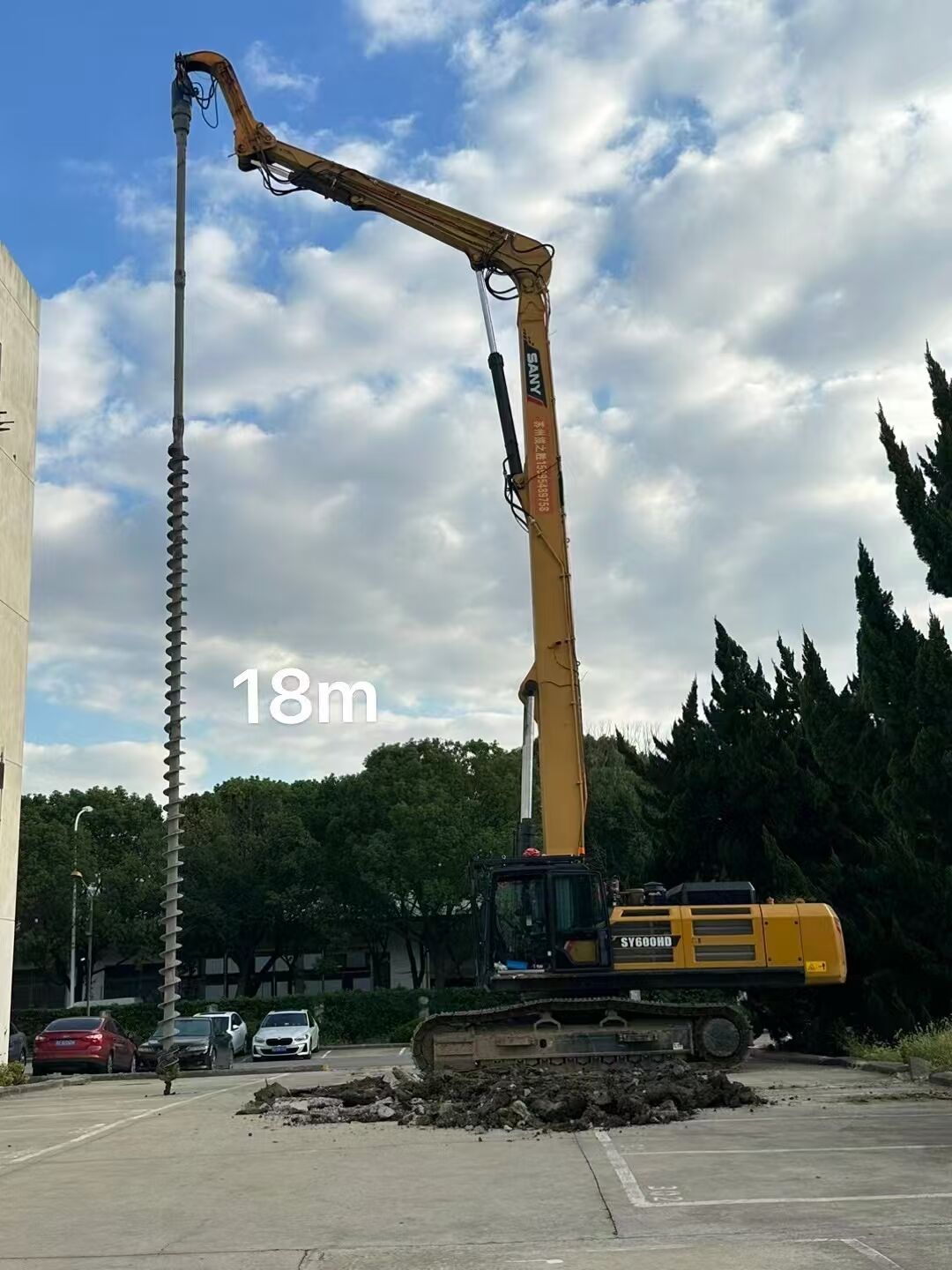
Hydraulic piling represents a revolutionary advancement in foundation construction technology, utilizing pressurized hydraulic fluid to drive piles into the ground with exceptional precision and efficiency. This sophisticated system combines powerful hydraulic cylinders, advanced control mechanisms, and specialized equipment to deliver superior performance in various construction projects. The hydraulic piling method operates through a closed-loop hydraulic system that generates tremendous force, enabling the installation of concrete, steel, or timber piles with remarkable accuracy and minimal environmental impact. The technology incorporates real-time monitoring capabilities that continuously track pile penetration rates, resistance levels, and installation parameters, ensuring optimal results throughout the entire process. Modern hydraulic piling equipment features computerized control systems that allow operators to adjust pressure, speed, and force parameters instantly, providing unprecedented control over the installation process. The main functions of hydraulic piling include deep foundation installation for high-rise buildings, bridge construction, marine structures, and industrial facilities requiring robust foundational support. This method excels in challenging soil conditions, including dense clay, sandy terrain, and areas with underground obstacles. The technological features encompass variable speed drives, automatic depth measurement systems, and integrated data logging capabilities that document every aspect of the installation process. Hydraulic piling applications span residential developments, commercial construction projects, infrastructure development, and specialized engineering challenges where traditional methods prove inadequate. The system's versatility allows for installation of various pile types, including displacement piles, non-displacement piles, and specialty foundation elements. Environmental considerations make hydraulic piling particularly attractive, as the method produces minimal noise pollution, reduces vibration impact on surrounding structures, and eliminates the need for diesel hammers or other disruptive equipment commonly associated with conventional pile driving techniques.

 EN
EN