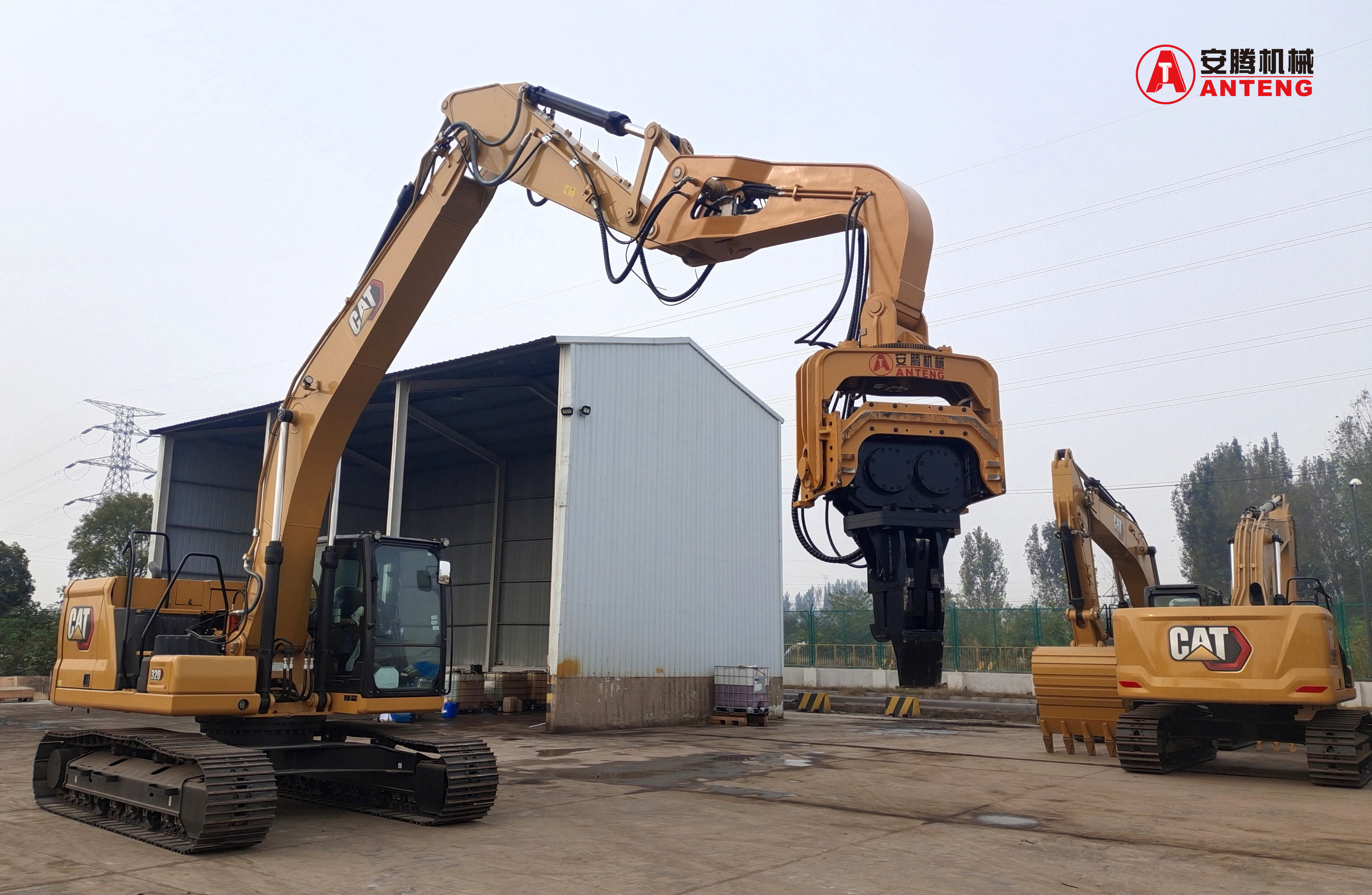
Professional Excavator Piling Equipment - Advanced Foundation Construction Solutions

All Categories

excavator piling equipment

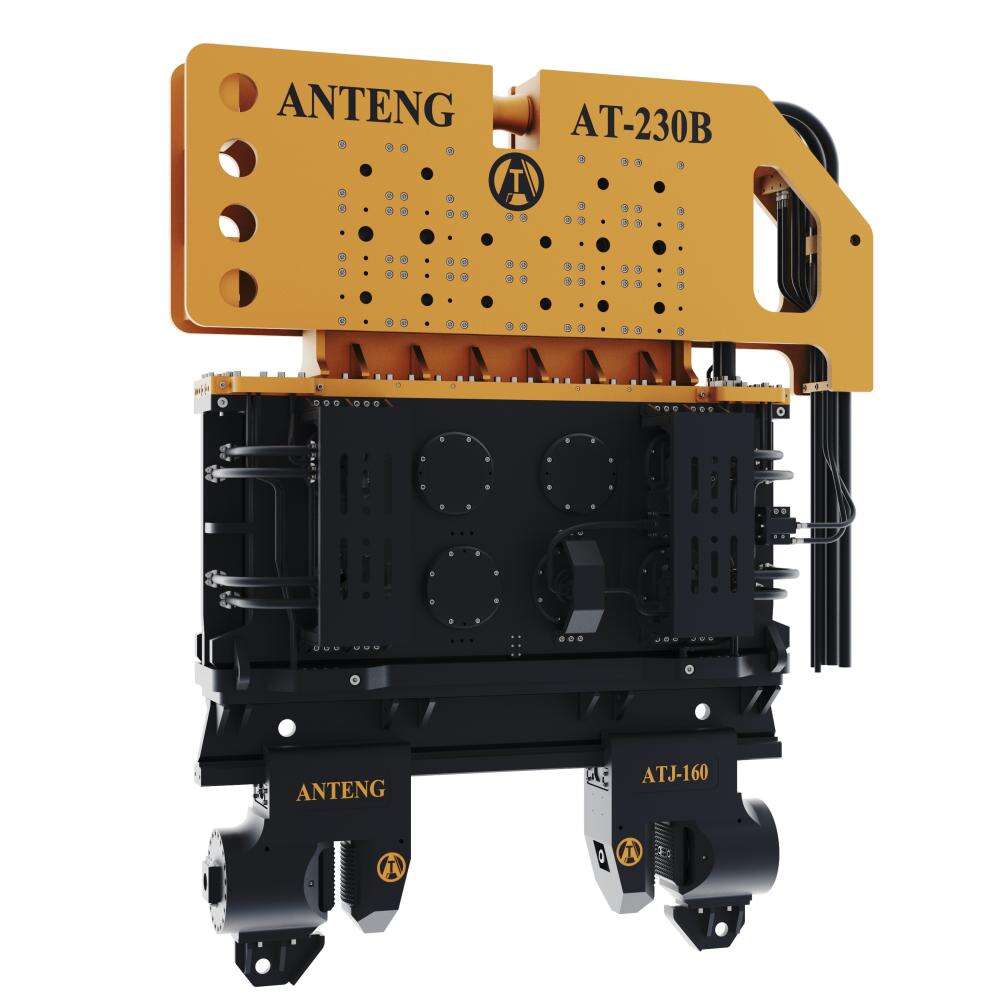
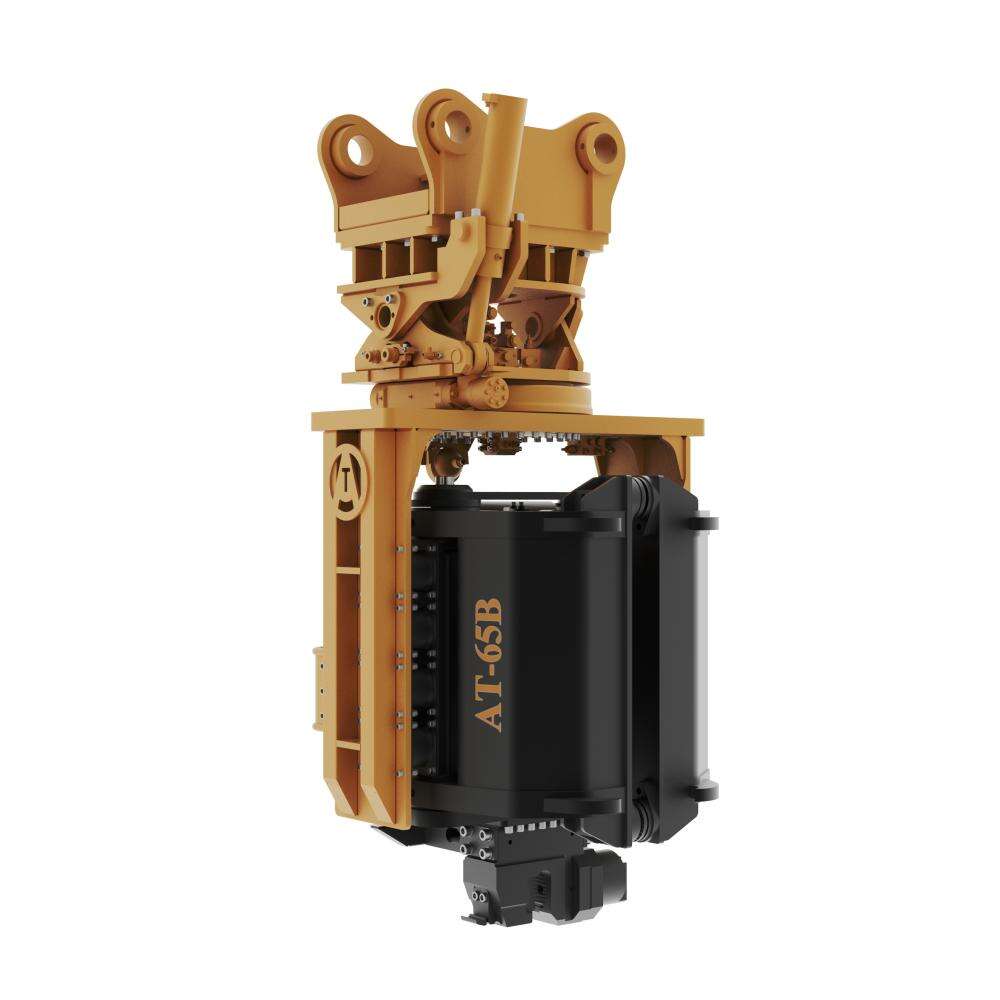
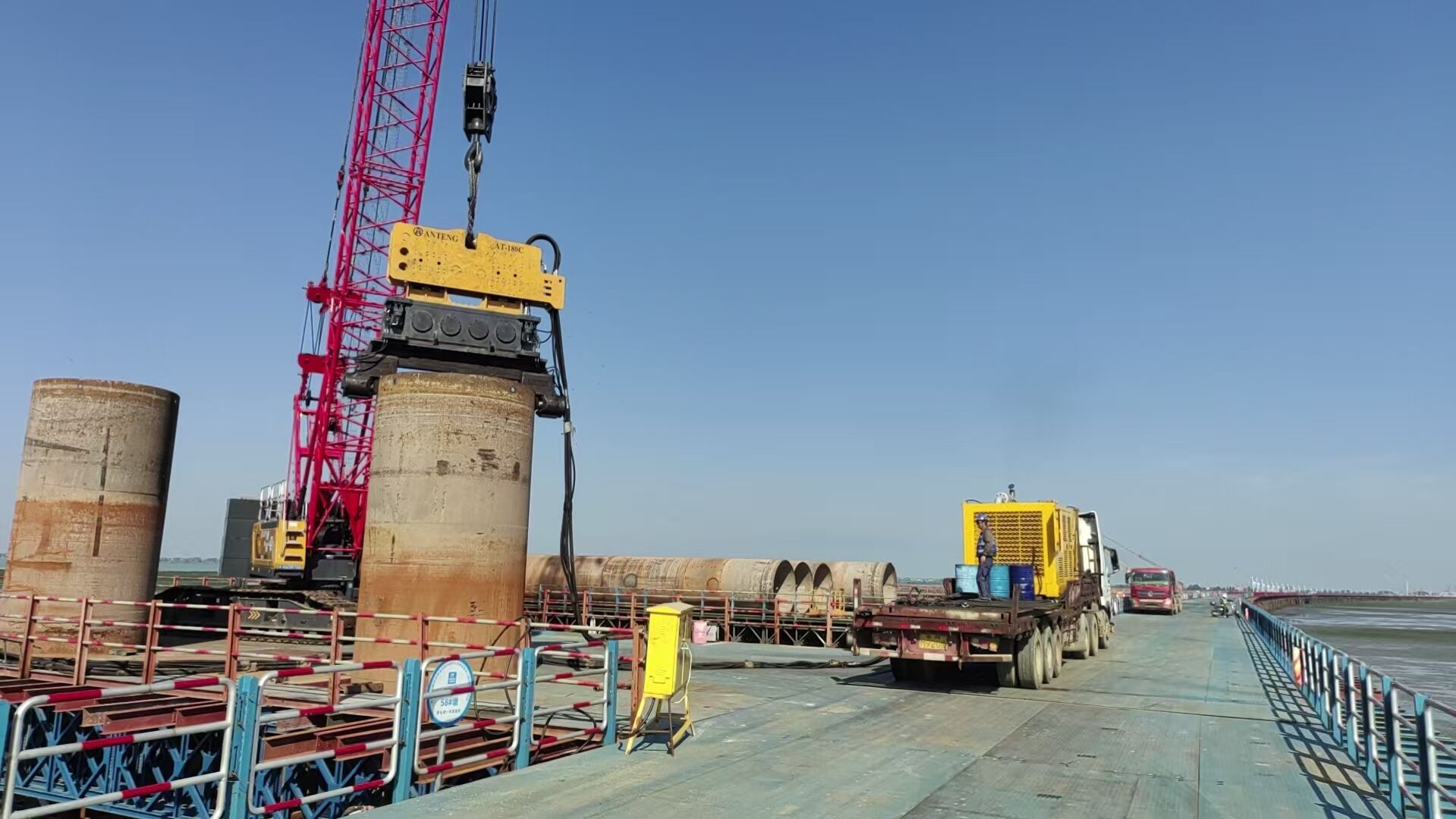
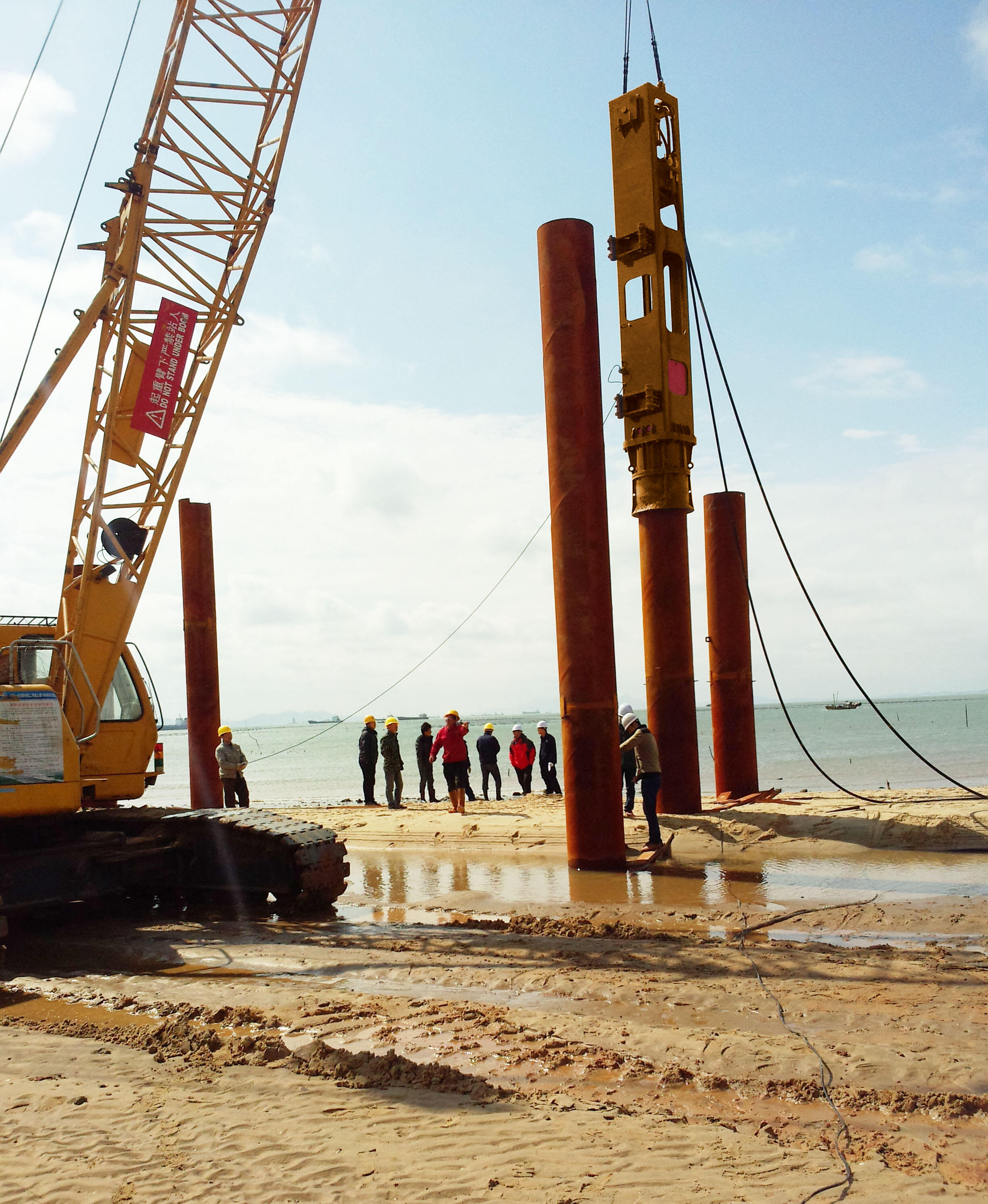
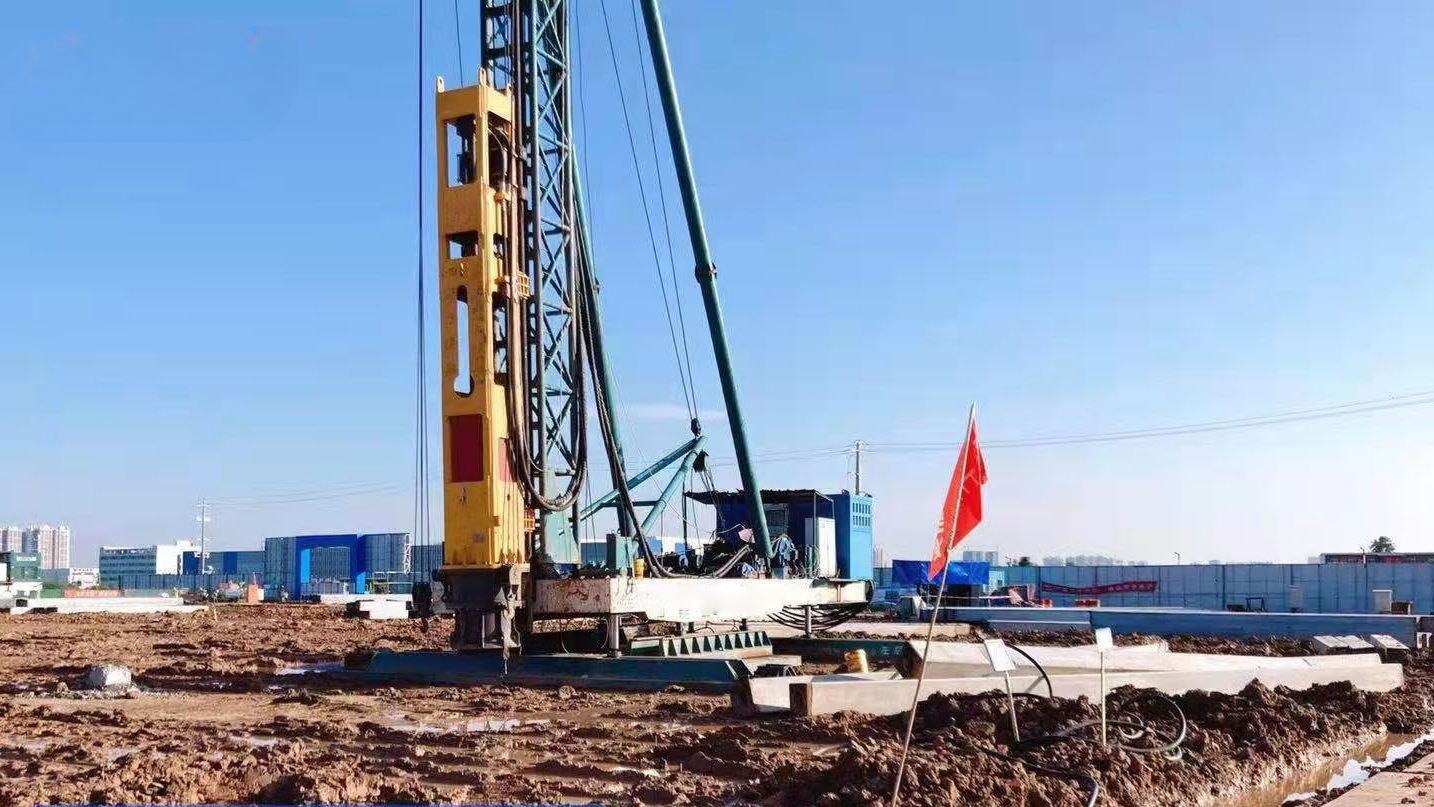
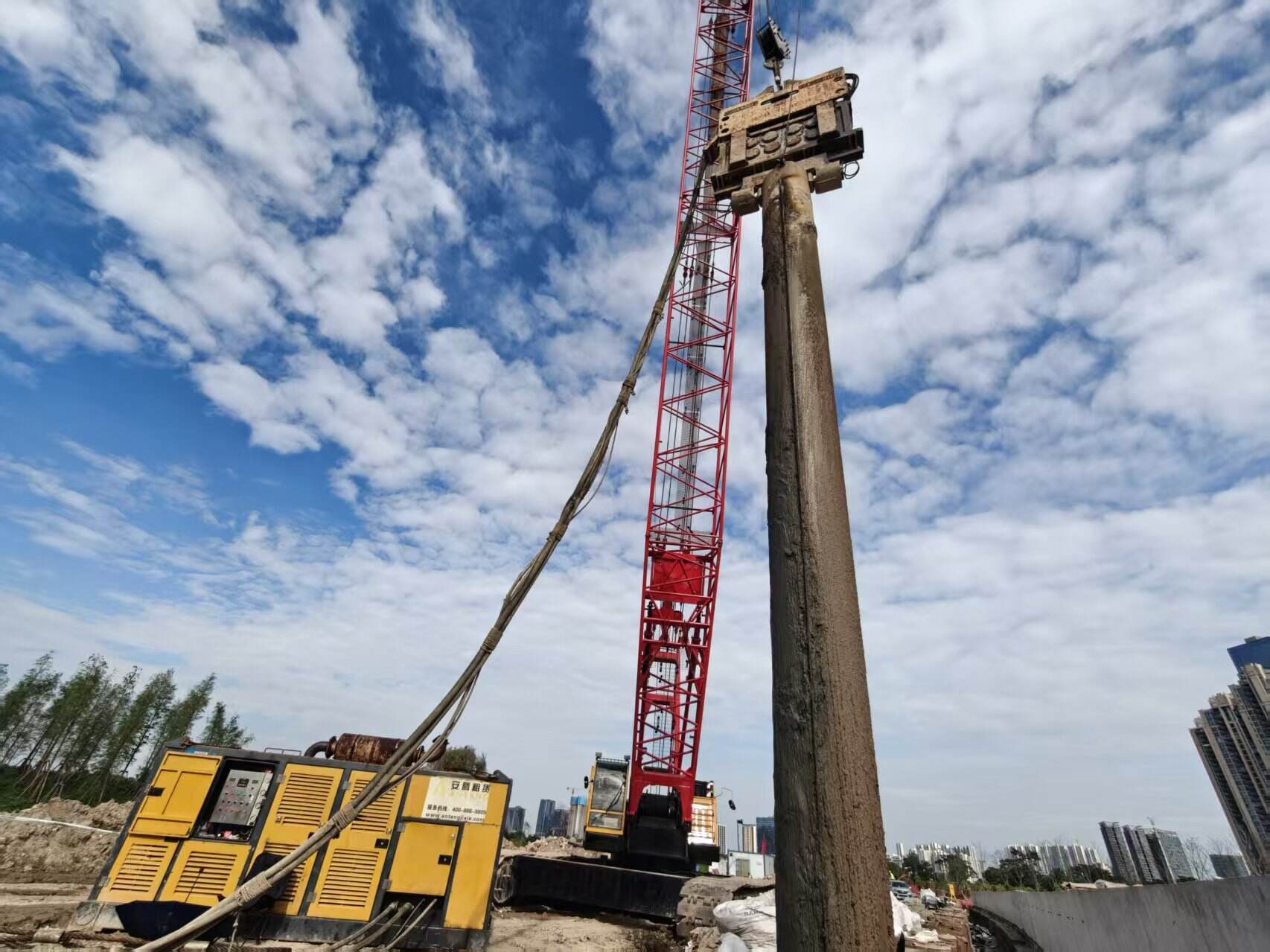
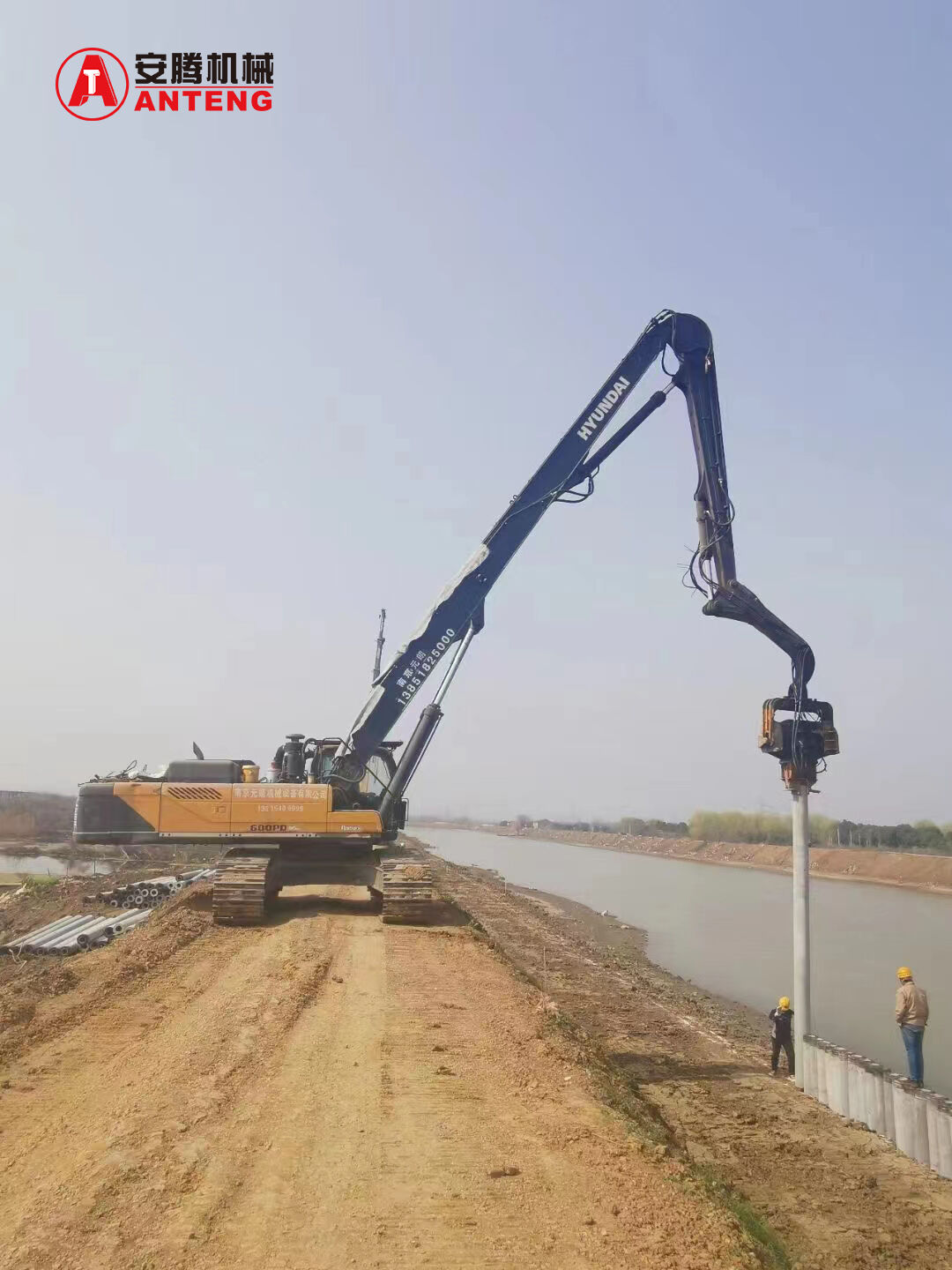
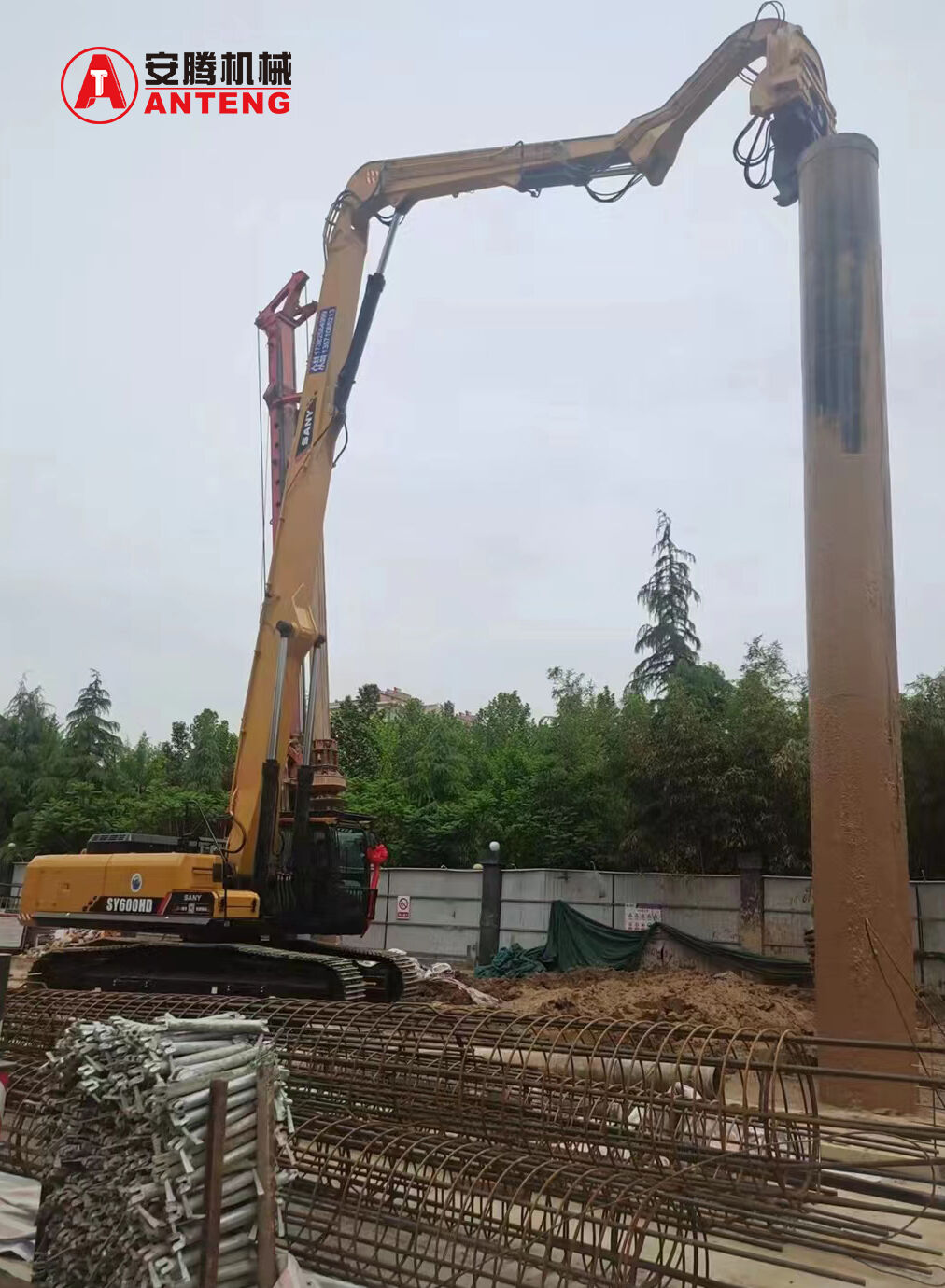
Excavator piling equipment represents a revolutionary advancement in construction technology, combining the versatility of traditional excavators with specialized piling capabilities. This sophisticated machinery transforms standard excavators into powerful foundation construction tools through the integration of specialized piling attachments and systems. The primary function of excavator piling equipment involves creating deep foundations by driving, drilling, or vibrating piles into the ground with precision and efficiency. The equipment utilizes the excavator's existing hydraulic system and power train while incorporating specialized components such as pile driving hammers, drilling augers, vibratory hammers, and hydraulic clamps. Modern excavator piling equipment features advanced technological innovations including GPS positioning systems for accurate pile placement, computerized monitoring systems that track penetration depth and driving resistance, and automated controls that optimize hammer energy delivery. The hydraulic systems are engineered to provide consistent power output while maintaining fuel efficiency and reducing operational costs. These machines excel in various soil conditions, from soft clay to dense rock formations, adapting their operation through different attachment configurations. The equipment's modular design allows quick attachment changes, enabling contractors to switch between different piling methods on the same project site. Advanced vibration dampening systems protect the base excavator from excessive wear while maintaining operational stability. The integration of load monitoring systems ensures pile installation meets specified load-bearing requirements, providing real-time feedback to operators. Applications span across residential foundations, commercial building construction, bridge construction, marine structures, retaining walls, and infrastructure projects. The equipment handles various pile types including steel H-piles, concrete piles, sheet piles, and specialized foundation elements. Environmental considerations are addressed through noise reduction technologies and emission control systems, making excavator piling equipment suitable for urban construction projects where traditional pile driving methods would be problematic.


Popular Products

Excavator piling equipment delivers exceptional cost-effectiveness by eliminating the need for specialized piling rigs, reducing equipment rental expenses and transportation costs significantly. Construction companies can maximize their existing excavator investments by adding piling capabilities without purchasing dedicated machinery. The versatility of these systems allows contractors to handle multiple construction tasks with a single piece of equipment, streamlining project logistics and reducing equipment staging requirements. Time efficiency represents another major advantage, as excavator piling equipment can transition between different construction activities without requiring equipment changes or site reconfiguration. The mobility of tracked excavators enables operation in confined spaces and challenging terrain where traditional piling rigs cannot access effectively. Operators benefit from familiar controls and operating procedures, reducing training requirements and minimizing learning curves associated with new equipment operation. The precision capabilities of modern excavator piling equipment ensure accurate pile placement, reducing material waste and rework costs while improving overall project quality. Fuel efficiency improvements result from optimized hydraulic systems that deliver maximum power when needed while reducing consumption during lighter operations. Maintenance advantages include simplified service procedures using standard excavator service protocols and readily available replacement parts through established dealer networks. The reduced ground pressure of tracked excavators minimizes site damage and eliminates the need for extensive ground preparation required by heavier piling rigs. Safety enhancements include improved operator visibility, stable operating platforms, and advanced monitoring systems that prevent equipment overloading or operational errors. Environmental benefits encompass reduced noise levels compared to traditional pile driving methods, making the equipment suitable for residential areas and noise-sensitive locations. The ability to perform multiple foundation installation methods with the same base unit provides contractors with flexibility to adapt to changing soil conditions or project requirements without equipment changes. Quality control improvements result from integrated monitoring systems that provide real-time feedback on pile installation parameters, ensuring consistent results and compliance with engineering specifications. Project scheduling benefits include reduced equipment mobilization time and the ability to maintain continuous construction progress without waiting for specialized equipment availability.

Tips And Tricks

When Does a Vibro Hammer Offer Better Efficiency Than Impact Methods?

19

Mar

When Does a Vibro Hammer Offer Better Efficiency Than Impact Methods?

Choosing between a vibro hammer and impact-driven pile installation methods represents one of the most critical decisions in foundation construction projects. The timing of when to deploy vibro hammer technology versus traditional impact methods depe...
View More
How Is an Impact Hammer Integrated into Piling Operations?

19

Mar

How Is an Impact Hammer Integrated into Piling Operations?

The integration of an impact hammer into piling operations represents a critical engineering process that requires precise coordination between equipment, structural requirements, and site conditions. Understanding how an impact hammer functions with...
View More
What Safety Considerations Matter When Operating an Impact Hammer?

19

Mar

What Safety Considerations Matter When Operating an Impact Hammer?

Operating an impact hammer in construction and foundation work involves significant safety risks that demand careful attention from site supervisors, equipment operators, and safety personnel. These powerful hydraulic tools generate tremendous force ...
View More
Why Is a Hydraulic Hammer Preferred in Modern Piling Projects?

19

Mar

Why Is a Hydraulic Hammer Preferred in Modern Piling Projects?

Modern piling projects demand precision, efficiency, and adaptability to overcome increasingly complex foundation challenges. Among the various pile driving technologies available today, the hydraulic hammer has emerged as the preferred choice for co...
View More

Get a Free Quote

Our representative will contact you soon.
Email
Name
Company Name
Mobile
Message
0/1000

excavator piling equipment

Advanced Hydraulic Integration Technology

Advanced Hydraulic Integration Technology

The sophisticated hydraulic integration technology of excavator piling equipment represents a breakthrough in construction machinery design, seamlessly merging piling attachments with existing excavator hydraulic systems. This advanced integration utilizes precision-engineered hydraulic circuits that optimize power distribution between the excavator's primary functions and specialized piling operations. The system incorporates intelligent flow control valves that automatically adjust hydraulic pressure and flow rates based on soil conditions and pile resistance, ensuring optimal performance across varying ground conditions. Advanced pressure sensors continuously monitor system performance, preventing hydraulic overload while maximizing driving efficiency. The integration technology includes sophisticated accumulator systems that store hydraulic energy during low-demand periods and release it during high-impact operations, providing consistent power delivery for effective pile installation. Temperature management systems maintain optimal hydraulic fluid temperatures during extended operations, preventing system degradation and ensuring reliable performance throughout long working days. The modular hydraulic interface design allows quick attachment and detachment of piling equipment without requiring permanent modifications to the base excavator. Quick-connect couplings with automatic locking mechanisms ensure secure connections while minimizing setup time between different attachments. Pressure relief systems protect both the excavator and piling attachment from damage due to unexpected ground conditions or operational overload. The integration includes programmable control systems that allow operators to preset optimal hydraulic parameters for different pile types and soil conditions, improving consistency and reducing operator fatigue. Diagnostic capabilities provide real-time monitoring of hydraulic system health, enabling predictive maintenance and reducing unexpected downtime. The advanced filtration systems maintain hydraulic fluid cleanliness, extending component life and reducing maintenance costs. Smart control algorithms automatically adjust hammer frequency and amplitude based on pile penetration rates, optimizing installation efficiency while minimizing equipment wear. This technology ensures that excavator piling equipment delivers professional-grade performance while maintaining the reliability and serviceability that construction professionals demand from their equipment investments.
Multi-Method Pile Installation Capability

Multi-Method Pile Installation Capability

Excavator piling equipment excels through its remarkable multi-method pile installation capability, offering construction professionals the flexibility to handle diverse foundation requirements with a single versatile system. This comprehensive capability encompasses impact driving methods using hydraulic hammers that deliver precisely controlled energy for driving steel H-piles, concrete piles, and sheet piles through various soil conditions. The vibratory installation method utilizes high-frequency vibration to reduce soil friction, enabling efficient installation of piles in cohesive soils while minimizing noise levels and ground disturbance. Drilling capabilities allow the equipment to create pilot holes or install drilled piles using auger attachments, providing solutions for locations where driving methods are impractical due to noise restrictions or sensitive adjacent structures. The system accommodates both precast and cast-in-place pile installation methods, adapting to project specifications and local construction practices. Sheet pile installation capabilities enable the construction of retaining walls, cofferdams, and temporary excavation support systems using interlocking steel sheets driven to precise depths and alignments. The equipment handles various pile materials including steel, concrete, timber, and composite materials, providing contractors with complete flexibility in material selection based on engineering requirements and cost considerations. Advanced positioning systems ensure accurate pile placement according to engineering drawings, maintaining proper spacing and alignment critical for structural integrity. The multi-method approach allows contractors to optimize installation techniques based on soil conditions encountered during construction, switching between methods as ground conditions change without requiring equipment changes. Depth control systems provide precise monitoring of pile penetration, ensuring compliance with design specifications and load-bearing requirements. The versatility extends to pile extraction capabilities, enabling removal of temporary piles or correction of improperly installed permanent piles without additional equipment mobilization. Quality control features include load testing capabilities and real-time monitoring of installation parameters such as blow count, penetration rate, and driving resistance. This comprehensive capability reduces project complexity by consolidating multiple specialized operations into a single equipment solution, streamlining project scheduling and reducing coordination challenges between different trades and equipment operators.
Enhanced Precision and Control Systems

Enhanced Precision and Control Systems

The enhanced precision and control systems of excavator piling equipment revolutionize foundation construction through state-of-the-art technology that ensures accurate pile placement and optimal installation parameters. GPS positioning systems provide centimeter-level accuracy for pile location, eliminating manual surveying requirements and reducing positioning errors that can compromise structural integrity. Digital display systems present real-time information including pile depth, hammer energy, blow count, and penetration resistance, enabling operators to make informed decisions during installation. Automated control systems maintain consistent hammer performance by adjusting energy output based on soil resistance feedback, optimizing installation efficiency while preventing equipment overload. The precision systems include laser guidance technology that provides visual alignment assistance, ensuring vertical accuracy and proper pile orientation throughout the installation process. Advanced data logging capabilities record comprehensive installation parameters for each pile, creating detailed records for quality assurance and engineering verification. Remote monitoring capabilities allow project managers and engineers to observe installation progress and parameters from off-site locations, improving project oversight and quality control. The control systems incorporate safety interlocks that prevent operation outside safe parameters, protecting both equipment and personnel from potential hazards associated with improper operation. Programmable operation modes allow storage of optimal settings for different pile types and soil conditions, ensuring consistent performance across multiple installations. Real-time feedback systems alert operators to changing conditions or potential problems, enabling immediate corrective actions to maintain installation quality. The precision systems include automatic depth control that stops pile driving at predetermined elevations, preventing over-driving and ensuring consistent pile bearing capacity. Vibration monitoring systems track equipment performance and ground response, providing early warning of potential issues that could affect installation quality or adjacent structures. Integration with project management software enables seamless data transfer and reporting, streamlining documentation requirements and improving project communication. The enhanced control systems reduce operator skill requirements while improving installation consistency, making advanced piling techniques accessible to a broader range of construction professionals. These sophisticated systems represent a significant advancement in construction technology, delivering the precision and reliability required for modern foundation construction projects.

Get a Free Quote

Our representative will contact you soon.
Email
Name
Company Name
Mobile
Message
0/1000