Exceptional Versatility Across Multiple Construction Applications
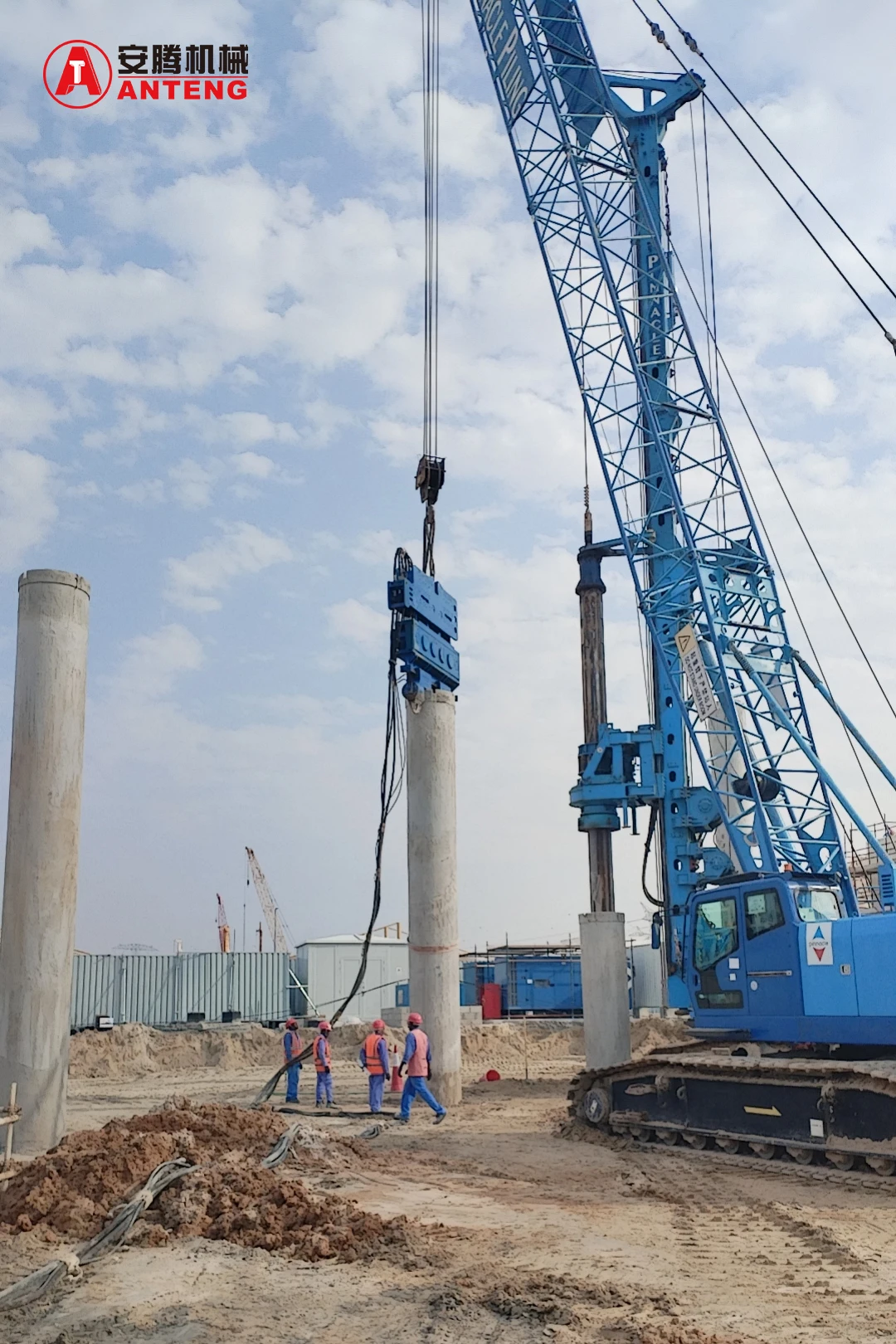
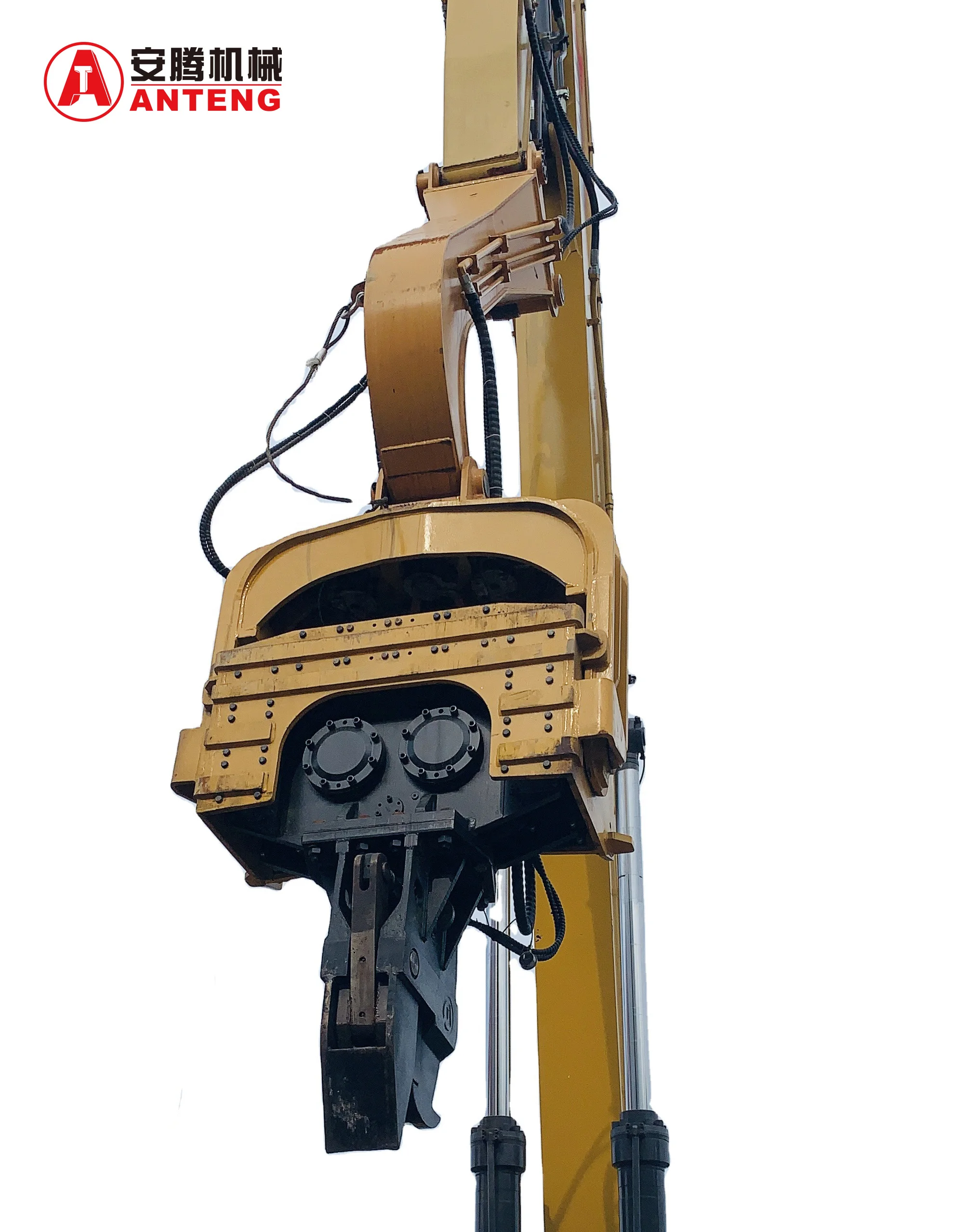
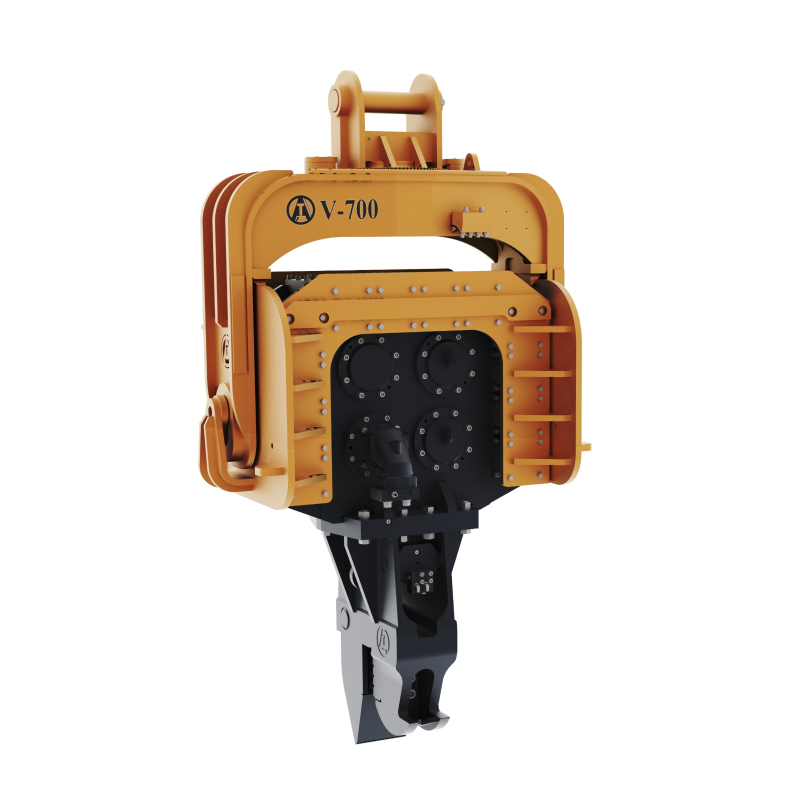
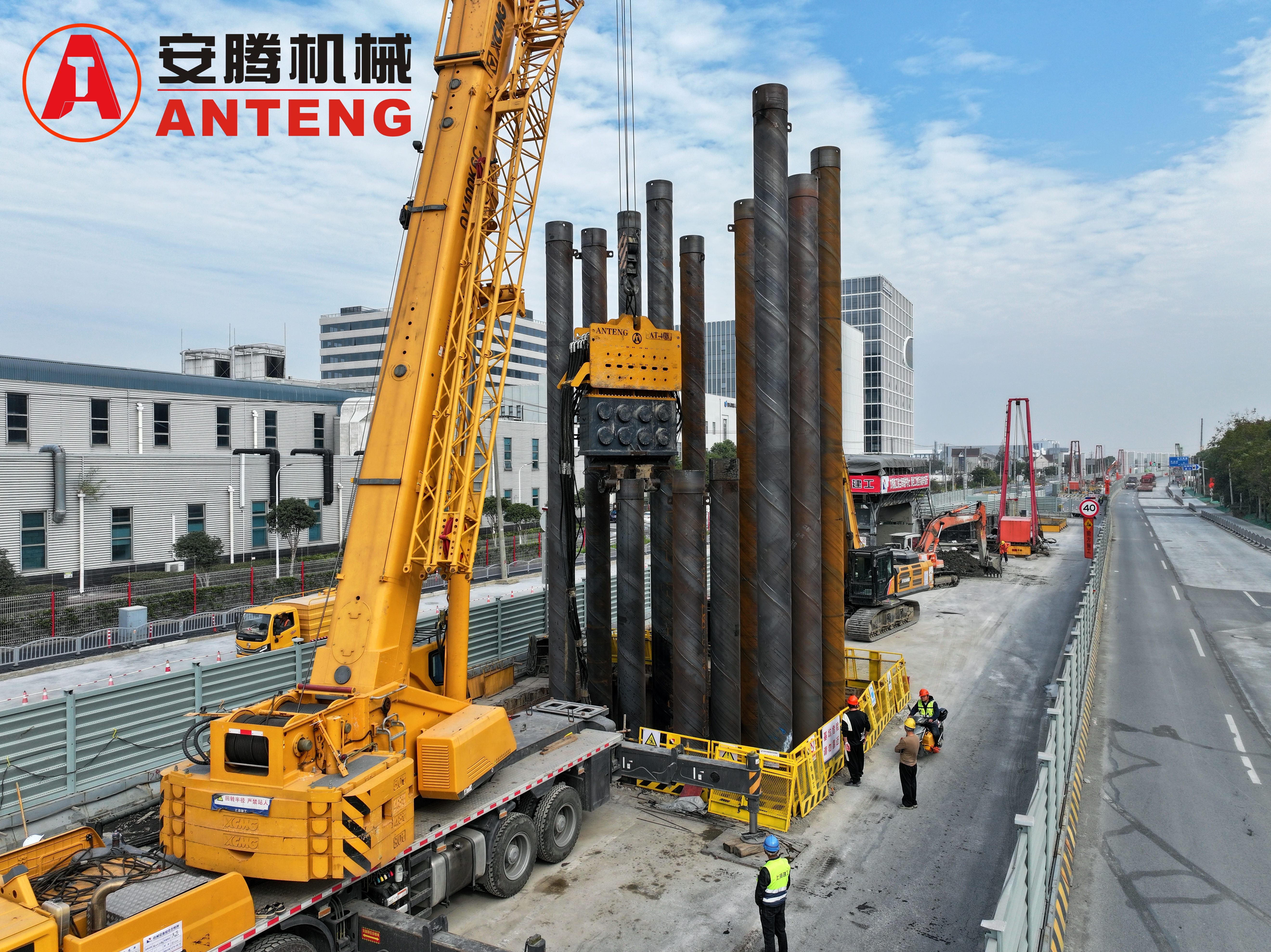
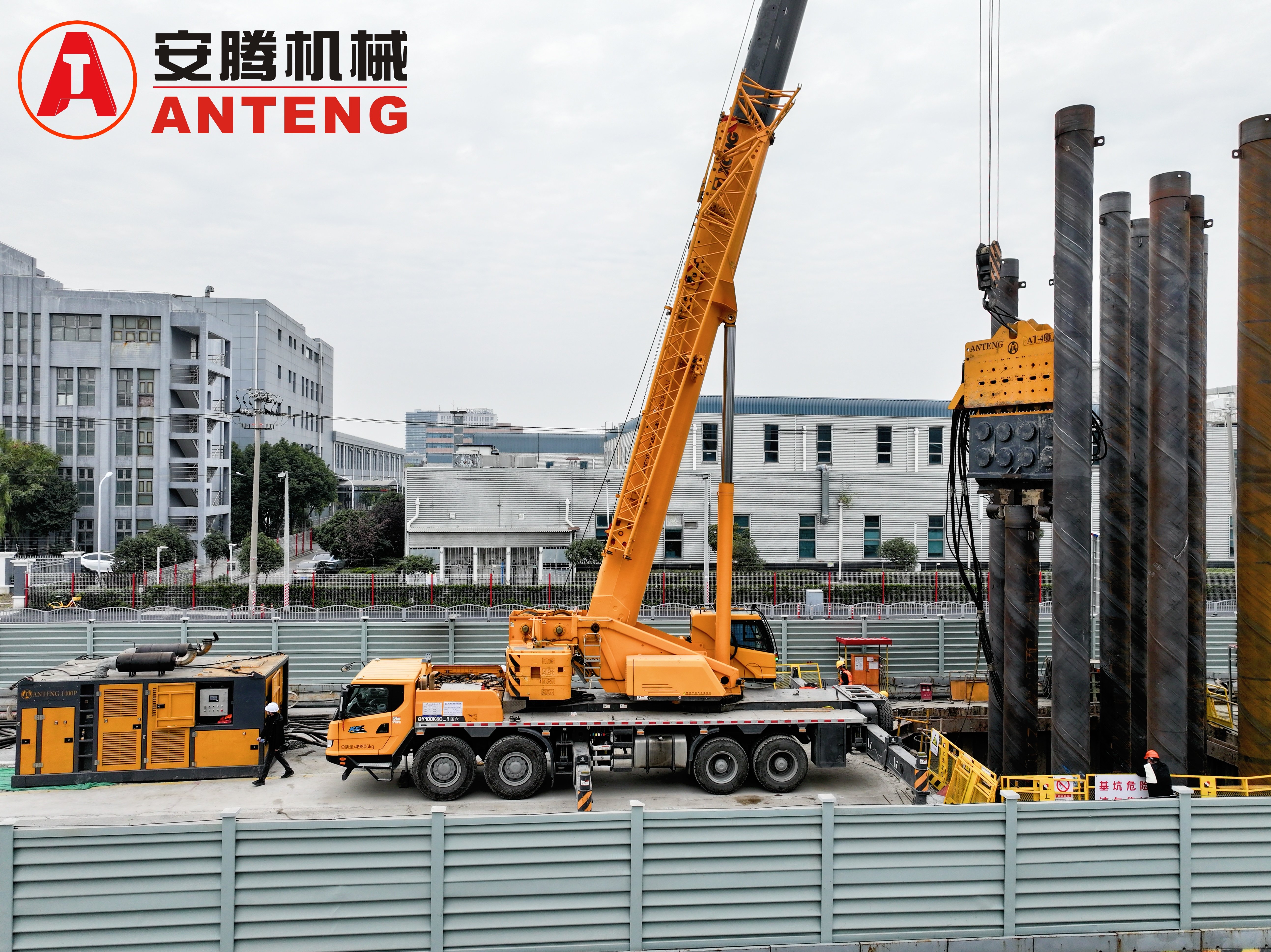
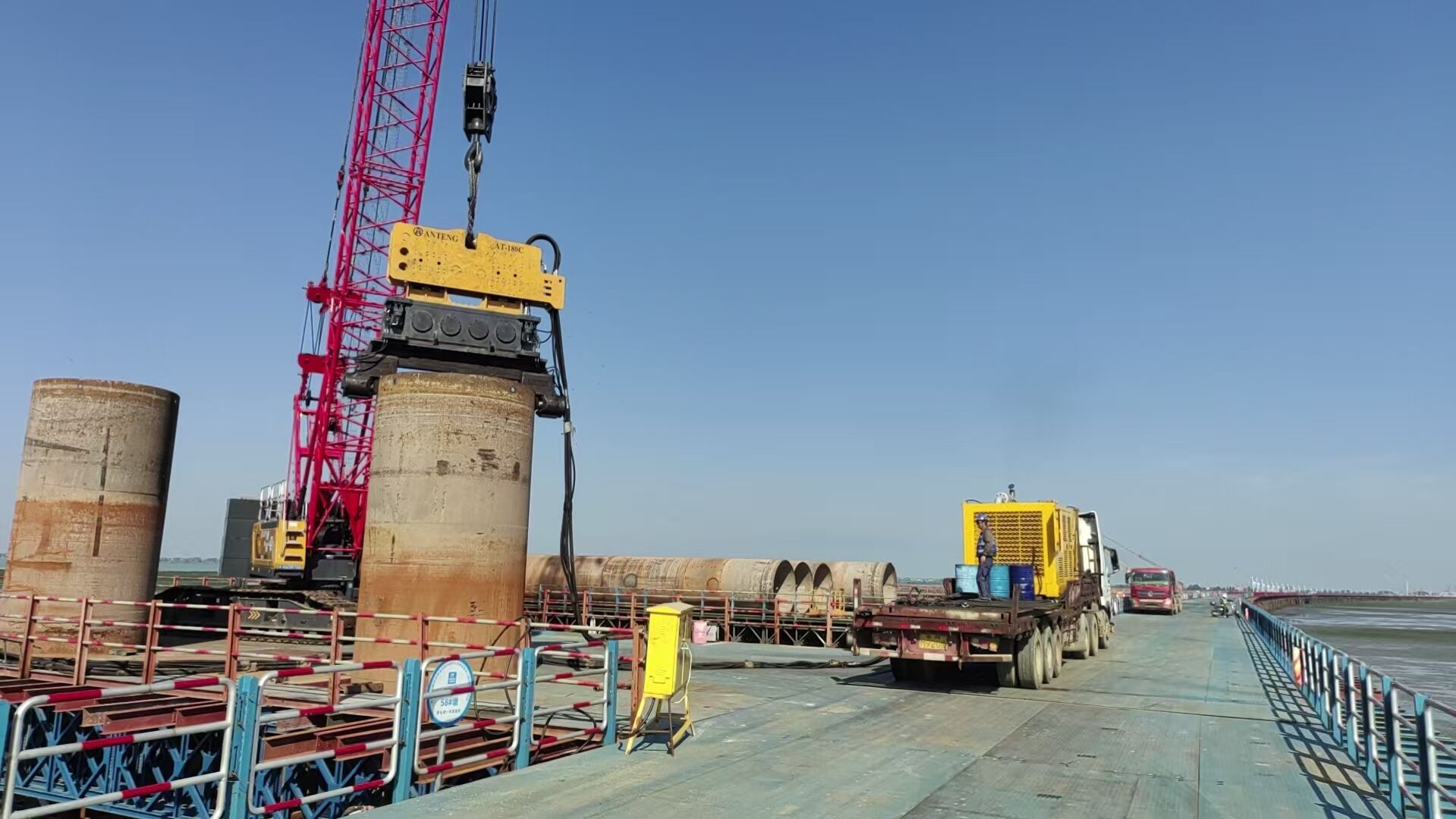
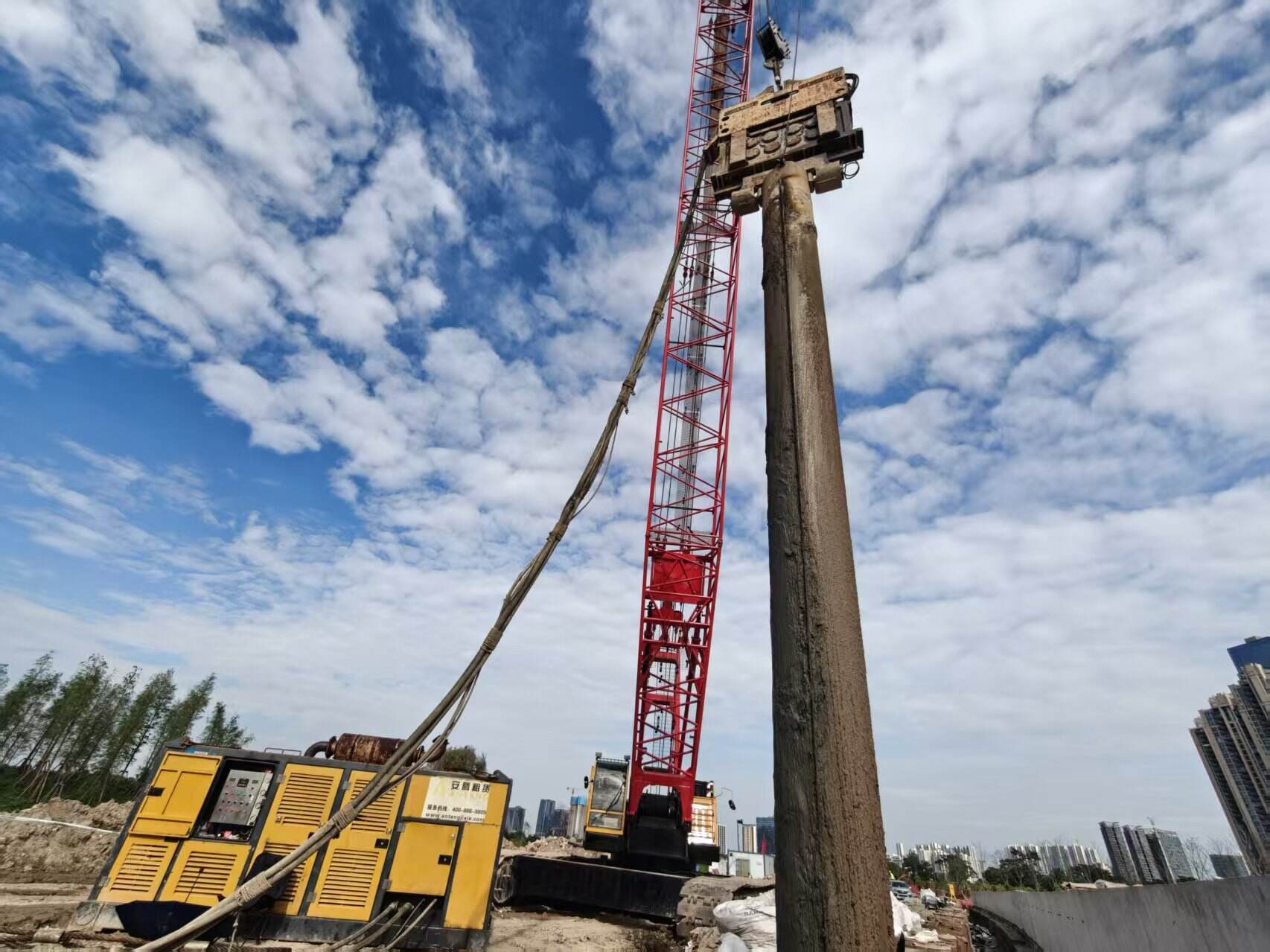
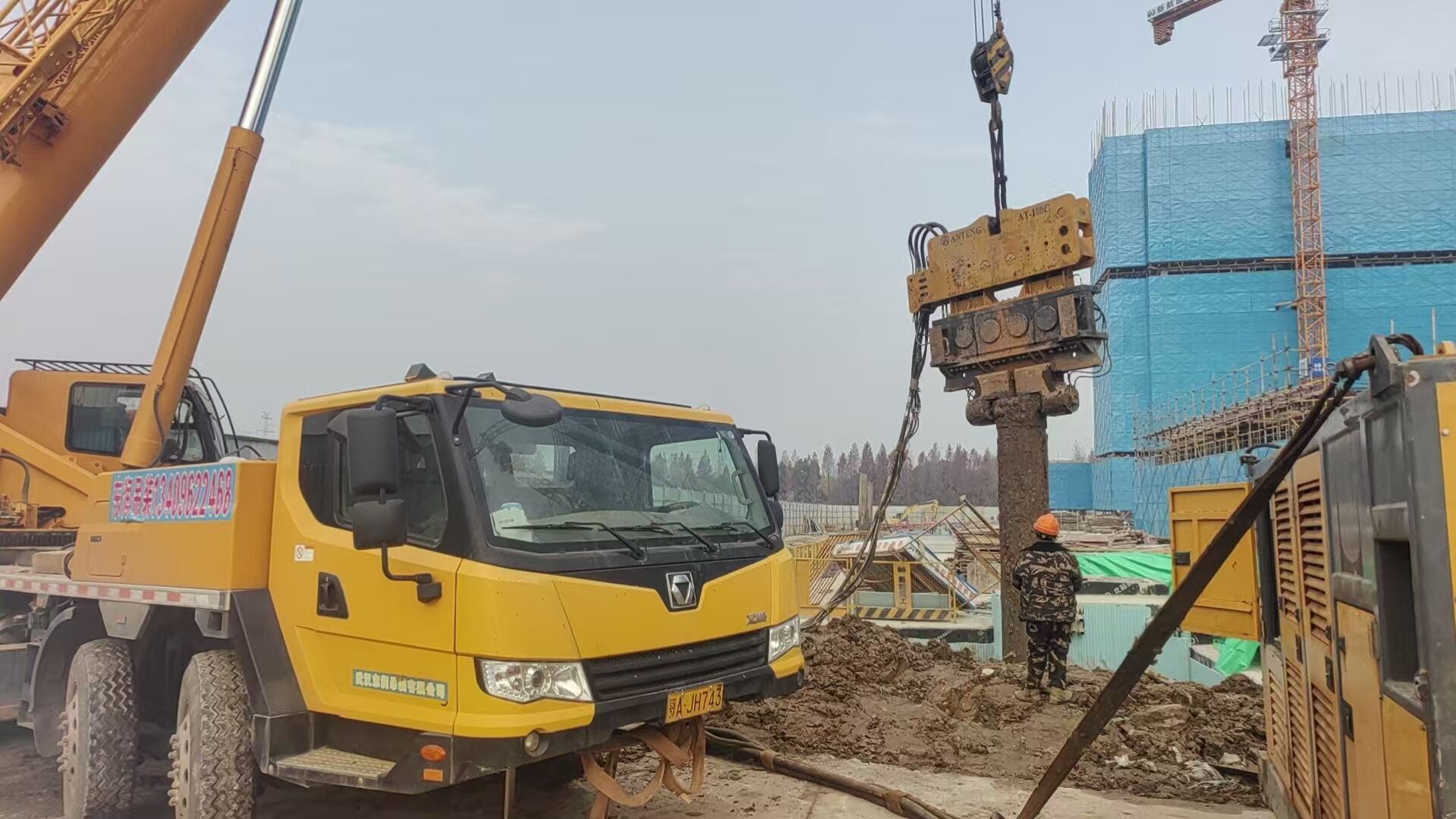
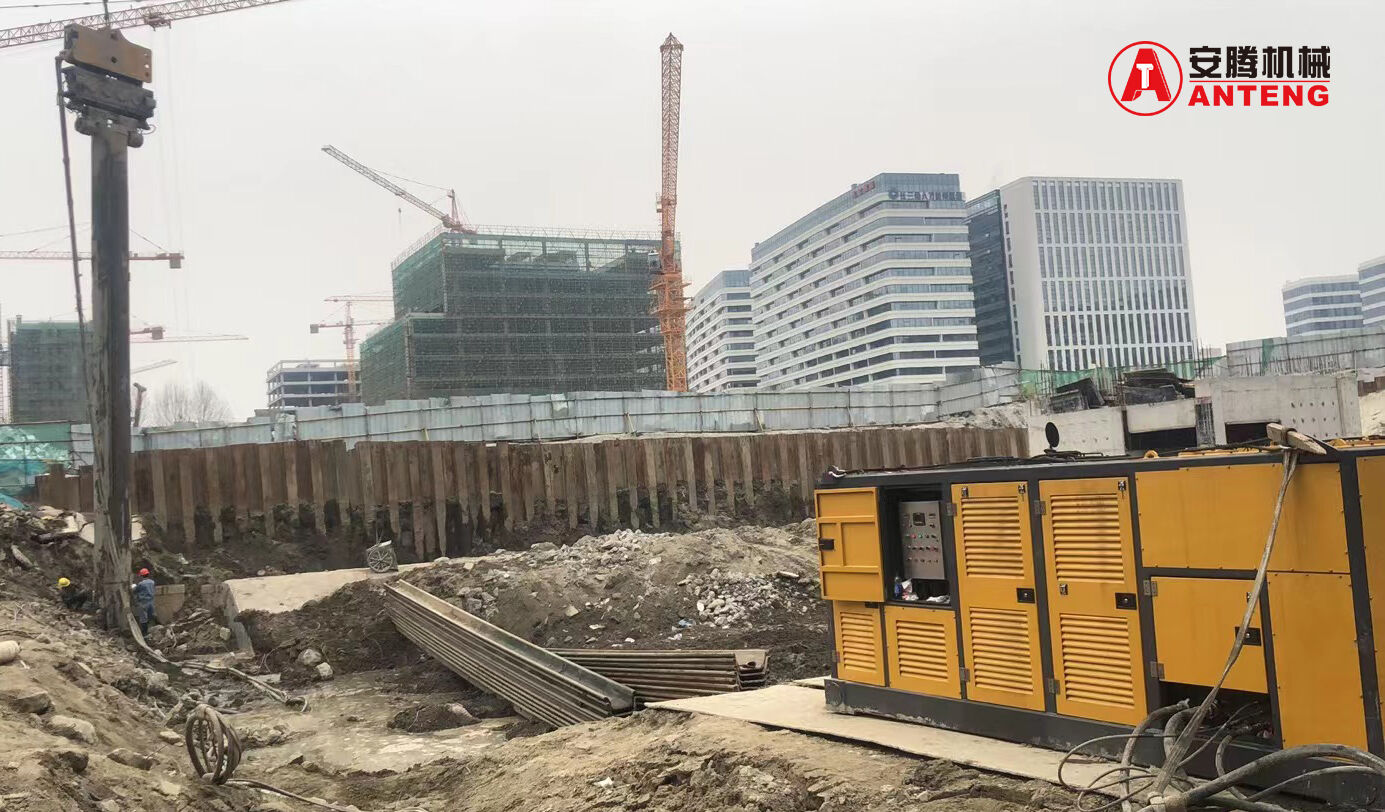
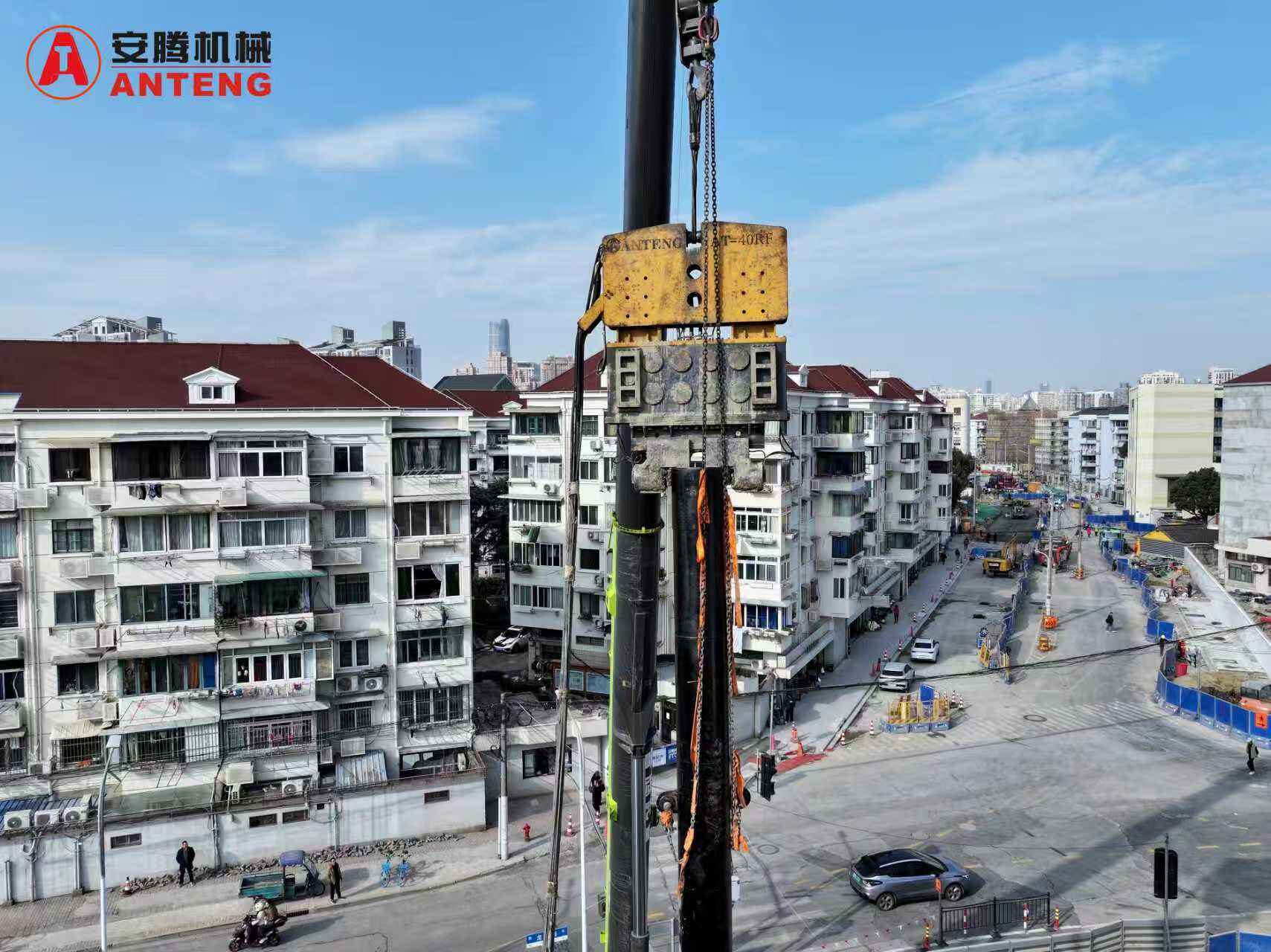
The vibro hammer sheet pile demonstrates remarkable adaptability across diverse construction applications, making it an indispensable tool for contractors working on waterfront development, infrastructure projects, environmental remediation, and urban construction initiatives. Marine construction projects benefit tremendously from this technology's ability to create robust seawalls, bulkheads, and dock structures that withstand harsh saltwater environments and dynamic wave loads while providing long-term structural stability and corrosion resistance. The system excels in temporary excavation support applications, where rapid installation and removal capabilities allow contractors to complete deep excavations safely and efficiently without permanent modifications to the site. Environmental containment projects utilize vibro hammer sheet pile installations to create impermeable barriers for contaminated soil isolation, groundwater control systems, and pollution prevention measures that protect surrounding ecosystems and comply with strict environmental regulations. Infrastructure development applications include highway sound barriers, bridge abutment support, tunnel approach walls, and utility corridor protection systems that require precise installation and reliable long-term performance. The technology's versatility extends to specialized industrial applications such as tank farm containment, chemical storage facility barriers, and process water treatment systems where environmental protection and structural integrity are paramount concerns. Commercial development projects leverage vibro hammer sheet pile systems for basement excavation support, underground parking structure walls, and foundation underpinning applications that require minimal disruption to ongoing business operations. The equipment's ability to work in restricted access areas makes it ideal for renovation projects in dense urban environments where traditional construction methods would be impractical or prohibitively expensive. Agricultural and flood control applications benefit from the technology's ability to create water retention structures, irrigation channel linings, and emergency flood barriers that provide reliable protection against water damage while minimizing environmental impact and installation costs.

 EN
EN