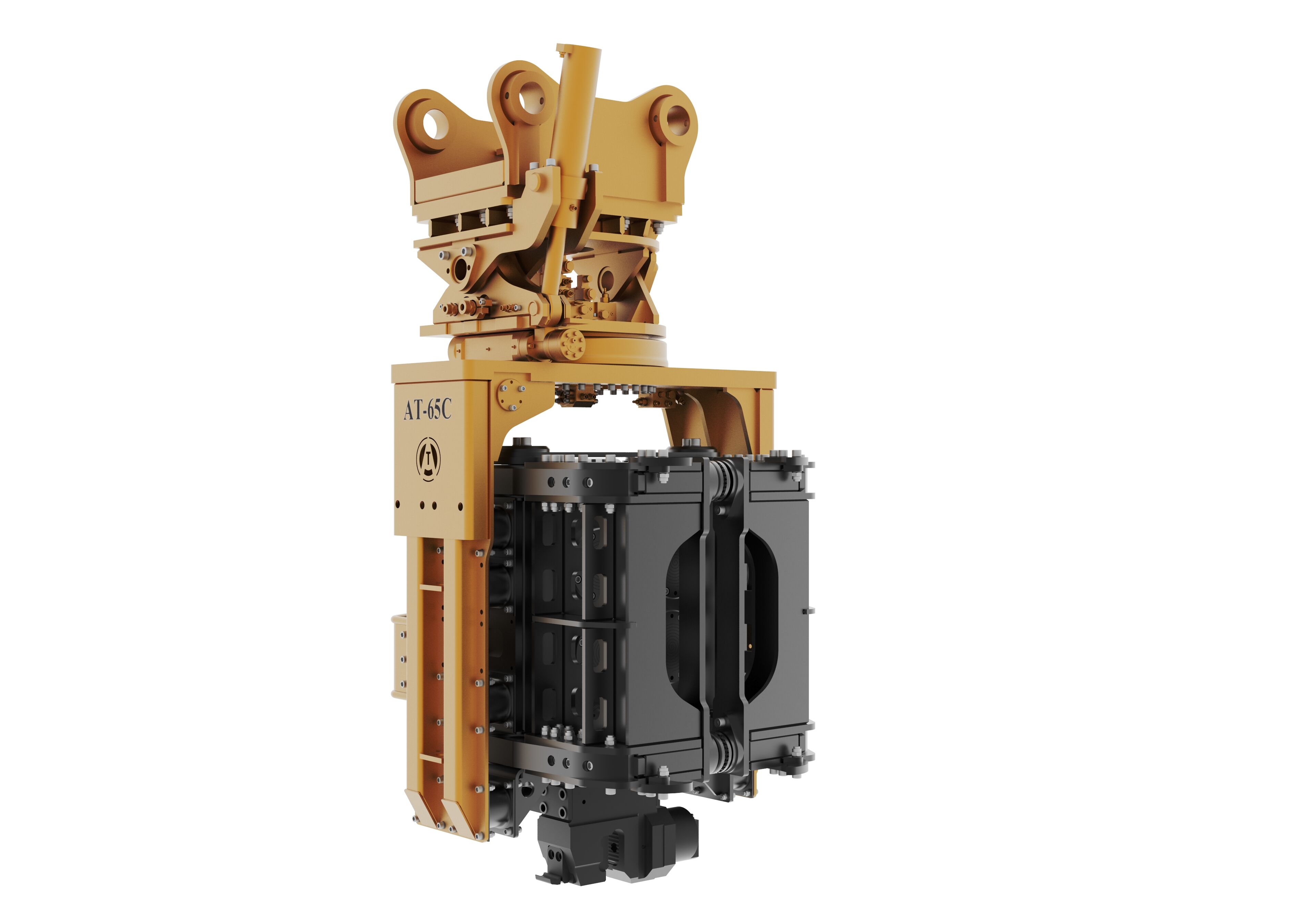
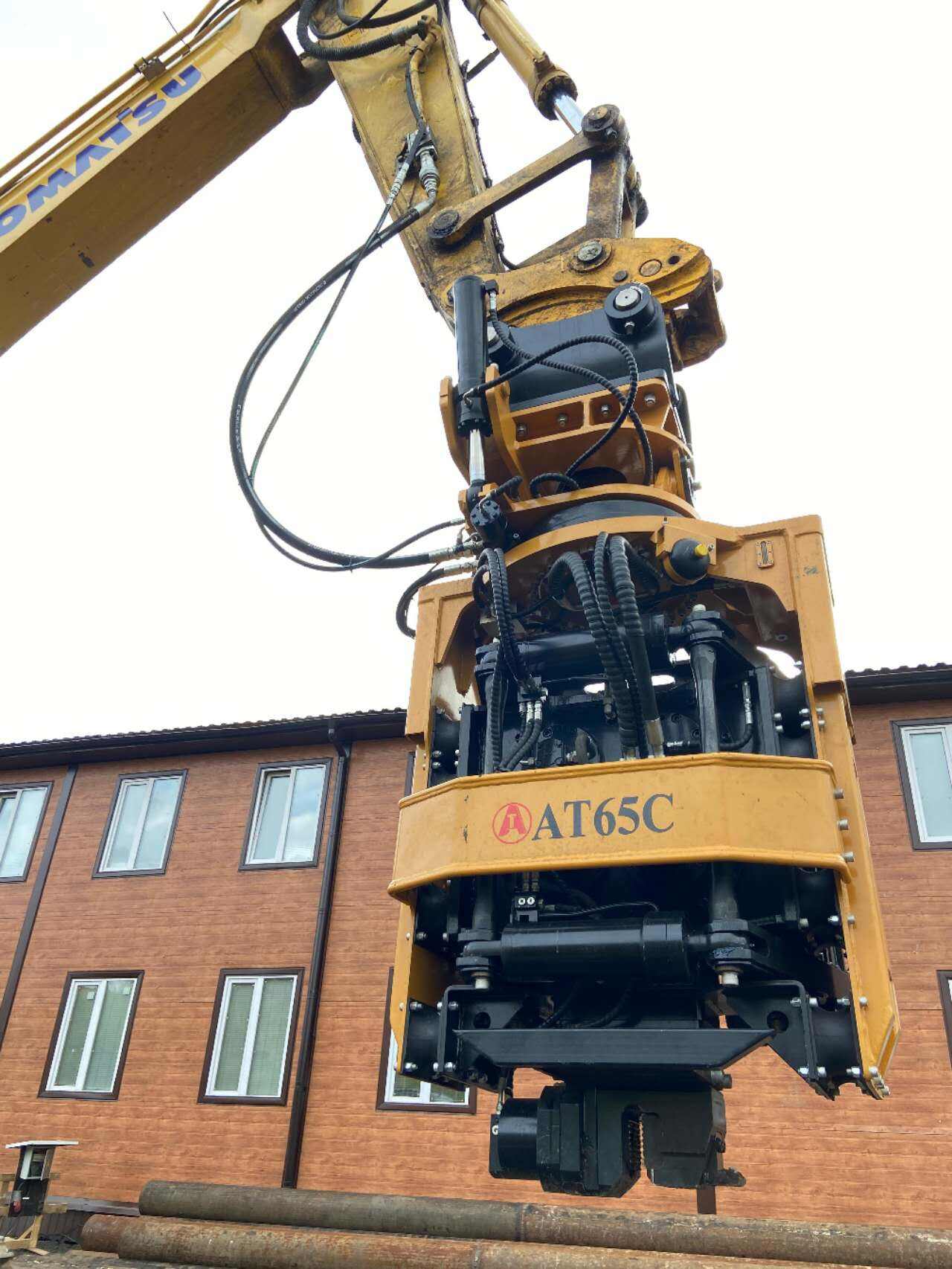
side clamp
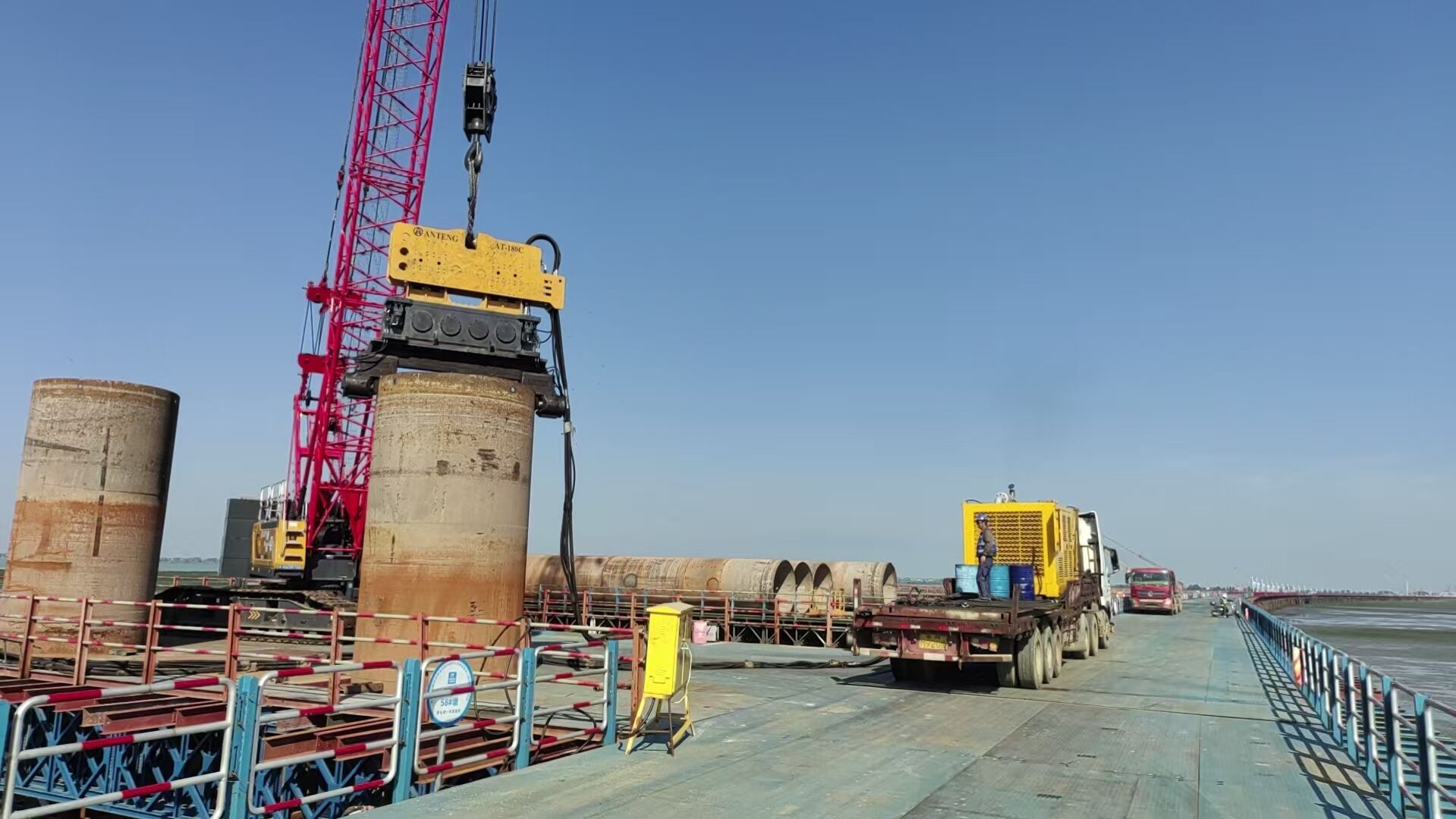
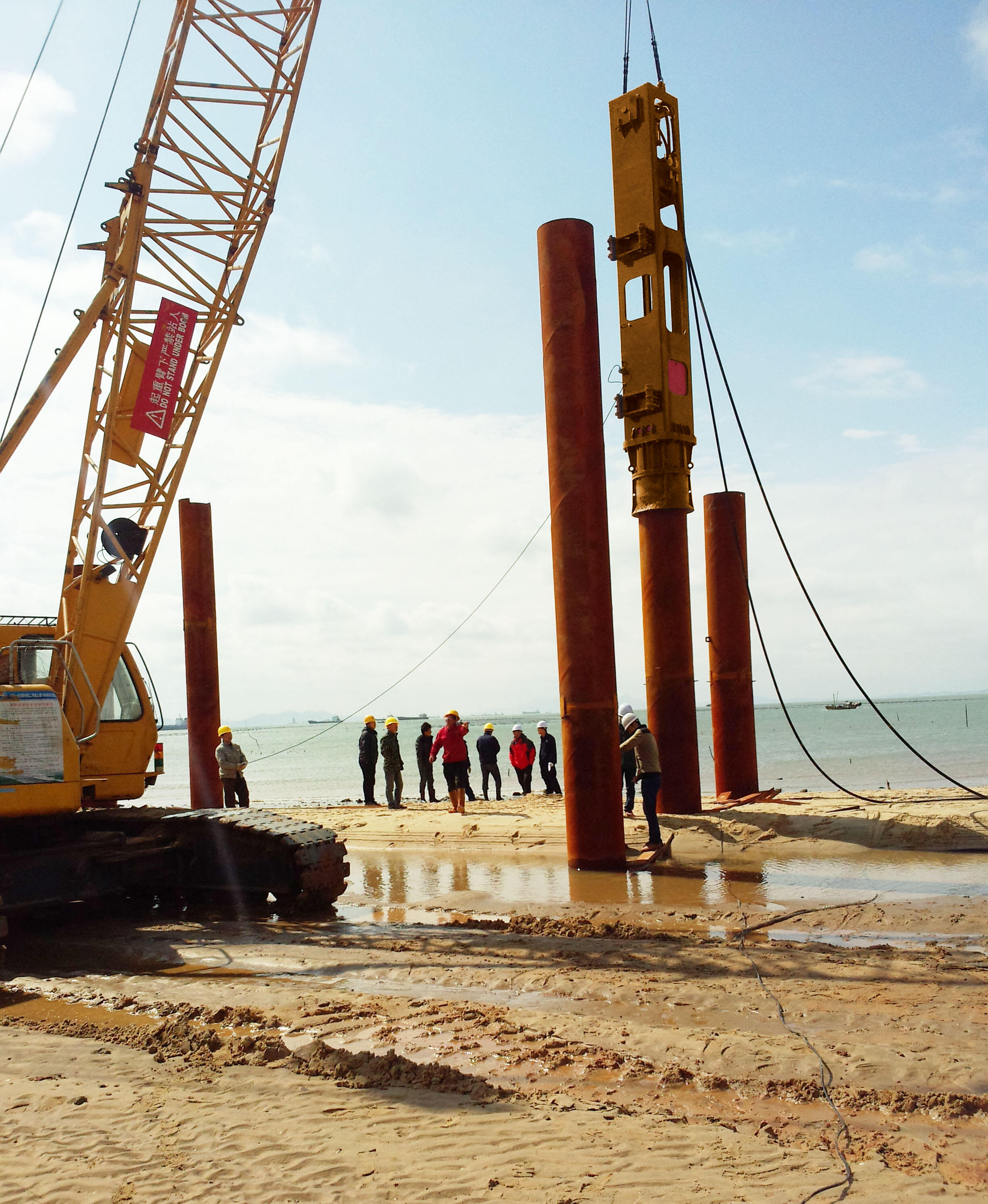
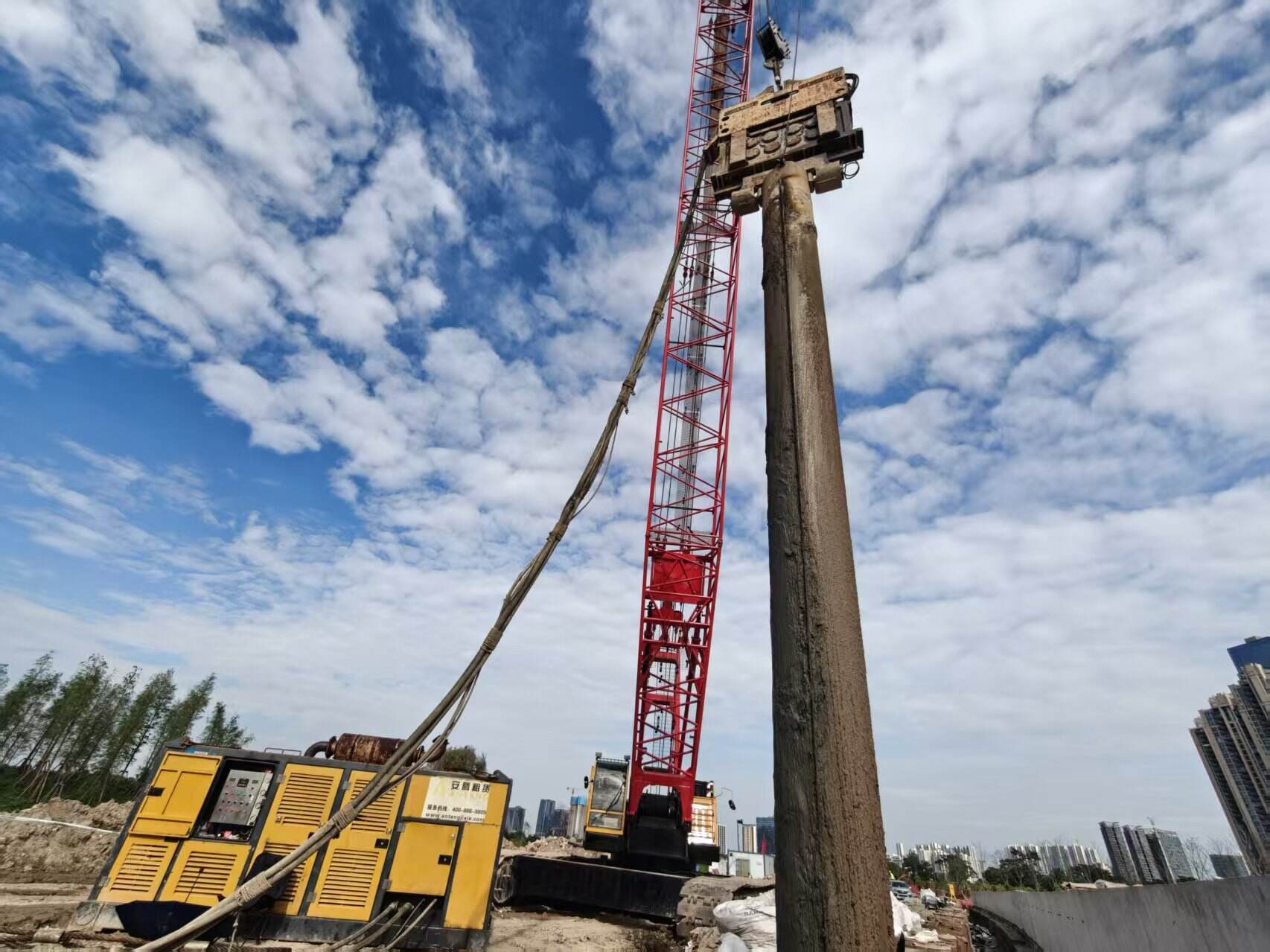
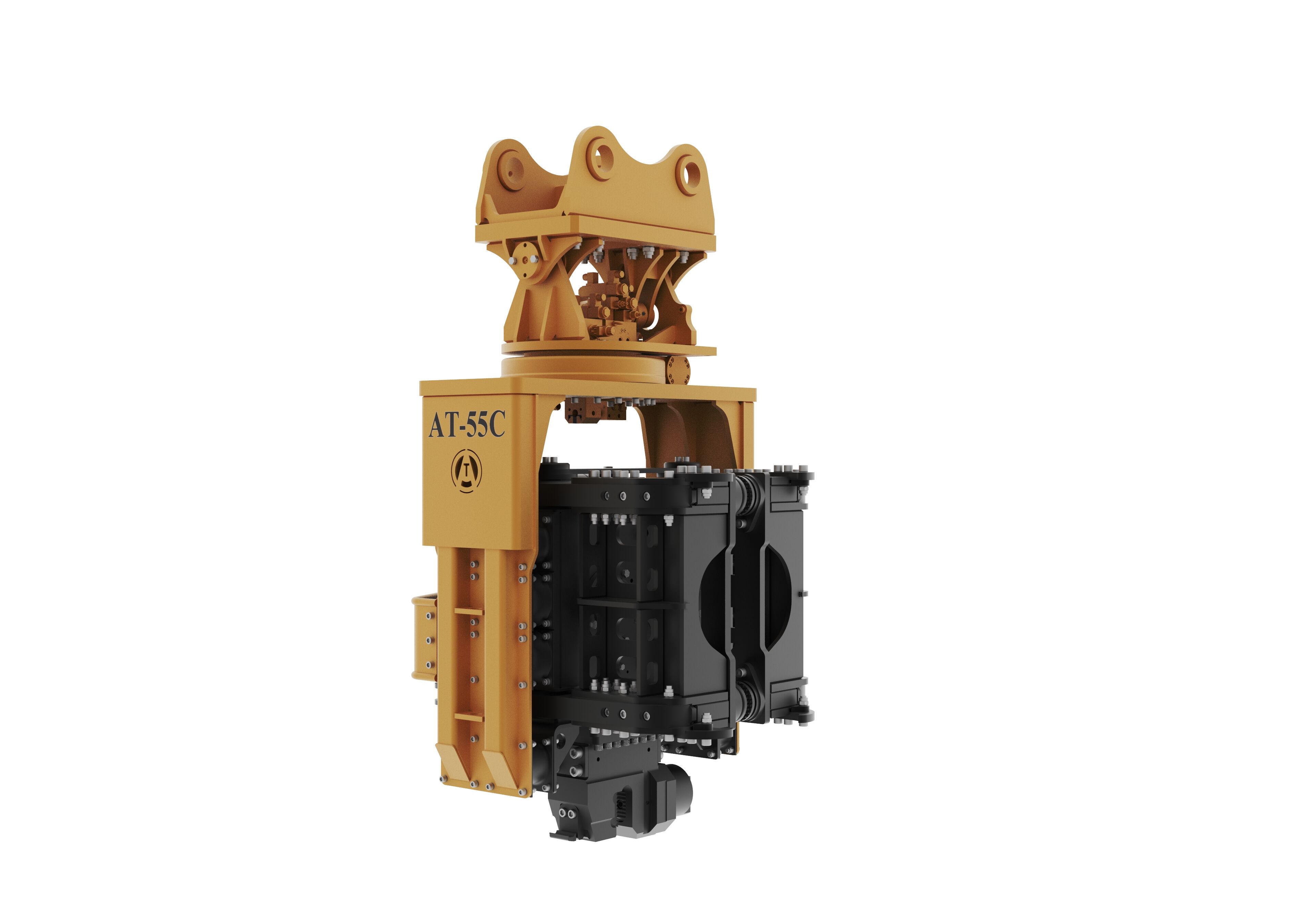
A side clamp represents a specialized fastening device engineered to provide secure lateral grip and positioning for various materials and components. This precision tool operates by applying controlled pressure from the side rather than traditional top-down clamping methods, making it particularly valuable in applications where vertical access is limited or where material orientation requires horizontal securing. The side clamp mechanism typically incorporates adjustable jaws, pressure control systems, and mounting hardware designed to accommodate diverse workpiece dimensions and materials. These devices are commonly constructed from high-grade steel, aluminum alloys, or composite materials to ensure durability and resistance to wear under repeated use. The technological foundation of side clamp systems relies on mechanical advantage principles, often utilizing cam mechanisms, screw drives, or pneumatic actuators to generate substantial holding force while maintaining precise control over applied pressure. Modern side clamp designs frequently feature quick-release mechanisms that enable rapid repositioning and removal of workpieces, significantly improving operational efficiency. The versatility of side clamp applications extends across manufacturing, woodworking, metalworking, automotive assembly, and construction industries. In manufacturing environments, these clamps facilitate precise positioning of components during machining operations, welding processes, and assembly procedures. Woodworking applications benefit from the side clamp ability to secure lumber and panels without interfering with cutting or shaping operations. The automotive industry utilizes side clamp technology for holding body panels, engine components, and structural elements during fabrication and repair processes. Construction applications include securing formwork, positioning structural members, and temporary fastening of building components. The design flexibility of side clamp systems allows for customization based on specific application requirements, including jaw configuration, pressure range, and mounting options. Safety features such as locking mechanisms and pressure relief valves ensure reliable operation while protecting both operators and workpieces from damage.

 EN
EN