Professional Piling Crane Equipment: Advanced Foundation Solutions for Construction Projects

All Categories

piling crane

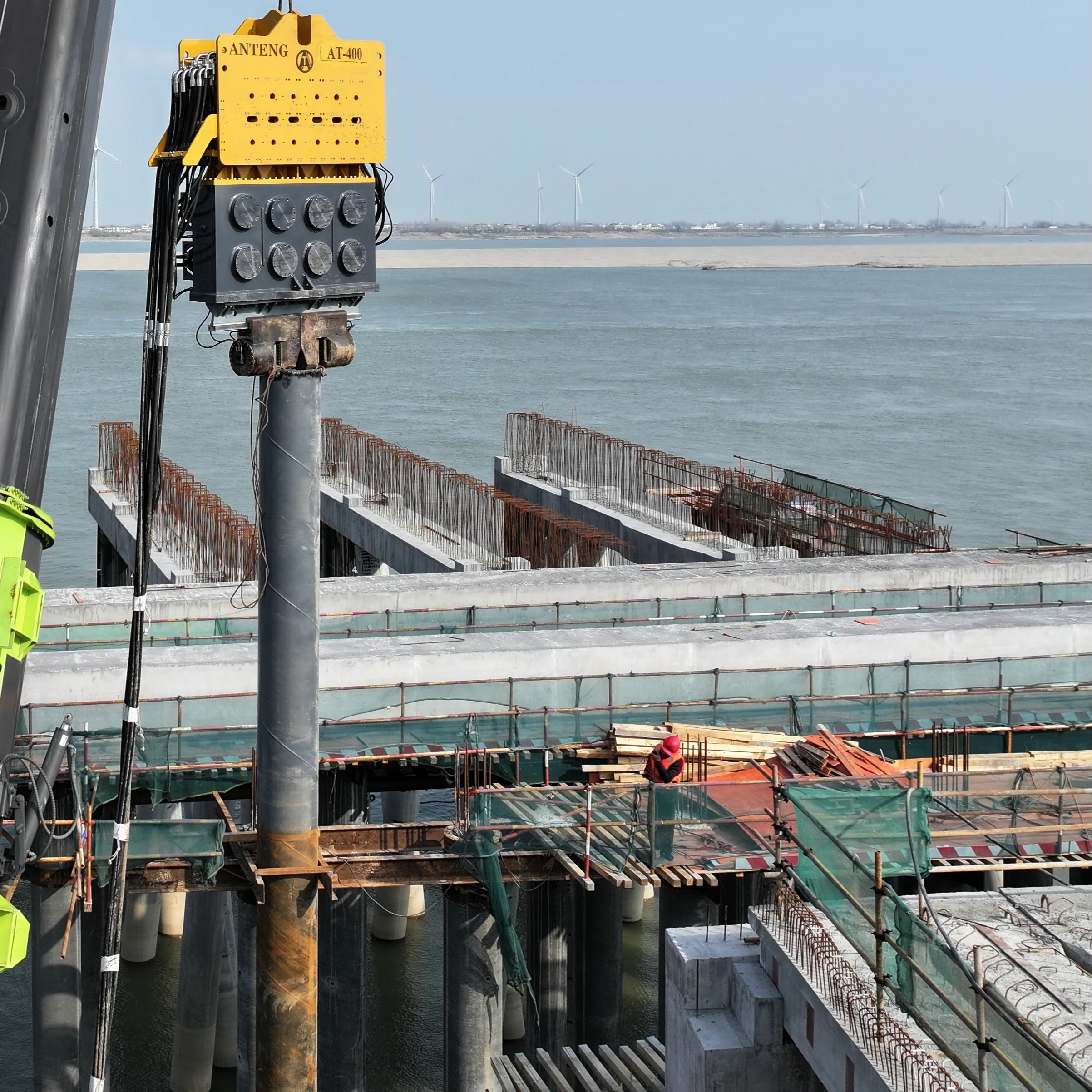
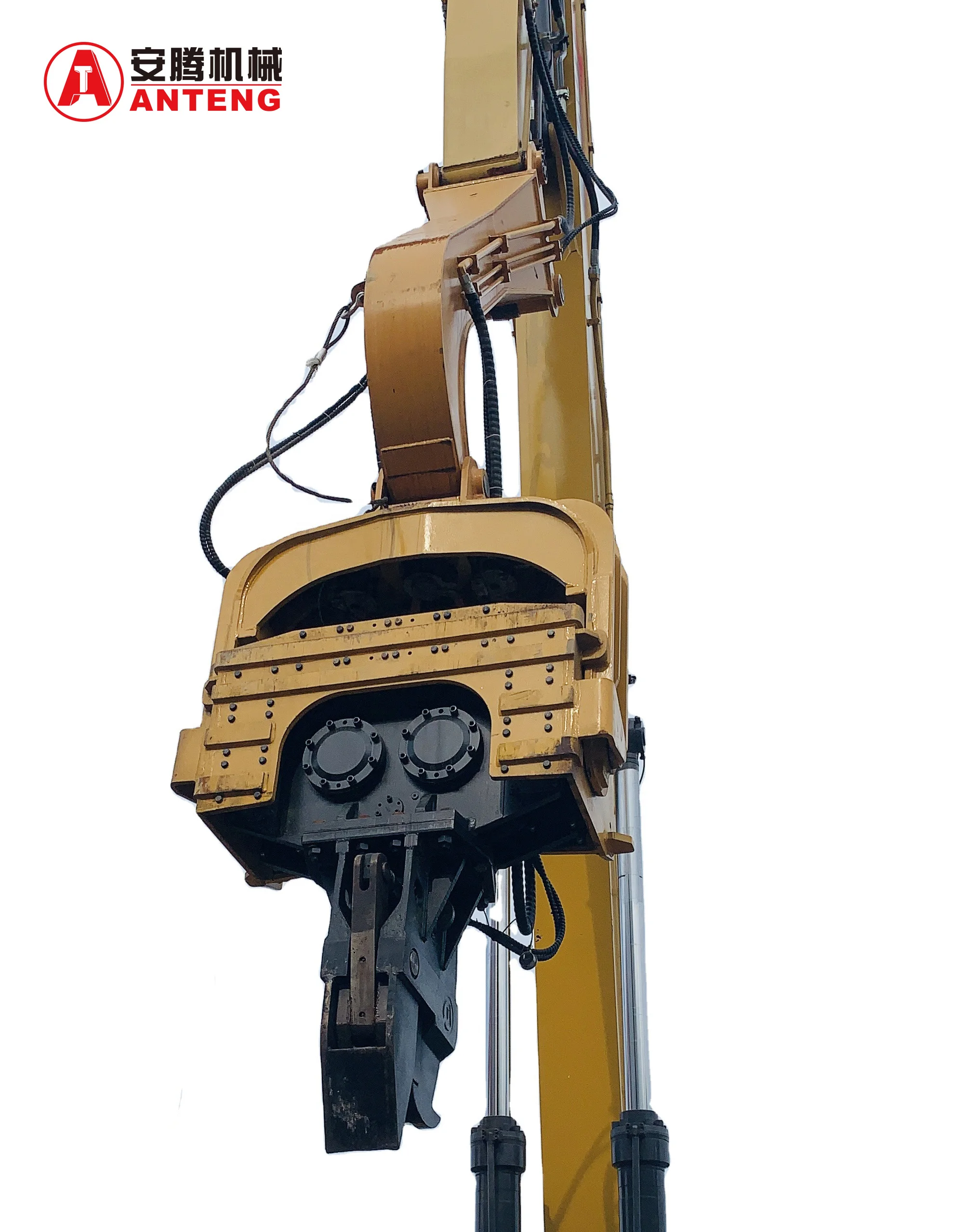
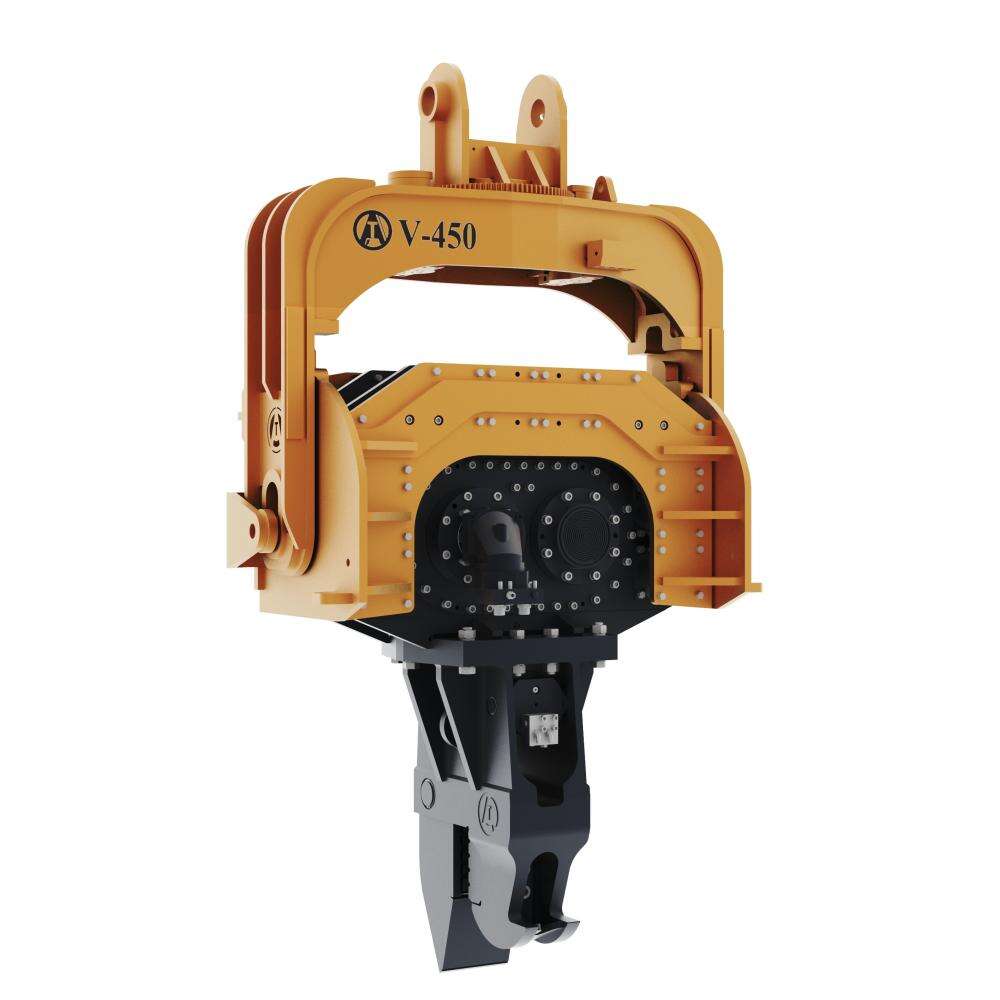
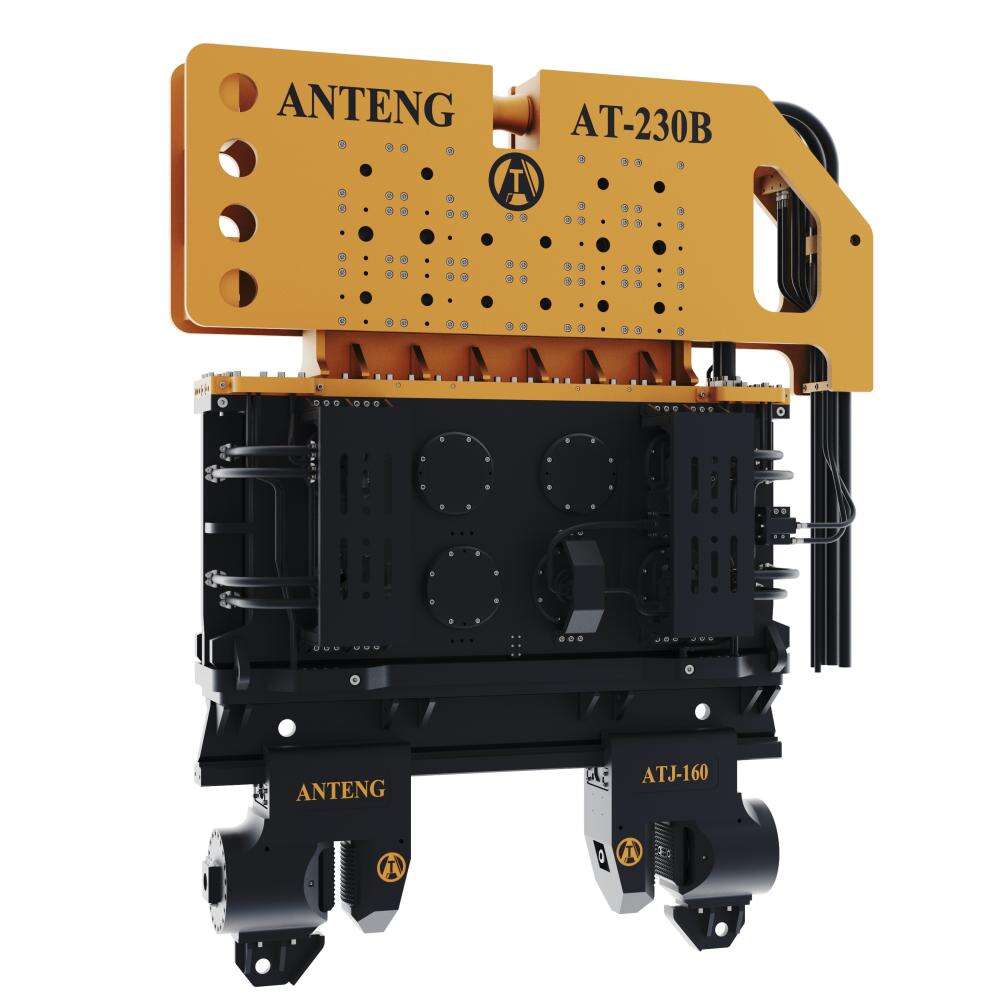
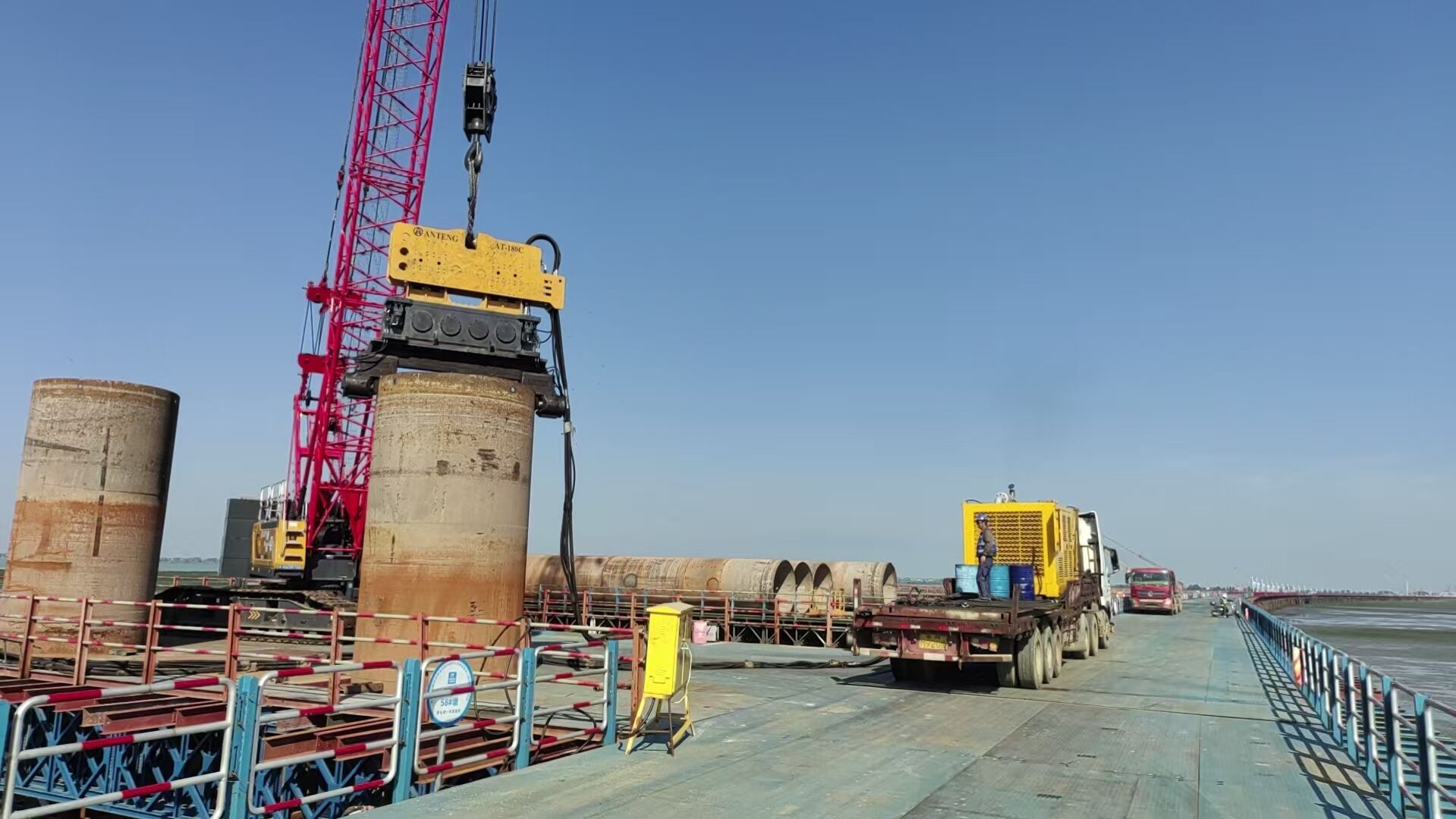
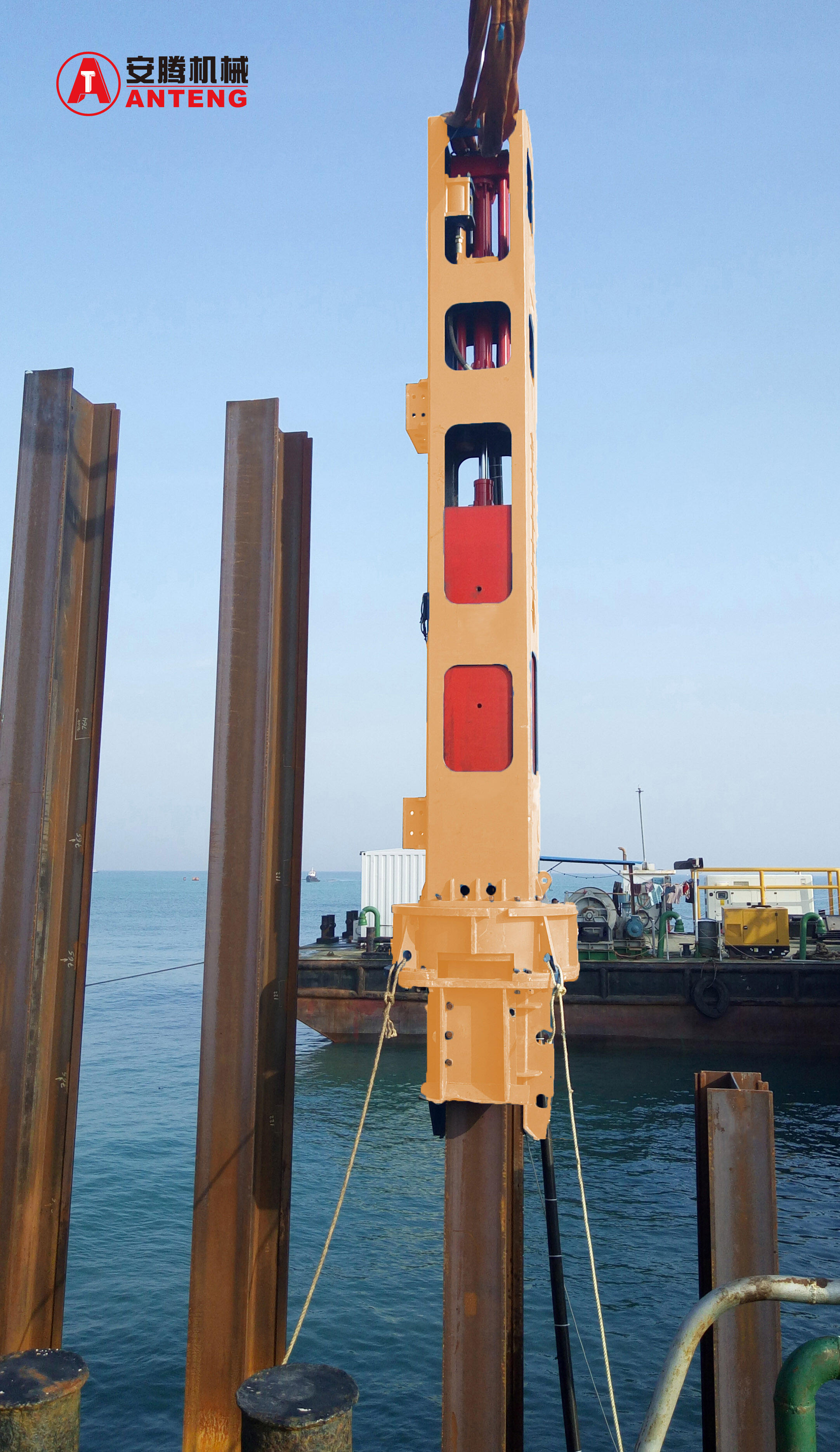
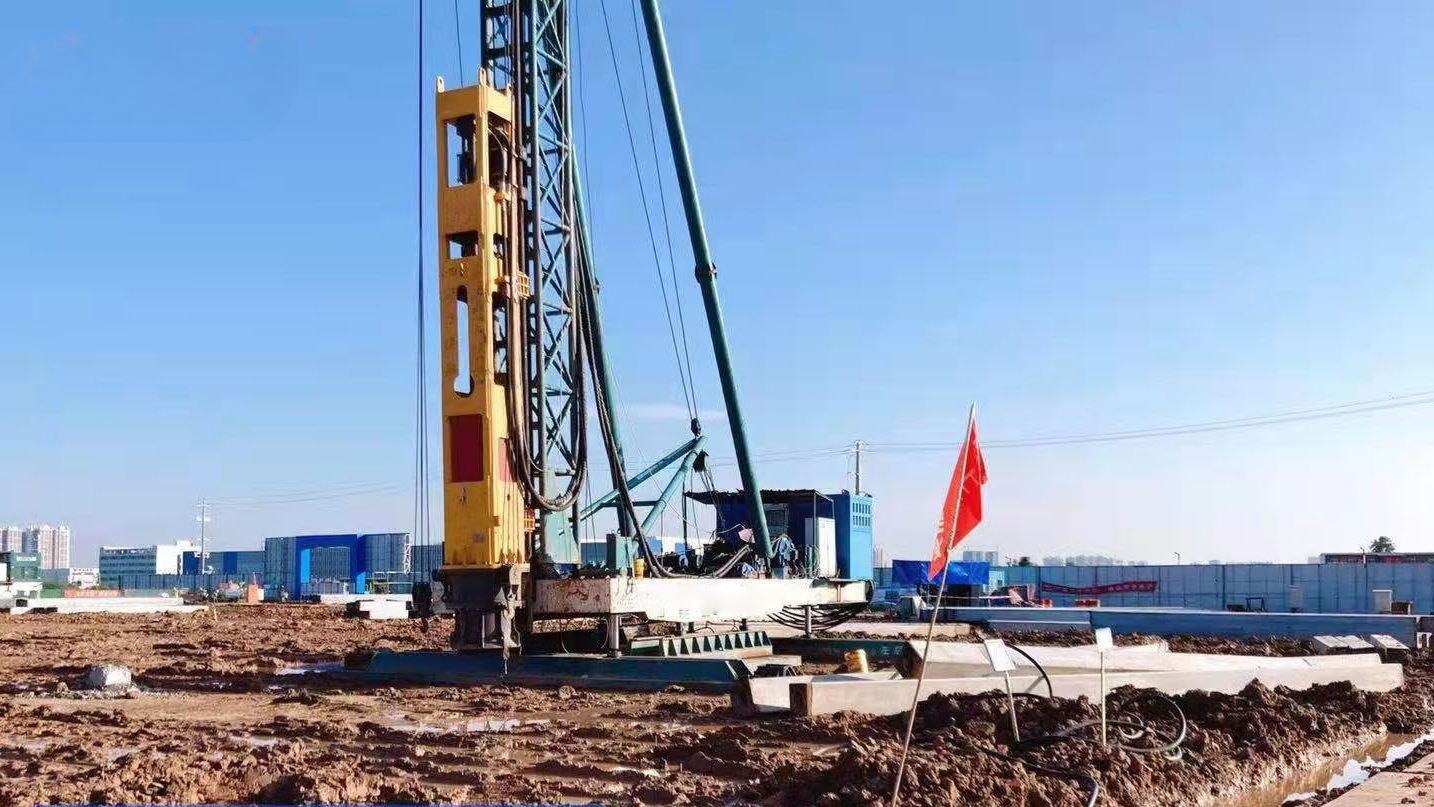
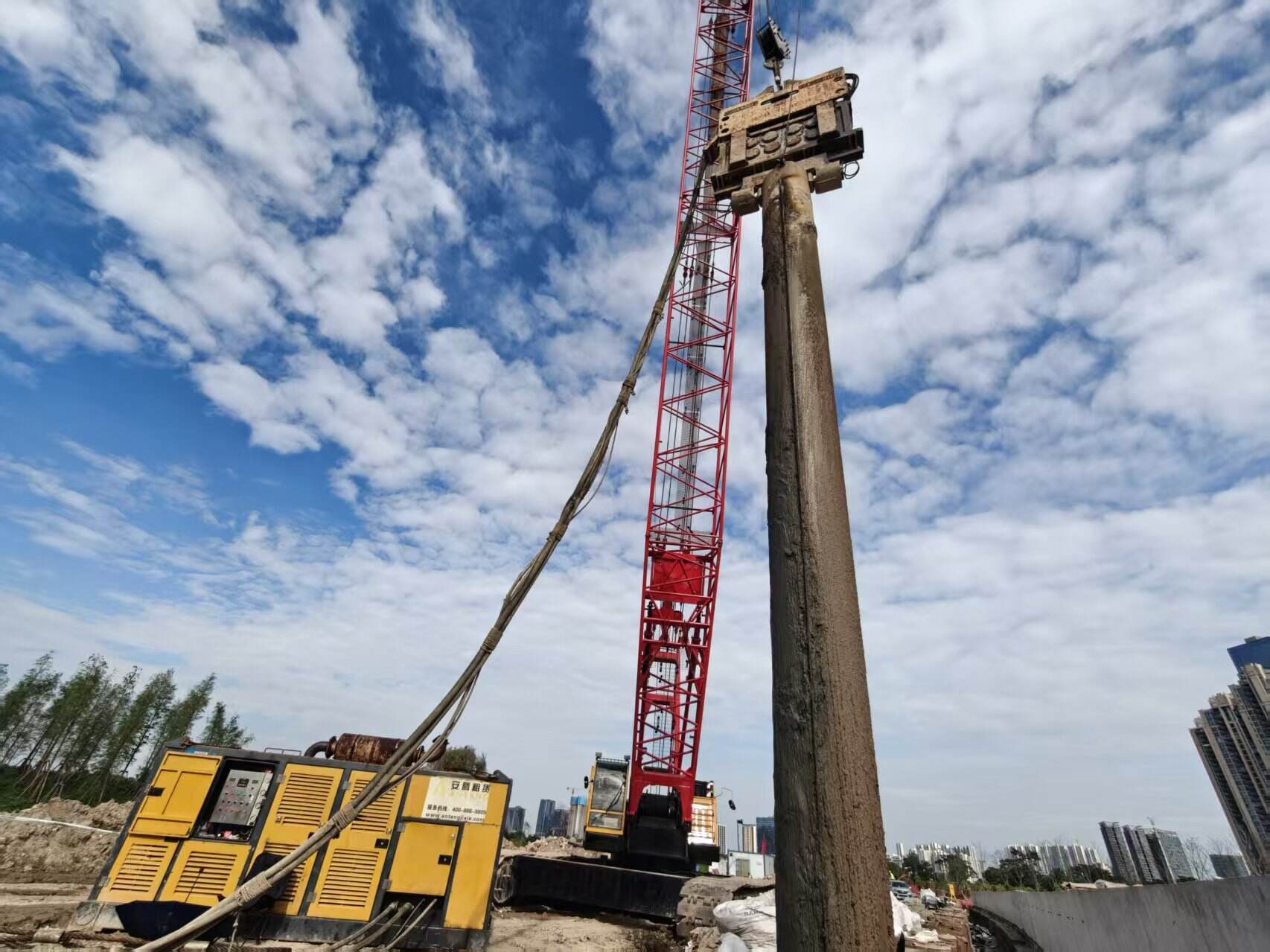
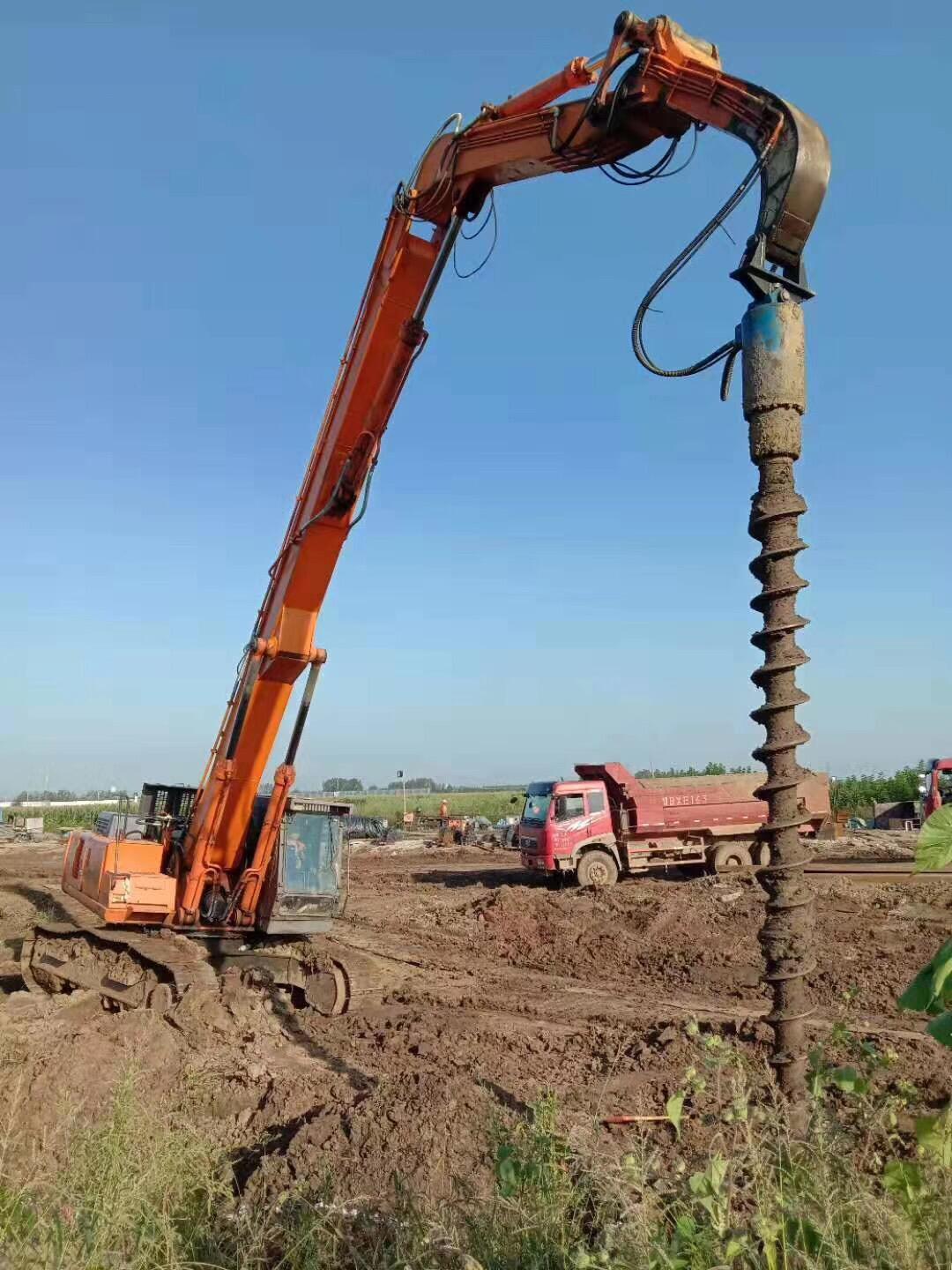
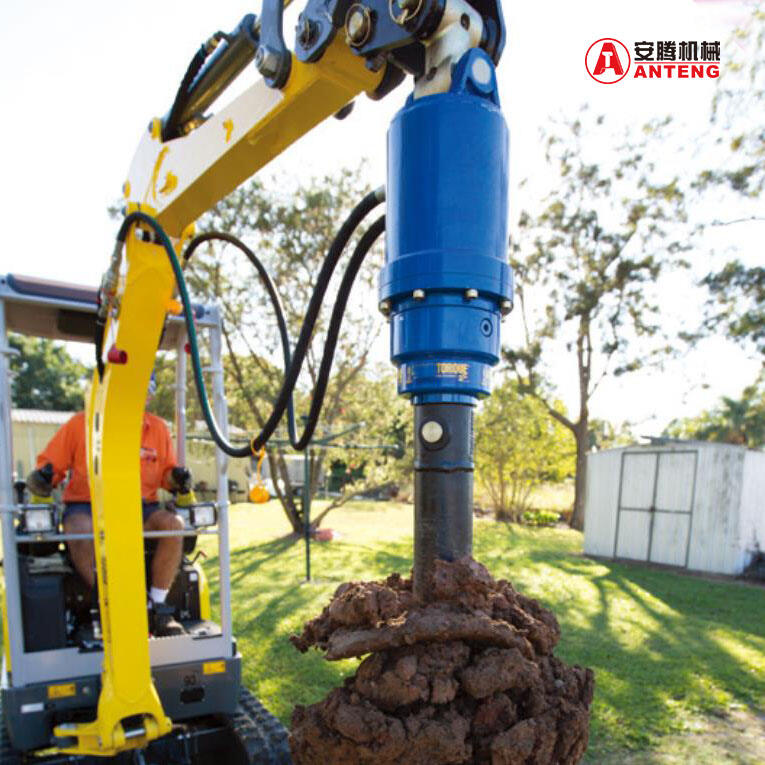
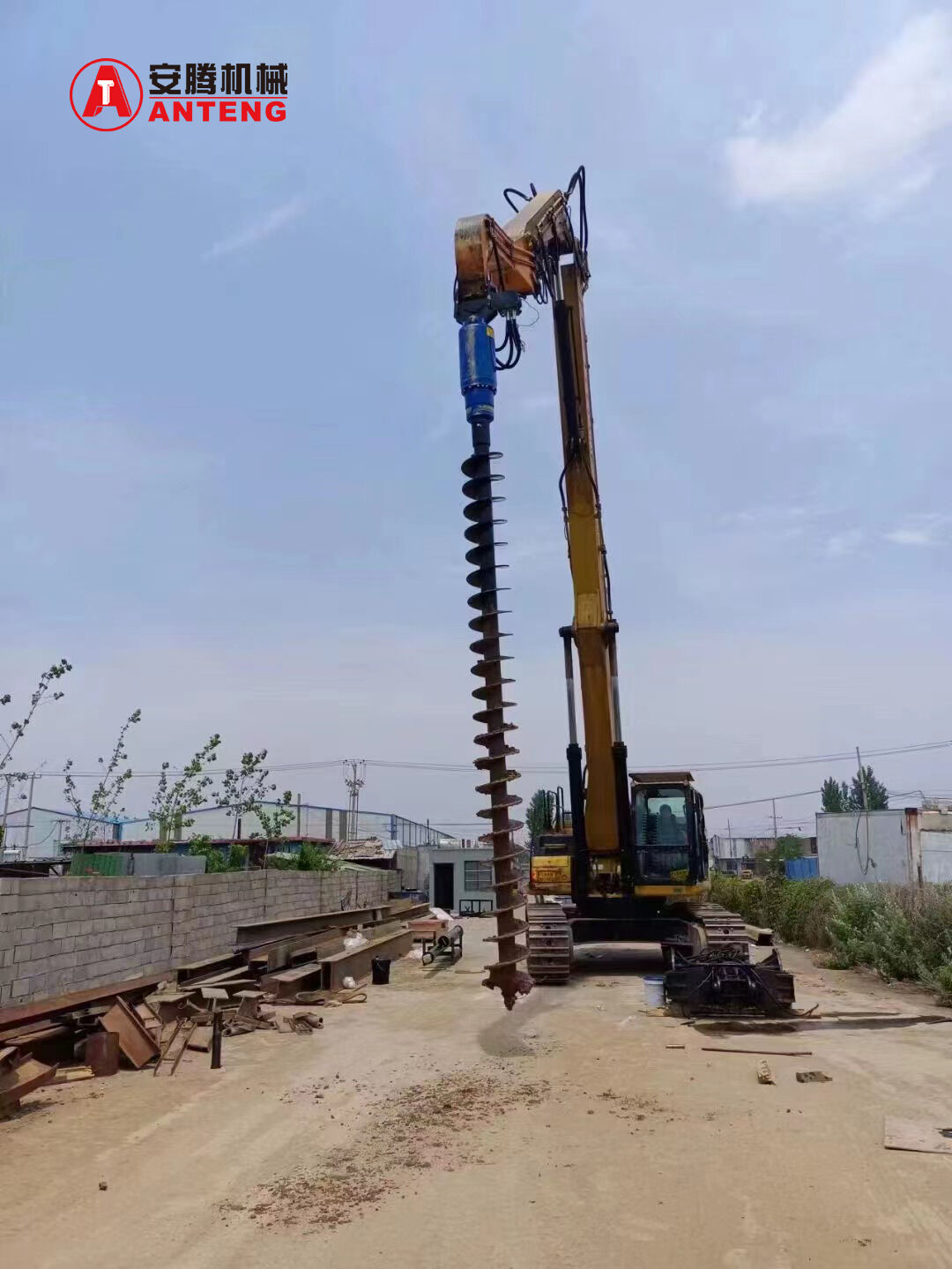
A piling crane represents a specialized piece of heavy construction equipment designed specifically for driving piles into the ground to create stable foundations for various construction projects. This powerful machine combines the lifting capabilities of a conventional crane with specialized pile-driving mechanisms, making it an essential tool in modern construction and infrastructure development. The piling crane operates by positioning and driving foundation piles deep into the earth, creating secure anchor points that can support substantial structural loads above ground level. The equipment features a robust boom system that extends and retracts to position piles precisely where they are needed. The main functions of a piling crane include lifting and positioning precast concrete piles, steel H-beams, or timber piles into their designated locations. Once positioned, the machine employs either a drop hammer, vibratory hammer, or hydraulic hammer to drive these piles into the ground until they reach the required depth and bearing capacity. Modern piling crane systems incorporate advanced hydraulic technology that provides precise control over both the positioning and driving processes. The technological features include computerized monitoring systems that track pile penetration depth, driving resistance, and alignment accuracy throughout the installation process. GPS positioning systems ensure exact pile placement according to engineering specifications, while load monitoring systems prevent overdriving that could damage the pile structure. The versatile applications of piling crane equipment span across numerous construction sectors, including residential housing developments, commercial building projects, bridge construction, marine structures, and industrial facilities. These machines prove particularly valuable in areas with challenging soil conditions where traditional foundation methods may prove insufficient. The piling crane's ability to work in confined spaces makes it suitable for urban construction sites where space limitations would otherwise complicate foundation installation procedures.

New Products

The piling crane delivers numerous practical benefits that make it an invaluable investment for construction companies and contractors working on foundation projects. First and foremost, this equipment significantly reduces project timelines by automating the pile installation process that would otherwise require multiple pieces of equipment and extensive manual labor. The integrated design eliminates the need for separate cranes and pile drivers, streamlining operations and reducing equipment rental costs. This consolidation translates directly into lower project expenses and faster completion schedules that benefit both contractors and their clients. The precision capabilities of modern piling crane systems ensure consistent and accurate pile placement, reducing the likelihood of costly installation errors that could compromise structural integrity. Advanced control systems allow operators to monitor and adjust driving parameters in real-time, optimizing the installation process for different soil conditions and pile types. This adaptability minimizes material waste and reduces the risk of pile damage during installation. Safety improvements represent another significant advantage of using piling crane equipment. The enclosed operator cab protects workers from falling debris and environmental hazards, while automated systems reduce the need for personnel to work in dangerous proximity to heavy machinery. Remote monitoring capabilities allow supervisors to oversee operations from safe distances while maintaining complete control over the installation process. The versatility of piling crane machines enables contractors to handle various pile types and sizes with a single piece of equipment, eliminating the need to maintain multiple specialized machines in their fleet. This flexibility proves particularly valuable for companies working on diverse project types, as they can adapt their equipment to meet changing job requirements without significant additional investments. Maintenance requirements for modern piling crane systems have been simplified through improved component designs and diagnostic systems that alert operators to potential issues before they result in costly breakdowns. Predictive maintenance capabilities reduce unexpected downtime and extend equipment lifespan, providing better return on investment over the long term. The fuel efficiency improvements in newer piling crane models help reduce operating costs while minimizing environmental impact, making these machines more sustainable for long-term use in construction operations.

Latest News

When Does a Vibro Hammer Offer Better Efficiency Than Impact Methods?

19

Mar

When Does a Vibro Hammer Offer Better Efficiency Than Impact Methods?

Choosing between a vibro hammer and impact-driven pile installation methods represents one of the most critical decisions in foundation construction projects. The timing of when to deploy vibro hammer technology versus traditional impact methods depe...
View More
What Are the Core Working Principles of an Impact Hammer?

19

Mar

What Are the Core Working Principles of an Impact Hammer?

An impact hammer operates on fundamental mechanical and engineering principles that convert stored energy into controlled, high-force impacts for construction and industrial applications. Understanding these core working principles is essential for e...
View More
What Safety Considerations Matter When Operating an Impact Hammer?

19

Mar

What Safety Considerations Matter When Operating an Impact Hammer?

Operating an impact hammer in construction and foundation work involves significant safety risks that demand careful attention from site supervisors, equipment operators, and safety personnel. These powerful hydraulic tools generate tremendous force ...
View More
Why Is a Hydraulic Hammer Preferred in Modern Piling Projects?

19

Mar

Why Is a Hydraulic Hammer Preferred in Modern Piling Projects?

Modern piling projects demand precision, efficiency, and adaptability to overcome increasingly complex foundation challenges. Among the various pile driving technologies available today, the hydraulic hammer has emerged as the preferred choice for co...
View More

Get a Free Quote

Our representative will contact you soon.
Email
Name
Company Name
Mobile
Message
0/1000

piling crane

Advanced Hydraulic Control Systems

Advanced Hydraulic Control Systems

The sophisticated hydraulic control systems integrated into modern piling crane equipment represent a revolutionary advancement in foundation construction technology. These systems provide operators with unprecedented precision and control over every aspect of the pile installation process, from initial positioning through final driving completion. The hydraulic technology enables smooth and accurate boom movements, allowing operators to position piles with millimeter-level accuracy even in challenging working conditions. This precision proves essential when working on projects with tight spacing requirements or complex foundation layouts where exact placement determines structural success. The variable pressure controls within the hydraulic system allow operators to adjust driving force based on soil conditions and pile specifications, optimizing the installation process for different materials and ground types. This adaptability ensures that each pile receives the appropriate amount of driving energy to achieve proper embedment without risking damage to the pile structure itself. The responsive nature of hydraulic controls enables operators to make real-time adjustments during the driving process, compensating for unexpected soil conditions or obstacles encountered during installation. Advanced filtration systems maintain hydraulic fluid cleanliness, extending component life and ensuring consistent performance throughout extended operating periods. The integrated monitoring systems continuously track hydraulic pressure, flow rates, and system temperatures, providing operators with comprehensive information about equipment performance and maintenance requirements. These monitoring capabilities enable predictive maintenance scheduling that prevents unexpected breakdowns and reduces long-term operating costs. The energy efficiency of modern hydraulic systems has been significantly improved through the implementation of load-sensing technology that adjusts power output based on actual operational demands. This efficiency improvement reduces fuel consumption and environmental impact while maintaining the high performance standards required for professional construction applications. The reliability of hydraulic control systems ensures consistent operation even in harsh environmental conditions, making piling crane equipment suitable for use in diverse climates and challenging work sites where equipment dependability is crucial for project success.
Versatile Pile Installation Capabilities

Versatile Pile Installation Capabilities

The remarkable versatility of piling crane equipment in handling diverse pile installation requirements makes it an indispensable tool for construction professionals working across multiple project types and applications. This adaptability stems from the machine's ability to work with various pile materials, including precast concrete piles, steel H-beams, sheet piles, timber piles, and specialized composite materials used in modern construction applications. The equipment's adjustable boom configuration accommodates different pile lengths and weights, from short residential foundation piles to massive commercial and industrial applications requiring deep embedment depths. The piling crane can easily transition between different pile types within the same project, eliminating the need for multiple specialized machines and reducing equipment mobilization costs. This flexibility proves particularly valuable for contractors working on mixed-use developments or projects with varying foundation requirements across different areas of the construction site. The machine's ability to operate in confined spaces makes it suitable for urban construction environments where space limitations would otherwise complicate foundation installation procedures. The compact design allows the piling crane to maneuver between existing structures and navigate tight access routes that would be impossible for larger, less maneuverable equipment. Different driving methods can be employed with the same piling crane platform, including impact driving, vibratory installation, and hydraulic pressing techniques. This versatility enables operators to select the most appropriate installation method based on soil conditions, pile specifications, and environmental considerations such as noise restrictions in urban areas. The equipment's capacity to handle both driven and bored pile installations expands its utility across a broader range of foundation engineering applications. Quick-change tooling systems allow operators to switch between different driving heads and accessories without time-consuming equipment modifications, maintaining productivity levels throughout projects with varying requirements. The piling crane's ability to work on sloped terrain and uneven surfaces extends its applicability to challenging construction sites where conventional foundation equipment might struggle to operate effectively. This terrain adaptability, combined with the machine's stable base configuration, ensures safe and efficient operation across diverse geographical and environmental conditions.

Enhanced Safety and Operational Efficiency

Enhanced Safety and Operational Efficiency

The comprehensive safety features and operational efficiency improvements incorporated into modern piling crane designs create significant value for construction companies prioritizing worker protection and project productivity. The enclosed operator cabin provides complete protection from falling debris, weather conditions, and hazardous materials commonly encountered on construction sites, while offering excellent visibility of the work area through strategically positioned windows and monitoring systems. Advanced vibration dampening technology within the cabin reduces operator fatigue during extended working periods, maintaining alertness and precision throughout long shifts. The integration of multiple safety systems, including load moment indicators, automatic boom positioning limits, and emergency shutdown procedures, prevents equipment overloading and reduces the risk of accidents that could result in costly project delays and potential liability issues. Remote monitoring capabilities enable supervisors to oversee operations from safe distances while maintaining complete control over the installation process, reducing the number of personnel required in hazardous work zones. The piling crane's automated systems significantly improve operational efficiency by reducing the skill level required for basic operations while maintaining high precision standards. Computerized control systems guide operators through proper procedures, reducing training time and minimizing the potential for operator error that could compromise pile installation quality. Real-time performance monitoring provides immediate feedback on installation progress, allowing project managers to make informed decisions about resource allocation and scheduling adjustments. The equipment's ability to maintain consistent working speeds regardless of soil conditions ensures predictable project timelines and helps contractors meet critical construction milestones. Diagnostic systems continuously monitor equipment health and performance parameters, alerting operators to potential maintenance requirements before they result in costly breakdowns or safety hazards. This proactive approach to equipment management reduces unexpected downtime and extends the operational lifespan of the piling crane investment. The standardized control interfaces across different piling crane models reduce operator training requirements when companies expand their equipment fleets, creating operational consistency and reducing personnel costs. GPS integration and digital documentation systems automatically record pile locations and installation parameters, creating comprehensive project records that support quality assurance programs and regulatory compliance requirements while reducing administrative overhead typically associated with manual record-keeping processes.

Get a Free Quote

Our representative will contact you soon.
Email
Name
Company Name
Mobile
Message
0/1000