micropile drill rig
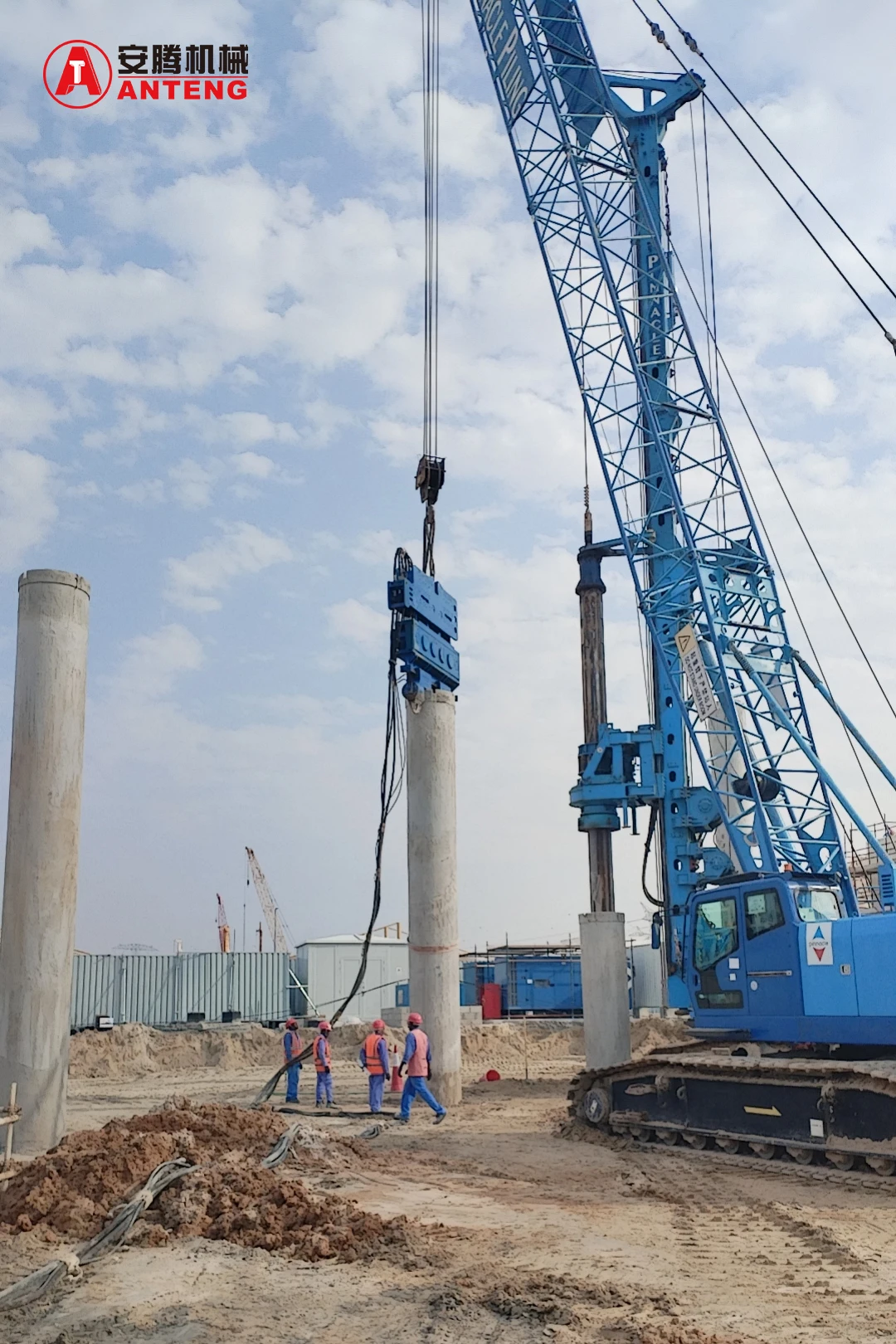
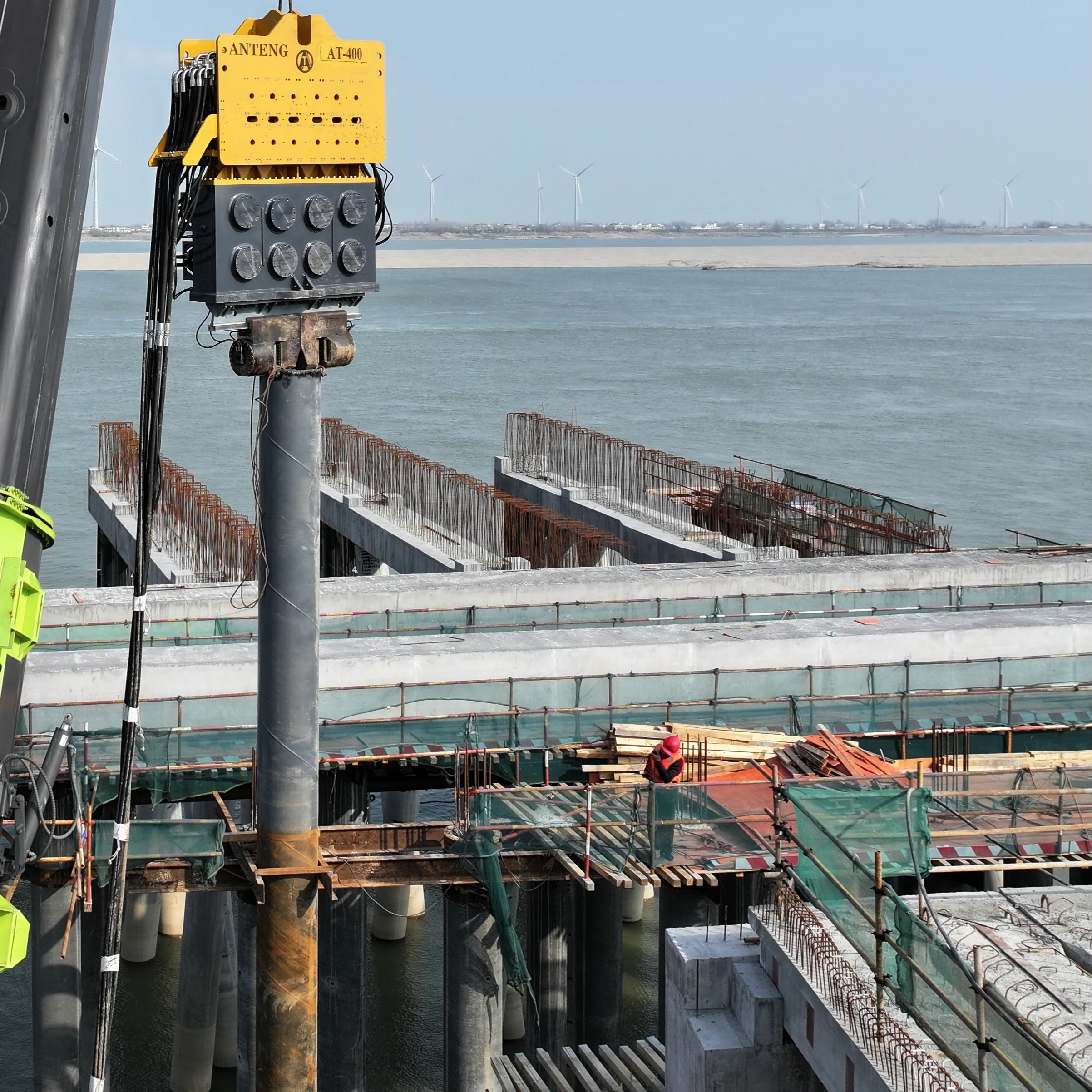
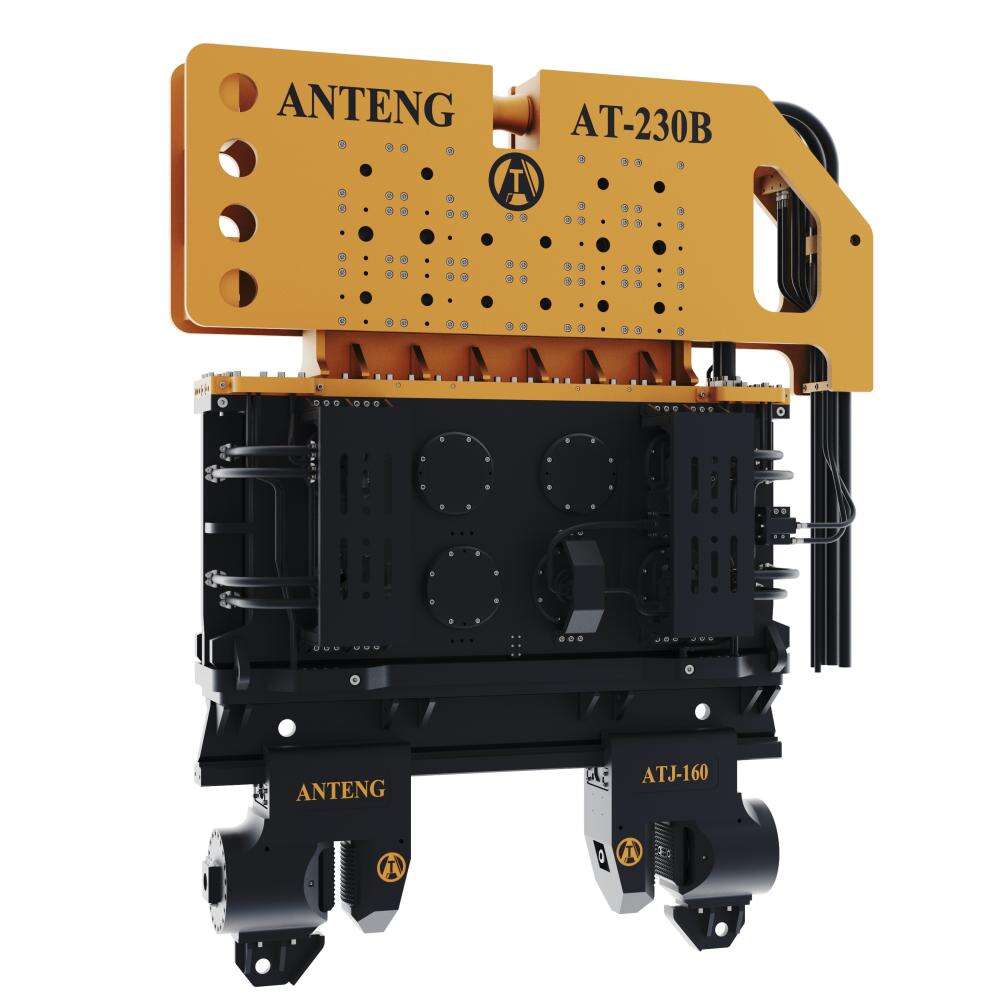
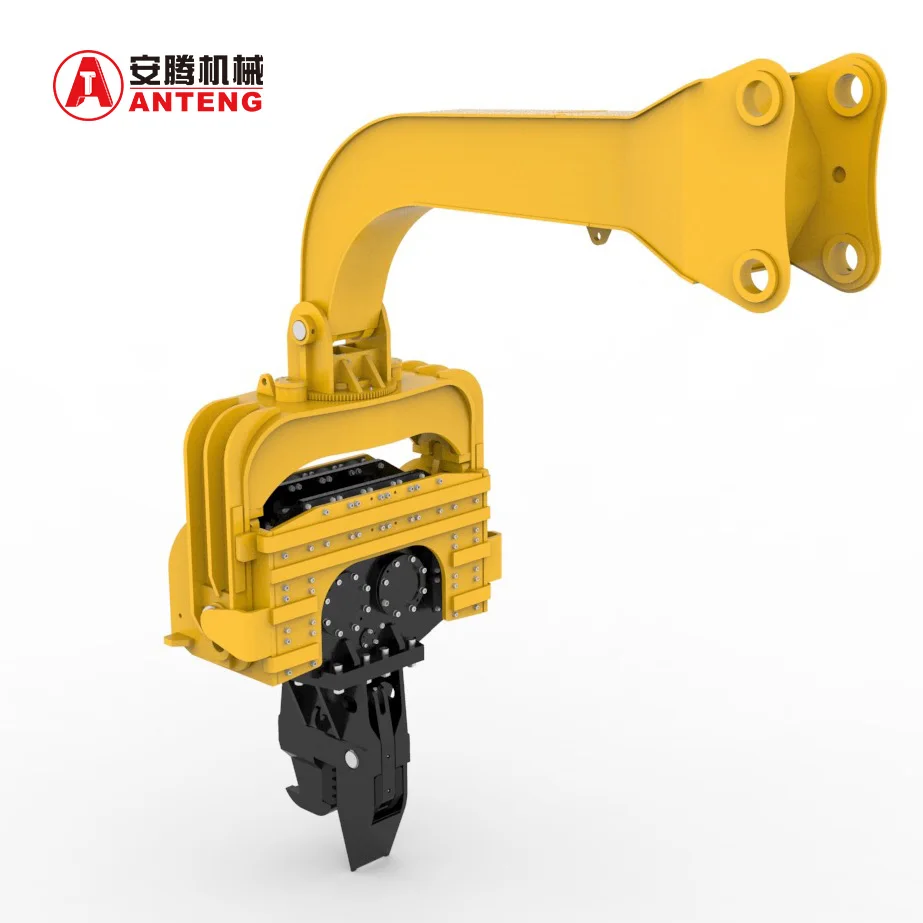
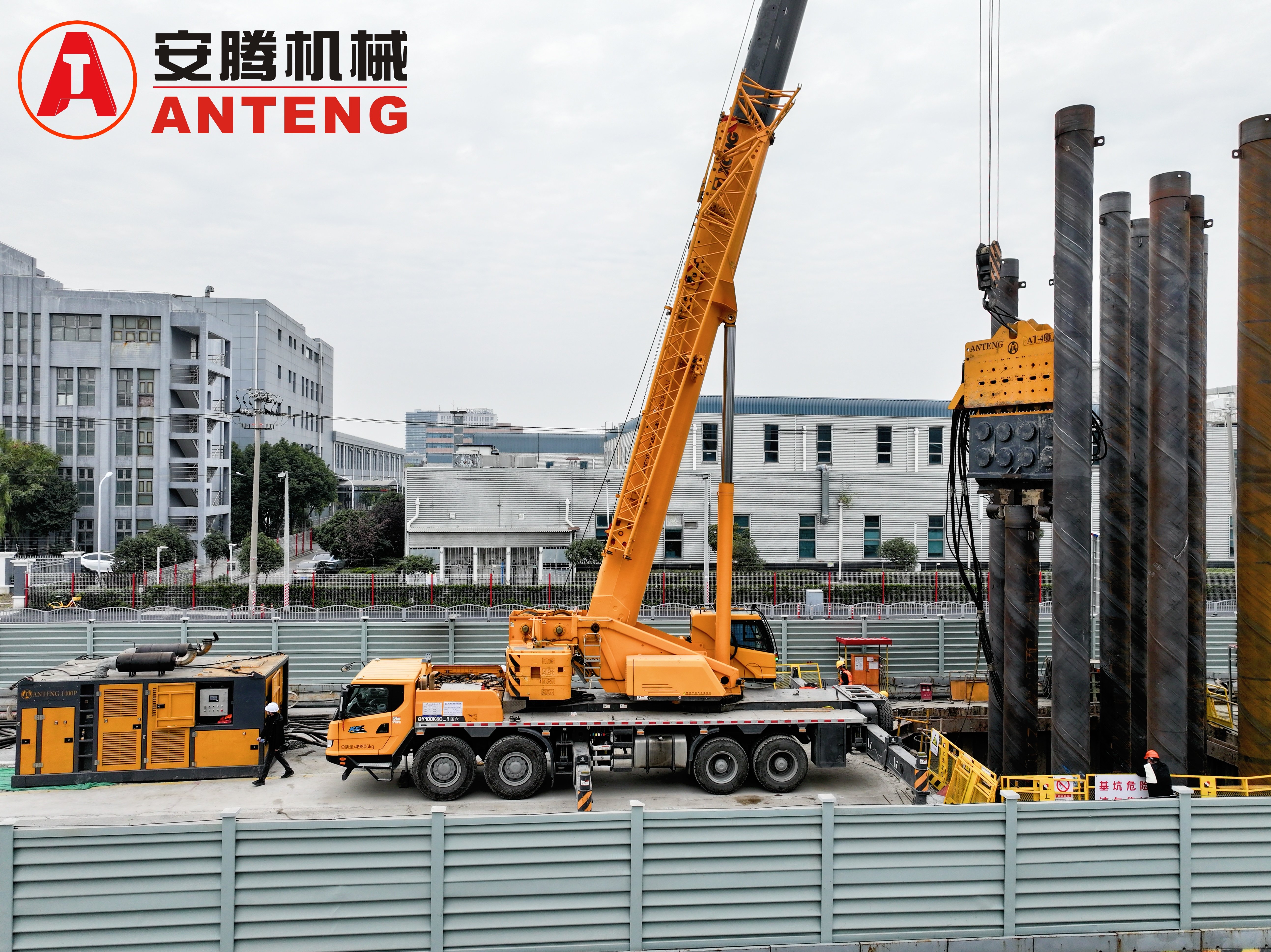
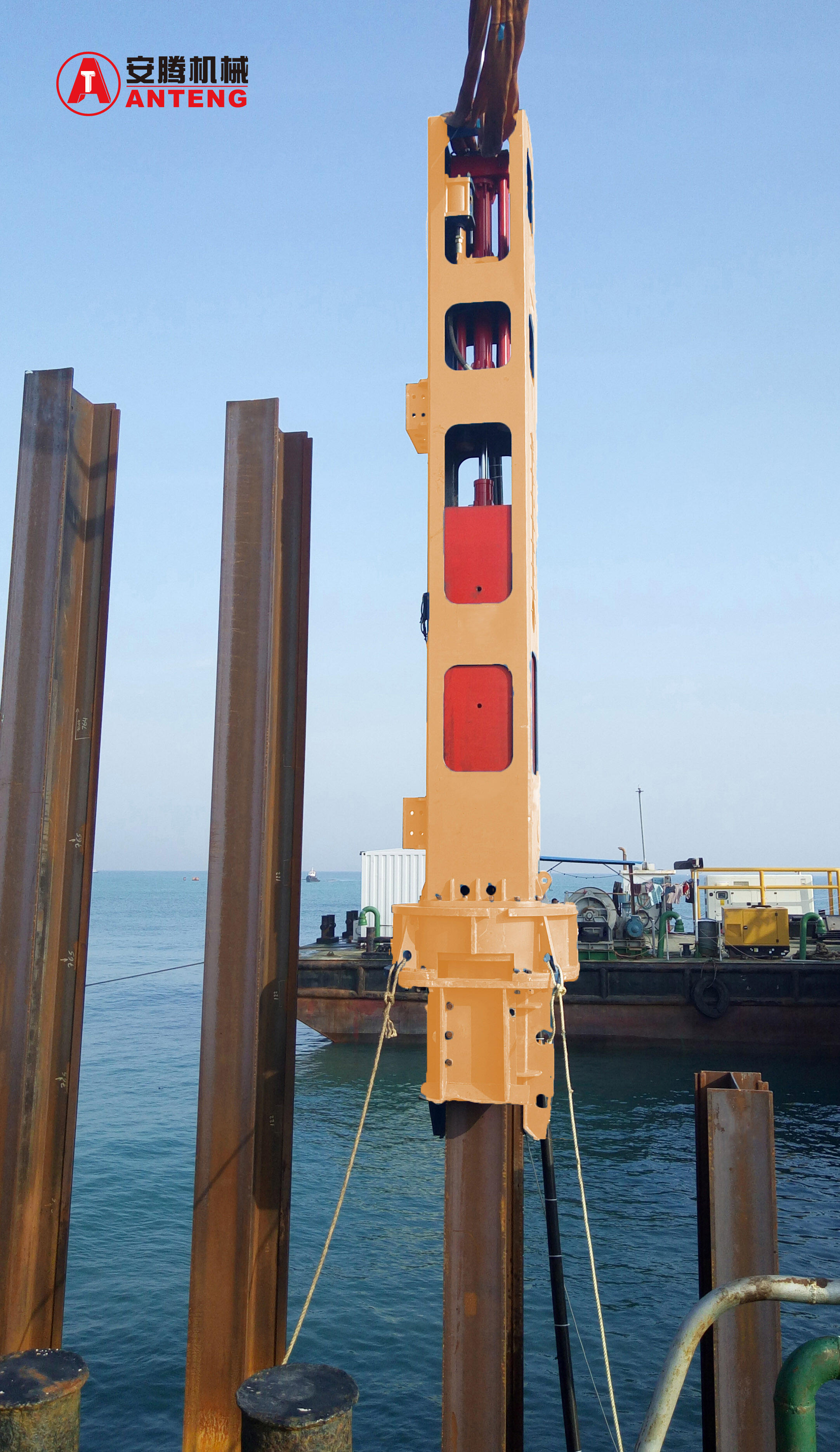
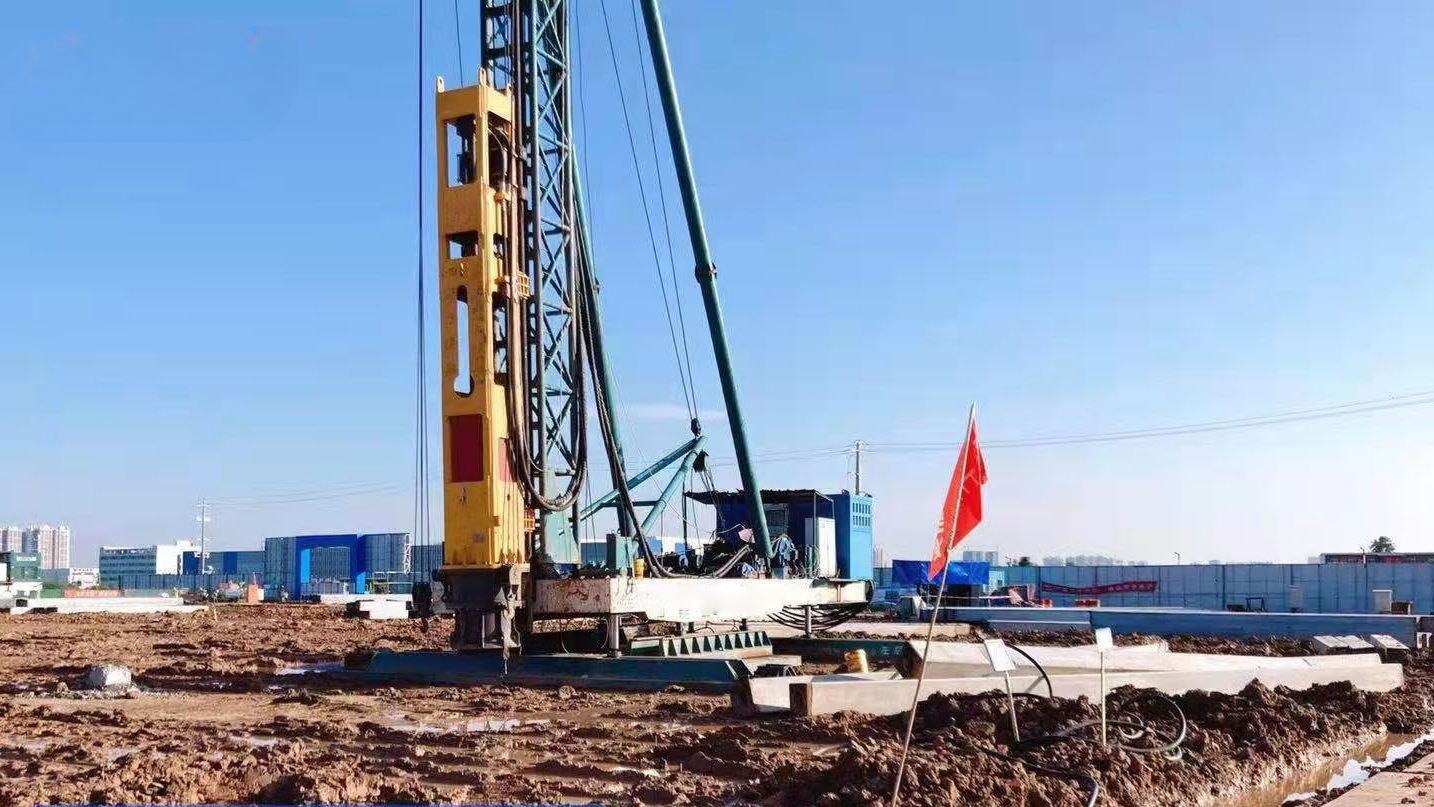
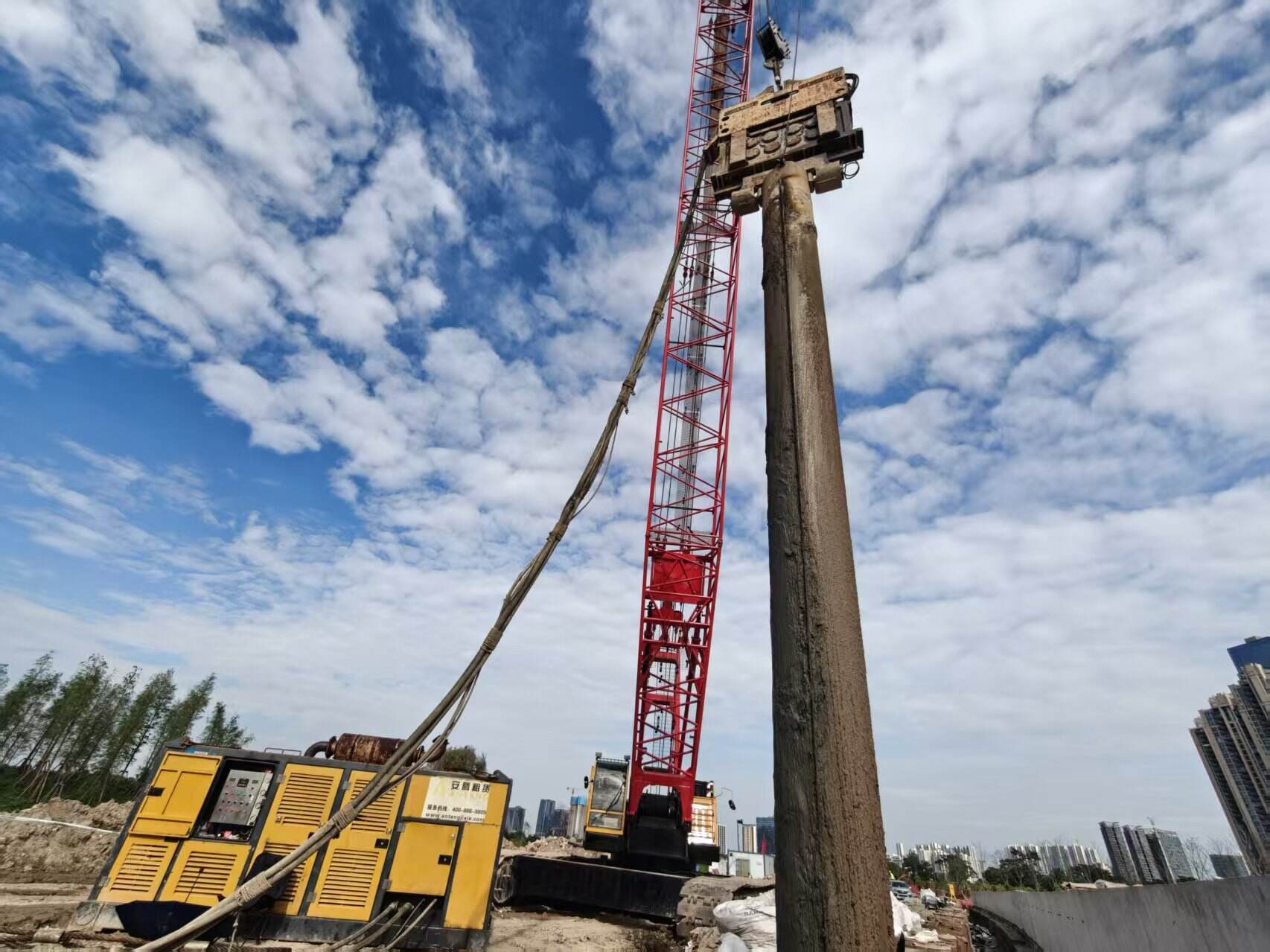
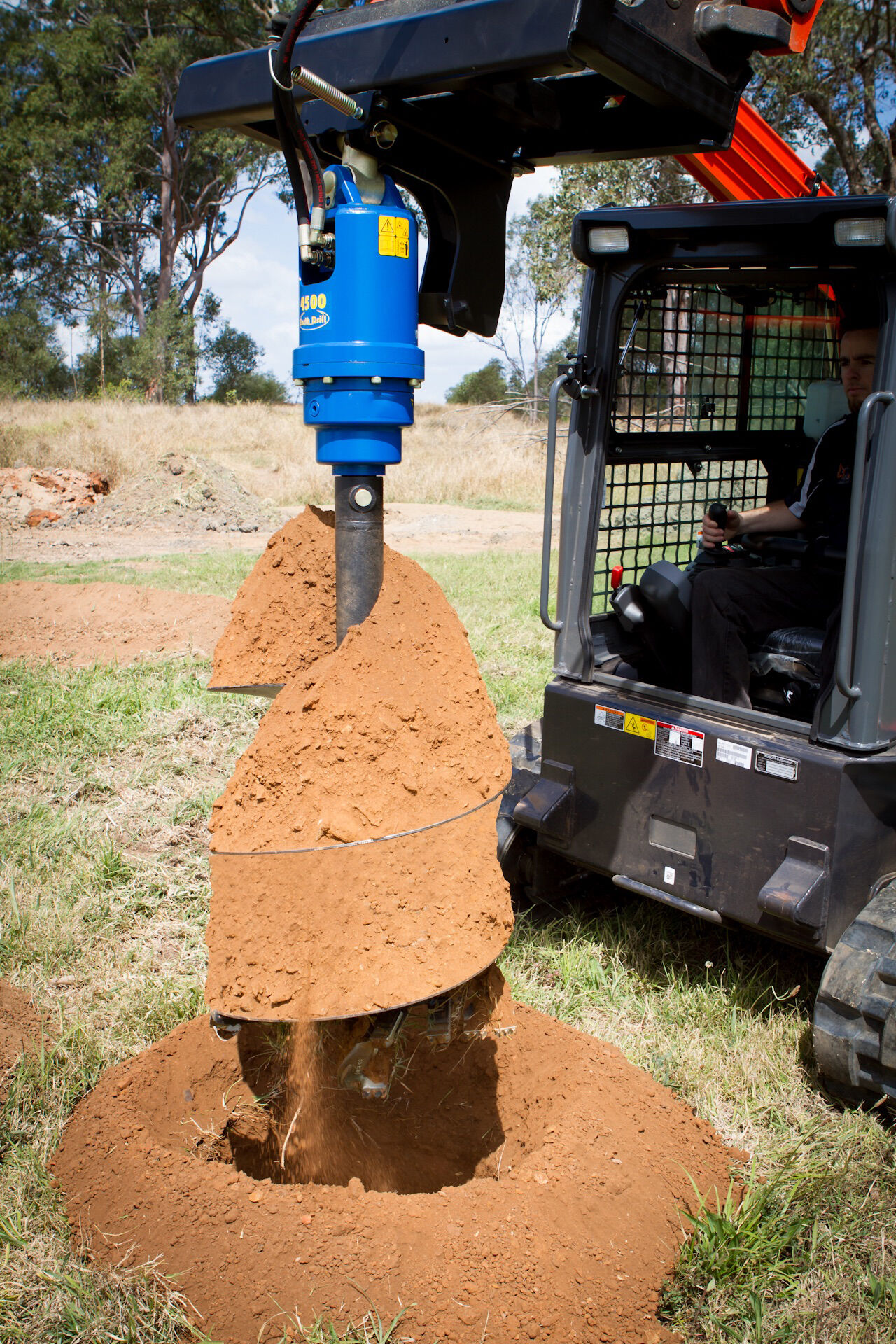
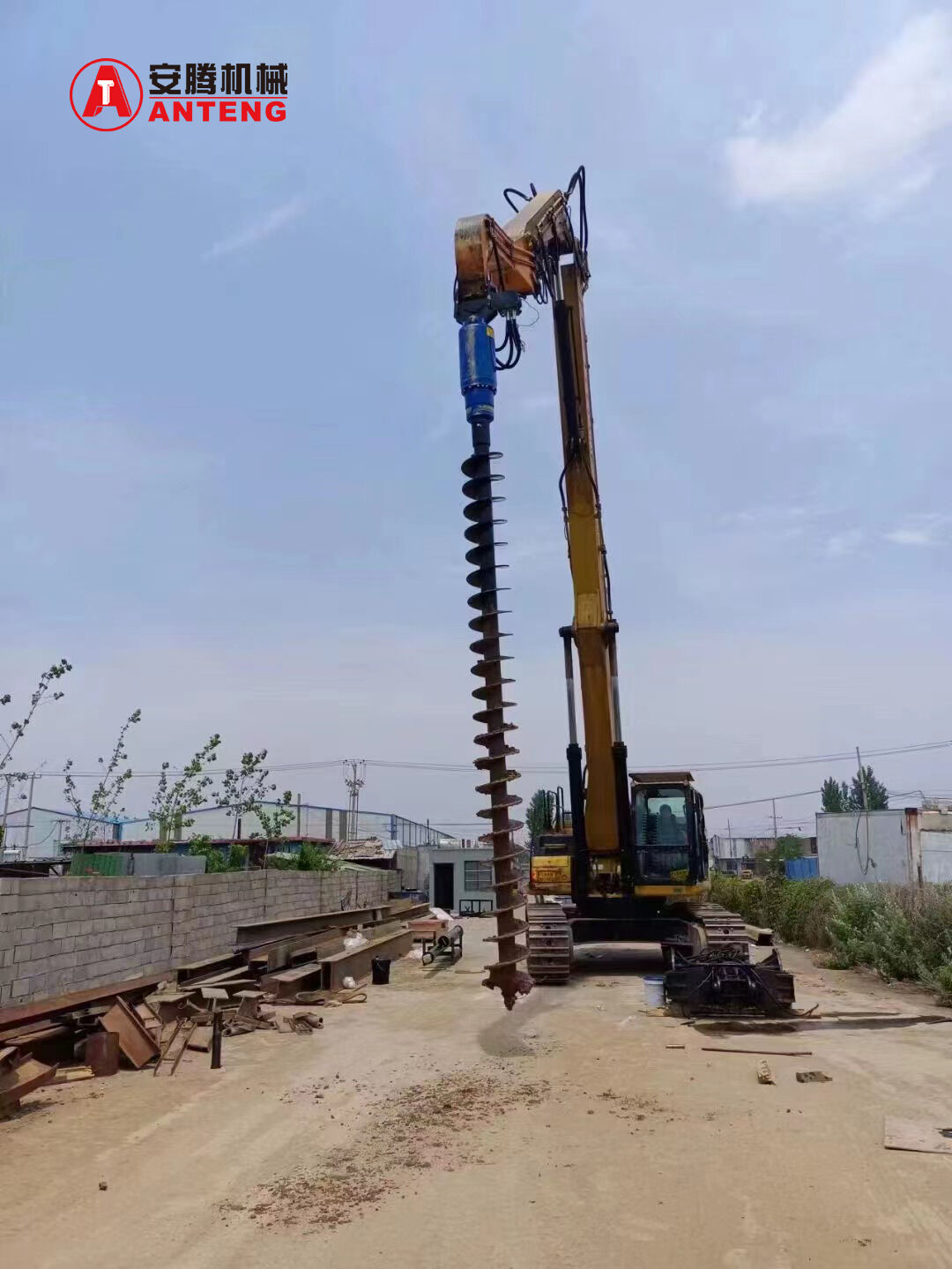
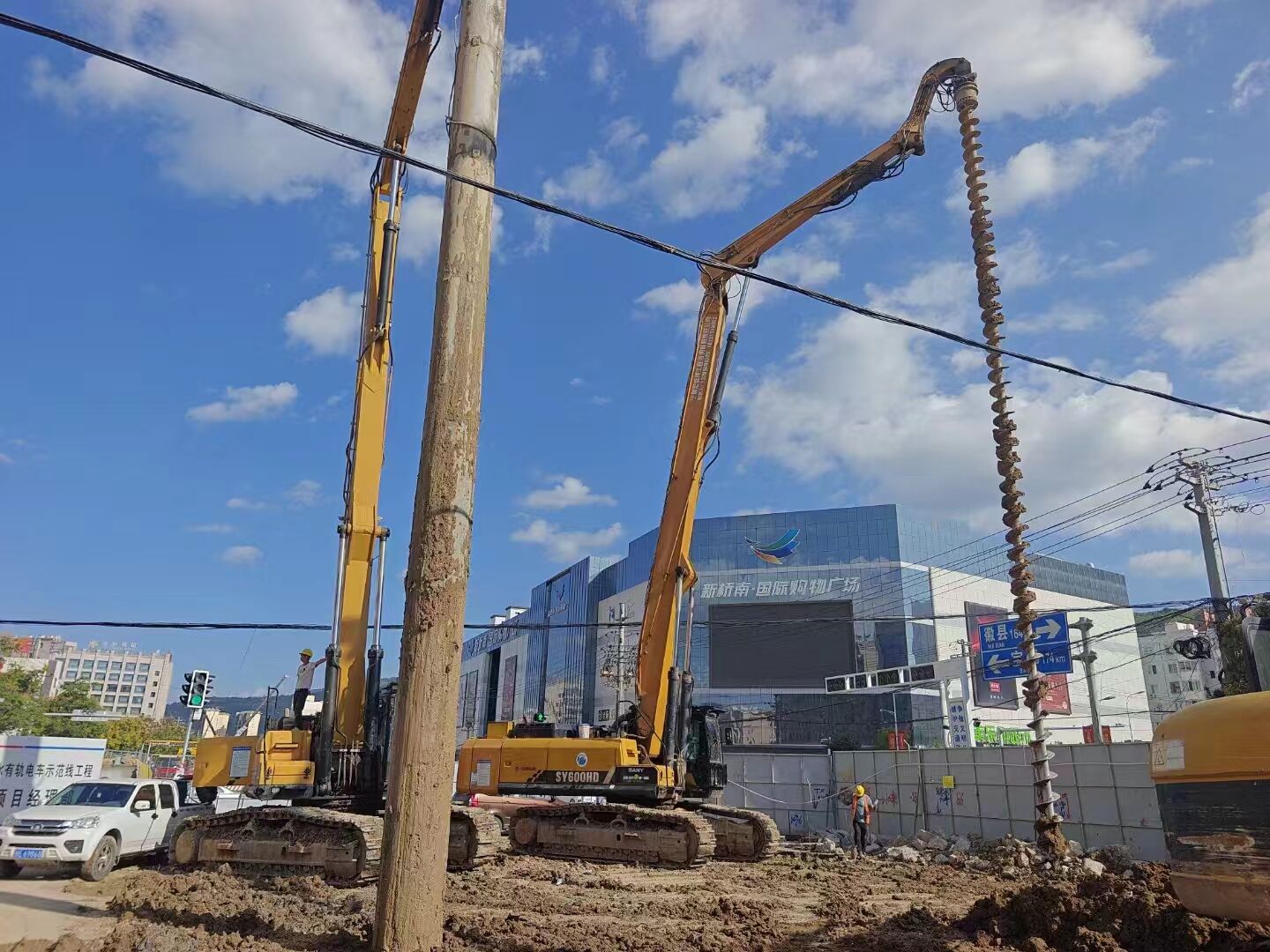
A micropile drill rig represents an essential piece of specialized construction equipment designed specifically for installing micropiles in challenging ground conditions and restricted access areas. These compact yet powerful machines deliver exceptional drilling capabilities while maintaining the mobility needed for urban construction projects, foundation repairs, and geotechnical applications. The micropile drill rig combines advanced hydraulic systems with precision engineering to create small-diameter, high-capacity foundation elements that provide superior structural support. These rigs typically feature track-mounted designs that enable operation on uneven terrain while delivering consistent drilling performance. The equipment utilizes sophisticated rotary drilling mechanisms that can penetrate various soil types, including hard rock formations, dense clay layers, and mixed geological conditions. Modern micropile drill rigs incorporate computerized control systems that monitor drilling parameters such as torque, penetration rate, and hydraulic pressure, ensuring optimal installation quality. The compact footprint of these machines allows operators to work in confined spaces, including basements, between existing structures, and areas with limited headroom clearance. Safety features include emergency stop systems, operator protection cabs, and stability monitoring to prevent equipment tipping during operation. The drilling process involves creating precise boreholes ranging from 4 to 12 inches in diameter, which are then reinforced with steel casings or reinforcement bars and filled with high-strength grout. This methodology creates micropiles capable of supporting substantial loads while occupying minimal space. The versatility of micropile drill rigs extends to their ability to drill at various angles, enabling installation of battered piles for lateral load resistance. These machines represent a crucial technological advancement in foundation engineering, providing reliable solutions for structural underpinning, slope stabilization, and new construction projects where traditional pile installation methods prove impractical or impossible.

 EN
EN