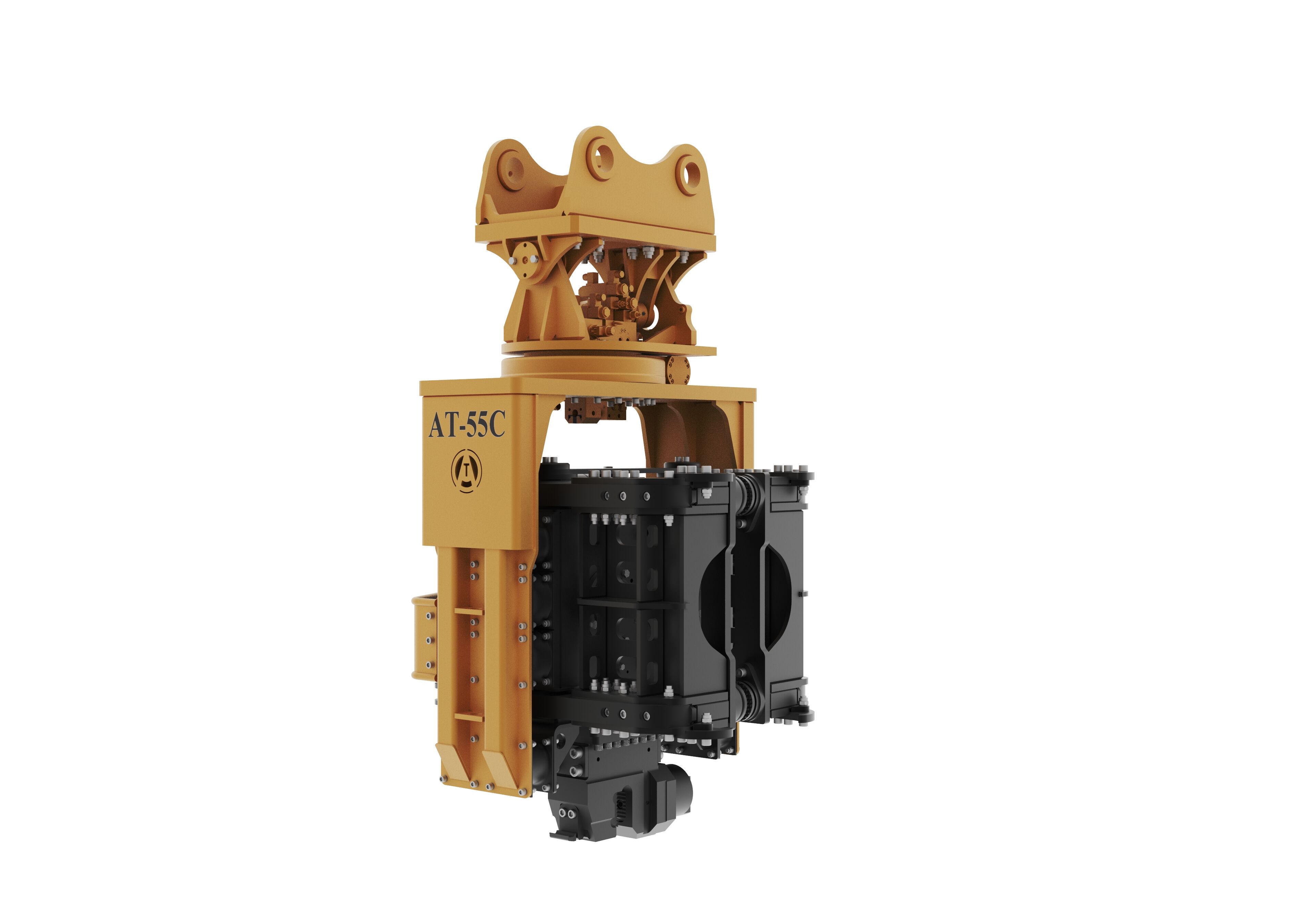
machining side clamps
Machining side clamps represent essential workholding solutions designed to secure workpieces during various manufacturing operations. These precision-engineered devices provide lateral support and positioning control, ensuring parts remain stable throughout cutting, drilling, milling, and grinding processes. The primary function of machining side clamps involves applying controlled pressure perpendicular to the workpiece surface, preventing movement while maintaining accessibility for machining operations. Modern machining side clamps incorporate advanced materials such as hardened steel components and wear-resistant surfaces that withstand repeated use in demanding industrial environments. Their technological features include adjustable pressure mechanisms, quick-release systems, and compatibility with standard T-slot configurations found on machine tables and fixtures. The clamping force can be precisely controlled through mechanical, pneumatic, or hydraulic actuation methods, allowing operators to optimize holding strength based on specific workpiece requirements. These devices feature compact profiles that minimize interference with cutting tools while maximizing workspace accessibility. Applications for machining side clamps span across automotive manufacturing, aerospace production, medical device fabrication, and general machining operations where precise part positioning is critical. They excel in situations requiring rapid setup changes, high-volume production runs, and complex multi-sided machining sequences. The versatility of machining side clamps makes them suitable for holding various materials including aluminum, steel, titanium, and composite materials. Their design accommodates different workpiece geometries, from simple rectangular parts to complex curved surfaces. Integration with automated systems enables unmanned operation, reducing labor costs while maintaining consistent quality standards. Modern machining side clamps often incorporate safety features such as fail-safe mechanisms and visual position indicators that enhance operational reliability and operator protection during manufacturing processes.

 EN
EN