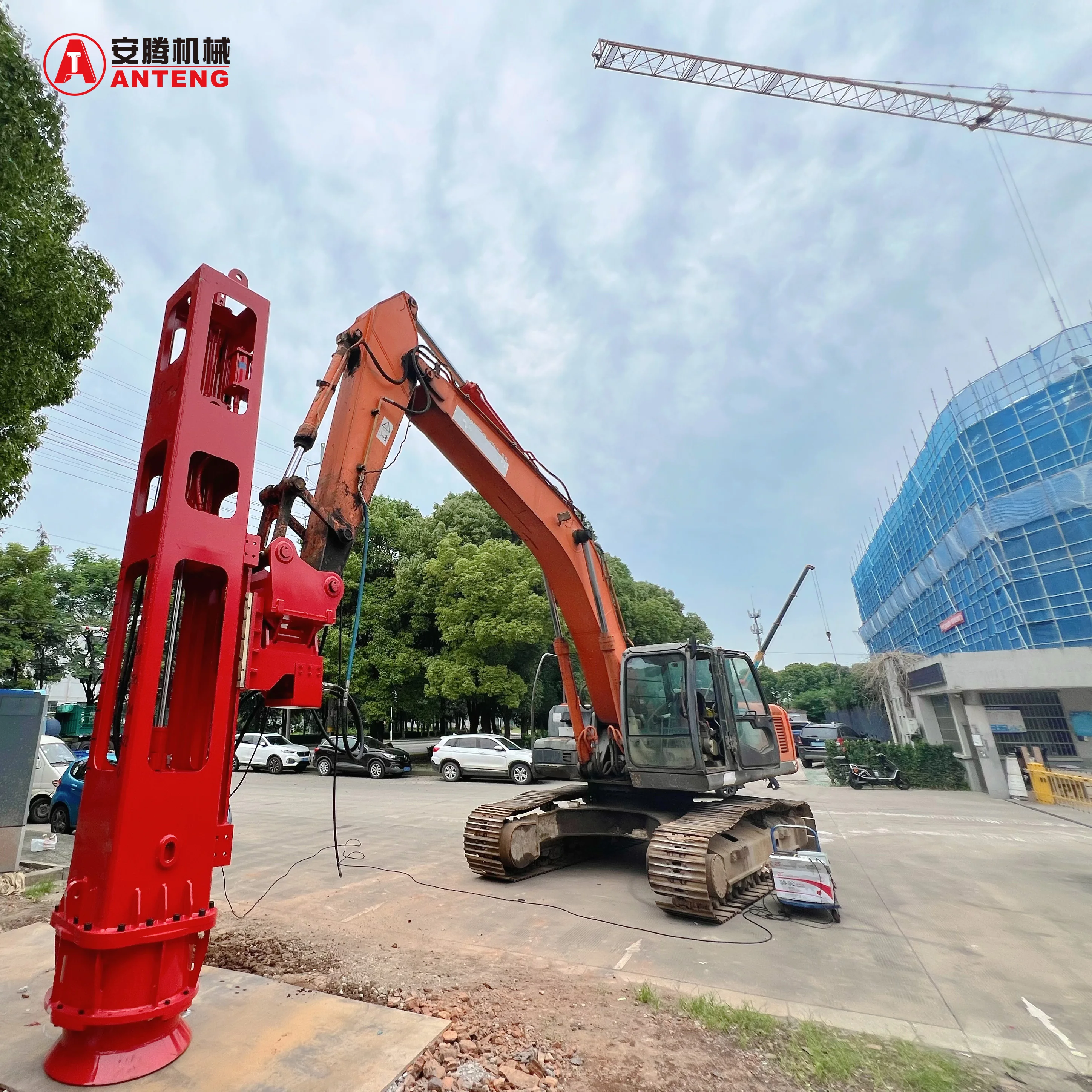
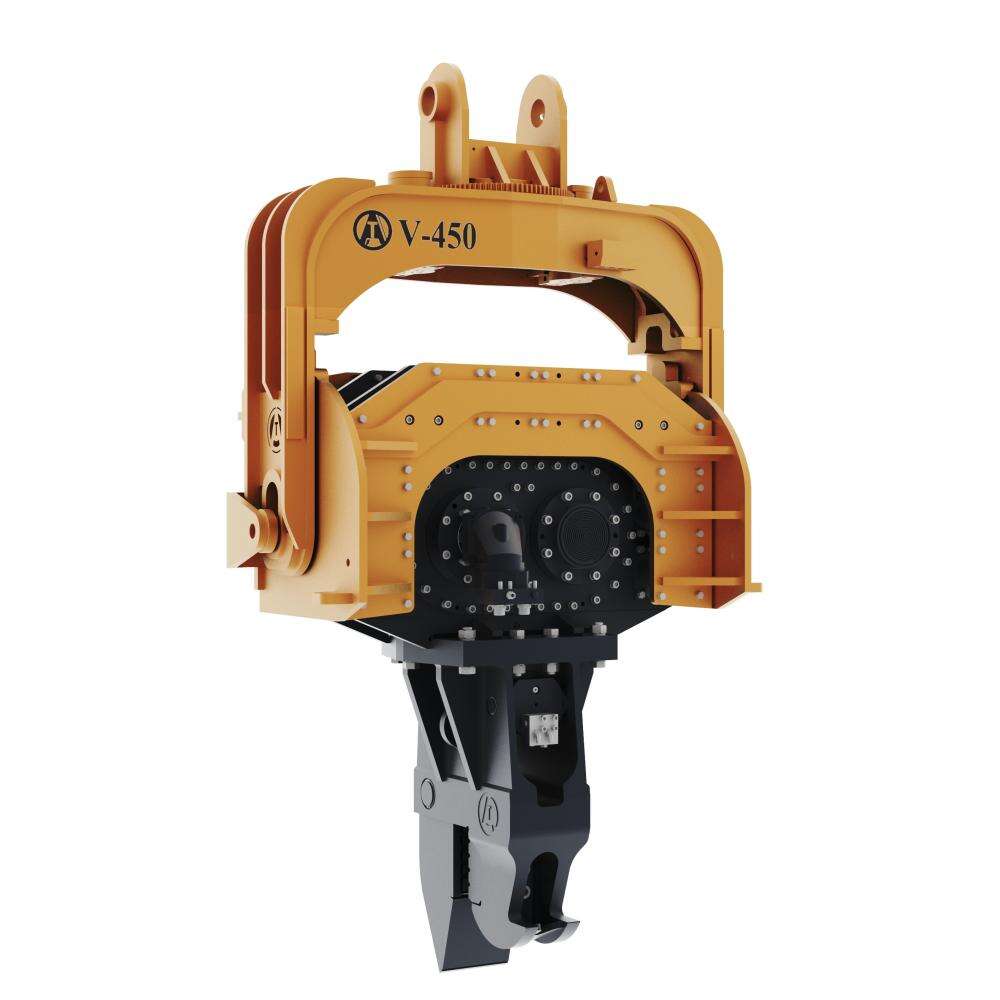
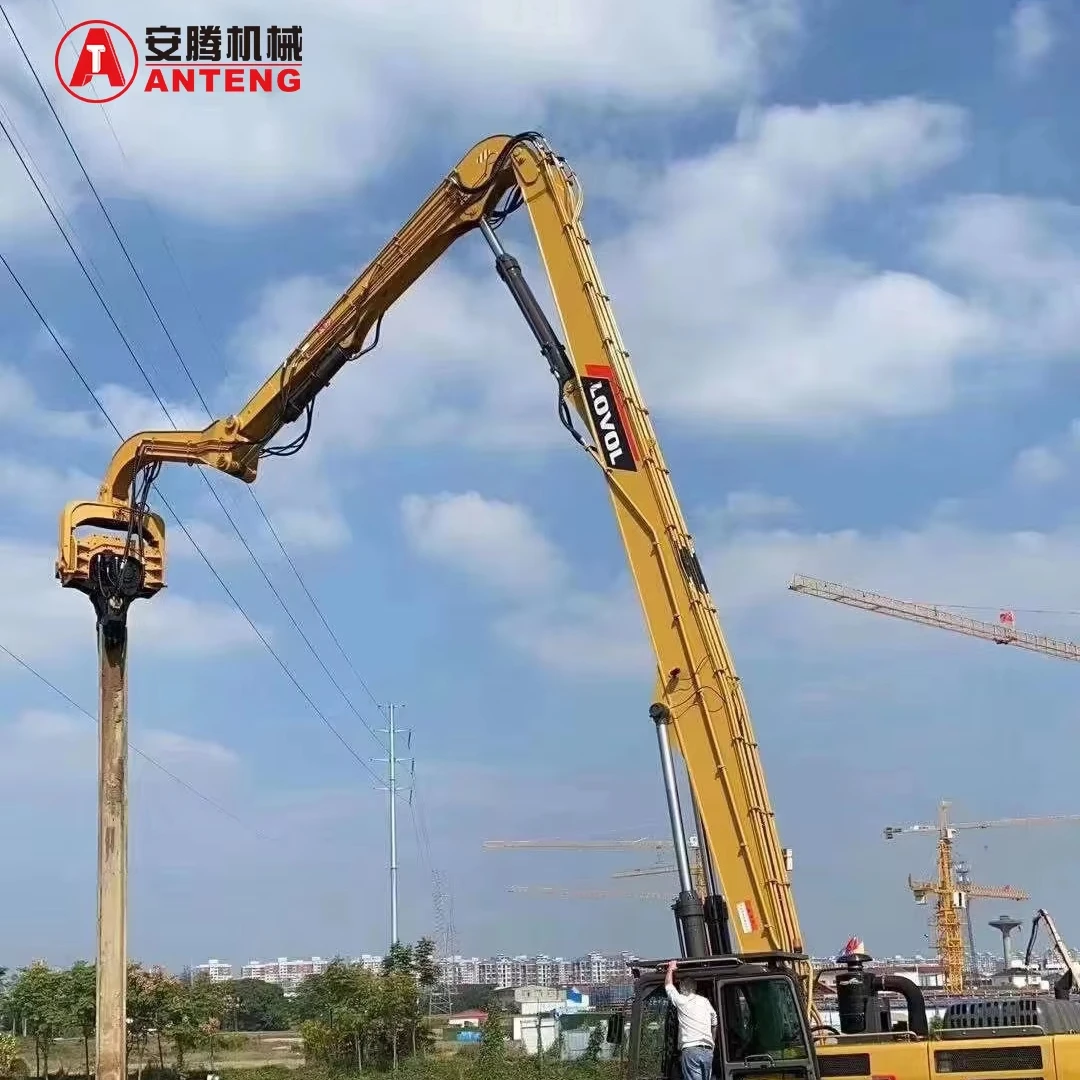
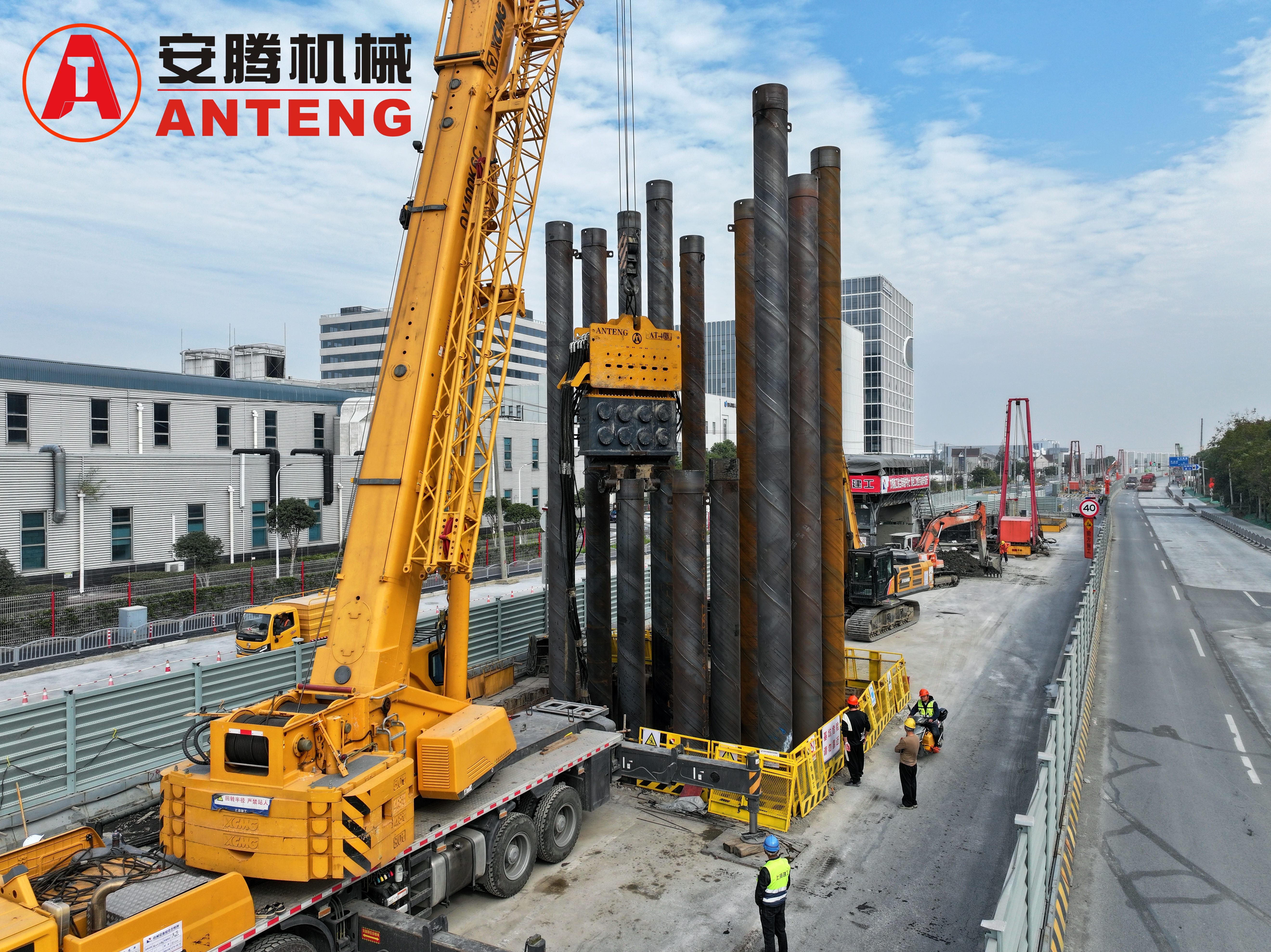
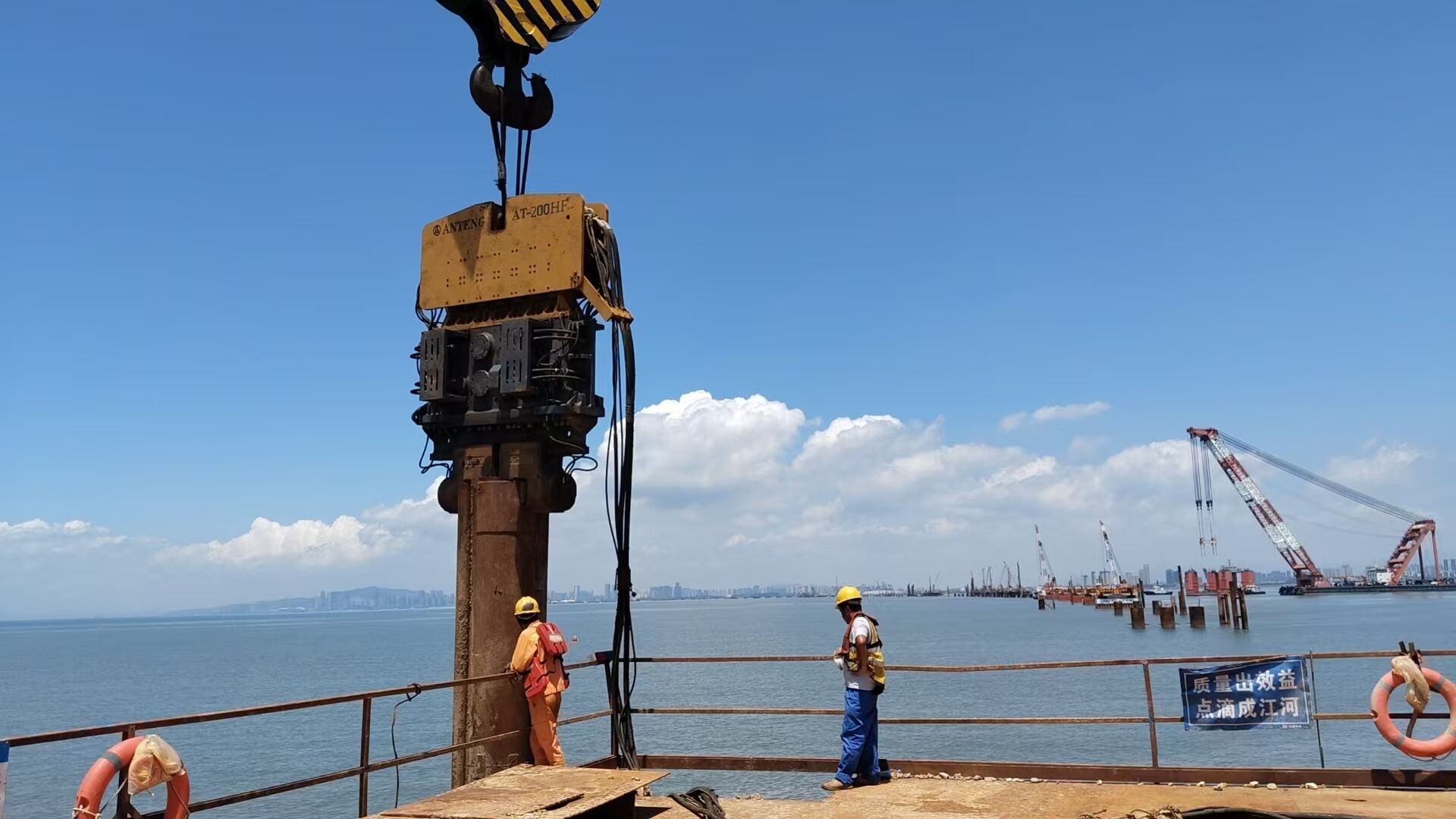
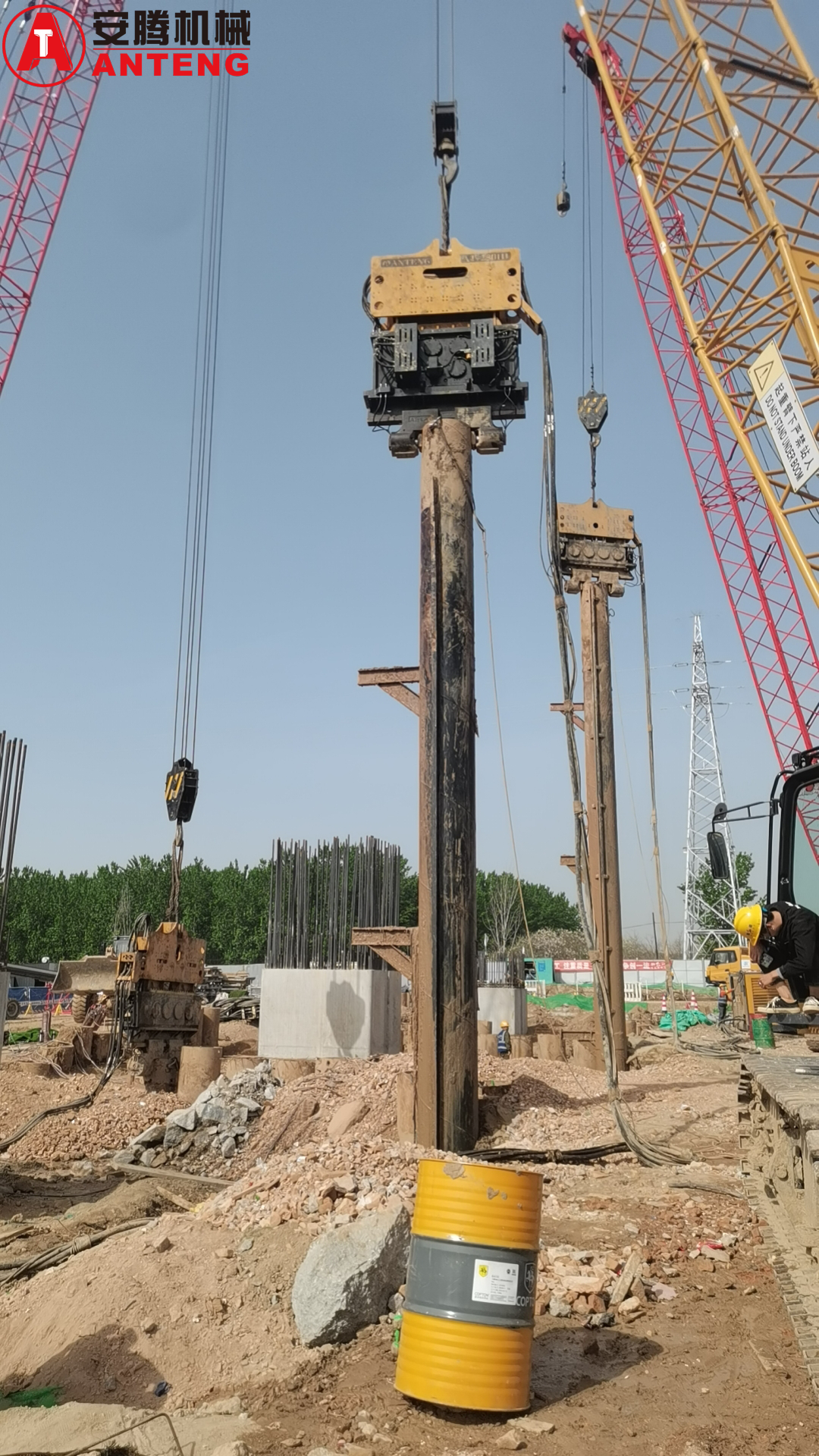
hydraulic vibrating hammer
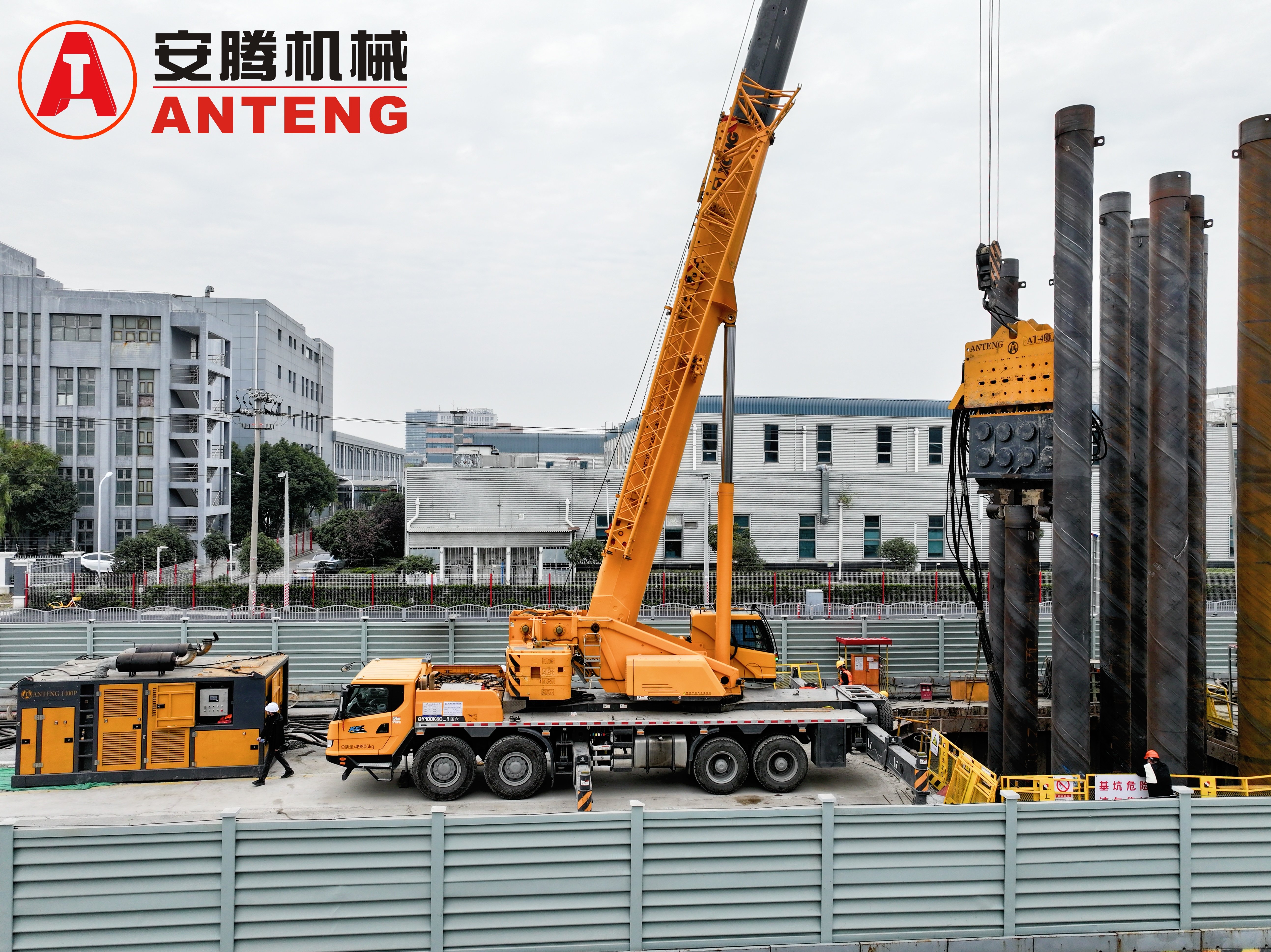
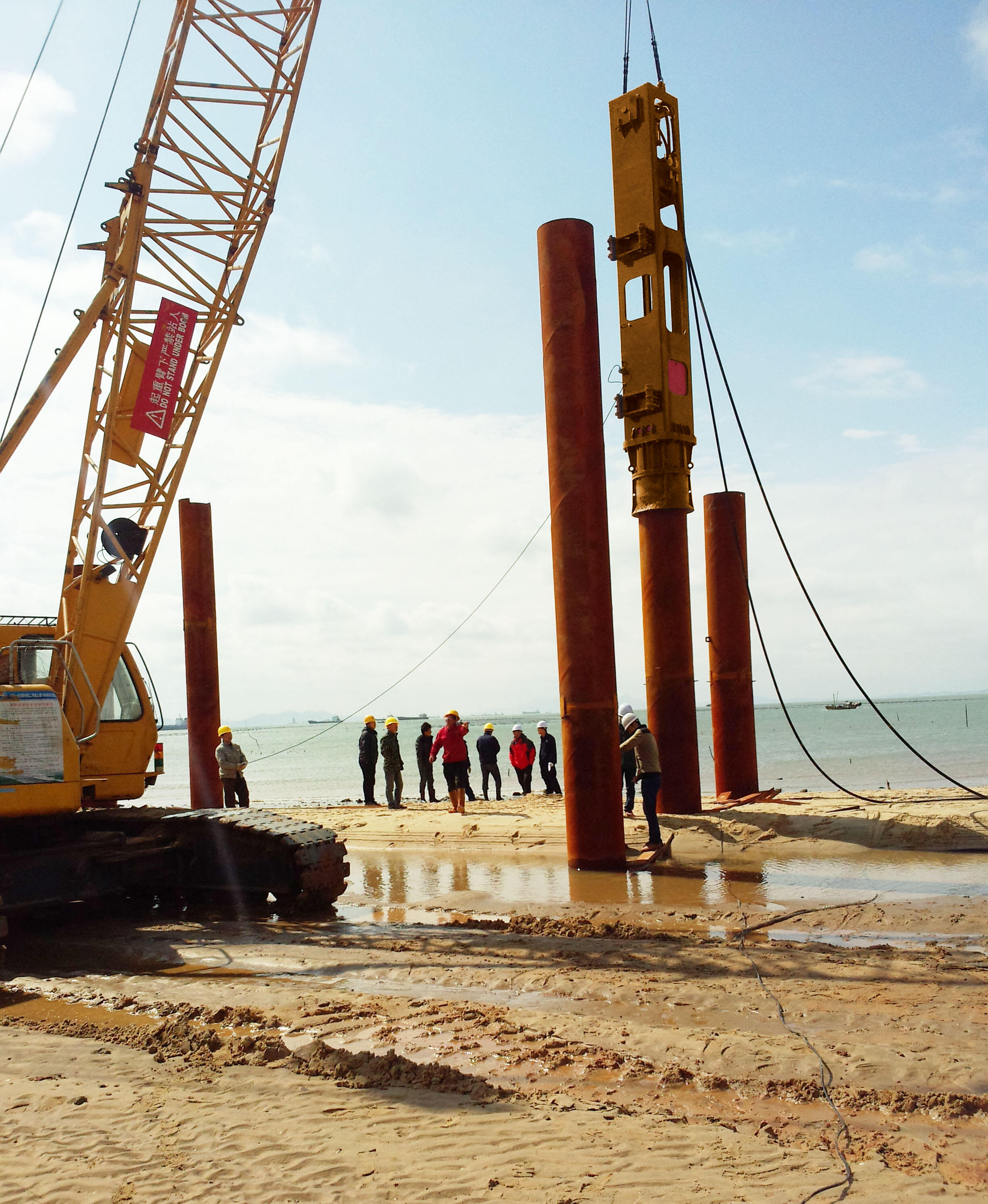
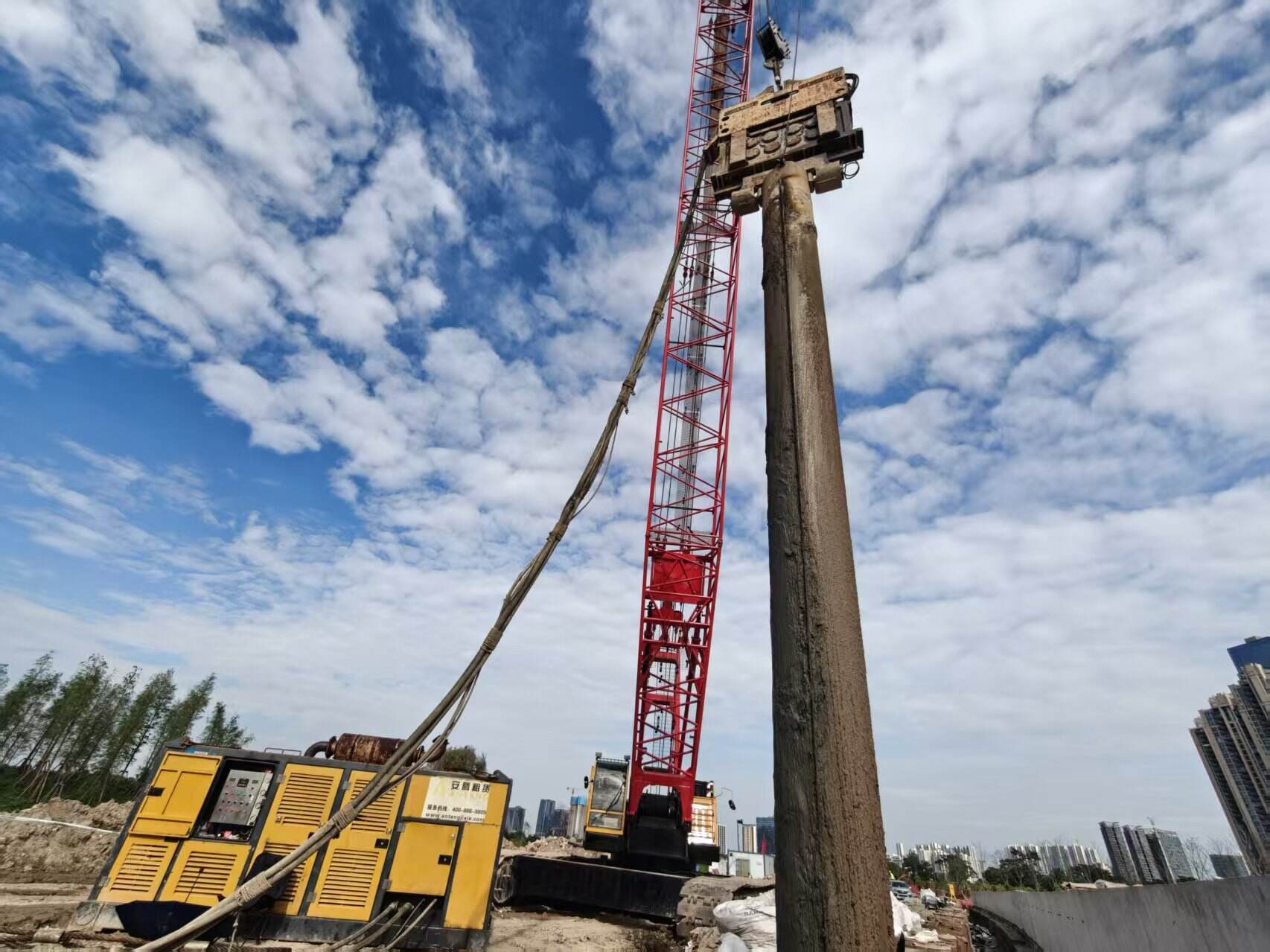
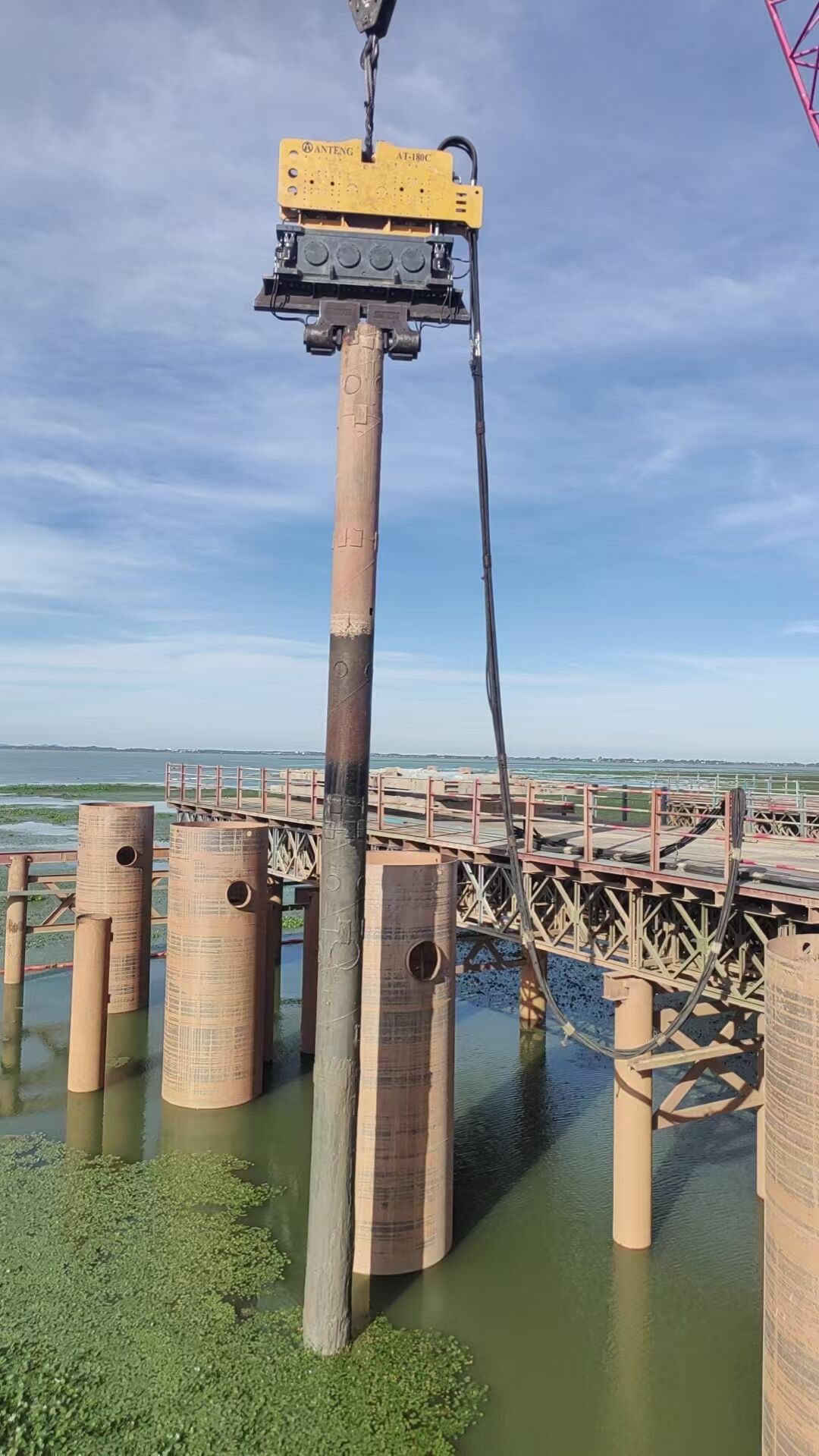
The hydraulic vibrating hammer stands as a revolutionary piece of construction equipment that transforms how foundation work is performed across various industrial projects. This powerful machine operates by combining hydraulic technology with precise vibrational mechanisms to drive piles, extract materials, and perform foundation tasks with exceptional efficiency. The hydraulic vibrating hammer delivers controlled vibrations through hydraulic power systems, creating the necessary force to penetrate different soil conditions and handle various construction materials. Its primary functions encompass pile driving operations, foundation preparation, demolition work, and material extraction processes. The equipment features advanced hydraulic circuits that generate consistent power output while maintaining operational precision throughout extended work cycles. Modern hydraulic vibrating hammer units incorporate sophisticated control systems that allow operators to adjust vibration frequency, amplitude, and force application according to specific project requirements. These machines typically include robust steel construction, reinforced mounting brackets, and specialized vibration dampening systems that reduce operator fatigue and equipment wear. The technological features of the hydraulic vibrating hammer include variable frequency controls, automatic lubrication systems, and integrated monitoring displays that provide real-time performance data. Advanced models feature computerized control panels that optimize performance parameters automatically based on soil conditions and material characteristics. The equipment's versatility makes it suitable for diverse applications including sheet pile installation, concrete demolition, compaction operations, and foundation rehabilitation projects. Construction companies utilize the hydraulic vibrating hammer for bridge construction, marine infrastructure development, building foundation work, and underground utility installation. The machine's adaptability to various attachment types and mounting configurations enables its use on different carrier vehicles including excavators, cranes, and specialized foundation rigs, making it an indispensable tool for modern construction operations.

 EN
EN