Advanced Control Systems and Versatility
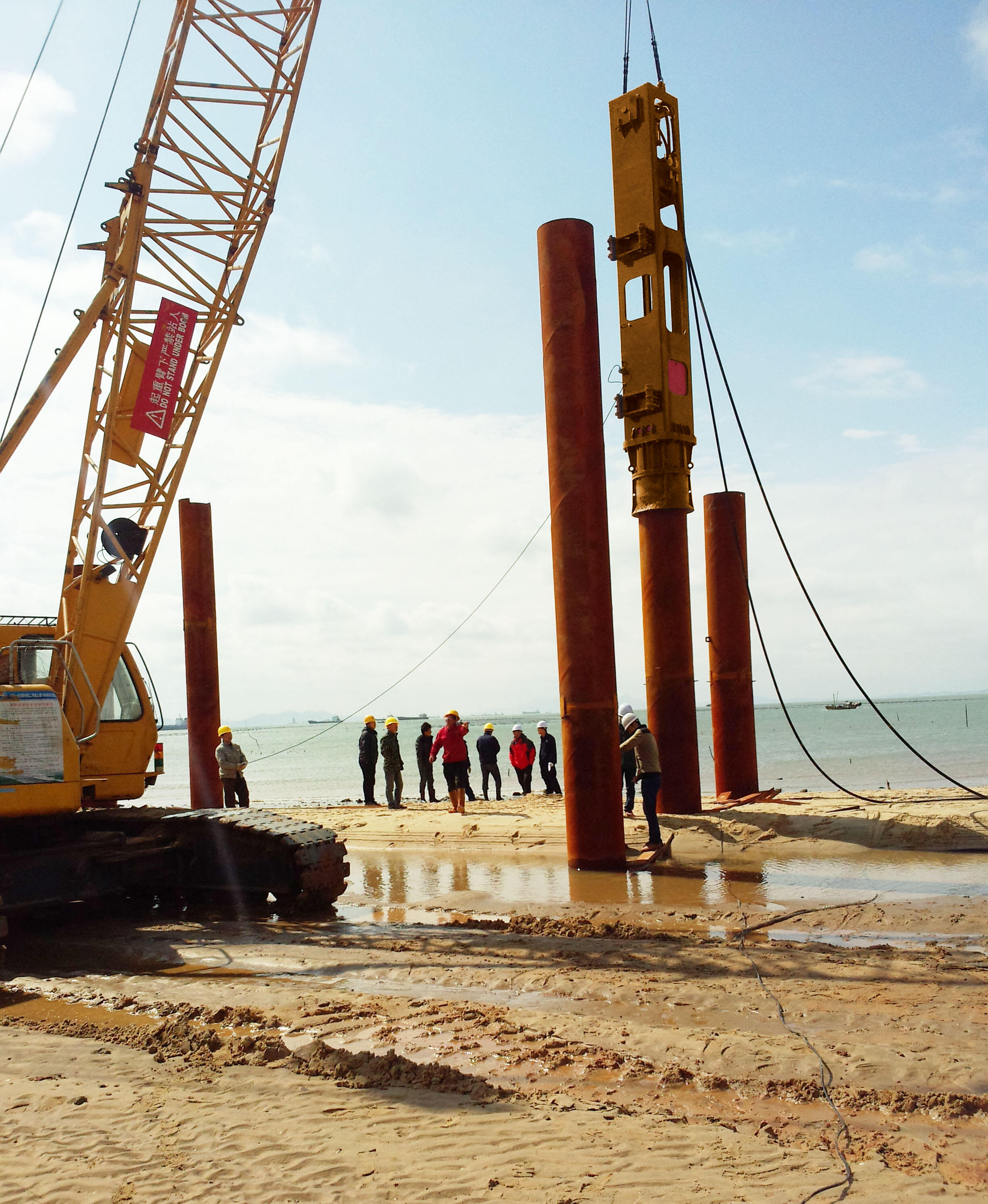
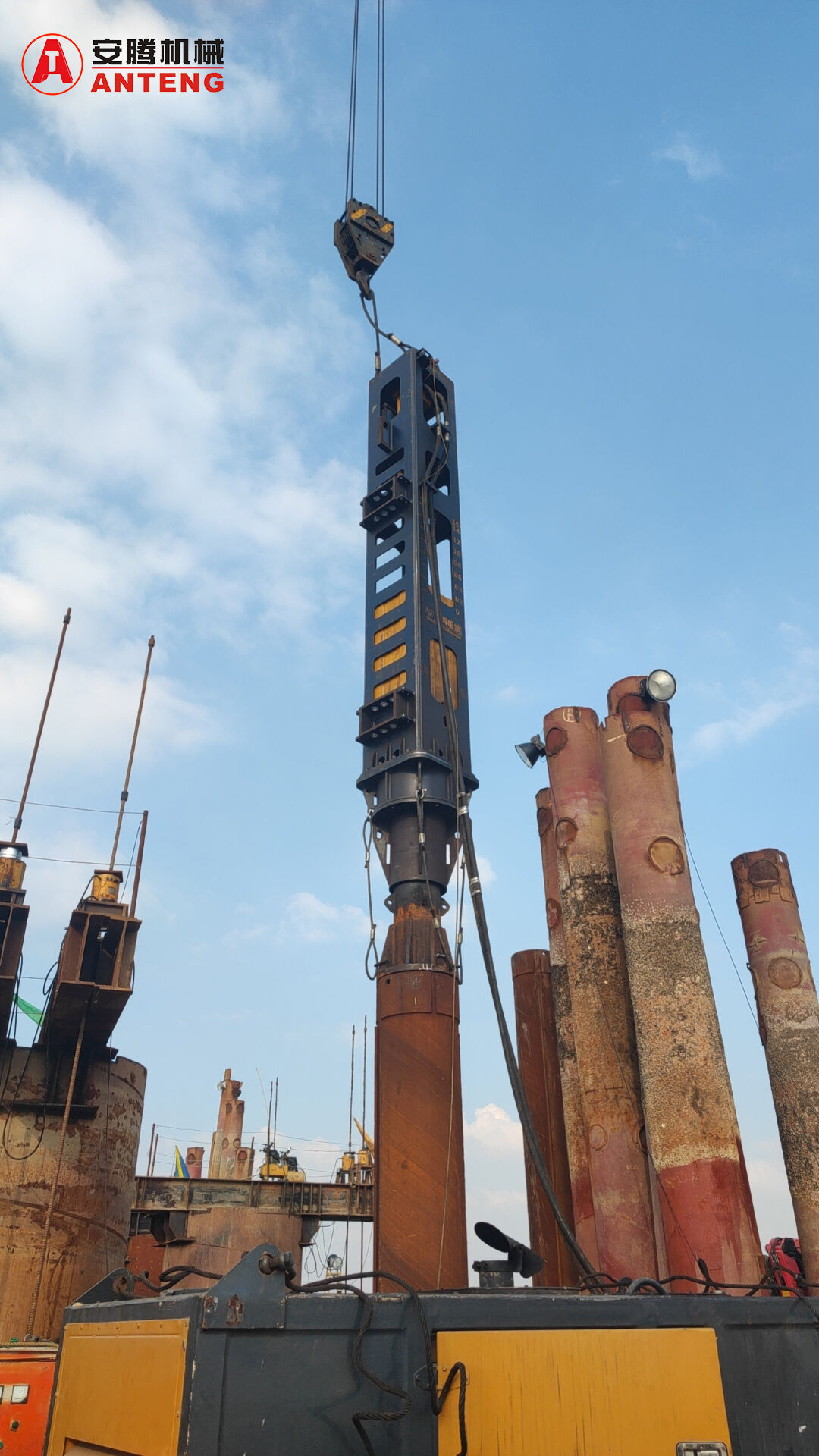
The hydraulic impact hammer incorporates sophisticated control technology that provides operators with unprecedented flexibility in managing striking force, frequency, and operational parameters to match specific job requirements perfectly. These advanced control systems represent a quantum leap forward from traditional fixed-output hammers, offering infinite adjustability within the equipment's operating range. Operators can fine-tune the hammer's performance in real-time, optimizing power delivery for different materials, thicknesses, and working conditions without stopping work or changing equipment. The electronic control systems monitor hydraulic pressure, flow rates, and operational parameters continuously, automatically adjusting performance to maintain optimal efficiency while protecting the equipment from damage due to improper operation or excessive loads. This intelligent operation extends equipment life significantly while ensuring consistent results across diverse applications. The versatility extends to the wide range of tool attachments available for hydraulic impact hammers, enabling contractors to configure the same base unit for multiple applications. From precision concrete removal requiring delicate touch to heavy structural demolition demanding maximum force, the hydraulic impact hammer adapts seamlessly to changing job requirements. Quick-change tool systems allow operators to switch between points, chisels, spades, and specialized attachments in minutes, eliminating downtime and maximizing equipment utilization. The control systems also incorporate safety features that prevent equipment damage and protect operators from hazardous conditions. Automatic shut-off mechanisms activate when abnormal operating conditions are detected, while pressure relief systems prevent over-pressurization that could damage hydraulic components. These safety features, combined with the predictable operation characteristics of hydraulic systems, create a safer working environment compared to less controllable pneumatic alternatives.

 EN
EN