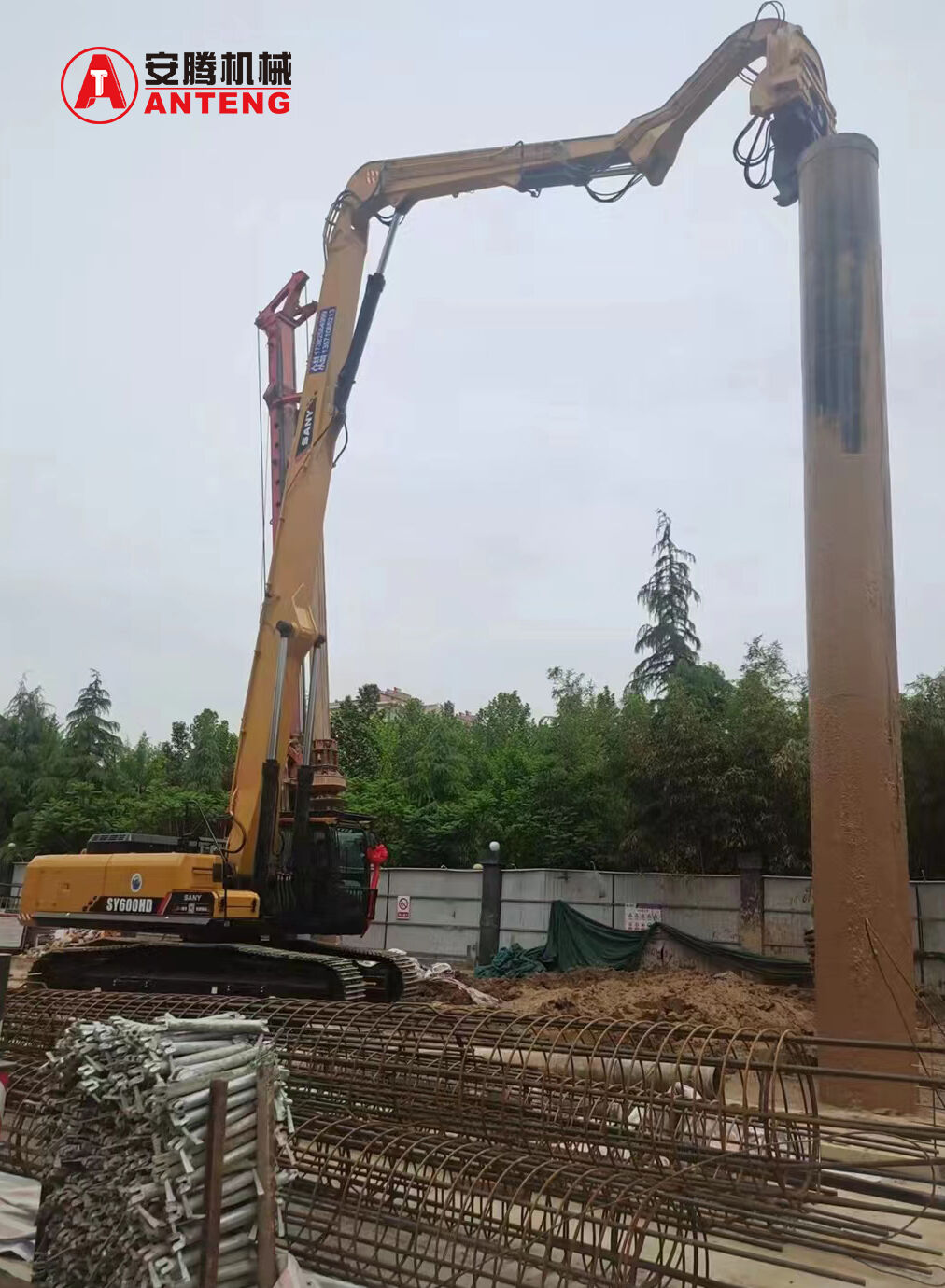
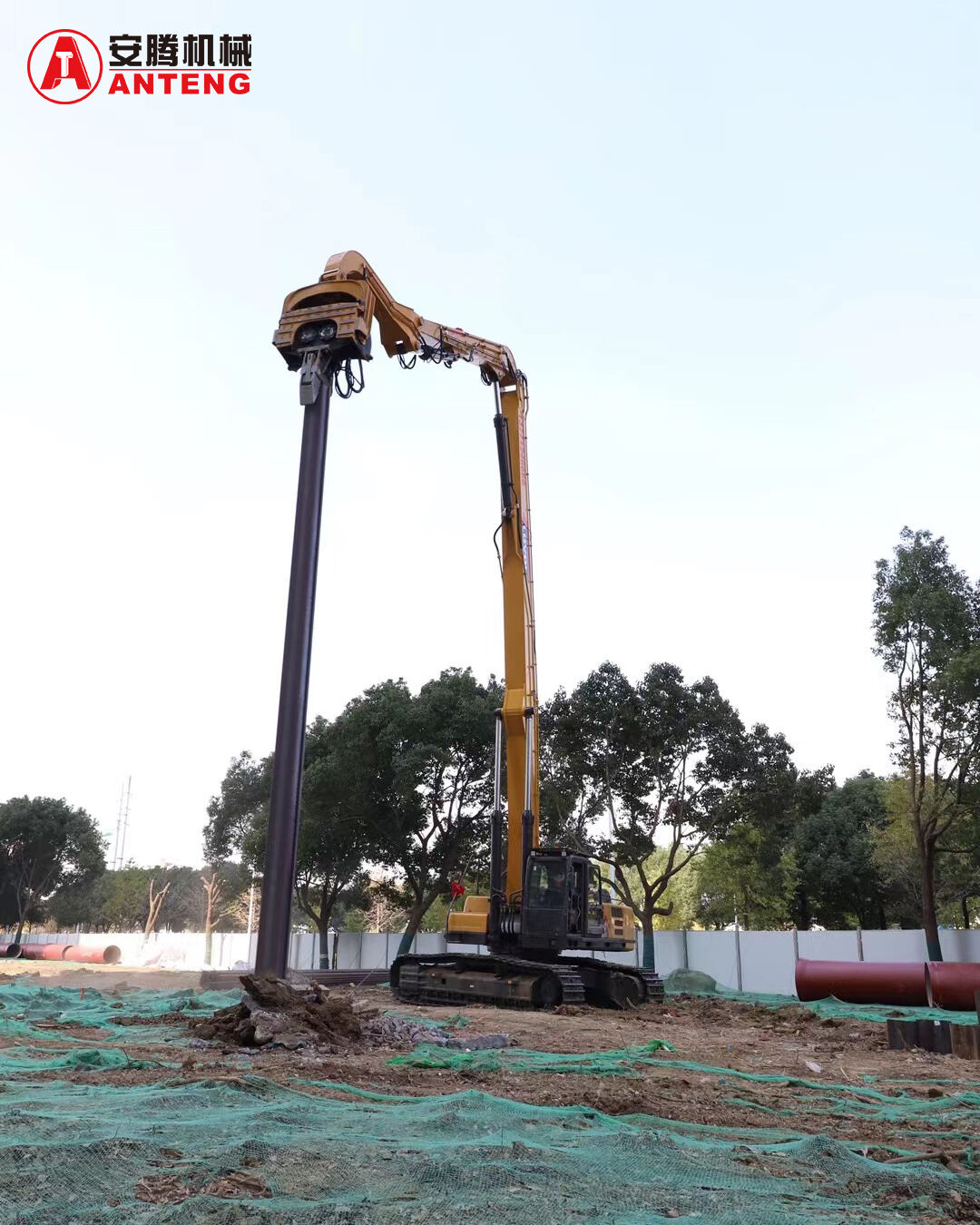
excavator vibratory pile hammer
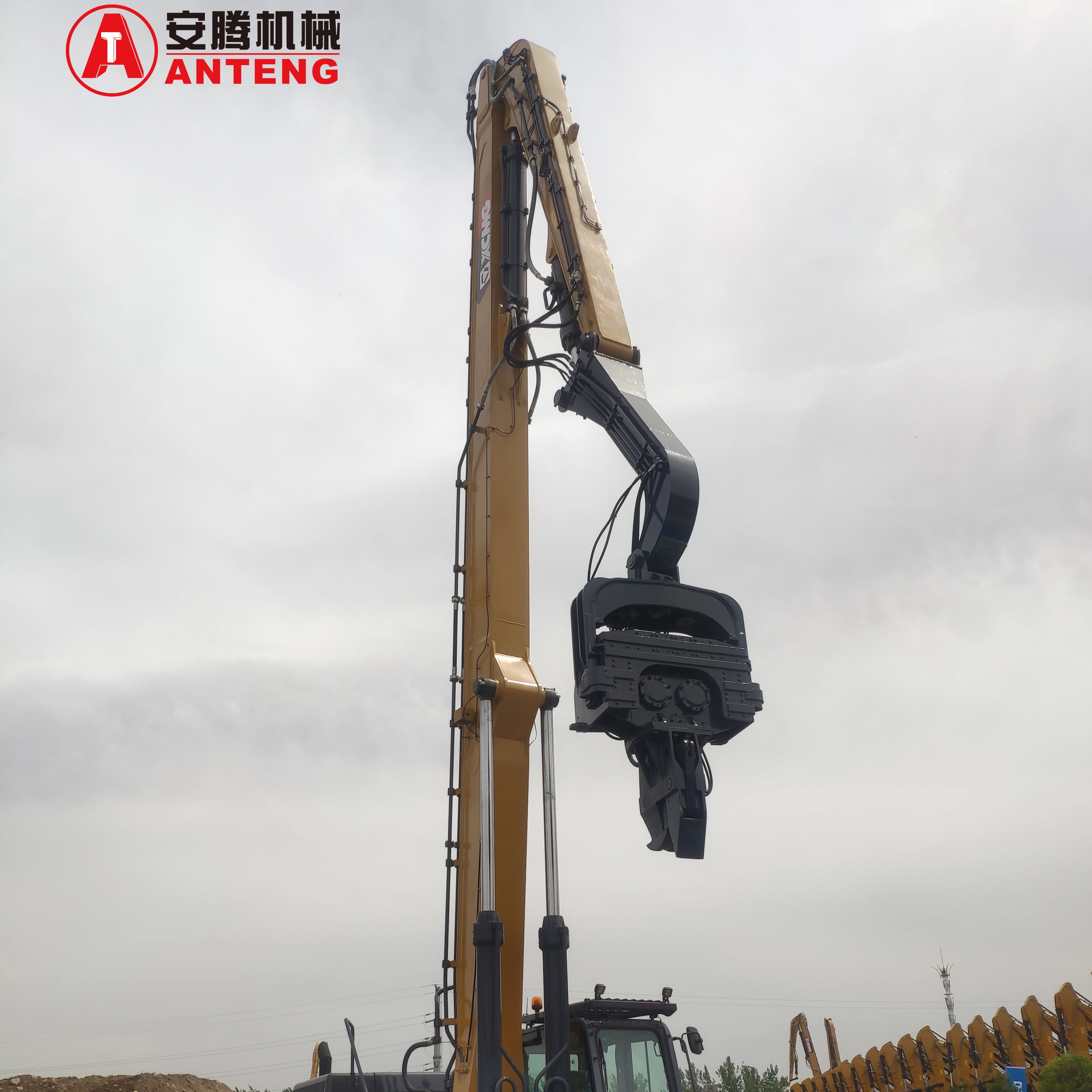
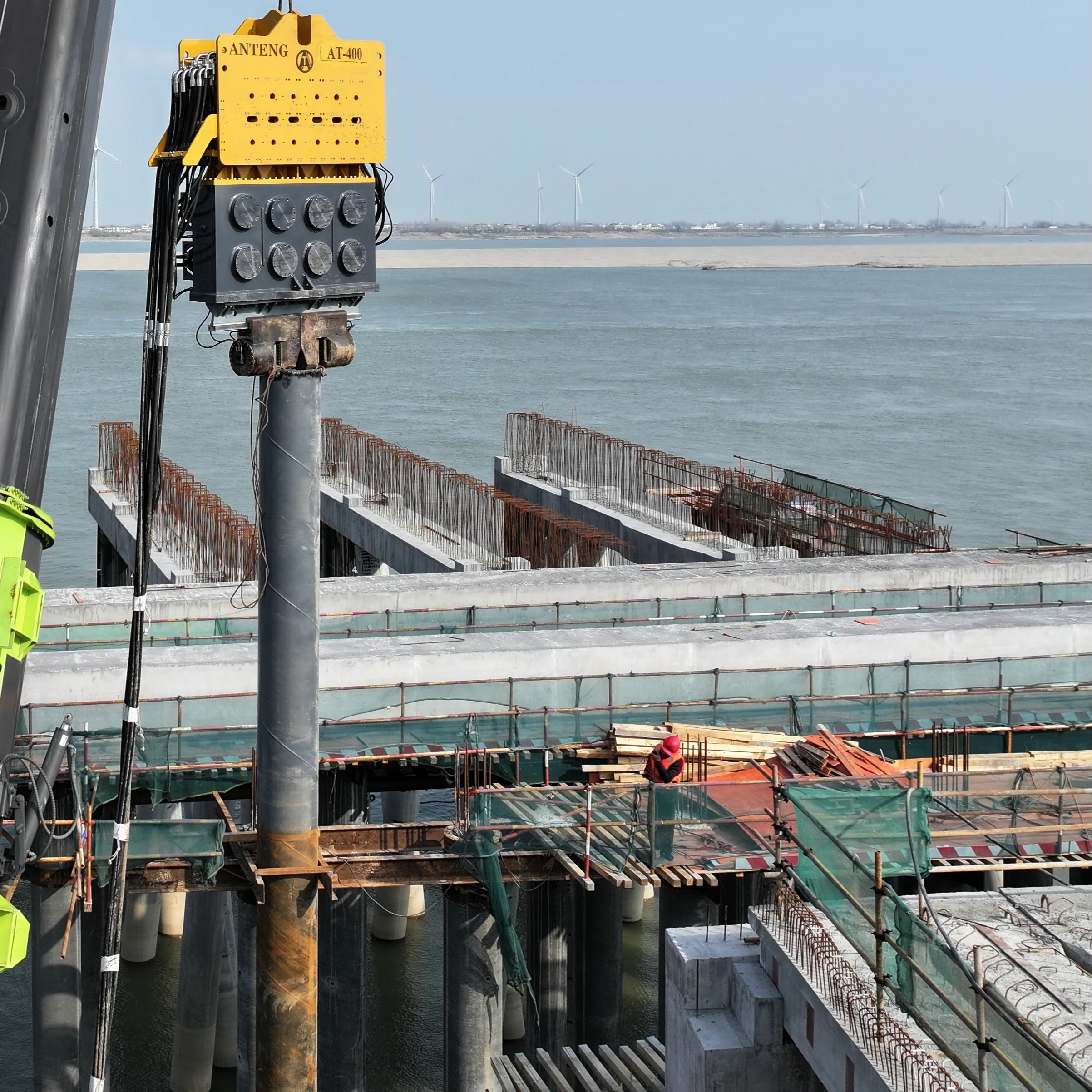
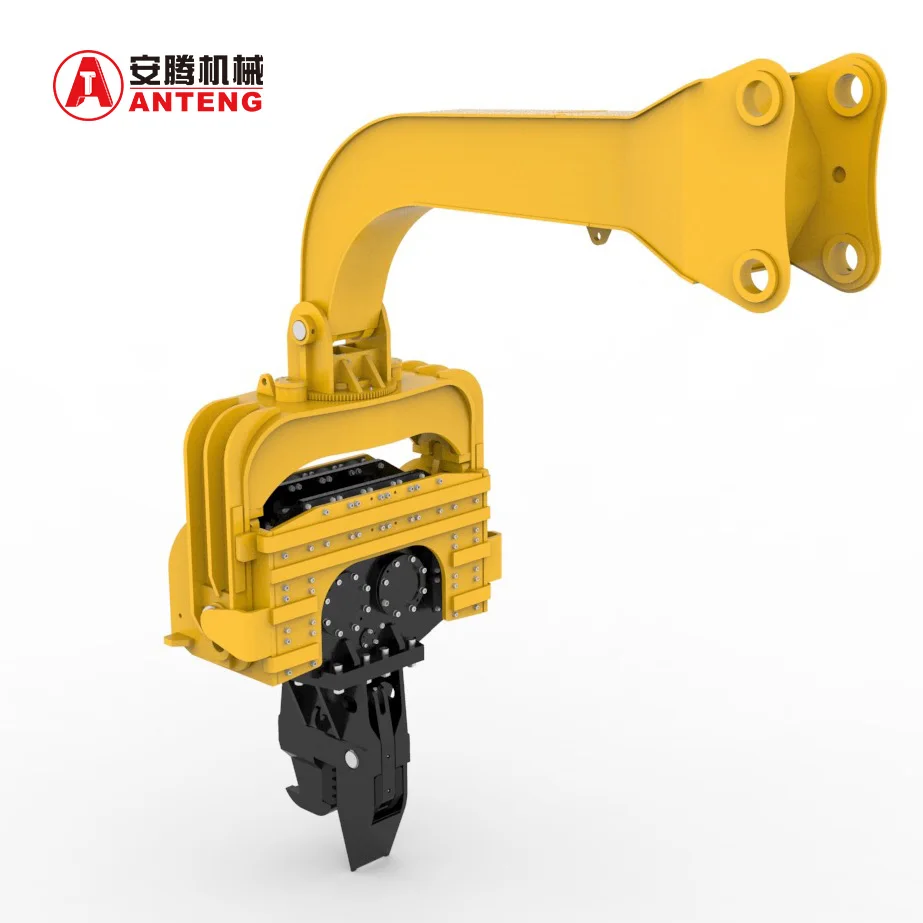
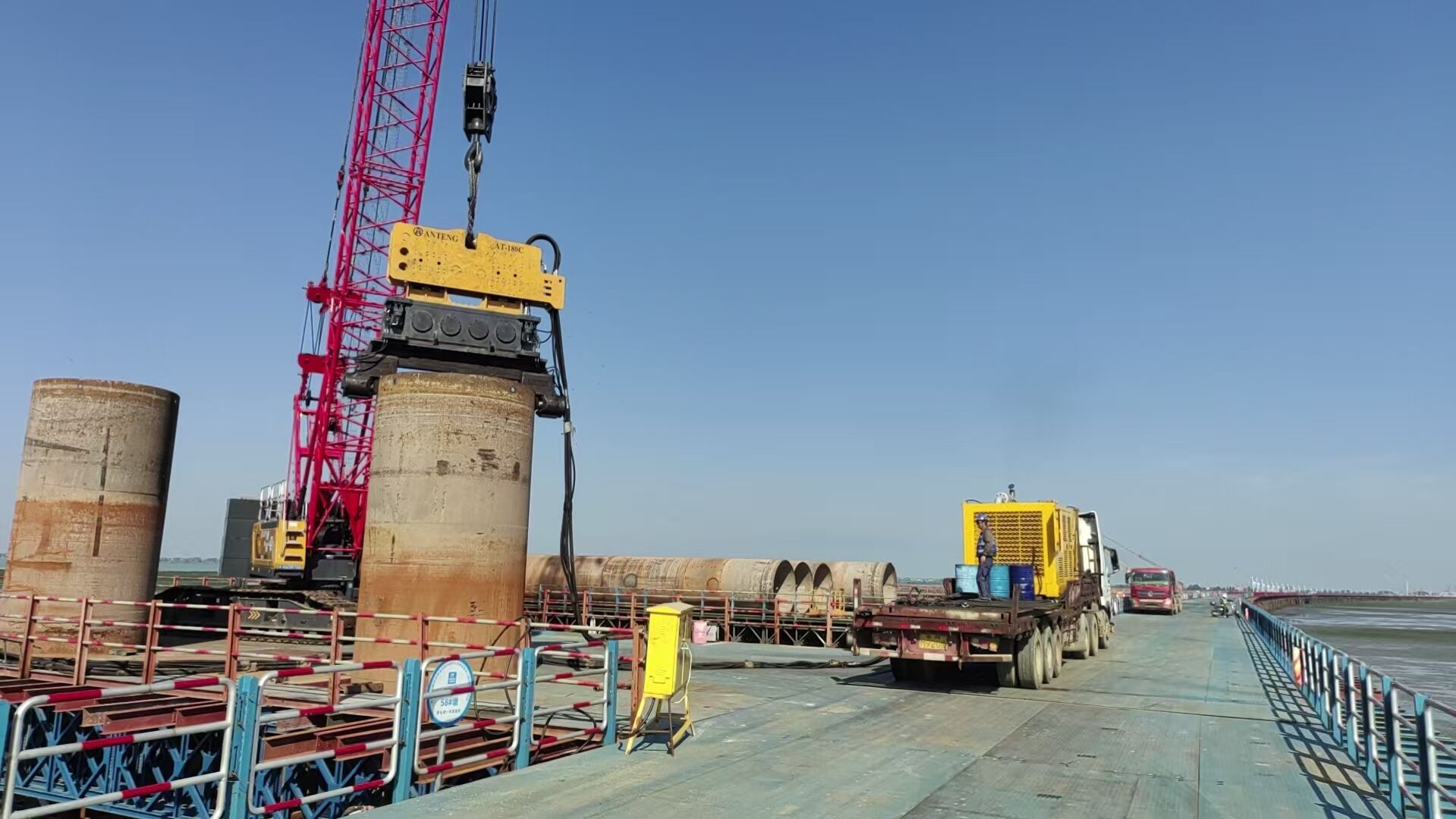
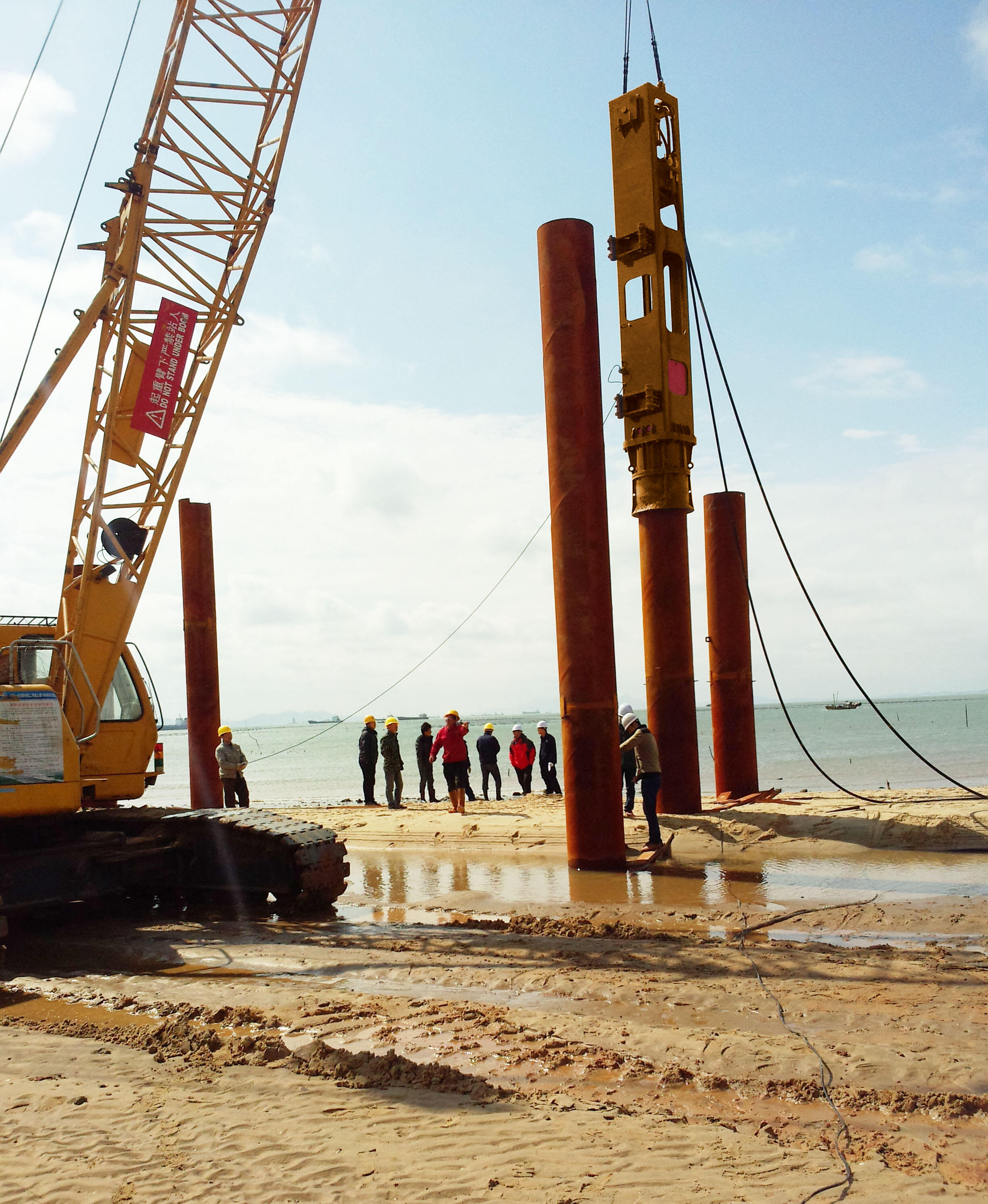
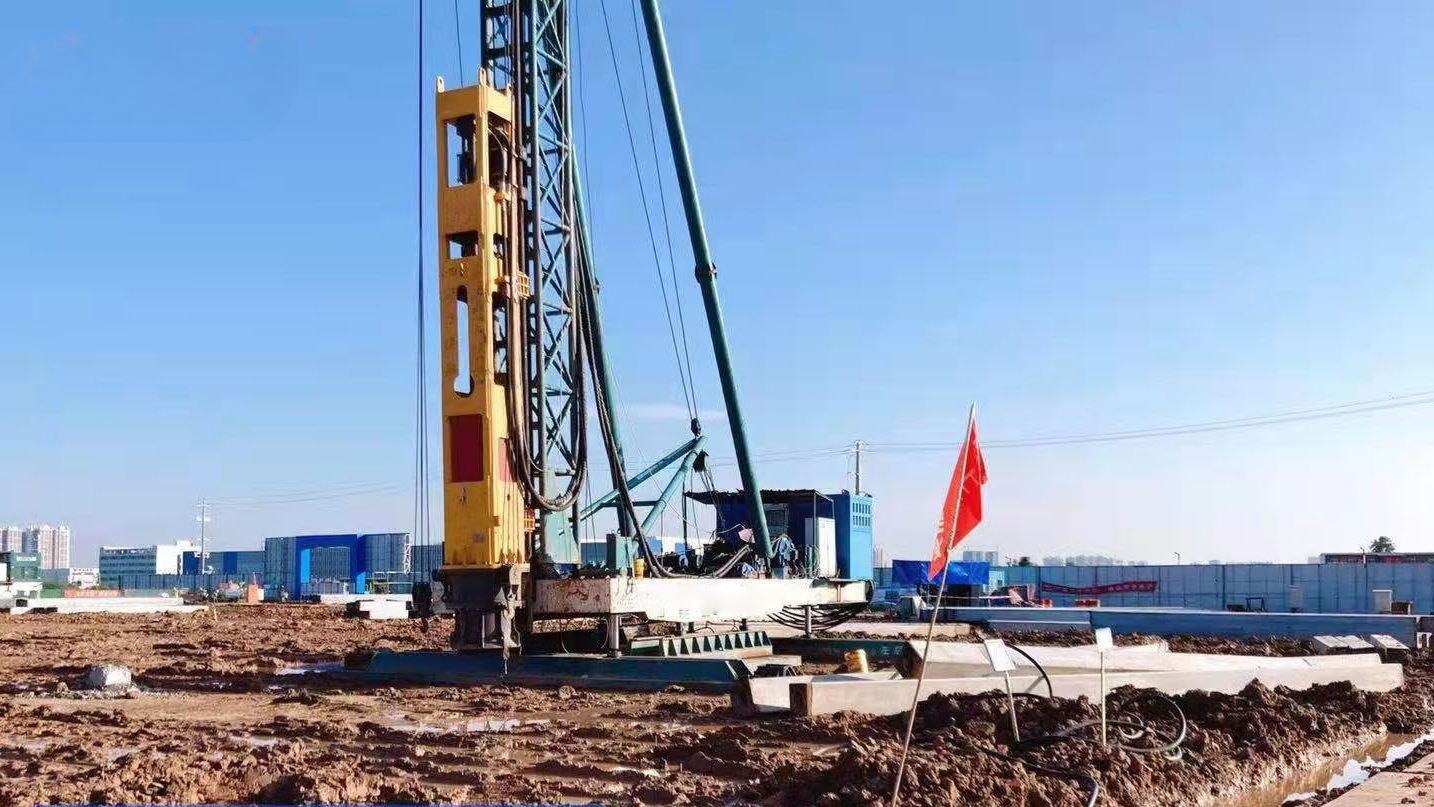
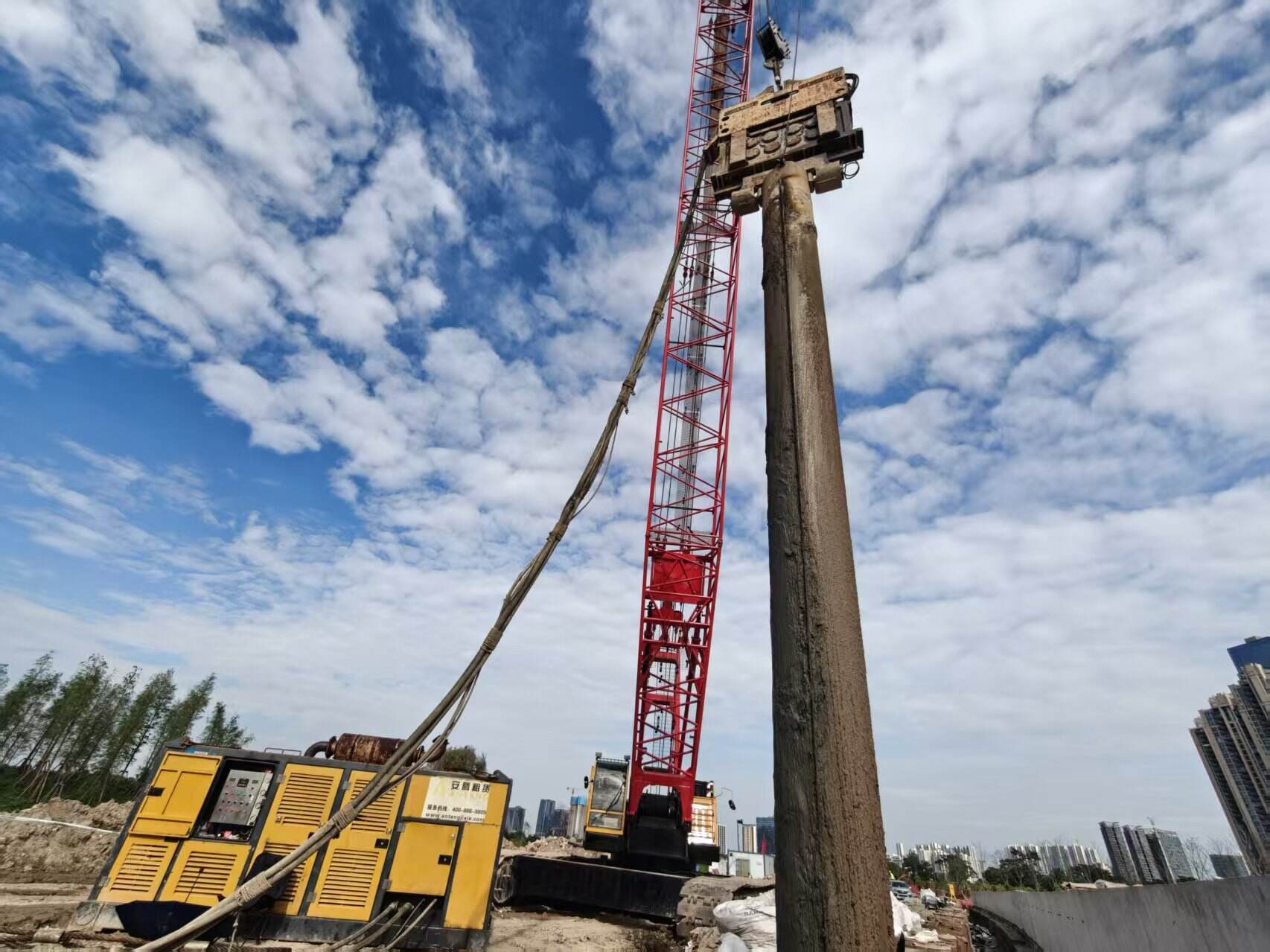
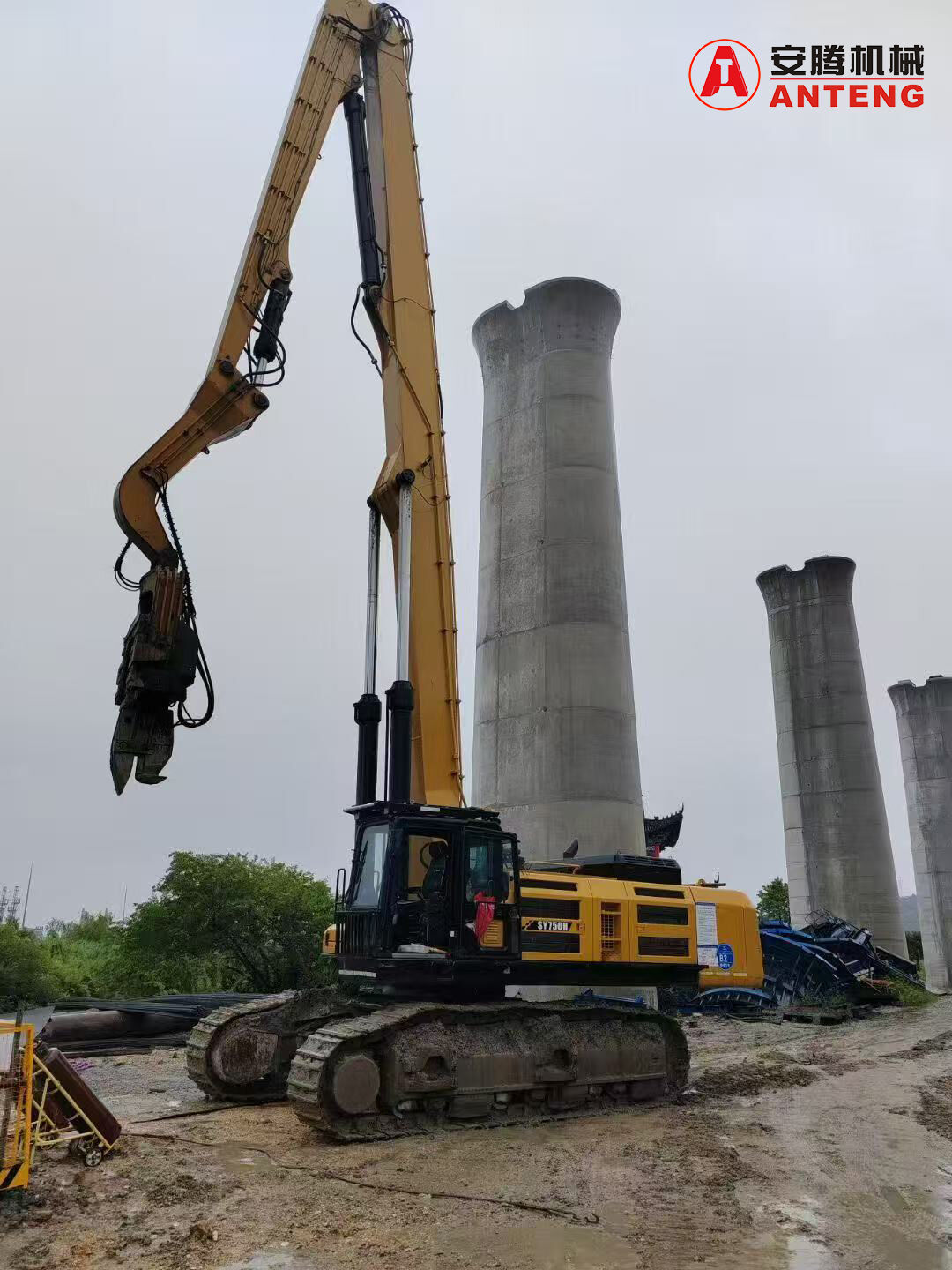
The excavator vibratory pile hammer represents a revolutionary advancement in construction technology, transforming how professionals approach pile installation projects across various industries. This powerful attachment seamlessly integrates with excavators to deliver efficient pile driving solutions that dramatically reduce project timelines while maintaining superior quality standards. The excavator vibratory pile hammer utilizes advanced vibration technology to penetrate soil layers effectively, making it an indispensable tool for foundation work, marine construction, and infrastructure development. Modern excavator vibratory pile hammer systems feature sophisticated hydraulic mechanisms that generate controlled vibrations at optimal frequencies, typically ranging from 1800 to 2500 vibrations per minute. This precise vibration control allows operators to adjust parameters based on soil conditions, pile materials, and project specifications. The technology works by temporarily liquefying soil particles around the pile, significantly reducing friction and enabling smooth penetration even through challenging ground conditions. Key technological features include variable frequency control systems, automatic amplitude adjustment, and integrated monitoring capabilities that provide real-time performance data. The excavator vibratory pile hammer incorporates robust construction materials, including high-grade steel components and precision-engineered bearings that ensure long-term reliability under demanding operational conditions. Advanced dampening systems protect the excavator from excessive vibrations while maximizing energy transfer to the pile. Applications span across residential construction, commercial development, bridge construction, retaining wall installation, sheet pile driving, and temporary shoring projects. The versatility of the excavator vibratory pile hammer makes it suitable for installing various pile types, including steel H-beams, sheet piles, timber piles, and precast concrete elements. Marine construction projects particularly benefit from this technology due to its ability to work efficiently in waterlogged conditions and challenging underwater environments.

 EN
EN