Precision Angle Control Technology
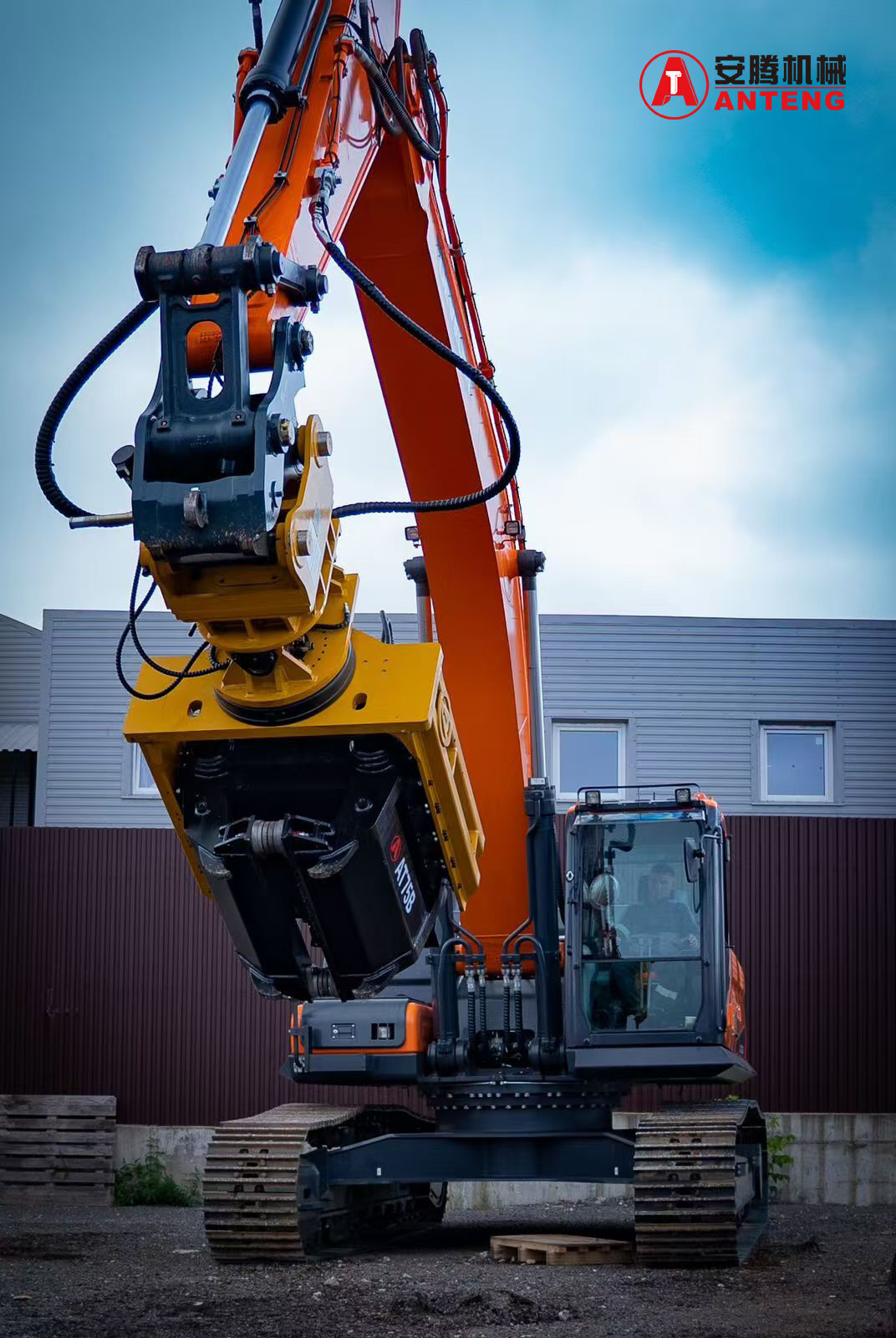
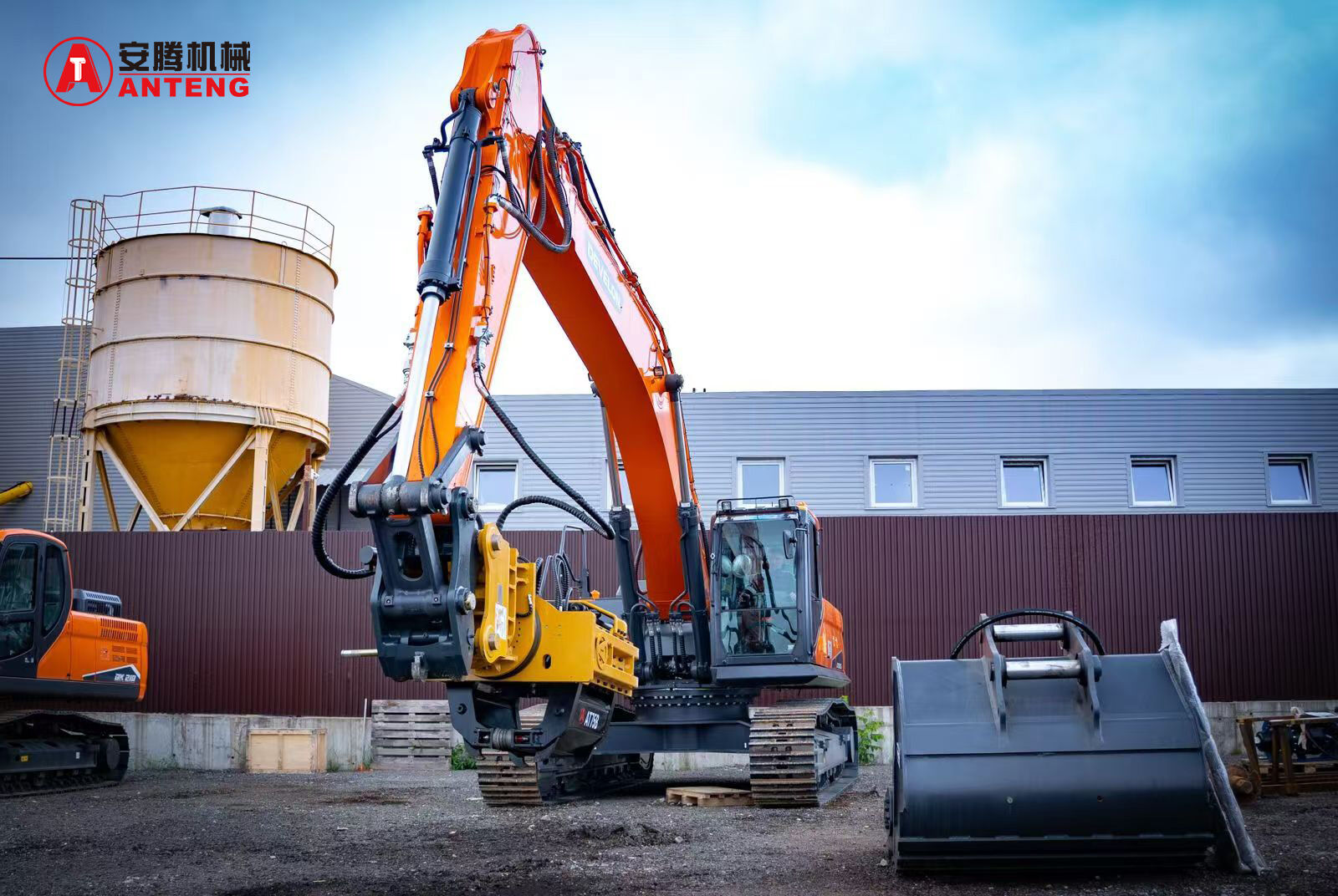
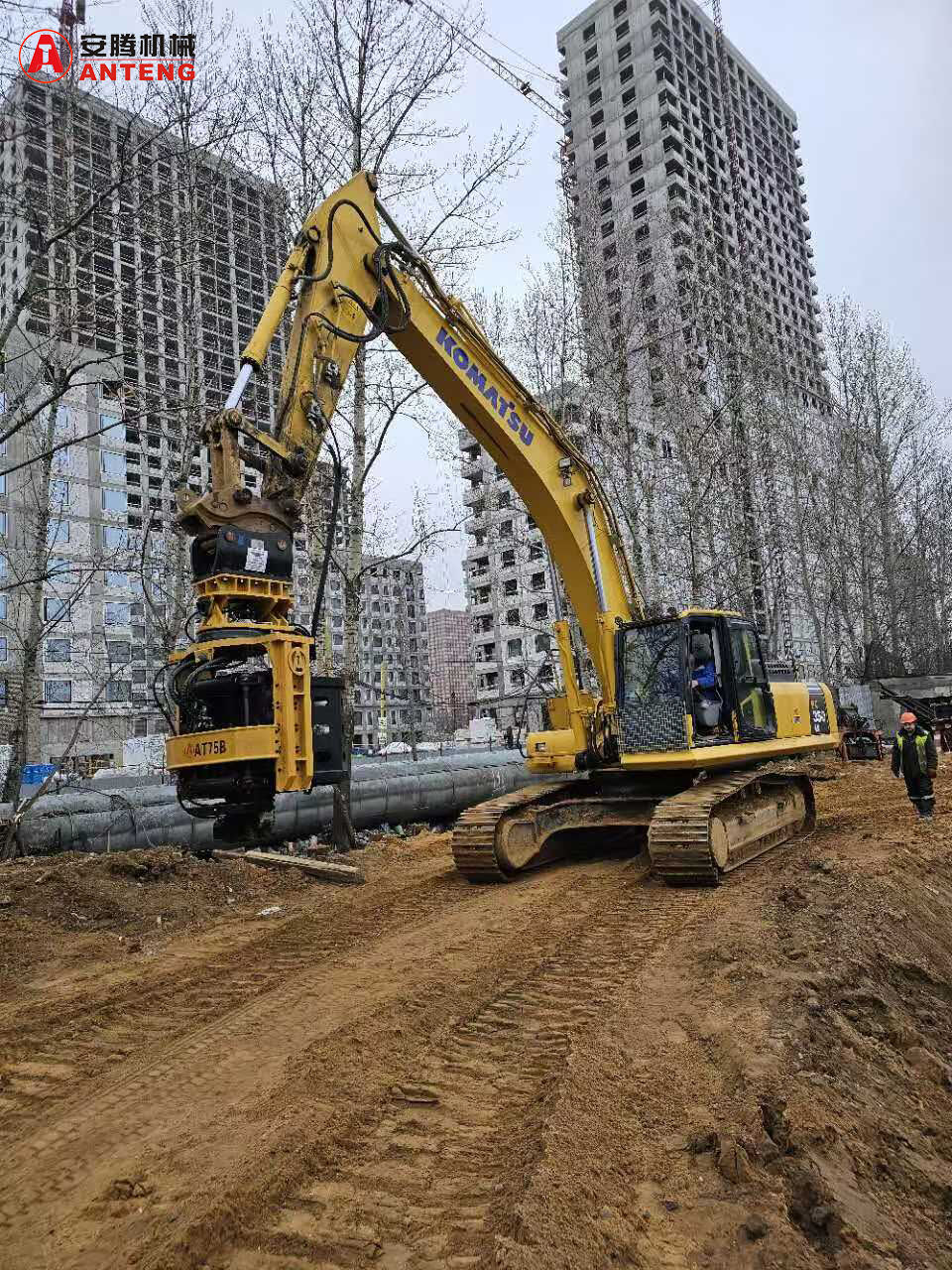
The customized side hammer's precision angle control technology sets it apart from conventional demolition tools by providing unprecedented access to difficult-to-reach areas and enabling precise work in confined spaces. This innovative feature allows the striking head to be positioned at various angles relative to the tool body, providing operators with the flexibility to work effectively in situations where straight-line access is impossible or impractical. The angle adjustment mechanism utilizes heavy-duty joints and locking systems that maintain precise positioning under high-impact conditions, ensuring consistent performance regardless of the selected angle. This technology is particularly valuable in renovation projects where existing structures limit tool access, allowing operators to reach behind obstacles, work in tight corners, and perform demolition tasks that would otherwise require extensive preparation or alternative approaches. The precision control system enables angle adjustments in precise increments, allowing operators to position the striking head at the optimal angle for maximum efficiency and minimum collateral damage. This level of control is essential when working near delicate fixtures, utilities, or structural elements that must remain undamaged during demolition activities. The angle control mechanism incorporates robust locking systems that prevent drift or movement during operation, maintaining the selected position throughout the work cycle. The technology includes visual angle indicators and measurement scales that help operators achieve repeatable positioning for consistent results across multiple work sessions. The system's design accommodates both manual adjustment for precise positioning and quick-change presets for common angles, balancing flexibility with operational efficiency. The angle control technology extends the customized side hammer's capabilities to include vertical, horizontal, and compound angle work, making it suitable for ceiling demolition, wall removal, floor preparation, and specialized tasks such as stairway modification or architectural detail work. The precision engineering ensures that power transmission remains optimal regardless of the selected angle, with the hydraulic system automatically compensating for positional changes to maintain consistent striking force. This technology also enhances operator safety by allowing work to be performed from more comfortable and stable positions, reducing the risk of injury from awkward postures or unstable footing.
 EN
EN