
 EN
EN
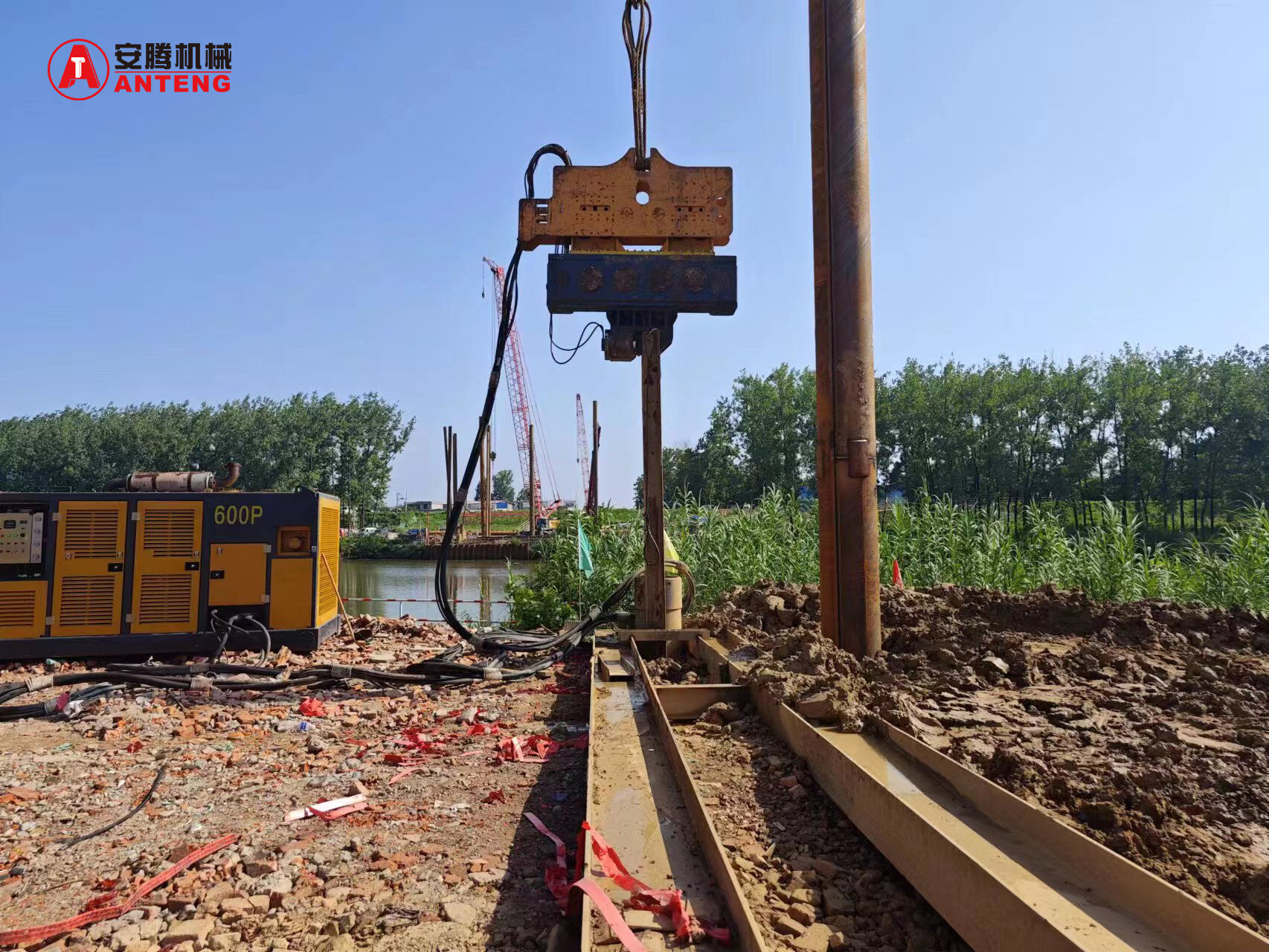
Understanding when a pile hammer delivers optimal driving performance requires careful consideration of multiple variables that influence the efficiency and effectiveness of foundation installation projects. The timing and conditions that maximize pile hammer performance directly impact project timelines, cost control, and structural integrity outcomes, making this knowledge essential for construction professionals and project managers.
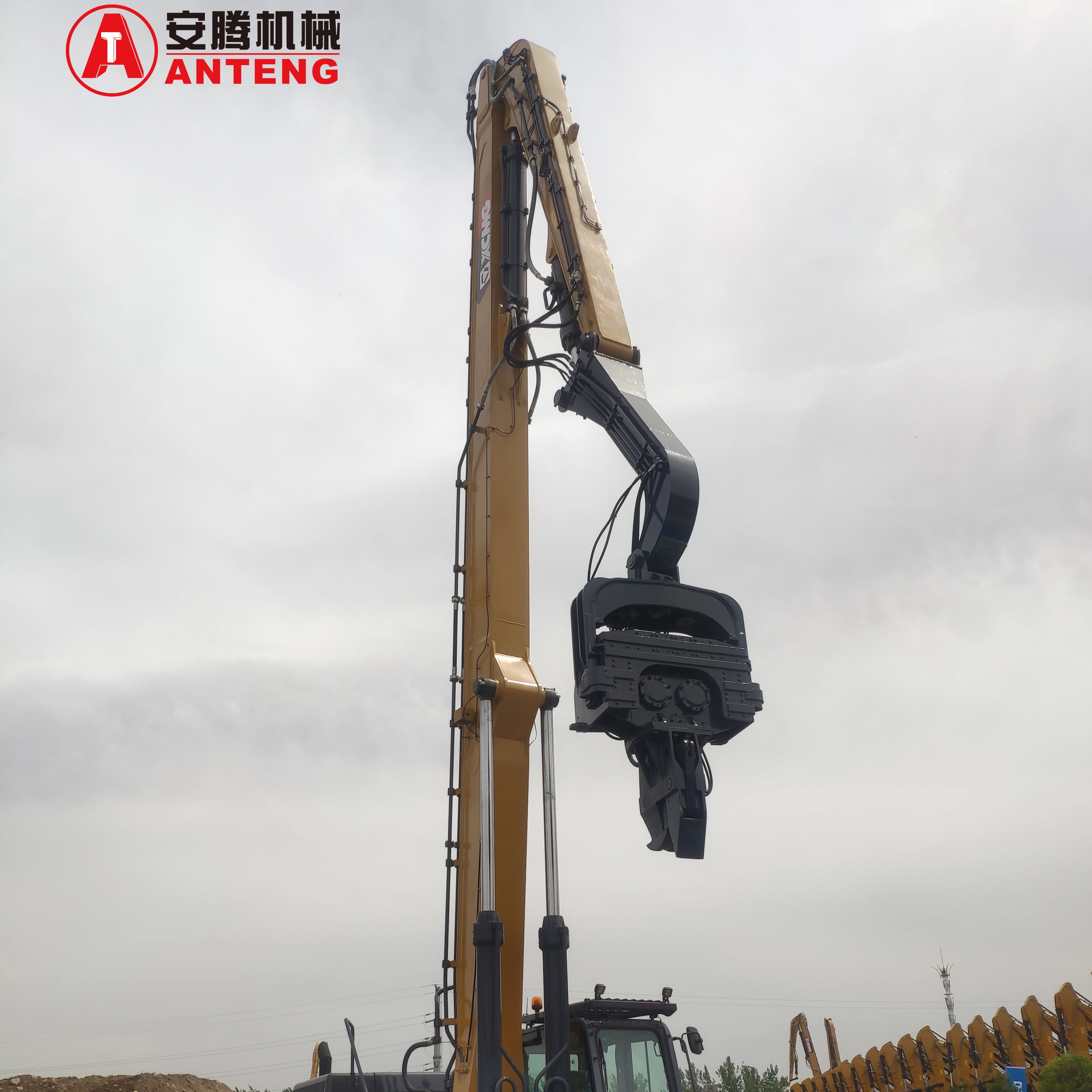
The optimal performance window for pile hammer operations depends on a complex interplay of soil conditions, environmental factors, equipment specifications, and project requirements. Professional contractors recognize that achieving peak pile hammer efficiency requires precise timing alignment with favorable ground conditions, appropriate equipment selection, and optimal operational parameters that maximize driving force while minimizing resistance and operational stress.
Soil Condition Readiness Indicators
Ground Moisture Content Assessment
Soil moisture levels significantly influence when a pile hammer achieves optimal driving performance. Saturated soils often provide reduced resistance for pile penetration, allowing the pile hammer to work more efficiently during installation. However, extremely wet conditions can create unstable working surfaces and compromise equipment mobility, requiring careful balance between soil saturation benefits and operational accessibility.
Professional operators typically monitor soil moisture content through field testing and weather pattern analysis to identify optimal timing windows. The ideal moisture range varies by soil type, but generally falls within a range that provides adequate lubrication for pile penetration while maintaining sufficient ground stability for equipment positioning and operation.
Clay soils demonstrate different moisture sensitivity compared to sandy or granular materials, with pile hammer performance often improving when clay content reaches specific plasticity levels. Understanding these soil-specific moisture relationships enables contractors to schedule pile hammer operations during periods when ground conditions naturally support optimal driving efficiency.
Seasonal Ground Conditions
Seasonal variations create predictable patterns for optimal pile hammer performance windows. Spring thaw periods often provide excellent conditions as ground frost disappears and soil moisture reaches favorable levels without excessive saturation. These transitional periods frequently offer the ideal combination of penetrable ground and stable working conditions that maximize pile hammer effectiveness.
Winter operations present unique challenges and opportunities for pile hammer performance optimization. Frozen ground conditions may require pre-heating or modified driving techniques, but can also provide stable working platforms and reduced groundwater interference. Professional contractors evaluate freeze-thaw cycles to identify optimal timing windows within winter construction schedules.
Fall conditions often present excellent opportunities for pile hammer operations before ground freezing begins. Lower groundwater levels and stabilized soil conditions typically create favorable environments for achieving optimal driving performance while completing foundation work before winter weather restrictions take effect.
Equipment Performance Optimization Timing
Maintenance Cycle Alignment
Pile hammer performance reaches optimal levels immediately following comprehensive maintenance and inspection procedures. Fresh hydraulic fluid, properly calibrated systems, and newly serviced components ensure maximum energy transfer efficiency and reliable operation during critical driving phases. Scheduling major foundation work to coincide with post-maintenance periods maximizes equipment performance potential.
Regular maintenance scheduling should align with project phases to ensure pile hammer systems operate at peak efficiency during high-demand periods. This strategic alignment prevents performance degradation during critical installation phases and maintains consistent driving force throughout project completion.
Component wear patterns influence optimal performance timing windows. Understanding when hydraulic systems, striking mechanisms, and support equipment reach peak efficiency helps contractors schedule demanding pile driving operations during equipment prime performance periods rather than near maintenance intervals.
Operational Temperature Windows
Temperature ranges significantly affect pile hammer performance characteristics and optimal operation timing. Hydraulic systems typically perform best within specific temperature ranges that ensure proper fluid viscosity and system responsiveness. Extreme cold can reduce hydraulic efficiency, while excessive heat may cause system protection shutdowns that interrupt optimal performance windows.
Engine performance and fuel efficiency also demonstrate temperature sensitivity that influences optimal pile hammer operation timing. Cool morning hours often provide ideal operating conditions before daily temperature peaks affect equipment performance. Strategic scheduling around temperature cycles maximizes both equipment efficiency and operator comfort during demanding pile driving operations.
Thermal expansion effects on pile materials and driving equipment create additional timing considerations for optimal performance achievement. Understanding these thermal relationships helps contractors identify temperature windows that minimize material stress while maximizing driving efficiency and installation accuracy.
Project Phase Integration Requirements
Site Preparation Completion Timing
Optimal pile hammer performance depends heavily on thorough site preparation completion before driving operations begin. Access road establishment, utility clearance verification, and ground leveling must reach completion to create stable working conditions that support maximum equipment efficiency. Rushing into pile driving before adequate site preparation typically compromises performance and increases operational costs.
Survey and layout accuracy becomes critical for timing optimal pile hammer performance. Precise pile location marking and elevation control systems must be fully established before driving begins to ensure efficient operation without repositioning delays. Professional contractors coordinate survey completion with favorable driving conditions to maximize productivity during optimal performance windows.
Material delivery scheduling requires coordination with optimal pile hammer performance timing to ensure continuous operation without supply interruptions. Stockpiling adequate pile materials before beginning driving operations prevents performance degradation caused by equipment idle time during material shortages or delivery delays.
Weather Window Coordination
Weather forecasting plays a crucial role in identifying optimal pile hammer performance timing. Extended periods of stable weather conditions allow for continuous operation and maximum equipment utilization during favorable environmental windows. Professional contractors monitor extended forecasts to schedule intensive pile driving campaigns during predicted stable weather periods.
Wind conditions affect pile hammer performance through impact on operator precision and equipment stability. Calm weather periods provide optimal conditions for accurate pile placement and consistent driving performance. High wind conditions can compromise safety and accuracy, making calm weather windows essential for achieving peak pile hammer performance.
Precipitation timing significantly influences when pile hammer operations can achieve optimal performance. Dry periods following moderate rainfall often create ideal soil conditions, while active precipitation typically requires operation suspension. Understanding local weather patterns helps contractors identify optimal timing windows for sustained pile hammer operations.
Performance Monitoring and Adjustment Triggers
Real-Time Performance Indicators
Optimal pile hammer performance becomes evident through specific measurable indicators during operation. Consistent penetration rates, stable energy transfer efficiency, and predictable driving resistance patterns signal that equipment is operating within optimal performance parameters. Monitoring these indicators helps operators recognize when conditions support peak performance achievement.
Vibration patterns and frequency stability provide immediate feedback about pile hammer performance optimization. Smooth, consistent vibration indicates optimal energy transfer, while irregular patterns suggest suboptimal conditions that may require timing adjustments or operational modifications to restore peak performance levels.
Fuel consumption rates and hydraulic pressure readings offer quantitative measures of pile hammer performance efficiency. Optimal performance typically corresponds with predictable consumption patterns and stable pressure ranges that indicate efficient energy utilization throughout driving operations.
Performance Decline Recognition
Recognizing when pile hammer performance begins declining helps contractors identify optimal timing windows for operational adjustments or equipment rotation. Increased driving time per pile, elevated fuel consumption, or irregular penetration patterns often signal that optimal performance conditions are changing and require response.
Equipment temperature monitoring reveals when pile hammer systems approach performance limits that may require cooling periods or operational modifications. Understanding thermal performance limits helps contractors optimize operation timing to maintain peak efficiency throughout project completion.
Operator fatigue factors also influence optimal pile hammer performance timing. Fresh operators typically achieve better precision and equipment utilization, making shift scheduling an important component of performance optimization strategy for extended pile driving campaigns.
FAQ
What soil moisture level provides optimal pile hammer driving conditions?
Optimal soil moisture for pile hammer performance typically ranges between 15-25% moisture content, depending on soil type. This range provides sufficient lubrication for pile penetration while maintaining ground stability for equipment operation. Clay soils may require slightly higher moisture levels, while sandy soils perform well at the lower end of this range.
How does temperature affect pile hammer performance timing?
Temperature significantly impacts pile hammer performance through hydraulic system efficiency and engine operation. Optimal performance typically occurs when ambient temperatures range between 40-80°F, allowing hydraulic fluid to maintain proper viscosity and engines to operate efficiently without overheating concerns or cold-start performance issues.
Can pile hammer operations achieve optimal performance during winter months?
Yes, pile hammer operations can achieve optimal performance during winter months with proper preparation and timing. Early winter periods before deep frost, mild winter days, and late winter thaw periods often provide excellent driving conditions. However, extreme cold requires equipment preheating and modified operational procedures to maintain performance standards.
What indicators signal that pile hammer performance is declining from optimal levels?
Key indicators of declining pile hammer performance include increased driving time per pile, elevated fuel consumption, irregular penetration rates, excessive equipment vibration, and rising hydraulic system temperatures. Recognizing these early warning signs allows operators to adjust timing or conditions to restore optimal performance levels.