
 EN
EN
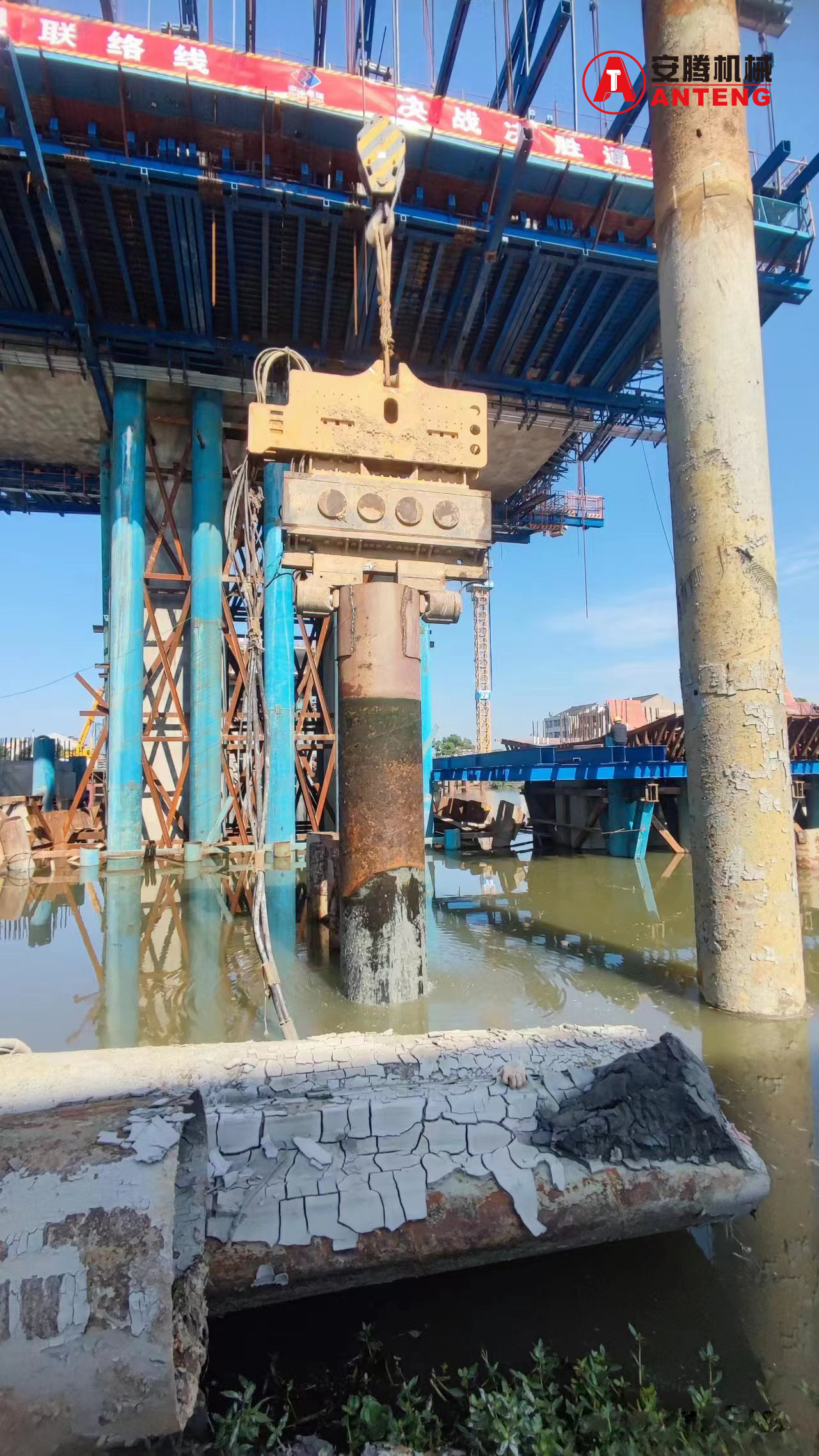
Maintaining a pile hammer in safe operating condition requires systematic attention to critical components that directly affect both performance and worker safety. Construction professionals understand that pile hammer equipment operates under extreme forces and repetitive stress, making regular maintenance checks essential for preventing catastrophic failures, costly downtime, and workplace accidents. The complexity of hydraulic systems, structural components, and safety mechanisms in modern pile hammer units demands a comprehensive approach to inspection and preventive care.
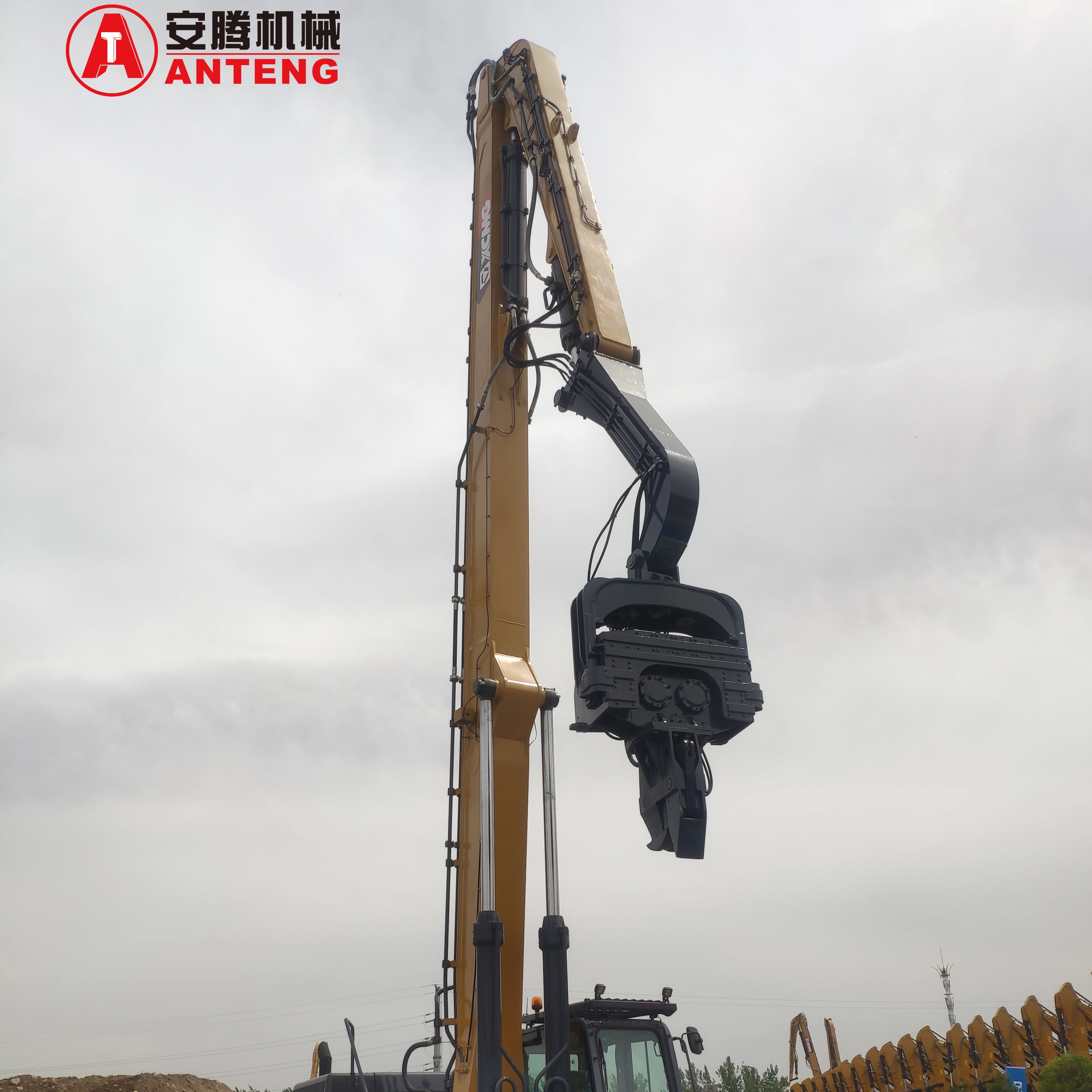
Professional operators recognize that pile hammer safety depends on identifying potential issues before they escalate into dangerous situations. The high-frequency vibrations, heavy impact forces, and continuous operational demands create wear patterns that can compromise structural integrity if left unchecked. Understanding which specific maintenance checks provide the greatest safety benefits allows construction teams to develop effective inspection protocols that protect both equipment investment and personnel safety while maintaining project schedules.
Critical Component Inspections for Pile Hammer Safety
Hydraulic System Pressure Testing and Leak Detection
The hydraulic system represents the primary power source for most modern pile hammer operations, making pressure integrity checks fundamental to safe operation. Technicians should verify that system pressure remains within manufacturer specifications during both idle and active cycles, as pressure deviations often indicate internal wear or component failure. Regular inspection of hydraulic hoses, fittings, and seals prevents dangerous fluid leaks that can create slip hazards and reduce operational control precision.
Professional maintenance protocols require visual inspection of all hydraulic connections for signs of weeping, corrosion, or physical damage that could lead to catastrophic failure under load. The pile hammer hydraulic reservoir should be checked for proper fluid levels, contamination, and temperature readings that indicate system health. Hydraulic filter condition directly affects system cleanliness and component longevity, making regular filter replacement a critical safety practice.
Pressure relief valve testing ensures that the pile hammer system can safely manage pressure spikes during operation, preventing damage to expensive components and reducing risk of hydraulic line ruptures. Operators should document pressure readings during testing cycles to establish baseline performance data that helps identify gradual system degradation before it becomes dangerous.
Structural Integrity Assessment of Load-Bearing Components
The massive forces generated during pile hammer operation create significant stress on structural components that require careful inspection for fatigue cracks, weld integrity, and dimensional accuracy. Professional inspectors examine the hammer housing, mounting brackets, and support framework for any visible signs of metal fatigue or deformation that could indicate approaching failure points.
Weld joints throughout the pile hammer assembly demand particular attention, as vibration and impact forces can gradually weaken connections that appear sound during casual observation. Non-destructive testing methods such as magnetic particle inspection or ultrasonic testing provide deeper analysis of critical structural elements where visual inspection alone may not detect developing problems.
The pile hammer guide system requires precise alignment and clearance measurements to ensure proper operation and prevent binding that could cause sudden equipment failure. Worn guide components can allow excessive lateral movement that damages both the pile hammer mechanism and the pile being driven, creating safety hazards for nearby workers.
Vibration Dampening and Isolation System Maintenance
Modern pile hammer designs incorporate sophisticated vibration isolation systems that protect both the carrier equipment and surrounding structures from harmful oscillations. Regular inspection of isolation mounts, dampening elements, and flexible connections ensures that these protective systems continue functioning effectively throughout the equipment lifecycle.
Worn or damaged vibration isolation components can transmit excessive forces to the carrier machine, potentially causing premature wear or structural damage to expensive excavators or crane systems. The pile hammer mounting interface requires precise torque specifications and regular retightening to maintain secure attachment under dynamic loading conditions.
Flexible hose connections between the pile hammer and carrier equipment need frequent inspection for fatigue cracking, abrasion damage, and proper support that prevents stress concentration at connection points. These connections represent critical failure points where hydraulic fluid loss could create immediate safety hazards for operators and ground personnel.
Preventive Lubrication and Fluid Management Protocols
Essential Lubrication Points and Schedules
Proper lubrication of moving components within the pile hammer mechanism prevents metal-to-metal contact that generates excessive heat, wear, and potential seizure under load. Critical lubrication points include bearing assemblies, pivot joints, and sliding surfaces that experience high-frequency movement during normal operation.
The pile hammer exciter mechanism requires specialized lubricants that can withstand extreme vibration and temperature conditions while maintaining proper viscosity throughout extended operating cycles. Bearing lubrication should follow manufacturer specifications for both lubricant type and application intervals, as inadequate lubrication can cause bearing failure that results in catastrophic equipment damage.
Grease fitting accessibility and condition directly affect maintenance efficiency and thoroughness, making regular inspection of lubrication access points an important safety practice. Blocked or damaged grease fittings can prevent proper lubrication delivery, leading to accelerated component wear and unexpected failures during critical operations.
Hydraulic Fluid Quality Control and Contamination Prevention
Hydraulic fluid quality directly impacts pile hammer performance, reliability, and safety through its effect on component wear rates and system responsiveness. Regular fluid analysis testing reveals contamination levels, additive depletion, and chemical breakdown that can compromise system operation before visible symptoms appear.
Water contamination in hydraulic fluid creates corrosion problems and reduces lubrication effectiveness, while particulate contamination accelerates wear in precision components throughout the pile hammer system. Professional maintenance programs include fluid filtration protocols and contamination control procedures that extend component life and improve operational safety.
Hydraulic fluid temperature management prevents thermal breakdown that can create acidic compounds damaging to seals, hoses, and metal components within the pile hammer hydraulic circuit. Temperature monitoring during operation helps identify cooling system problems or excessive loading conditions that require immediate attention.
Coolant System Maintenance for Temperature Control
Pile hammer cooling systems prevent overheating damage to hydraulic components and maintain optimal operating temperatures under demanding conditions. Regular inspection of cooling lines, heat exchangers, and circulation pumps ensures adequate heat dissipation capacity throughout the operating range.
Coolant mixture ratios and chemical additive levels require periodic testing and adjustment to maintain corrosion protection and heat transfer efficiency. Contaminated or depleted coolant can cause internal corrosion that leads to component failure and costly repairs, making fluid quality monitoring essential for safe operation.
Cooling system pressure testing identifies potential leak points before they cause overheating problems that could damage expensive pile hammer components or create unsafe operating conditions for personnel. Proper coolant flow rates ensure that all system components receive adequate cooling under maximum load conditions.
Safety System Verification and Control Testing
Emergency Stop and Control System Functionality
Emergency shutdown systems provide critical operator protection during pile hammer operations, making their proper function essential for workplace safety. Regular testing of emergency stop buttons, control lockouts, and automatic shutdown features ensures reliable operation when needed to prevent accidents or equipment damage.
Control system responsiveness testing verifies that operator commands translate immediately into pile hammer action, preventing dangerous delays that could compromise safety during critical operations. Electronic control modules require inspection for secure connections, moisture protection, and proper signal integrity throughout the control circuit.
Safety interlock systems prevent unauthorized operation and ensure proper sequence control during pile hammer startup and shutdown procedures. These systems require regular calibration and testing to maintain their protective function and comply with safety regulations governing construction equipment operation.
Load Monitoring and Overload Protection Systems
Modern pile hammer equipment incorporates sophisticated load monitoring systems that prevent overload conditions capable of causing equipment damage or operator injury. Regular calibration of load sensors and monitoring displays ensures accurate feedback about operating conditions and component stress levels.
Overload protection systems automatically limit pile hammer operation when preset thresholds are exceeded, protecting both equipment and personnel from dangerous operating conditions. Testing these protective systems requires specialized equipment and procedures that verify proper trigger points and response times under controlled conditions.
Warning systems alert operators to developing problems before they become dangerous, providing time for corrective action or controlled shutdown. Visual and audible warning devices require regular testing to ensure proper function when needed to prevent accidents or equipment damage.
Ground Fault and Electrical Safety Inspections
Electrical systems within pile hammer equipment require specialized safety inspections that protect operators from shock hazards while ensuring reliable control system operation. Ground fault protection devices need regular testing to verify proper function and adequate sensitivity for personnel protection.
Electrical connection integrity throughout the pile hammer control system affects both safety and reliability, making regular inspection of terminals, connectors, and wiring essential for safe operation. Moisture protection and insulation resistance testing identify potential electrical hazards before they compromise operator safety.
Control panel safety features including proper grounding, circuit protection, and emergency disconnect systems require verification according to electrical safety standards. These inspections should be performed by qualified electrical technicians familiar with industrial equipment safety requirements.
Operational Safety Protocols and Documentation Requirements
Pre-Operation Safety Checklists and Procedures
Comprehensive pre-operation safety checklists ensure that pile hammer equipment receives proper inspection before each use, identifying potential problems that could create hazardous conditions during operation. These checklists should cover all critical safety systems, structural components, and operational controls in sufficient detail to catch developing problems.
Operator qualification verification ensures that only trained personnel operate pile hammer equipment, reducing the risk of accidents caused by inexperience or improper technique. Regular safety training updates keep operators informed about new procedures, equipment modifications, and industry best practices for safe pile hammer operation.
Site preparation and hazard identification procedures protect both equipment operators and nearby workers from dangers associated with pile hammer operations. These procedures should address soil conditions, overhead hazards, underground utilities, and personnel exclusion zones around active pile hammer work areas.
Maintenance Documentation and Compliance Tracking
Detailed maintenance records provide essential documentation for regulatory compliance, warranty protection, and safety analysis following any incidents involving pile hammer equipment. Proper documentation includes inspection dates, findings, corrective actions taken, and technician certifications for all maintenance activities.
Component replacement tracking helps identify wear patterns and predict future maintenance needs while ensuring that critical safety components receive replacement before reaching their service limits. This tracking system should include part numbers, installation dates, and performance specifications for all major pile hammer components.
Regulatory compliance documentation demonstrates adherence to safety standards and inspection requirements mandated by occupational safety agencies and equipment manufacturers. Complete records protect companies from liability while providing evidence of proper maintenance practices during safety audits or incident investigations.
Incident Response and Emergency Procedures
Emergency response procedures for pile hammer incidents should be clearly defined and regularly practiced to ensure effective action when accidents occur. These procedures must address equipment shutdown, personnel evacuation, medical response, and incident scene preservation for subsequent investigation.
Communication protocols during emergencies ensure rapid coordination between pile hammer operators, ground personnel, and emergency responders when incidents require immediate medical attention or specialized rescue equipment. Clear communication procedures reduce response times and improve outcomes during critical situations.
Post-incident investigation procedures help identify root causes and prevent similar occurrences while documenting lessons learned for improving future safety practices. Thorough incident analysis often reveals maintenance deficiencies or procedural gaps that contributed to accidents, providing valuable information for preventing future problems.
FAQ
How often should pile hammer hydraulic systems be pressure tested?
Pile hammer hydraulic systems should undergo pressure testing at least monthly during active use periods, with additional testing recommended after any significant impact events or whenever operators notice performance changes. Daily visual inspections of hydraulic lines and connections should supplement formal pressure testing to catch developing leaks before they become dangerous. Most manufacturers recommend annual comprehensive hydraulic system testing by certified technicians to verify component integrity and system performance under full load conditions.
What are the most critical structural components to inspect for safety?
The most critical structural components requiring regular safety inspection include the pile hammer mounting brackets, guide system assemblies, and all primary load-bearing welds throughout the equipment frame. These components experience the highest stress levels during operation and represent the greatest safety risks if they fail unexpectedly. Professional inspection should focus on fatigue crack detection, dimensional accuracy, and proper torque specifications for all structural fasteners and connections.
How can operators identify early signs of pile hammer component failure?
Early warning signs of component failure include unusual vibration patterns, changes in hydraulic pressure readings, abnormal operating temperatures, and any new sounds or performance irregularities during normal operation cycles. Operators should document baseline performance characteristics when equipment is new to provide reference points for identifying gradual degradation over time. Regular monitoring of operating parameters and immediate investigation of any changes helps prevent minor issues from developing into major safety hazards.
What documentation is required for pile hammer maintenance compliance?
Required maintenance documentation typically includes daily pre-operation inspection checklists, periodic maintenance records with technician signatures, component replacement logs with part numbers and dates, and any safety-related repairs or modifications performed on the equipment. Many jurisdictions require certified inspection reports at specific intervals, along with operator training records and equipment certification documents. Proper documentation protects companies from liability while demonstrating compliance with applicable safety regulations and manufacturer warranty requirements.