
 EN
EN

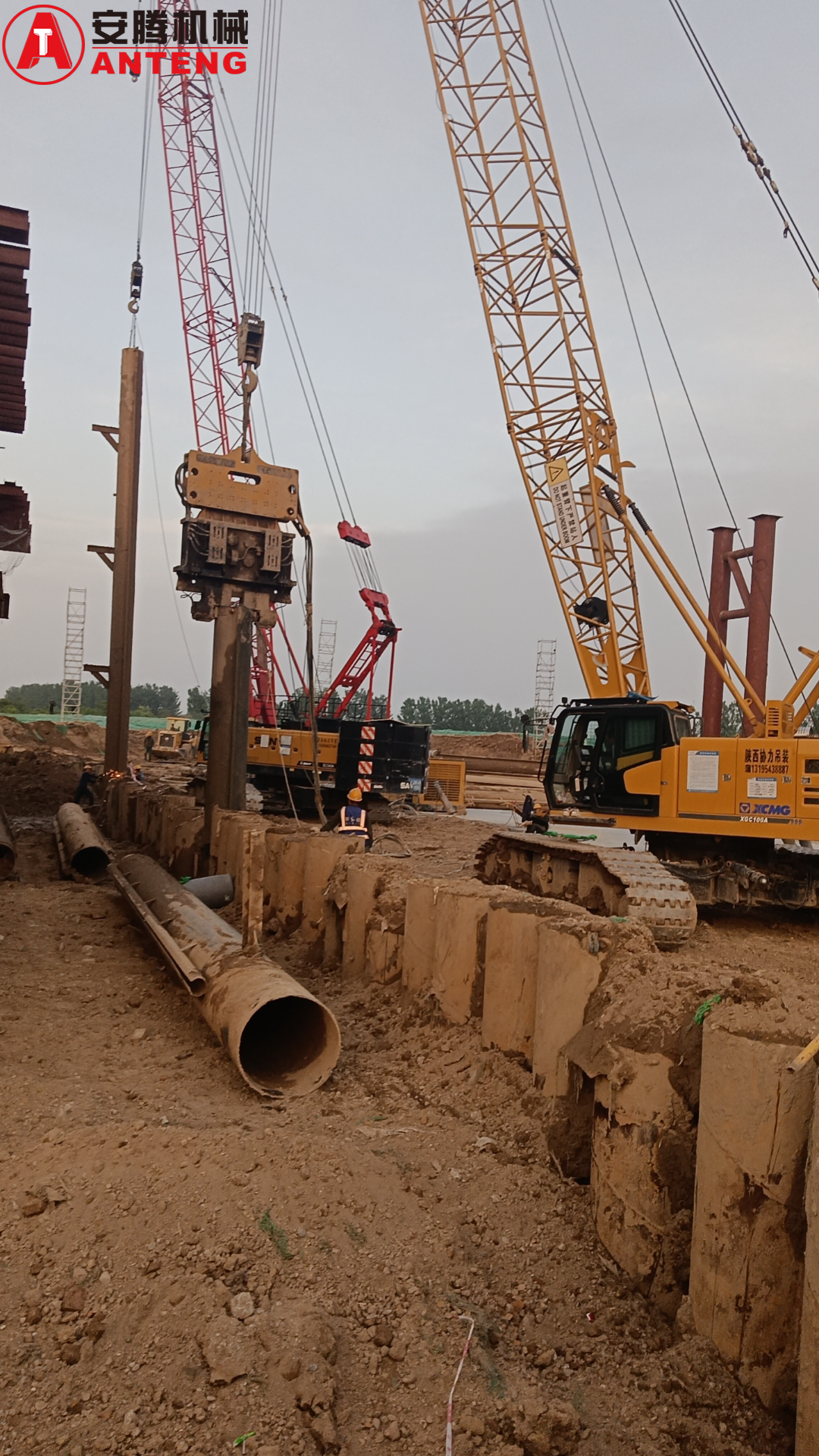
Foundation construction requires careful matching between the specific piling machine type and the chosen foundation method to ensure project success and structural integrity. Different foundation approaches demand distinct operational capabilities, driving mechanisms, and technical specifications from piling equipment. Understanding which piling machine fits each foundation method enables construction professionals to optimize equipment selection, reduce project costs, and achieve superior foundation performance across diverse soil conditions and structural requirements.
The relationship between piling machine selection and foundation methods involves multiple technical factors including soil characteristics, pile diameter requirements, installation depth, environmental constraints, and structural load specifications. Modern construction projects utilize various foundation approaches ranging from driven pile systems to drilled shaft installations, each requiring specialized piling machine capabilities to deliver precise installation results. Proper equipment matching ensures efficient installation processes while maintaining the structural performance standards essential for long-term foundation stability.
Driven Pile Foundation Systems and Compatible Piling Machines
Impact Hammer Piling Machine Applications
Impact hammer piling machines represent the traditional approach for driven pile foundation installations, utilizing gravitational force and mechanical energy to drive precast concrete, steel, or timber piles into the ground. These piling machine units excel in dense soil conditions where high impact energy effectively penetrates resistant layers and achieves required bearing capacities. The impact mechanism generates substantial driving force through repetitive hammer strikes, making this piling machine type particularly effective for projects requiring deep pile penetration in challenging geological conditions.
Construction teams frequently select impact hammer piling machines for bridge foundations, marine structures, and heavy industrial facilities where driven pile methods provide optimal load transfer characteristics. The equipment operates effectively in various soil types including dense sands, stiff clays, and mixed geological formations that require forceful penetration techniques. Project specifications often favor impact hammer piling machines when installation schedules demand rapid pile driving rates and when environmental factors permit higher noise and vibration levels during construction operations.
Modern impact hammer piling machine designs incorporate advanced energy transfer systems, automated positioning controls, and integrated monitoring capabilities that enhance installation precision and quality control. These technological improvements allow operators to adjust hammer energy levels based on real-time soil resistance feedback, ensuring optimal pile installation without compromising structural integrity or exceeding design tolerances.
Vibratory Piling Machine Solutions
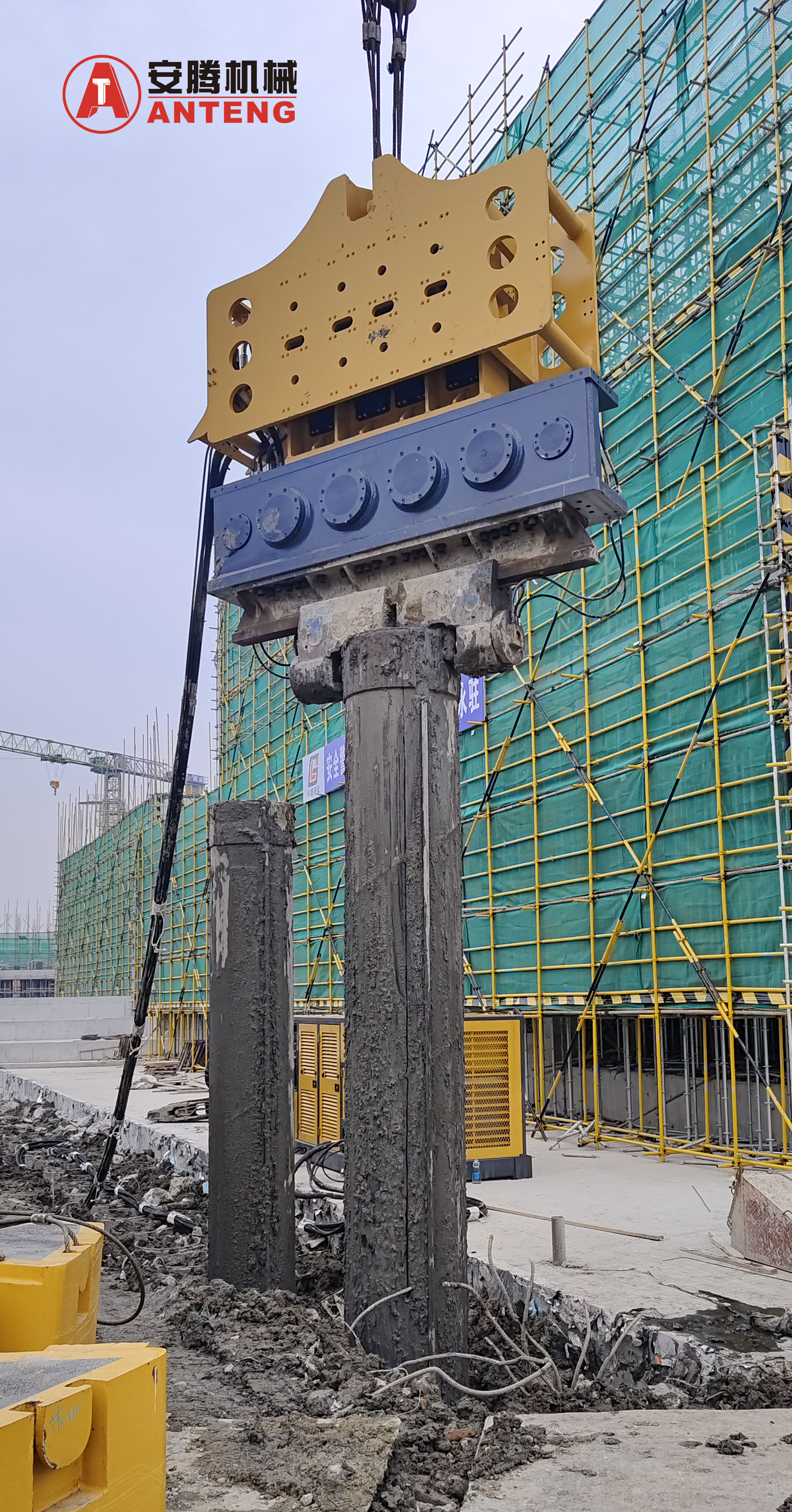
Vibratory piling machines utilize high-frequency vibration technology to reduce soil friction and facilitate pile installation through dynamic soil displacement rather than forceful impact. This piling machine approach proves particularly effective in granular soils where vibration creates temporary soil liquefaction, allowing piles to penetrate with reduced resistance and minimal soil displacement. The vibratory mechanism operates through eccentric weights that generate controlled oscillations, transferring energy efficiently to the pile and surrounding soil matrix.
Environmental considerations often drive the selection of vibratory piling machines for urban construction projects where noise reduction and vibration control are critical factors. These units produce significantly lower noise levels compared to impact systems while maintaining effective installation capabilities in suitable soil conditions. The piling machine technology proves especially valuable for projects near sensitive structures or in residential areas where construction activity must minimize environmental disruption.
Vibratory piling machines demonstrate superior performance in sheet pile installations, temporary shoring systems, and foundation projects involving steel H-piles or tubular steel sections. The equipment capability extends to both pile installation and extraction operations, providing contractors with versatile solutions for projects requiring temporary foundations or construction sequence flexibility. Advanced vibratory piling machine models incorporate variable frequency controls and amplitude adjustment systems that optimize performance across different soil conditions and pile types.
Drilled Foundation Methods and Specialized Piling Equipment
Rotary Drilling Piling Machine Capabilities
Rotary drilling piling machines enable the construction of drilled shaft foundations through continuous flight auger systems or bucket drilling mechanisms that excavate precise cylindrical holes for cast-in-place concrete piles. This piling machine category excels in projects requiring large diameter foundations, variable pile lengths, and complex subsurface conditions where driven methods may not achieve desired results. The drilling mechanism allows for real-time soil sampling and geological assessment during installation, providing valuable subsurface information for quality control and design verification.
Construction applications favor rotary drilling piling machines for high-rise building foundations, bridge pier installations, and infrastructure projects where precise pile placement and dimensional control are paramount. The equipment operates effectively in diverse soil conditions including soft clays, loose sands, weathered rock, and mixed geological formations that require careful excavation control. Project specifications often mandate rotary drilling piling machines when foundation designs incorporate variable pile diameters, complex reinforcement configurations, or specialized concrete placement requirements.
Modern rotary drilling piling machine systems integrate advanced hydraulic controls, automated drilling parameter monitoring, and GPS positioning technology that enhance installation accuracy and productivity. These capabilities enable contractors to achieve consistent pile quality while maintaining precise alignment tolerances essential for structural performance. The drilling process allows for continuous monitoring of soil conditions, torque requirements, and penetration rates, providing comprehensive installation data for quality assurance and project documentation.
Continuous Flight Auger Piling Machine Systems
Continuous flight auger piling machines represent specialized drilling equipment designed for rapid installation of cast-in-place concrete piles through simultaneous drilling and concrete placement operations. This piling machine technology utilizes hollow stem augers that drill to specified depths while maintaining hole stability, followed by concrete pumping through the auger center as the tool withdraws from the excavation. The integrated process eliminates the need for temporary casing systems while ensuring continuous concrete placement without segregation or contamination.
Foundation projects frequently utilize continuous flight auger piling machines for residential developments, commercial buildings, and light industrial structures where efficient pile installation and cost control are primary considerations. The equipment proves particularly effective in cohesive soils where hole stability can be maintained during the drilling and concrete placement sequence. Environmental advantages include reduced noise levels, minimal soil spoil generation, and elimination of temporary materials commonly required for other drilled foundation methods.
Quality control advantages of continuous flight auger piling machines include real-time monitoring of concrete volume, placement pressure, and auger withdrawal rates that ensure proper pile formation and structural integrity. The installation process provides continuous concrete coverage throughout the pile length, eliminating potential void spaces or weak zones that might occur with other placement methods. Advanced piling machine models incorporate computerized control systems that automatically coordinate drilling parameters with concrete delivery rates for optimal installation quality.
Micropile and Specialty Foundation Piling Machine Requirements
Track-Mounted Drilling Piling Machine Applications
Track-mounted drilling piling machines provide specialized capabilities for micropile installations, soil anchoring systems, and restricted access foundation projects where conventional equipment cannot operate effectively. These compact piling machine units combine powerful drilling capabilities with superior mobility and positioning flexibility essential for challenging construction environments. The tracked chassis design enables operation on steep slopes, confined spaces, and sensitive surface conditions while maintaining drilling precision and operational stability.
Construction scenarios favoring track-mounted drilling piling machines include foundation underpinning projects, slope stabilization systems, and retrofit construction where existing structures limit equipment access and working space. The equipment excels in micropile installation applications that require precise drilling through existing foundations, utilities, or underground obstacles while maintaining strict tolerance requirements. Specialized drilling capabilities enable these piling machines to handle diverse materials including concrete, masonry, rock, and mixed subsurface conditions commonly encountered in renovation and reinforcement projects.
Modern track-mounted piling machine designs incorporate advanced hydraulic systems, computerized drilling controls, and integrated grouting capabilities that streamline micropile installation processes. These features enable contractors to achieve consistent hole quality, precise reinforcement placement, and optimal grout injection parameters essential for micropile structural performance. The equipment capability extends to various drilling methods including rotary percussion, down-the-hole hammer, and core drilling techniques suitable for different geological conditions and project requirements.
Truck-Mounted Piling Machine Versatility
Truck-mounted piling machines offer superior mobility and rapid deployment capabilities for foundation projects requiring efficient equipment transport between multiple work locations. This piling machine configuration combines highway transportation convenience with substantial drilling or driving capacity suitable for medium to large scale foundation installations. The truck chassis provides stable platform characteristics while enabling contractors to minimize mobilization costs and optimize equipment utilization across diverse project sites and geographical regions.
Foundation applications commonly utilize truck-mounted piling machines for utility pole installations, sign foundation systems, building foundations, and infrastructure projects where equipment mobility and setup efficiency directly impact project economics. The equipment proves particularly valuable for projects involving multiple work sites, remote locations, or time-sensitive installation schedules where rapid equipment deployment capabilities provide competitive advantages. Operational flexibility includes various attachment options for different pile types, drilling methods, and foundation installation techniques.
Advanced truck-mounted piling machine systems integrate sophisticated control systems, automated positioning features, and comprehensive monitoring capabilities that enhance productivity and installation quality. These technological improvements enable operators to achieve consistent results while reducing setup times and operational complexity. The equipment capability encompasses both drilling and driving operations, providing contractors with versatile solutions for diverse foundation methods and varying project requirements within a single mobilization.
Soil Conditions and Piling Machine Selection Criteria
Clay Soil Foundation Requirements
Clay soil conditions present specific challenges that influence piling machine selection based on soil plasticity, moisture content, and shear strength characteristics that affect pile installation methods and equipment performance. Cohesive clay soils typically require piling machines capable of managing soil adhesion, maintaining hole stability during drilling operations, and overcoming high friction resistance during driven pile installations. The soil behavior varies significantly with moisture content changes, requiring piling machine capabilities that can adapt to dynamic soil conditions throughout the installation process.
Drilled foundation methods in clay soils often favor rotary drilling piling machines equipped with specialized auger designs and drilling fluid systems that maintain hole integrity during excavation and concrete placement operations. The equipment must handle sticky soil conditions that can cause auger binding, inadequate spoil removal, and hole collapse if proper drilling parameters are not maintained. Clay soil characteristics require careful coordination between drilling rates, torque application, and spoil removal efficiency to achieve consistent pile installation quality.
Driven pile installations in clay soils typically utilize impact hammer piling machines with sufficient energy capacity to overcome soil resistance and achieve specified penetration depths. The installation process must account for clay soil displacement effects, potential pile setup phenomena, and bearing capacity development that occurs over time following installation. Modern piling machine systems incorporate monitoring capabilities that track installation parameters and provide real-time feedback for optimizing driving efficiency and pile performance in clay soil conditions.
Sandy Soil Installation Considerations
Sandy soil conditions favor specific piling machine types based on grain size distribution, density characteristics, and groundwater conditions that influence installation methods and equipment selection criteria. Granular soils typically provide excellent conditions for vibratory piling machine operations where dynamic soil displacement facilitates efficient pile penetration with minimal resistance. The free-draining nature of sandy soils eliminates concerns about pore pressure buildup while enabling various installation techniques depending on pile type and project requirements.
Drilled foundations in sandy soils require piling machine capabilities that address potential hole instability, groundwater infiltration, and sand cave-in during excavation operations. The equipment must incorporate appropriate drilling fluid systems, temporary casing capabilities, or rapid concrete placement methods that ensure pile integrity throughout the installation process. Sandy soil characteristics demand careful attention to drilling parameters, spoil removal rates, and hole stabilization techniques to prevent construction complications and maintain pile quality standards.
Driven pile installations in sandy soils benefit from both impact and vibratory piling machine options depending on soil density, pile type, and environmental constraints. Dense sand conditions may require high-energy impact systems to achieve penetration, while loose to medium dense sands often accommodate vibratory installations with superior efficiency and reduced environmental impact. The selection process must consider long-term pile performance, installation rates, and site-specific conditions that influence overall project success and foundation system effectiveness.
FAQ
How do I determine which piling machine is most suitable for my specific foundation project?
Selecting the appropriate piling machine requires comprehensive analysis of soil conditions through geotechnical investigation, evaluation of pile type and size requirements, assessment of site access and environmental constraints, and consideration of project schedule and budget parameters. Consult with foundation engineering professionals and equipment specialists to review soil boring data, structural load requirements, and site-specific factors that influence piling machine selection. The decision should account for equipment availability, operator experience, and local regulatory requirements that may restrict certain installation methods or noise levels during construction operations.
Can vibratory piling machines be used effectively in all soil types and conditions?
Vibratory piling machines perform optimally in granular soils where vibration creates effective soil displacement, but their effectiveness diminishes in highly cohesive clay soils or dense materials that resist vibratory energy transfer. The equipment works best in sandy soils, silty sands, and mixed granular materials where dynamic soil behavior facilitates pile penetration. Clay soils with high plasticity indices or very dense materials typically require impact driving methods or pre-drilling techniques to achieve satisfactory installation results. Site evaluation and test pile programs help determine vibratory piling machine suitability for specific soil conditions and project requirements.
What factors should I consider when choosing between driven pile and drilled pile foundation methods?
The choice between driven and drilled pile foundation methods depends on soil conditions, structural load requirements, environmental constraints, pile size and length specifications, and construction schedule considerations. Driven pile methods typically provide cost advantages and faster installation rates in suitable soil conditions, while drilled methods offer greater flexibility for variable pile dimensions and complex subsurface conditions. Consider factors including noise restrictions, vibration limitations, soil displacement effects, groundwater conditions, and quality control requirements when evaluating foundation method options. Engineering analysis should compare bearing capacity, settlement performance, and long-term durability characteristics for each method under project-specific conditions.
How do environmental factors influence piling machine selection for urban construction projects?
Urban construction environments require careful piling machine selection based on noise restrictions, vibration limits, air quality regulations, and proximity to sensitive structures or populations. Vibratory piling machines typically generate lower noise levels compared to impact systems, making them preferable for noise-sensitive areas, while electric or hybrid power systems reduce emissions in air quality controlled zones. Consider working hour restrictions, community notification requirements, and potential structural damage risks to adjacent buildings when selecting piling equipment. Environmental impact assessments should evaluate cumulative effects of construction activity and identify mitigation measures necessary for regulatory compliance and community acceptance.
Table of Contents
- Driven Pile Foundation Systems and Compatible Piling Machines
- Drilled Foundation Methods and Specialized Piling Equipment
- Micropile and Specialty Foundation Piling Machine Requirements
- Soil Conditions and Piling Machine Selection Criteria
-
FAQ
- How do I determine which piling machine is most suitable for my specific foundation project?
- Can vibratory piling machines be used effectively in all soil types and conditions?
- What factors should I consider when choosing between driven pile and drilled pile foundation methods?
- How do environmental factors influence piling machine selection for urban construction projects?