
 EN
EN

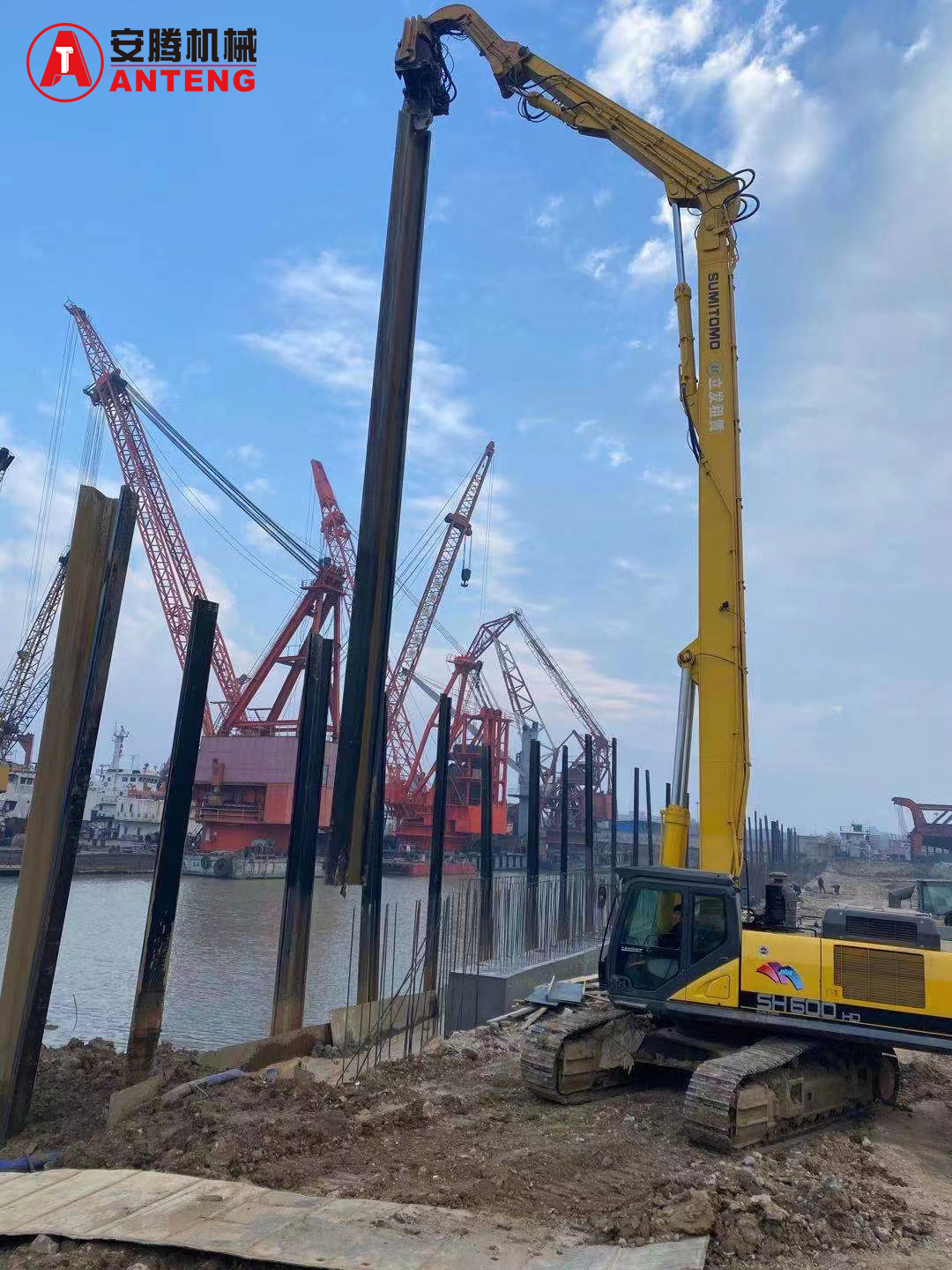
Installing and removing an excavator vibro hammer efficiently requires understanding the proper attachment procedures, safety protocols, and operational considerations that ensure both equipment longevity and job site productivity. The process involves specific mechanical connections, hydraulic system integration, and careful positioning that must be executed correctly to avoid costly delays or equipment damage during pile driving operations.

The efficiency of excavator vibro hammer installation directly impacts project timelines and operational costs, making proper technique essential for contractors and equipment operators. Modern excavator vibro hammer systems are designed with quick-connect features and standardized mounting interfaces, but successful installation still depends on following manufacturer specifications and understanding the mechanical relationship between the carrier excavator and the vibro hammer attachment.
Pre-Installation Assessment and Equipment Preparation
Excavator Compatibility Verification
Before beginning the installation process, operators must verify that the excavator meets the weight class and hydraulic requirements for the specific excavator vibro hammer model. Most vibro hammers are designed for specific excavator weight ranges, typically spanning 20-45 ton machines, and require adequate hydraulic flow rates and pressure specifications to function properly.
The excavator's hydraulic system capacity must match the vibro hammer's operational requirements, including flow rate measured in gallons per minute and working pressure ratings. Insufficient hydraulic capacity will result in reduced vibro hammer performance and potential system damage, while excessive pressure can cause premature wear or component failure.
Checking the excavator's quick coupler system is essential, as most modern excavator vibro hammer units utilize standardized mounting plates that interface with common quick coupler designs. The mounting interface must be inspected for wear, damage, or debris that could prevent secure attachment.
Site Preparation and Safety Protocols
Proper site preparation ensures safe and efficient excavator vibro hammer installation by providing adequate working space and stable ground conditions. The installation area should be level, firm, and free from overhead obstructions that could interfere with the attachment process or subsequent operation.
Safety protocols must be established before beginning installation, including designated personnel roles, communication procedures, and emergency response plans. All personnel involved in the installation should understand the specific hazards associated with heavy hydraulic attachments and maintain appropriate distances during the attachment process.
Ground conditions around the installation area should support the combined weight of the excavator and vibro hammer without causing stability issues. Soft or uneven terrain may require additional preparation such as grading, compaction, or the use of crane mats to distribute load effectively.
Step-by-Step Installation Procedures
Hydraulic System Connection
The hydraulic connection process begins with ensuring both the excavator and excavator vibro hammer systems are properly shut down and depressurized. This safety step prevents hydraulic fluid spray and potential injury during connection procedures.
Modern excavator vibro hammer units typically feature quick-disconnect hydraulic couplers that streamline the connection process. These couplers should be cleaned thoroughly before connection to prevent contamination of the hydraulic system, which could cause valve damage or reduced performance.
The hydraulic lines must be connected in the correct sequence according to manufacturer specifications, typically involving supply and return lines plus any auxiliary circuits required for vibro hammer control functions. Proper torque specifications should be followed for all hydraulic connections to ensure leak-free operation.
Mechanical Attachment Process
The mechanical attachment of the excavator vibro hammer begins with positioning the excavator boom and stick to align with the attachment mounting points. This positioning requires precise control to ensure the quick coupler pins align properly with the vibro hammer mounting brackets.
Once aligned, the quick coupler mechanism engages the vibro hammer through a combination of hydraulic pressure and mechanical locking pins. The operator should verify that all locking mechanisms are fully engaged before proceeding with system testing or operational use.
Visual and audible confirmation of proper attachment is essential, as incomplete engagement can result in attachment failure during operation. Most quick coupler systems provide clear indicators when proper engagement is achieved, including positive mechanical stops and hydraulic pressure confirmation.
Operational Testing and System Verification
Hydraulic System Function Testing
After installation, the excavator vibro hammer system requires comprehensive testing to verify proper hydraulic function and control response. Initial testing should begin with low-pressure system activation to check for leaks, unusual noises, or irregular operation before proceeding to full operational testing.
The vibro hammer's frequency and amplitude controls should be tested across their full range to ensure responsive operation and proper system integration with the excavator's hydraulic controls. Any irregularities in operation should be investigated and resolved before beginning production work.
Hydraulic fluid temperature and pressure should be monitored during initial operation to ensure the system operates within manufacturer specifications. Excessive temperature or pressure readings may indicate system problems that require attention before continuing operation.
Mechanical Integrity Verification
The mechanical integrity of the excavator vibro hammer installation must be verified through visual inspection and operational testing. All mounting hardware should be checked for proper torque and secure engagement, while the attachment interface should show no signs of excessive play or movement.
During initial operation, the vibro hammer should be observed for any unusual vibrations, noises, or movements that could indicate installation problems or component issues. The excavator's stability and control response should remain normal despite the additional weight and dynamic forces of the attached vibro hammer.
Load testing with light pile driving operations helps verify that the installation can handle operational stresses without compromising safety or performance. This testing should be conducted gradually, beginning with short-duration, low-intensity operations before proceeding to full production use.
Efficient Removal Procedures and Best Practices
Pre-Removal Preparation
Efficient removal of an excavator vibro hammer begins with proper preparation that includes system shutdown, cleaning, and positioning for safe disconnection. The vibro hammer should be allowed to cool to ambient temperature if it has been in recent operation, as hot components can pose burn hazards during handling.
The excavator should be positioned on stable, level ground with adequate clearance for the removal process. This positioning ensures operator safety and provides the stability needed for controlled attachment manipulation during the disconnection sequence.
All hydraulic pressure should be relieved from the system according to manufacturer procedures, and the vibro hammer should be positioned in a secure location where it can be safely supported after disconnection. Proper planning prevents damage to equipment and ensures worker safety during the removal process.
Disconnection Sequence and Storage
The disconnection sequence reverses the installation process, beginning with hydraulic line disconnection followed by mechanical release of the quick coupler system. Hydraulic couplers should be capped immediately after disconnection to prevent contamination and fluid loss.
The excavator vibro hammer should be lowered onto proper support stands or storage blocks that distribute weight evenly and prevent damage to critical components. Storage positioning should protect hydraulic connections, control systems, and structural elements from environmental exposure and physical damage.
Post-removal inspection provides an opportunity to identify any maintenance needs or component wear that should be addressed before the next installation. This proactive approach helps ensure reliable performance and extends equipment service life while minimizing unexpected downtime.
FAQ
How long does it typically take to install an excavator vibro hammer?
Professional installation of an excavator vibro hammer typically takes 15-30 minutes when performed by experienced operators with properly prepared equipment. This timeframe includes hydraulic connections, mechanical attachment, and basic system verification testing. Complex installations or first-time setups may require additional time for system familiarization and thorough testing procedures.
What are the most common mistakes during excavator vibro hammer installation?
The most frequent installation errors include inadequate hydraulic system preparation, improper torque specifications on connections, and incomplete verification of quick coupler engagement. Contaminated hydraulic couplers and failure to follow manufacturer-specified connection sequences also contribute to installation problems that can affect performance and equipment reliability.
Can an excavator vibro hammer be installed on different excavator models?
Most excavator vibro hammers are designed for specific weight classes and hydraulic specifications, making them compatible with multiple excavator models within those parameters. However, compatibility requires matching hydraulic flow rates, pressure requirements, and mechanical mounting interfaces. Cross-compatibility should always be verified against manufacturer specifications before attempting installation.
What maintenance is required after excavator vibro hammer installation and removal?
Regular maintenance includes inspection of hydraulic connections for leaks, verification of mounting hardware torque specifications, and cleaning of quick coupler interfaces. Hydraulic fluid quality should be monitored, and all moving parts should be lubricated according to manufacturer schedules. Post-operation inspection helps identify wear patterns and potential issues before they develop into costly repairs.
Table of Contents
- Pre-Installation Assessment and Equipment Preparation
- Step-by-Step Installation Procedures
- Operational Testing and System Verification
- Efficient Removal Procedures and Best Practices
-
FAQ
- How long does it typically take to install an excavator vibro hammer?
- What are the most common mistakes during excavator vibro hammer installation?
- Can an excavator vibro hammer be installed on different excavator models?
- What maintenance is required after excavator vibro hammer installation and removal?