
 EN
EN

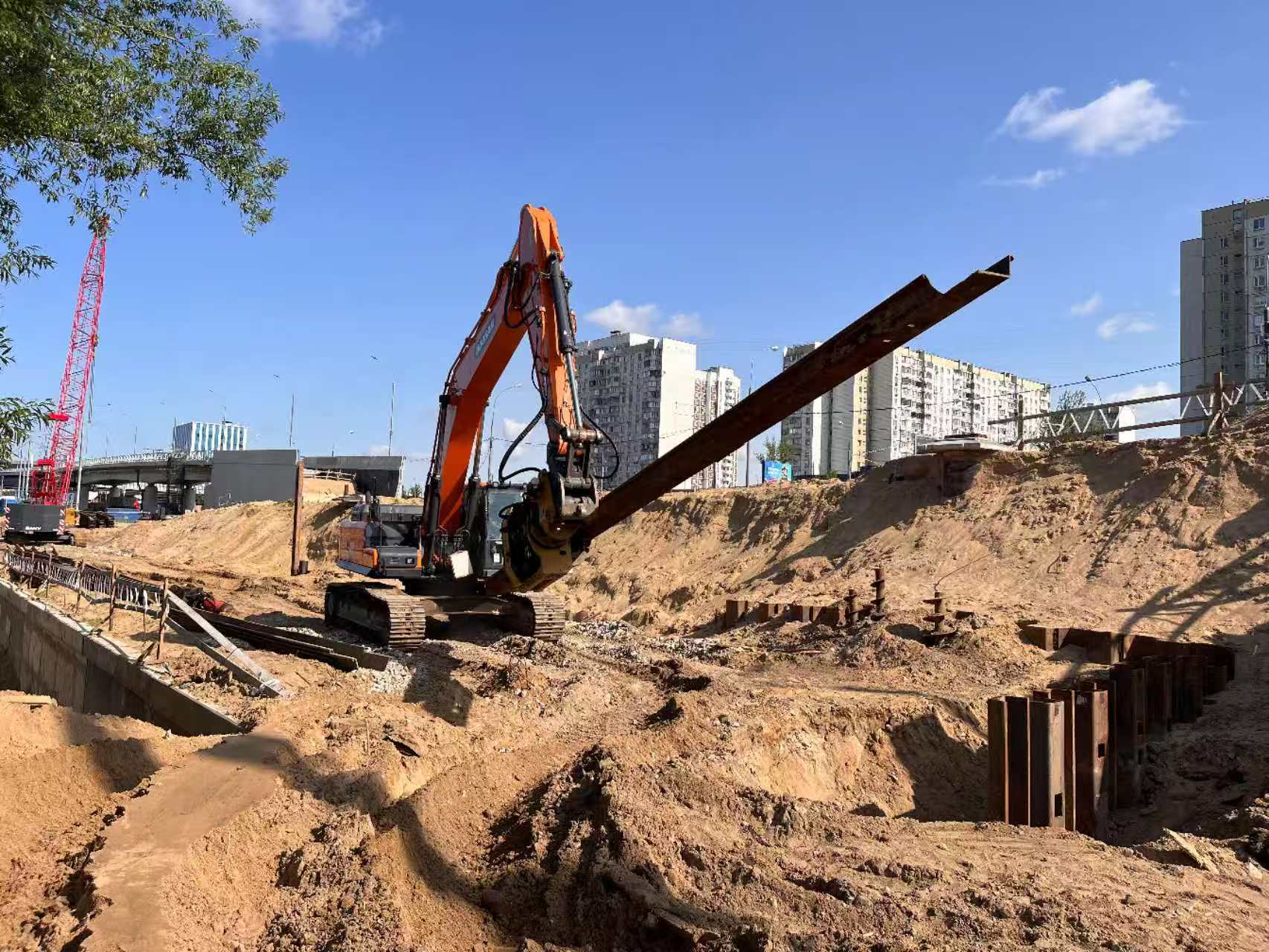
Effective maintenance of a side grip vibro hammer directly impacts operational efficiency, equipment longevity, and job site safety. Understanding the critical maintenance points ensures your side grip vibro hammer delivers consistent performance while minimizing costly downtime and unexpected repairs. These specialized pile driving attachments require systematic attention to hydraulic systems, mechanical components, and operational parameters to maintain peak functionality.
The maintenance requirements for a side grip vibro hammer encompass multiple interconnected systems that work together to generate the vibrational force needed for pile installation and extraction. Proper maintenance protocols address hydraulic fluid management, bearing lubrication, eccentric weight balance, and structural integrity checks. Neglecting these critical maintenance points can result in reduced vibrational efficiency, increased fuel consumption, and potential equipment failure during critical construction phases.
Hydraulic System Maintenance Requirements
Hydraulic Fluid Quality and Replacement
The hydraulic system serves as the power source for your side grip vibro hammer, making fluid quality paramount to operational success. Hydraulic fluid degradation occurs through heat exposure, contamination, and oxidation, directly affecting system performance and component life. Regular fluid analysis should include viscosity testing, contamination particle counts, and additive package evaluation to determine replacement intervals.
Contamination control represents a critical aspect of hydraulic maintenance for side grip vibro hammer operations. Water ingress, metal particles, and external debris can cause catastrophic damage to hydraulic motors, valves, and seals. Implementing proper filtration systems and maintaining clean work environments significantly extends component life and maintains consistent vibrational output.
Hydraulic Filter Maintenance
Filter element replacement schedules must align with operating conditions and manufacturer specifications for optimal side grip vibro hammer performance. Return line filters protect the hydraulic reservoir from contamination, while pressure line filters safeguard sensitive components from particle damage. Bypass indicator monitoring ensures filters function within designed parameters and alerts operators to replacement needs.
Suction strainer maintenance prevents pump cavitation and ensures consistent hydraulic flow to the side grip vibro hammer motor. Regular inspection and cleaning of suction strainers removes accumulated debris that can restrict flow and cause pressure drops. Proper strainer maintenance directly impacts the vibrational consistency and power output of the attachment.
Mechanical Component Inspection and Service
Eccentric Weight System Maintenance
The eccentric weight assembly generates the vibrational force that makes a side grip vibro hammer effective for pile installation and extraction. Regular inspection of eccentric weights includes checking for wear patterns, cracks, and proper balance. Unbalanced or damaged eccentric weights create excessive vibration, reduce efficiency, and can cause structural damage to both the attachment and carrier excavator.
Weight adjustment mechanisms require periodic calibration to maintain optimal vibrational characteristics for different soil conditions and pile types. The adjustment system must move freely without binding or excessive play, ensuring operators can fine-tune vibrational output as job requirements change. Lubrication of adjustment mechanisms prevents corrosion and ensures smooth operation throughout the equipment's service life.
Bearing System Lubrication and Inspection
Main shaft bearings support the eccentric weight assembly and endure extreme vibrational loads during side grip vibro hammer operation. Bearing lubrication schedules must account for operating hours, ambient temperature, and contamination exposure. High-quality bearing grease designed for vibrational applications provides superior protection against wear and extends bearing life.
Bearing temperature monitoring during operation identifies potential problems before catastrophic failure occurs. Excessive bearing temperatures indicate insufficient lubrication, contamination, or bearing wear. Regular temperature checks using infrared thermometers or built-in sensors enable proactive maintenance and prevent costly repairs.
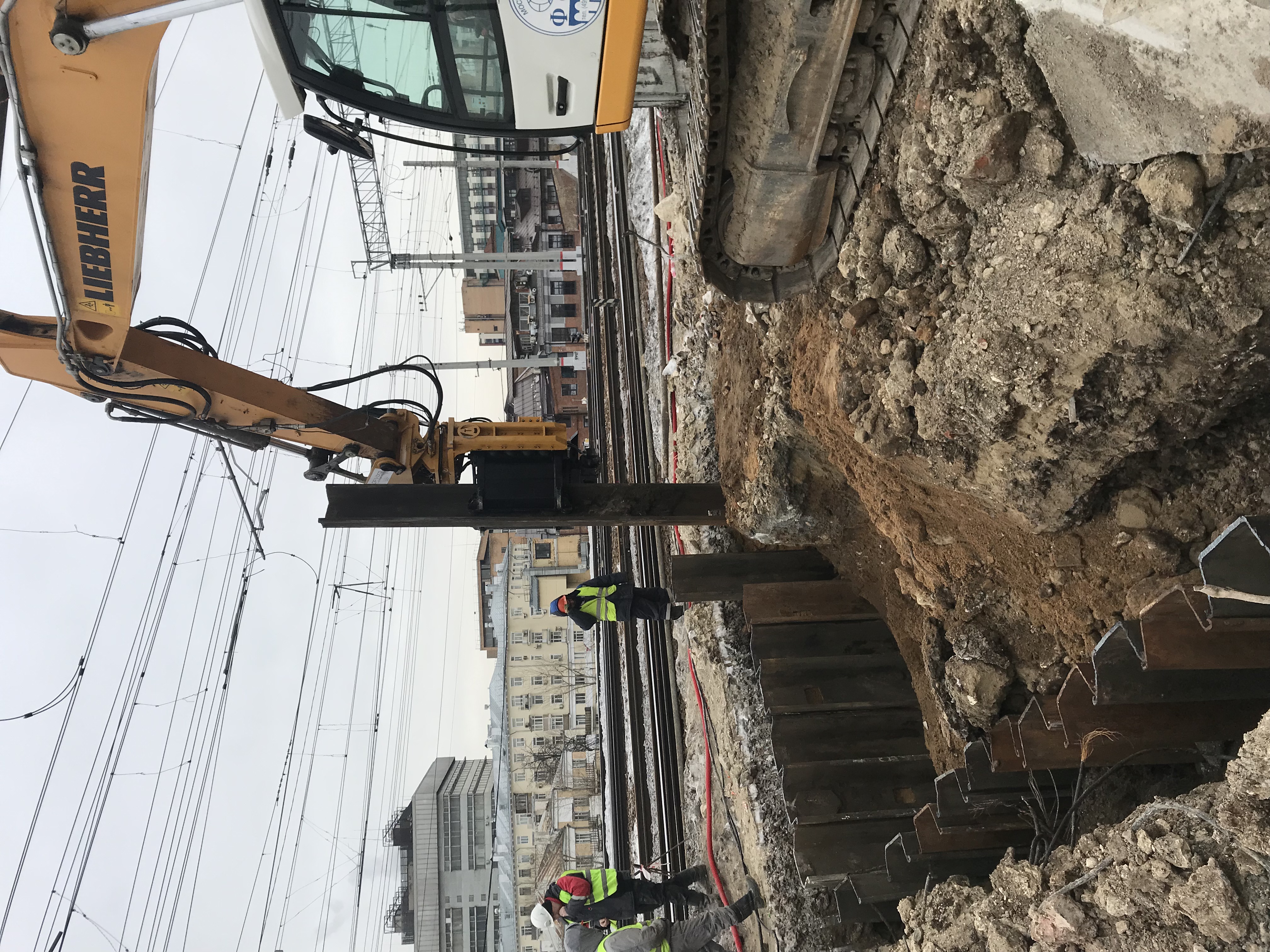
Structural Integrity and Wear Point Assessment
Clamp Jaw Inspection and Adjustment
The clamp jaws of a side grip vibro hammer experience significant stress during pile gripping and vibrational operation. Regular inspection of jaw surfaces identifies wear patterns, cracks, or deformation that could compromise gripping effectiveness. Proper jaw alignment ensures even load distribution and prevents premature wear or pile damage during installation.
Jaw adjustment mechanisms require regular calibration to maintain proper gripping force across different pile sizes and materials. Hydraulic cylinders controlling jaw movement must operate smoothly without leakage or binding. Seal replacement and cylinder bore inspection prevent hydraulic system contamination and maintain consistent gripping pressure.
Frame and Mounting Point Evaluation
The structural frame of a side grip vibro hammer must withstand extreme vibrational forces and dynamic loads during operation. Regular inspection of welded joints, mounting brackets, and structural connections identifies fatigue cracks before they propagate into major failures. Non-destructive testing methods such as dye penetrant or magnetic particle inspection enhance crack detection capabilities.
Mounting point wear assessment ensures secure attachment to the carrier excavator and prevents dangerous equipment separation during operation. Pin bushings, pivot points, and quick-coupler interfaces experience high stress and require regular inspection and lubrication. Proper torque specifications for mounting hardware maintain connection integrity and operator safety.
Operational Parameters and Performance Monitoring
Vibration Frequency Calibration
Maintaining proper vibration frequency ensures optimal pile installation efficiency and prevents excessive stress on both the side grip vibro hammer and carrier excavator. Frequency monitoring equipment provides real-time feedback on operational parameters and identifies deviations from manufacturer specifications. Regular calibration of frequency control systems maintains consistent performance across varying operating conditions.
Amplitude adjustment mechanisms require periodic inspection and lubrication to ensure proper function throughout the equipment's operating range. Sticking or binding amplitude controls prevent operators from optimizing vibrational characteristics for specific soil conditions and pile types. Smooth amplitude adjustment capability directly impacts productivity and equipment efficiency.
Performance Data Analysis
Systematic collection of operational data enables trend analysis and predictive maintenance scheduling for side grip vibro hammer equipment. Key performance indicators include fuel consumption rates, hydraulic pressure readings, temperature measurements, and production output metrics. Data analysis identifies gradual performance degradation and guides maintenance interval optimization.
Equipment hour meters and service interval tracking ensure maintenance tasks occur at appropriate intervals based on actual usage rather than calendar schedules alone. Operating condition factors such as soil type, ambient temperature, and duty cycle intensity influence maintenance requirements and component wear rates. Customized maintenance schedules based on actual operating conditions optimize equipment reliability and reduce total ownership costs.
Preventive Maintenance Scheduling and Documentation
Daily Inspection Protocols
Daily pre-operation inspections of a side grip vibro hammer identify potential issues before they impact job site productivity. Visual inspection checklists should include hydraulic fluid levels, connection integrity, structural condition, and control system function. Systematic daily inspections create opportunities for early problem detection and prevent minor issues from developing into major failures.
Operator training on proper inspection procedures ensures consistent application of maintenance protocols and improves overall equipment reliability. Standardized inspection forms and digital reporting systems facilitate data collection and trend analysis. Well-trained operators serve as the first line of defense against equipment problems and contribute significantly to maintenance program success.
Service Record Management
Comprehensive maintenance records enable effective warranty claims, resale value optimization, and maintenance program evaluation for side grip vibro hammer equipment. Digital maintenance management systems streamline record keeping and provide automated reminders for scheduled service intervals. Detailed service histories support troubleshooting efforts and guide repair decisions.
Component replacement tracking identifies wear patterns and helps optimize replacement intervals based on actual field experience. Parts inventory management ensures critical components remain available when needed, reducing downtime and maintaining operational continuity. Proactive parts ordering based on maintenance schedules and usage patterns minimizes emergency procurement costs and delivery delays.
FAQ
How often should hydraulic fluid be changed in a side grip vibro hammer?
Hydraulic fluid replacement intervals typically range from 1000 to 2000 operating hours, depending on operating conditions and fluid quality monitoring results. Severe operating environments with high contamination exposure may require more frequent fluid changes, while clean conditions may extend intervals. Regular fluid analysis provides the most accurate guidance for replacement timing and ensures optimal system performance.
What are the signs of eccentric weight imbalance in a side grip vibro hammer?
Eccentric weight imbalance manifests as irregular vibration patterns, excessive carrier excavator movement, reduced pile penetration rates, and unusual noise during operation. Visual inspection may reveal uneven wear patterns on weight surfaces or adjustment mechanisms. Professional balancing services can restore proper weight distribution and eliminate performance issues caused by imbalance conditions.
How can operators prevent contamination in the hydraulic system?
Contamination prevention requires clean work practices including proper hydraulic coupling procedures, regular filter replacement, sealed fluid storage, and immediate cleanup of hydraulic spills. Using manufacturer-approved fluids and maintaining proper reservoir breather caps prevents external contamination entry. Regular system flushing and component cleaning during maintenance intervals removes accumulated contaminants and extends component life.
What temperature ranges are acceptable for side grip vibro hammer operation?
Most side grip vibro hammer systems operate effectively in ambient temperatures from -20°F to 120°F, with hydraulic fluid temperatures maintained below 180°F during normal operation. Cold weather operation may require fluid preheating and extended warm-up periods, while hot weather operation benefits from auxiliary cooling systems and increased fluid change intervals. Temperature monitoring equipment helps operators maintain optimal operating conditions and prevent thermal damage.