
 EN
EN
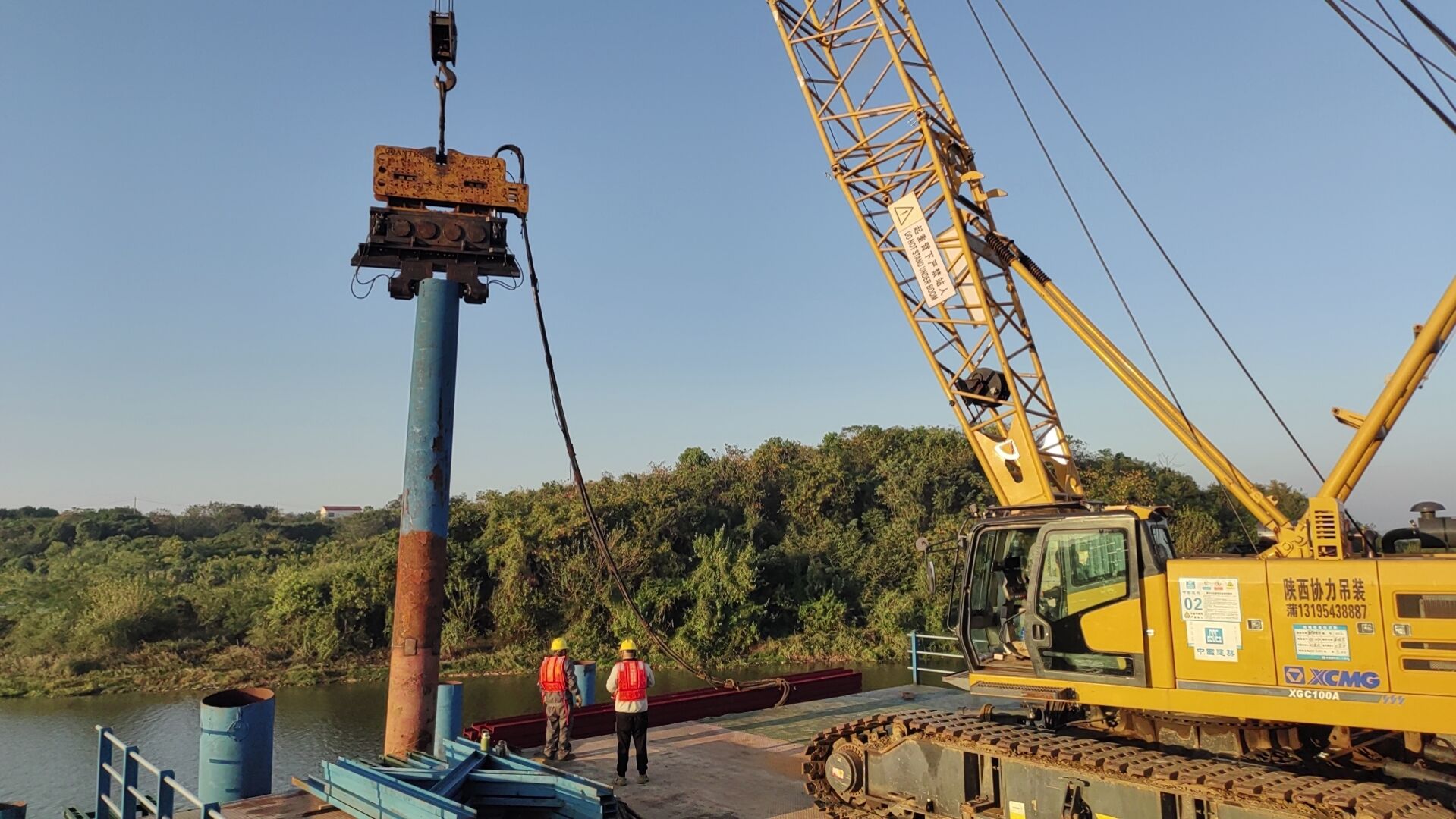
Selecting the right pile driver system is a critical decision that directly impacts project timelines, budget efficiency, and foundation quality. Construction professionals face numerous variables when choosing between different pile driving technologies, from soil conditions and pile specifications to equipment compatibility and operational constraints. Understanding these selection criteria ensures optimal performance and cost-effectiveness throughout the construction process.
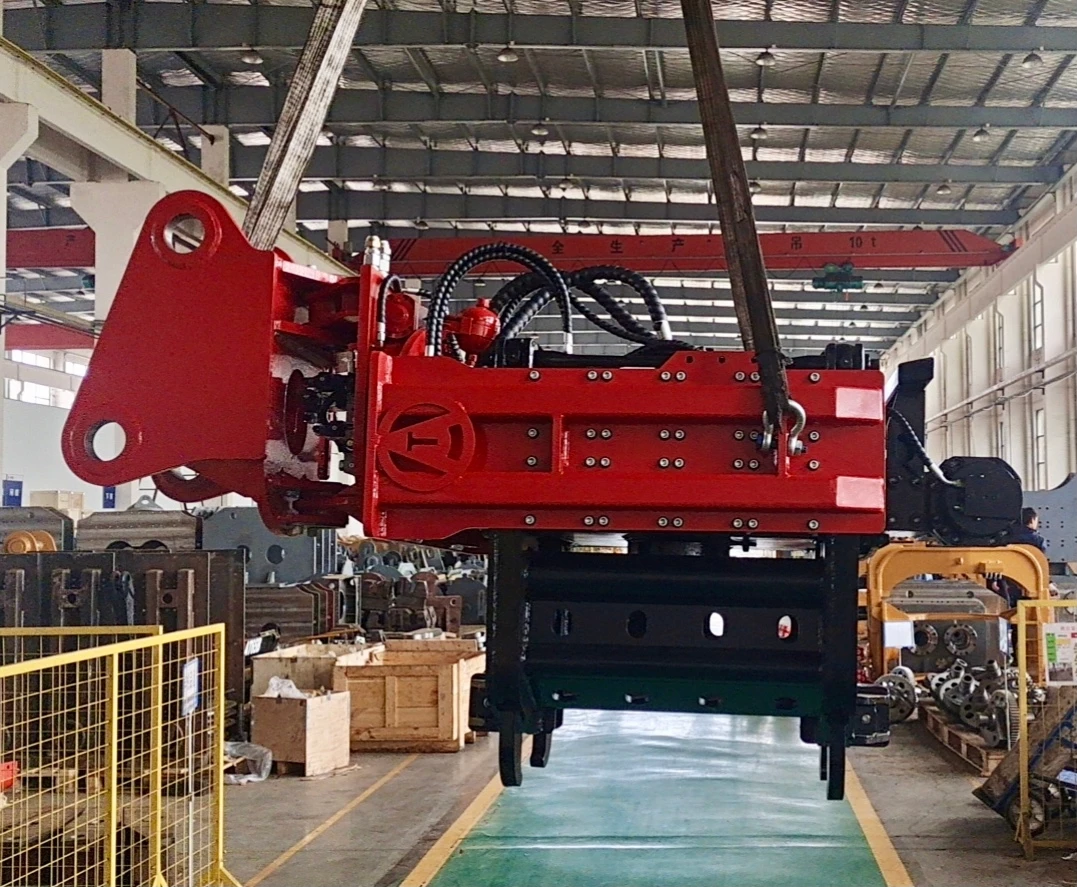
The complexity of pile driver selection extends beyond simple equipment specifications to encompass site-specific requirements, environmental considerations, and long-term operational factors. Each construction project presents unique challenges that demand careful evaluation of available pile driving solutions. This comprehensive analysis enables contractors and engineers to make informed decisions that align with project objectives while maintaining safety standards and regulatory compliance.
Soil Conditions and Geological Factors
Geotechnical Assessment Requirements
Soil composition represents the primary factor influencing pile driver selection decisions. Dense clay soils require different driving forces compared to sandy or rocky substrates, directly affecting the choice between vibratory and impact pile driver systems. Comprehensive geotechnical surveys provide essential data about bearing capacity, soil density variations, and potential obstacles that influence equipment performance capabilities.
Groundwater levels and soil moisture content significantly impact pile driving efficiency and equipment selection. High water tables may necessitate specialized pile driver configurations with enhanced sealing systems or dewatering capabilities. Understanding these subsurface conditions prevents equipment failures and ensures consistent pile installation throughout the project duration.
Rock formations and buried debris create additional complexity for pile driver selection processes. Hard substrates may require pre-drilling or specialized driving techniques that only certain pile driver systems can accommodate effectively. Identifying these geological challenges early enables contractors to select appropriate equipment configurations that maintain productivity while avoiding costly delays.
Soil Bearing Capacity Considerations
Load-bearing requirements directly correlate with pile driver selection criteria, as different soil types demand varying installation forces and penetration depths. Soft soils may allow lighter pile driver systems to achieve required penetration, while dense formations require heavy-duty equipment with superior driving capabilities. This relationship between soil properties and equipment specifications guides the selection process.
Pile refusal conditions occur when soil resistance exceeds pile driver capabilities, making equipment selection critical for project completion. Understanding anticipated refusal depths helps contractors choose pile driver systems with adequate power reserves to overcome challenging driving conditions. This foresight prevents mid-project equipment changes that disrupt schedules and increase costs.
Seasonal soil variations affect pile driving conditions and equipment performance throughout project timelines. Freeze-thaw cycles, seasonal moisture changes, and temperature fluctuations alter soil properties and pile driver effectiveness. Selecting equipment that maintains consistent performance across varying conditions ensures project continuity regardless of seasonal challenges.
Pile Specifications and Material Compatibility
Pile Type and Dimensional Requirements
Steel pile dimensions and wall thickness specifications determine compatible pile driver configurations and driving force requirements. Larger diameter piles necessitate more powerful pile driver systems with appropriate clamping mechanisms to ensure proper grip and force transmission. Understanding these dimensional constraints early in the selection process prevents compatibility issues during installation phases.
Concrete pile specifications present different challenges for pile driver selection compared to steel alternatives. Precast concrete piles require careful force application to prevent cracking or structural damage during installation. Selecting pile driver systems with precise force control capabilities protects pile integrity while achieving required penetration depths.
Specialty pile configurations, including composite materials and custom profiles, may require modified pile driver setups or specialized attachments. These unique applications demand careful consideration of equipment adaptability and manufacturer support for non-standard installations. Ensuring compatibility between pile specifications and pile driver capabilities prevents costly modifications or equipment changes.
Material Strength and Durability Factors
Pile material properties influence driving forces and installation techniques that guide pile driver selection decisions. High-strength steel piles can withstand greater driving forces, allowing contractors to use more aggressive pile driver systems for faster installation rates. Understanding material limitations ensures equipment selection that maximizes productivity while maintaining structural integrity.
Corrosion-resistant coatings and protective finishes on piles may require gentle handling during installation processes. pile driver systems with controlled force application protect these specialized coatings while achieving required installation parameters. This consideration becomes critical for marine environments and corrosive soil conditions.
Joint connections and splicing requirements for segmented piles influence pile driver selection and operational procedures. Equipment must accommodate field splicing operations while maintaining accurate alignment and driving efficiency. Selecting pile driver systems that support these complex installation sequences ensures project continuity and quality standards.
Equipment Compatibility and Site Constraints
Carrier Platform and Mounting Requirements
Excavator compatibility represents a fundamental consideration when selecting pile driver systems for most construction applications. Equipment weight, hydraulic flow requirements, and mounting specifications must align with available carrier platforms to ensure safe and efficient operations. Mismatched combinations result in poor performance, increased maintenance costs, and potential safety hazards.
Hydraulic system capacity and pressure ratings directly affect pile driver performance and selection criteria. Insufficient hydraulic flow limits driving force and cycling speed, reducing overall productivity and potentially preventing successful pile installation. Verifying hydraulic compatibility ensures optimal equipment performance throughout project timelines.
Attachment mechanisms and quick-coupling systems influence operational efficiency and equipment versatility for pile driving applications. Modern pile driver systems offer various mounting options that accommodate different carrier platforms and operational requirements. Selecting compatible attachment systems maximizes equipment utilization while minimizing setup and changeover times.
Site Access and Mobility Considerations
Jobsite accessibility constraints significantly impact pile driver selection decisions, particularly for urban construction projects with limited maneuvering space. Compact pile driver systems may sacrifice some power for improved mobility in restricted areas. Balancing performance requirements against site constraints ensures practical equipment selection that supports project completion.
Overhead clearance limitations affect pile driver selection in confined spaces or structures with height restrictions. Low-profile pile driver configurations enable operations under bridges, in basements, or near overhead utilities where standard equipment cannot function. Understanding clearance requirements guides equipment selection that maintains productivity within site constraints.
Ground conditions and surface stability influence carrier platform selection and pile driver configurations for safe operations. Soft or unstable surfaces may require tracked carriers with specialized pile driver systems designed for challenging terrain. Evaluating ground conditions ensures equipment selection that maintains stability and safety throughout pile installation processes.
Performance Specifications and Operational Requirements
Driving Force and Energy Output
Impact energy ratings provide essential criteria for comparing pile driver systems and matching equipment capabilities to project requirements. Higher energy outputs enable penetration of dense soils and challenging substrates but may exceed requirements for lighter applications. Understanding energy requirements helps contractors select appropriately sized pile driver systems that balance performance with operational efficiency.
Vibration frequency and amplitude settings affect pile driver performance in different soil conditions and installation scenarios. Variable frequency capabilities allow operators to optimize pile driver settings for specific site conditions, improving installation rates and reducing equipment wear. Selecting pile driver systems with adjustable parameters enhances versatility and performance across diverse applications.
Blow rate and cycling frequency determine installation productivity and influence pile driver selection for time-sensitive projects. Faster cycling systems increase daily production rates but may require more robust construction and higher maintenance intervals. Balancing speed requirements against equipment durability guides selection decisions that support project schedules while controlling operating costs.
Precision and Control Features
Automated control systems enhance pile driver performance by maintaining consistent installation parameters and reducing operator variability. Advanced pile driver systems offer programmable settings that optimize performance for specific pile types and soil conditions. These features improve installation quality while reducing the skill requirements for effective operation.
Monitoring and data collection capabilities provide valuable feedback for optimizing pile driver performance and verifying installation quality. Real-time monitoring systems track driving forces, penetration rates, and energy transfer efficiency throughout pile installation processes. Selecting pile driver systems with comprehensive monitoring features supports quality control and continuous improvement initiatives.
Safety features and emergency stop systems represent critical considerations for pile driver selection in modern construction environments. Integrated safety systems protect operators and nearby personnel while maintaining productivity and operational efficiency. Understanding available safety features guides equipment selection that meets regulatory requirements while supporting safe work practices.
Cost Factors and Economic Considerations
Initial Investment and Acquisition Costs
Purchase price represents the most visible cost factor in pile driver selection decisions, but total ownership costs require broader analysis beyond initial acquisition expenses. Equipment financing options, depreciation schedules, and resale values influence the economic evaluation of different pile driver systems. Comprehensive cost analysis ensures selection decisions that optimize long-term financial performance.
Rental versus purchase decisions depend on project duration, equipment utilization rates, and available capital resources for pile driver acquisition. Short-term projects may benefit from rental arrangements that eliminate maintenance responsibilities and depreciation costs. Understanding project-specific economics guides pile driver selection strategies that align with business objectives and cash flow requirements.
Technology premiums for advanced pile driver systems must be evaluated against productivity improvements and operational benefits they provide. Sophisticated control systems and monitoring capabilities command higher prices but may deliver superior performance and reduced operating costs. Quantifying these benefits supports informed selection decisions that balance initial investment against long-term value.
Operating Costs and Maintenance Requirements
Fuel consumption and energy efficiency affect ongoing operational costs throughout pile driver system lifecycles. More efficient pile driver systems reduce fuel costs and environmental impact while maintaining required performance levels. Understanding energy consumption patterns helps contractors evaluate total cost of ownership for different equipment options.
Maintenance intervals and service requirements vary significantly among different pile driver systems and manufacturers. Robust designs with longer service intervals reduce downtime and maintenance costs while improving equipment availability for production work. Evaluating maintenance requirements guides selection decisions that balance initial costs against ongoing operational expenses.
Parts availability and service support influence pile driver selection decisions, particularly for contractors operating in remote locations or international markets. Comprehensive dealer networks and readily available spare parts minimize downtime risks and ensure consistent equipment performance. Understanding service support capabilities guides equipment selection that maintains productivity throughout project lifecycles.
FAQ
What soil conditions require the most powerful pile driver systems?
Dense clay soils, rocky formations, and high-resistance substrates typically require the most powerful pile driver systems to achieve required penetration depths. These challenging conditions demand high impact energy or superior vibratory force to overcome soil resistance and complete pile installation effectively.
How do I determine the right pile driver size for my excavator?
Pile driver size selection depends on your excavator's weight class, hydraulic flow capacity, and lifting capacity. Most manufacturers provide compatibility charts that match pile driver systems to specific excavator models and specifications, ensuring safe operation and optimal performance.
What factors affect pile driver productivity on construction projects?
Soil conditions, pile specifications, equipment power output, operator experience, and site accessibility all significantly impact pile driver productivity. Optimizing these factors through proper equipment selection and operational planning maximizes installation rates and project efficiency.
How important is manufacturer support when selecting a pile driver system?
Manufacturer support is crucial for pile driver selection, affecting parts availability, service quality, training resources, and technical assistance. Strong manufacturer support reduces downtime risks, ensures proper operation, and maintains equipment performance throughout its operational lifecycle.