
 EN
EN
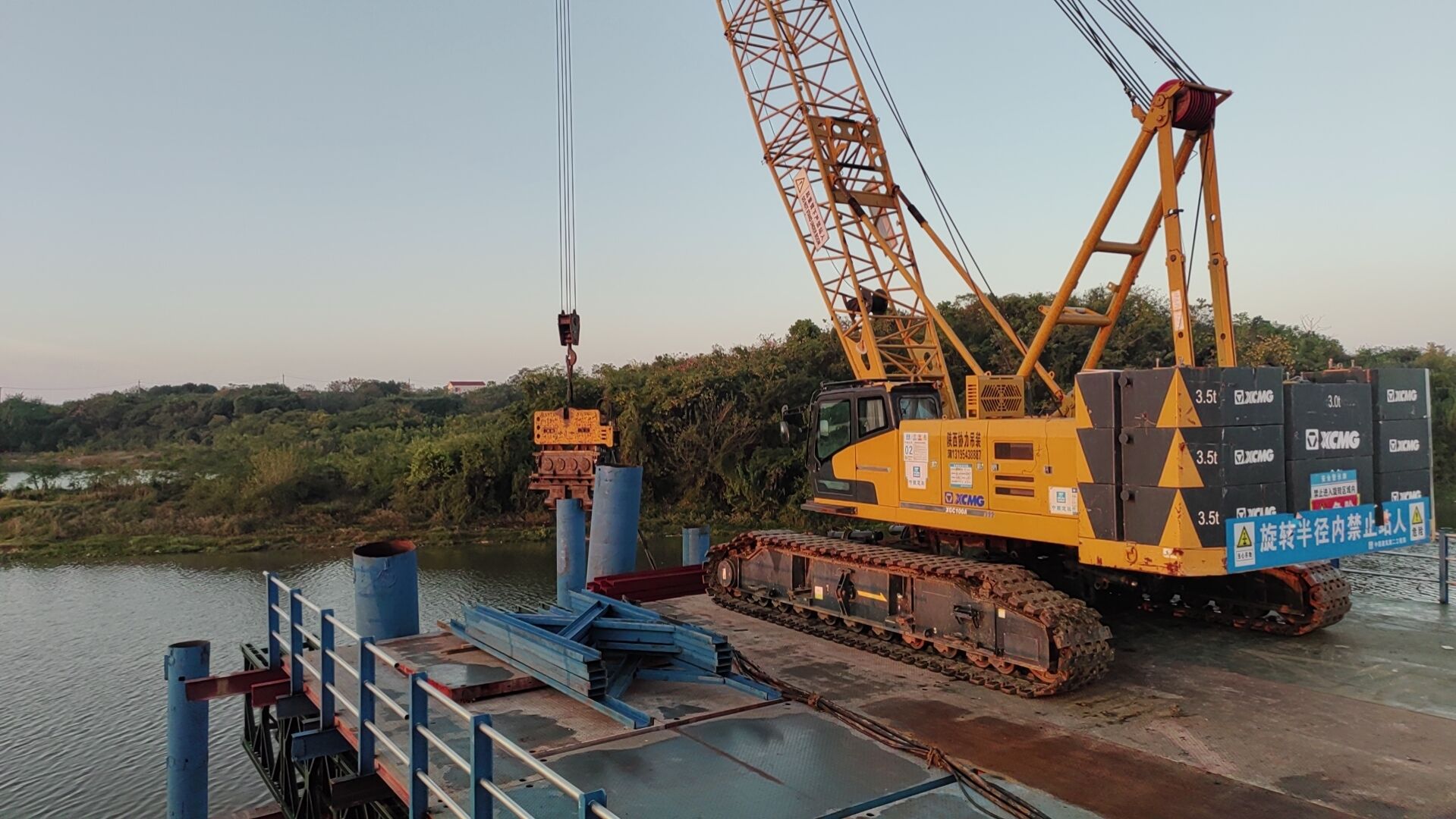
When construction and infrastructure projects require deep foundation solutions, buyers face a critical decision that can significantly impact their project's success and profitability. The evaluation of pile driver cost versus performance represents one of the most complex purchasing decisions in the construction equipment industry, where the wrong choice can lead to project delays, budget overruns, and compromised structural integrity.
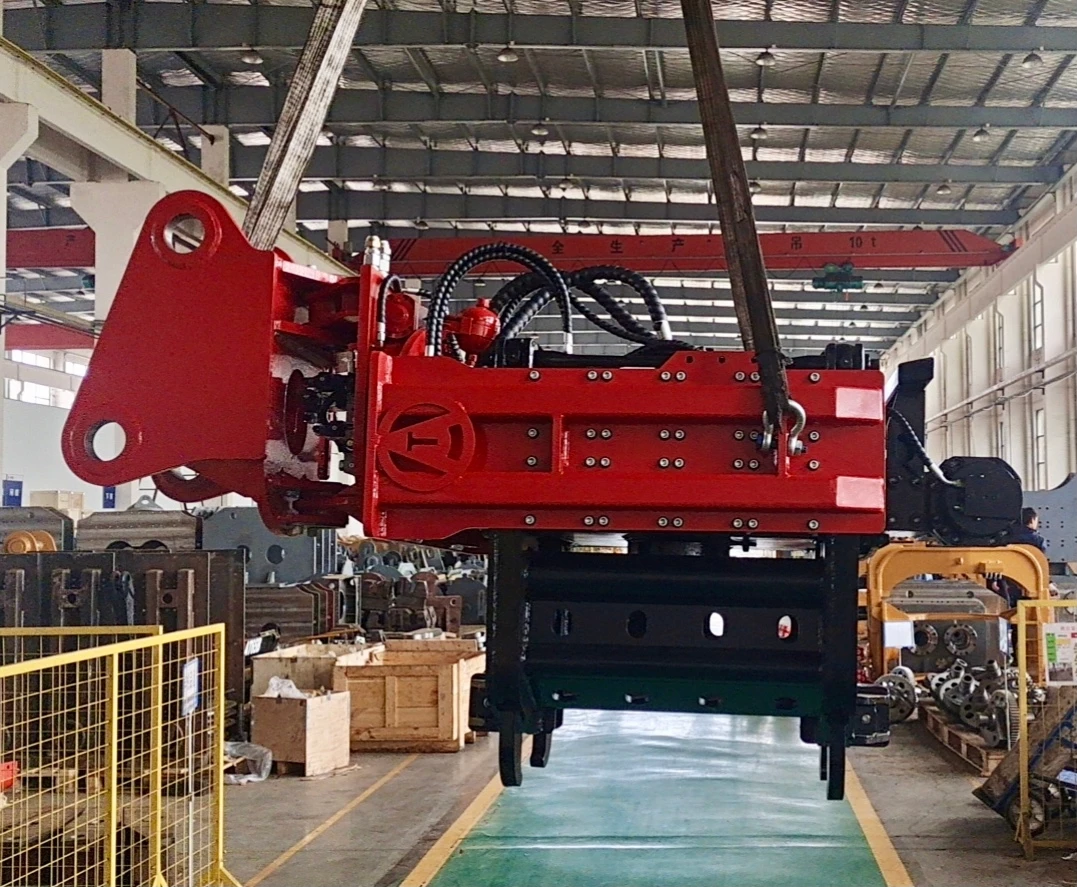
Understanding how buyers systematically evaluate pile driver investments requires examining the intricate balance between upfront capital costs and long-term operational performance. This evaluation process involves multiple stakeholders, from project managers and equipment operators to financial analysts and safety coordinators, each bringing unique perspectives to the decision-making framework that ultimately determines which pile driver solution best serves the project's specific requirements.
Financial Framework for Pile Driver Investment Analysis
Total Cost of Ownership Calculations
Professional buyers approach pile driver evaluation through comprehensive total cost of ownership models that extend far beyond the initial purchase price. These calculations incorporate acquisition costs, financing expenses, insurance premiums, and depreciation schedules to establish the true financial impact of each pile driver option under consideration.
The operational cost component includes fuel consumption rates, maintenance schedules, replacement parts availability, and operator training requirements. Experienced buyers recognize that a lower-priced pile driver may generate higher lifetime costs if it requires frequent repairs, consumes excessive fuel, or demands specialized maintenance expertise that increases operational complexity.
Resale value projections play an increasingly important role in modern pile driver evaluations, as buyers seek equipment that maintains market value throughout its operational lifecycle. This consideration influences brand selection, feature prioritization, and maintenance investment strategies that preserve long-term asset value while maximizing operational utility.
Performance Metrics and Productivity Calculations
Quantifying pile driver performance requires establishing measurable productivity metrics that directly correlate with project profitability and timeline adherence. Buyers typically focus on penetration rates, cycle times, fuel efficiency per driven pile, and overall daily production capacity when comparing different pile driver options.
Advanced buyers incorporate site-specific performance modeling that accounts for soil conditions, pile specifications, environmental constraints, and operational parameters unique to their project portfolio. This analysis helps identify which pile driver configurations deliver optimal performance under actual working conditions rather than theoretical specifications.
The relationship between performance capabilities and project scheduling creates significant financial implications that sophisticated buyers carefully evaluate. Higher-performing pile driver equipment may justify premium pricing through reduced project duration, lower labor costs, and improved cash flow from accelerated project completion and payment cycles.
Technical Performance Evaluation Criteria
Power and Efficiency Assessment
Buyers evaluate pile driver power specifications through multiple technical lenses, examining engine horsepower, hydraulic system capacity, impact energy delivery, and vibrational frequency ranges. These technical parameters directly influence the equipment's ability to handle diverse pile types, soil conditions, and project-specific penetration requirements.
Energy efficiency considerations have become increasingly important as fuel costs and environmental regulations impact operational economics. Modern buyers compare fuel consumption per driven pile, idle time fuel usage, and overall energy conversion efficiency to identify pile driver models that minimize operational costs while maintaining required performance levels.
The integration of advanced control systems and automation features influences buyer decisions by offering improved precision, reduced operator fatigue, and enhanced safety performance. These technological advantages often justify higher initial costs through improved productivity and reduced long-term operational risks.
Versatility and Adaptability Features
Equipment versatility represents a critical evaluation criterion as buyers seek pile driver solutions that can adapt to varying project requirements without requiring additional specialized equipment purchases. This includes the ability to handle different pile types, adjust to various soil conditions, and accommodate changing project specifications throughout the equipment's operational lifecycle.
Attachment compatibility and modification capabilities allow buyers to maximize their pile driver investment by enabling equipment customization for specific applications. Buyers evaluate quick-change systems, hydraulic attachment interfaces, and accessory availability when assessing long-term equipment utility and operational flexibility.
Site accessibility and maneuverability characteristics significantly impact pile driver suitability for different project types. Buyers consider equipment dimensions, weight restrictions, transportation requirements, and setup complexity when evaluating how effectively each pile driver option can be deployed across their typical project portfolio.
Risk Assessment and Reliability Factors
Equipment Reliability and Downtime Prevention
Reliability assessment forms the foundation of professional pile driver evaluation processes, as equipment downtime can create cascading project delays that far exceed the cost savings from purchasing lower-priced alternatives. Buyers examine failure rate statistics, maintenance interval requirements, and component durability records when comparing different pile driver options.
Preventive maintenance requirements and associated costs factor heavily into buyer decisions, as complex maintenance schedules can strain operational resources and create scheduling challenges. Buyers prefer pile driver designs that offer predictable maintenance intervals, readily available service support, and standardized component replacement procedures.
Service network coverage and technical support availability influence buyer confidence in equipment reliability and operational continuity. Comprehensive service networks reduce downtime risks and provide buyers with confidence that their pile driver investment will maintain operational availability throughout critical project phases.
Safety Performance and Compliance Considerations
Safety performance evaluation encompasses both operator protection features and overall jobsite safety implications of different pile driver configurations. Buyers assess noise levels, vibration control systems, operator cab protection, and emergency shutdown capabilities when comparing safety-related performance characteristics.
Regulatory compliance requirements vary significantly across different markets and project types, creating additional evaluation criteria that buyers must consider. Environmental regulations, noise restrictions, and safety standards influence pile driver selection by limiting available options or requiring specific performance capabilities.
Insurance implications and liability considerations affect the total cost analysis as safer pile driver operations may qualify for reduced insurance premiums or improved safety ratings. These indirect financial benefits can influence the cost-performance equation by reducing overall project risk exposure.
Market Conditions and Strategic Considerations
Competitive Positioning and Market Dynamics
Professional buyers consider how their pile driver investment affects their competitive positioning within the construction market, particularly regarding their ability to bid on specialized projects or deliver superior performance compared to competitors. Equipment capabilities can create competitive advantages that justify higher initial investments through improved project acquisition opportunities.
Market demand for specific pile driver capabilities influences buyer decisions by affecting equipment utilization rates and project pricing power. Buyers evaluate whether advanced pile driver features will enable access to higher-margin projects or improved customer relationships that enhance long-term business profitability.
Technology adoption trends within the construction industry create strategic considerations for pile driver buyers who must balance current cost-performance requirements with future market expectations. Early adoption of advanced features may provide competitive advantages, while conservative approaches may offer better short-term cost control.
Financing and Cash Flow Optimization
Financing options and payment structures significantly impact the practical cost-performance evaluation of pile driver investments. Buyers compare lease arrangements, purchase financing, and rental alternatives to optimize cash flow while securing necessary equipment capabilities for their project portfolio.
Tax implications and depreciation benefits influence the effective cost of pile driver ownership, creating additional variables in the cost-performance analysis. Professional buyers work with financial advisors to structure equipment acquisitions that maximize tax advantages while maintaining operational flexibility.
Cash flow timing considerations affect how buyers weight upfront costs versus ongoing operational expenses. Projects with extended payment cycles may favor pile driver options with lower initial costs, while well-capitalized buyers may prioritize performance features that accelerate project completion and cash collection.
FAQ
What factors have the greatest impact on pile driver cost-performance evaluation?
The most significant factors include total cost of ownership calculations that encompass acquisition, operation, and maintenance costs, alongside productivity metrics such as penetration rates and daily production capacity. Reliability and downtime prevention also play crucial roles, as equipment failures can create project delays that far exceed initial cost savings from less expensive alternatives.
How do buyers quantify pile driver performance for comparison purposes?
Buyers typically measure performance through metrics including piles driven per day, fuel consumption per pile, cycle times, and penetration rates across different soil conditions. Advanced buyers create site-specific performance models that account for actual working conditions, pile specifications, and environmental constraints to generate realistic productivity projections for their specific project requirements.
What role does equipment versatility play in the cost-performance equation?
Versatility significantly impacts long-term value by enabling single pile driver units to handle diverse project requirements without additional equipment purchases. Buyers evaluate attachment compatibility, pile type adaptability, and site accessibility features to maximize equipment utilization across their project portfolio, effectively reducing per-project equipment costs while maintaining performance standards.
How do financing options influence pile driver purchasing decisions?
Financing structures affect cash flow optimization and total ownership costs, with buyers comparing purchase financing, leasing arrangements, and rental alternatives based on their capital availability and project pipeline. Tax implications, depreciation benefits, and payment timing considerations can significantly alter the effective cost-performance ratio, making financing structure selection as important as equipment specification decisions.