
 EN
EN
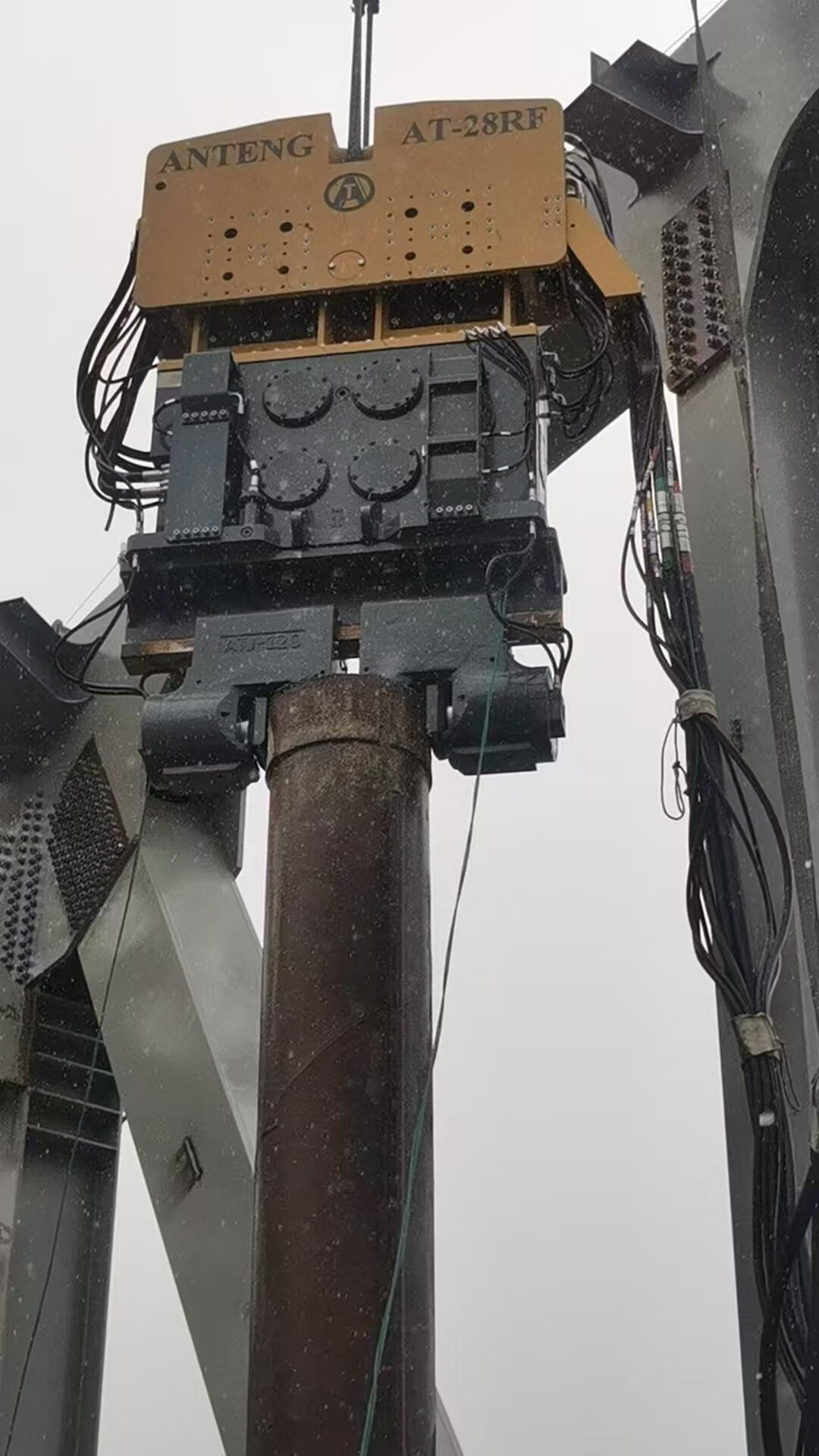
A pile driver is a specialized construction machine designed to install deep foundation elements by driving piles into the ground through controlled force application. Understanding how a pile driver works is essential for construction professionals involved in deep foundation projects, as these machines form the backbone of structural stability for bridges, high-rise buildings, marine structures, and heavy industrial facilities. The operational mechanics of a pile driver directly influence the quality, speed, and cost-effectiveness of foundation installation projects.
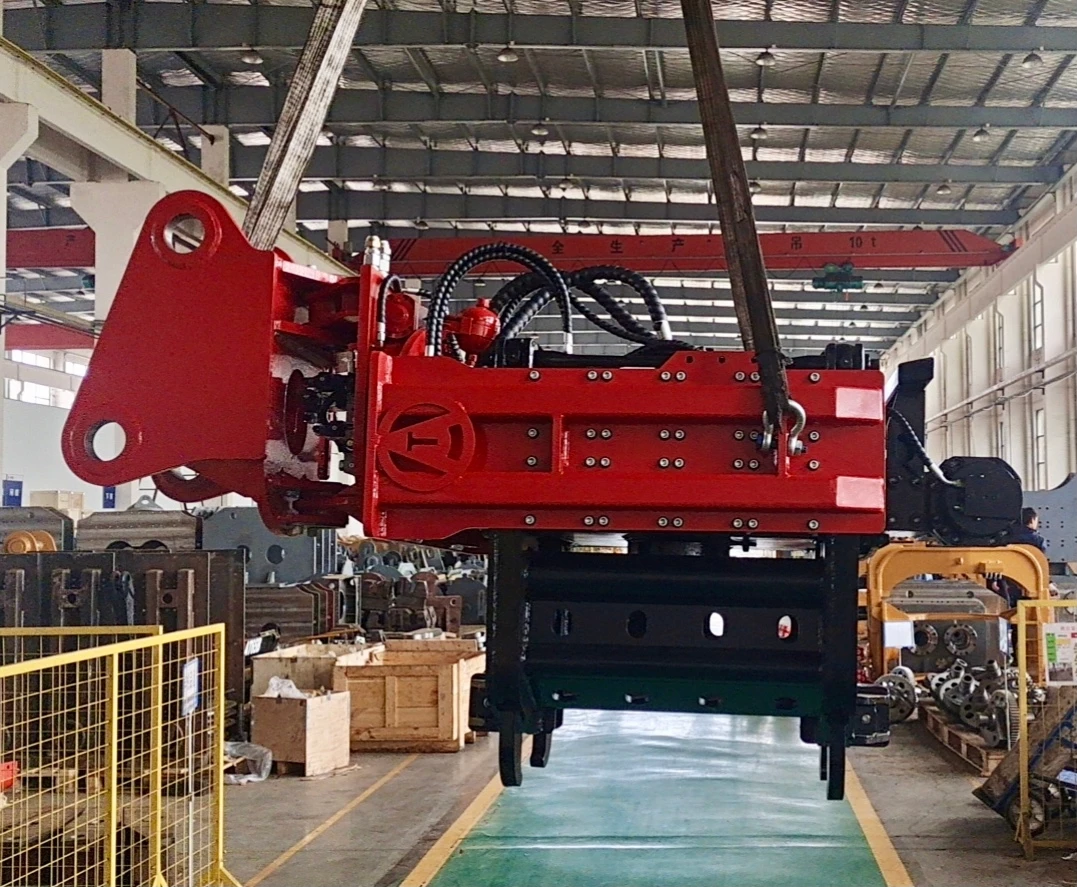
The fundamental working principle of a pile driver involves converting mechanical energy into vertical force to penetrate soil layers and bedrock. Modern pile driver systems utilize various energy transfer methods, including impact hammering, vibratory motion, and hydraulic pressure, each suited to specific soil conditions and pile materials. The selection and operation of the appropriate pile driver mechanism determines the success of deep foundation construction projects, making it crucial to understand the detailed working processes of these sophisticated machines.
Fundamental Operating Principles of Pile Driver Systems
Energy Transfer Mechanisms in Pile Driving Operations
The core working principle of a pile driver centers on efficient energy transfer from the driving mechanism to the pile head. Impact pile driver systems generate kinetic energy through a heavy ram that falls from a predetermined height, striking the pile with concentrated force. This impact energy travels through the pile material as stress waves, overcoming soil resistance and advancing the pile deeper into the ground. The effectiveness of this energy transfer depends on the pile driver's ram weight, drop height, and the impedance matching between the hammer and pile materials.
Vibratory pile driver systems operate on a different principle, utilizing high-frequency oscillations to reduce soil friction around the pile shaft. These machines generate sinusoidal forces through rotating eccentric weights, creating vertical vibrations that temporarily fluidize granular soils and reduce lateral earth pressure. The pile driver's vibratory mechanism allows the pile to penetrate through its own weight combined with the applied downward force, making this method particularly effective in sandy and granular soil conditions.
Hydraulic pile driver systems combine impact and static forces through controlled hydraulic pressure application. These advanced machines use hydraulic cylinders to generate precise downward forces while maintaining consistent energy output throughout the driving process. The hydraulic pile driver can adjust its operating parameters in real-time, responding to changing soil conditions and pile resistance to optimize penetration efficiency and prevent pile damage during installation.
Soil Interaction Dynamics During Pile Installation
The working mechanism of a pile driver must overcome various soil resistance forces that oppose pile penetration. Skin friction develops along the pile shaft as it displaces soil particles, creating drag forces that increase with penetration depth. The pile driver must generate sufficient energy to overcome this cumulative friction while also penetrating end-bearing resistance at the pile tip. Understanding these soil interaction dynamics is essential for selecting the appropriate pile driver type and operating parameters for specific ground conditions.
Clay soils present unique challenges for pile driver operation, as these materials exhibit high shear strength and low permeability. Impact pile driver systems can generate high pore water pressures in saturated clays, temporarily reducing soil strength and facilitating pile penetration. However, the pile driver must account for clay's tendency to regain strength over time, potentially leading to increased resistance during prolonged installation sequences.
Granular soils respond differently to pile driver operations, with vibratory systems often proving most effective in these conditions. The high-frequency vibrations generated by the pile driver disrupt the soil's internal structure, reducing intergranular friction and allowing easier pile advancement. Dense sands may require higher frequency or amplitude settings on the pile driver to achieve the necessary soil densification for effective penetration.
Mechanical Components and Drive Systems
Power Generation and Control Systems
Modern pile driver machines incorporate sophisticated power generation systems that convert primary energy sources into the specific force patterns required for pile installation. Diesel-powered pile driver units utilize internal combustion engines to drive hydraulic pumps, providing the high-pressure fluid needed for hammer operation or vibratory mechanism control. These engines must maintain consistent power output across varying load conditions, ensuring reliable pile driver performance throughout extended construction shifts.
Electric pile driver systems offer precise control capabilities and reduced environmental impact, particularly suitable for urban construction projects with noise restrictions. These machines connect to external power sources or utilize onboard generators to supply electricity for hydraulic pumps and control systems. The electric pile driver configuration allows for fine-tuned energy output adjustment, enabling operators to optimize driving parameters for different pile materials and soil conditions encountered during deep foundation construction.
Hydraulic control systems form the operational heart of contemporary pile driver machines, translating operator inputs into precise mechanical actions. These systems regulate energy transfer rates, impact frequencies, and force magnitudes through programmable control units that monitor real-time pile driving parameters. Advanced pile driver models incorporate feedback sensors that automatically adjust operating parameters based on pile penetration resistance and soil response characteristics.
Structural Framework and Mounting Systems
The structural integrity of a pile driver directly influences its operational effectiveness and safety performance during deep foundation construction. Heavy-duty pile driver frames must withstand the repeated shock loads generated during impact driving operations while maintaining precise alignment between the driving mechanism and pile head. These frames typically utilize high-strength steel construction with reinforced joints and vibration-damping elements to minimize structural fatigue over extended service periods.
Excavator-mounted pile driver systems provide enhanced mobility and positioning flexibility for construction projects with limited site access. These configurations integrate the pile driver mechanism with the excavator's hydraulic system, utilizing the carrier machine's power and control capabilities. The mounting system must accommodate the dynamic forces generated during pile installation while allowing the operator to precisely position the pile driver over each installation location.
Crane-mounted pile driver configurations offer maximum reach and lifting capacity for large-scale deep foundation projects. These systems suspend the pile driver from the crane's hook block, utilizing dedicated rigging systems to maintain proper alignment during pile installation. The crane's hoisting mechanism positions both the pile driver and pile materials, requiring careful coordination between crane operators and pile installation crews to ensure safe and efficient operations.
Operational Sequence and Installation Procedures
Pre-Installation Setup and Alignment Procedures
Successful pile driver operation begins with precise equipment setup and pile alignment procedures that establish the foundation for accurate installation. Site survey data guides the positioning of the pile driver over predetermined pile locations, with surveying instruments ensuring compliance with design specifications for pile spacing and orientation. The pile driver's base must be level and stable, preventing lateral movement during the high-force operations that characterize deep foundation construction.
Pile material preparation involves selecting appropriate pile sections and verifying their dimensional compliance with project specifications. Steel piles require inspection for straightness and structural integrity, while precast concrete piles must meet strength and dimensional tolerances. The pile driver operator coordinates with rigging crews to position the first pile section within the machine's driving mechanism, ensuring proper engagement between the hammer and pile head before initiating driving operations.
Soil condition assessment influences the initial pile driver parameter selection, with operators adjusting energy settings based on anticipated ground resistance. Preliminary test piles may guide these parameter selections, providing data on soil response to different driving energies and frequencies. The pile driver's control system allows real-time adjustment of these parameters as soil conditions change with depth, maintaining optimal installation efficiency throughout the penetration process.
Dynamic Driving Process and Energy Management
The active pile driving phase involves continuous monitoring and adjustment of the pile driver's energy output to maintain consistent penetration rates while preventing pile damage. Impact pile driver operations require careful timing between successive blows, allowing stress waves to dissipate through the pile material before applying the next impact. Excessive driving frequencies can lead to pile heating and potential structural damage, while insufficient energy may result in incomplete penetration or pile refusal conditions.
Vibratory pile driver operations focus on maintaining optimal frequency and amplitude combinations that maximize soil displacement efficiency. The operator monitors pile penetration rates and adjusts vibratory parameters to overcome varying soil resistance encountered at different depths. Dense soil layers may require increased amplitude settings, while softer materials respond better to higher frequency operation from the pile driver system.
Quality control during pile driver operations involves continuous documentation of driving parameters and pile response characteristics. Modern pile driver systems incorporate data logging capabilities that record energy transfer efficiency, penetration resistance, and installation times for each pile. This information supports quality assurance programs and provides valuable feedback for optimizing pile driver performance on subsequent installations within the same project.
Performance Monitoring and Quality Control Systems
Real-Time Parameter Measurement and Analysis
Advanced pile driver systems incorporate sophisticated monitoring equipment that tracks critical performance parameters throughout the installation process. Strain gauges mounted on pile sections measure stress wave propagation, providing real-time feedback on energy transfer efficiency and pile structural response. These measurements allow pile driver operators to optimize hammer energy settings and identify potential installation problems before they result in pile damage or inadequate bearing capacity.
Penetration rate monitoring helps pile driver operators assess soil conditions and adjust driving parameters for optimal installation efficiency. Sudden changes in penetration rate may indicate encounters with buried obstacles, soil layer transitions, or approaching bearing strata. The pile driver's control system can automatically adjust energy output based on these penetration rate measurements, maintaining consistent installation quality across varying ground conditions.
Load measurement systems integrated into pile driver equipment provide direct assessment of driving resistance and pile capacity development. These systems measure the dynamic loads transmitted through the pile during installation, correlating these measurements with static load capacity predictions. Pile driver operators use this information to determine when piles have achieved the required bearing capacity and penetrated to adequate depths for structural support requirements.
Installation Documentation and Verification Methods
Comprehensive documentation of pile driver operations supports quality assurance programs and regulatory compliance requirements for deep foundation construction projects. Digital recording systems capture installation parameters including driving energy, blow counts, penetration rates, and final pile elevations. This data provides permanent records of pile driver performance and installation quality that support structural design validation and long-term performance monitoring programs.
Pile integrity testing following pile driver installation verifies the structural continuity and dimensional compliance of installed foundation elements. Low-strain impact testing and cross-hole sonic logging methods detect potential defects or dimensional irregularities that may have occurred during the pile driving process. These verification methods ensure that pile driver operations have successfully installed foundations that meet design requirements for load capacity and structural performance.
Post-installation load testing provides definitive verification of pile capacity achieved through pile driver installation procedures. Static load tests apply controlled loads to test piles while measuring settlement response, validating the correlation between pile driver installation parameters and actual load capacity. Dynamic load testing utilizes controlled impacts to assess pile response characteristics, providing rapid assessment of pile capacity without the extended duration required for static testing methods.
FAQ
What types of energy transfer methods do modern pile driver systems use?
Modern pile driver systems utilize three primary energy transfer methods: impact hammering, vibratory motion, and hydraulic pressure application. Impact pile drivers generate kinetic energy through falling rams that strike the pile head with concentrated force, while vibratory pile drivers create high-frequency oscillations to reduce soil friction. Hydraulic pile drivers combine impact and static forces through controlled pressure application, offering precise energy output adjustment for varying soil conditions and pile materials.
How does soil type influence pile driver selection and operation?
Soil characteristics significantly influence pile driver selection and operational parameters. Clay soils typically respond well to impact pile drivers that can generate high energy levels to overcome cohesive soil strength, while granular soils often work best with vibratory pile drivers that disrupt soil structure through high-frequency oscillations. Dense sands may require higher amplitude vibratory settings, while soft clays might need controlled energy application to prevent pile damage during installation.
What safety considerations are essential during pile driver operations?
Pile driver safety requires comprehensive risk management including equipment inspection, operator training, and site control procedures. Critical safety measures include maintaining safe distances from active pile driving operations, ensuring proper pile driver equipment maintenance, and implementing noise and vibration monitoring programs. Operators must follow manufacturer guidelines for energy settings and maintain constant communication with ground personnel during pile positioning and installation activities.
How do operators monitor and control pile driver performance during installation?
Pile driver performance monitoring involves real-time tracking of energy transfer efficiency, penetration rates, and pile response characteristics through integrated sensor systems. Modern pile drivers incorporate data logging capabilities that record driving parameters and automatically adjust energy output based on soil resistance feedback. Operators monitor strain measurements, blow count records, and penetration rate changes to optimize driving parameters and ensure consistent installation quality throughout the foundation construction process.