 EN
EN
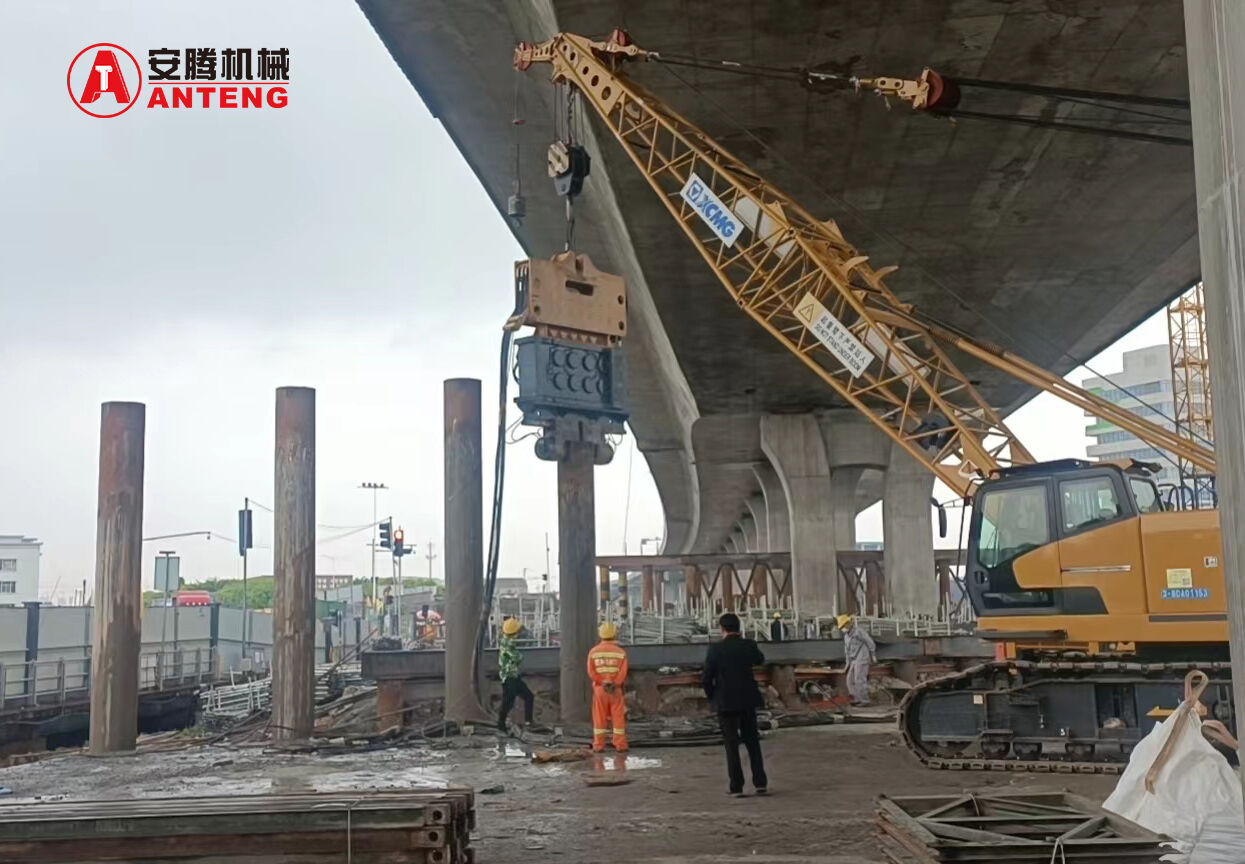
Selecting the right piling equipment represents one of the most critical investment decisions contractors face in foundation and construction projects. The complexity of modern construction demands requires careful evaluation of multiple factors that directly impact project success, operational efficiency, and long-term profitability. Understanding these considerations helps contractors make informed decisions that align with their specific project requirements and business objectives.
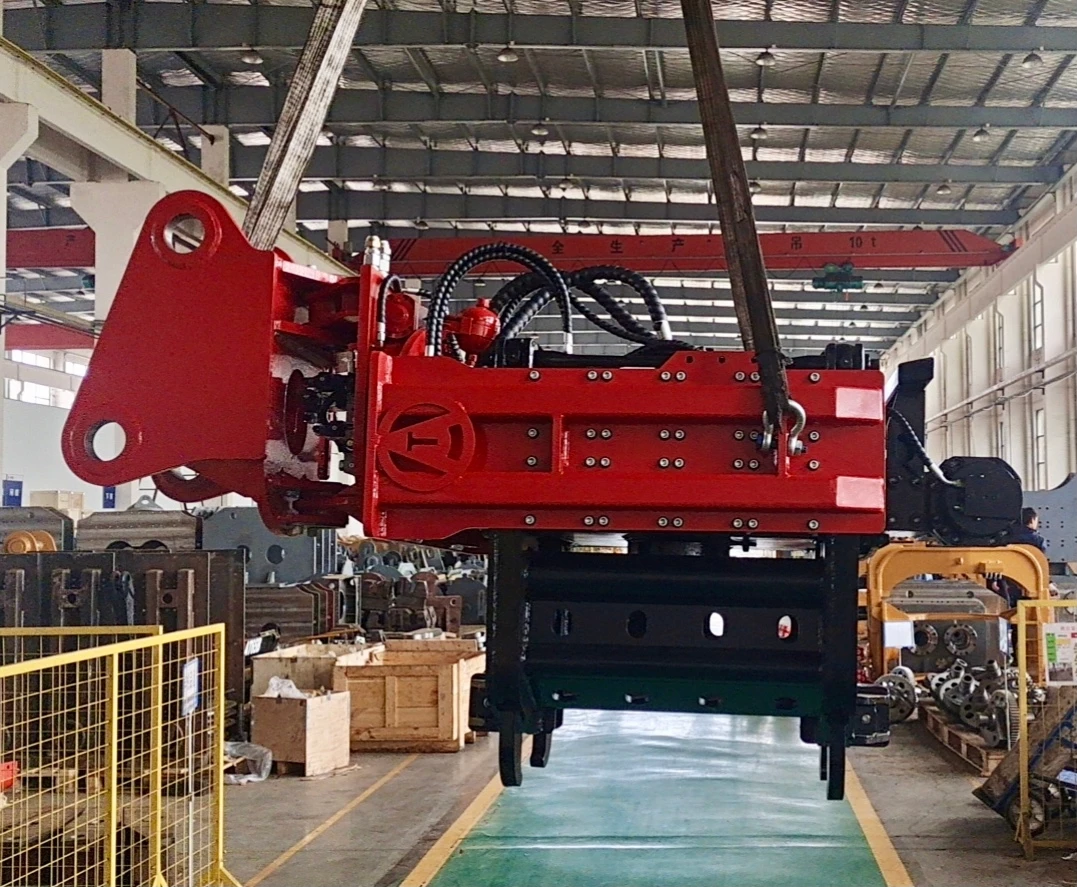
The piling equipment market offers diverse options ranging from hydraulic hammers and vibratory drivers to sophisticated drilling rigs and specialized attachment systems. Each type serves specific applications and soil conditions, making the selection process crucial for achieving optimal performance. Contractors must balance technical capabilities, operational costs, versatility, and reliability when evaluating their options in today's competitive construction environment.
Project-Specific Technical Requirements
Soil Condition Analysis and Equipment Compatibility
Soil characteristics fundamentally determine which piling equipment will perform effectively on any given project. Dense clay soils require different approaches compared to sandy or rocky conditions, influencing equipment selection significantly. Contractors must analyze geotechnical reports thoroughly to understand soil bearing capacity, density variations, and potential obstacles that could impact piling equipment performance.
Vibratory drivers excel in granular soils and cohesionless materials, while impact hammers prove more effective in dense clay conditions. Understanding these compatibility factors helps contractors avoid costly equipment mismatches that could delay projects or compromise pile installation quality. The equipment's ability to adapt to varying soil conditions throughout a project site also influences overall productivity and operational efficiency.
Ground water levels and environmental considerations further complicate equipment selection decisions. High water tables may require specialized sealing systems or alternative installation methods, affecting both equipment choice and operational procedures. Contractors should evaluate these conditions early in the planning process to ensure their selected piling equipment can handle site-specific challenges effectively.
Pile Type and Installation Method Compatibility
Different pile types require specific installation methods that directly influence piling equipment selection. Steel H-piles, concrete piles, and sheet piles each demand particular driving characteristics and equipment capabilities. Contractors must match their equipment selection to the pile specifications outlined in project plans, ensuring compatibility between pile design and installation methodology.
Installation depth requirements also play a crucial role in equipment selection decisions. Shallow foundation work may accommodate smaller, more maneuverable equipment, while deep foundation projects require higher energy output and extended reach capabilities. The piling equipment must deliver sufficient driving force to achieve specified pile depths while maintaining installation accuracy and quality standards.
Precision requirements vary significantly between projects, with some applications demanding tight tolerances for pile placement and alignment. Advanced piling equipment often includes guidance systems and monitoring capabilities that help contractors achieve these precision requirements consistently. Evaluating these technical specifications ensures the selected equipment can meet project quality standards effectively.
Operational Efficiency and Productivity Factors
Production Rate Capabilities and Timeline Considerations
Production rates directly impact project schedules and overall profitability, making this a primary consideration when selecting piling equipment. Modern equipment offers varying production capabilities, measured in piles per hour or linear feet per day, depending on the application type. Contractors must evaluate these rates against project timelines to ensure their selected piling equipment can meet contractual deadlines efficiently.
Cycle times for individual pile installations vary significantly between equipment types and configurations. Hydraulic systems typically offer faster cycle times compared to diesel-powered alternatives, while automated features can reduce operator intervention and speed up repetitive operations. Understanding these performance characteristics helps contractors optimize their equipment selection for maximum productivity.
Setup and mobilization times also influence overall project efficiency, particularly for projects involving multiple work areas or frequent equipment repositioning. Compact, self-contained piling equipment may offer advantages in projects requiring frequent moves, while larger systems might prove more efficient for extensive, concentrated pile installation work. Contractors should evaluate these factors based on their specific project characteristics and site logistics.
Fuel Efficiency and Operating Cost Optimization
Operating costs represent a significant portion of total project expenses, making fuel efficiency and maintenance requirements critical evaluation criteria. Modern piling equipment incorporates advanced engine technologies and hydraulic systems designed to minimize fuel consumption while maintaining performance standards. Contractors should compare fuel consumption rates across different equipment options to identify the most cost-effective solutions for their applications.
Maintenance requirements vary considerably between piling equipment types and manufacturers, affecting long-term operating costs and equipment availability. Regular maintenance schedules, parts availability, and service complexity all influence total cost of ownership. Contractors should evaluate these factors carefully, considering both immediate purchase costs and long-term operational expenses when making equipment selection decisions.
Operator efficiency and ease of use also contribute to overall operating costs through reduced training requirements and improved productivity. Intuitive control systems and ergonomic operator stations can reduce operator fatigue and improve installation quality, ultimately affecting project timelines and costs. These human factors considerations often prove as important as technical specifications in achieving optimal project outcomes.
Financial Investment and Return Considerations
Purchase Price Analysis and Budget Alignment
Initial purchase price represents only one component of the total investment required for piling equipment acquisition. Contractors must evaluate financing options, tax implications, and cash flow impacts when comparing different equipment choices. Understanding the complete financial picture helps ensure that equipment purchases align with business objectives and financial capabilities.
Equipment financing options vary significantly, from traditional loans to lease arrangements and rent-to-own programs. Each option carries different tax implications and cash flow characteristics that can influence the overall cost of equipment acquisition. Contractors should work with financial advisors to evaluate these options thoroughly, considering their specific business situations and project pipelines.
Market timing can also influence equipment pricing, with seasonal fluctuations and industry cycles affecting availability and costs. Contractors who plan their piling equipment purchases strategically may achieve significant cost savings while ensuring equipment availability for upcoming projects. Understanding these market dynamics helps optimize investment timing and negotiating positions.
Return on Investment and Profit Maximization
Equipment utilization rates directly influence return on investment calculations, making project pipeline evaluation crucial for equipment selection decisions. Contractors must assess their expected equipment usage patterns, considering both current contracts and future business development opportunities. Higher utilization rates justify more sophisticated and expensive piling equipment, while occasional use may favor rental or partnership arrangements.
Versatility and multi-application capabilities can enhance equipment utilization by enabling contractors to pursue diverse project types with the same investment. Piling equipment that can handle multiple pile types or adapt to different site conditions offers greater flexibility and potentially higher returns. Contractors should evaluate these capabilities against their market positioning and growth strategies.
Resale value considerations also influence long-term investment returns, with well-maintained equipment from reputable manufacturers typically retaining value better than alternatives. Market demand for used piling equipment varies by type and condition, affecting disposal strategies when contractors upgrade or redirect their equipment investments. Understanding these factors helps optimize the complete equipment lifecycle from purchase through disposal.
Maintenance, Support, and Reliability Factors
Service Network Availability and Technical Support
Reliable service support becomes critical when piling equipment experiences mechanical issues during active projects. Contractors should evaluate manufacturer service networks, parts availability, and response times when selecting equipment suppliers. Local service capabilities often prove more valuable than distant factory support, particularly for time-sensitive project schedules.
Technical expertise and training support also influence equipment selection decisions, especially for contractors expanding into new piling applications or technologies. Comprehensive training programs and ongoing technical support help contractors maximize their equipment investments while minimizing operational risks. These support services often differentiate between suppliers offering similar equipment specifications.
Warranty coverage and service agreements provide additional protection for equipment investments, but terms and conditions vary significantly between manufacturers. Contractors should evaluate warranty coverage carefully, understanding what situations are covered and what responsibilities they retain for equipment maintenance and operation. Extended warranty options may justify additional costs for critical piling equipment applications.
Equipment Reliability and Downtime Minimization
Equipment reliability directly impacts project schedules and contractor reputation, making this a primary selection criterion for piling equipment purchases. Manufacturers with proven track records and robust engineering typically offer more reliable equipment, though this may come with higher initial costs. Contractors must balance reliability requirements against budget constraints and project risk tolerance.
Preventive maintenance requirements and complexity influence ongoing equipment availability and operating costs. Some piling equipment designs require extensive daily maintenance procedures, while others operate reliably with minimal intervention. Understanding these requirements helps contractors plan maintenance schedules and budget for ongoing support needs effectively.
Component accessibility and service-friendly design features can significantly reduce maintenance time and costs over equipment lifecycles. Well-designed piling equipment allows technicians to access critical components easily, reducing service times and minimizing project disruptions. Contractors should evaluate these design characteristics during equipment selection, considering both initial purchase decisions and long-term operational efficiency.
FAQ
What factors should contractors prioritize when selecting piling equipment for their first purchase?
New contractors should prioritize versatility, reliability, and comprehensive support when making their first piling equipment purchase. Equipment that can handle multiple pile types and soil conditions provides greater project flexibility while building experience. Strong manufacturer support, including training programs and responsive service, helps minimize risks associated with equipment operation and maintenance. Financial considerations should balance initial costs with long-term operational efficiency, often favoring proven designs over cutting-edge technologies for initial purchases.
How do soil conditions influence piling equipment selection decisions?
Soil conditions fundamentally determine which piling equipment will perform effectively, with different equipment types optimized for specific ground conditions. Vibratory drivers work well in granular soils but struggle in cohesive clay conditions, while impact hammers excel in dense soils but may prove inefficient in loose materials. Contractors must analyze geotechnical reports thoroughly and consider equipment versatility for projects with varying soil conditions. Ground water levels, rock presence, and environmental restrictions also influence equipment selection and may require specialized features or alternative installation methods.
What maintenance considerations should contractors evaluate when purchasing piling equipment?
Maintenance considerations include daily service requirements, parts availability, service network coverage, and component accessibility for repairs. Contractors should evaluate manufacturer service networks and local support capabilities, as equipment downtime directly impacts project schedules and profitability. Understanding routine maintenance schedules, hydraulic system requirements, and wear component replacement intervals helps budget for ongoing operational costs. Equipment designs that facilitate easy maintenance access and use standard components typically offer lower long-term ownership costs and improved availability.
How does project scale influence piling equipment purchasing decisions?
Project scale affects equipment selection through production rate requirements, mobilization costs, and utilization efficiency considerations. Large projects may justify sophisticated, high-production piling equipment despite higher initial costs, while smaller projects might favor more affordable, versatile solutions. Contractors must evaluate their project pipeline and expected equipment utilization rates to determine appropriate investment levels. Equipment rental or partnership arrangements may prove more economical for occasional large projects, while consistent large-scale work typically justifies equipment ownership for maximum profitability and schedule control.
Table of Contents
- Project-Specific Technical Requirements
- Operational Efficiency and Productivity Factors
- Financial Investment and Return Considerations
- Maintenance, Support, and Reliability Factors
-
FAQ
- What factors should contractors prioritize when selecting piling equipment for their first purchase?
- How do soil conditions influence piling equipment selection decisions?
- What maintenance considerations should contractors evaluate when purchasing piling equipment?
- How does project scale influence piling equipment purchasing decisions?