
 EN
EN
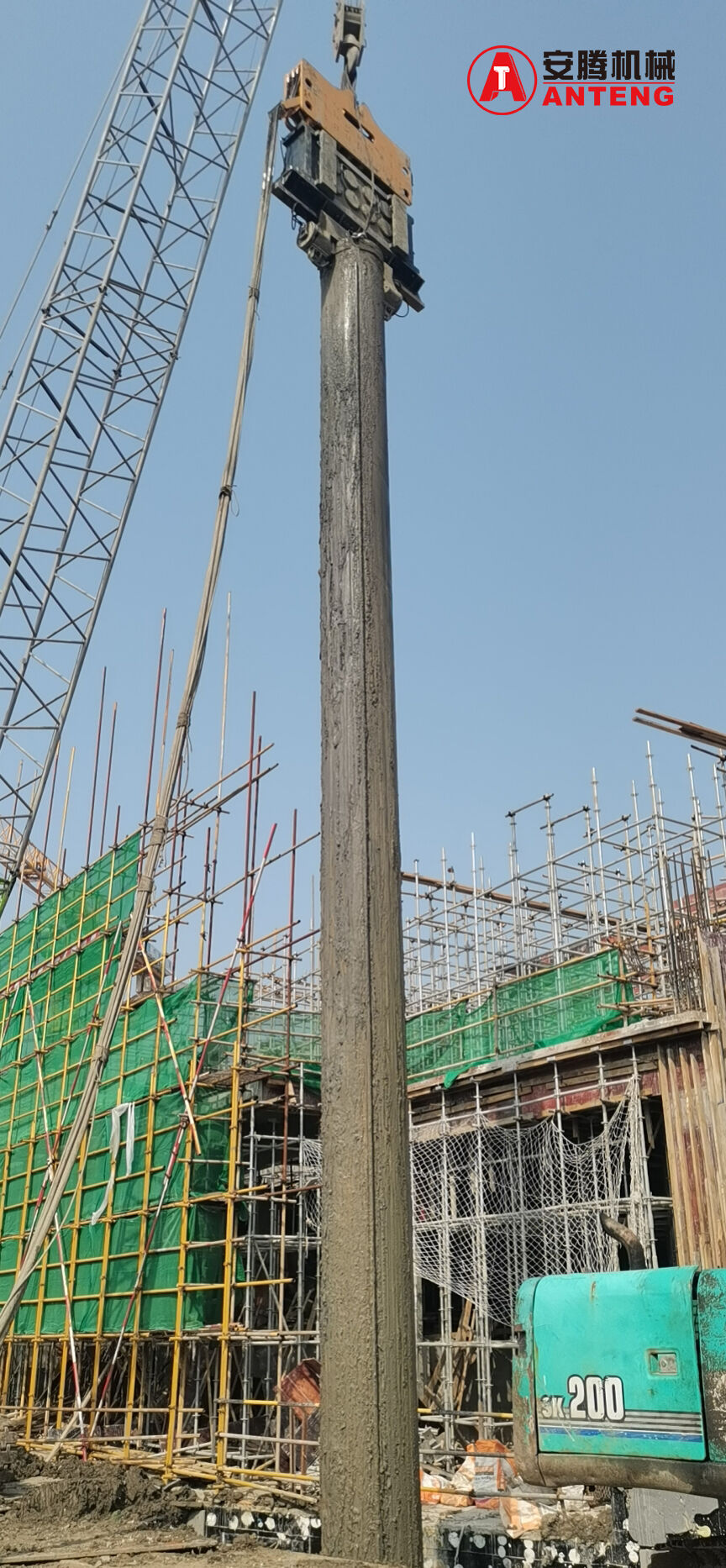
The transportation and installation of piling equipment on construction sites involves a complex logistical process that requires careful planning, specialized transport vehicles, and skilled personnel. Understanding how piling equipment reaches its destination and becomes operational is crucial for project managers, construction engineers, and contractors who need to ensure timely deployment and optimal performance. The process encompasses everything from initial loading at manufacturing facilities to final commissioning on the construction site, with each phase demanding specific expertise and equipment.
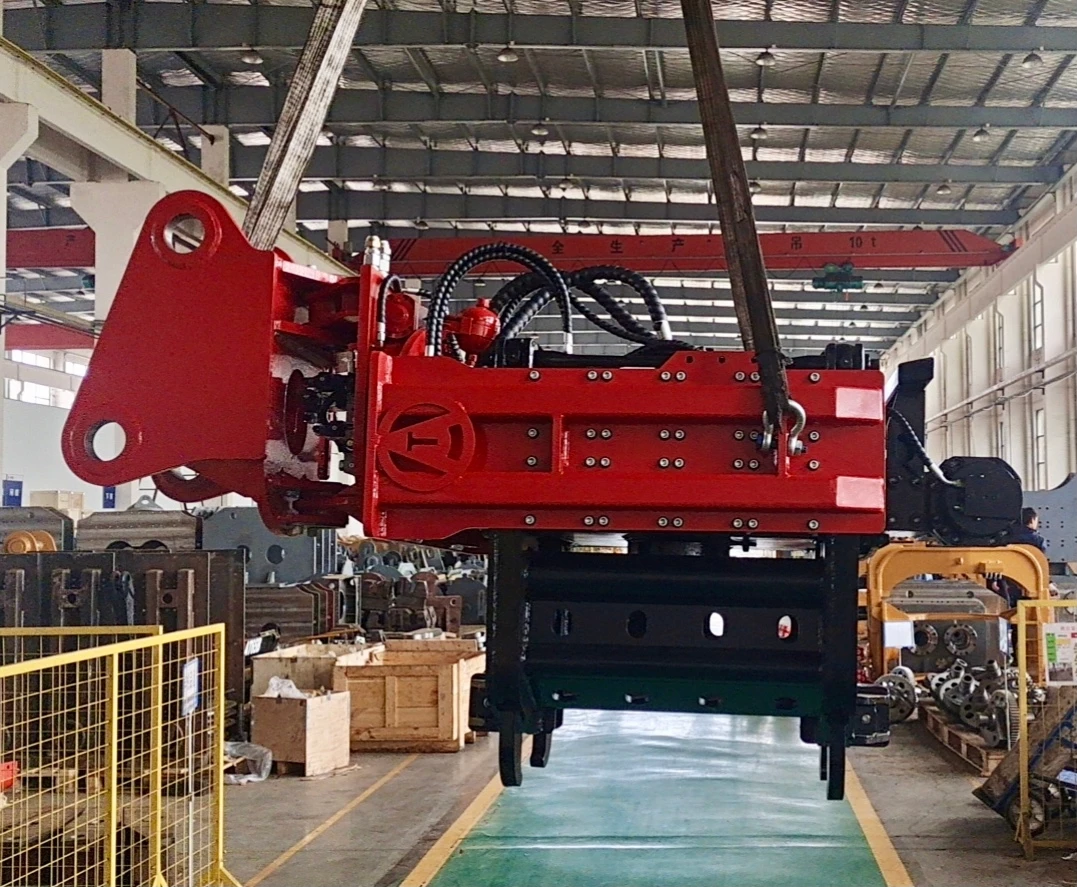
Modern piling equipment transportation and installation methods have evolved significantly to address the challenges posed by increasingly complex construction projects and diverse site conditions. The successful deployment of piling equipment directly impacts project timelines, safety outcomes, and overall construction efficiency, making it essential for stakeholders to understand the intricacies of this process. From hydraulic pile drivers to vibratory hammers, each type of piling equipment presents unique transportation and installation requirements that must be carefully managed to ensure successful project execution.
Transportation Methods and Vehicle Selection
Specialized Transport Vehicles for Heavy Piling Equipment
The transportation of piling equipment requires specialized heavy-duty vehicles designed to handle substantial weight loads and oversized dimensions. Low-loader trailers, also known as lowbed trailers, are the most commonly used vehicles for transporting large piling equipment such as pile driving rigs and hydraulic hammers. These trailers feature a low deck height that allows for the transportation of tall equipment while maintaining acceptable overall height limits for road travel. The selection of appropriate transport vehicles depends on the specific dimensions, weight, and configuration of the piling equipment being moved.
Multi-axle trailers are often necessary for extremely heavy piling equipment, as they distribute the load across multiple points to comply with road weight restrictions and minimize road damage. These trailers can be configured with varying numbers of axles depending on the total weight of the piling equipment and applicable transportation regulations. Some specialized piling equipment may require modular trailers that can be configured in different arrangements to accommodate unique equipment shapes and weight distributions, ensuring safe and compliant transportation to the construction site.
Route Planning and Regulatory Compliance
Transporting piling equipment involves extensive route planning to navigate weight restrictions, height clearances, and width limitations along public roadways. Transportation engineers must carefully analyze proposed routes to identify potential obstacles such as low bridges, narrow passages, and weight-restricted structures that could prevent safe passage of the piling equipment. This analysis often requires coordination with local transportation authorities to obtain necessary permits and identify suitable alternative routes when standard pathways are not viable.
Regulatory compliance is a critical aspect of piling equipment transportation, as most jurisdictions have specific requirements for oversized and overweight loads. Permits must be obtained well in advance of transportation, and escort vehicles may be required depending on the size and weight of the piling equipment being transported. Some regions require time-of-day restrictions for heavy equipment transport, limiting movement to specific hours to minimize traffic disruption and enhance safety for other road users.
Loading and Securing Procedures
Proper loading and securing of piling equipment on transport vehicles is essential for safe transportation and prevention of equipment damage during transit. Cranes with adequate lifting capacity are typically required to load heavy piling equipment onto transport trailers, with rigging specialists ensuring that lifting points are properly identified and reinforced as necessary. The positioning of equipment on the trailer must consider weight distribution, center of gravity, and accessibility for unloading at the destination site.
Securing systems for piling equipment transportation include heavy-duty chains, wire rope assemblies, and specialized clamps that are designed to withstand the dynamic forces encountered during road transport. The securing method must account for acceleration, deceleration, and lateral forces that occur during normal transportation operations, as well as potential emergency braking situations. Regular inspection of securing devices is essential throughout the transportation process to ensure continued effectiveness and prevent equipment shifting or damage during transit.
Site Preparation and Access Requirements
Ground Conditions and Bearing Capacity Assessment
Before piling equipment can be installed on a construction site, thorough assessment of ground conditions and bearing capacity is essential to ensure safe equipment operation and prevent settlement or stability issues. Geotechnical engineers typically conduct soil investigations to determine the load-bearing characteristics of the ground where piling equipment will be positioned, taking into account both static loads and dynamic forces generated during pile installation operations. This assessment helps identify areas that may require ground improvement or reinforcement before piling equipment installation can proceed safely.
Ground preparation for piling equipment installation often involves the creation of stable working platforms using granular materials or concrete pads that can distribute equipment loads over a wider area. These platforms must be designed to accommodate the specific weight and operational requirements of the piling equipment, including consideration of outrigger loads, dynamic forces from pile driving operations, and potential ground vibration effects. Proper drainage systems are also typically incorporated into ground preparation activities to manage water infiltration and maintain stable working conditions for piling equipment operations.
Site Access Roads and Temporary Infrastructure
Creating adequate site access for piling equipment delivery requires careful planning and often involves construction of temporary access roads capable of supporting heavy transport vehicles. These access roads must be designed with appropriate width, turning radius, and gradient specifications to accommodate the specific transport vehicles carrying the piling equipment. The road surface must provide adequate bearing capacity to prevent rutting or failure under the concentrated loads of heavy transport vehicles, often requiring stabilization with geotextiles and granular materials.
Temporary infrastructure for piling equipment installation may include crane pads, laydown areas for equipment components, and staging areas for assembly operations. These facilities must be positioned to optimize workflow efficiency while maintaining safe distances from excavations, existing structures, and other site hazards. The layout of temporary infrastructure should also consider future equipment movements and operational requirements to minimize repositioning needs once piling equipment installation is complete.
Utility Coordination and Clearance Verification
Prior to piling equipment installation, comprehensive utility coordination is essential to identify and protect existing underground and overhead utilities that could be affected by equipment placement or operations. Utility locating services are typically engaged to mark the precise locations of underground utilities such as electrical cables, gas lines, water mains, and telecommunications infrastructure. This information is critical for determining safe positioning of piling equipment and establishing appropriate clearance zones around utility installations.
Overhead utility clearances must be carefully evaluated to ensure that piling equipment can be safely installed and operated without interfering with electrical transmission lines, telecommunications cables, or other aerial infrastructure. In some cases, temporary utility relocations or protective measures may be necessary to create adequate clearance for piling equipment installation and operation. Coordination with utility companies should begin well in advance of equipment delivery to allow sufficient time for any required modifications or protective measures to be implemented.
Equipment Assembly and Commissioning Process
Component Assembly and Integration
The assembly of piling equipment on construction sites typically involves the integration of multiple components that are transported separately to accommodate size and weight restrictions during transportation. Major components such as pile driving leads, power units, hydraulic systems, and control panels must be carefully assembled according to manufacturer specifications and quality control procedures. This process requires skilled technicians who are familiar with the specific piling equipment being installed and can ensure proper alignment, connection, and integration of all system components.
Assembly procedures for piling equipment must account for the sequence of operations required to build up the complete system while maintaining access for installation of internal components and systems. Temporary support structures or assembly fixtures may be required to hold components in position during assembly operations, particularly for large or complex piling equipment configurations. Quality control inspections are typically conducted at key assembly milestones to verify proper installation and identify any issues that could affect equipment performance or safety.
Hydraulic System Installation and Testing
Hydraulic systems are critical components of most modern piling equipment, requiring careful installation and comprehensive testing before equipment can be commissioned for operational use. Hydraulic line installation must follow proper routing procedures to avoid interference with moving components, provide adequate support for high-pressure lines, and ensure appropriate protection from potential damage during equipment operations. All hydraulic connections must be properly torqued and sealed to prevent leakage and ensure reliable system performance throughout the equipment's operational life.
Testing of hydraulic systems in piling equipment involves pressure testing of all circuits to verify system integrity and performance characteristics. This testing typically includes verification of operating pressures, flow rates, and system response times to ensure that the piling equipment will perform according to design specifications. Hydraulic fluid quality must also be verified and filtration systems tested to ensure that contamination levels are within acceptable limits for reliable equipment operation.
Control System Configuration and Calibration
Modern piling equipment incorporates sophisticated control systems that require careful configuration and calibration to ensure optimal performance and safety. Electronic control modules must be programmed with appropriate operating parameters, safety limits, and operational sequences specific to the particular piling equipment configuration and intended application. This programming process typically requires specialized software and technical expertise from qualified technicians who understand both the equipment design and the specific requirements of the construction project.
Calibration of control systems for piling equipment involves verification of sensor accuracy, actuator response, and system feedback mechanisms to ensure that the equipment operates safely and efficiently. Load monitoring systems, position sensors, and safety interlocks must all be calibrated to provide accurate information and reliable protection against unsafe operating conditions. Comprehensive testing of control system functions is essential before piling equipment can be released for productive use on construction projects.
Safety Protocols and Operational Readiness
Safety System Verification and Testing
Safety systems integrated into piling equipment require thorough verification and testing before the equipment can be considered ready for operational use. Emergency stop systems, load limiting devices, and operational interlocks must all be tested to ensure they function correctly and provide adequate protection for equipment operators and site personnel. Safety system testing typically follows documented procedures that verify both individual component function and integrated system response to various operational scenarios and emergency conditions.
Operational safety features such as warning alarms, visibility aids, and communication systems must be tested and verified to ensure they provide adequate notification and protection during piling equipment operations. Load moment indicators, if present, must be calibrated and tested to ensure accurate monitoring of equipment stability and load conditions. All safety-related documentation, including operating manuals, maintenance procedures, and emergency response protocols, must be available on-site and accessible to equipment operators and site supervision personnel.
Operator Training and Certification
Proper training of equipment operators is essential for safe and efficient piling equipment operations, requiring comprehensive instruction on equipment capabilities, limitations, and operational procedures. Operator training programs typically cover equipment controls, safety systems, routine maintenance requirements, and emergency procedures specific to the particular type of piling equipment being deployed. This training must be conducted by qualified instructors who are familiar with the specific equipment model and can provide both theoretical knowledge and practical operating experience.
Certification requirements for piling equipment operators vary by jurisdiction but generally include both written examinations and practical demonstrations of operating competency. Operators must demonstrate understanding of load charts, stability principles, and safety procedures before being authorized to operate piling equipment independently. Ongoing training and recertification may be required to maintain operator qualifications and ensure continued competency with evolving equipment technologies and safety requirements.
Final Inspection and Commissioning Documentation
The final phase of piling equipment installation involves comprehensive inspection and creation of commissioning documentation that verifies equipment readiness for productive operation. This inspection typically includes verification of all assembly work, testing results, and safety system function to ensure that the piling equipment meets all applicable standards and specifications. Independent inspection by qualified personnel may be required to provide objective verification of equipment condition and operational readiness.
Commissioning documentation for piling equipment includes detailed records of all assembly, testing, and inspection activities conducted during the installation process. This documentation serves as a baseline for future maintenance activities and provides important reference information for troubleshooting and warranty purposes. Proper documentation also demonstrates compliance with applicable regulations and standards, which may be required for insurance purposes or regulatory approval of construction activities involving the piling equipment.
FAQ
What permits are typically required for transporting piling equipment to construction sites?
Transportation permits for piling equipment typically include oversize and overweight permits issued by relevant transportation authorities, with requirements varying based on equipment dimensions and weight. Most jurisdictions require advance permit applications that specify equipment specifications, transport routes, and timing of movements. Special permits may also be required for equipment that exceeds standard dimensional or weight limits, often including requirements for escort vehicles and specific travel time restrictions.
How long does the typical installation process take for major piling equipment?
The installation timeline for piling equipment varies significantly based on equipment complexity, site conditions, and weather factors, but typically ranges from several days to several weeks for major installations. Simple equipment installations may be completed in 2-3 days, while complex systems requiring extensive assembly and testing can take 2-4 weeks or longer. Site preparation activities, permit approvals, and equipment transportation logistics often represent the longest components of the overall installation timeline.
What site conditions can prevent successful piling equipment installation?
Poor ground conditions with inadequate bearing capacity, restricted site access due to space limitations or weight restrictions, and conflicts with existing utilities can all prevent successful piling equipment installation. Extreme weather conditions, particularly high winds or frozen ground, may also delay installation activities. Additionally, sites with significant elevation changes, unstable slopes, or proximity to sensitive structures may require special measures or alternative installation approaches to ensure safe equipment deployment.
Who is responsible for coordinating the transportation and installation of piling equipment?
Responsibility for coordinating piling equipment transportation and installation typically involves multiple parties including the equipment supplier, general contractor, and specialized rigging contractors. The equipment supplier usually manages initial transportation from their facility, while the general contractor coordinates site preparation and access. Specialized installation contractors with expertise in heavy equipment rigging and assembly are often engaged to manage the actual installation process and ensure compliance with safety requirements and manufacturer specifications.
Table of Contents
- Transportation Methods and Vehicle Selection
- Site Preparation and Access Requirements
- Equipment Assembly and Commissioning Process
- Safety Protocols and Operational Readiness
-
FAQ
- What permits are typically required for transporting piling equipment to construction sites?
- How long does the typical installation process take for major piling equipment?
- What site conditions can prevent successful piling equipment installation?
- Who is responsible for coordinating the transportation and installation of piling equipment?