 EN
EN
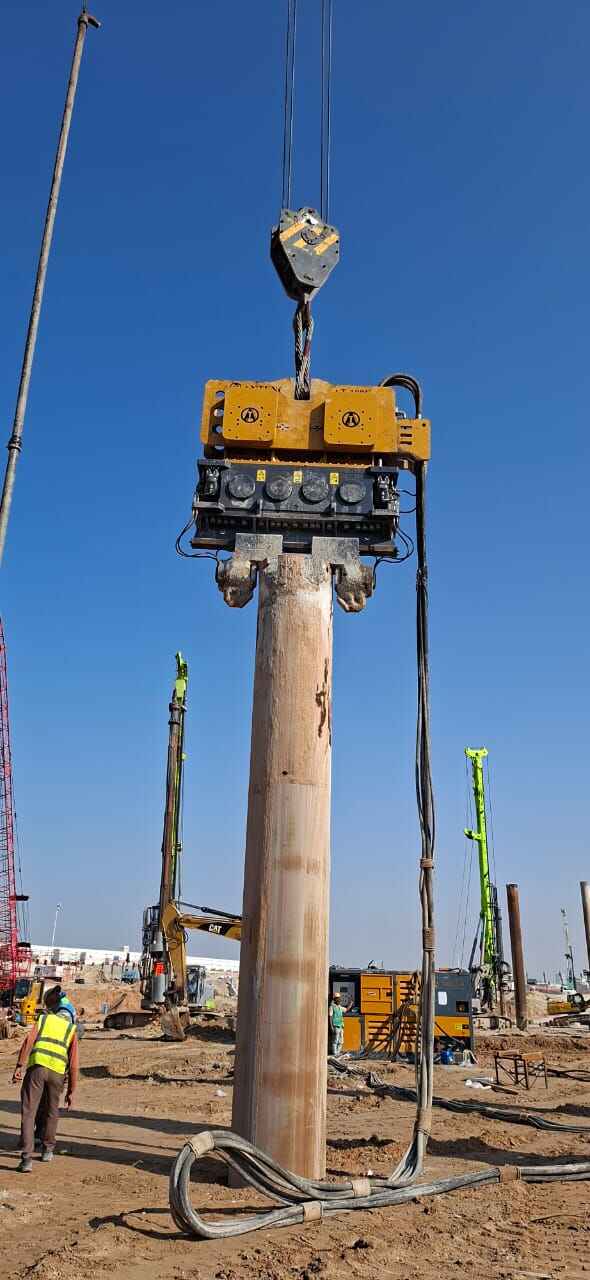
Hydraulic hammer control systems represent one of the most significant technological advances in foundation pile driving, delivering precision that was previously impossible with traditional impact methods. These sophisticated systems transform the raw power of hydraulic energy into controlled, measurable force delivery that directly enhances driving accuracy through real-time monitoring, adjustable impact parameters, and immediate feedback mechanisms.
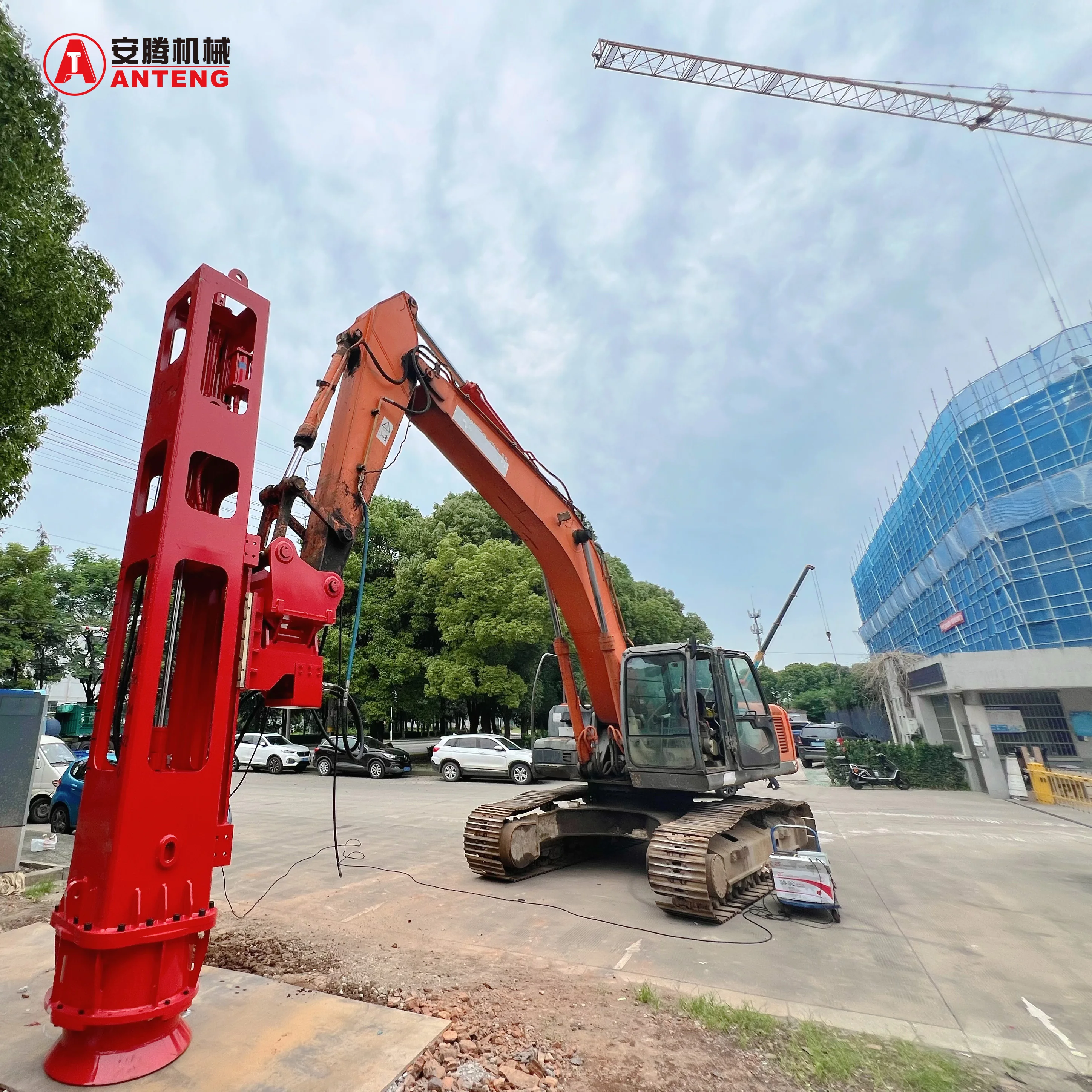
The relationship between hydraulic hammer control and driving accuracy stems from the system's ability to regulate impact energy, frequency, and force distribution with remarkable precision. Unlike conventional pile drivers that rely on gravity-based mechanisms, hydraulic hammer systems utilize pressurized fluid dynamics to create consistent, controllable impacts that can be fine-tuned to match specific soil conditions, pile materials, and project requirements.
Real-Time Impact Force Regulation
Dynamic Pressure Monitoring Systems
Modern hydraulic hammer control systems employ sophisticated pressure sensors that continuously monitor hydraulic fluid pressure throughout each impact cycle. This real-time data allows operators to maintain consistent driving force regardless of varying soil resistance or pile penetration depth. The pressure monitoring system automatically adjusts fluid flow rates and accumulator pressures to compensate for changing ground conditions, ensuring that each impact delivers the precise energy required for optimal pile advancement.
These dynamic monitoring capabilities enable hydraulic hammer operators to identify and respond to subsurface obstacles, varying soil densities, and other geological anomalies that could cause pile deviation or damage. The system's ability to reduce impact force when encountering hard layers and increase force in softer soils prevents over-driving and maintains consistent pile trajectory throughout the installation process.
Automated Force Adjustment Mechanisms
Hydraulic hammer control systems incorporate automated feedback loops that continuously adjust impact parameters based on real-time performance data. These mechanisms analyze pile advancement rates, resistance patterns, and energy transfer efficiency to optimize driving force for each specific installation scenario. The automated adjustment capability eliminates human error in force selection and ensures consistent performance across multiple pile installations within the same project.
The precision of automated force adjustment directly translates to improved driving accuracy by maintaining optimal energy transfer between the hydraulic hammer and the pile head. This controlled energy transfer minimizes lateral forces that can cause pile deviation while maximizing vertical penetration efficiency. The system's ability to maintain consistent impact characteristics throughout the driving process ensures uniform pile positioning and reduces the likelihood of installation errors.
Frequency Control and Timing Precision
Variable Impact Rate Management
Hydraulic hammer control systems provide precise control over impact frequency, allowing operators to optimize driving rates for specific soil conditions and pile specifications. Variable frequency control enables the hydraulic hammer to operate at ideal impact rates that maximize penetration efficiency while minimizing stress on pile materials. This capability is particularly valuable when driving through layered soil conditions that require different impact strategies for optimal results.
The ability to adjust impact frequency in real-time allows hydraulic hammer operators to respond immediately to changing ground conditions without stopping the driving operation. This continuous optimization maintains driving accuracy by preventing the accumulation of positioning errors that can occur when using fixed-frequency systems. The precise timing control also reduces pile damage and extends equipment life by preventing excessive stress concentrations.
Synchronized Impact Delivery
Advanced hydraulic hammer control systems utilize synchronized impact delivery mechanisms that ensure consistent timing between hammer cycles and pile response characteristics. This synchronization optimizes energy transfer efficiency and reduces unwanted vibrations that can affect driving accuracy. The controlled timing prevents interference between successive impacts and maintains stable pile advancement patterns throughout the installation process.
Synchronized impact delivery also enables hydraulic hammer systems to coordinate with other foundation equipment, such as vibratory drivers or drilling rigs, when hybrid installation methods are employed. This coordination capability ensures that all equipment operates in harmony to achieve precise pile positioning and minimize installation conflicts that could compromise accuracy.
Position Monitoring and Guidance Integration
Digital Position Tracking Systems
Modern hydraulic hammer control systems integrate with advanced position tracking technologies that provide real-time feedback on pile location, angle, and penetration depth. These digital tracking systems use GPS coordinates, inclinometers, and depth sensors to continuously monitor pile position relative to design specifications. The integration of position data with hydraulic hammer controls enables immediate corrections when deviations are detected, maintaining driving accuracy throughout the installation process.
Digital position tracking capabilities allow hydraulic hammer operators to visualize pile installation progress in real-time and make informed decisions about impact adjustments based on actual positioning data. This visual feedback system reduces reliance on operator experience alone and provides objective measurements that ensure compliance with project specifications and tolerance requirements.
Automated Guidance Correction
Sophisticated hydraulic hammer control systems incorporate automated guidance correction features that can adjust driving parameters to compensate for detected positioning errors. These systems analyze position tracking data and automatically modify impact angles, force distribution, or timing to guide piles back toward their intended trajectory. The automated correction capability significantly improves driving accuracy by eliminating the time delay between error detection and corrective action.
Automated guidance systems also provide predictive capabilities that anticipate potential positioning problems based on soil conditions and driving patterns. This predictive functionality allows the hydraulic hammer control system to make preemptive adjustments that prevent accuracy problems before they occur, resulting in higher success rates and reduced rework requirements.
Energy Efficiency and Impact Optimization
Adaptive Energy Management
Hydraulic hammer control systems employ adaptive energy management algorithms that optimize power consumption while maintaining precise driving performance. These systems analyze soil resistance patterns, pile advancement rates, and energy transfer efficiency to determine the minimum impact energy required for effective penetration. By avoiding excessive energy application, adaptive management systems improve driving accuracy by reducing unwanted lateral forces and pile stress concentrations.
The energy optimization capabilities of hydraulic hammer control systems also extend equipment operating life and reduce maintenance requirements by preventing unnecessary wear on system components. This reliability improvement contributes to driving accuracy by ensuring consistent performance throughout extended operation periods and reducing the likelihood of equipment failures that could compromise pile installation quality.
Impact Pattern Customization
Advanced hydraulic hammer control systems allow operators to customize impact patterns based on specific project requirements and soil conditions. These customization capabilities include variable impact sequences, graduated force application, and specialized driving modes designed for different pile types and installation scenarios. The ability to tailor impact patterns to specific conditions significantly improves driving accuracy by optimizing the hydraulic hammer's performance for each unique installation challenge.
Impact pattern customization also enables hydraulic hammer systems to accommodate special installation requirements, such as noise restrictions, vibration limitations, or proximity constraints. These adaptive capabilities ensure that driving accuracy is maintained even when operating under challenging environmental conditions or project-specific limitations that would otherwise compromise installation precision.
FAQ
How does hydraulic hammer control reduce pile deviation during driving?
Hydraulic hammer control reduces pile deviation through real-time force regulation and automated adjustment mechanisms that maintain consistent vertical impact delivery. The system monitors pile response and automatically corrects impact parameters to prevent lateral forces that cause deviation, while position tracking integration enables immediate detection and correction of any positioning errors that may develop during the driving process.
What makes hydraulic hammer control more accurate than traditional pile driving methods?
Hydraulic hammer control provides superior accuracy compared to traditional methods through precise energy regulation, variable impact frequency, and real-time monitoring capabilities. Unlike gravity-based systems that deliver fixed impact characteristics, hydraulic hammer control adapts to changing soil conditions and provides consistent force delivery that optimizes pile advancement while minimizing positioning errors and material stress.
Can hydraulic hammer control systems work effectively in varying soil conditions?
Yes, hydraulic hammer control systems excel in varying soil conditions through adaptive energy management and automated parameter adjustment capabilities. The system continuously analyzes soil resistance patterns and modifies impact force, frequency, and timing to maintain optimal driving performance regardless of geological variations, ensuring consistent accuracy across different soil types and layered ground conditions.
How does position tracking integration enhance hydraulic hammer driving accuracy?
Position tracking integration enhances hydraulic hammer driving accuracy by providing real-time feedback on pile location and orientation, enabling immediate detection of positioning deviations. The integrated system combines GPS coordinates, inclinometer data, and depth measurements with hydraulic hammer controls to automatically adjust driving parameters when corrections are needed, maintaining precise pile placement throughout the installation process.
Table of Contents
- Real-Time Impact Force Regulation
- Frequency Control and Timing Precision
- Position Monitoring and Guidance Integration
- Energy Efficiency and Impact Optimization
-
FAQ
- How does hydraulic hammer control reduce pile deviation during driving?
- What makes hydraulic hammer control more accurate than traditional pile driving methods?
- Can hydraulic hammer control systems work effectively in varying soil conditions?
- How does position tracking integration enhance hydraulic hammer driving accuracy?