
 EN
EN
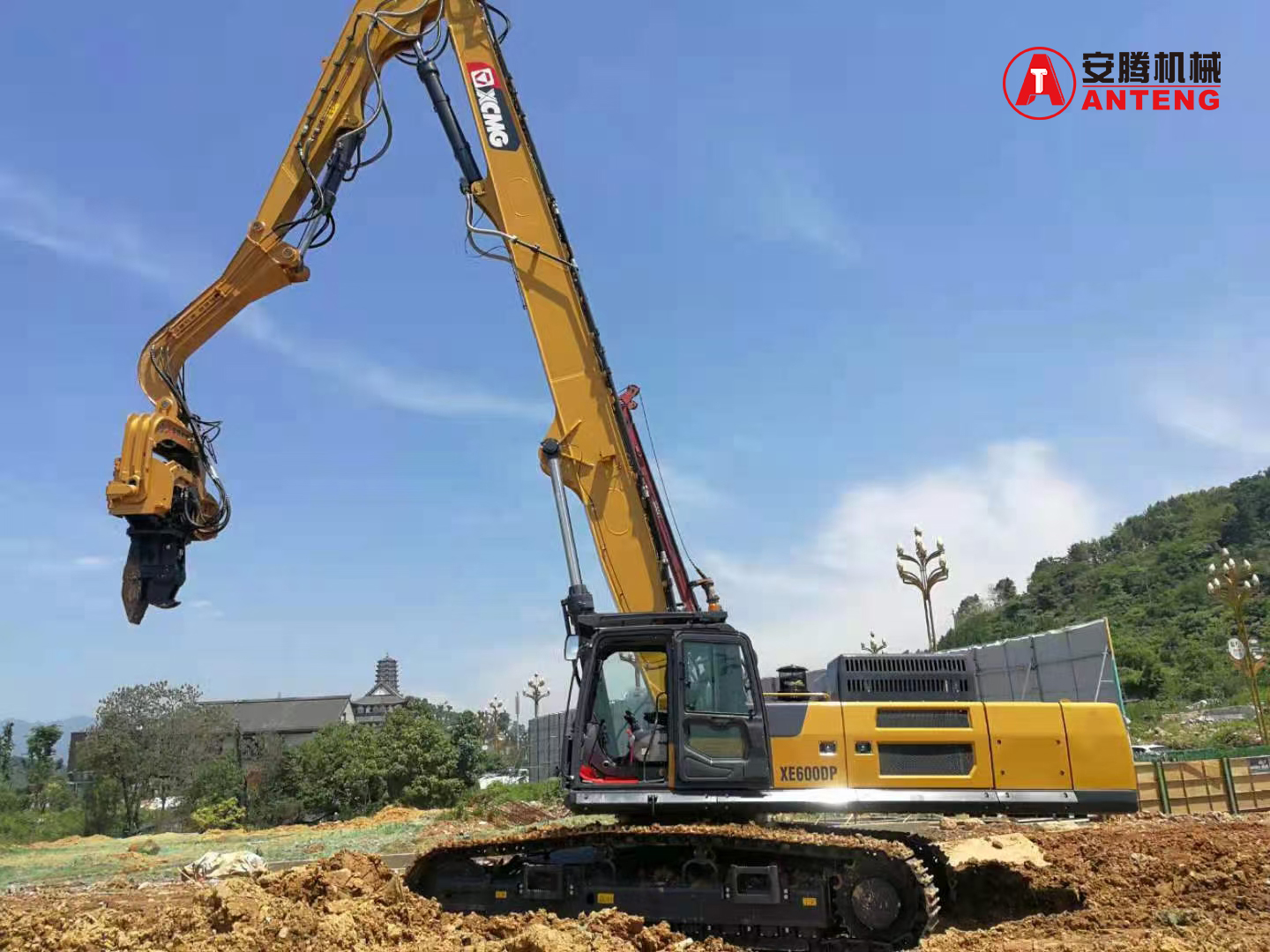
Sourcing an excavator vibro hammer requires careful evaluation of multiple technical and operational factors that directly impact project success and long-term performance. Buyers must thoroughly assess compatibility requirements, performance specifications, and quality indicators before making this significant equipment investment. Understanding the key evaluation criteria helps prevent costly mismatches and ensures the selected excavator vibro hammer meets specific project demands while delivering reliable operation across diverse construction and foundation applications.
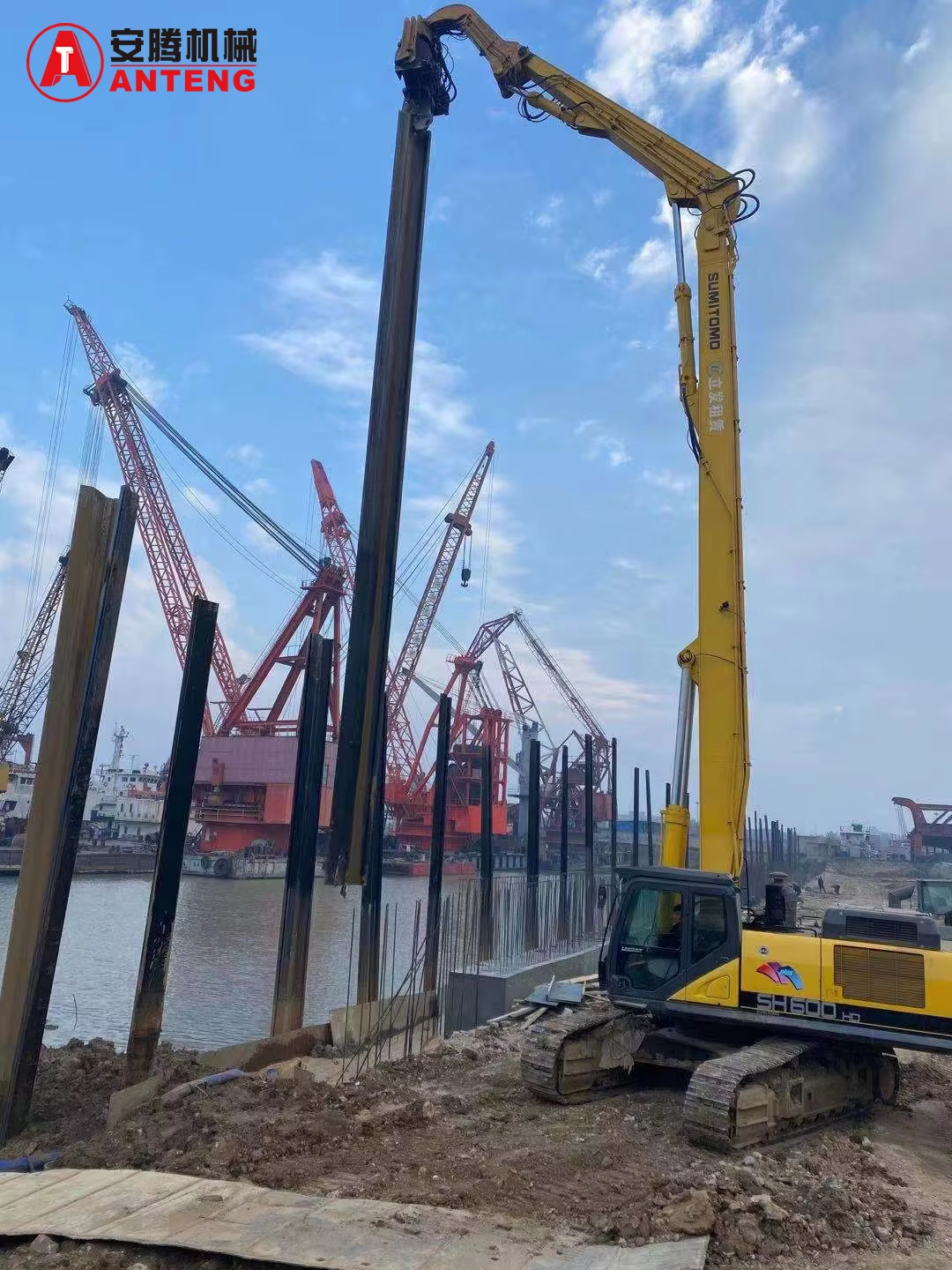
The excavator vibro hammer selection process involves comprehensive analysis of technical specifications, manufacturing quality standards, and operational compatibility factors that determine equipment effectiveness. Professional buyers recognize that thorough pre-purchase evaluation prevents project delays, reduces maintenance costs, and maximizes return on investment. This systematic approach to excavator vibro hammer procurement ensures optimal equipment performance while minimizing operational risks and unexpected expenses throughout the equipment lifecycle.
Excavator Compatibility and Mounting Requirements
Weight Class and Carrier Machine Specifications
Excavator vibro hammer compatibility begins with precise matching of weight specifications between the attachment and carrier machine. The excavator's operating weight, hydraulic capacity, and structural strength must adequately support the vibro hammer's mass and operational forces without compromising stability or performance. Buyers should verify that their excavator falls within the manufacturer's recommended weight range, typically specified in tonnage categories such as 20-25 ton or 30-35 ton classifications.
Hydraulic flow rate and pressure compatibility represents another critical compatibility factor for excavator vibro hammer installations. The carrier excavator must provide sufficient hydraulic power to operate the vibro hammer at optimal frequencies and amplitudes. Insufficient hydraulic capacity results in reduced driving efficiency, increased cycle times, and potential equipment damage. Buyers should confirm their excavator's hydraulic specifications match or exceed the vibro hammer's minimum flow and pressure requirements.
Mounting bracket design and attachment interfaces require careful evaluation to ensure secure and reliable connection between the excavator vibro hammer and carrier machine. Different excavator brands utilize varying quick-coupler systems, pin configurations, and mounting geometries. Compatibility verification includes checking pin diameters, spacing dimensions, and hydraulic connection types to guarantee proper fitment without requiring expensive modifications or adapter components.
Hydraulic System Integration
Hydraulic circuit compatibility extends beyond basic flow and pressure specifications to include control system integration and auxiliary hydraulic requirements. Modern excavator vibro hammer units often require dedicated hydraulic circuits with independent flow control for optimal performance. Buyers must verify their excavator provides appropriate auxiliary hydraulic outputs with suitable control interfaces, including electrical connections for automated frequency adjustment and monitoring systems.
Oil temperature management becomes crucial during extended excavator vibro hammer operations, as continuous high-frequency vibration generates significant heat in hydraulic circuits. The carrier excavator should feature adequate cooling capacity, including properly sized oil coolers and circulation systems. Buyers should assess whether additional cooling components or upgraded hydraulic reservoirs are necessary to maintain optimal operating temperatures during intensive pile driving applications.
Hydraulic filtration systems require evaluation to ensure compatibility with excavator vibro hammer operational demands. High-frequency vibration can accelerate hydraulic fluid contamination and component wear if filtration systems are inadequate. Buyers should verify that existing hydraulic filters meet manufacturer recommendations and consider upgrading to higher-capacity filtration systems when necessary to protect both the vibro hammer and carrier excavator from premature wear.
Performance Specifications and Technical Capabilities
Frequency Range and Amplitude Control
Operating frequency range represents a fundamental performance characteristic that determines excavator vibro hammer effectiveness across different soil conditions and pile types. Variable frequency capability allows operators to optimize driving parameters for specific ground conditions, from soft clay requiring lower frequencies to dense sand or gravel demanding higher vibration rates. Buyers should evaluate the frequency adjustment range, typically spanning from 1,200 to 2,800 vibrations per minute, and verify smooth frequency modulation throughout the operating spectrum.
Amplitude control capabilities directly influence the excavator vibro hammer's ability to generate effective driving forces while minimizing excessive vibration transmission to surrounding structures. Adjustable amplitude settings enable optimization of energy transfer efficiency while controlling environmental impact in sensitive construction areas. Professional buyers should assess both maximum amplitude output and the precision of amplitude adjustment mechanisms to ensure compatibility with project-specific vibration limitations.
Dynamic force generation capacity determines the excavator vibro hammer ability to overcome soil resistance and achieve target penetration rates. This specification, typically measured in kilonewtons or pounds of dynamic force, must align with project soil conditions and pile resistance requirements. Buyers should correlate dynamic force capabilities with geotechnical data to ensure adequate driving capacity for the most challenging soil layers anticipated during construction.
Pile Handling and Gripping Systems
Pile gripping mechanism design significantly impacts operational efficiency and versatility of excavator vibro hammer applications. Adjustable gripping systems accommodate various pile cross-sections, from standard H-beams and sheet piles to specialty foundation elements. Buyers should evaluate gripping range capabilities, clamping force specifications, and adjustment mechanisms to ensure compatibility with planned pile types and sizes throughout the project scope.
Pile alignment and positioning accuracy affect both driving precision and structural integrity of completed foundations. Advanced excavator vibro hammer systems incorporate alignment guides, position sensors, and automated correction mechanisms to maintain vertical accuracy during driving operations. Buyers should assess alignment tolerance capabilities and evaluate whether additional positioning aids are necessary to meet project verticality requirements and quality standards.
Material handling efficiency influences overall project productivity and cycle times when using excavator vibro hammer equipment. Integrated pile handling features, such as automatic pile feeding systems or coordinated lifting mechanisms, can significantly reduce manual labor requirements and improve operational safety. Buyers should evaluate material handling capabilities and consider how these features integrate with existing crane operations and pile supply logistics.
Build Quality and Manufacturing Standards
Structural Integrity and Durability Factors
Structural design quality forms the foundation of reliable excavator vibro hammer performance under demanding construction conditions. High-quality units feature robust housing construction using high-grade steel alloys with appropriate heat treatment and stress relief processes. Buyers should examine weld quality, material specifications, and structural reinforcement details that indicate manufacturing attention to durability and longevity requirements in harsh construction environments.
Component quality assessment includes evaluation of critical internal elements such as eccentric weights, bearing systems, and hydraulic components that directly impact excavator vibro hammer reliability. Premium manufacturing utilizes precision-machined components with tight tolerances, high-grade bearing assemblies, and quality hydraulic seals designed for extended service intervals. Buyers should inquire about component specifications, material certifications, and manufacturing quality control processes that ensure consistent performance standards.
Vibration isolation and dampening systems protect both the excavator vibro hammer internal components and the carrier excavator from excessive stress and premature wear. Effective isolation systems utilize engineered dampening materials and sophisticated mounting designs that minimize harmful vibration transmission while maintaining operational efficiency. Buyers should evaluate isolation system design and assess how effectively it protects equipment integrity during high-intensity driving operations.
Quality Certification and Testing Standards
Manufacturing certifications provide important indicators of excavator vibro hammer quality and compliance with industry standards. Reputable manufacturers typically hold ISO quality management certifications, CE marking for European markets, and other relevant safety and performance certifications. Buyers should verify current certification status and understand how these standards translate to equipment reliability, safety compliance, and long-term performance expectations.
Factory testing protocols ensure that each excavator vibro hammer meets specified performance criteria before delivery to construction sites. Comprehensive testing includes frequency accuracy verification, amplitude measurement, hydraulic system pressure testing, and operational cycle validation. Buyers should inquire about standard testing procedures, request test certificates, and understand what performance parameters are verified during quality control processes.
Field performance validation through documented case studies and reference projects demonstrates real-world excavator vibro hammer capabilities under actual construction conditions. Established manufacturers maintain detailed records of equipment performance across diverse applications, soil conditions, and project types. Buyers should request performance documentation, reference contacts, and case study data that validate claimed specifications and operational capabilities in similar applications.
Maintenance Requirements and Service Support
Routine Maintenance Protocols
Daily maintenance requirements significantly impact excavator vibro hammer operational costs and equipment availability throughout project duration. Standard maintenance protocols typically include hydraulic fluid level checks, lubrication point service, bolt torque verification, and visual inspection of critical components. Buyers should evaluate maintenance complexity, required service intervals, and the availability of qualified maintenance personnel to ensure consistent equipment operation without excessive downtime.
Preventive maintenance scheduling affects long-term excavator vibro hammer reliability and helps prevent costly emergency repairs during critical project phases. Comprehensive maintenance programs include periodic component replacement, hydraulic system service, and detailed inspections that identify potential issues before they cause operational failures. Buyers should understand recommended maintenance intervals, required replacement parts inventory, and the complexity of scheduled maintenance procedures.
Maintenance access design influences service efficiency and reduces equipment downtime during routine maintenance operations. Well-designed excavator vibro hammer units feature accessible service points, clearly marked lubrication fittings, and removable covers that facilitate inspection and component replacement. Buyers should evaluate maintenance accessibility and consider how design features impact service time requirements and maintenance crew efficiency.
Technical Support and Parts Availability
Manufacturer technical support capabilities provide crucial assistance for troubleshooting, optimization, and emergency repair situations that may arise during excavator vibro hammer operations. Comprehensive support programs include technical hotlines, field service representatives, and remote diagnostic capabilities that minimize equipment downtime. Buyers should evaluate support response times, technical expertise levels, and geographic coverage areas that affect support accessibility for their specific project locations.
Spare parts availability and delivery logistics directly impact equipment uptime and operational continuity throughout project duration. Critical wear components, such as seals, bearings, and hydraulic elements, should be readily available with reasonable delivery timeframes. Buyers should assess parts inventory systems, delivery capabilities, and the availability of expedited shipping options for emergency part requirements that could affect project schedules.
Service documentation and training resources enable maintenance personnel to perform effective service procedures and troubleshooting activities. Comprehensive documentation includes detailed service manuals, parts catalogs, troubleshooting guides, and maintenance training programs. Buyers should evaluate the quality and completeness of provided documentation and assess whether additional training programs are available for maintenance personnel and equipment operators.
FAQ
What excavator weight class is needed for effective vibro hammer operation?
Most excavator vibro hammer applications require carrier machines in the 20-35 ton weight range, with specific requirements depending on the vibro hammer size and intended pile driving applications. Smaller 15-20 ton excavators can handle lighter vibro hammers for sheet pile work, while larger 35+ ton machines are necessary for heavy-duty foundation pile installation. The excavator must provide adequate counterweight and stability to handle the dynamic forces generated during high-frequency vibration operations without compromising safety or performance.
How important is hydraulic compatibility when selecting an excavator vibro hammer?
Hydraulic compatibility is absolutely critical for excavator vibro hammer performance, as insufficient hydraulic capacity results in reduced operating frequency, decreased amplitude, and poor driving efficiency. The carrier excavator must provide adequate flow rate, typically 150-300 liters per minute, and appropriate pressure levels, usually 200-350 bar, depending on the vibro hammer specifications. Mismatched hydraulic requirements can cause equipment damage, excessive heat generation, and significantly reduced productivity during pile driving operations.
What quality indicators should buyers prioritize when evaluating manufacturers?
Key quality indicators include ISO certification status, comprehensive factory testing protocols, documented field performance records, and robust technical support capabilities. Buyers should prioritize manufacturers with established track records in excavator vibro hammer production, verified case studies from similar applications, and comprehensive warranty programs. Quality construction features such as precision-machined components, high-grade materials, and effective vibration isolation systems indicate superior manufacturing standards and long-term reliability expectations.
How do maintenance requirements affect total cost of ownership for excavator vibro hammers?
Maintenance requirements significantly impact total ownership costs through routine service expenses, parts replacement costs, and equipment downtime effects on project productivity. Excavator vibro hammers with simplified maintenance procedures, accessible service points, and readily available replacement parts typically offer lower long-term operating costs. Buyers should factor maintenance complexity, service interval requirements, and parts availability into their cost analysis, as these factors often outweigh initial purchase price differences over the equipment lifecycle.
Table of Contents
- Excavator Compatibility and Mounting Requirements
- Performance Specifications and Technical Capabilities
- Build Quality and Manufacturing Standards
- Maintenance Requirements and Service Support
-
FAQ
- What excavator weight class is needed for effective vibro hammer operation?
- How important is hydraulic compatibility when selecting an excavator vibro hammer?
- What quality indicators should buyers prioritize when evaluating manufacturers?
- How do maintenance requirements affect total cost of ownership for excavator vibro hammers?