
 EN
EN
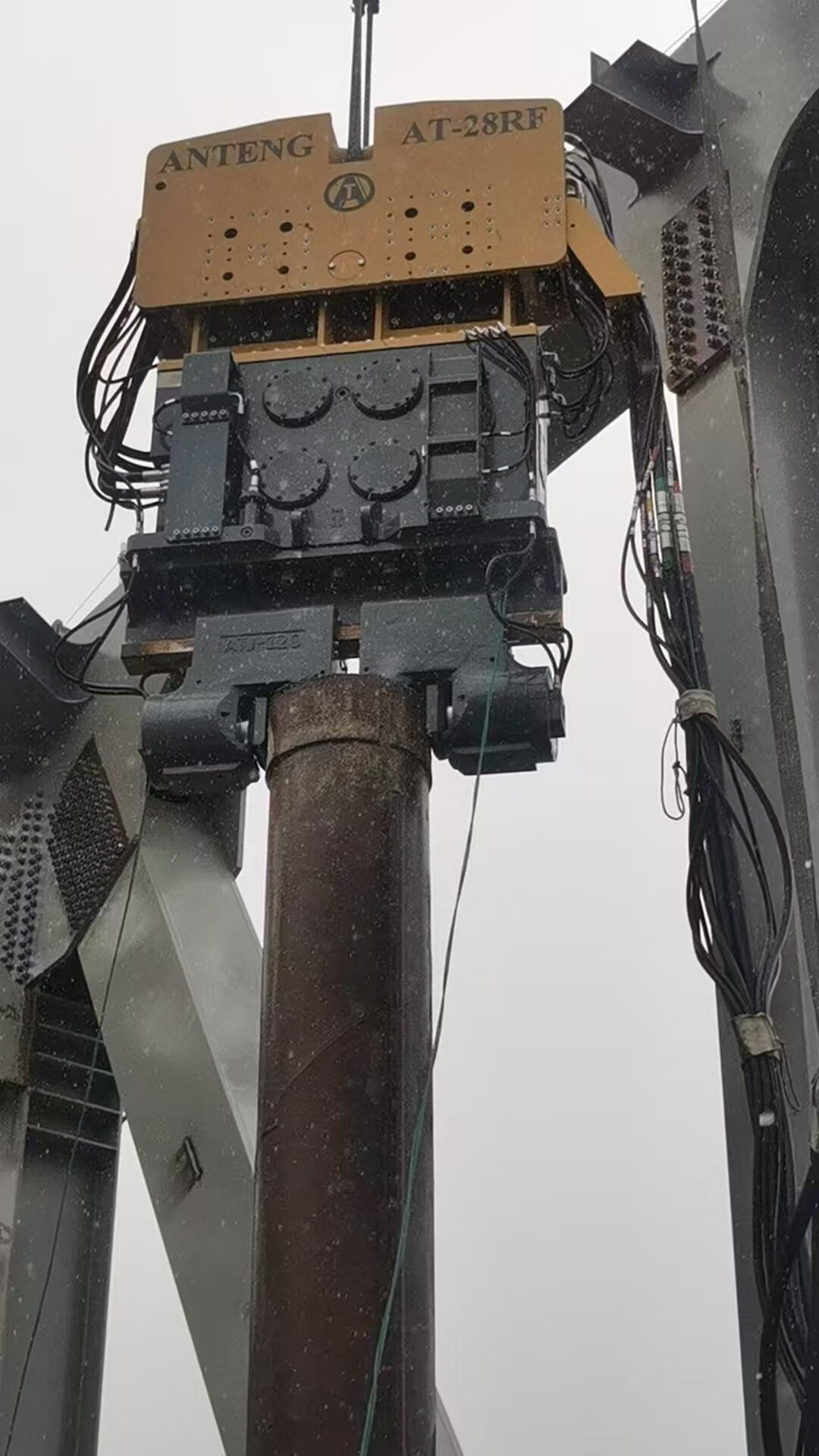
Operating a pile driver presents numerous safety challenges that require comprehensive risk management strategies to protect personnel and equipment while maintaining project efficiency. Understanding these operational risks is crucial for construction teams working with foundation installation projects, as pile driving operations involve high-impact forces, heavy machinery, and complex site conditions that can create hazardous situations without proper precautions.
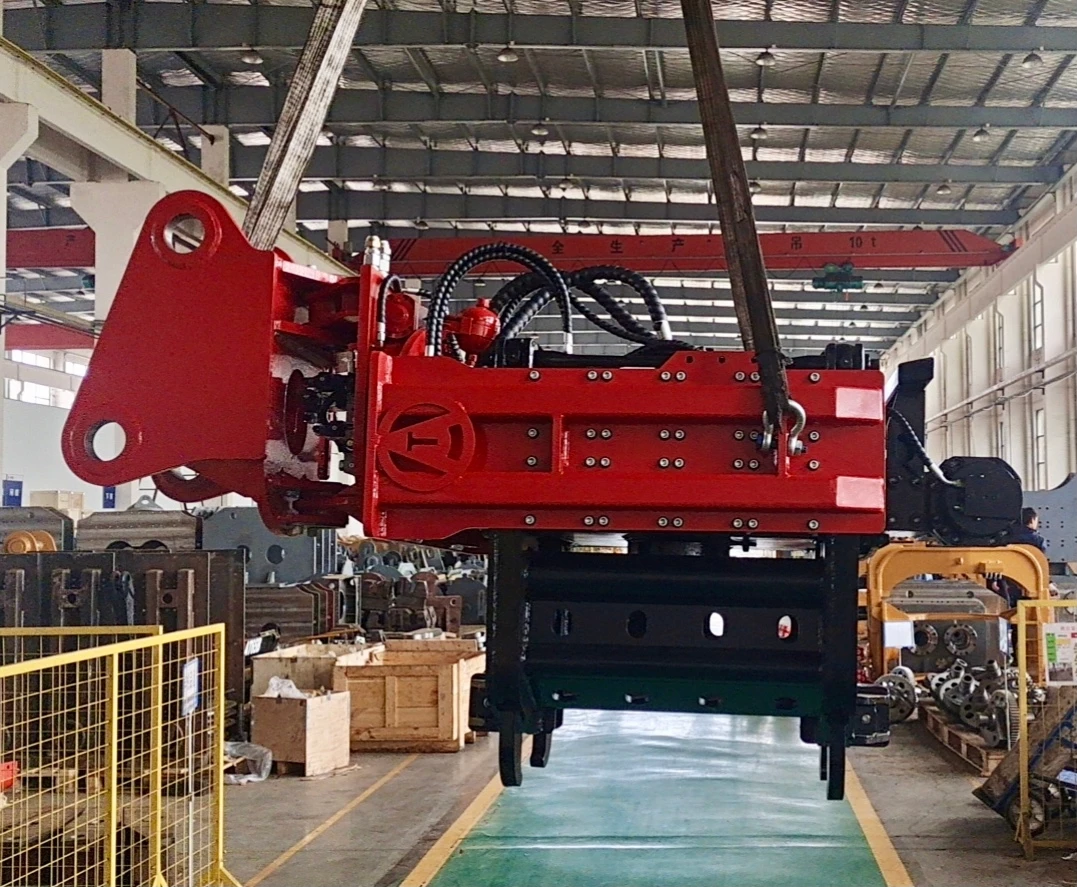
The inherent dangers associated with pile driver operations stem from the combination of tremendous mechanical forces, environmental variables, and human factors that must be carefully coordinated. Effective risk management in pile driving operations requires systematic identification of potential hazards, implementation of appropriate control measures, and continuous monitoring throughout the construction process to ensure worker safety and operational success.
Mechanical and Equipment-Related Risks
Equipment Failure and Maintenance Hazards
Pile driver equipment operates under extreme stress conditions, making mechanical failures a significant operational risk that requires constant attention. The high-impact nature of pile driving subjects all components to intense vibrations and forces that can cause unexpected equipment failures, potentially resulting in serious accidents or project delays.
Critical mechanical components such as hydraulic systems, hammer assemblies, and crane mechanisms require rigorous inspection protocols before each operation. Hydraulic line failures can result in sudden loss of control, while hammer mechanism malfunctions may cause unpredictable pile movement or equipment damage during operation.
Preventive maintenance schedules must be strictly followed to minimize equipment-related risks when operating a pile driver. Regular inspection of wear components, lubrication systems, and safety devices helps identify potential problems before they escalate into dangerous situations that could endanger personnel or compromise project integrity.
Structural Integrity and Load Management
The structural integrity of the pile driver itself becomes a critical safety concern when dealing with varying pile types and soil conditions. Overloading the equipment beyond its rated capacity can lead to catastrophic structural failures, making load management a fundamental aspect of safe pile driving operations.
Operating parameters must be carefully monitored to ensure the pile driver remains within safe working limits throughout the installation process. Exceeding weight limits, operating angle restrictions, or impact force specifications can compromise equipment stability and create dangerous working conditions.
Dynamic loading effects during pile installation create additional stress on the pile driver structure that must be considered in risk management planning. Resonance frequencies and vibration amplification can occur under certain conditions, potentially causing structural damage or operator injury if not properly controlled.
Environmental and Site-Specific Hazards
Ground Conditions and Geological Risks
Unpredictable ground conditions present significant operational risks that can affect both pile driver performance and site safety. Varying soil densities, underground obstacles, and geological formations can create unexpected resistance or cause sudden equipment reactions that endanger personnel and equipment.
Underground utilities and existing structures pose serious hazards during pile driver operations, as accidental contact can result in service disruptions, structural damage, or dangerous utility strikes. Comprehensive site surveys and utility location services are essential before beginning any pile driving activities.
Groundwater conditions and soil stability can change rapidly during pile driving operations, creating unstable working surfaces or affecting pile driver positioning. Monitoring ground conditions throughout the operation helps identify potential stability issues before they become safety hazards.
Weather and Environmental Factors
Weather conditions significantly impact pile driver safety and operational effectiveness, with wind, precipitation, and temperature variations creating additional risk factors that must be managed. High winds can affect crane stability and pile positioning accuracy, while wet conditions can compromise operator visibility and equipment traction.
Temperature extremes affect both equipment performance and worker safety during pile driver operations. Cold weather can reduce hydraulic fluid efficiency and increase material brittleness, while extreme heat can cause equipment overheating and increase fatigue-related safety risks for operators and ground personnel.
Environmental noise levels generated by pile driver operations require careful management to comply with regulatory requirements and minimize impact on surrounding communities. Prolonged exposure to high noise levels also presents health risks to workers that must be addressed through appropriate hearing protection and work rotation schedules.
Human Factors and Operational Safety
Operator Training and Competency Requirements
Proper operator training represents a critical component of pile driver risk management, as inexperienced or inadequately trained operators pose significant safety risks to themselves and surrounding personnel. Comprehensive training programs must cover equipment operation, safety procedures, emergency response protocols, and hazard recognition specific to pile driving operations.
Operator fatigue and concentration levels directly impact safety performance during pile driver operations. The demanding nature of precision pile placement combined with continuous vibration exposure can lead to decreased alertness and slower reaction times, increasing the likelihood of accidents or operational errors.
Communication protocols between pile driver operators and ground personnel must be clearly established and consistently followed to prevent coordination failures that could result in serious accidents. Hand signals, radio communications, and emergency stop procedures should be rehearsed regularly to ensure effective coordination during operations.
Personnel Protection and Safety Zones
Establishing and maintaining appropriate safety zones around pile driver operations is essential for protecting personnel from falling objects, equipment movement, and noise exposure. These exclusion zones must account for pile length, equipment swing radius, and potential debris trajectory during driving operations.
Personal protective equipment requirements for pile driver operations include specialized hearing protection, impact-resistant hard hats, safety glasses, and high-visibility clothing. The intense noise and vibration levels generated during pile installation necessitate enhanced protection measures beyond standard construction site requirements.
Emergency response procedures must be established and practiced regularly to ensure rapid response to accidents or equipment failures during pile driver operations. Medical emergency plans, equipment shutdown procedures, and evacuation protocols should be clearly defined and communicated to all personnel involved in the operation.
Regulatory Compliance and Documentation
Safety Standard Adherence
Compliance with relevant safety standards and regulations forms the foundation of effective pile driver risk management. Organizations must stay current with OSHA requirements, industry standards, and local regulations governing pile driving operations to ensure legal compliance and maintain appropriate safety levels.
Regular safety audits and inspections help identify potential compliance gaps and areas for improvement in pile driver operations. Documentation of safety procedures, training records, and incident reports provides essential evidence of due diligence and helps identify trends that may indicate systemic safety issues.
Insurance requirements and risk assessment protocols often mandate specific safety measures and documentation standards for pile driver operations. Understanding these requirements helps ensure adequate coverage and demonstrates commitment to responsible risk management practices.
Continuous Improvement and Risk Assessment
Ongoing risk assessment and safety program evaluation enable continuous improvement in pile driver operations safety. Regular review of incident data, near-miss reports, and safety performance metrics helps identify emerging risks and opportunities for enhanced protection measures.
Technology advances in pile driver design and safety systems provide opportunities to reduce operational risks through improved equipment features and monitoring capabilities. Staying informed about new safety technologies and incorporating them into operations when appropriate demonstrates proactive risk management.
Stakeholder feedback from operators, safety personnel, and project managers provides valuable insights for improving pile driver safety programs. Regular safety meetings and open communication channels help identify potential improvements and ensure that safety concerns are promptly addressed.
FAQ
What are the most common injuries associated with pile driver operations?
The most common injuries in pile driver operations include hearing damage from prolonged noise exposure, musculoskeletal injuries from vibration exposure, crushing injuries from equipment movement, and head injuries from falling objects. Proper personal protective equipment, safety zone enforcement, and regular health monitoring can significantly reduce these injury risks.
How often should pile driver equipment be inspected for safety compliance?
Pile driver equipment should undergo daily pre-operation inspections, weekly detailed safety checks, and comprehensive monthly maintenance inspections. Critical safety systems such as emergency stops, load monitoring devices, and structural components require more frequent inspection based on manufacturer recommendations and regulatory requirements.
What environmental factors should halt pile driver operations immediately?
Operations should be immediately suspended during severe weather conditions including winds exceeding equipment specifications, electrical storms, heavy precipitation affecting visibility or ground conditions, and extreme temperatures outside equipment operating ranges. Ground instability, nearby structural damage, or utility line exposure also require immediate work stoppage.
How can operators minimize noise-related risks during pile driving operations?
Noise-related risks can be minimized through proper hearing protection selection, work rotation schedules to limit exposure duration, regular audiometric testing for personnel, and implementation of noise control measures such as sound barriers or modified operating techniques. Compliance with occupational noise exposure limits and community noise ordinances is essential for comprehensive noise risk management.
Table of Contents
- Mechanical and Equipment-Related Risks
- Environmental and Site-Specific Hazards
- Human Factors and Operational Safety
- Regulatory Compliance and Documentation
-
FAQ
- What are the most common injuries associated with pile driver operations?
- How often should pile driver equipment be inspected for safety compliance?
- What environmental factors should halt pile driver operations immediately?
- How can operators minimize noise-related risks during pile driving operations?