
 EN
EN
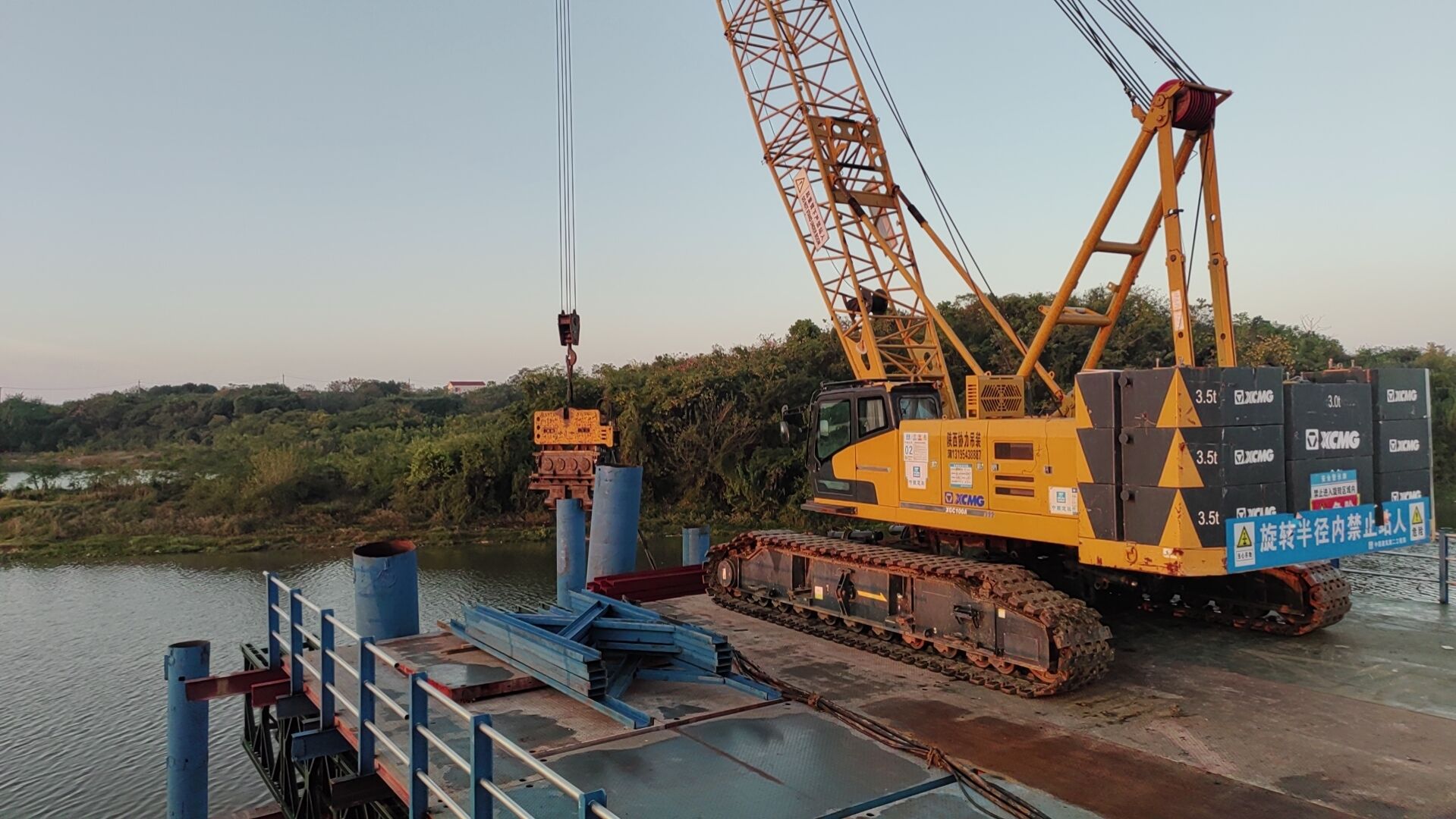
The assembly and commissioning of a pile driver on construction sites requires careful planning, precise execution, and adherence to safety protocols to ensure optimal performance and operational reliability. Understanding the systematic approach to pile driver setup is crucial for construction managers, site engineers, and equipment operators who need to maximize productivity while maintaining safety standards throughout the installation process.
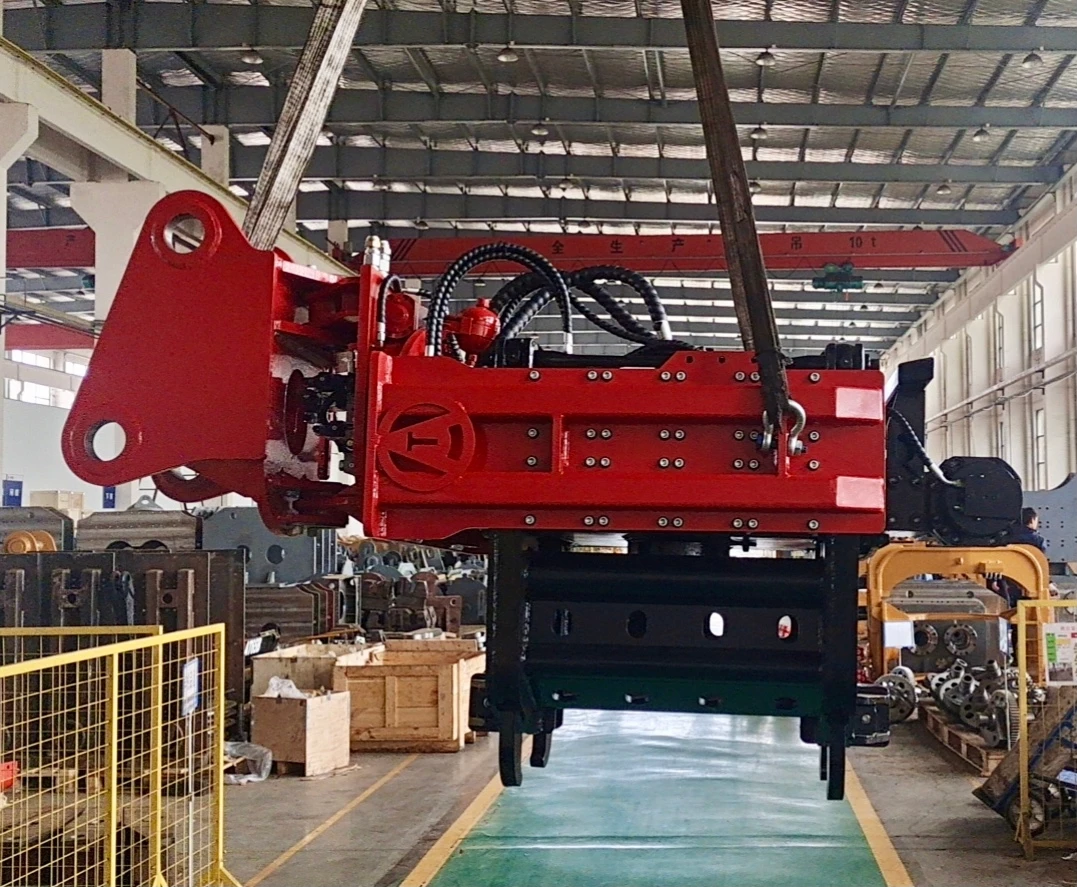
The on-site assembly and commissioning process for a pile driver involves multiple coordinated phases, from initial site preparation and equipment positioning to final performance testing and operational handover. Each phase requires specific technical expertise, appropriate lifting equipment, and thorough quality control measures to ensure the pile driver operates according to manufacturer specifications and project requirements.
Pre-Assembly Site Preparation and Equipment Staging
Site Assessment and Ground Conditions
Before beginning pile driver assembly, conducting a comprehensive site assessment ensures proper foundation support and adequate working space for the equipment. The assessment includes evaluating ground bearing capacity, identifying underground utilities, and confirming sufficient clearance for crane operations and component maneuvering. Site engineers must verify that the ground conditions can support both the pile driver weight and the dynamic forces generated during operation.
Ground preparation often involves creating level working platforms using crushed stone or concrete pads, particularly for stationary pile driver configurations. The preparation area must accommodate not only the pile driver footprint but also provide adequate space for support equipment, material storage, and safe personnel movement. Proper drainage systems should be installed to prevent water accumulation that could compromise equipment stability or create unsafe working conditions.
Access routes for delivery trucks and mobile cranes must be established and tested to ensure they can handle the weight and dimensions of pile driver components. These routes should be clearly marked and maintained throughout the assembly process to prevent delays and ensure safe transportation of heavy components to the assembly area.
Component Inventory and Quality Verification
Upon arrival of pile driver components, a thorough inventory check verifies that all parts, fasteners, and accessories are present and undamaged from transportation. This process includes checking component serial numbers against shipping documents, inspecting for any visible damage or corrosion, and confirming that all safety-critical components meet specification requirements.
Each major component of the pile driver undergoes dimensional verification to ensure proper fit and alignment during assembly. Critical measurements include checking frame straightness, verifying hydraulic cylinder dimensions, and confirming that all mounting points align correctly with manufacturer specifications. Any discrepancies discovered during this phase can be addressed before assembly begins, preventing costly delays and rework.
Testing of electrical components and control systems should be conducted while components remain easily accessible. This preliminary testing identifies any issues with control panels, sensors, or wiring harnesses before they become integrated into the assembled pile driver, making troubleshooting and repairs more manageable.
Mechanical Assembly Process and Component Integration
Base Frame and Support Structure Assembly
The mechanical assembly of a pile driver begins with establishing the base frame and primary support structure, which forms the foundation for all subsequent component installation. The base frame must be positioned precisely according to manufacturer specifications, with careful attention to levelness and alignment to ensure proper pile driver operation and prevent premature wear of moving components.
Assembly crews use precision measuring instruments to verify frame geometry and alignment before securing base connections. The frame assembly process typically involves connecting multiple structural sections using high-strength bolts torqued to specific values outlined in the assembly manual. Each connection point requires proper thread engagement, appropriate washer installation, and verification of torque values using calibrated equipment.
Support structures for the pile driver, including outriggers, stabilizers, and counterweight systems, are installed and tested for proper extension and retraction. These components are critical for maintaining pile driver stability during operation and must be assembled with particular attention to hydraulic connections, pivot points, and locking mechanisms that secure the supports in working position.
Power Unit and Hydraulic System Integration
The power unit installation involves mounting the engine or motor assembly to the base frame using vibration-dampening mounts that reduce transmitted forces to the overall structure. Proper alignment between the power unit and hydraulic pump assembly is crucial for efficient operation and component longevity, requiring precision measurement and adjustment during installation.
Hydraulic system assembly includes installing the main hydraulic pump, reservoir, filtration components, and cooling system according to manufacturer routing diagrams. Each hydraulic connection must be properly torqued and pressure-tested to prevent leaks and ensure system integrity. The hydraulic reservoir requires proper fluid level establishment and filtration system priming before initial system operation.
Installation of hydraulic cylinders for the pile driver requires careful attention to cylinder mounting orientation, rod end connections, and hydraulic line routing to prevent interference during operation. Each cylinder assembly undergoes stroke testing to verify proper extension and retraction before being integrated into the complete system.
Control System Installation and Electrical Integration
Control Panel and Operator Interface Setup
The control system installation for a pile driver involves mounting the main control panel in the operator position with proper visibility of all pile driving operations and adequate protection from environmental conditions. The control panel must be positioned to allow comfortable operator access while maintaining clear sight lines to the work area and pile insertion points.
Electrical connections between the control panel and various pile driver subsystems require careful routing through protective conduits and junction boxes designed to withstand the harsh construction environment. Each electrical connection undergoes continuity testing to verify proper signal transmission and prevent intermittent operation issues that could compromise pile driver performance.
Integration of safety systems, including emergency stops, pressure monitoring, and operational interlocks, requires thorough testing to ensure proper function under all operating conditions. These safety systems must be tested individually and as an integrated system to verify that they respond appropriately to various fault conditions and operator inputs.
Sensor Installation and Calibration
Modern pile driver systems incorporate various sensors for monitoring operational parameters, including pile penetration depth, driving force, and equipment position. Sensor installation requires precise mounting and calibration to ensure accurate data collection and reliable system operation throughout the pile driving process.
Each sensor undergoes individual calibration using certified reference standards to establish accurate measurement baselines. The calibration process includes setting zero points, verifying measurement ranges, and testing sensor response to simulated operating conditions. Proper sensor calibration is essential for maintaining pile driving quality and preventing equipment damage from operating outside safe parameters.
Data logging and communication systems require configuration to match project requirements and client specifications. These systems must be tested to ensure proper data collection, storage, and transmission capabilities that support quality control and project documentation requirements throughout the pile driving operation.
System Testing and Performance Verification
Functional Testing Procedures
Once pile driver assembly is complete, comprehensive functional testing verifies that all systems operate according to design specifications and manufacturer requirements. The testing process begins with static tests of individual subsystems before progressing to dynamic testing under simulated operating conditions.
Hydraulic system testing includes pressure testing all circuits to design pressure levels, verifying proper pressure relief valve operation, and confirming adequate flow rates to all actuators. Each hydraulic circuit undergoes cycle testing to identify any leaks, unusual noises, or performance irregularities that could indicate assembly issues or component defects.
Control system testing verifies proper response to all operator inputs and automatic system functions. This includes testing emergency stop procedures, operational interlocks, and safety system responses under various simulated conditions. Each control function must operate smoothly and predictably to ensure safe pile driver operation.
Load Testing and Calibration Verification
Load testing of the assembled pile driver involves applying measured forces to verify structural integrity and confirm that all load-bearing components perform according to design specifications. This testing typically uses calibrated test loads or hydraulic loading systems to simulate actual pile driving forces without requiring pile installation.
Vibration testing, particularly important for vibratory pile driver systems, verifies proper frequency generation and amplitude control across the specified operating range. The testing process includes measuring vibration characteristics at various power levels and confirming that vibration isolation systems effectively protect the carrier equipment and operator from excessive transmitted forces.
Final calibration verification ensures that all measurement systems, control responses, and safety parameters align with manufacturer specifications and project requirements. This verification process creates documented evidence of proper pile driver assembly and readiness for operational deployment.
Commissioning Documentation and Operational Handover
Quality Assurance Documentation
The commissioning process requires comprehensive documentation that demonstrates proper pile driver assembly and validates system performance against specified requirements. This documentation includes assembly checklists, test results, calibration certificates, and photographic evidence of critical assembly steps and final configuration.
Each major assembly phase generates specific documentation that provides traceability for quality control and warranty purposes. Assembly torque records, hydraulic pressure test results, and electrical continuity measurements create a permanent record of proper installation procedures and component performance verification.
Safety compliance documentation verifies that the assembled pile driver meets all applicable safety standards and regulatory requirements. This documentation typically includes safety system test results, operator safety training records, and confirmation that all required safety equipment and procedures are properly implemented.
Operator Training and System Handover
Successful pile driver commissioning includes comprehensive operator training that covers normal operation procedures, maintenance requirements, and troubleshooting techniques. Training should be conducted by qualified personnel familiar with the specific pile driver model and its operational characteristics under various site conditions.
The training program typically includes both classroom instruction covering theoretical aspects of pile driver operation and hands-on training using the actual equipment under controlled conditions. Operators must demonstrate competency in all aspects of pile driver operation, including startup procedures, operational controls, and emergency response protocols.
Final system handover includes providing all necessary documentation, spare parts inventories, and ongoing support contact information to ensure continued reliable pile driver operation throughout the project duration. The handover process establishes clear responsibilities for ongoing maintenance, performance monitoring, and technical support as needed during pile driving operations.
FAQ
How long does it typically take to assemble and commission a pile driver on site?
The assembly and commissioning time for a pile driver varies depending on the equipment size and complexity, but typically requires 2-5 days for complete setup. Smaller, truck-mounted units may be assembled and commissioned in 1-2 days, while larger stationary pile driver systems can require up to a week for proper assembly, testing, and commissioning. Weather conditions, site accessibility, and crew experience significantly impact the overall timeline.
What specialized equipment is needed for pile driver assembly on construction sites?
Pile driver assembly requires mobile cranes with sufficient capacity to handle the heaviest components, typically ranging from 25-100 tons depending on the pile driver size. Additional equipment includes torque wrenches for critical fasteners, hydraulic pressure testing equipment, electrical testing instruments, and precision measuring tools for alignment verification. Proper lifting rigging, including certified slings and shackles, is essential for safe component handling during assembly.
Are there specific safety requirements during pile driver assembly and commissioning?
Yes, pile driver assembly requires strict adherence to construction safety protocols, including proper personal protective equipment, fall protection systems, and crane operation safety procedures. All lifting operations must follow established rigging practices with certified equipment and qualified operators. Electrical work requires lockout/tagout procedures, and hydraulic system testing demands proper pressure testing protocols to prevent injury from high-pressure fluid release.
What maintenance considerations should be addressed during pile driver commissioning?
During commissioning, establish baseline measurements for all critical components, including hydraulic pressures, vibration levels, and electrical system parameters. Create maintenance schedules based on manufacturer recommendations and expected operating conditions. Ensure adequate spare parts inventory is available on-site, particularly for wear items like seals, filters, and electrical components that may require replacement during intensive pile driving operations.
Table of Contents
- Pre-Assembly Site Preparation and Equipment Staging
- Mechanical Assembly Process and Component Integration
- Control System Installation and Electrical Integration
- System Testing and Performance Verification
- Commissioning Documentation and Operational Handover
-
FAQ
- How long does it typically take to assemble and commission a pile driver on site?
- What specialized equipment is needed for pile driver assembly on construction sites?
- Are there specific safety requirements during pile driver assembly and commissioning?
- What maintenance considerations should be addressed during pile driver commissioning?