
 EN
EN
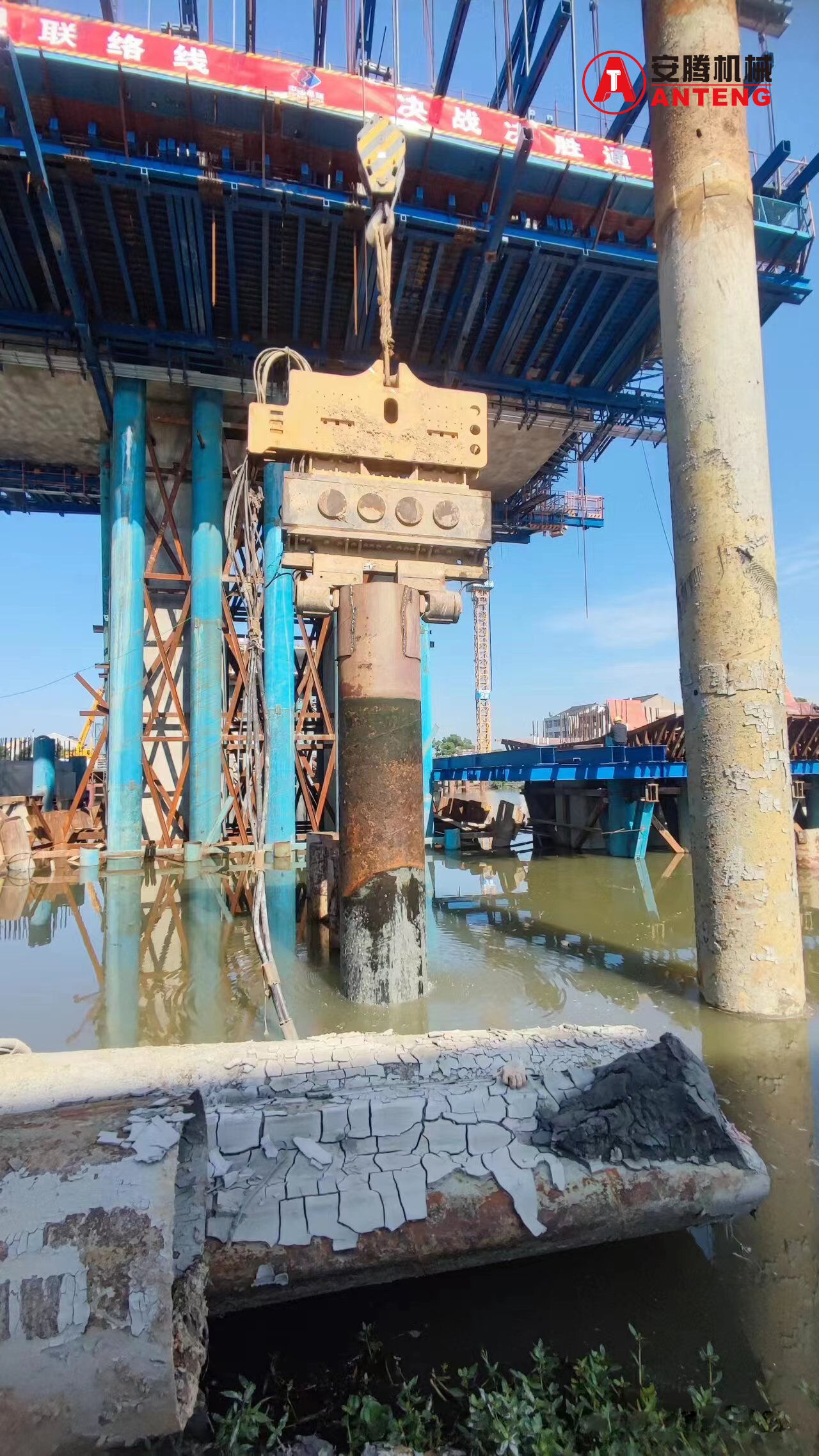
A pile hammer serves as the fundamental driving force in foundation construction, transforming construction sites through its powerful impact mechanisms. Understanding the main functions of this critical equipment reveals why pile hammer technology remains indispensable for creating stable, load-bearing foundations across diverse construction projects.
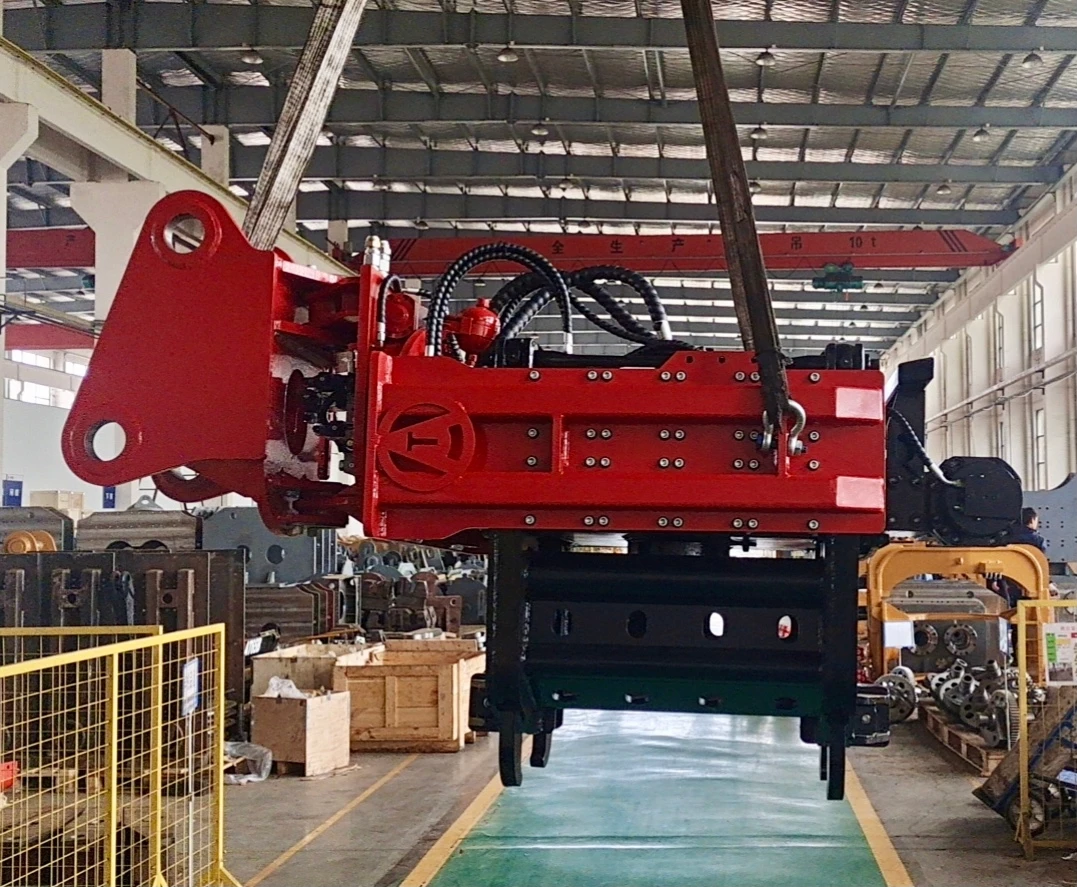
The pile hammer operates through sophisticated engineering principles that deliver controlled energy transfer, enabling precise pile installation across various soil conditions and project requirements. Modern pile hammer systems integrate advanced hydraulic, pneumatic, or vibratory mechanisms to achieve optimal performance while maintaining operational efficiency and safety standards throughout the piling process.
Primary Impact and Driving Functions
Force Generation and Energy Transfer
The pile hammer generates tremendous impact forces through its internal mechanisms, converting stored energy into kinetic motion that drives piles deep into the ground. This energy transfer process involves precise timing and force modulation, ensuring that each strike delivers optimal penetration power while protecting the pile integrity during installation.
Modern pile hammer designs incorporate sophisticated energy management systems that regulate impact frequency and amplitude. These systems allow operators to adjust driving parameters based on soil resistance, pile material properties, and project specifications, maximizing installation efficiency while minimizing equipment stress and operational costs.
The energy transfer mechanism within a pile hammer operates through carefully engineered components that maintain consistent performance across extended operational periods. This reliability ensures predictable pile installation rates and helps project managers maintain construction schedules while achieving required foundation depths and load-bearing capacities.
Penetration Control and Depth Management
Effective pile hammer operation requires precise penetration control that adapts to changing subsurface conditions throughout the driving process. The equipment monitors penetration rates and adjusts impact parameters automatically, ensuring consistent advancement while preventing over-driving that could damage pile structural integrity or compromise foundation performance.
Depth management capabilities enable pile hammer operators to achieve exact elevation requirements specified in foundation designs. Advanced control systems provide real-time feedback on pile position, penetration resistance, and driving progress, allowing for immediate adjustments that maintain installation accuracy and quality standards.
The pile hammer maintains consistent driving performance across varying soil densities and geological formations. This adaptability ensures reliable foundation installation regardless of site-specific challenges, from soft clay deposits to dense gravel formations that require different impact strategies and energy management approaches.
Vibratory and Oscillation Functions
Soil Displacement Through Vibration
Vibratory pile hammer systems utilize controlled oscillation to displace soil particles around the pile perimeter, reducing friction and facilitating smoother penetration. This vibration mechanism creates temporary soil liquefaction effects that significantly reduce driving resistance while maintaining precise pile alignment throughout the installation process.
The oscillation frequency generated by a pile hammer can be precisely tuned to match soil characteristics and pile specifications. Higher frequencies work effectively in cohesionless soils, while lower frequencies provide better performance in clay formations, demonstrating the equipment's versatility across diverse geological conditions.
Controlled vibration reduces the overall stress on pile materials during installation, extending pile service life and maintaining structural integrity. This gentle yet effective approach minimizes pile damage while achieving required penetration depths, making vibratory pile hammer systems ideal for sensitive installations or projects with strict quality requirements.
Reduced Noise and Environmental Impact
Modern pile hammer technology incorporates noise reduction features that minimize environmental disruption during construction operations. Vibratory systems typically produce significantly lower noise levels compared to traditional impact hammers, making them suitable for urban construction projects with strict noise regulations and community considerations.
The reduced vibration transmission from advanced pile hammer designs protects nearby structures and sensitive equipment from construction-induced disturbances. This environmental consideration becomes particularly important in densely developed areas where foundation work must proceed without affecting adjacent buildings or infrastructure systems.
Environmental compliance features built into contemporary pile hammer systems help construction projects meet regulatory requirements while maintaining operational efficiency. These capabilities enable contractors to work in restricted environments without sacrificing foundation quality or project timelines, expanding the applicability of piling operations across diverse construction contexts.
Load Transfer and Foundation Support Functions
Bearing Capacity Development
The pile hammer ensures proper pile embedment depth necessary for achieving specified bearing capacities in foundation designs. Through controlled driving processes, the equipment establishes the required pile-to-soil interface contact area that enables effective load transfer from structure to supporting strata, creating stable foundation systems.
Proper pile installation using a pile hammer creates the necessary friction and end-bearing characteristics required for long-term structural support. The driving process compacts surrounding soils and establishes optimal pile-soil interaction properties that resist both vertical loads and lateral forces throughout the structure's service life.
Load transfer efficiency depends significantly on the pile hammer's ability to achieve uniform pile installation across the entire foundation system. Consistent driving performance ensures that all foundation elements contribute equally to structural support, preventing differential settlement and maintaining building stability over time.
Structural Integrity Preservation
Advanced pile hammer systems monitor installation forces continuously, preventing over-stressing that could compromise pile structural integrity during the driving process. This monitoring capability protects against driving-induced damage while ensuring that piles reach required depths and maintain their load-carrying capacity throughout their service life.
The controlled energy delivery of modern pile hammer equipment preserves pile material properties during installation, maintaining design strength characteristics essential for foundation performance. This careful installation approach prevents micro-cracking, deformation, or other structural damage that could reduce foundation reliability or require costly repairs.
Quality assurance features integrated into pile hammer systems provide real-time feedback on installation quality, enabling immediate corrections when driving parameters deviate from acceptable ranges. This proactive monitoring ensures that every pile meets structural requirements and contributes effectively to overall foundation system performance.
Operational Efficiency and Project Management Functions
Installation Speed and Productivity
Modern pile hammer technology significantly accelerates foundation installation timelines through optimized driving cycles and automated operation sequences. These efficiency improvements reduce project duration while maintaining installation quality, helping contractors meet tight construction schedules and minimize overall project costs through faster foundation completion.
Automated pile hammer systems reduce operator fatigue and human error while maintaining consistent installation quality across large foundation projects. This automation capability enables continuous operation during extended work periods, maximizing daily productivity and reducing labor costs associated with foundation installation activities.
The versatility of contemporary pile hammer equipment allows rapid transitions between different pile types and installation requirements within the same project. This adaptability eliminates equipment changeover delays and enables efficient completion of complex foundation systems with varying pile specifications and performance requirements.
Quality Control and Documentation
Integrated monitoring systems within pile hammer equipment provide comprehensive installation data that supports quality assurance programs and regulatory compliance requirements. This documentation capability creates detailed records of driving parameters, penetration rates, and installation conditions for each pile, supporting long-term foundation performance tracking and maintenance planning.
Real-time quality feedback from pile hammer monitoring systems enables immediate correction of installation deficiencies, preventing costly rework and ensuring consistent foundation quality throughout the project. This proactive quality management approach reduces project risks and helps maintain construction budgets by avoiding quality-related delays and corrections.
The data collection capabilities of modern pile hammer systems support advanced foundation analysis and design validation activities. Installation records provide valuable feedback for optimizing future foundation designs and improving construction efficiency on similar projects, contributing to continuous improvement in foundation construction practices.
FAQ
How does a pile hammer differ from other foundation installation equipment?
A pile hammer specifically generates controlled impact or vibratory forces designed for driving piles into the ground, while other foundation equipment like drills or augers create holes or remove soil. The pile hammer's unique function focuses on overcoming soil resistance through energy transfer, enabling pile installation without pre-excavation in most soil conditions.
What factors determine the appropriate pile hammer type for a specific project?
Project requirements including soil conditions, pile material and size, required penetration depth, noise restrictions, and site accessibility determine the optimal pile hammer selection. Soil density and composition particularly influence whether impact or vibratory systems provide better performance, while environmental constraints may require specific noise reduction or low-vibration technologies.
Can pile hammers work effectively in all soil types and geological conditions?
Modern pile hammer systems can accommodate most soil conditions through adjustable operating parameters and different energy delivery methods. However, extremely hard rock formations may require pre-drilling or specialized equipment, while very soft soils might need modified driving techniques or alternative foundation approaches to achieve required bearing capacity and stability.
What maintenance requirements ensure optimal pile hammer performance throughout a project?
Regular pile hammer maintenance includes hydraulic system inspections, wear component replacement, vibration mechanism lubrication, and control system calibration. Daily operational checks, periodic performance testing, and preventive maintenance schedules help maintain consistent driving performance while preventing equipment failures that could disrupt construction schedules and increase project costs.
Table of Contents
- Primary Impact and Driving Functions
- Vibratory and Oscillation Functions
- Load Transfer and Foundation Support Functions
- Operational Efficiency and Project Management Functions
-
FAQ
- How does a pile hammer differ from other foundation installation equipment?
- What factors determine the appropriate pile hammer type for a specific project?
- Can pile hammers work effectively in all soil types and geological conditions?
- What maintenance requirements ensure optimal pile hammer performance throughout a project?