
 EN
EN

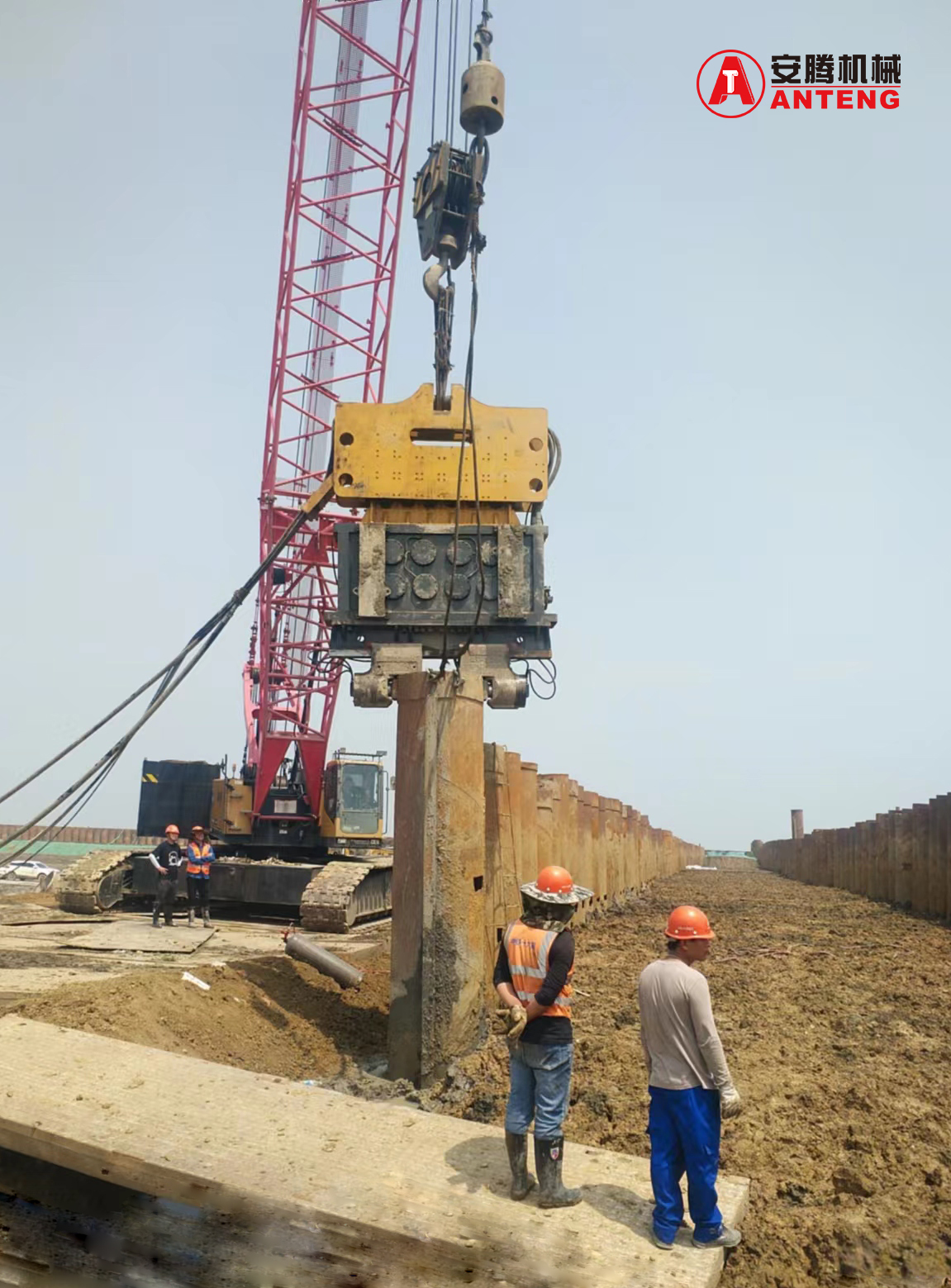
Piling machine output represents a critical performance metric that directly impacts project timelines, cost efficiency, and overall construction success. Understanding the operational factors that influence this output enables construction teams to optimize their equipment performance and achieve maximum productivity on site. The relationship between various operational parameters and piling machine effectiveness is complex, involving mechanical, environmental, and procedural elements that work together to determine daily production rates.
Every construction project demands careful consideration of how operational variables affect piling machine performance to ensure target output levels are met consistently. The interdependency of mechanical settings, soil conditions, operator expertise, and maintenance protocols creates a dynamic environment where small adjustments can yield significant improvements in productivity. By examining these operational factors systematically, project managers can implement strategies that maximize their piling machine capabilities while maintaining quality standards throughout the installation process.
Mechanical Configuration and Performance Parameters
Power System Optimization
The power system configuration of a piling machine fundamentally determines its output capacity through hydraulic pressure settings, engine performance parameters, and energy transfer efficiency. Proper calibration of hydraulic systems ensures optimal force delivery during pile driving operations, while engine tuning affects the sustained power output throughout extended working periods. Modern piling machine designs incorporate variable power settings that allow operators to adjust output based on soil conditions and pile specifications, making power system optimization a crucial factor in achieving consistent productivity.
Hydraulic flow rates and pressure levels must be balanced to match pile driving requirements while avoiding system overload that could reduce operational efficiency. The relationship between engine RPM and hydraulic pump output creates a performance curve that operators can leverage to maximize piling machine effectiveness under varying load conditions. Regular monitoring of power system parameters helps identify optimal operating points that deliver maximum output while preserving equipment longevity and reducing fuel consumption per pile installed.
Vibration Frequency and Amplitude Control
Vibration frequency selection directly impacts the penetration rate and overall efficiency of piling machine operations, with different soil types requiring specific frequency ranges for optimal performance. The amplitude of vibration affects the energy transfer to the pile and surrounding soil, creating a dynamic interaction that influences both driving speed and pile quality. Advanced piling machine systems allow real-time adjustment of vibration parameters, enabling operators to optimize performance as soil conditions change throughout the pile installation process.
The relationship between frequency and amplitude must be carefully balanced to achieve maximum soil displacement while maintaining control over the pile driving process. Higher frequencies may increase penetration rates in certain soil conditions, but excessive amplitude can lead to over-displacement of surrounding soil and potential stability issues. Understanding the optimal vibration settings for specific pile types and soil conditions allows operators to maximize piling machine output while ensuring installation quality meets project specifications.
Load Handling and Positioning Systems
The efficiency of load handling systems directly affects the cycle time between pile installations, making crane capacity, reach, and positioning speed critical factors in overall piling machine output. Proper coordination between the piling machine and auxiliary equipment ensures smooth material flow and minimizes downtime between pile driving operations. The positioning accuracy of the piling machine affects setup time and the need for repositioning during installation, directly impacting daily production rates.
Advanced positioning systems with GPS integration and automated alignment features reduce manual setup time and improve accuracy, leading to faster cycle times and higher overall output. The weight handling capacity of the piling machine must match the pile specifications to avoid multiple lifts or equipment strain that could slow operations. Efficient load handling protocols, including pre-staging of materials and optimized crane movements, contribute significantly to maximizing the productive hours of piling machine operation throughout the workday.
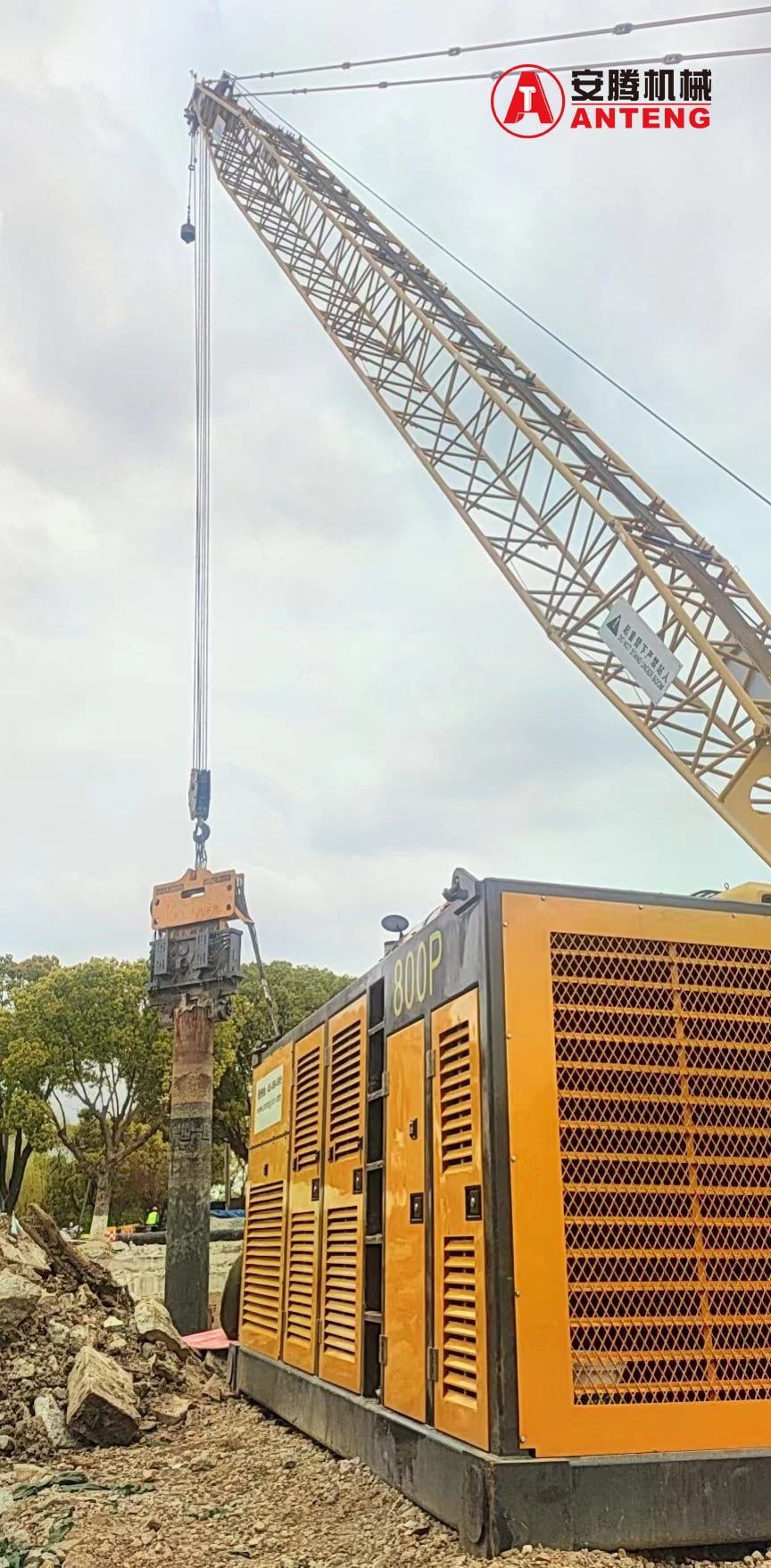
Environmental and Site-Specific Conditions
Soil Composition and Density Variations
Soil composition presents one of the most significant variables affecting piling machine output, as different soil types require varying driving energies and penetration techniques. Clay soils typically offer different resistance characteristics compared to sandy or mixed soil conditions, requiring operators to adjust vibration frequency and driving force to maintain optimal penetration rates. Dense soil layers may require pre-drilling or alternative driving techniques that can significantly impact the time required per pile installation and overall daily output.
Groundwater levels and soil moisture content affect the driving characteristics and may require modified piling machine settings to maintain productivity. Rocky or highly variable soil conditions demand flexible operational approaches that can adapt to changing resistance levels throughout the pile driving process. Understanding soil bearing capacity and compaction characteristics helps operators predict piling machine performance and adjust operational parameters proactively rather than reactively to maintain consistent output levels.
Weather and Atmospheric Conditions
Weather conditions significantly influence piling machine output through their effects on equipment performance, operator comfort, and site accessibility. Temperature extremes affect hydraulic fluid viscosity and engine performance, while high humidity can impact electrical systems and operator visibility. Wind conditions may limit crane operations and affect the stability of pile handling, requiring reduced operational speeds that directly impact daily production rates.
Rain and wet conditions create challenges for equipment mobility and may require additional safety protocols that slow operations, while extreme cold can affect startup times and hydraulic response rates. Seasonal variations in weather patterns require long-term planning to optimize piling machine utilization and maintain target output levels throughout the project duration. Proper weather monitoring and contingency planning help minimize weather-related downtime and maintain consistent productivity despite challenging atmospheric conditions.
Site Access and Layout Constraints
Site layout and access restrictions directly impact piling machine output through their effects on equipment positioning, material staging, and operational efficiency. Confined spaces may limit the piling machine's operational envelope and require more frequent repositioning, reducing the effective working time per day. Obstacles such as existing structures, utilities, or environmental restrictions can force suboptimal equipment placement that affects driving efficiency and cycle times.
Traffic patterns and material delivery schedules must be coordinated with piling machine operations to maintain continuous workflow and avoid productivity losses due to access conflicts. The proximity of material storage areas to the piling machine affects the cycle time for pile handling and installation, with longer transport distances reducing overall output. Proper site planning and layout optimization can significantly improve piling machine productivity by minimizing non-productive movements and maximizing operational efficiency.
Operator Expertise and Operating Procedures
Skill Level and Experience Factors
Operator expertise represents a critical factor in piling machine output, as experienced operators can optimize equipment settings, recognize soil condition changes, and maintain consistent driving techniques that maximize productivity. Skilled operators develop an understanding of the relationship between machine settings and soil response, enabling them to make real-time adjustments that maintain optimal penetration rates throughout varying conditions. The ability to interpret equipment feedback and respond appropriately to changing resistance levels directly affects the efficiency of pile installation operations.
Training programs that focus on piling machine operation techniques, soil mechanics understanding, and equipment optimization contribute to improved output through better operational decision-making. Experienced operators can anticipate potential problems and adjust procedures proactively, reducing downtime and maintaining consistent production rates. The learning curve for piling machine operation means that operator experience directly correlates with equipment productivity and overall project efficiency.
Maintenance and Inspection Protocols
Regular maintenance schedules directly impact piling machine output by ensuring optimal equipment performance and preventing unexpected breakdowns that could halt operations. Preventive maintenance protocols that address hydraulic system health, vibration component wear, and engine performance help maintain consistent power output and operational reliability. The frequency and thoroughness of maintenance activities affect both immediate performance and long-term equipment availability for production work.
Daily inspection routines enable early detection of potential issues that could impact piling machine performance, allowing corrective action before problems affect productivity. Proper lubrication, fluid level monitoring, and component inspection ensure that the piling machine operates within optimal parameters throughout the workday. A well-maintained piling machine delivers more consistent output and experiences fewer productivity-reducing breakdowns compared to equipment operating under deferred maintenance schedules.
Operational Sequence and Workflow Optimization
The sequence of operations and workflow organization significantly influence piling machine output through their effects on cycle times, equipment utilization, and coordination with support activities. Efficient pile staging, pre-positioning of equipment, and synchronized material handling contribute to reduced non-productive time and improved overall output. The coordination between piling machine operations and auxiliary activities such as pile cutting, surveying, and quality control affects the smooth flow of work and daily production achievement.
Standardized operating procedures help maintain consistent piling machine performance by ensuring that each pile installation follows optimized steps that maximize efficiency. The integration of quality control measures within the operational sequence prevents rework that could reduce overall output and project efficiency. Continuous improvement of operational procedures based on performance data and operator feedback leads to incremental gains in piling machine productivity and output optimization.
Equipment Integration and Support Systems
Auxiliary Equipment Coordination
The coordination between piling machine operations and auxiliary equipment such as cranes, material handlers, and positioning systems directly affects overall output through their impact on cycle times and operational efficiency. Proper synchronization of equipment movements minimizes waiting time and ensures that the piling machine maintains productive operation throughout the workday. The capacity and availability of support equipment must match the piling machine's output potential to avoid bottlenecks that could limit overall productivity.
Communication systems between operators of different equipment pieces enable real-time coordination that optimizes material flow and equipment positioning for maximum efficiency. The reliability and performance characteristics of auxiliary equipment affect the piling machine's ability to maintain consistent output, as breakdowns or performance issues with support systems can halt pile installation operations. Integrated equipment packages that are designed to work together typically achieve higher output rates compared to mixed equipment fleets with varying performance capabilities.
Technology Integration and Monitoring Systems
Modern monitoring systems provide real-time feedback on piling machine performance parameters, enabling operators to optimize settings and maintain peak output throughout the installation process. Data logging capabilities help identify performance trends and optimization opportunities that can improve future piling machine operations. GPS and positioning technology integration reduces setup time and improves accuracy, contributing to faster cycle times and higher daily production rates.
Automated control systems can maintain optimal operational parameters more consistently than manual control, leading to improved output and reduced operator fatigue. Remote monitoring capabilities allow supervisors to track piling machine performance and provide guidance for optimization without interrupting operations. The integration of technology systems with piling machine operations creates opportunities for continuous performance improvement and output optimization through data-driven operational adjustments.
FAQ
How does soil type affect piling machine output rates?
Soil type significantly impacts piling machine output through varying resistance characteristics and required driving energies. Clay soils typically require different vibration frequencies compared to sandy soils, while rocky conditions may need pre-drilling that reduces daily installation rates. Dense or highly compacted soils increase driving time per pile, directly reducing overall output, while softer soils allow faster penetration rates and higher daily production numbers.
What maintenance practices most directly influence piling machine productivity?
Regular hydraulic system maintenance, including fluid changes and pressure testing, most directly affects piling machine output by ensuring optimal power transfer and consistent driving force. Daily lubrication of vibration components prevents wear that could reduce efficiency, while engine maintenance ensures sustained power output throughout long operating periods. Preventive replacement of wear components before failure prevents unexpected downtime that could significantly impact daily production targets.
How do weather conditions impact piling machine operational efficiency?
Weather conditions affect piling machine output through temperature impacts on hydraulic performance, visibility restrictions during precipitation, and wind limitations on material handling operations. Cold temperatures can reduce hydraulic response rates and increase startup times, while extreme heat may require more frequent rest periods and cooling system maintenance. Wet conditions often require reduced operational speeds for safety, directly impacting daily pile installation numbers and overall project productivity.
What operator skills most significantly improve piling machine output?
The ability to interpret soil feedback and adjust vibration parameters in real-time represents the most critical operator skill for maximizing piling machine output. Experienced operators who understand the relationship between equipment settings and soil response can maintain optimal penetration rates through varying conditions. Skills in equipment coordination, maintenance recognition, and procedural optimization contribute to consistent high-output performance and reduced downtime during pile installation operations.