
 EN
EN

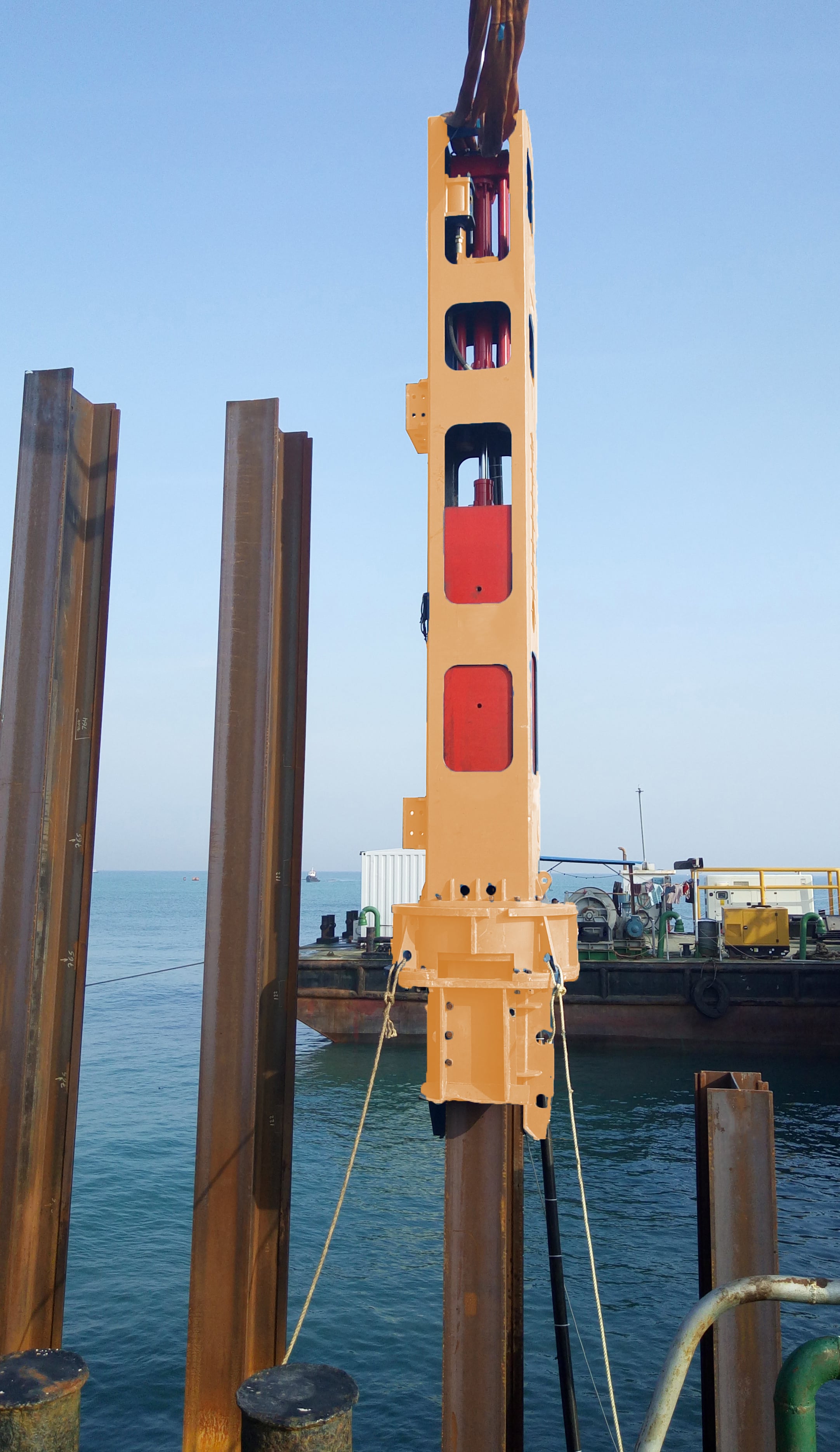
Project timelines in construction and foundation work are critically dependent on equipment performance, with the impact hammer serving as a cornerstone tool that directly influences scheduling success. When impact hammer performance falters, projects face cascading delays that ripple through every subsequent phase of construction. Understanding this relationship between equipment capability and timeline adherence is essential for project managers, contractors, and engineers who must deliver results within tight schedules and budget constraints.
The performance characteristics of an impact hammer extend far beyond simple pile driving speed, encompassing energy transfer efficiency, operational reliability, and consistent power delivery throughout extended work cycles. These factors collectively determine whether a project maintains its planned progression or encounters costly delays that affect downstream activities. Modern construction schedules leave little room for equipment-related setbacks, making the selection and maintenance of high-performance impact hammer systems a strategic priority for successful project completion.
Direct Performance Factors That Impact Project Speed
Energy Transfer Efficiency and Driving Rate
The energy transfer efficiency of an impact hammer directly correlates with pile driving speed, which forms the foundation of timeline calculations in deep foundation projects. High-efficiency impact hammer systems can achieve optimal energy transfer ratios above 85%, translating into faster penetration rates and reduced time per pile installation. This efficiency becomes particularly critical in projects involving dense soil conditions or deep foundation requirements where every minute of operational time affects the overall schedule.
Poor energy transfer efficiency in an impact hammer results in slower driving rates, requiring additional blows per foot of penetration and extending the time needed for each foundation element. This inefficiency compounds across multiple pile installations, creating significant schedule delays that often exceed initial projections. Project timelines built around optimal driving rates become unrealistic when equipment performance falls below expected efficiency levels.
The relationship between impact hammer performance and driving rate also influences crew productivity and equipment utilization schedules. When an impact hammer operates at peak efficiency, construction crews can maintain steady work rhythms and meet daily installation targets that keep projects on track. Conversely, reduced efficiency forces crews to work longer hours or extend project phases to compensate for slower progress.
Power Output Consistency and Reliability
Consistent power output from an impact hammer ensures predictable performance that aligns with project timeline calculations, while power fluctuations introduce uncertainty that can derail scheduling accuracy. Modern hydraulic impact hammer systems maintain consistent energy delivery across extended operating periods, enabling project managers to rely on established production rates when developing realistic timelines. This consistency proves especially valuable in large-scale projects where hundreds of foundation elements require installation.
Power output variations in an impact hammer create unpredictable work rates that complicate timeline management and resource allocation planning. When power delivery becomes inconsistent, daily production targets become unreliable, forcing project managers to build additional contingency time into schedules. This conservative approach often leads to extended project durations and increased costs as crews and equipment remain on-site longer than originally planned.
The reliability of power output also affects the scheduling of concurrent project activities that depend on foundation completion. When an impact hammer delivers consistent performance, subsequent construction phases can begin as scheduled, maintaining overall project momentum and avoiding costly delays in material deliveries and subcontractor coordination.
Equipment Downtime and Maintenance Impact on Scheduling
Planned Maintenance Windows and Timeline Integration
Strategic integration of impact hammer maintenance schedules with project timelines minimizes disruption while ensuring optimal equipment performance throughout the construction phase. Well-planned maintenance windows during natural project breaks, weather delays, or shift changes allow teams to service equipment without affecting critical path activities. This proactive approach prevents unexpected breakdowns that could severely impact project timelines and completion dates.
The frequency and duration of required maintenance for an impact hammer directly influence project scheduling flexibility and resource allocation decisions. Equipment with longer service intervals and shorter maintenance requirements provides greater scheduling freedom, allowing project managers to optimize work sequences without frequent interruptions. This reliability becomes crucial in projects with tight timelines or weather-sensitive construction windows.
Effective maintenance scheduling also requires coordination with equipment availability, spare parts inventory, and qualified service technicians to ensure minimal downtime. Project timelines must account for potential maintenance needs while maintaining realistic production expectations. Poor maintenance planning can result in extended equipment downtime that forces project delays and increases overall construction costs.
Unplanned Downtime Prevention and Contingency Planning
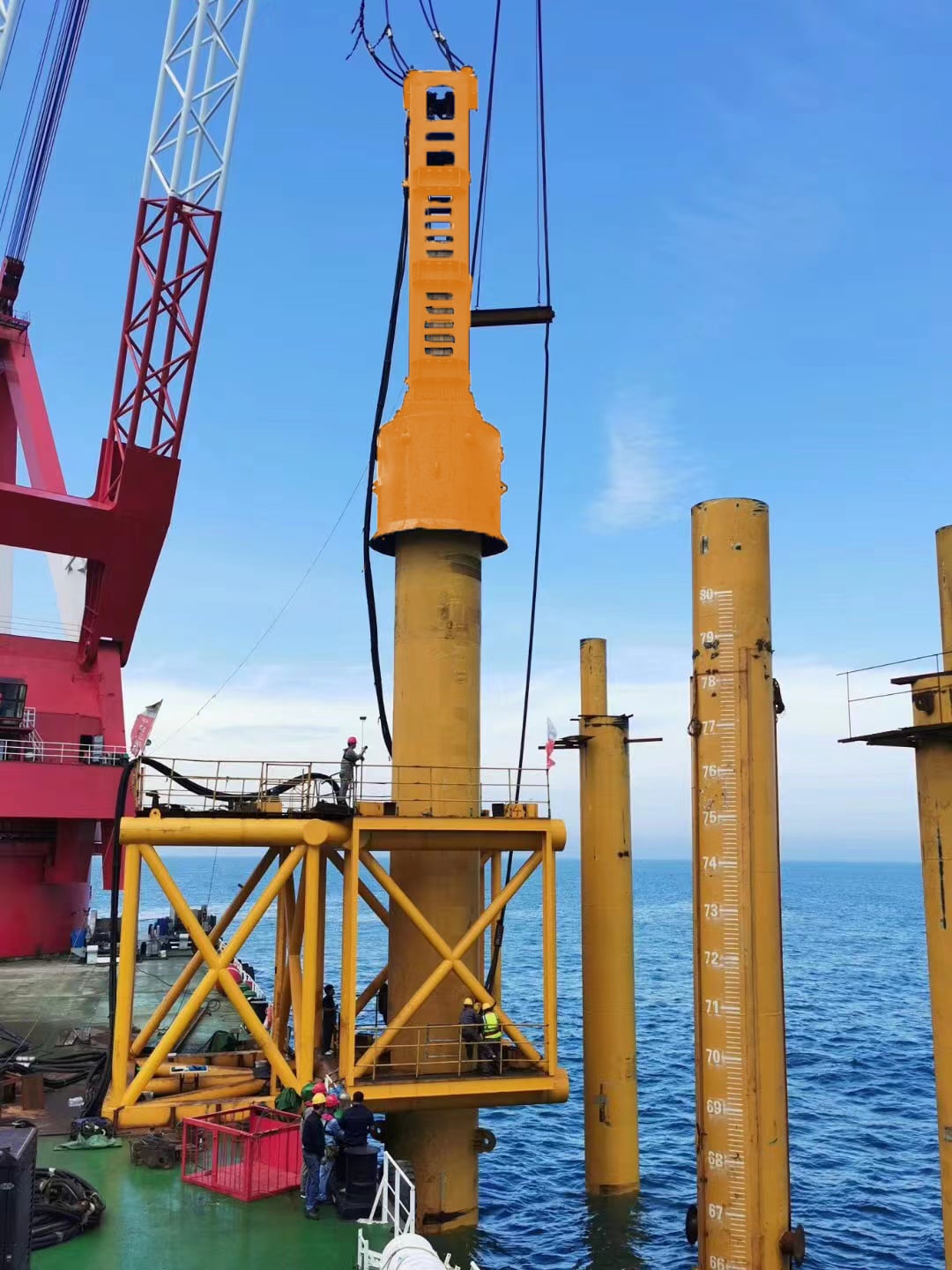
Unplanned impact hammer downtime represents one of the most significant threats to project timeline adherence, often requiring immediate response and alternative solutions to maintain construction momentum. Quality impact hammer systems with robust design and reliable components minimize the risk of unexpected failures that can halt foundation work and cascade delays throughout the entire project schedule. Preventive monitoring and early warning systems help identify potential issues before they result in equipment failure.
The cost of unplanned downtime extends beyond immediate repair expenses to include crew idle time, equipment rental fees, and potential penalties for delayed project completion. Project managers must develop contingency plans that include backup equipment options, alternative construction methods, or schedule adjustments to mitigate the impact of unexpected impact hammer failures. These contingencies require careful balance between cost and schedule protection.
Modern impact hammer systems incorporate diagnostic capabilities and remote monitoring features that enable predictive maintenance approaches, reducing the likelihood of unplanned downtime. These technologies provide early warning of potential issues, allowing maintenance teams to address problems during planned downtime rather than emergency situations that disrupt project timelines.
Soil Conditions and Performance Adaptation Effects
Variable Ground Conditions and Driving Efficiency
Soil condition variability across construction sites demands impact hammer systems capable of adapting performance characteristics to maintain consistent driving efficiency and timeline adherence. Dense clay layers, rock formations, and varying soil densities require different energy applications and driving strategies that affect overall installation speed. High-performance impact hammer equipment can adjust power output and blow frequency to optimize penetration rates across diverse ground conditions.
The ability of an impact hammer to maintain performance across varying soil conditions directly influences project timeline predictability and resource planning accuracy. Equipment that struggles with challenging ground conditions may require significantly more time per pile installation, disrupting carefully planned schedules and extending project completion dates. This variability makes soil condition assessment and equipment capability matching critical elements of timeline development.
Projects involving multiple soil types or unexpected ground conditions benefit from impact hammer systems with wide performance ranges and adaptive capabilities. These systems maintain productive installation rates regardless of soil variations, protecting project timelines from the delays commonly associated with challenging ground conditions. The flexibility to adjust performance parameters ensures consistent progress across diverse site conditions.
Depth Requirements and Performance Sustainability
Deep foundation requirements test impact hammer performance sustainability over extended driving cycles, with equipment capability directly affecting the time needed for each pile installation. Shallow foundations may not reveal performance limitations that become apparent during deep pile driving, where consistent energy delivery and mechanical reliability become critical for maintaining installation speed. Project timelines based on shallow pile experience may prove inadequate for deep foundation requirements.
The performance degradation of an impact hammer during extended driving cycles can significantly extend pile installation time and disrupt project schedules. Quality equipment maintains consistent performance throughout the full driving cycle, ensuring that installation times remain predictable regardless of pile depth requirements. This consistency enables accurate timeline development and reliable project completion forecasting.
Deep pile installations also require impact hammer systems capable of delivering sufficient energy at maximum extension, maintaining driving efficiency even at the limits of equipment reach. Performance limitations at maximum depth can force alternative installation methods or equipment changes that introduce delays and additional costs to project timelines.
Quality Control and Rework Prevention Through Optimal Performance
Installation Quality Standards and Timeline Protection
Optimal impact hammer performance ensures consistent pile installation quality that meets engineering specifications without requiring rework or corrective measures that can severely disrupt project timelines. Quality installations achieved through proper energy application and controlled driving reduce the likelihood of pile damage, misalignment, or inadequate bearing capacity that necessitates costly remedial work. This quality assurance protects both project schedules and budgets from unexpected corrections.
The precision and control capabilities of modern impact hammer systems enable operators to achieve specified installation parameters consistently, reducing variability in pile quality and minimizing inspection delays. Consistent quality performance eliminates the time required for rework and maintains project momentum through quality control checkpoints. This reliability proves especially valuable in projects with stringent quality requirements or accelerated schedules.
Poor impact hammer performance can result in installation defects that require extensive rework, consuming additional time and resources while disrupting carefully planned construction sequences. The time required to identify, plan, and execute corrective work often exceeds the original installation time, making performance optimization a critical factor in timeline protection and cost control.
Damage Prevention and Long-term Project Impact
Controlled impact hammer operation prevents pile damage that could compromise structural integrity and require extensive remedial work affecting long-term project timelines. Excessive impact energy or improper driving techniques can cause pile cracking, head damage, or structural failure that necessitates pile removal and replacement. These corrections consume significantly more time than original installations and often require specialized equipment and techniques.
The long-term implications of impact hammer performance extend beyond immediate installation speed to include foundation durability and performance over the structure's lifetime. Quality installations achieved through optimal equipment performance reduce the risk of future foundation problems that could affect building operations or require costly repairs. This long-term perspective makes equipment performance optimization a strategic investment in project success.
Impact hammer systems with precise control capabilities enable operators to apply appropriate energy levels for different pile types and soil conditions, preventing overdriving that can compromise pile integrity. This precision protects both immediate installation quality and long-term foundation performance while maintaining efficient installation speeds that support project timeline objectives.
FAQ
How much can poor impact hammer performance delay a typical foundation project?
Poor impact hammer performance can delay foundation projects by 20-50% depending on the severity of performance issues and project scope. A 20% reduction in driving efficiency typically extends project timelines by 2-3 weeks on medium-scale projects, while major performance problems or equipment failures can cause delays of several months. The cascading effects on subsequent construction phases often multiply these initial delays throughout the entire project schedule.
What specific performance metrics should be monitored to protect project timelines?
Key performance metrics include energy transfer efficiency (targeting above 80%), blow count per foot of penetration, cycle time per pile, and power output consistency throughout operating periods. Daily production rates measured in linear feet or pile count provide immediate timeline impact assessment, while fuel consumption and maintenance intervals indicate long-term performance sustainability that affects overall project scheduling.
Can impact hammer performance issues be resolved quickly enough to avoid major project delays?
Minor performance issues like hydraulic pressure variations or control adjustments can often be resolved within hours without significant timeline impact. However, major mechanical problems, component failures, or performance degradation requiring parts replacement typically result in 2-7 days of downtime. Having backup equipment or alternative construction methods available provides the best protection against major timeline disruptions from equipment performance failures.
How do weather conditions interact with impact hammer performance to affect project timelines?
Weather conditions significantly amplify the impact of performance issues on project timelines, as reduced equipment efficiency during adverse weather compounds existing performance limitations. Cold weather can reduce hydraulic system efficiency by 10-15%, while wet conditions may require slower operating speeds for safety, further extending installation times. High-performance equipment maintains better consistency across weather conditions, providing more predictable timeline protection regardless of seasonal variations.
Table of Contents
- Direct Performance Factors That Impact Project Speed
- Equipment Downtime and Maintenance Impact on Scheduling
- Soil Conditions and Performance Adaptation Effects
- Quality Control and Rework Prevention Through Optimal Performance
-
FAQ
- How much can poor impact hammer performance delay a typical foundation project?
- What specific performance metrics should be monitored to protect project timelines?
- Can impact hammer performance issues be resolved quickly enough to avoid major project delays?
- How do weather conditions interact with impact hammer performance to affect project timelines?