
 EN
EN

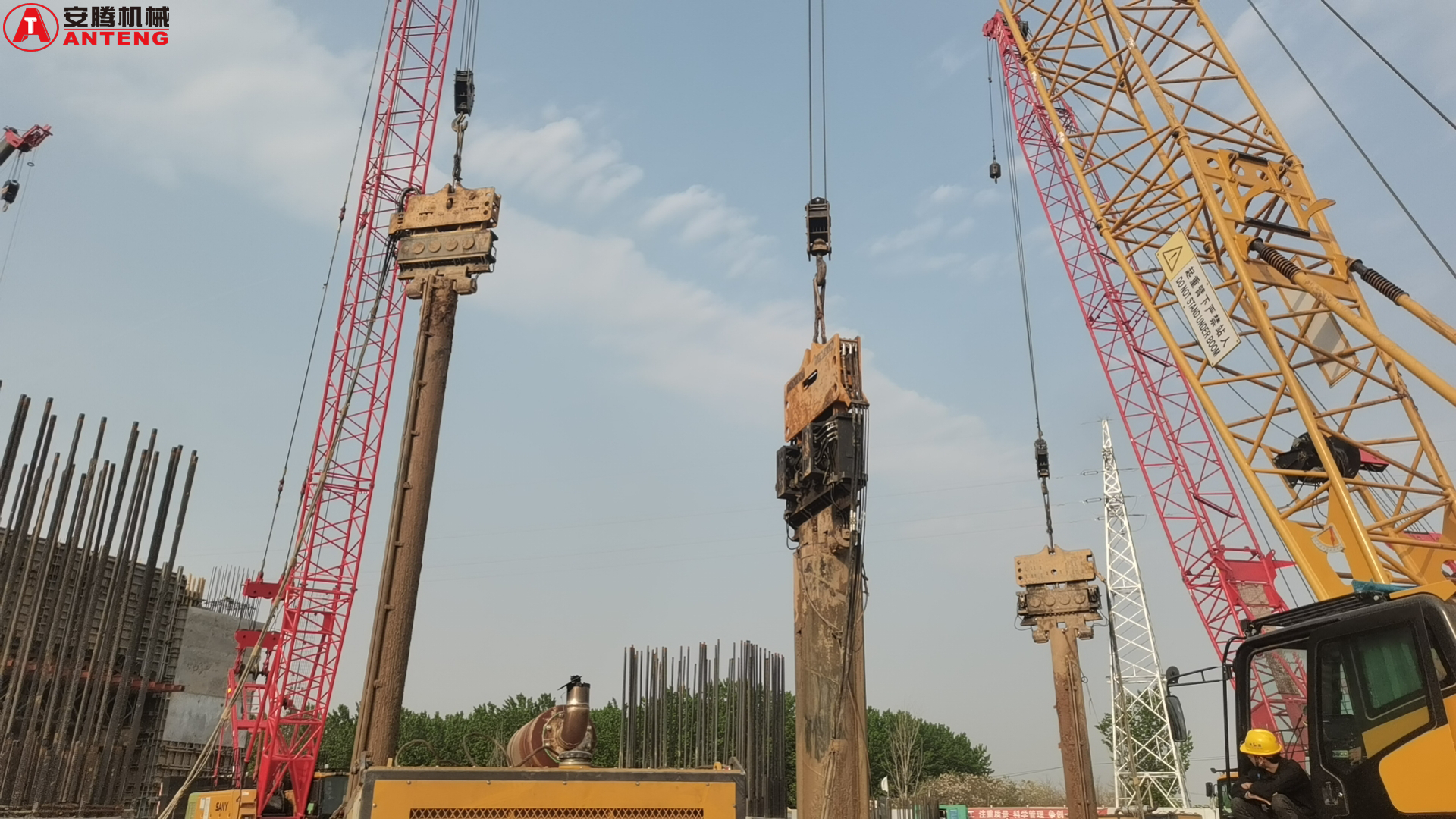
Evaluating piling machine performance for B2B construction projects requires a systematic approach that goes beyond basic specifications and vendor promises. The success of deep foundation work depends heavily on selecting equipment that can deliver consistent results while meeting project-specific requirements for soil conditions, load capacity, and operational efficiency. Understanding how to properly assess piling machine capabilities ensures project managers make informed decisions that minimize delays, reduce costs, and maintain quality standards throughout the construction process.
The evaluation process involves analyzing multiple performance metrics that directly impact project outcomes, including penetration rates, energy transfer efficiency, operational uptime, and adaptability to varying ground conditions. A comprehensive assessment considers not only the technical capabilities of the piling machine but also factors such as maintenance requirements, operator training needs, and long-term reliability. This thorough evaluation methodology helps construction firms avoid costly equipment failures and ensures optimal productivity throughout the project lifecycle.
Performance Metrics and Technical Assessment
Energy Transfer Efficiency and Penetration Rates
The energy transfer efficiency of a piling machine represents one of the most critical performance indicators for B2B projects. This metric measures how effectively the equipment converts input energy into useful driving force for pile installation. High-efficiency machines typically achieve better penetration rates while consuming less fuel, resulting in faster project completion and reduced operational costs. When evaluating a piling machine, request detailed specifications showing energy output per cycle and compare this against actual field performance data from similar projects.
Penetration rates vary significantly based on soil conditions, pile type, and machine specifications. A well-performing piling machine should demonstrate consistent penetration speeds across different ground conditions while maintaining precise control over pile placement. Document the machine's performance in various soil types, including clay, sand, rocky terrain, and mixed conditions. This data provides valuable insights into the equipment's versatility and helps predict performance on your specific project site.
Load Capacity and Structural Integrity
Load capacity evaluation involves assessing both the maximum driving force and the structural integrity of the piling machine under continuous operation. The equipment must handle the specified pile weights and driving requirements without experiencing structural stress or component failure. Review the manufacturer's load ratings and compare them against your project requirements, ensuring adequate safety margins for unexpected conditions or heavier pile specifications.
Structural integrity testing should include examination of the machine's frame, hydraulic systems, and attachment points. A reliable piling machine maintains its structural performance throughout extended operation periods without developing stress fractures, hydraulic leaks, or alignment issues. Request documentation of stress testing results and field performance history to verify the equipment's durability under demanding B2B project conditions.
Operational Efficiency and Productivity Analysis
Cycle Time Optimization
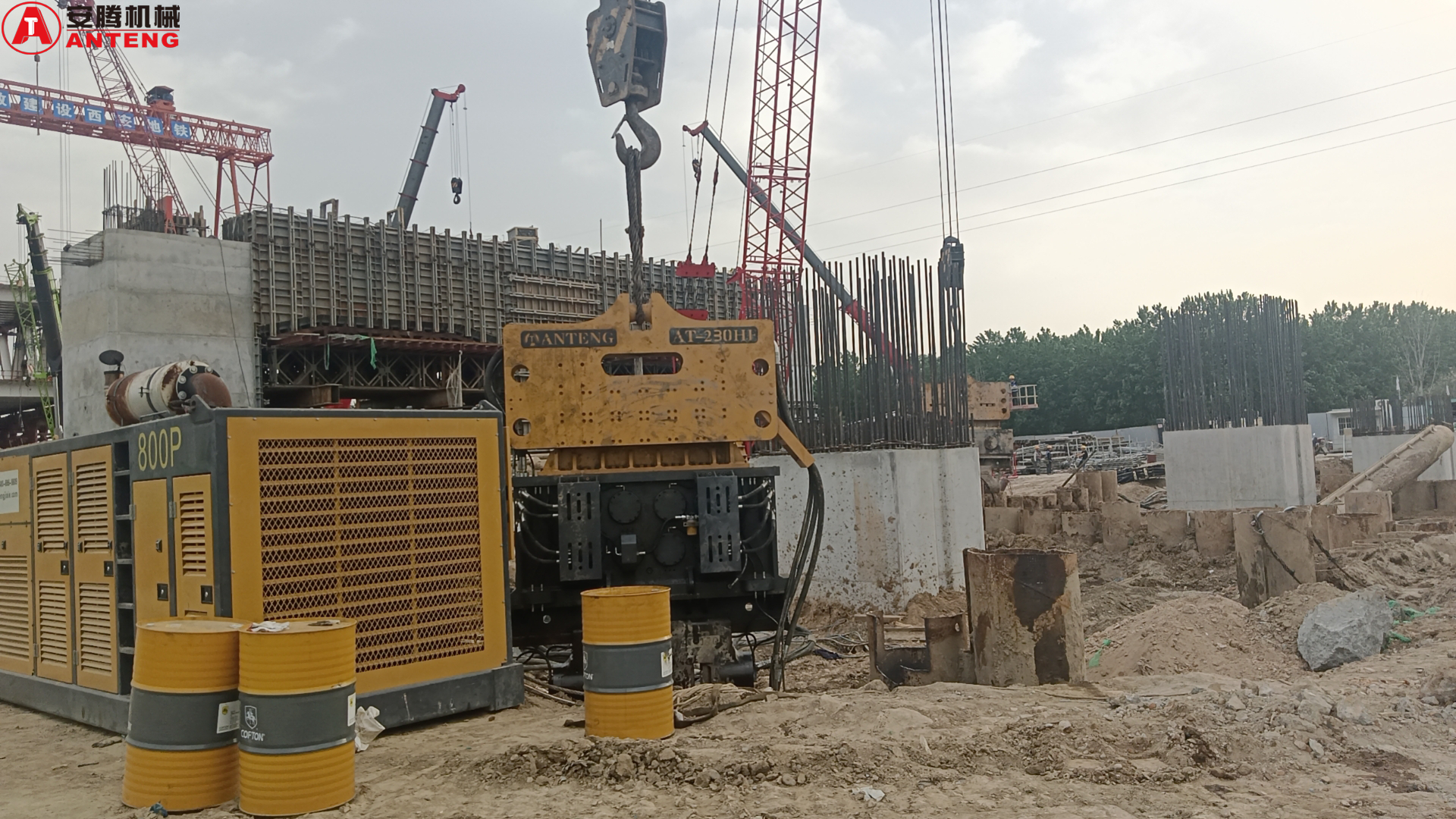
Cycle time analysis reveals how efficiently a piling machine completes each pile installation sequence from positioning to final driving. Optimal cycle times depend on machine design, operator skill, and site conditions. Evaluate the machine's setup time, actual driving duration, and repositioning speed to calculate overall productivity rates. Faster cycle times directly translate to reduced project duration and lower labor costs, making this metric essential for B2B project profitability.
Modern piling machine designs incorporate features that minimize cycle times through automated positioning systems, rapid attachment changes, and optimized hydraulic responses. When assessing equipment options, compare cycle time data from actual field operations rather than relying solely on theoretical specifications. Real-world performance data provides more accurate predictions of project timeline and helps identify potential bottlenecks in the installation process.
Fuel Consumption and Operating Costs
Fuel consumption patterns significantly impact the total cost of ownership for piling machine operations in B2B projects. Efficient machines optimize fuel usage through advanced engine management systems, variable hydraulic flow control, and intelligent power distribution. Evaluate fuel consumption data across different operating conditions to understand the machine's efficiency under varying workloads and environmental conditions.
Operating cost analysis should include fuel expenses, maintenance requirements, operator training costs, and spare parts availability. A comprehensive cost evaluation considers both immediate expenses and long-term ownership costs. High-performing piling machines often demonstrate superior fuel efficiency that offsets higher initial purchase or rental costs through reduced operational expenses throughout the project duration.
Site Adaptability and Versatility Assessment
Ground Condition Performance
Site-specific ground conditions significantly influence piling machine performance, requiring careful evaluation of the equipment's adaptability to various soil types and subsurface conditions. Different machines excel in specific ground conditions, with some designed for soft soils while others handle rocky or mixed terrain more effectively. Analyze the machine's performance data across soil types similar to your project site to ensure optimal equipment selection.
Ground condition adaptability involves assessing the machine's ability to maintain consistent performance despite variations in soil density, moisture content, and subsurface obstacles. A versatile piling machine adjusts its operating parameters automatically or allows operator control over driving force, frequency, and penetration speed. This adaptability ensures consistent pile installation quality regardless of changing ground conditions encountered during project execution.
Mobility and Positioning Capabilities
Mobility assessment examines how effectively the piling machine navigates project sites and positions itself for pile installation. Track-mounted machines offer superior stability and positioning accuracy on uneven terrain, while wheeled units provide faster transportation between work areas. Evaluate the machine's turning radius, ground pressure, and slope climbing ability to ensure compatibility with your project site constraints.
Positioning accuracy directly affects pile installation quality and project efficiency. Advanced piling machines incorporate GPS guidance systems, laser alignment tools, and automated positioning features that reduce setup time and improve installation precision. When evaluating positioning capabilities, consider the machine's ability to maintain accurate alignment during driving operations and its responsiveness to positioning adjustments throughout the installation process.
Reliability and Maintenance Requirements
Uptime Performance and Breakdown Analysis
Uptime performance represents a critical factor in piling machine evaluation for B2B projects where delays result in significant cost penalties. Reliable equipment maintains consistent operation with minimal unplanned downtime due to mechanical failures or maintenance requirements. Request uptime statistics from previous projects and analyze breakdown patterns to identify potential reliability issues that could impact your project timeline.
Breakdown analysis should examine both frequency and severity of equipment failures. Minor issues that require quick field repairs have less impact than major failures requiring extensive downtime for parts procurement and specialized repair services. A high-performing piling machine demonstrates consistent uptime across various project conditions with predictable maintenance intervals that can be planned around project schedules.
Maintenance Schedule and Support Requirements
Maintenance requirements directly influence the total cost of piling machine operations and project scheduling flexibility. Evaluate the manufacturer's recommended maintenance intervals, required service procedures, and parts availability to understand ongoing support needs. Machines with longer maintenance intervals and readily available parts offer better operational continuity for extended B2B projects.
Support requirements include access to qualified technicians, training programs for operators and maintenance staff, and emergency repair services. Comprehensive manufacturer support reduces equipment downtime and ensures optimal performance throughout the project lifecycle. When evaluating piling machine options, consider the manufacturer's service network, response times for technical support, and availability of training programs for your operational team.
Economic Impact and Return on Investment
Cost-Benefit Analysis Framework
Economic evaluation of piling machine performance requires a comprehensive cost-benefit analysis that considers both direct and indirect financial impacts. Direct costs include equipment purchase or rental fees, fuel consumption, maintenance expenses, and operator wages. Indirect costs encompass project delays, quality issues, and potential penalties associated with equipment performance failures. A thorough analysis weighs these costs against productivity gains and operational efficiencies achieved through superior equipment performance.
Return on investment calculations should account for the machine's impact on project timeline, quality outcomes, and overall operational efficiency. High-performing piling machines often justify higher initial costs through reduced project duration, lower operational expenses, and improved quality results. When comparing equipment options, calculate the net present value of each alternative considering both immediate costs and long-term financial benefits.
Risk Mitigation and Insurance Considerations
Risk assessment involves evaluating how piling machine performance affects project risk exposure and insurance requirements. Reliable equipment with proven performance records reduces the likelihood of delays, quality issues, and safety incidents that could result in financial penalties or increased insurance premiums. When evaluating machines, consider their safety features, compliance with industry standards, and track record for incident-free operation.
Insurance considerations include equipment coverage, liability protection, and project completion guarantees. Some insurance providers offer reduced premiums for projects using certified equipment with documented safety and reliability records. Factor these potential savings into your economic evaluation to understand the full financial impact of equipment selection decisions on your B2B project.
FAQ
What are the most important performance indicators when evaluating a piling machine for large-scale B2B projects?
The most critical performance indicators include energy transfer efficiency, penetration rates across different soil conditions, cycle time optimization, fuel consumption patterns, uptime reliability, and adaptability to site-specific requirements. These metrics directly impact project timeline, costs, and quality outcomes. Focus on documented field performance data rather than theoretical specifications to make informed decisions.
How do soil conditions affect piling machine performance evaluation?
Soil conditions significantly influence piling machine effectiveness, with different equipment types performing better in specific ground conditions. Evaluate the machine's documented performance in soil types similar to your project site, including clay, sand, rocky terrain, and mixed conditions. Consider the equipment's adaptability features such as variable driving force, frequency adjustment, and penetration control capabilities.
What maintenance factors should be considered when evaluating piling machine performance?
Key maintenance factors include scheduled maintenance intervals, parts availability, service network accessibility, technician training requirements, and historical breakdown patterns. Evaluate the manufacturer's support infrastructure, response times for technical assistance, and comprehensive training programs. Longer maintenance intervals and readily available parts contribute to better operational continuity and reduced total ownership costs.
How can I verify the reliability claims of piling machine manufacturers?
Verify reliability claims by requesting detailed performance data from similar projects, contacting previous customers for references, reviewing third-party testing results, and examining warranty terms and service agreements. Focus on uptime statistics, breakdown frequency analysis, and documentation of actual field performance rather than theoretical capabilities. Independent verification through industry associations or testing organizations provides additional credibility to manufacturer claims.
Table of Contents
- Performance Metrics and Technical Assessment
- Operational Efficiency and Productivity Analysis
- Site Adaptability and Versatility Assessment
- Reliability and Maintenance Requirements
- Economic Impact and Return on Investment
-
FAQ
- What are the most important performance indicators when evaluating a piling machine for large-scale B2B projects?
- How do soil conditions affect piling machine performance evaluation?
- What maintenance factors should be considered when evaluating piling machine performance?
- How can I verify the reliability claims of piling machine manufacturers?