
 EN
EN

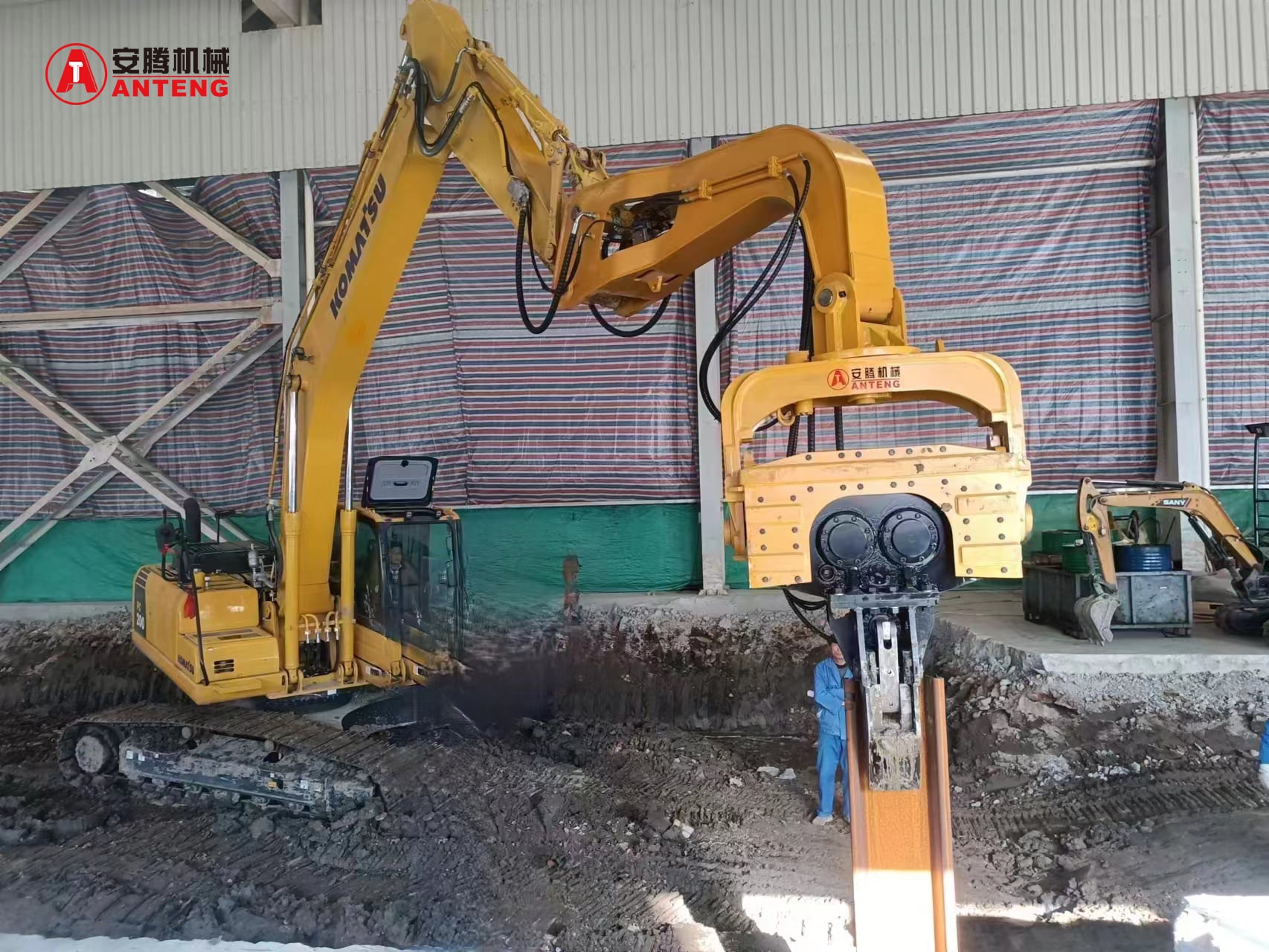
Proper maintenance of an excavator vibro hammer during active use requires systematic attention to critical components that experience intense operational stress. Understanding the specific maintenance protocols that protect these specialized pile driving attachments ensures optimal performance, prevents costly breakdowns, and extends equipment lifespan in demanding construction environments.
The maintenance requirements for an excavator vibro hammer differ significantly from standard excavator attachments due to the high-frequency vibrations, hydraulic pressures, and continuous mechanical stress involved in pile driving operations. These specialized tools demand proactive maintenance strategies that address both immediate operational needs and long-term component preservation to maintain reliable performance throughout intensive construction projects.
Daily Pre-Operation Inspection Procedures
Visual Component Assessment
Every operational day begins with comprehensive visual inspection of the excavator vibro hammer assembly, focusing on external components that indicate internal condition. Operators must examine all visible hydraulic lines for signs of wear, cracking, or fluid seepage that could compromise performance during pile driving operations. The inspection should include careful examination of mounting brackets, connection points, and structural welds for any signs of stress fractures or metal fatigue.
The eccentric weight housing requires particular attention during daily inspections, as vibration-induced loosening of securing bolts can occur during intensive use. Check all accessible fasteners for proper tightness and look for any unusual wear patterns on the housing exterior that might indicate internal component misalignment or excessive vibration transmission to the excavator vibro hammer frame.
Grease points and lubrication fittings should be visually inspected for proper sealing and adequate grease coverage, as these critical maintenance points protect bearing assemblies and rotating components from contamination and premature wear during continuous operation cycles.
Hydraulic System Verification
The hydraulic system powering the excavator vibro hammer requires daily verification to ensure optimal fluid levels, proper pressure ratings, and clean hydraulic oil condition. Begin each operational period by checking hydraulic reservoir levels in the base excavator, as the vibro hammer attachment typically draws significant hydraulic flow that can stress the primary hydraulic system.
Hydraulic filter condition becomes critical when operating an excavator vibro hammer, as contaminated fluid can damage sensitive internal components and reduce operational efficiency. Daily inspection should include checking for any signs of hydraulic fluid contamination, unusual odors, or temperature variations that indicate system stress or component wear.
Verify that all hydraulic quick-connect couplers are properly seated and locked, as vibration can gradually loosen these connections during operation. Test the excavator vibro hammer activation and deactivation cycles before beginning pile driving work to ensure smooth hydraulic response and proper system pressure buildup.
Lubrication and Fluid Management Protocols
Bearing and Rotation Point Maintenance
The rotating components within an excavator vibro hammer require frequent lubrication to withstand the intense operational stresses of pile driving applications. Establish a regular greasing schedule that addresses all accessible lubrication points, with particular emphasis on eccentric weight bearings and drive shaft assemblies that experience continuous high-speed rotation under load.
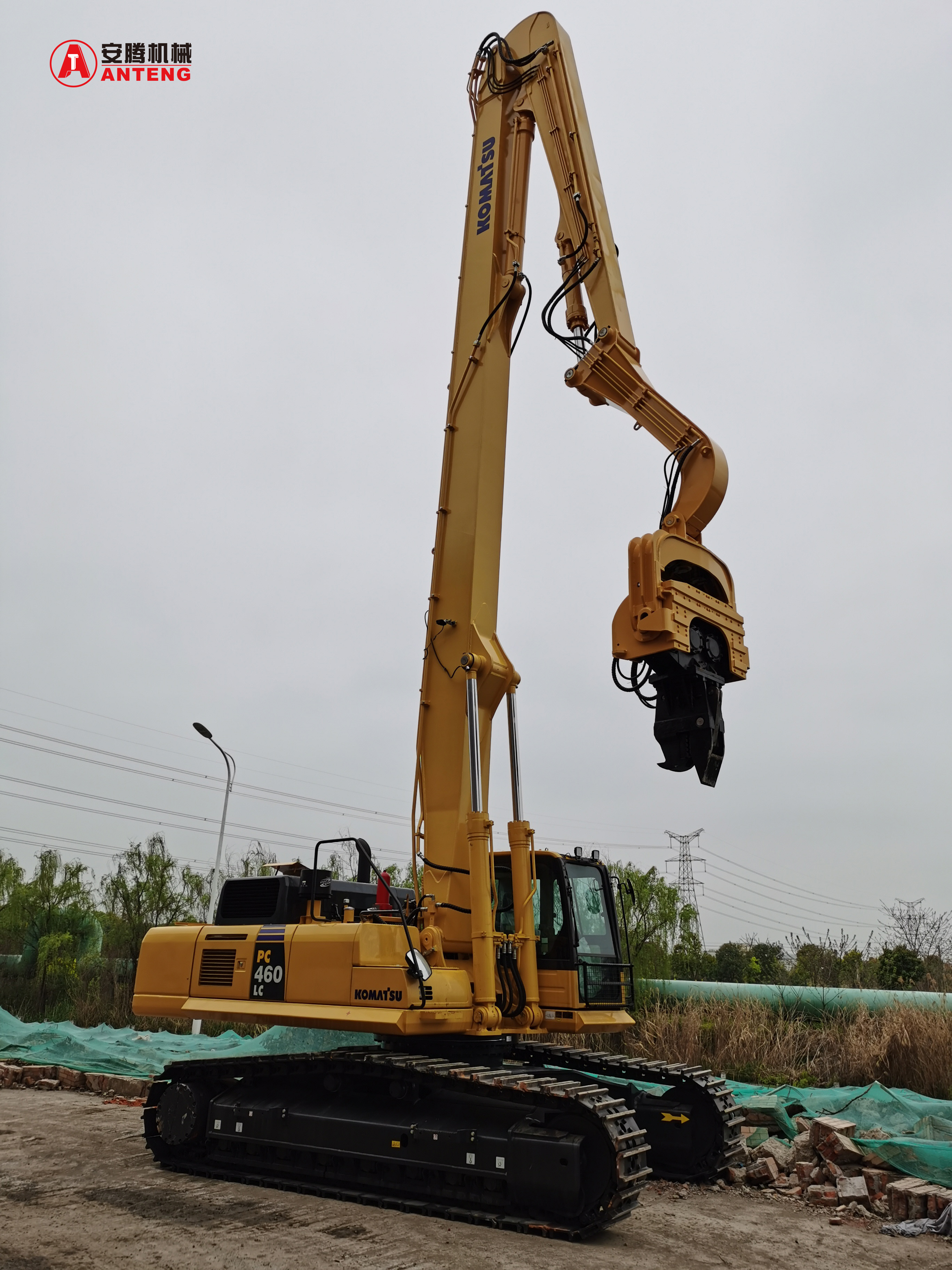
Use only manufacturer-specified grease grades that can withstand the temperature ranges and mechanical stresses generated during excavator vibro hammer operation. High-temperature, heavy-duty bearing grease with excellent adhesion properties ensures continued protection even under extreme operational conditions typical in pile driving applications.
Monitor grease consumption patterns to identify potential bearing wear or seal degradation before these issues cause major component failures. Increased grease consumption or unusual consistency changes in expelled grease can indicate internal wear that requires immediate attention to prevent costly excavator vibro hammer repairs.
Hydraulic Fluid Condition Management
Maintaining optimal hydraulic fluid condition is essential for reliable excavator vibro hammer performance, as contaminated or degraded fluid can cause rapid component wear and system failures. Implement regular hydraulic fluid sampling and analysis to monitor contamination levels, additive depletion, and overall fluid condition throughout operational periods.
Temperature monitoring of hydraulic fluid becomes particularly important during intensive pile driving operations, as overheated fluid can lose its protective properties and cause accelerated component wear. Install temperature monitoring systems where possible and establish operational limits that prevent fluid overheating during extended excavator vibro hammer use.
Filter replacement schedules should be accelerated when operating an excavator vibro hammer due to increased system stress and higher contamination generation rates typical in pile driving environments. Monitor filter condition indicators closely and replace filters proactively to maintain system cleanliness.
Component Wear Monitoring and Prevention
Vibration-Related Wear Assessment
The intense vibrations generated by an excavator vibro hammer create unique wear patterns that require specialized monitoring approaches to prevent catastrophic failures. Establish baseline measurements for component clearances, bolt torque specifications, and alignment parameters when the equipment is new, then track changes over time to identify wear trends before they become critical.
Eccentric weight assemblies within the excavator vibro hammer experience tremendous centrifugal forces that can cause gradual component loosening and wear. Implement regular torque verification schedules for all critical fasteners, with particular attention to eccentric weight mounting bolts and housing assembly fasteners that secure the vibration-generating components.
Vibration transmission to the excavator chassis should be monitored to ensure that mounting systems remain properly isolated and cushioned. Excessive vibration transfer can indicate worn isolation mounts or misaligned components within the excavator vibro hammer assembly that require immediate corrective action.
Mechanical Component Protection
Protecting mechanical components from contamination and environmental damage requires proactive maintenance strategies tailored to the demanding conditions typical in pile driving operations. Seal integrity becomes critical for preventing abrasive particles and moisture from entering sensitive bearing assemblies and lubricated components within the excavator vibro hammer.
Implement regular cleaning protocols that remove accumulated debris, concrete residue, and other contaminants that can accelerate component wear or interfere with proper operation. Pay particular attention to areas around seal interfaces and bearing housings where contamination can cause the most damage to internal components.
Component replacement schedules should be based on actual wear measurements rather than arbitrary time intervals, as excavator vibro hammer usage varies significantly depending on soil conditions, pile types, and operational intensity. Develop wear measurement procedures that can accurately assess component condition and predict remaining service life.
Operational Stress Management
Load Cycle Optimization
Managing operational stress on an excavator vibro hammer requires understanding the relationship between pile driving parameters and equipment longevity. Optimize vibration frequency and amplitude settings based on soil conditions and pile requirements to achieve effective driving performance while minimizing unnecessary stress on mechanical components.
Implement warm-up procedures that gradually increase excavator vibro hammer operational intensity, allowing hydraulic fluid to reach optimal temperature and component clearances to stabilize before full-power operation. This approach reduces thermal shock and mechanical stress that can contribute to premature component failures.
Monitor operational cycles to ensure adequate cool-down periods between intensive pile driving sessions, allowing components to return to normal temperature ranges and reducing accumulated thermal stress. Extended continuous operation without proper cooling intervals can significantly reduce excavator vibro hammer component lifespan.
Environmental Protection Measures
Environmental conditions significantly impact excavator vibro hammer maintenance requirements, with factors like temperature extremes, humidity, and abrasive particles affecting component longevity and performance reliability. Develop environmental protection protocols that address specific site conditions and seasonal variations that could impact equipment performance.
Corrosion prevention becomes particularly important in coastal environments or areas with high humidity, requiring enhanced cleaning procedures and protective coating maintenance. Regular inspection and touch-up of protective coatings helps prevent corrosion from compromising structural integrity of excavator vibro hammer components.
Dust and debris management requires systematic approaches that prevent contamination from reaching critical components while maintaining operational accessibility. Implement covers, shields, and cleaning procedures that protect sensitive areas without interfering with necessary maintenance access or operational requirements.
FAQ
How often should hydraulic fluid be changed in an excavator vibro hammer system?
Hydraulic fluid change intervals for excavator vibro hammer applications should typically be reduced by 25-50% compared to standard excavator maintenance schedules due to increased system stress. Monitor fluid condition through regular sampling and analysis, but generally plan for fluid changes every 500-750 operational hours depending on environmental conditions and operational intensity.
What are the most critical lubrication points requiring daily attention?
The most critical daily lubrication points include eccentric weight bearings, drive shaft assemblies, and any accessible pivot points or sliding surfaces. These components experience continuous high-speed operation under load and require consistent lubrication to prevent premature wear and costly failures during pile driving operations.
How can operators identify early signs of excavator vibro hammer component wear?
Early wear indicators include increased vibration transmission to the excavator chassis, unusual noises during operation, changes in hydraulic pressure requirements, excessive heat generation, and visible wear patterns on external components. Regular performance monitoring and baseline comparisons help identify gradual changes that indicate developing maintenance needs.
What maintenance records should be kept for excavator vibro hammer operations?
Comprehensive maintenance records should include daily inspection checklists, lubrication schedules and completion records, hydraulic fluid analysis results, component wear measurements, operational hours and cycles, environmental conditions, and any unusual events or performance changes. These records help establish maintenance patterns and predict future service requirements.
Table of Contents
- Daily Pre-Operation Inspection Procedures
- Lubrication and Fluid Management Protocols
- Component Wear Monitoring and Prevention
- Operational Stress Management
-
FAQ
- How often should hydraulic fluid be changed in an excavator vibro hammer system?
- What are the most critical lubrication points requiring daily attention?
- How can operators identify early signs of excavator vibro hammer component wear?
- What maintenance records should be kept for excavator vibro hammer operations?