
 EN
EN

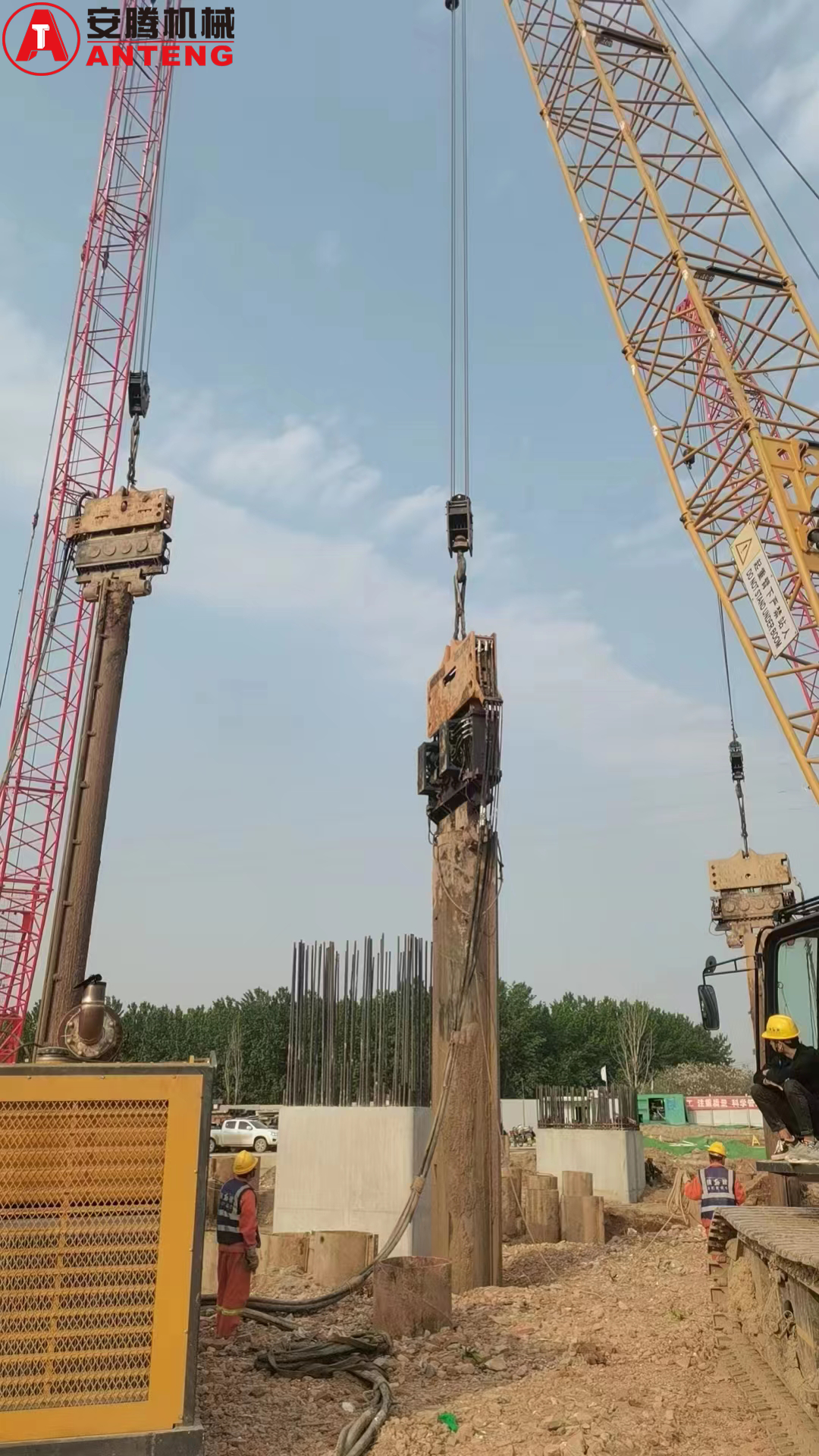
Large-scale construction projects demand robust foundation systems capable of supporting immense structural loads while maintaining stability across diverse soil conditions. The success of these ambitious endeavors relies heavily on specialized equipment that can drive deep foundation elements efficiently and precisely, ensuring the structural integrity of towering skyscrapers, expansive industrial complexes, and critical infrastructure projects.
A piling machine serves as the cornerstone equipment in establishing these essential deep foundations by mechanically installing piles through various soil layers until they reach stable bearing strata. This sophisticated machinery transforms construction timelines and project feasibility by providing the necessary force, precision, and efficiency required to create foundation systems that can support the enormous loads characteristic of modern large-scale construction projects.
Foundation Load Transfer Mechanisms
Vertical Load Distribution Principles
The primary function of a piling machine in large-scale construction revolves around creating foundation elements that effectively transfer vertical loads from superstructures to competent soil layers or bedrock. When a piling machine drives piles into the ground, it establishes a direct load path that bypasses weak surface soils and distributes structural loads to deeper, more stable geological formations.
This load transfer mechanism becomes critical in large-scale projects where building loads can exceed thousands of tons per square meter. The piling machine ensures that each pile achieves adequate penetration depth and proper embedment to develop sufficient end-bearing capacity and side friction resistance, creating a foundation system capable of supporting these massive loads without excessive settlement.
Modern construction projects often require pile groups working collectively to support concentrated loads from columns, walls, and heavy equipment. The piling machine's precision in pile placement allows engineers to design optimized pile layouts that distribute loads evenly across the foundation system, preventing stress concentrations that could lead to differential settlement or structural failure.
Lateral Stability Enhancement
Beyond vertical load support, a piling machine contributes to large-scale construction by installing piles that provide lateral stability against horizontal forces such as wind loads, seismic forces, and earth pressures. The deep embedment achieved through mechanical pile driving creates foundation elements with substantial lateral resistance capabilities.
Large-scale structures experience significant lateral forces that surface foundations cannot adequately resist. The piling machine enables the installation of pile foundations that extend well below the zone of seasonal moisture variation and frost penetration, anchoring the structure to stable soil layers that provide reliable lateral support throughout the building's service life.
The installation process employed by a piling machine also densifies surrounding soils through vibration and displacement, further enhancing the lateral resistance of the foundation system. This soil improvement effect extends beyond individual pile locations, creating a zone of enhanced soil properties that benefits the overall foundation performance.
Construction Efficiency and Project Acceleration
High-Volume Installation Capabilities
Large-scale construction projects typically require hundreds or thousands of foundation piles, making installation efficiency a critical factor in project success. A modern piling machine can install multiple piles per day, dramatically accelerating foundation construction compared to manual or less mechanized methods.
The mechanical advantage provided by a piling machine allows continuous operation throughout normal working hours, maintaining consistent installation rates regardless of soil conditions or pile dimensions. This reliability enables construction managers to develop accurate project schedules and meet critical construction milestones essential for large-scale project delivery.
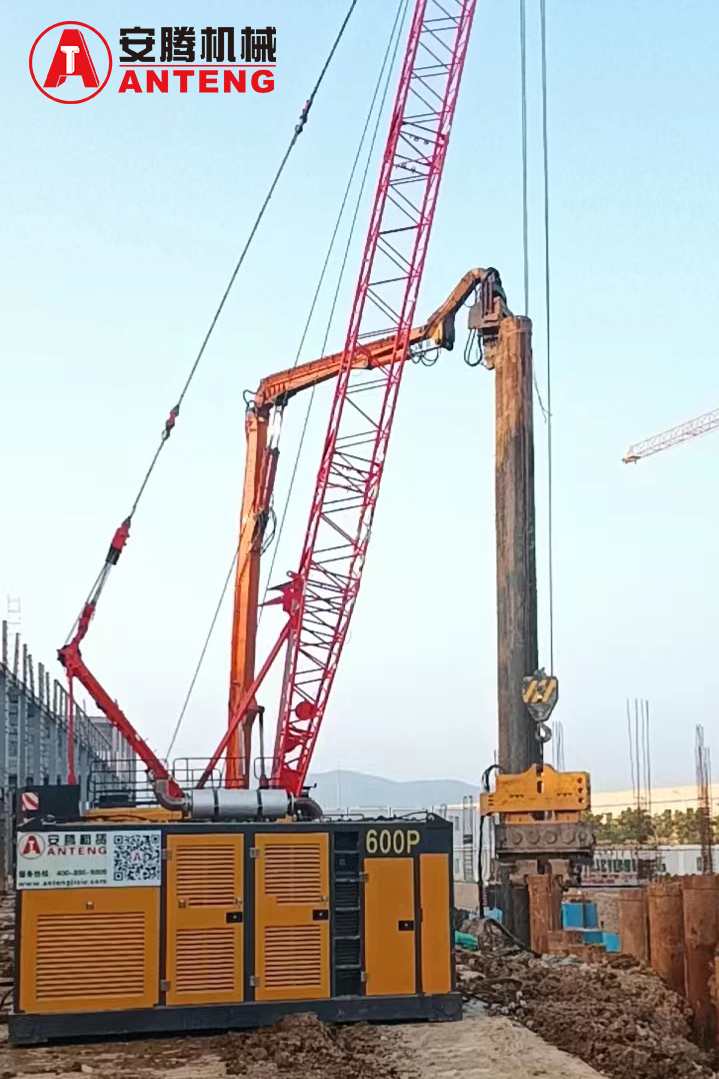
Advanced piling machine systems incorporate automated controls and monitoring systems that optimize installation parameters in real-time, ensuring each pile meets design requirements while maximizing installation speed. This technological integration reduces the variability often associated with manual construction methods, providing predictable progress rates essential for managing complex construction sequences.
Quality Control and Installation Precision
The precision capabilities of a piling machine become increasingly important as project scale increases, where small deviations in pile placement can accumulate into significant structural alignment issues. Modern piling machine systems incorporate GPS guidance and laser alignment systems that ensure accurate pile positioning within tight tolerances required for large-scale construction.
Real-time monitoring capabilities built into contemporary piling machine systems track installation parameters such as driving resistance, penetration rate, and pile verticality throughout the installation process. This continuous quality monitoring enables immediate identification and correction of potential installation issues before they impact subsequent construction activities.
The documentation capabilities of modern piling machine systems provide comprehensive installation records that support quality assurance programs and regulatory compliance requirements common in large-scale construction projects. These detailed records demonstrate foundation integrity and support long-term structural performance validation.
Soil Condition Adaptability
Variable Ground Condition Management
Large-scale construction sites often encompass diverse geological conditions that present varying challenges for foundation installation. A versatile piling machine can adapt its operation to handle different soil types, from soft clays and loose sands to dense gravels and weathered rock formations, ensuring consistent foundation performance across the entire project site.
The ability of a piling machine to adjust driving energy, frequency, and installation technique based on encountered soil conditions enables successful pile installation where other foundation methods might fail or require extensive ground improvement. This adaptability reduces project risks associated with unknown subsurface conditions and provides construction teams with reliable foundation solutions regardless of geological variability.
Modern piling machine systems incorporate intelligent control systems that automatically optimize installation parameters based on real-time feedback from pile driving resistance and penetration rate measurements. This adaptive capability ensures optimal pile performance while minimizing installation time and equipment wear.
Deep Foundation Installation in Challenging Environments
Large-scale construction often occurs in challenging environments where conventional foundation methods prove inadequate or impractical. A piling machine enables deep foundation installation in areas with high water tables, contaminated soils, or limited access conditions that would otherwise compromise project feasibility.
The mechanical power and precision of a piling machine allows installation through multiple soil layers with varying properties, ensuring pile tips reach competent bearing strata regardless of surface condition complexity. This capability proves essential for large-scale projects constructed on reclaimed land, brownfield sites, or areas with significant soil variability.
Specialized piling machine configurations can operate in restricted access areas, tight construction sites, and environments with overhead obstructions, expanding the range of locations suitable for large-scale construction development. This versatility enables urban renewal projects and development in previously unusable areas.
Economic Impact and Cost Optimization
Foundation Cost Efficiency
The economic support provided by a piling machine in large-scale construction extends beyond installation efficiency to encompass overall project cost optimization. By enabling the use of deep foundation systems, a piling machine often eliminates the need for expensive ground improvement techniques or extensive excavation and backfill operations required for shallow foundation alternatives.
Large-scale projects benefit from the economies of scale achievable through mechanized pile installation, where the fixed costs of piling machine mobilization and setup are distributed across numerous pile installations. This cost distribution mechanism makes deep foundation systems economically viable for projects where foundation costs represent a significant portion of total construction budgets.
The predictable installation rates and quality outcomes associated with modern piling machine operations reduce project risk premiums and enable more competitive construction pricing. This cost certainty supports project financing and enables developers to pursue larger, more ambitious construction projects with confidence in foundation cost control.
Long-Term Value Creation
A piling machine contributes to long-term project value by enabling foundation systems with extended service lives and minimal maintenance requirements. The deep embedment and superior load-bearing characteristics of machine-installed piles provide foundation systems capable of supporting future building modifications, equipment upgrades, and adaptive reuse scenarios common in large-scale construction.
The superior foundation performance achieved through proper piling machine installation reduces long-term settlement risks and structural maintenance costs, protecting the substantial investments characteristic of large-scale construction projects. This performance reliability supports higher building valuations and improved return on investment for development projects.
Modern piling machine systems incorporate environmental considerations that support sustainable construction practices, including reduced material waste, minimized site disturbance, and optimized energy utilization during installation. These environmental benefits align with green building certification requirements increasingly important for large-scale commercial and institutional projects.
FAQ
What types of piles can a piling machine install for large-scale construction?
A piling machine can install various pile types including driven steel piles, precast concrete piles, timber piles, and composite piles depending on project requirements and site conditions. The choice depends on load requirements, soil conditions, environmental factors, and project specifications, with modern piling machines capable of handling pile diameters from small residential applications to large-diameter piles exceeding 24 inches for heavy industrial construction.
How deep can a piling machine drive piles for major construction projects?
Modern piling machines can achieve depths ranging from 30 feet for typical building foundations to over 200 feet for major infrastructure projects, bridges, and high-rise construction. The achievable depth depends on soil conditions, pile type, machine specifications, and project requirements, with specialized equipment capable of reaching even greater depths for unique applications such as offshore structures or deep foundation systems in challenging geological conditions.
What factors determine piling machine selection for large-scale projects?
Piling machine selection depends on pile type and size requirements, soil conditions, site accessibility, environmental restrictions, production rate needs, and project budget constraints. Large-scale projects often require machines with high driving energy, precise positioning capabilities, and efficient operation cycles to meet demanding installation schedules while maintaining quality standards and environmental compliance.
How does a piling machine ensure pile installation quality in large projects?
Modern piling machines incorporate real-time monitoring systems that track driving resistance, penetration rate, pile alignment, and installation energy throughout the process. These systems provide immediate feedback on pile performance, detect potential installation issues, and generate comprehensive documentation supporting quality assurance programs essential for large-scale construction projects requiring high reliability and regulatory compliance.
Table of Contents
- Foundation Load Transfer Mechanisms
- Construction Efficiency and Project Acceleration
- Soil Condition Adaptability
- Economic Impact and Cost Optimization
-
FAQ
- What types of piles can a piling machine install for large-scale construction?
- How deep can a piling machine drive piles for major construction projects?
- What factors determine piling machine selection for large-scale projects?
- How does a piling machine ensure pile installation quality in large projects?