
 EN

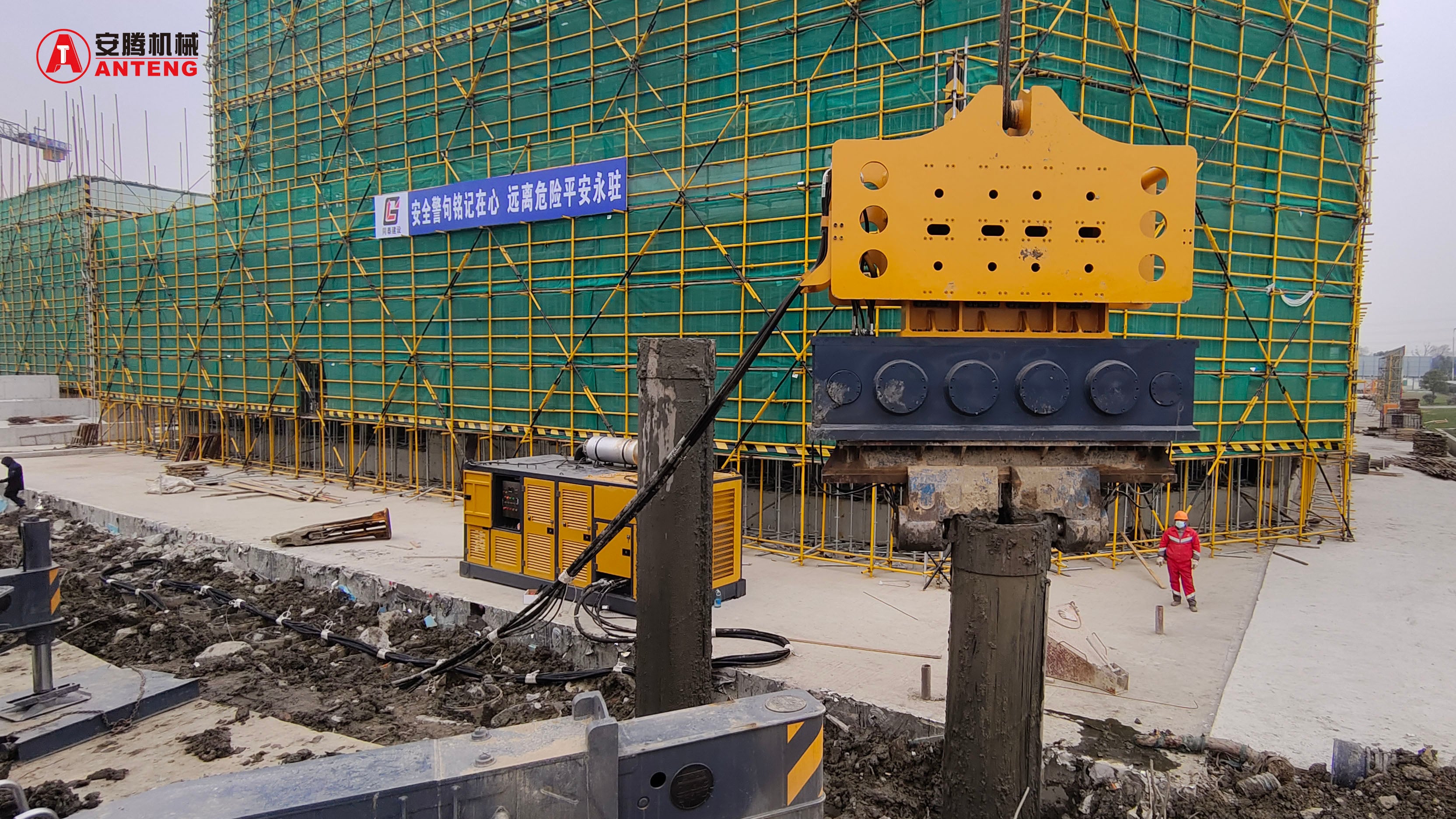
A pile hammer is a critical piece of heavy construction equipment designed to drive piles deep into the ground for foundation work. When a pile hammer operates on job sites, it endures extreme physical stress, repetitive impact forces, and harsh environmental conditions that can rapidly degrade essential components. Without proper maintenance checks, a pile hammer can develop hydraulic leaks, structural cracks, and mechanical failures that not only reduce productivity but pose serious safety hazards to equipment operators and nearby workers. Regular maintenance checks keep a pile hammer operating safely by identifying wear patterns early, preventing catastrophic breakdowns, and ensuring all safety systems function as designed. Construction site managers and equipment operators must understand which maintenance inspections matter most and how frequently these checks should occur to protect both personnel and capital investment.
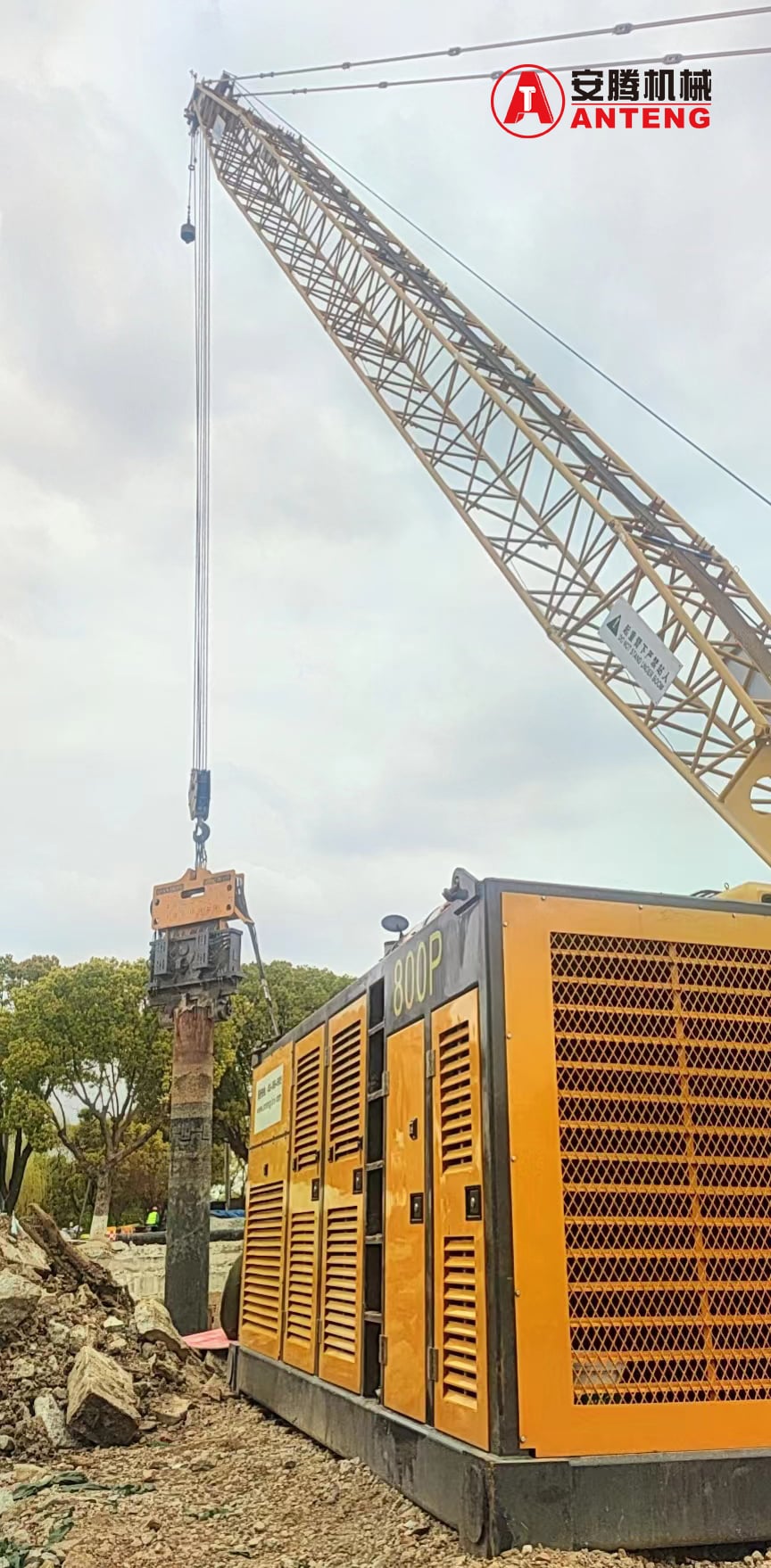
Operating a pile hammer safely requires a structured maintenance program that addresses hydraulic systems, mechanical linkages, electrical components, and structural integrity. Each type of pile hammer—whether vibratory, diesel, or hydraulic—has specific maintenance demands that directly impact equipment longevity and workplace safety. By implementing a comprehensive maintenance schedule, site managers can reduce unplanned downtime, extend the operational life of the pile hammer, and create a safer working environment for all personnel involved in pile driving operations.
Hydraulic System Inspections for Pile Hammer Performance
Fluid Level and Quality Monitoring
The hydraulic system is the heart of any modern pile hammer. Checking hydraulic fluid levels on your pile hammer should occur before every shift and after extended operation periods. Low fluid levels in a pile hammer indicate potential leaks that can compromise driving force and create pressure imbalances. Beyond level checks, the condition of hydraulic fluid in your pile hammer determines whether seals, cylinders, and pumps remain protected from contamination and corrosion. Discolored or milky hydraulic fluid suggests water infiltration, which dramatically accelerates internal wear in a pile hammer. Technicians should extract fluid samples periodically to test viscosity and particle contamination levels, ensuring the pile hammer maintains optimal hydraulic performance. Dark, burnt-smelling fluid signals extreme temperatures inside the system, requiring immediate investigation before operating the pile hammer further.
Hose and Seal Integrity Assessment
Hydraulic hoses on a pile hammer experience constant flexing, pressure cycling, and temperature fluctuations that eventually cause rubber degradation and micro-fractures. Inspecting every visible hose on your pile hammer for cracks, bulges, or weeping seals prevents catastrophic failures during operation. Cracked fittings on a pile hammer create spray patterns that contaminate the work area and reduce system efficiency, forcing the equipment to work harder and generating excess heat. Seal degradation around cylinders and pumps on a pile hammer allows fluid to escape gradually, reducing the pressure needed for consistent pile driving impact. A thorough monthly inspection of all hydraulic connections on your pile hammer, combined with prompt replacement of damaged hoses, prevents most pressure-related breakdowns and extends component life by years.
Structural and Mechanical Integrity Verification
Frame Crack Detection and Weld Assessment
The structural frame of a pile hammer absorbs repeated impact forces that create micro-stress and eventually visible cracks if left unchecked. Visual inspection of the entire frame of a pile hammer should occur monthly, looking particularly at corners, connection points, and areas near the driving head where stress concentrates. Cracks in a pile hammer frame compromise load distribution and can spread rapidly under continued operation, risking complete structural failure. Advanced operators use dye penetrant testing or ultrasonic methods to detect hidden cracks in a pile hammer before they become safety threats. Welded joints on a pile hammer require special attention because vibration and impact can cause welds to crack or separate gradually, weakening the bond between frame sections. Any visible crack or suspicious discoloration at weld lines on a pile hammer warrants professional inspection and repair before resuming operation.
Impact Head and Striking Surface Wear
The striking surface of a pile hammer experiences the most direct impact force and therefore suffers accelerated wear compared to other components. Inspection of a pile hammer's striking surface should occur every 50 to 100 operating hours, checking for pitting, flattening, or uneven wear patterns that reduce driving efficiency. A worn striking surface on a pile hammer creates glancing blows rather than direct impact, scattering force sideways and reducing penetration depth. Uneven wear on a pile hammer indicates misalignment with the pile, a condition that compounds over time and eventually damages the guide system. Replacement or resurfacing of the striking element on a pile hammer restores efficiency and prevents secondary damage to the pile and pile hammer drive mechanism. Operators must also check that the striking head remains properly secured to the main shaft of the pile hammer, as loose fasteners cause dangerous vibration and unpredictable impact behavior.
Safety Systems and Alignment Maintenance
Guide and Alignment System Checks
Proper alignment of a pile hammer with the pile it strikes is fundamental to safe and efficient operation. The guide system that maintains vertical alignment in a pile hammer must be inspected monthly for bent rails, worn bushings, or loose fasteners that compromise stability. Misalignment in a pile hammer causes the driving head to strike the pile at angles, creating lateral forces that can tip the entire rig or damage the pile. Contamination of guide rails on a pile hammer—such as mud, sand, or debris—increases friction and allows the equipment to drift during operation. Cleaning guide rails and lubricating pivot points on your pile hammer according to manufacturer specifications ensures smooth vertical travel and accurate impact delivery. Any resistance or grinding sensation when raising or lowering the hammer head on your pile hammer signals guide system trouble requiring immediate investigation.
Safety Lockout and Control System Testing
Emergency shutdown systems and safety lockouts on a pile hammer must function reliably to protect operators from unexpected equipment movement. Testing the emergency stop button on a pile hammer should occur before each shift, confirming that the hydraulic system pressurizes and depressurizes as designed. Faulty electrical switches or valve failures affecting a pile hammer's control system can prevent emergency shutdown, creating serious injury risk. Control cable condition on a pile hammer requires regular inspection, looking for fraying, binding, or corrosion that could delay emergency response. The operator platform on a pile hammer should be checked for secure handholds, clear sightlines, and unobstructed emergency exit routes. A pile hammer cannot be considered safe to operate if communication systems between the driver and spotters malfunction or control response times become sluggish during testing.
Engine and Power Source Maintenance
Diesel Engine or Motor Condition Assessment
If your pile hammer operates with a diesel engine, fuel system cleanliness and engine compression become critical maintenance points. Checking fuel filters on a pile hammer every 100 operating hours prevents contaminated fuel from damaging injection systems and reducing power. Engine oil analysis from a pile hammer reveals bearing wear, coolant contamination, and fuel dilution that indicate developing mechanical problems before they become expensive failures. Air filters on a pile hammer must remain clean because dirty intake air reduces combustion efficiency and forces the engine to work harder, generating excessive wear on your pile hammer. Spark plug condition in electric or smaller-engine pile hammers should be verified to ensure reliable starting and consistent power delivery. An underperforming pile hammer engine often stems from simple maintenance oversights like clogged fuel lines or degraded oil viscosity that technicians can correct during routine service.
Belt, Pulley, and Coupling Inspection
Power transmission components on a pile hammer, including belts, pulleys, and flexible couplings, must remain properly tensioned and aligned to transfer maximum force efficiently. Belt slippage on a pile hammer indicates wear that reduces strike power and creates heat buildup potentially damaging a pile hammer's motor or pump. Cracked or frayed belts on your pile hammer should be replaced immediately, as complete belt failure during operation leaves the driver unable to control pile hammer movement. Bearing noise or wobbling in pulley systems on a pile hammer signals insufficient lubrication or mechanical wear requiring professional service. Flexible couplings connecting the motor to the pump on your pile hammer should be inspected for cracks or deformation that allow shaft misalignment and vibration. Regular lubrication schedules for a pile hammer's power transmission system, as specified by manufacturers, prevent premature component failure and maintain consistent driving force.
FAQ
How often should a pile hammer undergo complete professional inspection?
A pile hammer should receive comprehensive professional inspection at least twice per year or every 500 operating hours, whichever comes first. Monthly visual inspections by trained operators catch immediate concerns, but certified technicians possess specialized tools and expertise to detect hidden cracks, seal degradation, and alignment issues that jeopardize a pile hammer. Construction companies operating pile hammers in demanding conditions should consider quarterly inspections to maintain the highest safety standards and extend equipment lifespan significantly.
What are the most dangerous warning signs that a pile hammer requires immediate service?
A pile hammer showing visible cracks in the frame, unusual sounds during operation, loss of striking power, or difficulty controlling vertical movement requires immediate removal from service. Any leak of hydraulic fluid from a pile hammer connections or unexpected temperature increases indicate serious problems affecting a pile hammer's reliability and safety. Operators should never attempt to work around these issues; instead, they must cease operation and arrange professional inspection before resuming work with the pile hammer to protect personnel and prevent catastrophic equipment failure.
Can operators perform routine maintenance on a pile hammer, or must technicians handle all service work?
Operators can and should perform routine maintenance on a pile hammer, including fluid level checks, filter changes, cleaning guide rails, and visual inspections for obvious damage or wear. However, hydraulic system repairs, structural welding, or alignment adjustments on a pile hammer require certified technician expertise and specialized equipment to ensure safe, reliable performance. Construction sites benefit from establishing clear protocols identifying which maintenance tasks operators handle daily and which require professional technician attention to maintain consistent pile hammer safety and functionality.