
 EN

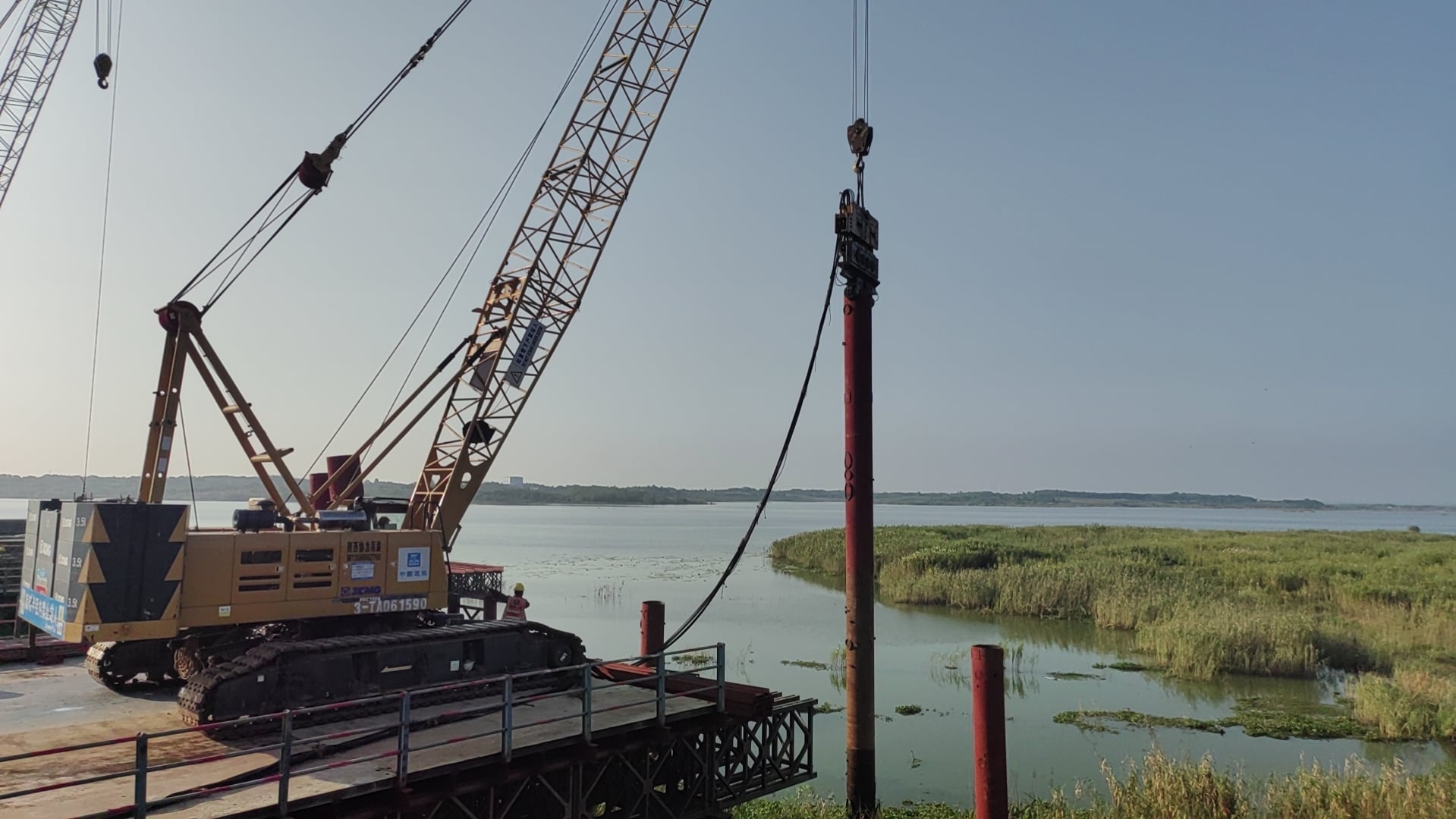
Evaluating pile driver cost against performance means looking beyond the purchase price. Buyers need to judge whether a pile driver can meet required production rates, handle the intended materials, and operate within site constraints. A sound comparison connects the equipment’s capabilities with total project value, rather than treating a low initial quote as proof of a better investment.
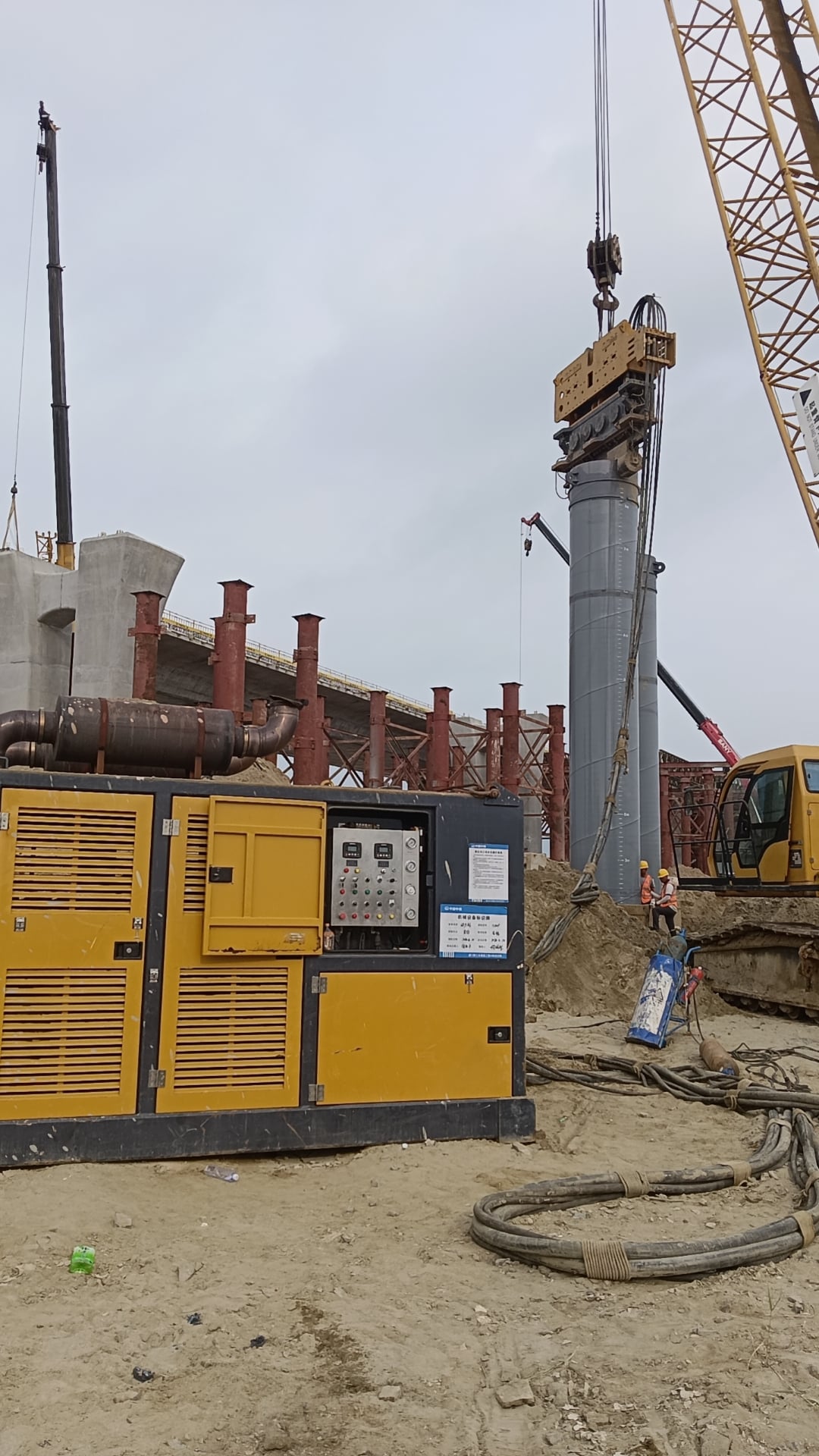
The right evaluation starts with the work the machine must perform. Consider pile type, ground conditions, access, crane capacity, shift length, and the required installation tolerance. These details help buyers compare a pile driver’s practical output with its cost, identify trade-offs early, and avoid paying for capacity the project cannot use.
Define the performance the project requires
Match machine capability to pile and ground conditions
A pile driver should be assessed against the pile dimensions, material, and installation method specified for the job. Soil resistance and layers can affect penetration, so buyers should share available geotechnical information when evaluating a pile driver. The objective is a suitable operating range, not simply the largest machine or the highest headline specification.
Ask how the proposed pile driver is expected to perform with the actual pile profile and site conditions. A vibro hammer, impact system, or other configuration may suit different installation needs, but the selection must reflect engineering requirements. Confirming these details helps buyers compare relevant capability instead of treating unlike equipment as interchangeable.
Translate production targets into usable output
A stated operating rate is useful only when its assumptions are clear. Buyers should understand whether the pile driver estimate includes positioning, clamping, lifting, pile changes, and pauses for quality checks. A realistic cycle-time discussion is more valuable than an isolated speed figure because it connects the pile driver to the work sequence crews will follow.
Estimate the number of piles, working hours, and schedule float, then consider how the pile driver fits with cranes, operators, and support crews. If a machine’s capacity exceeds what the site can feed, that extra capacity may not create additional output. Conversely, insufficient capability can leave a pile driver becoming the bottleneck across the installation sequence.
Compare purchase price with ownership cost
Account for the full cost of operation
The purchase price is only one part of the cost equation. For each pile driver option, review expected energy or fuel use, routine servicing, wear components, transport, setup, and storage. Buyers should use documented assumptions and project-specific estimates, not unsupported savings claims. A consistent cost horizon makes comparisons between a pile driver and alternatives more meaningful.
Maintenance access and service intervals can influence usable hours as well as direct expense. Ask what inspections the pile driver requires, which components are treated as wear items, and how maintenance fits the planned shift pattern. A clear maintenance plan helps buyers estimate downtime exposure and understand whether a pile driver’s apparent price advantage persists in operation.
Include logistics, support, and financing effects
Transport dimensions, lifting requirements, site access, and commissioning can change the delivered cost. Buyers should include these items when comparing a pile driver quotation with its expected job value. Clarify what is included, what requires separate arrangements, and whether the project has suitable handling equipment. This prevents a pile driver budget from overlooking practical mobilization expenses.
Financing terms and expected utilization also shape the economics. A pile driver used across recurring projects may justify a different ownership case from equipment needed for one short contract. Compare the purchase route with rental or subcontracting where appropriate, while accounting for availability, control, and schedule risk. The useful question is whether owning a pile driver fits the company’s workload.
Assess risk and make a defensible decision
Test assumptions against site realities
Performance claims should be checked against project inputs. Buyers can ask for the operating conditions behind any pile driver output estimate, including pile dimensions, soil profile, setup assumptions, and operator experience. Where uncertainty remains, use a site trial or engineering review if practical. This makes the pile driver comparison more evidence-based and exposes assumptions that could affect delivery.
Consider what happens if actual ground resistance differs from the investigation or access is tighter than planned. A pile driver with a suitable operating range and clear operating limits may provide more useful flexibility than one selected around a single best-case scenario. Buyers should also verify that the pile driver configuration complies with project specifications and applicable safety requirements.
Weigh value rather than lowest initial price
A defensible choice weighs cost per completed pile, expected availability, schedule contribution, and quality requirements together. Buyers can compare each pile driver using the same workload, operating period, and cost assumptions. This framework reveals whether extra capability is likely to be used and whether a lower-priced pile driver could create additional delays, support needs, or operating constraints.
Document the decision with the assumptions, exclusions, and evidence used. Include the proposed pile driver’s configuration, expected duty, service needs, and fit with site resources. Revisit the evaluation if the pile type, schedule, or ground information changes. A transparent review gives procurement, engineering, and operations teams a shared basis for approving a pile driver investment.
FAQ
Should buyers choose the lowest-priced pile driver?
Not automatically. Compare the pile driver’s delivered and operating costs with its fit for the work, expected output, maintenance needs, and schedule effect. The lowest initial price may be suitable when capability matches the project, but price alone cannot establish value.
Which project details matter most in a pile driver evaluation?
Start with pile dimensions and material, geotechnical conditions, installation requirements, site access, available lifting equipment, and the production schedule. These inputs let buyers judge whether a pile driver can perform the specified work and make cost estimates more realistic.
How can buyers compare pile driver performance fairly?
Use the same project assumptions and time horizon for every option. Account for operating cycle, setup, maintenance, logistics, and support, then relate those costs to completed work. Ask for the conditions behind each pile driver estimate and document unresolved risks before deciding.