
 EN
EN
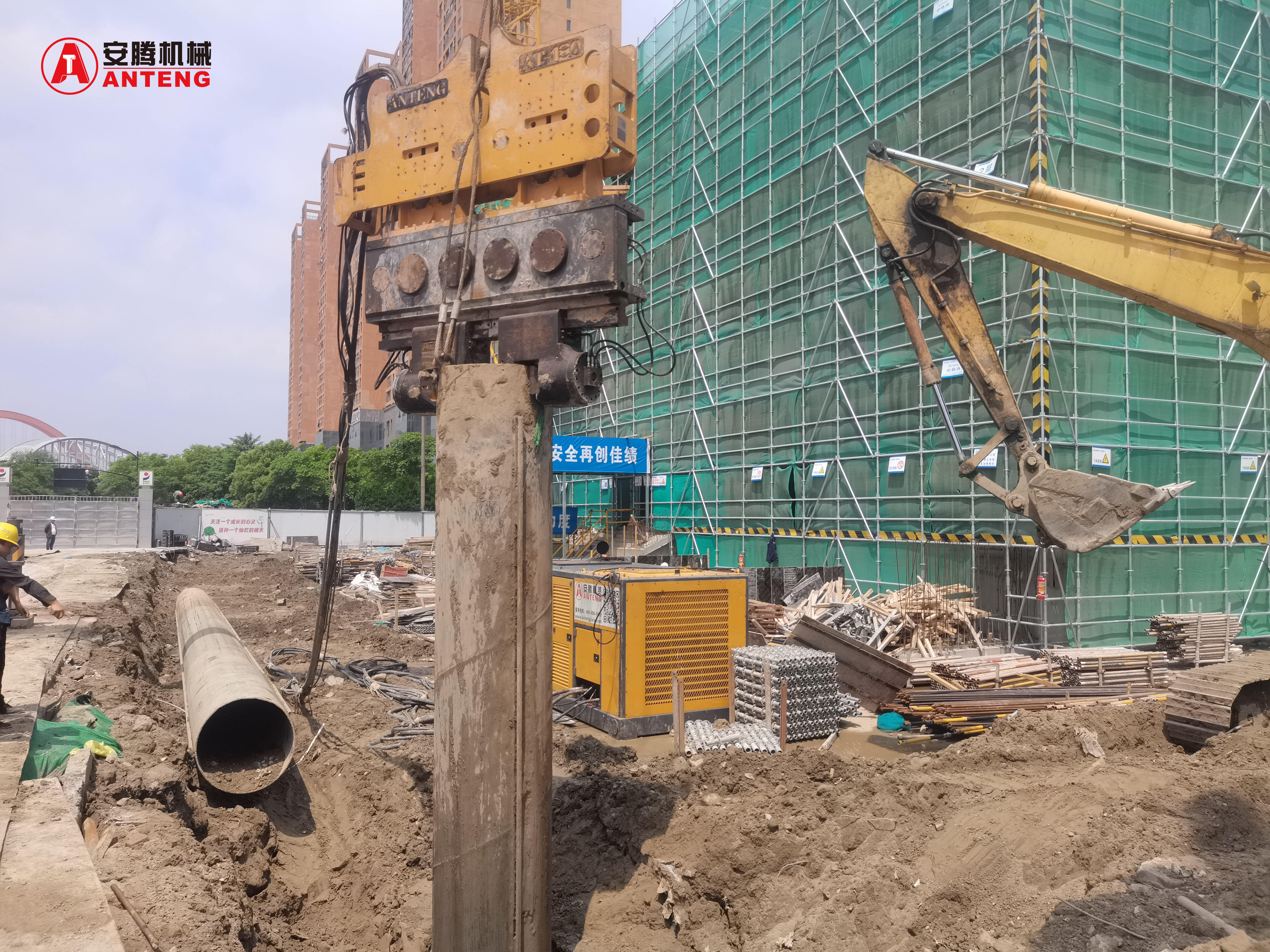
Understanding how a pile hammer differs across various driving technologies is essential for construction professionals who need to select the most appropriate foundation installation method. Each pile hammer technology operates on distinct mechanical principles, affecting everything from soil penetration capabilities to operational efficiency and environmental impact. The choice between different pile hammer systems can significantly influence project timelines, cost-effectiveness, and the structural integrity of deep foundation installations.
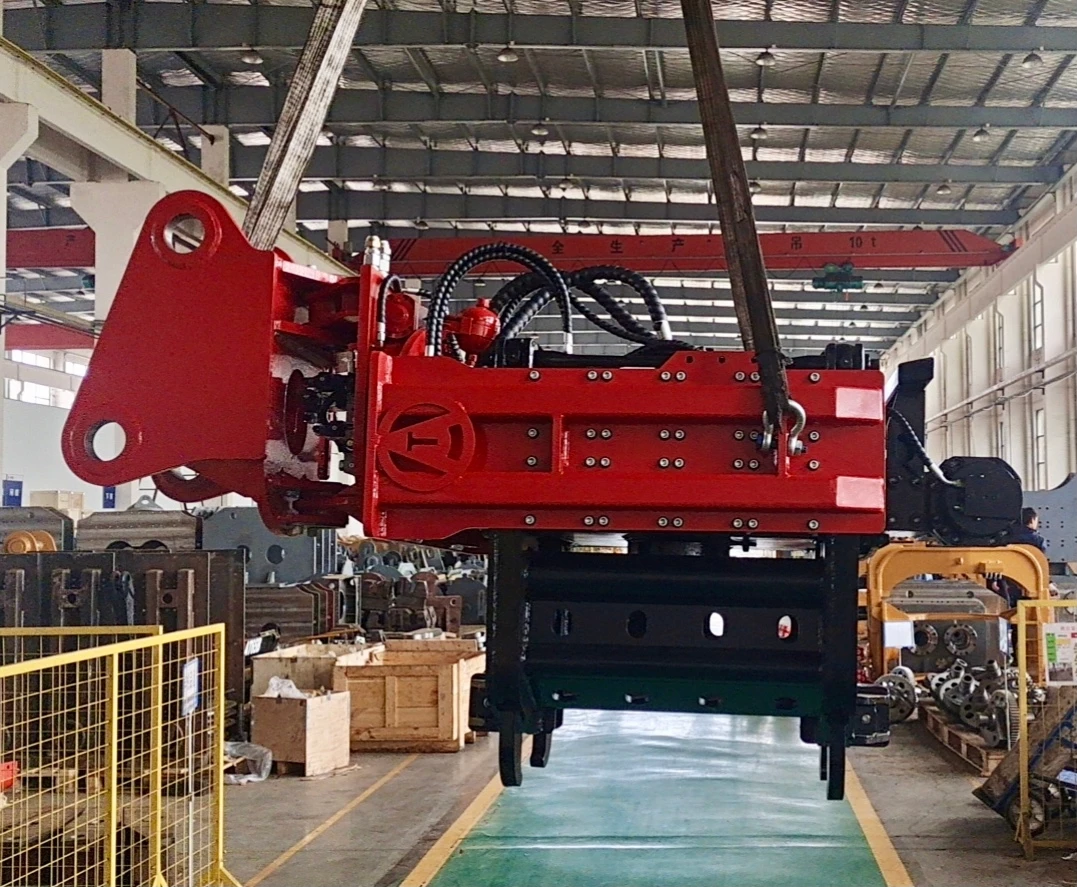
The fundamental differences between pile hammer technologies stem from their energy transmission methods, power sources, and mechanical operation principles. While traditional impact hammers rely on gravitational force and momentum transfer, modern vibratory systems utilize oscillating mechanisms to achieve pile penetration. These technological variations create distinct advantages and limitations that must be carefully evaluated based on specific project requirements, soil conditions, and environmental constraints.
Impact Pile Hammer Technology
Drop Hammer Mechanisms
Drop hammer pile driving represents the most traditional approach to pile installation, utilizing gravitational energy to drive piles into the ground. This pile hammer technology operates by lifting a heavy weight to a predetermined height and allowing it to fall freely onto the pile head, transferring kinetic energy through direct impact. The effectiveness of drop hammers depends primarily on the weight of the hammer, the drop height, and the frequency of impacts delivered to the pile.
The mechanical simplicity of drop hammer systems makes them particularly suitable for projects with limited access to compressed air or hydraulic power sources. These pile hammer units typically consist of a heavy steel weight, guide leads, and a lifting mechanism that can be manually operated or powered by simple winch systems. The energy output is easily calculated and predictable, making drop hammers valuable for projects requiring precise energy control and documentation.
However, drop hammer pile driving faces significant limitations in modern construction environments due to noise generation, vibration transmission, and relatively slow installation rates. The impact energy delivery method creates substantial ground vibrations that can affect nearby structures, while the repetitive impact nature generates noise levels that may violate urban construction regulations. Additionally, the manual or semi-automated operation of drop hammers results in slower pile installation rates compared to powered alternatives.
Steam and Air Hammer Systems
Steam and air-powered pile hammer systems represent a significant advancement over traditional drop hammers, utilizing pressurized fluid power to accelerate the hammer weight and increase impact frequency. These systems incorporate steam or compressed air cylinders that both lift and accelerate the hammer weight, delivering higher energy outputs with greater consistency than gravity-dependent systems. The controlled acceleration allows for precise energy regulation and faster cycling rates.
Air hammer pile driving systems typically operate at pressures between 90 and 125 psi, with hammer weights ranging from 500 to 50,000 pounds depending on pile size and soil conditions. The pneumatic operation enables rapid cycling rates of 35 to 60 blows per minute, significantly improving installation productivity compared to drop hammer methods. Steam hammers operate on similar principles but utilize steam pressure generated by on-site boilers, providing consistent power output regardless of external air supply availability.
The primary advantages of steam and air pile hammer systems include increased driving rates, consistent energy delivery, and improved operator control over impact intensity. However, these systems require substantial auxiliary equipment including air compressors or steam boilers, increasing project complexity and operational costs. The noise and vibration characteristics remain significant concerns, particularly in urban environments where impact pile driving may be restricted or prohibited.
Vibratory Pile Hammer Technology
Oscillating Drive Mechanisms
Vibratory pile hammer technology operates on fundamentally different principles compared to impact systems, utilizing high-frequency oscillations to reduce soil friction and facilitate pile penetration. These systems incorporate eccentric weights or counterrotating masses that create controlled vibrations ranging from 1,000 to 2,500 vibrations per minute. The oscillating motion temporarily liquefies granular soils around the pile, dramatically reducing penetration resistance and enabling rapid installation rates.
The mechanical design of vibratory pile hammer units includes hydraulically or electrically driven motors that rotate eccentric weights in synchronized patterns. The vibration amplitude and frequency can be precisely controlled through variable motor speeds and adjustable eccentric weight configurations. This controllability allows operators to optimize driving parameters for specific soil conditions and pile types, maximizing installation efficiency while minimizing equipment stress.
Vibratory pile driving systems excel in granular soils where the oscillating motion effectively reduces soil friction coefficients. The continuous driving motion eliminates the stop-start cycles inherent in impact hammers, resulting in faster installation rates and improved productivity. Additionally, the reduced ground vibration transmission makes pile hammer operations more suitable for urban environments and projects near sensitive structures.
Hydraulic Power Integration
Modern vibratory pile hammer systems increasingly incorporate advanced hydraulic power delivery methods that provide superior control and efficiency compared to traditional mechanical drive systems. Hydraulic integration allows for precise speed control, instant directional changes, and automated parameter adjustment based on real-time driving conditions. These systems utilize high-pressure hydraulic circuits to power both the vibratory mechanisms and auxiliary functions such as clamp operation and pile positioning.
Hydraulic pile hammer systems typically operate at pressures between 2,000 and 5,000 psi, providing substantial power density and responsive control characteristics. The hydraulic power source can be integrated into the carrier equipment or provided by dedicated power units, offering flexibility in system configuration and deployment. Variable displacement hydraulic pumps enable precise power matching to driving requirements, optimizing fuel consumption and reducing operational costs.
The integration of hydraulic control systems enables advanced features such as automatic frequency adjustment, load sensing, and data logging capabilities. These pile hammer systems can automatically adapt vibration parameters based on soil resistance feedback, maintaining optimal driving efficiency throughout the installation process. The precise control afforded by hydraulic systems also enables gentle pile extraction operations, allowing for pile recovery and reuse in temporary applications.
Sonic Pile Hammer Technology
High-Frequency Resonance Systems
Sonic pile hammer technology represents the most advanced approach to vibratory pile driving, utilizing high-frequency resonance to achieve superior penetration rates and installation control. These systems operate at frequencies between 100 and 150 Hz, creating resonant conditions that maximize soil displacement efficiency while minimizing power consumption. The precise frequency control enables operators to match the natural frequency characteristics of different pile materials and soil conditions.
The mechanical design of sonic pile hammer systems incorporates sophisticated oscillator assemblies with electronically controlled frequency generation. Unlike traditional vibratory systems that rely on mechanical eccentric weights, sonic systems use electromagnetic or hydraulic oscillators that can instantaneously adjust frequency, amplitude, and phase relationships. This precise control enables optimization of driving parameters for each individual pile installation.
Sonic pile driving technology excels in challenging soil conditions where conventional impact and vibratory methods struggle to achieve adequate penetration. The high-frequency oscillations can effectively overcome dense layers, cohesive soils, and mixed soil conditions that typically require pre-drilling or alternative installation methods. The consistent energy delivery and precise control make sonic systems particularly valuable for applications requiring strict pile positioning tolerances and installation quality standards.
Advanced Control Systems
Modern sonic pile hammer systems integrate sophisticated electronic control technologies that provide real-time monitoring, automatic parameter adjustment, and comprehensive data logging capabilities. These control systems utilize multiple sensor inputs including accelerometers, load cells, and penetration sensors to continuously optimize driving parameters and ensure installation quality. The electronic control enables precise frequency modulation and amplitude adjustment based on instantaneous feedback from the driving process.
The advanced control capabilities of sonic pile hammer technology include automatic soil recognition algorithms that can identify soil type changes and adjust driving parameters accordingly. These systems can detect refusal conditions, monitor pile integrity during installation, and provide predictive maintenance alerts based on equipment performance trends. The comprehensive data collection enables detailed installation records and quality assurance documentation required for critical foundation projects.
Integration with modern construction management systems allows sonic pile hammer operations to be coordinated with project scheduling, quality control protocols, and environmental monitoring requirements. The precise control and monitoring capabilities make these systems particularly suitable for projects with stringent installation tolerances, environmental restrictions, or complex foundation requirements where installation quality directly impacts structural performance.
Comparative Performance Analysis
Soil Compatibility Factors
The performance characteristics of different pile hammer technologies vary significantly across different soil conditions, making soil compatibility a critical factor in technology selection. Impact hammers excel in cohesive soils and mixed conditions where the shock loading can overcome soil adhesion and achieve consistent penetration. The high-energy impact delivery is particularly effective in clay layers, silty soils, and conditions with variable density characteristics where steady-state driving methods may struggle.
Vibratory pile hammer systems demonstrate superior performance in granular soils where the oscillating motion can effectively reduce friction coefficients and enable rapid penetration. Sandy soils, gravelly conditions, and loose to medium-dense granular materials respond well to vibratory installation methods. However, these systems may struggle in highly cohesive soils where the vibratory motion cannot effectively overcome soil adhesion and shear strength characteristics.
Sonic pile hammer technology provides the most versatile soil compatibility, effectively handling both cohesive and granular conditions through precise frequency control and high-energy density delivery. The ability to adjust frequency and amplitude in real-time enables sonic systems to adapt to changing soil conditions and optimize penetration rates throughout the installation depth. This versatility makes sonic systems particularly valuable for projects with complex or variable subsurface conditions.
Environmental Impact Considerations
Environmental impact characteristics differ substantially between pile hammer technologies, influencing their suitability for various project locations and regulatory environments. Impact hammer systems generate the highest levels of noise and ground vibration, with sound levels typically exceeding 100 decibels and vibration transmission extending several hundred feet from the installation location. These characteristics often limit the use of impact pile hammer systems in urban environments or near sensitive structures.
Vibratory pile hammer systems produce significantly lower noise levels, typically ranging from 75 to 85 decibels, while still generating substantial ground vibrations due to the oscillating drive mechanism. The vibration characteristics are different from impact systems, with continuous low-amplitude vibrations rather than high-impact shock waves. This makes vibratory systems more suitable for urban applications, though vibration monitoring may still be required for nearby sensitive structures.
Sonic pile hammer technology provides the lowest environmental impact profile, with noise levels comparable to typical construction equipment and minimal ground vibration transmission. The high-frequency, low-amplitude oscillations of sonic systems are rapidly attenuated by soil damping characteristics, reducing the potential for disturbance to adjacent structures. This environmental compatibility makes sonic pile hammer systems the preferred choice for projects in densely developed areas or near critical infrastructure.
FAQ
What determines which pile hammer technology is most suitable for a specific project?
The selection of pile hammer technology depends on several critical factors including soil conditions, environmental constraints, pile specifications, and project requirements. Granular soils typically favor vibratory or sonic systems, while cohesive soils may require impact hammers for effective penetration. Urban projects with noise restrictions generally necessitate vibratory or sonic technologies, while remote locations may accommodate any pile hammer type. The pile material, diameter, and required installation tolerances also influence technology selection, with precision applications favoring sonic systems and standard installations accommodating conventional impact or vibratory methods.
How do installation rates compare between different pile hammer technologies?
Installation rates vary significantly between pile hammer technologies, with vibratory and sonic systems typically achieving faster penetration rates than impact hammers in suitable soil conditions. Vibratory pile hammers can install piles at rates of 5 to 15 feet per minute in favorable granular soils, while impact systems typically achieve 1 to 3 feet per minute depending on soil resistance and hammer specifications. Sonic pile hammer systems often achieve the fastest rates in challenging conditions, with installation speeds of 10 to 20 feet per minute possible in mixed soil profiles where other technologies struggle to maintain consistent penetration.
Can different pile hammer technologies be used interchangeably on the same project?
Different pile hammer technologies can be used on the same project when soil conditions vary significantly across the site or when different pile types require specific installation methods. However, the compatibility of pile types, installation specifications, and quality control requirements must be carefully evaluated. Each pile hammer technology may require different pile head preparations, installation procedures, and acceptance criteria. Project specifications must account for these differences, and construction teams need appropriate equipment and expertise for each technology type to ensure consistent installation quality across all foundation elements.
What maintenance requirements differ between pile hammer technologies?
Maintenance requirements vary considerably between pile hammer technologies, with impact systems requiring frequent inspection of wear components, guide systems, and power equipment. Vibratory pile hammer systems need regular maintenance of eccentric weights, bearing assemblies, and vibration dampening systems, with particular attention to hydraulic seals and motor components. Sonic systems require the most sophisticated maintenance protocols, including electronic system calibration, sensor verification, and oscillator component inspection. The complexity of maintenance increases with technology advancement, but modern systems often provide better diagnostic capabilities and predictive maintenance features that can reduce unexpected downtime and extend equipment life.
Table of Contents
- Impact Pile Hammer Technology
- Vibratory Pile Hammer Technology
- Sonic Pile Hammer Technology
- Comparative Performance Analysis
-
FAQ
- What determines which pile hammer technology is most suitable for a specific project?
- How do installation rates compare between different pile hammer technologies?
- Can different pile hammer technologies be used interchangeably on the same project?
- What maintenance requirements differ between pile hammer technologies?