
 EN
EN
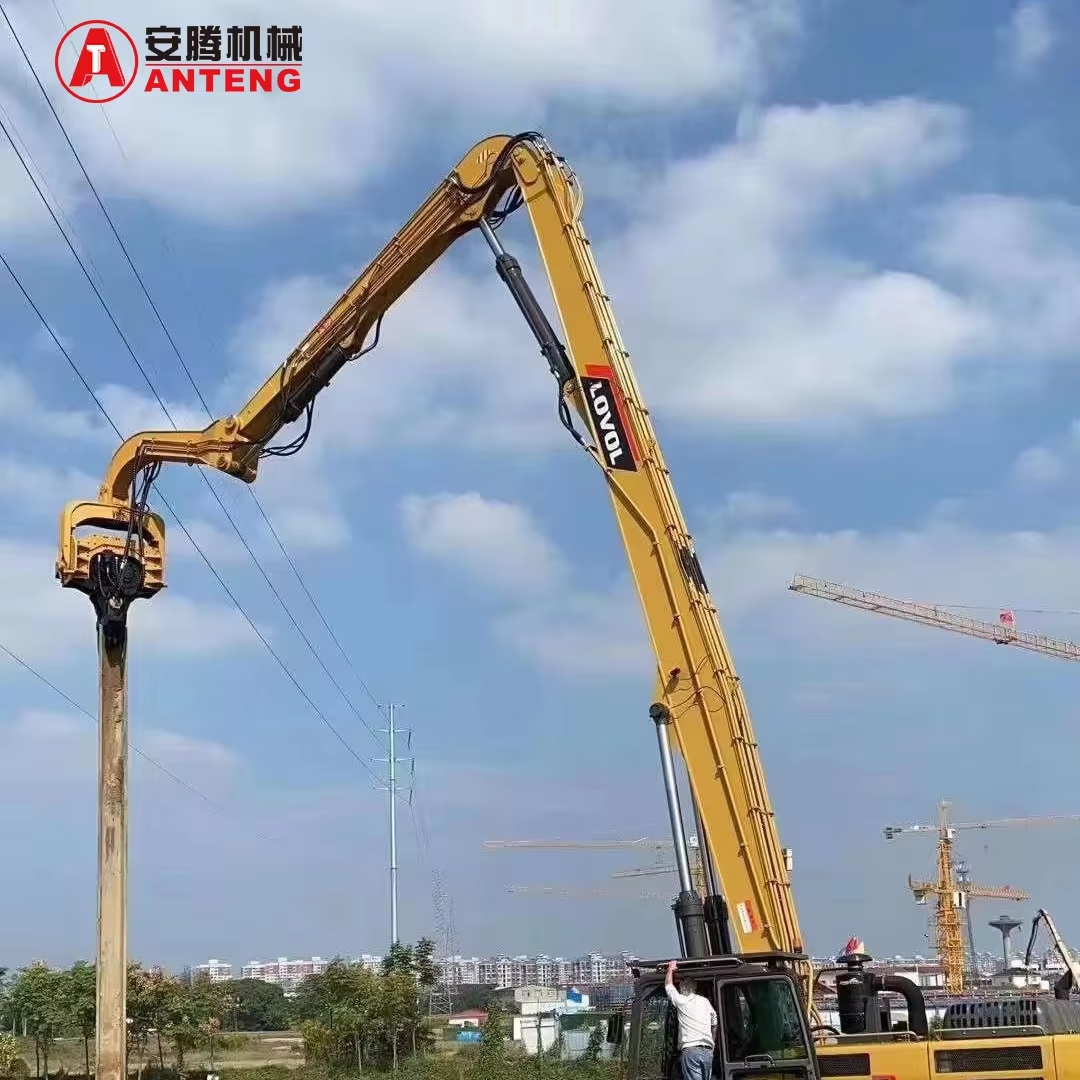
A vibro hammer represents one of the most efficient and versatile pile driving technologies available in modern construction and foundation work. When evaluating foundation installation methods, contractors and engineers increasingly turn to vibro hammer technology due to its unique combination of power, precision, and environmental consideration. Understanding the specific advantages of using a vibro hammer in piling operations can significantly impact project success, timeline efficiency, and overall construction costs.
The advantages of vibro hammer technology extend far beyond simple pile installation, encompassing operational efficiency, environmental sustainability, and economic benefits that make it an increasingly preferred choice for foundation contractors. From reduced noise pollution to enhanced installation speed, vibro hammer systems deliver measurable improvements across multiple project parameters. These benefits become particularly pronounced in urban construction environments, challenging soil conditions, and projects requiring precise foundation placement while maintaining strict environmental compliance standards.
Enhanced Installation Efficiency and Speed
Rapid Pile Penetration Capabilities
The vibro hammer achieves superior installation speeds through its high-frequency vibration mechanism that reduces soil friction around pile surfaces. This vibrational energy effectively liquefies granular soils temporarily, allowing piles to penetrate with minimal resistance. Construction teams report installation speeds up to three times faster compared to traditional impact hammers when working in suitable soil conditions.
Modern vibro hammer systems generate controlled frequencies ranging from 1500 to 2500 vibrations per minute, creating optimal conditions for pile advancement. The continuous vibrational force eliminates the start-stop cycles inherent in impact driving methods, resulting in smooth, uninterrupted installation processes. This consistent operation translates directly into reduced project timelines and improved scheduling predictability.
Field studies demonstrate that vibro hammer technology can install steel sheet piles at rates exceeding 100 linear feet per hour in favorable conditions. This exceptional productivity stems from the equipment's ability to maintain constant downward pressure while simultaneously reducing soil resistance through vibrational energy. The result is dramatically improved installation efficiency that directly impacts project economics and completion schedules.
Consistent Performance Across Soil Types
Unlike impact hammers that struggle with varying soil densities, vibro hammer systems maintain consistent performance across diverse ground conditions. The vibrational mechanism proves particularly effective in sandy soils, loose granular materials, and medium-density clay formations. This versatility reduces the need for equipment changes during projects that encounter varying subsurface conditions.
The vibro hammer technology adapts automatically to soil resistance changes through variable frequency controls and amplitude adjustments. Operators can fine-tune vibrational parameters in real-time to optimize performance for specific soil layers encountered during installation. This adaptability ensures consistent pile installation quality regardless of subsurface variations.
Advanced vibro hammer models incorporate feedback systems that monitor soil resistance and automatically adjust operational parameters. This intelligent response capability maintains optimal installation conditions throughout the pile driving process, ensuring uniform pile placement and reduced installation time variability. Such technological sophistication represents a significant advantage over conventional pile driving methods.
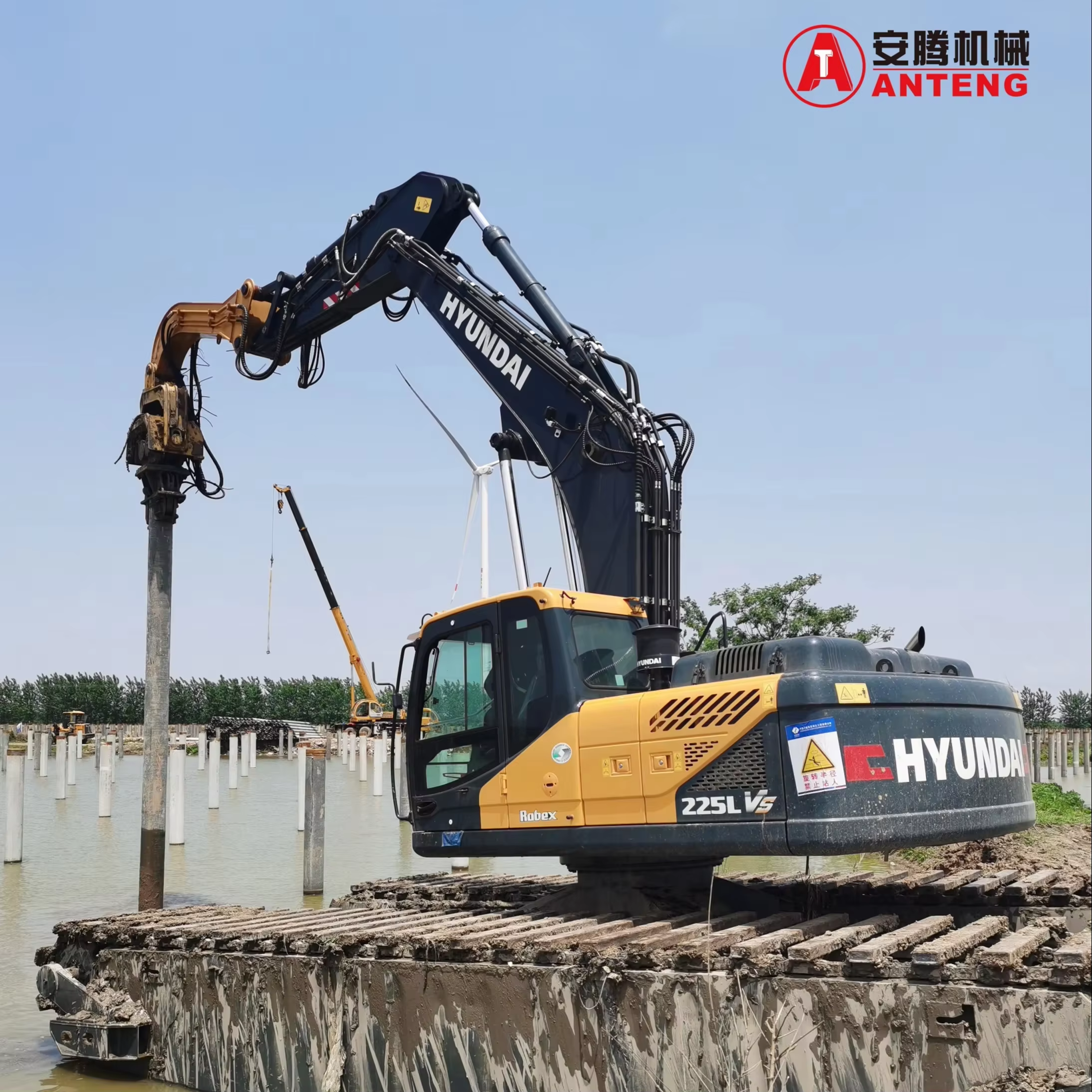
Environmental and Acoustic Benefits
Significant Noise Reduction
One of the most compelling advantages of vibro hammer technology lies in its substantially reduced noise generation compared to impact pile driving methods. Traditional diesel hammers produce noise levels often exceeding 100 decibels at operational distances, creating significant community disturbance and regulatory compliance challenges. Vibro hammer systems typically operate at 70-80 decibels, representing a dramatic reduction in acoustic impact.
This noise reduction proves particularly valuable in urban construction environments where noise ordinances strictly limit acceptable sound levels during specific hours. Vibro hammer technology enables extended working hours and reduces community complaints, leading to improved stakeholder relationships and fewer project delays due to noise-related restrictions. The quieter operation also enhances job site safety by improving communication between crew members.
The reduced acoustic signature of vibro hammer operations stems from the elimination of high-impact collisions that characterize traditional pile driving. Instead of explosive impact events, the vibro hammer creates controlled oscillations that achieve pile advancement through continuous energy transfer. This fundamental operational difference results in the substantial noise reduction that makes vibro hammer technology increasingly attractive for sensitive construction environments.
Minimal Ground Vibration and Structural Impact
Beyond noise reduction, vibro hammer technology significantly reduces ground vibration transmission that can damage nearby structures or disrupt sensitive operations. The high-frequency, low-amplitude vibrations generated by vibro hammer systems dissipate quickly through soil media, minimizing impact on adjacent buildings, utilities, or precision equipment installations.
Seismic monitoring studies demonstrate that vibro hammer operations produce ground vibrations typically 60-70% lower than comparable impact driving methods. This reduction proves critical when working near hospitals, laboratories, data centers, or historic structures where vibration sensitivity requires careful management. The controlled vibrational characteristics of vibro hammer technology enable foundation work in previously prohibitive locations.
The localized nature of vibro hammer vibrations also reduces the risk of disturbing existing foundations or underground utilities. The energy dissipation pattern of vibrational forces differs significantly from impact shock waves, creating a more contained zone of influence around pile installation areas. This characteristic enables closer proximity work to existing structures while maintaining safety and structural integrity.
Economic and Operational Advantages
Reduced Equipment Maintenance Requirements
Vibro hammer systems demonstrate superior reliability and reduced maintenance requirements compared to impact pile driving equipment. The absence of high-impact collisions eliminates many wear components that require frequent replacement in traditional hammers. This operational characteristic translates into lower maintenance costs, reduced downtime, and improved equipment availability for project work.
The mechanical simplicity of vibro hammer drive mechanisms contributes to enhanced reliability and extended service intervals. Unlike complex diesel hammer systems with numerous moving parts subject to impact stress, vibro hammer technology relies on robust electric or hydraulic motors driving eccentric weights. This design approach minimizes failure points and reduces the frequency of major repairs.
Field maintenance requirements for vibro hammer equipment typically involve routine lubrication, bearing inspection, and periodic motor servicing. These maintenance activities can often be performed by on-site technicians without specialized hammer repair expertise. The reduced maintenance complexity contributes to lower total cost of ownership and improved project economics.
Fuel Efficiency and Operating Cost Reduction
Modern vibro hammer systems, particularly electric and hydraulic variants, demonstrate significantly improved fuel efficiency compared to diesel impact hammers. Electric vibro hammer models eliminate diesel consumption entirely when connected to site power systems, while hydraulic versions utilize host equipment power more efficiently than standalone diesel units.
The continuous operation capability of vibro hammer technology reduces idle time and start-up fuel consumption associated with impact hammers. Since vibro hammer systems maintain steady operational parameters without the cycling requirements of impact methods, overall fuel consumption per pile installed decreases substantially. This efficiency improvement becomes particularly significant on large projects with extensive pile installation requirements.
Operating cost analysis reveals that vibro hammer technology typically reduces direct installation costs by 20-30% compared to impact methods when factoring fuel consumption, maintenance requirements, and installation speed improvements. These economic benefits compound over project duration, making vibro hammer systems increasingly attractive from a total cost perspective.
Pile Quality and Installation Precision
Improved Pile Integrity and Placement Accuracy
The controlled vibrational energy of vibro hammer systems provides superior pile placement accuracy compared to impact driving methods. The gradual, continuous advancement process allows operators to monitor pile position and make fine adjustments during installation. This precision capability proves particularly valuable when installing interlocking sheet pile systems or when exact pile positioning is critical for structural requirements.
Vibro hammer technology reduces pile damage during installation through its gentler driving mechanism. Impact hammers can cause pile head damage, web buckling in sheet piles, or internal stress concentrations that compromise structural integrity. The vibrational driving force of vibro hammer systems distributes energy more evenly along pile sections, preserving pile condition throughout installation.
Quality control benefits extend to pile straightness and verticality maintenance during installation. The controlled nature of vibrational driving allows operators to maintain proper pile alignment more effectively than impact methods, which can cause pile deviation due to irregular impact forces or soil variations. This improved installation quality reduces the need for corrective measures and ensures optimal structural performance.
Versatility Across Pile Types and Applications
Vibro hammer technology demonstrates exceptional versatility across different pile materials and configurations. Steel sheet piles, H-beam piles, pipe piles, and precast concrete sections can all be installed effectively using vibro hammer systems. This flexibility reduces the need for multiple equipment types on projects involving diverse pile specifications.
The adaptable nature of vibro hammer systems extends to both installation and extraction operations. Many projects require temporary piling that must be removed upon completion, and vibro hammer technology excels at pile extraction through reverse vibrational processes. This dual capability provides significant value on projects involving temporary earth retention, cofferdams, or staged construction phases.
Special applications such as offshore marine construction, bridge foundation work, and industrial facility development benefit from the unique characteristics of vibro hammer technology. The equipment's ability to operate in confined spaces, underwater environments, and noise-sensitive areas expands the range of feasible pile installation scenarios compared to traditional impact methods.
FAQ
What soil conditions are most suitable for vibro hammer pile installation?
Vibro hammer technology performs optimally in granular soils including sand, gravel, and loose to medium-dense materials. The vibrational mechanism effectively reduces friction in these soil types, enabling rapid pile penetration. While less effective in hard clays or rock formations, modern vibro hammer systems can handle a broader range of soil conditions than earlier models through variable frequency and amplitude controls.
How does vibro hammer installation speed compare to traditional impact methods?
Vibro hammer systems typically achieve installation speeds 2-3 times faster than impact hammers in suitable soil conditions. Steel sheet pile installation rates can exceed 100 linear feet per hour with vibro hammer technology, compared to 30-40 feet per hour with conventional impact methods. The continuous operation and reduced soil resistance contribute to these significant productivity improvements.
Are there any limitations or disadvantages to using vibro hammer technology?
Vibro hammer systems are less effective in very hard, dense soils or rock formations where vibrational energy cannot sufficiently reduce soil resistance. Additionally, the initial equipment cost may be higher than basic impact hammers, though this is typically offset by operational savings. Some pile types, particularly those requiring high driving energy, may still require impact methods for proper installation in challenging conditions.
What maintenance requirements should be expected with vibro hammer equipment?
Vibro hammer maintenance primarily involves routine lubrication, bearing inspection, and motor servicing at manufacturer-specified intervals. The absence of high-impact components significantly reduces wear compared to diesel hammers, resulting in longer service intervals and lower maintenance costs. Most routine maintenance can be performed by standard equipment technicians without specialized hammer repair training.
Table of Contents
- Enhanced Installation Efficiency and Speed
- Environmental and Acoustic Benefits
- Economic and Operational Advantages
- Pile Quality and Installation Precision
-
FAQ
- What soil conditions are most suitable for vibro hammer pile installation?
- How does vibro hammer installation speed compare to traditional impact methods?
- Are there any limitations or disadvantages to using vibro hammer technology?
- What maintenance requirements should be expected with vibro hammer equipment?