
 EN
EN

Selecting the right impact hammer for heavy-duty piling work requires careful evaluation of project requirements, soil conditions, and equipment specifications. An impact hammer serves as the driving force behind successful pile installation, making the selection process critical for construction efficiency and structural integrity. The wrong choice can lead to inadequate pile penetration, extended project timelines, and increased operational costs.
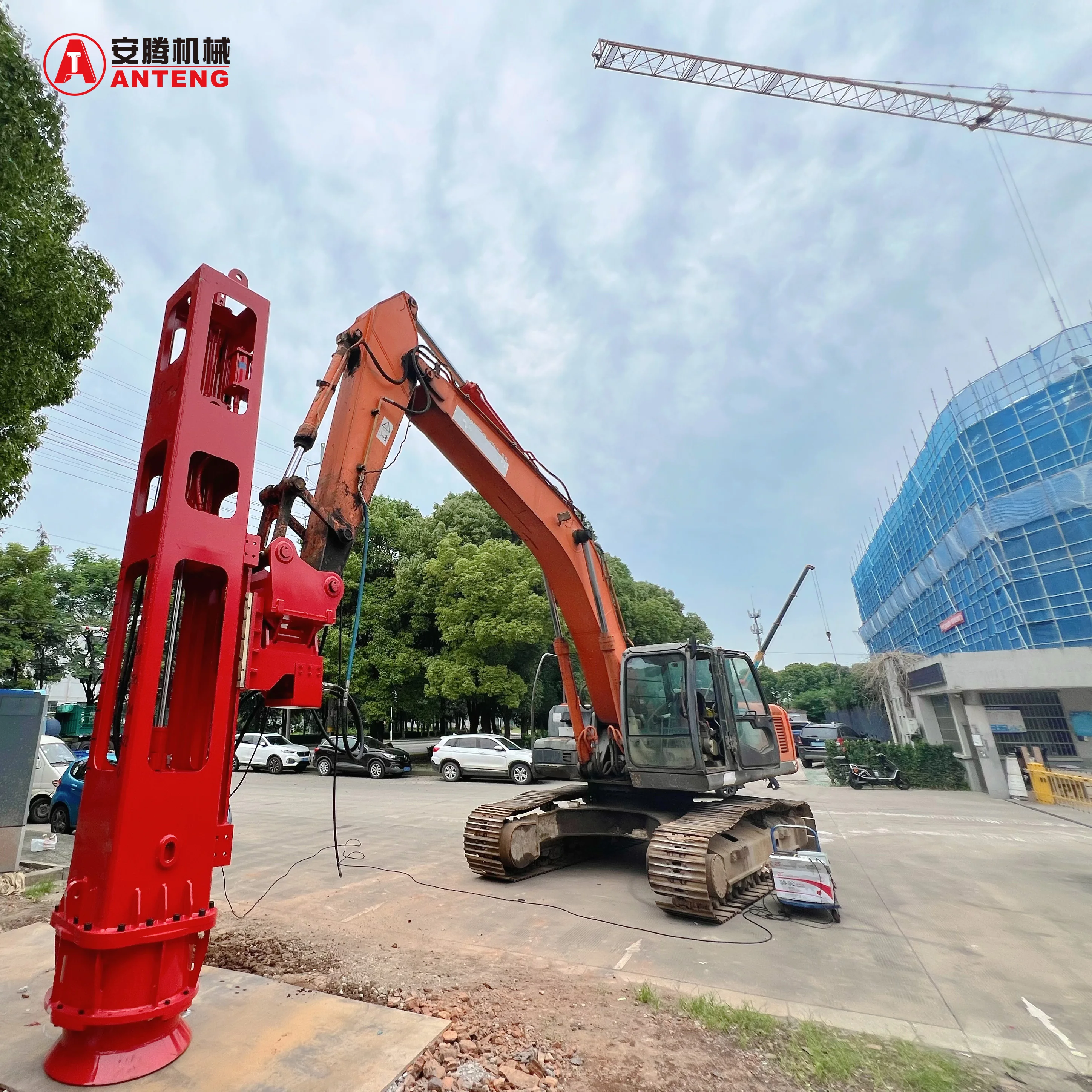
Heavy-duty piling applications demand impact hammers that can deliver consistent energy transfer while withstanding harsh construction environments. Professional contractors must consider multiple technical factors including hammer weight, energy output, blow frequency, and compatibility with existing equipment. This comprehensive selection process ensures optimal performance throughout demanding foundation projects where pile driving precision directly affects overall construction success.
Understanding Heavy-Duty Piling Requirements
Project Scale Assessment
Heavy-duty piling projects typically involve driving large-diameter piles deep into challenging soil conditions. These applications require impact hammers capable of generating substantial energy output to penetrate dense materials and reach required bearing depths. Construction sites may include bridge foundations, high-rise buildings, marine structures, or industrial facilities where pile performance directly affects structural stability.
The scale of heavy-duty projects often involves multiple pile types including steel H-beams, concrete piles, or composite materials. Each pile type responds differently to impact forces, requiring specific energy characteristics from the selected impact hammer. Understanding project scope helps determine whether single-hammer solutions suffice or multiple impact hammer configurations become necessary for optimal efficiency.
Soil Condition Evaluation
Dense clay, hardpan layers, and rock formations present unique challenges for pile driving operations. An impact hammer must overcome soil resistance while maintaining consistent energy delivery throughout the driving process. Geotechnical reports provide crucial data about bearing capacity, soil density variations, and potential obstacles that influence hammer selection.
Groundwater conditions also affect pile driving dynamics and impact hammer performance requirements. Saturated soils may require different energy transfer characteristics compared to dry conditions. Professional evaluation of soil boring data helps identify the most suitable impact hammer specifications for specific subsurface conditions encountered during heavy-duty piling operations.
Critical Technical Specifications
Energy Output Requirements
Impact hammer energy output directly correlates with pile penetration capability in challenging soil conditions. Heavy-duty applications typically require hammers generating 40,000 to 200,000 foot-pounds of energy per blow, depending on pile size and soil resistance. Higher energy output enables effective penetration through dense layers while maintaining productivity in demanding construction schedules.
Energy efficiency becomes particularly important in extended piling operations where fuel consumption and operational costs accumulate significantly. Modern impact hammers incorporate advanced energy transfer mechanisms that maximize pile driving effectiveness while minimizing energy waste. Selecting hammers with optimal energy-to-weight ratios ensures cost-effective operation throughout heavy-duty piling projects.
Weight and Size Considerations
Impact hammer weight influences both energy delivery and site mobility requirements. Heavier hammers typically generate greater impact forces but require robust crane capacity and may limit maneuverability in confined spaces. Heavy-duty applications often benefit from impact hammers weighing between 5,000 and 30,000 pounds, balancing energy output with practical handling considerations.
Physical dimensions affect transportation logistics and site accessibility, particularly in urban construction environments or projects with overhead clearance restrictions. Compact impact hammer designs optimize energy delivery while maintaining manageable dimensions for challenging site conditions. Professional evaluation of site constraints ensures selected equipment fits within operational parameters without compromising performance.
Compatibility and Integration Factors
Crane and Equipment Matching
Impact hammer selection must align with available crane capacity and lifting equipment specifications. Heavy-duty hammers require cranes capable of safely handling operating weights plus dynamic forces generated during pile driving operations. Inadequate crane capacity compromises safety and limits impact hammer effectiveness in demanding applications.
Equipment compatibility extends beyond weight limitations to include hydraulic flow requirements, electrical connections, and control system integration. Modern impact hammers often feature advanced control systems that interface with crane operations for optimized performance. Ensuring seamless integration prevents operational delays and maximizes equipment utilization efficiency throughout heavy-duty piling projects.
Pile Type Compatibility
Different pile materials respond uniquely to impact forces, requiring specific impact hammer characteristics for optimal results. Steel piles benefit from high-frequency, moderate-energy impacts that maintain structural integrity while achieving required penetration depths. Concrete piles may require different energy patterns to prevent damage during driving operations in challenging soil conditions.
Pile head configuration affects energy transfer efficiency and influences impact hammer selection criteria. Some impact hammers include adjustable cushioning systems that accommodate various pile types within single projects. This versatility proves valuable in heavy-duty applications where multiple pile specifications serve different structural requirements within comprehensive foundation systems.
Performance Optimization Strategies
Environmental Adaptability
Heavy-duty piling projects often occur in challenging environmental conditions requiring robust impact hammer performance. Temperature extremes, humidity variations, and exposure to corrosive elements demand equipment designed for harsh operational environments. Marine construction applications particularly require impact hammers with enhanced corrosion resistance and sealed components that maintain reliability in saltwater exposure.
Noise limitations in urban environments may influence impact hammer selection toward models featuring sound suppression capabilities. Modern designs incorporate noise reduction technologies that maintain energy output while minimizing environmental impact. Compliance with local noise regulations ensures project continuity without compromising pile driving effectiveness in sensitive locations.
Maintenance and Reliability
Extended heavy-duty piling operations demand impact hammers with proven reliability records and accessible maintenance requirements. Equipment downtime directly affects project schedules and increases operational costs, making reliability a crucial selection factor. Impact hammers with simplified maintenance procedures and readily available replacement parts minimize disruption during critical construction phases.
Service support availability influences long-term operational success, particularly for projects in remote locations or demanding schedules. Manufacturers offering comprehensive technical support, training programs, and rapid parts delivery provide additional value beyond initial equipment specifications. Professional evaluation of support infrastructure ensures sustained impact hammer performance throughout demanding heavy-duty applications.
FAQ
What energy output range is typically required for heavy-duty piling applications?
Heavy-duty piling applications typically require impact hammers generating between 40,000 and 200,000 foot-pounds of energy per blow, depending on pile size, soil conditions, and penetration requirements. Dense soils and large-diameter piles generally require higher energy outputs for effective penetration.
How does soil condition affect impact hammer selection for heavy-duty work?
Soil conditions significantly influence impact hammer requirements, with dense clay, hardpan, and rock formations requiring higher energy outputs and different blow frequencies. Geotechnical data helps determine optimal energy characteristics, while groundwater conditions may affect energy transfer efficiency and operational parameters.
What weight range is most suitable for heavy-duty impact hammers?
Heavy-duty impact hammers typically weigh between 5,000 and 30,000 pounds, balancing energy delivery capability with practical handling requirements. Heavier hammers provide greater impact forces but require robust crane capacity and may limit site mobility in confined construction environments.
How important is equipment compatibility when selecting an impact hammer?
Equipment compatibility is crucial for safe and efficient operation, requiring careful matching of impact hammer specifications with crane capacity, hydraulic flow requirements, and control system integration. Inadequate compatibility can compromise safety, reduce performance, and cause operational delays in heavy-duty piling projects.